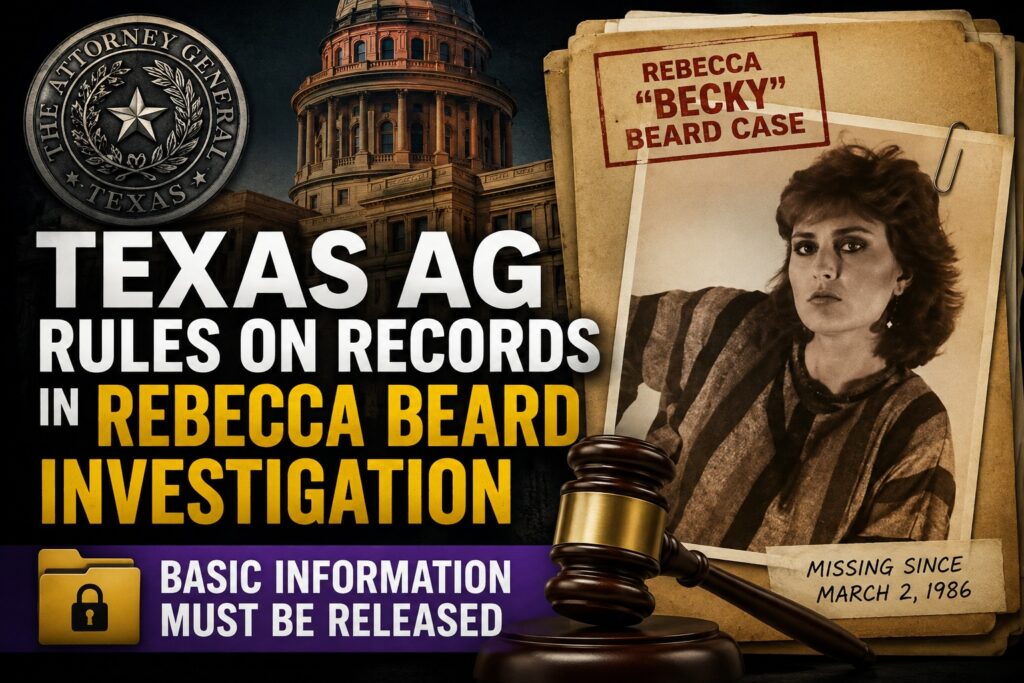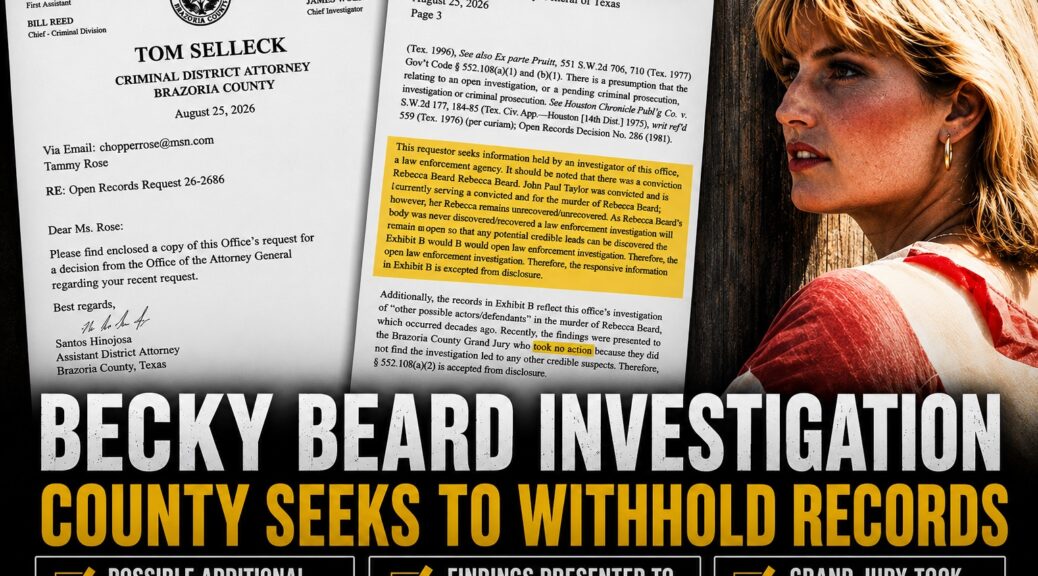
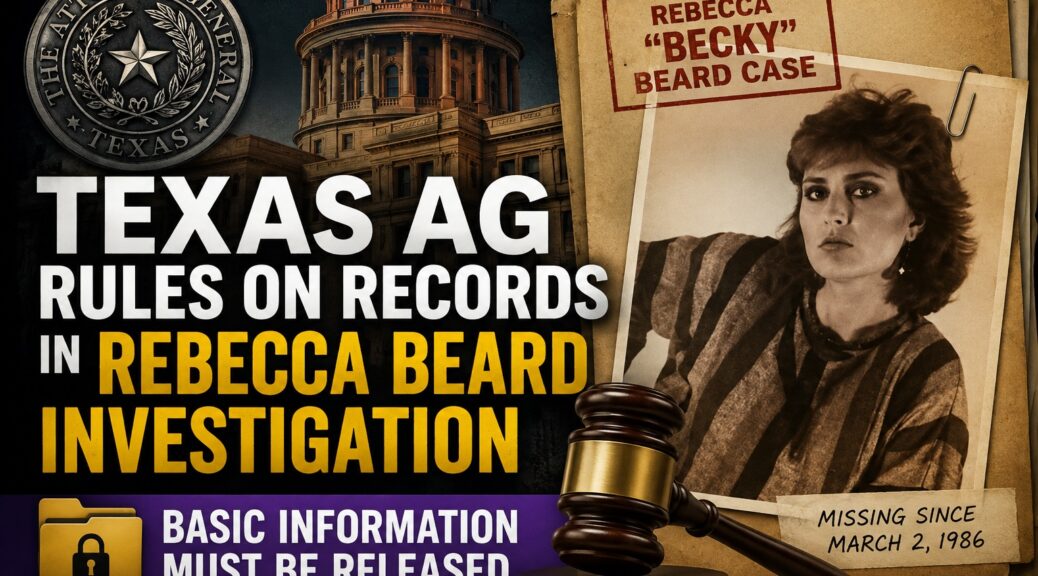
The Texas Attorney General ruled Aug. 28, 2026, that Brazoria County may withhold investigative information tied to the Rebecca “Becky” Beard case, but must release basic information.
More records in the decades-old Rebecca “Becky” Beard case will remain out of public view for now.
The Texas Attorney General issued a new ruling Aug. 28 allowing Brazoria County to withhold investigative information because authorities say it relates to an ongoing criminal case.
But the ruling comes with an important exception.
Brazoria County must release the basic information.
I have already requested it.
New ruling in the Rebecca Beard records investigation
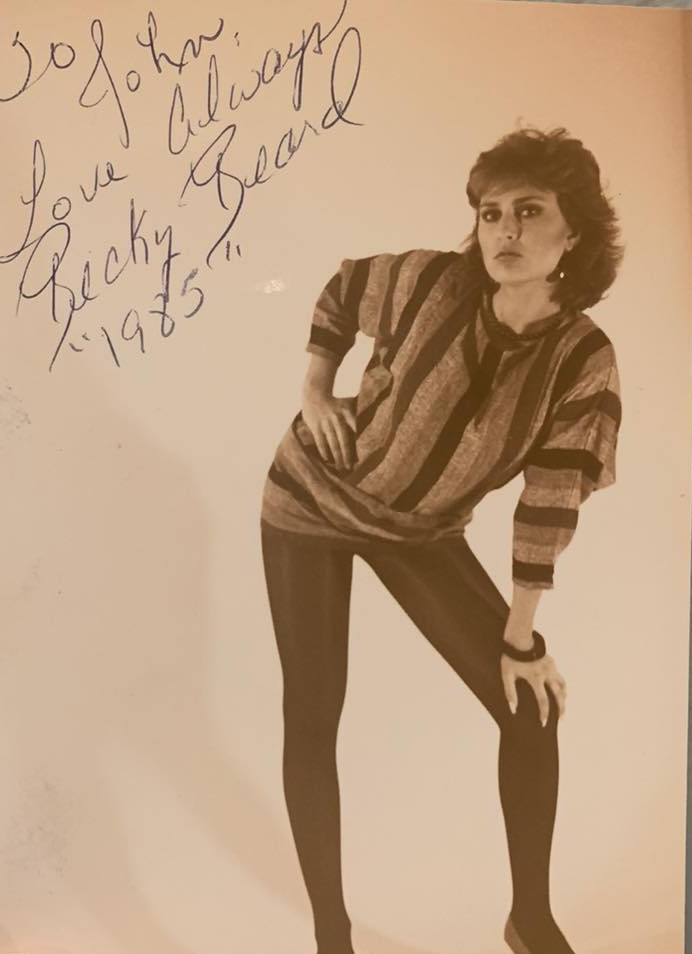
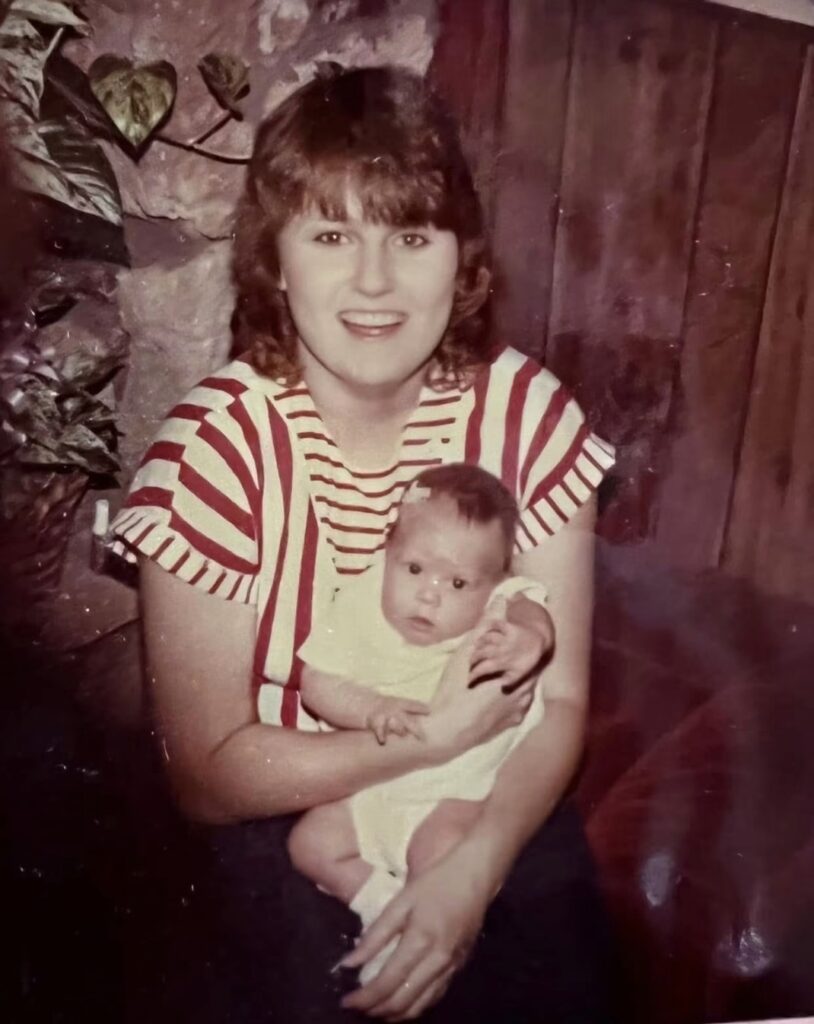
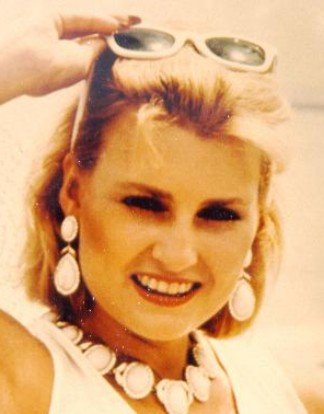
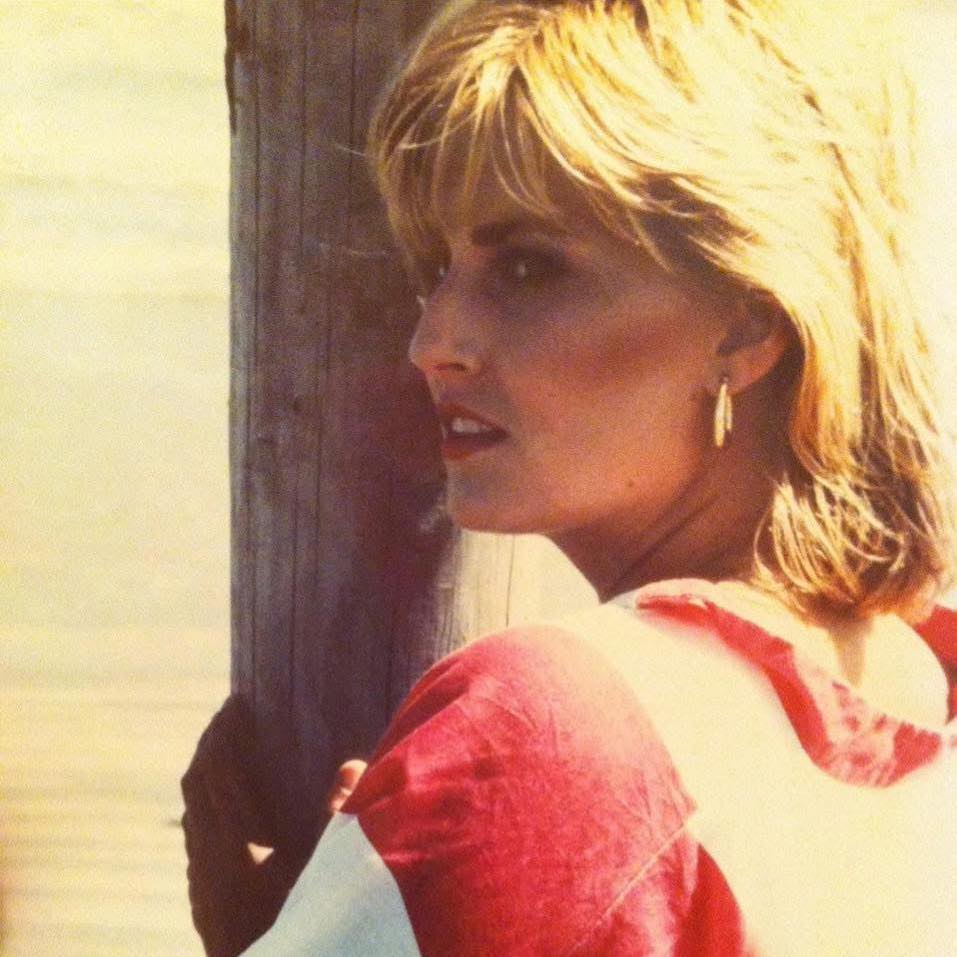
Rebecca “Becky” Beard pictured with her daughter before Becky disappeared from Freeport, Texas, in March 1986.
Beard was 22 when she disappeared after leaving the Excalibur Club in Freeport in March 1986.
Her body has never been recovered.
Paul Taylor Jr. pleaded guilty in 1995 in connection with her death, but questions surrounding the case have continued for decades.
My investigation has included multiple public information requests seeking Brazoria County records connected to the case.
Those requests have now resulted in another Attorney General ruling.
Brazoria County says the criminal case is ongoing
The Aug. 28 decision provides an important detail about the current status of the investigation.
According to the Attorney General, Brazoria County said a law enforcement agency objected to releasing the information because it “relates to an ongoing criminal case.”
The county argued that releasing the records could interfere with that case.
The Attorney General agreed that the investigative information may be withheld under Section 552.108(a)(1) of the Texas Government Code.
However, the ruling also says the county must release basic information under Section 552.108(c).
Eight Brazoria County records requests included in ruling
The Attorney General combined eight Brazoria County reference numbers in the decision:
26-1859, 26-1865, 26-1874, 26-1933, 26-1947, 26-1950, 26-1991 and 26-2012.
The Attorney General assigned the matter request ID 26-033498.
The Aug. 28 decision is OR2026-038106.
What will Brazoria County release?
That is now the question.
The ruling does not mean Brazoria County must turn over the entire investigative file.
It does mean the county cannot withhold everything.
I have submitted a follow-up request seeking the basic information that the Attorney General says must be released.
Once those records arrive, I will review them and report what they reveal.
After 40 years, the Rebecca Beard case continues to generate new questions — and the state now confirms that authorities still consider the matter tied to an ongoing criminal case.
Read the Attorney General ruling
I have included the Aug. 28, 2026 Texas Attorney General ruling connected to these Brazoria County records requests below.
The ruling, OR2026-038106, says the county may withhold investigative information tied to the ongoing criminal case, but must release basic information.
For readers traveling to Brazoria County for court proceedings, research or other business, Hotels.com can help compare accommodations throughout the area and along the Texas Gulf Coast.
This post may contain affiliate links. I may earn a commission from qualifying bookings at no additional cost to you.
Public-records investigations often mean sorting through court filings, police reports, photographs and hundreds of pages of documents. Amazonhas portable scanners, external drives, document organizers and other tools that can help keep large research projects organized.
As an Amazon Associate, I earn from qualifying purchases.
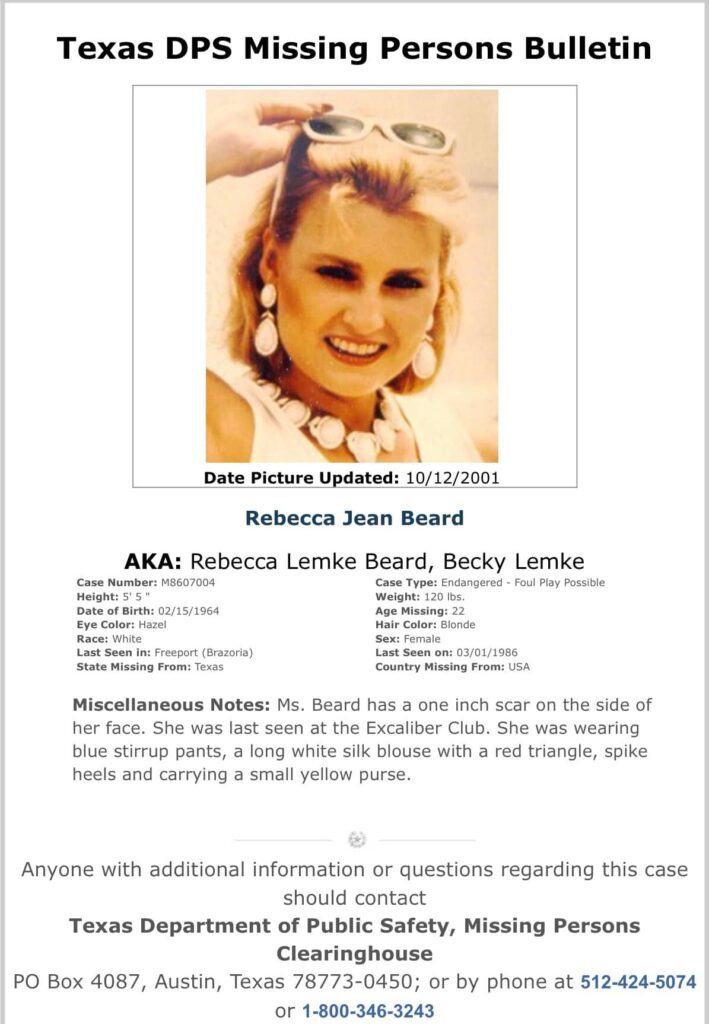
Texas Department of Public Safety missing person bulletin for Rebecca “Becky” Beard, who disappeared in 1986.
Brazoria County seeks to withhold Rebecca Beard records
Brazoria County prosecutors are asking the Texas Attorney General for permission to withhold records connected to the renewed investigation into the 1986 disappearance and murder of Rebecca “Becky” Beard.
The August 25 filing also reveals new details about the investigation.
Prosecutors confirmed investigators examined information involving possible additional suspects in Beard’s murder. They also confirmed investigators recently presented their findings to a Brazoria County grand jury.
The grand jury took no action.
Records request targeted 2026 investigation
I submitted a Texas Public Information Act request on August 10 seeking records related to the 2026 investigation.
The request focused on information provided by Cherie Starr, also known as “Rio.”
I requested interviews, statements, reports, recordings, photographs, maps and investigative notes connected to Starr’s information.
I also sought records concerning any location Starr identified as a possible site for Beard’s remains or other evidence.
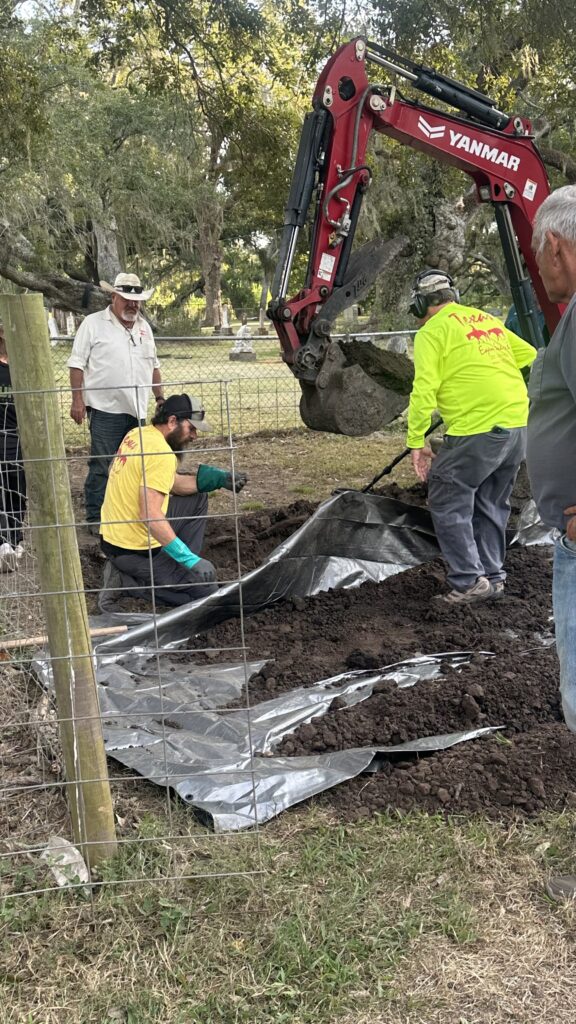
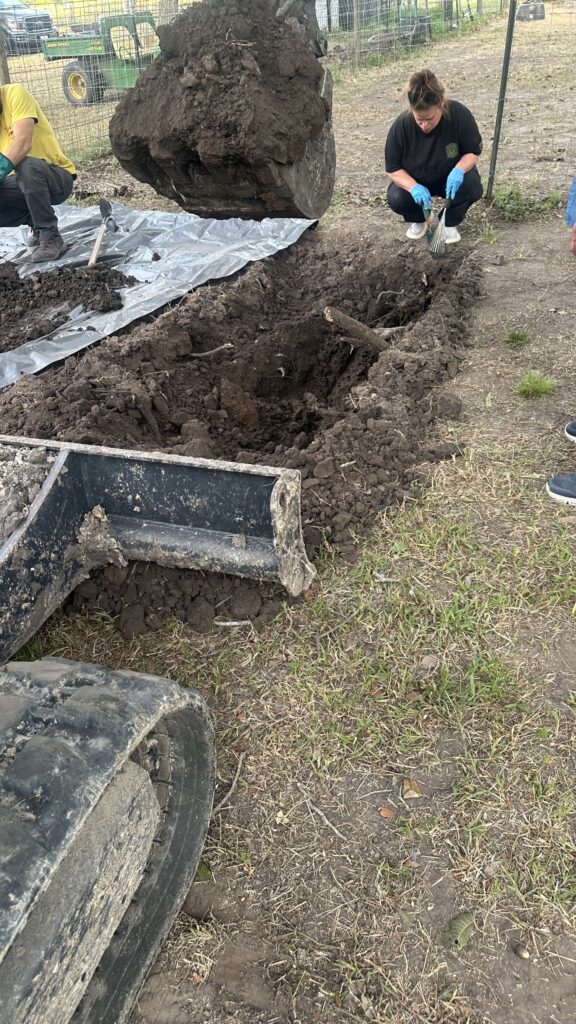
The request included records involving a possible search, excavation or dig.
I also requested communications between the Brazoria County District Attorney’s Office, Brazoria County Sheriff’s Office, Texas Rangers and other law enforcement agencies.
Importantly, the request did not seek secret grand jury testimony, deliberations, voting records or juror identities.
Brazoria County confirms responsive records exist
The District Attorney’s Office confirmed it holds records that respond to the request.
However, prosecutors want to withhold those records in their entirety.
In its August 25 letter to the Texas Attorney General, the DA’s Office cited the law-enforcement exception under Section 552.108 of the Texas Government Code.
Prosecutors argue that Beard’s murder investigation remains open because her body has never been recovered.
They contend releasing the requested records could interfere with that continuing investigation.
Filing reveals investigation of possible additional suspects
The filing provides an important glimpse into what happened during the renewed investigation.
Prosecutors wrote that their office had recently investigated “other possible actors/defendants” in Beard’s murder.
According to the filing, investigators presented those findings to a Brazoria County grand jury.
The DA’s Office said the grand jury took no action because investigators did not develop other credible suspects.
That disclosure provides new information about the scope of the 2026 investigation.
It shows investigators did more than simply review an old case file. They examined whether other people may have played a role in Beard’s murder and brought those findings before a grand jury.
Paul Taylor was convicted, but Becky remains missing
John Paul Taylor Jr. pleaded guilty in 1995 to murdering Beard.
Beard was 22 when she disappeared in March 1986.
Her body has never been recovered.
The DA’s filing cites that fact as one reason the murder investigation remains open. Prosecutors argue law enforcement must remain able to investigate credible new leads if they emerge.
Prosecutors also claim attorney work-product protection
The District Attorney’s Office makes another argument for withholding the records.
Prosecutors say the requested investigative notes and materials contain attorney work product.
According to the filing, a DA investigator prepared the records while working at the direction of an appointed special prosecutor.
The DA argues the documents contain investigative strategy, mental impressions and legal reasoning connected to potential criminal litigation.
For those reasons, prosecutors asked the Attorney General to allow them to withhold all of the responsive records.
The Attorney General will decide
The August 25 filing is not a final ruling on my records request.
It is Brazoria County’s argument for why the records should remain confidential.
The Texas Attorney General’s Office will now review the arguments and determine whether state law allows Brazoria County to withhold the requested material.
The decision could allow the county to withhold the records, require the release of some information, or require additional responsive material to be released.
I will continue following the records dispute and the investigation into what happened to Rebecca Beard.
The public records request and Brazoria County District Attorney’s Office filing to the Texas Attorney General are attached below.
If you are traveling to Brazoria County to follow developments in the Rebecca Beard case, you can compare hotel options through Hotels.com. Look for rooms near Angleton, Lake Jackson, Freeport or the surrounding area, depending on your plans.
I may earn a commission from qualifyingHotels.com bookings made through my link, at no additional cost to you.
Court records, interviews and long hours on the road can mean a lot of waiting. A portable phone charger, reusable water bottle and lightweight bag can make the day easier. You can find travel gear and everyday reporting essentials on Amazon.
As an Amazon Associate, I may earn from qualifying purchases at no additional cost to you.
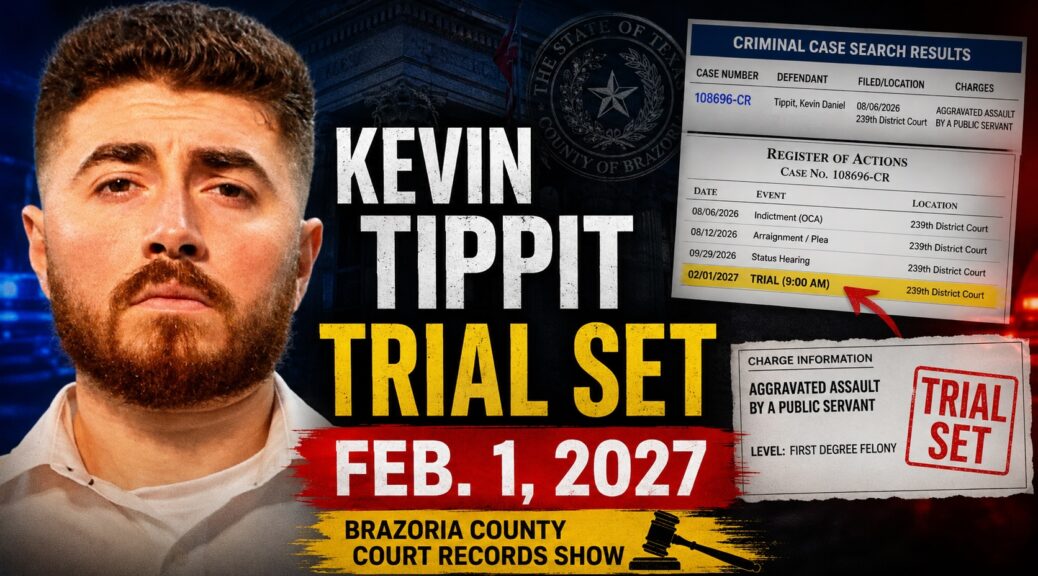
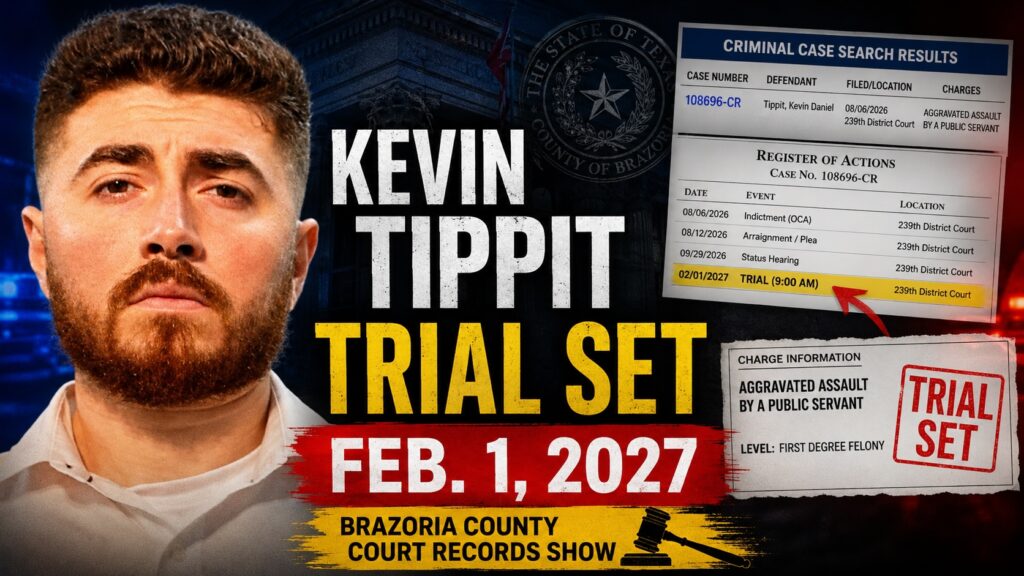
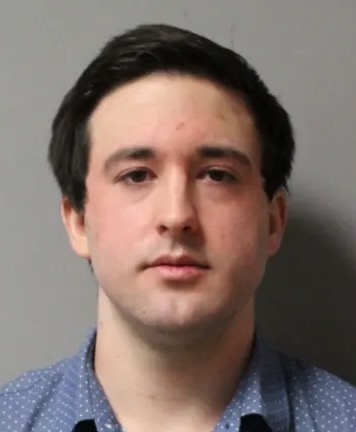
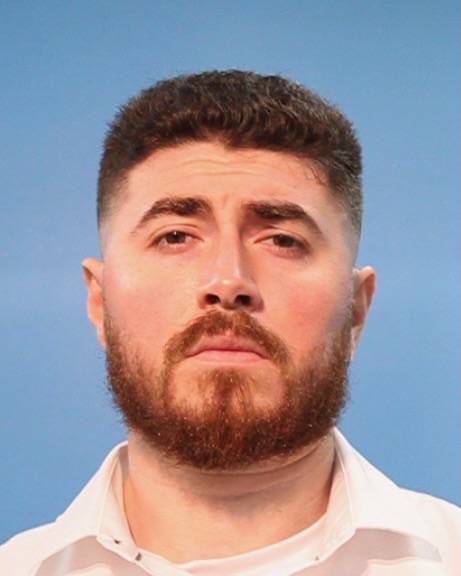
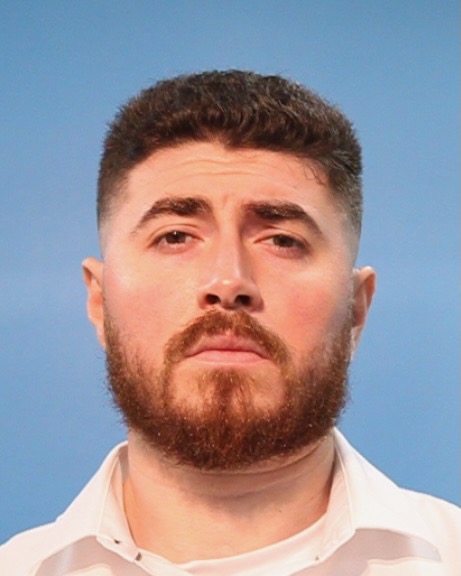
Brazoria County court records show a Feb. 1, 2027 trial date in the criminal case against former deputy Kevin Daniel Tippit. Mugshot photo credit: Brazoria County Sheriff’s Office.
Kevin Tippit trial date set in Brazoria County
Court records show prosecutors filed the case against Tippit on Aug. 6, 2026, in Brazoria County’s 239th District Court.
The docket lists several hearings before the scheduled trial:
Sept. 29, 2026 at 8:30 a.m. — Status hearing
Oct. 28, 2026 at 9 a.m. — Pretrial hearing
Jan. 21, 2027 at 9 a.m. — Announcement hearing
Feb. 1, 2027 at 9 a.m. — Trial
The court entered an Order for Pretrial Hearing and Setting Case for Trial on Aug. 12.
The February date remains the current trial setting. Court schedules can change as the case moves forward.
Former deputy released on bond
Texas Rangers arrested Tippit on Aug. 11.
Brazoria County court records show the judge set his bond at $250,000. Tippit later posted bond and was released from jail.
The court docket lists defense attorneys Guy L. Womack and Geoff L. Womack.
John Mendoza died after June police pursuit
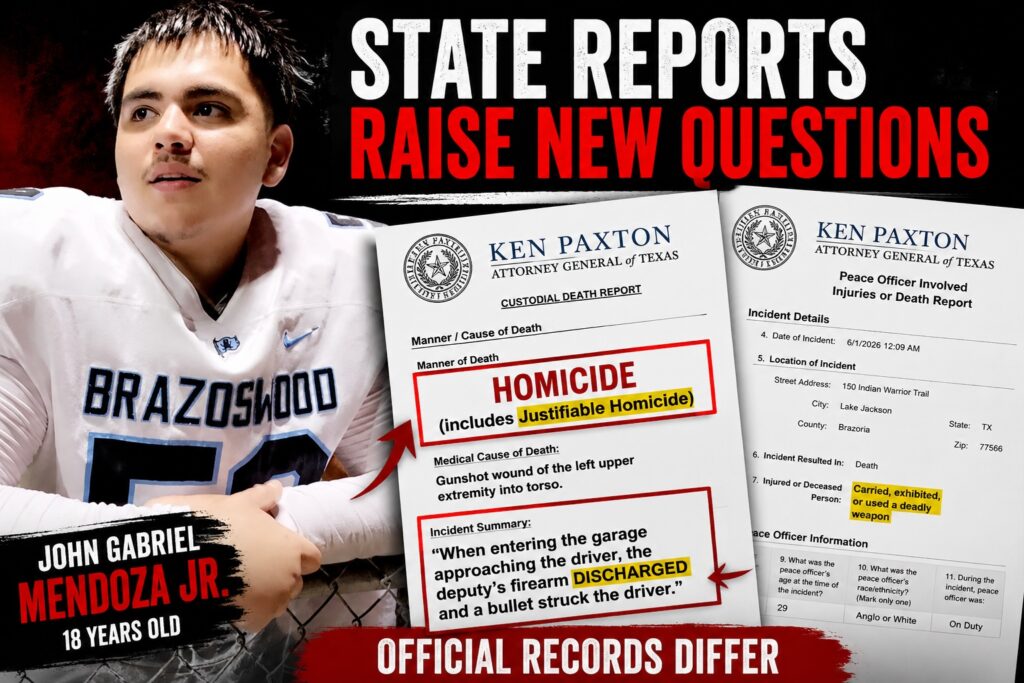
John Gabriel Mendoza Jr., 18, was a Texas State University student who died following the June 1, 2026 shooting involving former Brazoria County deputy Kevin Daniel Tippit.
The criminal case stems from the June 1, 2026 shooting of John Gabriel Mendoza Jr.
Mendoza was 18 and attended Texas State University.
The incident began with a pursuit in Lake Jackson. The chase ended when Mendoza reached his home and pulled into the garage.
Tippit fired through the driver’s side window.
Radio traffic following the shooting captured Tippit reporting an “accidental discharge.”
Mendoza later died.
The Brazoria County Sheriff’s Office fired Tippit days after the shooting.
The Texas Rangers later investigated the case.
Grand jury indicted Kevin Tippit
Former Brazoria County Sheriff’s Deputy Kevin Daniel Tippit faces a charge of aggravated assault by a public servant in connection with the June 1, 2026 shooting of John Gabriel Mendoza Jr. Photo credit: Brazoria County Sheriff’s Office.
A Brazoria County grand jury indicted Tippit on the charge of aggravated assault by a public servant.
Court records identify the charge under Texas Penal Code 22.02(b)(2)(A) and classify it as a first-degree felony.
The case number is 106968-CR.
The next hearing is currently scheduled for Sept. 29.
Investigative Reporter Tammy Rose will continue following the case and any changes to the trial schedule.
If you’re traveling to Brazoria County for a court hearing, trial or visit, you can compare nearby hotel options through Hotels.com. Staying close to Angleton can make early court mornings a little easier.
Traveling to Brazoria County? Visitors can find hotels and vacation rentals near Angleton, Lake Jackson and the surrounding Gulf Coast area.
If you’re heading to Brazoria County, a few simple travel essentials can make the trip easier. I also share useful travel gear through my Amazon affiliate links.
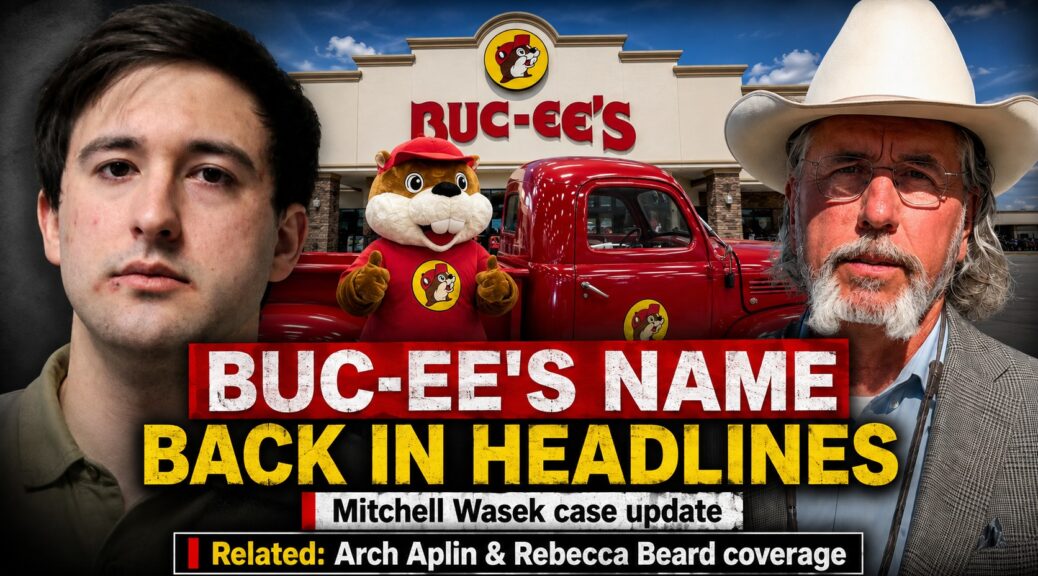
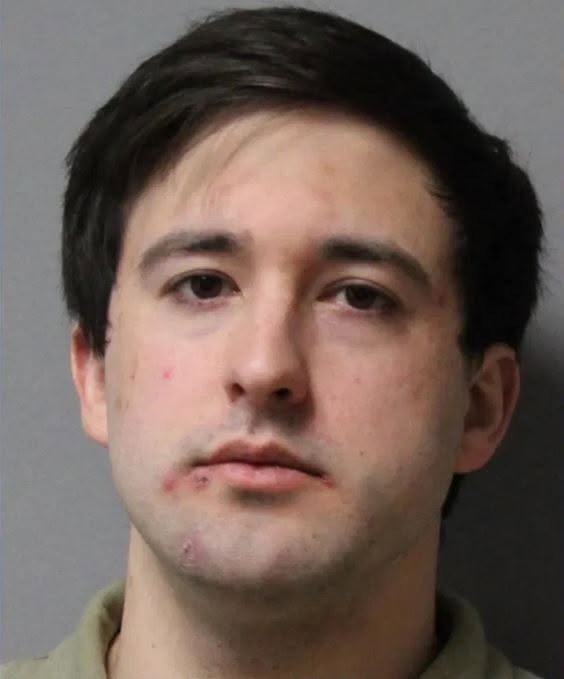
Mitchell Wasek faces felony charges in Travis County as his defense challenges evidence and seeks dismissal of the indictment.
Buc-ee’s Co-Founder’s Son Fights Felony Case as New Court Hearing Nears
By Investigative Reporter Tammy Rose
The criminal case against the son of a Buc-ee’s co-founder is heading back to court.
Mitchell Wasek now wants a judge to suppress evidence in his felony child pornography case. His defense also wants the indictment dismissed.
Court records reviewed by Investigative Reporter Tammy Rose show a pretrial hearing set for August 18, 2026, at 1:15 p.m. in Travis County’s 167th District Court.
The latest filings reveal a significant new legal fight.
Mitchell Wasek Case Update: Defense Challenges Evidence
Wasek faces a felony charge of possession of child pornography in Travis County.
The current court docket lists the offense as a second-degree felony.
His attorney filed a motion to suppress on April 14, 2026.
The docket describes the filing as a:
“Motion to suppress evidence obtained by theft and breach of computer security.”
The wording raises a major question.
What evidence does the defense want thrown out, and how was it obtained?
The court docket does not answer that question by itself.
The actual motion could provide those details.
Defense Also Wants Indictment Dismissed
Another filing could have an even bigger impact on the case.
On June 2, 2026, Wasek’s defense filed a motion asking the court to dismiss the indictment.
The stated reason:
An expired statute of limitations.
The judge has not dismissed the case based on the docket reviewed for this report.
The State also requested several subpoenas that same day.
One went to Detective Keith McManus.
Court records show that subpoena was executed on June 5.
Pretrial Hearing Set for August 18
The next scheduled hearing could determine what happens with those defense challenges.
The Travis County Odyssey Portal lists a:
Pretrial Hearing August 18, 2026 1:15 p.m. 167th District Court
The hearing could bring new arguments over the evidence and the defense request to dismiss the indictment.
It could also provide the clearest update yet on where the case stands.
Wasek Also Faces 21 Invasive Recording Counts
Mitchell Wasek faces felony charges in Travis County as his defense seeks to suppress evidence and dismiss the indictment.
The child pornography case came after an earlier investigation involving allegations of secret recordings.
The Travis County District Attorney’s Office announced in May 2024 that a grand jury returned six indictments against Wasek.
Those indictments contained 21 counts of invasive visual recording involving 13 alleged victims.
Prosecutors said the alleged recordings occurred over roughly two years in Travis County.
Those cases also remain listed in Travis County court records.
Wasek has not been convicted of the allegations discussed in this report. He remains presumed innocent unless proven guilty in court.
Why the Buc-ee’s Name Draws Attention
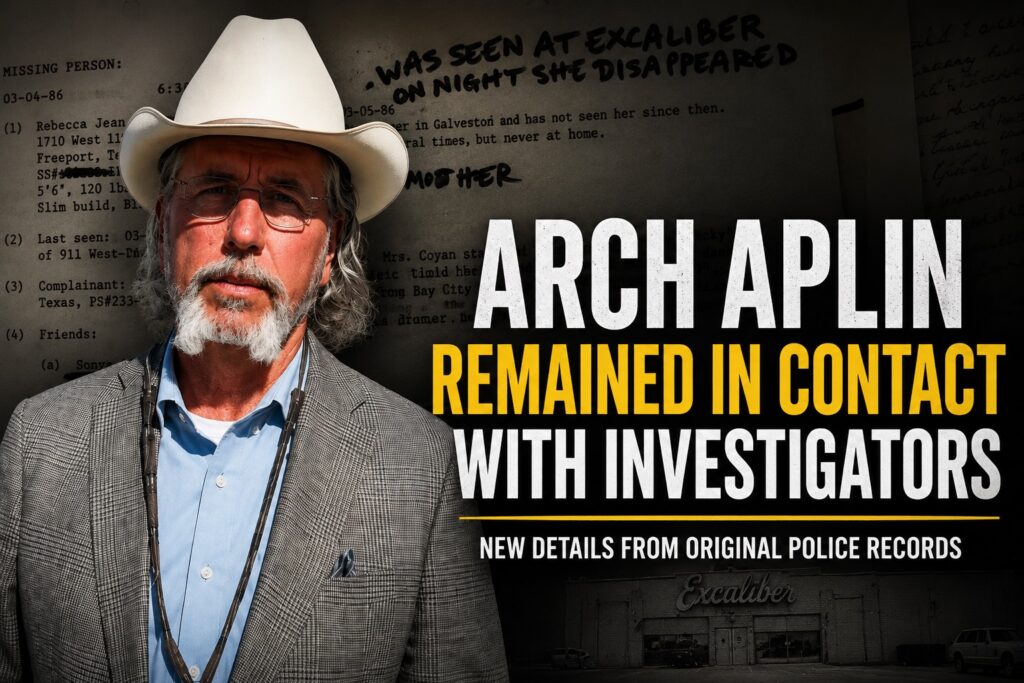
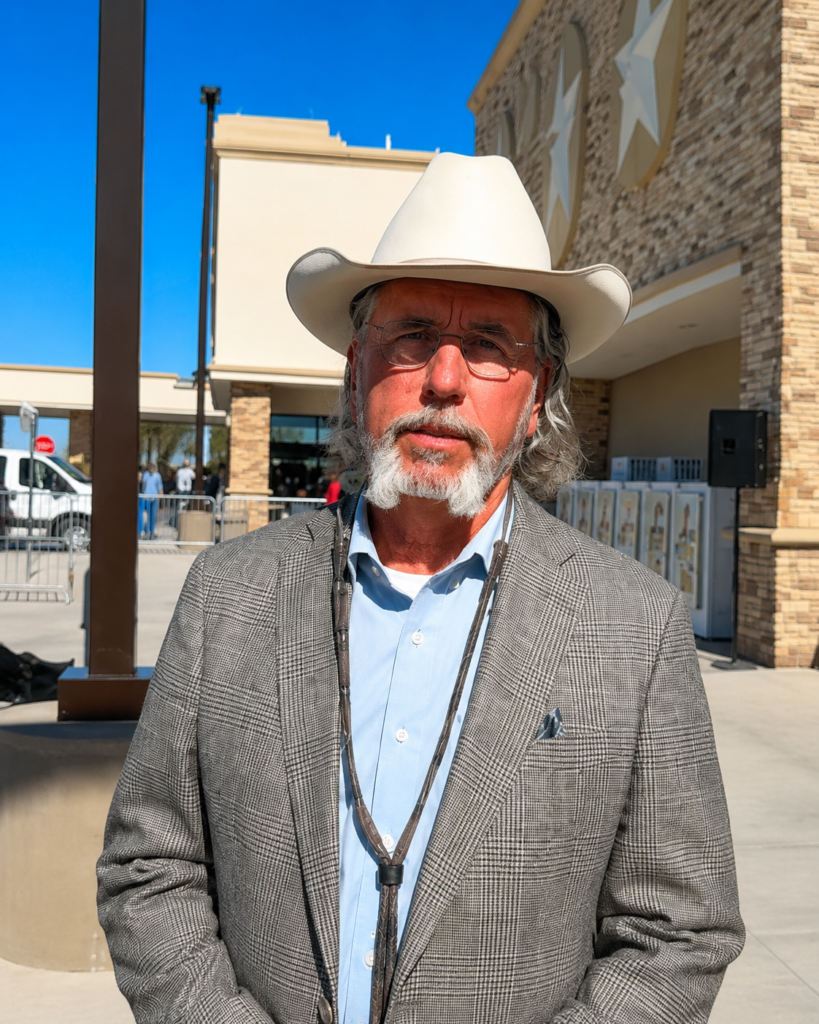
Arch Aplin remained in contact with investigators as questions continued about the Rebecca Beard case timeline.
Mitchell Wasek is the son of Buc-ee’s co-founder Don Wasek.
That connection has pushed the criminal case into headlines across Texas.
It also creates an unusual overlap with another story I have covered extensively.
Not because the criminal cases have anything to do with each other.
My reporting has also examined conflicting information in historical records about when Aplin last saw Becky and who investigators reported seeing at the Excalibur Club around the time of her disappearance.
Again, there is no known connection between Mitchell Wasek’s criminal case and Rebecca Beard’s murder case.
The common thread is that both stories involve members of the families behind one of Texas’ most recognizable brands.
Related Rebecca Beard Coverage
Exclusive: Arch Aplin Responds to Rebecca Beard Question
Nearly 40 years after Rebecca “Becky” Beard disappeared from Freeport, Texas, her family is still searching for the answer that matters most.
Where is Becky?
Rebecca “Becky” Beard disappeared in March 1986. Her family continues searching for information that could help locate her remains.
Now, her family wants the public to hear information from a woman known as “Rio.” Her account includes disturbing claims about what may have happened to Becky and where someone may have taken her remains.
However, an important warning comes with Rio’s story.
According to Becky’s family, prosecutors recently presented information involving Rio to a Brazoria County grand jury. Family members say the grand jury took no action.
Becky’s family also says the Brazoria County District Attorney’s Office told them investigators did not consider Rio a credible witness.
I am not presenting Rio’s statements as established facts.
Still, Becky’s family believes parts of her account could contain accurate information. They hope releasing these details reaches someone who knows what happened or where to find Becky.
Who Was Rebecca “Becky” Beard?
Rebecca “Becky” Beard pictured with her daughter before Becky disappeared from Freeport, Texas, in March 1986.
Becky Beard was 22 years old when she disappeared after spending the night at the Excalibur Club in Freeport on March 1, 1986.
She never came home.
Investigators have never recovered her body.
Years later, Paul Taylor Jr. pleaded guilty in connection with Becky’s death. Despite that conviction, her family has spent decades trying to find her remains.
That search continues today.
Who Is the Witness Known as Rio?
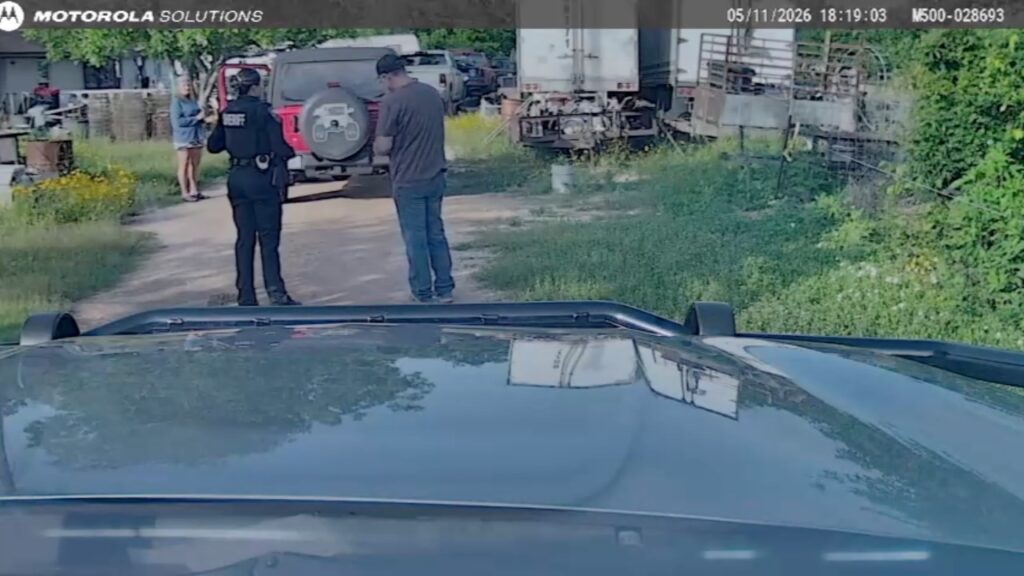
Cherie “Rio” Starr stands near Tammy Rose’s Jeep during an interview connected to the Rebecca “Becky” Beard investigation.
During my investigation, I tracked down Cherie “Rio” Starr, a woman who has provided an account of events surrounding Becky’s disappearance.
Rio made several specific and disturbing claims. Some involve what allegedly happened to Becky’s body and where people may have taken her remains.
Investigators have not established those claims as fact.
According to Becky’s family, the district attorney told them authorities did not find Rio credible.
Still, one reason the family has not completely dismissed her story is that some details appear to connect with information they already knew about Becky’s life before she disappeared.
The Galveston Weekend in Becky’s Planner
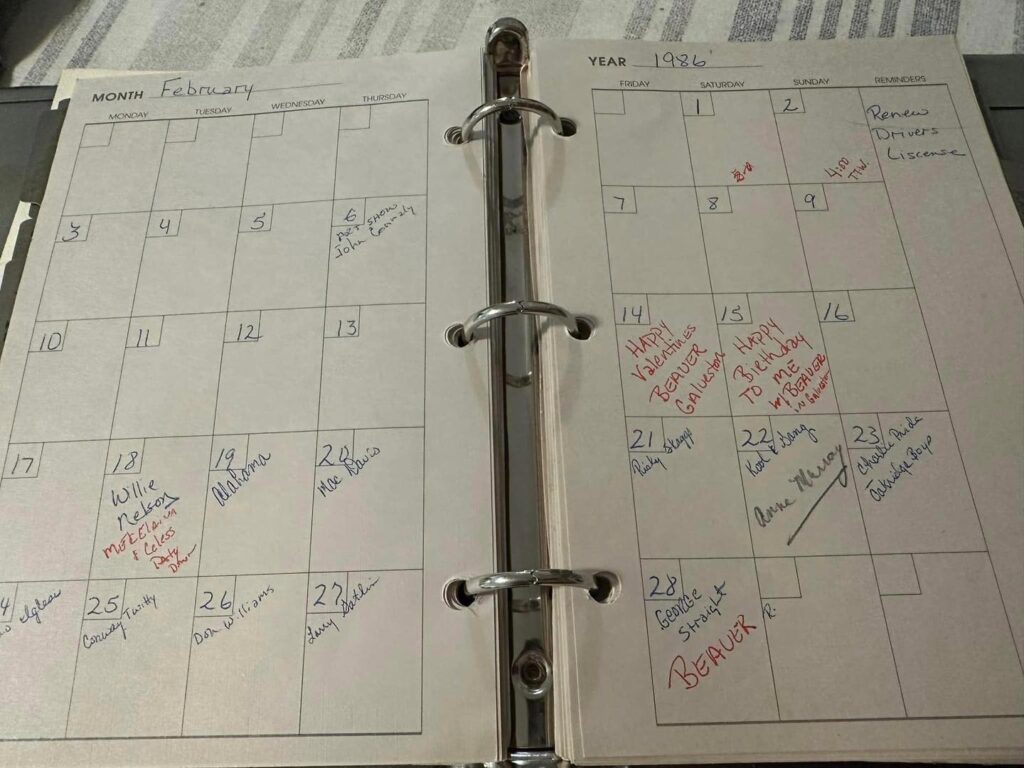
Becky Beard’s personal planner contains entries documenting events and trips in the weeks before her March 1986 disappearance.
One detail deserves closer examination.
Becky kept a planner. An entry documents a weekend trip to Galveston from February 14 through February 16, 1986, just weeks before she disappeared.
Becky was dating Beaver Aplin at the time.
Rio described an incident involving Aplin during which she said he got down on his knees with a dozen roses, jewelry and bottles.
That detail caught the family’s attention because Becky’s mother, Linda Barnes, already knew about Becky’s Galveston weekend.
Linda recalled Becky returning from the trip and throwing away roses.
Her mother asked her why she was throwing them away.
According to Linda, Becky did not want to talk about it.
That does not prove Rio’s account.
It does, however, raise a question for the family: How much of Rio’s story, if any, could be independently verified?
Becky’s planner documents the Galveston weekend. Her mother remembers the roses. Rio later provided an account involving roses and the man Becky was dating.
The family believes those details are worth examining rather than ignoring.
Family Says Evidence Was Presented to a Grand Jury
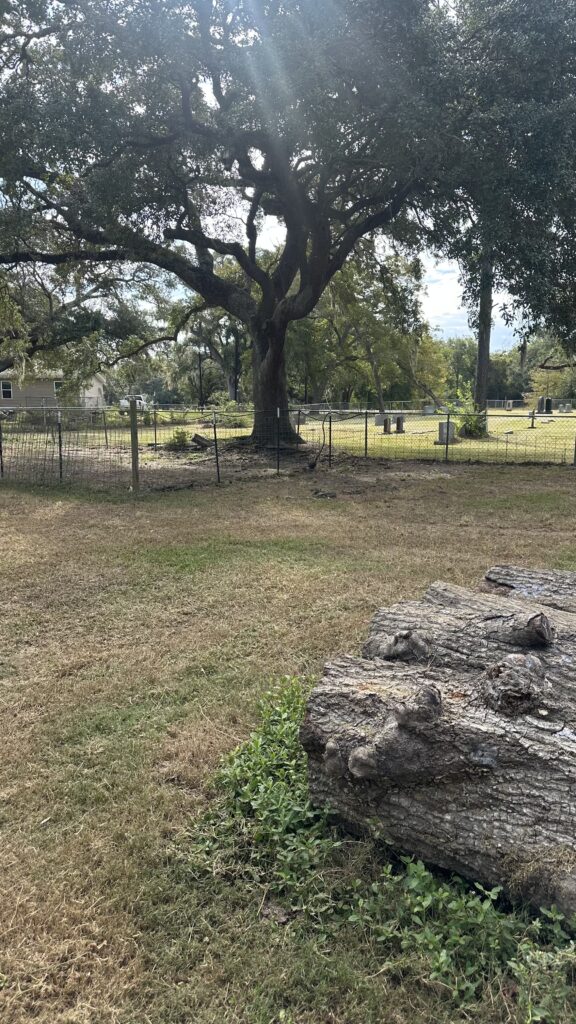
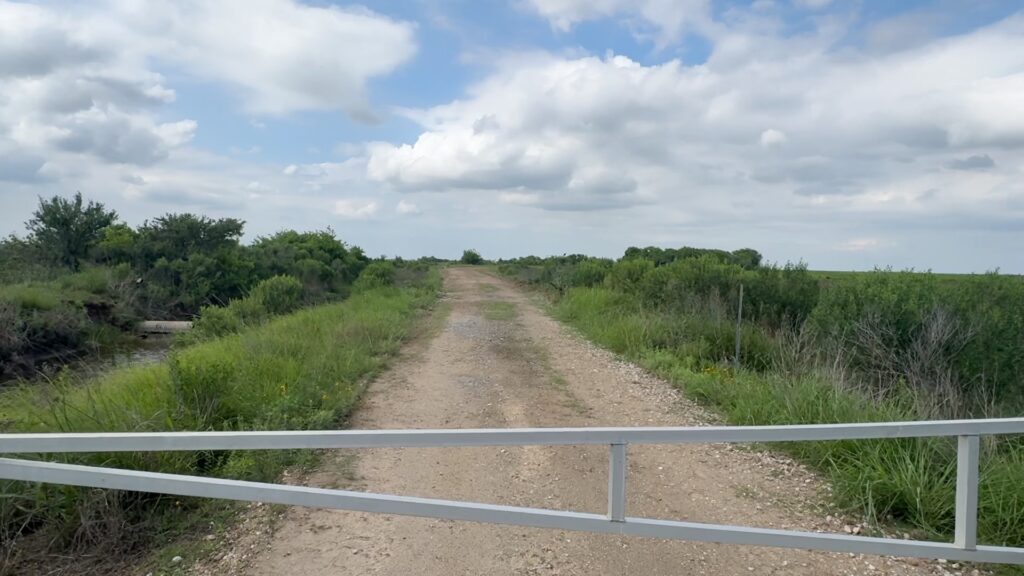
A remote dirt road in the Brazoria National Wildlife Refuge near the area where witness Cherie Lynette “Rio” Starr claims Rebecca “Becky” Beard was buried.
Becky’s family says prosecutors recently presented evidence involving Rio to a Brazoria County grand jury.
According to family members, the grand jury took no action.
They also say the district attorney told them authorities did not consider Rio a credible witness.
Those details matter.
Rio’s claims are not established facts.
I am not presenting them as proof of what happened to Becky.
Instead, the family wants to know whether someone else can independently confirm any part of her account.
Why Release Rio’s Story?
There is a simple reason.
Becky still has not been found.
Almost four decades have passed since she disappeared. People who were young adults in 1986 are now much older. Some witnesses have died. Properties have changed. Memories have faded.
That makes information from people who were there increasingly important.
The family understands authorities have questioned Rio’s credibility. They also understand that a grand jury took no action after hearing information related to her account, according to what family members say they were told.
Still, they cannot get past the possibility that one detail could be true even if other parts of a witness’s story are not.
The Galveston weekend is one reason they continue asking questions.
Someone May Remember Something
Texas Department of Public Safety missing person bulletin for Rebecca “Becky” Beard, who disappeared in 1986.
Maybe you were at the Excalibur Club.
Maybe you knew Becky, Paul Taylor Jr., Beaver Aplin or Rio.
Maybe you remember the Galveston weekend in February 1986.
Maybe you heard a conversation afterward.
Or perhaps you know something about a location connected to the case.
The family isn’t asking people to speculate. They are looking for firsthand information that can be independently checked.
If you know something, even if it seemed insignificant at the time, consider coming forward.
After nearly 40 years, Becky’s family isn’t looking for rumors.
They are looking for Becky.
Carol Mize shows areas she has searched while continuing to look for answers in the 1986 disappearance of her sister, Rebecca “Becky” Beard.
This article is part of my continuing independent investigation into the disappearance and death of Rebecca “Becky” Beard. Statements attributed to witnesses represent their accounts unless independently corroborated. The inclusion of any person’s name does not imply criminal conduct or involvement in Becky’s death.
Former Brazoria County Sheriff’s Deputy Kevin Daniel Tippit was arrested by Texas Rangers on August 11, 2026, in connection with the fatal shooting of 18-year-old John Gabriel Mendoza Jr. Photo credit: Brazoria County Sheriff’s Office.
Former Brazoria County Deputy Kevin Tippit Indicted in Fatal Shooting of 18-Year-Old
By Investigative Reporter Tammy Rose
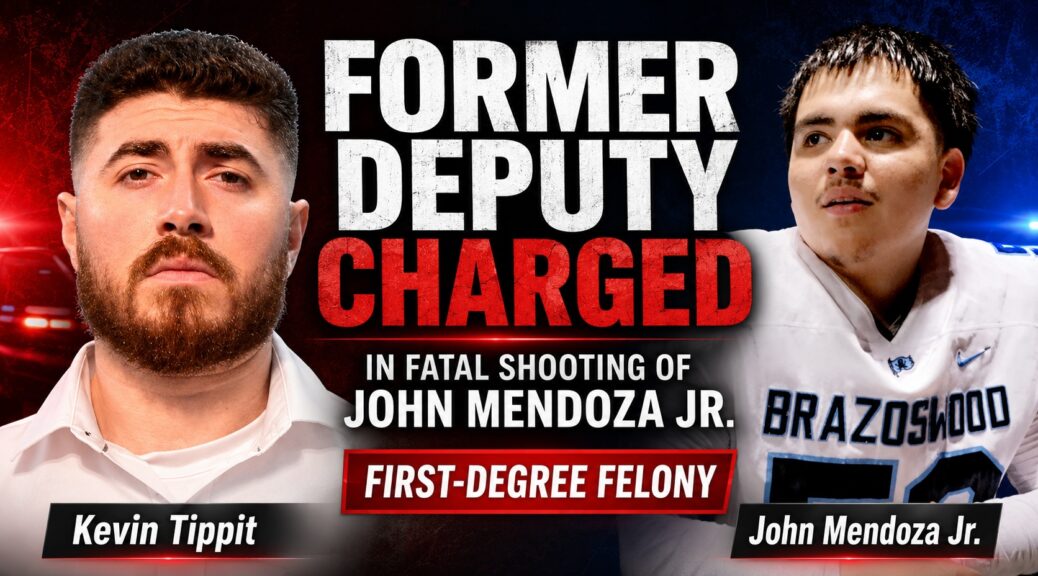
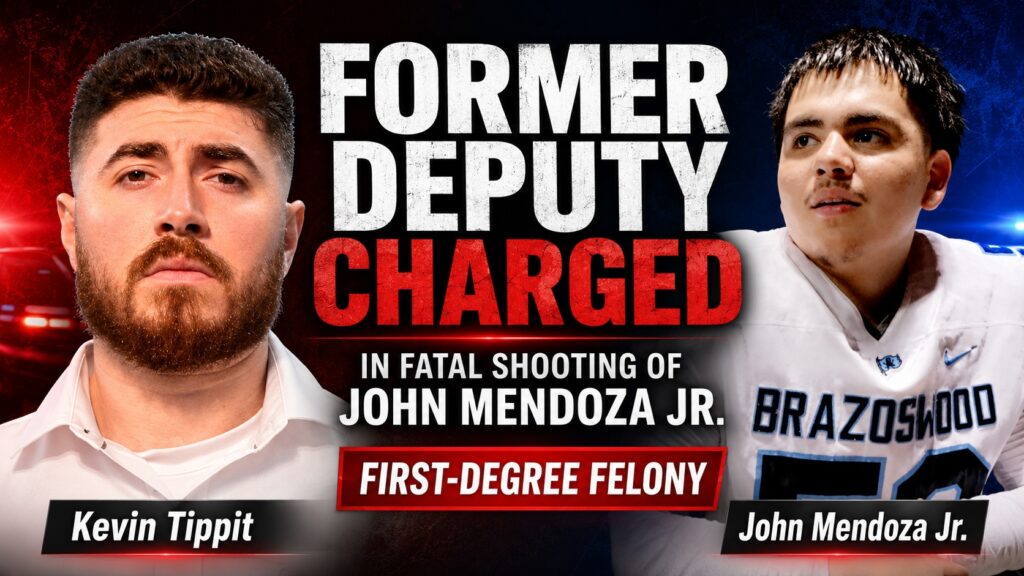
Former Brazoria County Sheriff’s Deputy Kevin Daniel Tippit now faces a first-degree felony charge and the possibility of decades in prison following the fatal shooting of 18-year-old John Gabriel Mendoza Jr.
A Brazoria County grand jury indicted Tippit on aggravated assault by a public servant in connection with the June 1, 2026 shooting in Lake Jackson, according to the Brazoria County District Attorney’s Office. Texas Rangers arrested Tippit Tuesday, August 11.
Brazoria County jail records list his bond at $250,000.
If convicted as charged, Tippit faces five to 99 years or life in prison, according to the district attorney’s office.
Pursuit Ends at John Mendoza Jr.’s Home
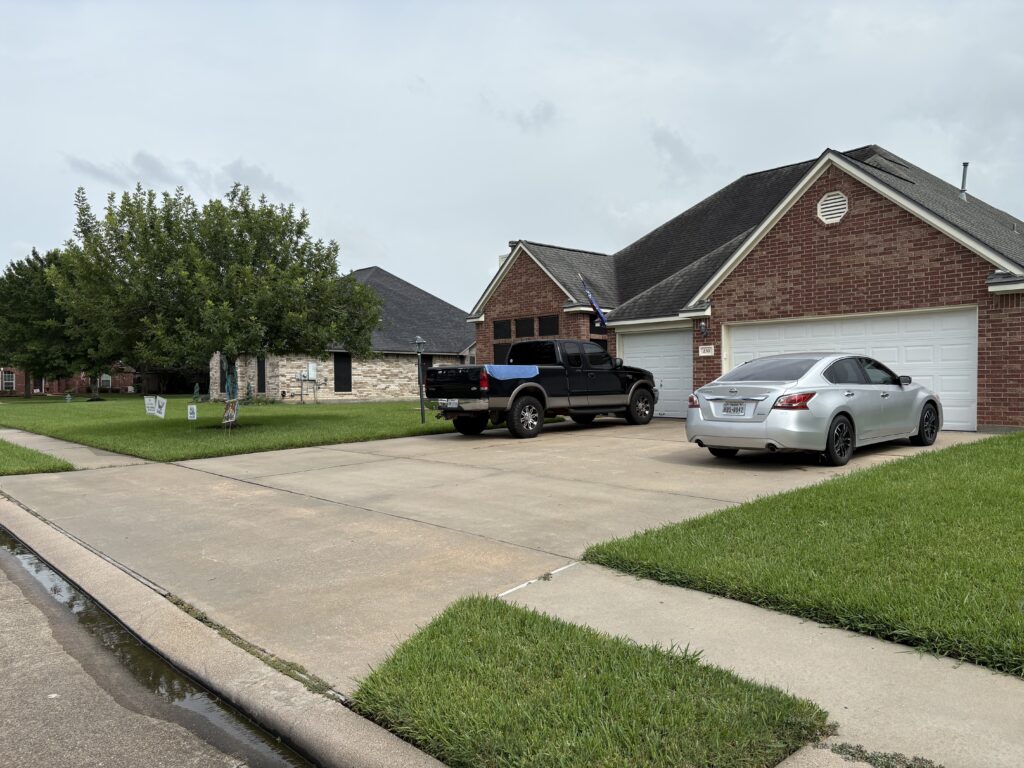
The Lake Jackson home where John Gabriel Mendoza Jr., 18, was fatally shot on June 1, 2026, after a pursuit ended at the residence. Photo by Investigative Reporter Tammy Rose.
The shooting happened early June 1 after Tippit attempted to stop Mendoza while he was driving in Lake Jackson.
Mendoza did not immediately stop and instead drove to his father’s home in the 100 block of Indian Warrior Trail. The pursuit ended at the home, where Tippit encountered Mendoza near or inside the garage and fired his weapon. Mendoza later died from his injuries.
Mendoza was a Texas State University student who had just completed his freshman year and was home for the summer.
Grand Jury Indicts Kevin Tippit
The indictment marks a major development in the Texas Rangers’ investigation into Mendoza’s death.
Court documents allege Tippit recklessly caused serious bodily injury to Mendoza by shooting him.
That wording is significant because the charge focuses on Tippit’s alleged reckless conduct. A grand jury indictment means jurors found sufficient probable cause for the criminal case to proceed. It does not establish guilt.
Tippit remains innocent unless a court finds him guilty.
Shooting Came Within Seconds of Deputy’s Arrival, Family Attorney Says
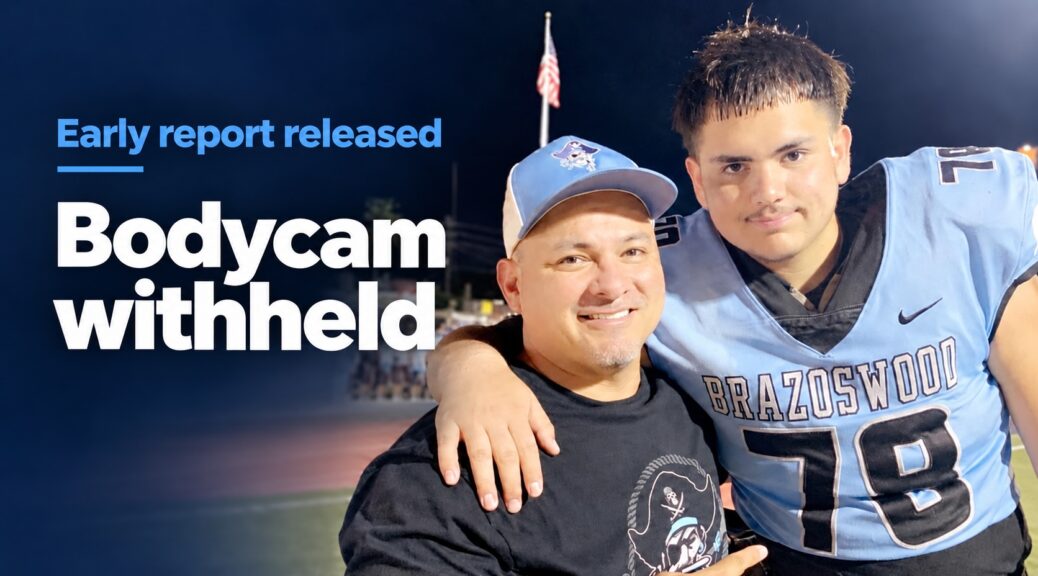
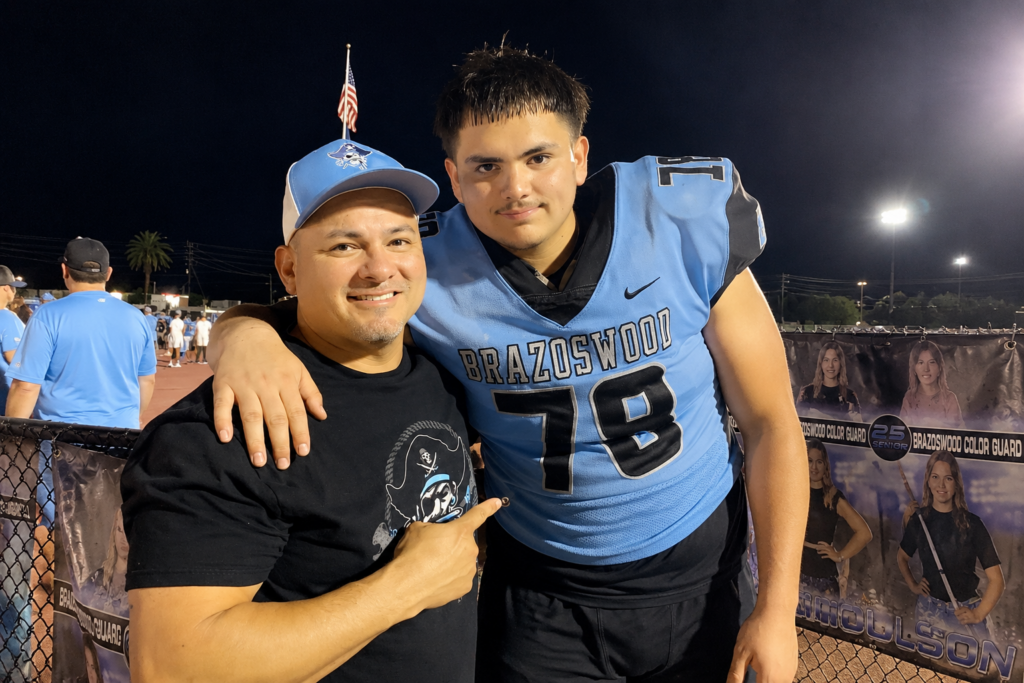
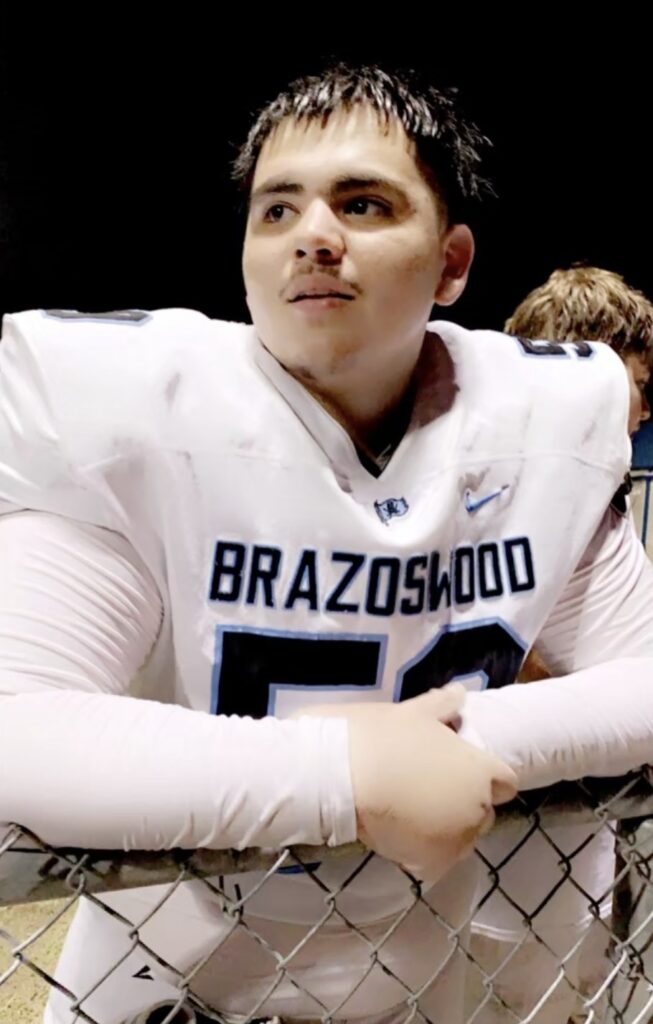
John Gabriel Mendoza Jr., 18, pictured in a Brazoswood football uniform. Mendoza was fatally shot on June 1, 2026, after a pursuit ended at his family’s Lake Jackson home. Photo courtesy of the Mendoza family.
Attorney Charles Adams, who represents Mendoza’s family, has said surveillance video shows Tippit fired within seconds of getting out of his patrol vehicle.
Adams has also said Mendoza and the other occupants were unarmed. Those details came from the family’s attorney and should not be confused with an official finding by investigators.
The Texas Rangers later obtained a search warrant as they investigated the shooting. Court documents showed investigators were examining several possible offenses, including manslaughter, criminally negligent homicide and aggravated assault by a public servant.
Brazoria County Sheriff Fired Kevin Tippit
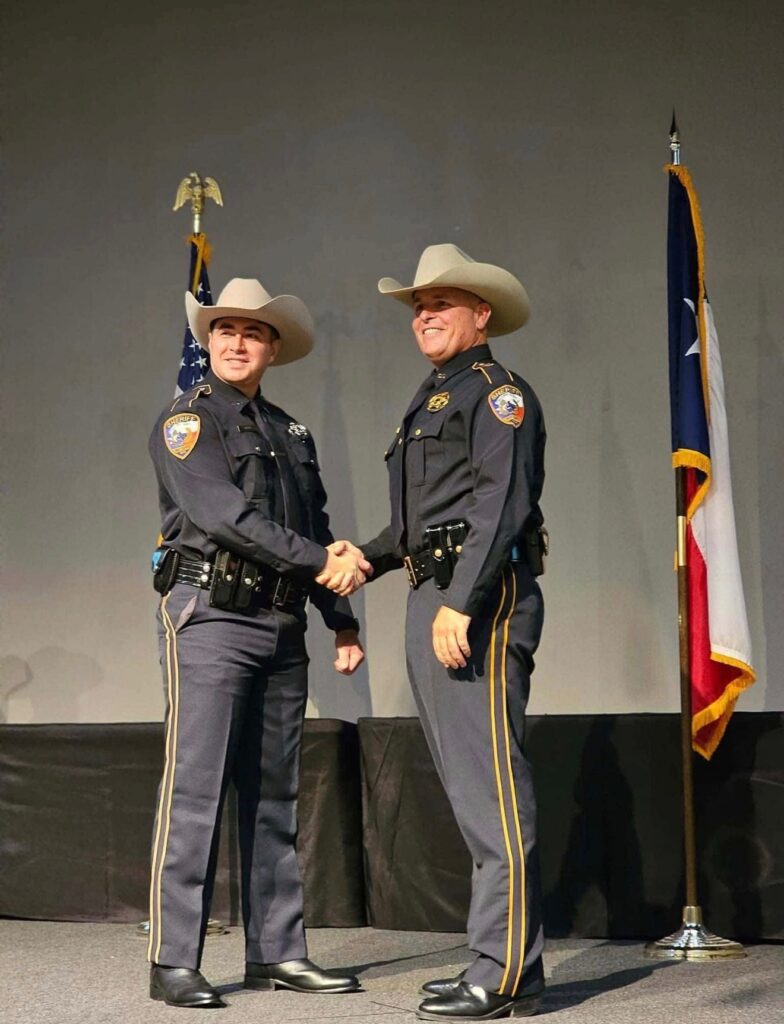
Former Brazoria County Sheriff’s Deputy Kevin Tippit, left, pictured with Brazoria County Sheriff Bo Stallman during a department ceremony. Tippit was later fired following the fatal shooting of 18-year-old John Gabriel Mendoza Jr. in Lake Jackson.
Eight days after the shooting, Brazoria County Sheriff Bo Stallman fired Tippit on June 9, 2026.
Stallman said an internal investigation found Tippit violated department policies involving the handling and discharge of his firearm.
The sheriff stressed that Tippit’s termination was an administrative decision separate from the criminal investigation being conducted by the Texas Rangers and Brazoria County District Attorney’s Office.
Tippit had served as a Brazoria County deputy since July 2024 after previously working as a jailer.
Kevin Tippit Faces Up to Life in Prison
Former Brazoria County Sheriff’s Deputy Kevin Daniel Tippit was arrested by Texas Rangers on August 11, 2026, in connection with the fatal shooting of 18-year-old John Gabriel Mendoza Jr. Photo credit: Brazoria County Sheriff’s Office.
The charge carries potentially severe consequences.
The Brazoria County District Attorney’s Office says aggravated assault by a public servant in this case constitutes a first-degree felony.
If convicted, Tippit could receive a sentence ranging from five to 99 years or life in prison.
A conviction and sentence are not predetermined. The prosecution must prove the criminal charge in court.
John Mendoza Jr. Case Enters New Stage
The criminal charge marks a significant development in a case that has drawn attention across Brazoria County since the June shooting.
Mendoza’s family has repeatedly called for transparency and accountability while the Texas Rangers investigated what happened.
Now, more than two months after Mendoza’s death, the former deputy who fired the fatal shot is facing a first-degree felony charge.
This remains a developing story. Investigator Reporter Tammy Rose will continue following the criminal case and any new court filings or hearings involving Kevin Tippit.
As an Amazon Associate, I earn from qualifying purchases at no additional cost to you. Some travel links may also be affiliate links, which means I may earn a commission at no additional cost to you.
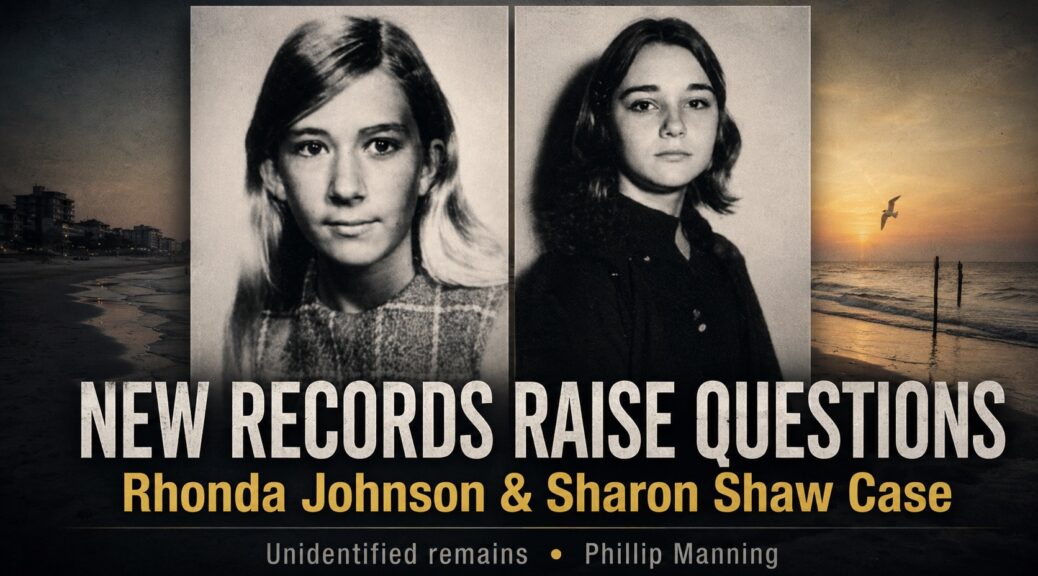
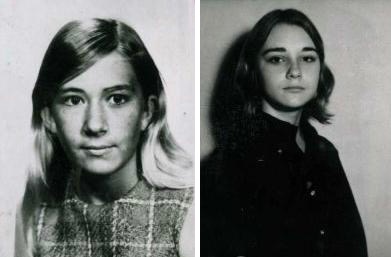
Rhonda Renee Johnson, left, and Sharon Lynn Shaw disappeared after leaving Webster for a trip to Galveston on August 4, 1971. Public-domain image via Wikimedia Commons.
New Records Raise Questions About Unidentified Remains in Rhonda Johnson and Sharon Shaw Investigation
By Investigative Reporter Tammy Rose
More than five decades after the murders of Rhonda Johnson and Sharon Shaw, newly reviewed records are raising questions about additional human remains found in the area. The records also raise the possibility that investigators once considered whether another person played a role in the case.
Rhonda Johnson, 14, and Sharon Shaw, 13, disappeared from Galveston County in August 1971. Authorities later recovered their skeletal remains in and around Clear Lake along Galveston Bay.
The investigation continued for decades as detectives worked to identify remains, examine evidence and determine whether the discoveries connected to the two girls.
The records do not prove that another victim or another killer was connected to the murders. However, they show how much uncertainty investigators faced during the early stages of the case.
Remains of Sharon Shaw and Rhonda Johnson Identified
On January 3, 1972, two boys fishing in Clear Lake discovered a human skull floating in the water.
Authorities later identified the skull through dental records as belonging to Sharon Shaw. Investigators also reportedly found a crucifix around the jawbone that Sharon’s mother identified as her daughter’s.
About six weeks later, searchers recovered additional skeletal remains in a marsh near Clear Lake. Authorities identified one set of those remains as belonging to Rhonda Johnson.
The discoveries confirmed that both girls had died, but investigators could not determine their exact causes of death from the remains.
The identification resolved the girls’ missing-person cases, but other remains recovered during that period created additional questions.
Michael Lloyd Self Was Convicted
Investigators eventually focused on Michael Lloyd Self, who worked as a gas station attendant in the Webster/Clear Lake area. Authorities charged Self in connection with the murders of Rhonda Johnson and Sharon Shaw
A jury convicted Self of murdering Sharon Shaw and sentenced him to life in prison. The court record confirms that his conviction involved Sharon’s murder; he was not convicted of Rhonda Johnson’s murder.
Self later said police had threatened and physically abused him until he confessed. Questions about whether investigators obtained a false or coerced confession followed the case for decades. A federal judge once recommended relief based on the confession issue, although a later appeals court decision allowed the conviction to stand.
Edward Harold Bell Became an Alternate Suspect
Michael Lloyd Self was convicted in Sharon Shaw’s murder, though questions later emerged about his confession and whether he was responsible.
In 1998, convicted killer Edward Harold Bell claimed responsibility for the murders of several young women and girls in the Galveston-area region. His statements included two girls from Webster who disappeared in August 1971, which investigators associated with Rhonda Johnson and Sharon Shaw.
Bell became an alternate suspect in their murders, but authorities never charged him in the case. Investigators reportedly lacked physical or biological evidence that conclusively connected Bell to the girls’ deaths.
Bell’s claims increased doubts about Self’s conviction, but they did not officially resolve who killed Rhonda and Sharon.
Questions Surrounding Other Remains
Records reviewed by Investigative Reporter Tammy Rose indicate authorities recovered an unidentified torso in September 1971.
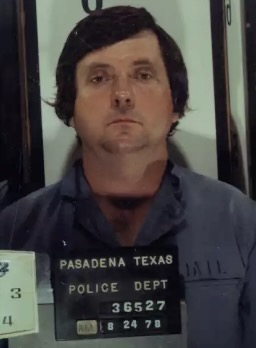
Investigators reportedly found clothing or personal items with or near the remains that they believed belonged to Phillip Manning. Those items initially led authorities to consider whether the torso might be Manning’s.
Authorities later located Manning alive in Louisiana. That confirmed the torso was not his.
The discovery still raised questions about the unidentified victim’s identity and whether another victim—or possibly another killer—may have been connected to the investigation. However, the records reviewed so far do not establish that the torso was connected to the murders of Rhonda Johnson or Sharon Shaw.
Records Detail Manning’s Background
The records also include criminal-history and case information connected to Phillip Manning. That material may help explain why investigators examined his possible connection to the case.
However, the records do not establish that Manning killed Rhonda Johnson, Sharon Shaw or anyone else. The information surrounding him remained circumstantial, and the records reviewed so far do not show that authorities filed a case against him in connection with the girls’ murders.
Investigators Faced Difficult Conditions
Galveston shoreline and Gulf waters at sunset
The discoveries occurred during a period when severe weather affected portions of the Texas Gulf Coast.
Tropical storms Edith and Fern moved through the region in September 1971, potentially complicating searches, recovery efforts and investigators’ ability to determine where remains had originally entered the water.
Water movement, weather conditions and the passage of time may have made it more difficult to connect separate remains to specific locations or victims.
Investigators in 1971 also did not have access to the DNA testing and modern forensic databases available today.
Identifications often depended heavily on dental comparisons, physical characteristics and other available medical evidence.
Was Another Killer Suspected?
The records raise an important question: Did investigators believe the additional remains pointed to another victim—or possibly another offender operating in the area?
The documents reviewed so far do not provide a definitive answer.
They instead show that authorities were dealing with several discoveries, uncertain identifications and incomplete information during the earliest stages of the investigation.
Any suggestion that another killer was involved should be treated as a theory unless additional police reports, forensic findings or official statements support it.
Questions That Still Need Answers
Several important questions remain:
Who exactly was Phillip Manning?
Why did investigators connect his name to the torso?
Was the torso ever conclusively identified?
Did Manning have any documented connection to Rhonda Johnson or Sharon Shaw?
What did investigators believe before the girls’ remains were fully identified?
Are additional reports or forensic records still available?
Those questions may be important in understanding not only what investigators knew, but also how the case evolved during its earliest months.
Investigation Continues to Draw Interest
Rhonda Johnson and Sharon Shaw traveled from Webster to Galveston on August 4, 1971, before they disappeared.
The murders of Rhonda Johnson and Sharon Shaw remain among the most discussed cases connected to the Texas Gulf Coast.
Decades later, old reports, forensic findings and previously overlooked names continue to generate new questions.
The records do not yet prove that another killer was involved. But they show that the investigation may have been more complex than the public understood—and that parts of the story may still be missing.
Investigative Reporter Tammy Rose will continue reviewing available records and seeking documentation that could clarify the identity of the additional remains and Phillip Manning’s possible connection to the investigation.
When reviewing decades-old police reports, newspaper clippings and case files, a waterproof document organizer can help protect important records from spills, moisture and damage.
Disclosure: As an Amazon Associate, I may earn from qualifying purchases at no additional cost to you.
Visitors researching Galveston County history or spending time along the Texas Gulf Coast can compare hotels and available accommodations through Hotels.com.
Disclosure: I may earn a commission from eligible bookings at no additional cost to you.
A closer look at the disappearance and murders of Rhonda Johnson and Sharon Shaw, the recovery of their remains and the questions that continue decades later.
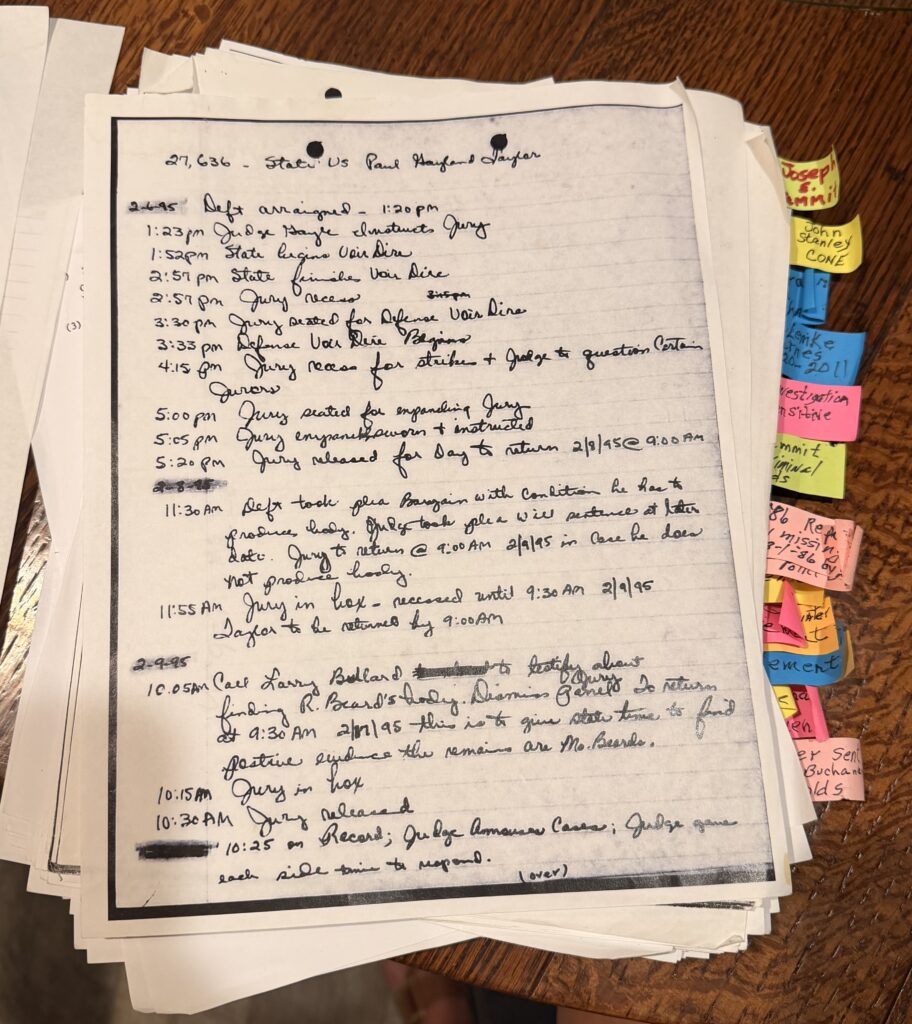
Paul Gayland Taylor Jr. pleaded guilty to murder in Brazoria County in 1995 and received a life sentence.
Investigative Reporter Tammy Rose
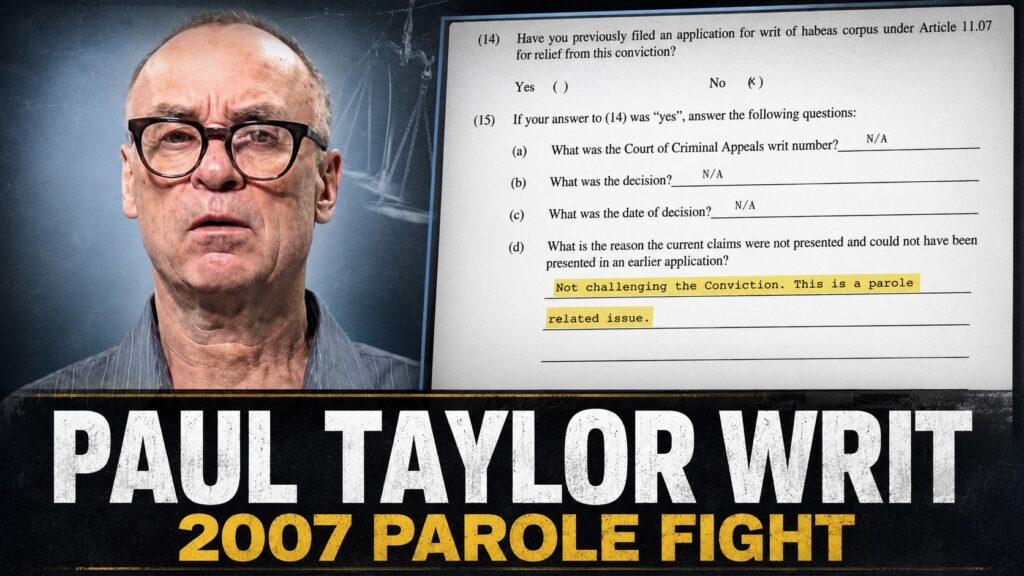
Paul Gayland Taylor Jr. filed a writ of habeas corpus in 2007 after the Texas Board of Pardons and Paroles denied him release.
Taylor challenged his parole denial, not his conviction
The filing did not challenge his murder conviction.
Instead, Taylor argued that the parole board unfairly relied on his crime and past conduct. He claimed the board ignored his prison record, education and other accomplishments.
Taylor pleaded guilty to murder in Brazoria County in 1995. A judge sentenced him to life in prison.
Taylor said the filing was about parole
The writ form asked whether Taylor had previously challenged his conviction.
Taylor marked “no.”
He also wrote:
“Not challenging the conviction. This is a parole related issue.”
That statement is important. This filing did not claim that Taylor was innocent. It also did not ask the court to overturn his guilty plea.
Taylor focused his arguments on the parole process.
In his 2007 writ application, Paul Taylor wrote that he was not challenging his conviction and described the matter as a parole-related issue.
The writ listed his conviction and sentence
The application identified Taylor’s criminal case as Cause No. 27,636 in the 23rd Judicial District Court of Brazoria County.
The document listed:
Judgment date: May 30, 1995 Offense: Murder Plea: Guilty Sentence: Life Punishment assessed by: Judge
Taylor also stated that he did not have a jury trial. He indicated that he did not appeal the judgment.
Taylor’s writ application lists his 1995 guilty plea to murder and his life sentence.
Taylor had been eligible for parole since 1997
Taylor wrote that he had been eligible for parole since February 2, 1997.
According to his filing, the parole board denied him release again on January 12, 2007. The board then gave him a three-year setoff before his next review.
Taylor said the board had denied him parole for about 13 years, including the period between his eligibility date and his next review.
The filing quotes the board’s reason for denial. It referred to the violent nature of the offense, the use of a weapon and a threat to public safety.
The quoted language also stated that the offense showed brutality, violence or the selection of a vulnerable victim.
Taylor argued that these factors came from the crime itself. He said he could never change the past.
Taylor’s memorandum states that the parole board relied on the violent nature of the offense when it denied his release.
Taylor raised five arguments
1. The parole board abused its discretion
Taylor claimed the board denied parole for the same conduct that led to his conviction and sentence.
He argued that the board created an “impossible obstacle” because he could not change the crime.
Taylor also said the board failed to give enough weight to his prison accomplishments.
2. The parole process violated due process
Taylor argued that the board did not explain how it decided he remained a future threat.
He claimed the board should have told him what method it used to assess that risk.
Taylor suggested that he could have submitted more information if he had known what evidence the board wanted.
3. The process violated equal protection
Taylor claimed the board released other people with similar or worse criminal records.
He argued that the board treated him differently without a valid reason.
The filing does not include the names or full records of those other prisoners in the pages reviewed.
4. Repeated parole denials amounted to cruel punishment
Taylor argued that repeated denials violated the Eighth Amendment.
He claimed the board continued to deny him for the same unchangeable reasons.
He also accused the board of ignoring his conduct while incarcerated.
5. A Texas life sentence carried an expectation of parole
Taylor argued that Texas did not have a life-without-parole sentence for his case.
Therefore, he claimed that a life sentence carried an expectation of eventual release.
For the first four claims, Taylor asked for a new parole hearing.
However, under his fifth claim, he argued that parole should become mandatory.
These were Taylor’s legal arguments. The filing does not show that a court accepted them.
Taylor’s memorandum states that the parole board relied on the violent nature of the offense when it denied his release.
Taylor highlighted his prison record
Taylor wrote that he earned a bachelor’s degree from Sam Houston State University while incarcerated.
He also said he had never received a disciplinary infraction.
In addition, Taylor said he worked in a prison craft shop. He claimed that the work helped him support himself and assist his family.
However, the filing only reflects Taylor’s account. It does not independently verify every statement about his prison history.
What this document does not say
The writ does not claim that Taylor was innocent.
It does not challenge his guilty plea or murder conviction.
The filing also does not present new evidence about Rebecca “Becky” Beard’s disappearance or the location of her remains.
Instead, Taylor challenged the parole board’s review process.
Therefore, this document focuses on parole. It does not attempt to overturn the murder conviction.
Read the full writ and court decision
The complete 2007 filing appears below, along with the court document showing the outcome.
Taylor challenged the parole process, not his murder conviction. However, the court denied his request for relief
Court records and police files can contain hundreds of pages. A portable document scanner can make it easier to save, organize and review records while working away from home.
Screenshot from the dash camera video released by Brazoria County in response to a Texas Public Information Act request. The recording contains no audio. The requested body camera video remains pending while the Texas Attorney General reviews whether it may be withheld.
Texas Public Information Act Request Leads to Dash Camera Release While Body Camera Remains Under Review
The Brazoria County Criminal District Attorney’s Office released the dash camera recording in response to my Texas Public Information Act request. The responding deputy’s body camera recording remains under review by the Texas Attorney General.
Page one of the Brazoria County Criminal District Attorney’s Office response confirming my public information request, payment, and the release of the dash camera recording while the requested body camera recording remains under review by the Texas Attorney General.
By Investigative Reporter Tammy Rose
Transparency matters. That is why I filed a Texas Public Information Act request after an encounter with a woman connected to the Rebecca Beard investigation.
The request resulted in sheriff’s reports, dispatch records, redacted documents, and dash camera video. However, one important record remains unavailable. The Brazoria County District Attorney’s Office has asked the Texas Attorney General to decide whether the responding deputy’s body camera can be withheld.
This article explains what happened, what the released records show, and why I continue to seek the body camera recording.
Why I Went to the Property
As an investigative reporter, I believe everyone deserves an opportunity to comment before publication.
I went to Cherie “Rio” Starr’s residence to request an interview about statements she has made regarding the Rebecca Beard investigation.
She declined to comment.
According to the incident report, Starr told deputies she was a protected witness and wanted to know how I obtained her personal information.
The report also states she believed someone had sent me to her property.
I Returned to My Jeep
After Starr declined to comment, I walked back to my Jeep because I intended to leave.
According to the sheriff’s report, I told deputies that Starr and Kenneth Cadenhead prevented me from leaving the property.
The dashcam video released by Brazoria County contains no audio. Therefore, it cannot capture the conversations that occurred during the encounter.
However, the video does show Starr standing near my driver’s side while Cadenhead remained behind my Jeep during part of the incident.
According to my recollection, both were asking me to identify my confidential source.
I declined.
Why I Would Not Reveal My Source
The incident report notes that I refused to identify my source.
That decision was intentional.
Protecting confidential sources is a long-standing practice in investigative journalism. Sources often provide information only because they trust reporters to keep their identities confidential.
My purpose that day was to request an interview. It was not to disclose who provided information for my reporting.
A Detail Not Included in the Report
One part of the encounter is not reflected in the written incident report.
According to my recollection, while standing near my driver’s side door, Starr told me she would agree to an interview “when this is all over.”
She also indicated that the Rebecca Beard investigation remained an active case that had never been closed.
Because the released dashcam has no audio, viewers cannot hear that conversation.
For that reason, I continue to seek release of the responding deputy’s body camera recording.
What the Public Records Show
My Texas Public Information Act request produced several records, including:
Sheriff’s incident reports Dispatch and CAD records Dashcam video Redacted documents
The only major record that has not been released is the deputy’s body camera.
The District Attorney’s Office has asked the Texas Attorney General to determine whether that recording may be withheld under the Texas Public Information Act.
Receiving a request for an Attorney General ruling does not automatically mean the recording will never be released. The Attorney General will determine whether any exceptions to disclosure apply under Texas law.
How I Obtained the Records
Many people ask how to request police records in Texas.
In my case, I submitted a Texas Public Information Act request to Brazoria County.
After receiving a cost estimate, I paid the required fee at the Brazoria County Treasurer’s Office inside the courthouse.
The courthouse is beautiful, although locating the correct office can be a little confusing for first-time visitors.
After payment was processed, I went to the District Attorney’s Office to pick up the responsive records.
Everyone I dealt with during the process was courteous and helpful.
I also received more records than I expected.
Part Two Is Coming Soon
In Part Two, I will explain the Texas Public Information Act process step by step.
I will also show:
How to submit an open records request Where to pay the required fees How to pick up responsive records Why some records are released immediately while others require a ruling from the Texas Attorney General
Understanding the process can help anyone request public records in Texas.
Paul Taylor’s former Clute residence, where investigators later focused much of the Rebecca Beard investigation as witness statements and the case timeline evolved over time.
Rebecca Beard Part 3: How Witness Statements Changed During the Investigation
By Investigative Reporter Tammy Rose
As I continued reviewing the original investigative file in the Rebecca Beard case, one pattern became impossible to ignore.
The earliest reports tell a very different story than the theory prosecutors ultimately presented years later.
During the first weeks of the investigation, detectives documented witnesses who said they did not know Paul Taylor or had never heard Becky mention him. At the same time, investigators pursued reports that Becky was seen after leaving the Excalibur Club, including at a Surfside beach party and an after-party.
Months later, investigators had assembled a very different timeline.
The records show how that evolution occurred.
⸻
Early Witnesses Did Not Connect Becky to Paul Taylor
A March 1986 police report documents early witness interviews in the Rebecca Beard investigation. Several witnesses told detectives they did not know Paul Taylor or had never heard Becky mention him, reflecting one of the investigation’s earliest lines of inquiry.
One of the strongest themes in the March 1986 reports is how often investigators documented witnesses saying they had no connection between Becky Beard and Paul Taylor.
Among those interviewed were:
Beaver Aplin, who investigators noted never mentioned Paul Taylor, and Taylor had never mentioned Becky.
Eric Timaeus, Becky’s friend, who said he did not know Paul Taylor and never recalled Becky mentioning his name.
Misty Wiley, who said she had never heard of Paul Taylor and Becky never mentioned him.
Linda Barnes (identified in some records as Linda Limke), who said she had never heard Becky mention Paul Taylor.
Mrs. Buchanan, who also said she did not know Taylor.
At this point in the investigation, detectives had not yet developed the theory that Paul Taylor was the last person with Becky.
⸻
Several Witnesses Reported Becky Alive After Leaving Excalibur
The earliest reports also show investigators pursuing multiple leads suggesting Becky continued socializing after leaving the Excalibur Club in Freeport.
Paula’s Surfside Account
One witness, Paula, told investigators she saw Becky at a Surfside beach party during the morning hours after she disappeared.
That account suggested Becky may have left the club and traveled elsewhere.
Jack Hamilton’s Statement
An April 28, 1986 police report documents interviews with Jack Hamilton and dancer Mel Scroggins. Both described seeing Becky Beard after she left the Excalibur Club, adding to the early investigative timeline detectives were working to reconstruct.
On April 28, 1986, Jack Hamilton told investigators he saw Becky outside the Excalibur Club.
Hamilton said:
Becky appeared happy. She was not intoxicated. The two greeted each other and hugged. He saw an unidentified white male walk out beside Becky who appeared to be with her. He never saw Becky get into a vehicle.
Importantly, Hamilton did not identify the man as Paul Taylor.
Hamilton also told investigators he knew Matt Cone, a longtime friend.
Dancer Reported Seeing Becky at an After-Party
A March 13, 1986 police report documents dancer Mel Scroggins’ statement that he saw Becky Beard at the Excalibur Club and later at an after-party around 1:00 a.m. The report also notes Beaver Aplin contacted investigators about posting a reward.
Another witness, Mel Scroggins, also described seeing Becky after she left Excalibur.
Scroggins told investigators he saw Becky around 12:30 a.m. at Excalibur before performing his dance routine.
He then reported seeing Becky again around 1:00 a.m. at an after-party.
According to Scroggins, Becky was accompanied by:
a white male, approximately 5’11” to 6’0”, slim build, no glasses, associated with a possible silver or gold Chevrolet.
Again, the man was not identified as Paul Taylor.
Scroggins said he never saw Becky after that.
When viewed together, these reports show detectives were actively investigating the possibility that Becky continued on to other locations after leaving Excalibur.
⸻
John Cone’s Statement Became a Turning Point
Police records show John Cone told investigators that Paul Taylor admitted Becky Beard died at his home. Cone also stated he personally entered the house, observed the mattress and carpet were missing, and reported those observations to Sheriff Joe King while offering a key to the residence.
Another major development came from John Cone.
Cone told investigators Paul Taylor admitted Becky died inside his Clute home after a gun discharged during an encounter.
However, Cone’s statement did not stop with the alleged confession.
He told investigators he personally:
entered Taylor’s home, observed the mattress missing, observed the carpet missing, reported those observations to Sheriff Joe King, and even offered the sheriff a key to the residence.
Those observations were based on what Cone said he personally witnessed, not simply what Taylor allegedly told him.
⸻
Matt Cone Appears to Corroborate Parts of the Story
April 16, 1986 police records include statements from Tina and Excalibur Club manager Willie Garcia. The documents also reference Matt Cone, John Cone’s brother, whose name appears multiple times in the investigation as detectives continued interviewing witnesses and following leads.
The records also repeatedly reference Matt Cone.
John Cone told investigators he discussed the situation with his brother, Matt Cone, and Corky Parker before going to Taylor’s house.
Jack Hamilton also identified Matt Cone as someone he knew.
If Matt Cone independently observed the missing mattress and carpet, that would provide additional corroboration of John’s observations.
Whether Matt entered the home himself or relied on John’s account remains an important question raised by the records.
⸻
Beaver Aplin Continued Contacting Investigators
Police records show Beaver Aplin remained in regular contact with investigators after Rebecca Beard disappeared. The reports document Aplin requesting case updates, asking about posting a reward, and continuing to communicate with detectives as the investigation progressed.
Another interesting pattern involves Beaver Aplin.
The investigative file documents that:
Beaver was interviewed during the early stages of the case. Investigators noted he did not connect Becky to Paul Taylor. He later left messages for investigators. Months later, he again contacted police requesting an update on Becky’s case.
Those records do not suggest wrongdoing.
However, they do show Beaver remained engaged with investigators long after Becky disappeared.
⸻
The Investigation Evolved
As the investigation continued, the documentary record began shifting.
Later reports increasingly connected Becky to Paul Taylor.
Among them were statements from:
Willie Garcia, Kevin King, John Cone, and other witnesses who later appeared on the prosecution’s witness list.
That witness list outlined how prosecutors intended to build their case, including testimony that Becky left with Taylor, statements that Taylor admitted killing her, and witnesses describing evidence allegedly observed inside Taylor’s home.
That later theory differs considerably from many of the earliest reports documenting possible Surfside sightings, after-party sightings, and witnesses who initially said they did not know Paul Taylor.
⸻
Questions That Remain
Reading these records chronologically reveals an investigation that changed significantly over time.
The documents show detectives initially pursued multiple leads, including reports that Becky was seen after leaving Excalibur and accounts from witnesses who did not connect her to Paul Taylor.
As additional interviews were conducted, investigators documented statements that increasingly focused on Taylor and ultimately formed the basis of the prosecution’s case.
The records do not fully explain how every conflicting witness account was evaluated before investigators settled on the final timeline presented in court.
Nearly four decades later, those documents continue to provide important insight into how the Rebecca Beard investigation developed—and why reviewing the original records remains essential.
⸻
Read More in This Series
Part 1: Rebecca Beard: John Cone’s Confession and the Early Investigation
Disclosure: As an Amazon Associate, I earn from qualifying purchases at no additional cost to you. Your support helps fund my investigative reporting and allows me to continue researching and publishing stories like this one.