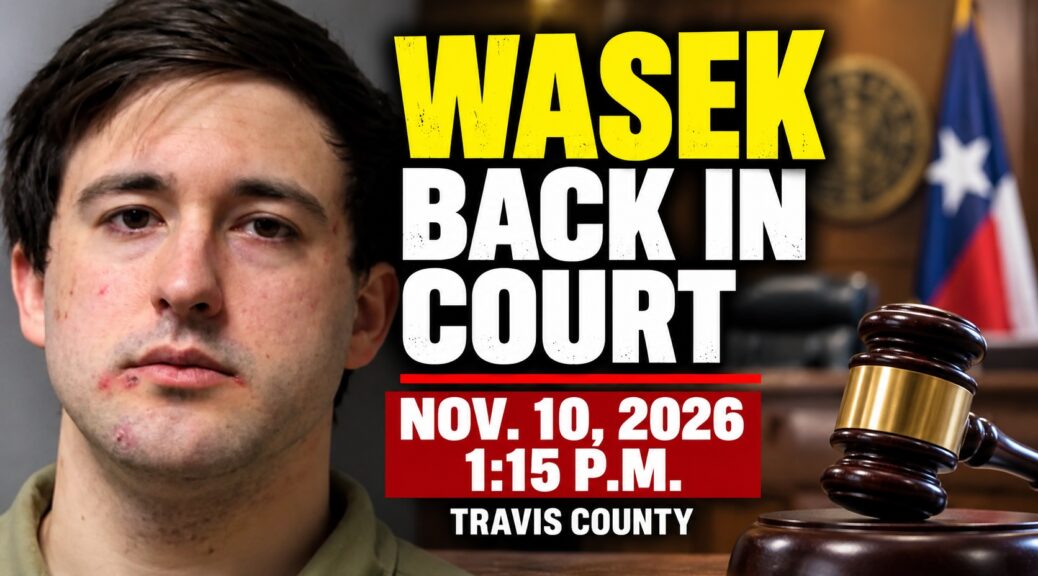
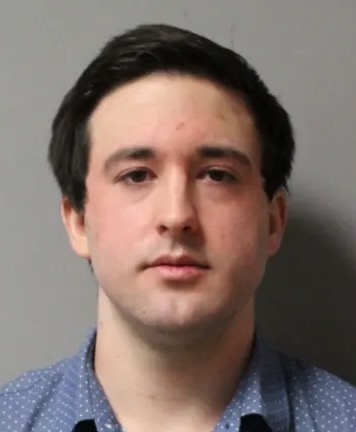
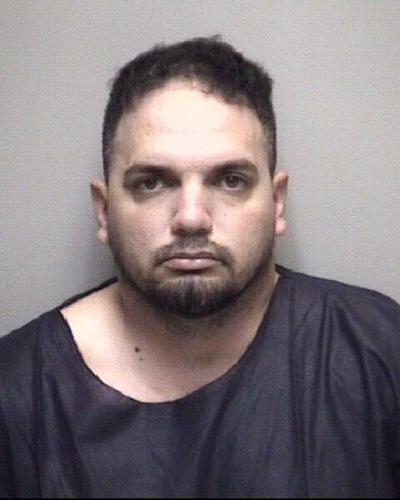
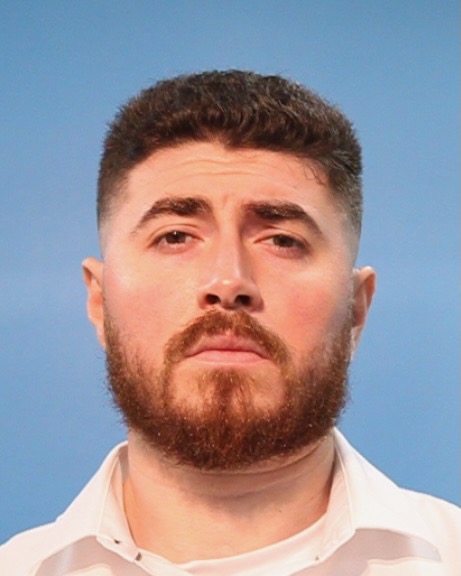
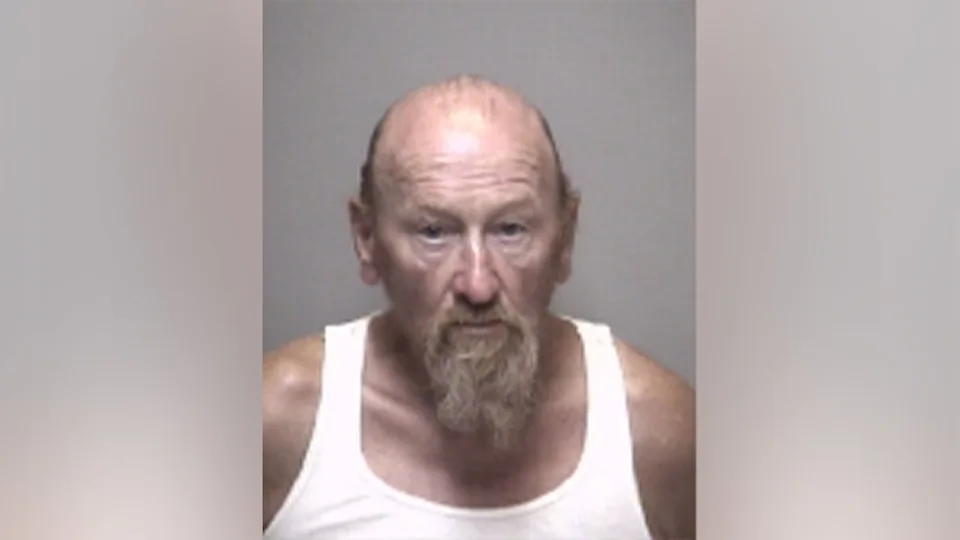
Mitchell Wasek has another court date in Travis County.
Court records show Wasek will return to the 167th District Court on Nov. 10, 2026, at 1:15 p.m.
The hearing involves several criminal cases that I have followed for years.
One of Wasek’s original 2023 cases lists a writ hearing. His separate 2025 case lists a pretrial hearing at the same time.
The Nov. 10 setting is not a trial date.
Wasek’s original cases remain in court
Wasek faces six invasive visual recording cases filed in 2023.
Those cases carry cause numbers D-1-DC-23-500314 through D-1-DC-23-500319. Travis County previously listed all six for writ hearings in the 167th District Court.
The latest Odyssey record I reviewed on Oct. 2 shows a Nov. 10 writ hearing in case D-1-DC-23-500314.
The older cases have also gone through appellate proceedings.
Separate 2025 case heads to pretrial hearing
Wasek also faces a separate felony case filed in 2025.
That case carries cause number D-1-DC-25-500122.
The Travis County docket lists the 2025 charge as possession of child pornography.
The latest Odyssey record shows a pretrial hearing on Nov. 10 at 1:15 p.m.
The newer case and at least one of Wasek’s original cases now have hearings set for the same date and time.
Defense wants evidence suppressed
The 2025 case includes two major defense challenges.
Wasek’s attorneys filed a motion to suppress on April 14.
The docket describes it as a motion to suppress evidence obtained by theft and breach of computer security.
The public docket I reviewed does not show an order resolving that motion.
Defense also seeks dismissal
Wasek’s attorneys filed another motion on June 2.
That motion asks the judge to dismiss the indictment due to an expired statute of limitations.
The filing does not mean the court has dismissed the indictment.
The public docket I reviewed does not show an order granting that request.
Court records also show several subpoena applications filed in June.
What happens next in the Mitchell Wasek cases?
Mitchell Wasek faces felony charges in Travis County as his defense seeks to suppress evidence and dismiss the indictment.
The Nov. 10 hearings could provide answers about the pending legal challenges.
The 167th District Court handles felony criminal cases in Travis County. Judge Dayna Blazey presides over the court.
For now, Wasek’s cases remain pending.
I will continue reviewing the court records and report any new rulings before the Nov. 10 hearings.
My new book, When Two Worlds Collide During WWII, follows two families on opposite sides of World War II and the remarkable events that eventually brought their lives together in Wisconsin.
The story is based on my own family history, with real people, family photographs and stories passed down through generations.
Disclosure: As an Amazon Associate, I earn from qualifying purchases.
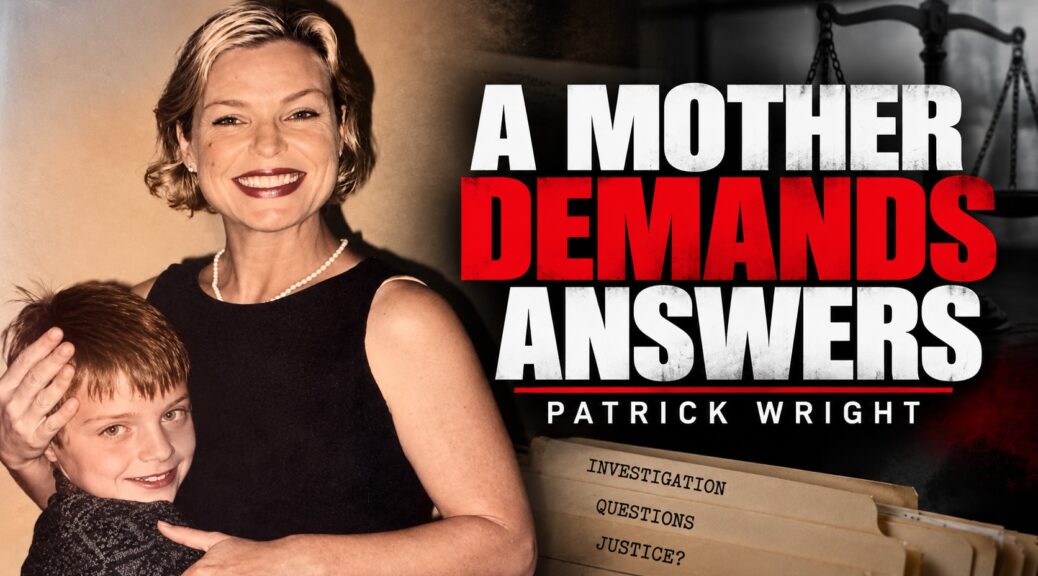
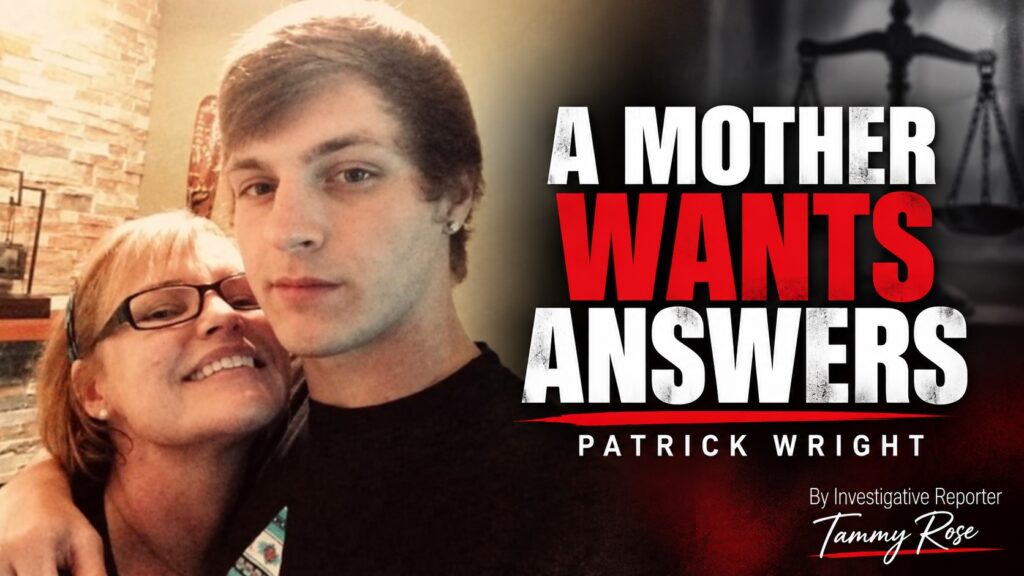
More than a year after the Patrick Wright killing in Galveston, his mother, Kim Lain, says she still has serious questions about the investigation.
Kim Lain was there when her son died. She says she saw the man involved in the confrontation. She spoke directly to him. Moments later, she watched her son collapse after he was shot.
The investigation took several unexpected turns. Police first arrested the wrong man on a murder charge. Investigators later acknowledged problems with gunshot residue testing.
Authorities eventually identified another man as the shooter. They said he admitted firing the shots but claimed self-defense.
Watch the full investigation
Investigative Reporter Tammy Rose sat down with Kim Lain to discuss her son’s death, the investigation and the questions she says remain unanswered. Watch the full report below.
A Galveston County grand jury later took no action in the case.
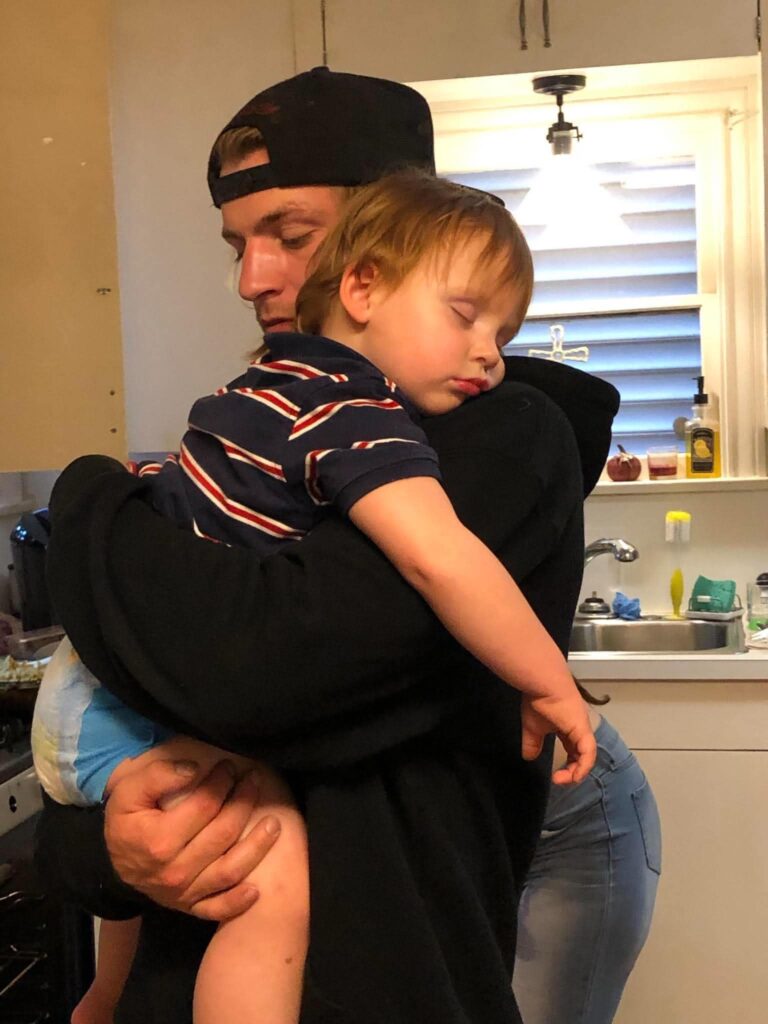
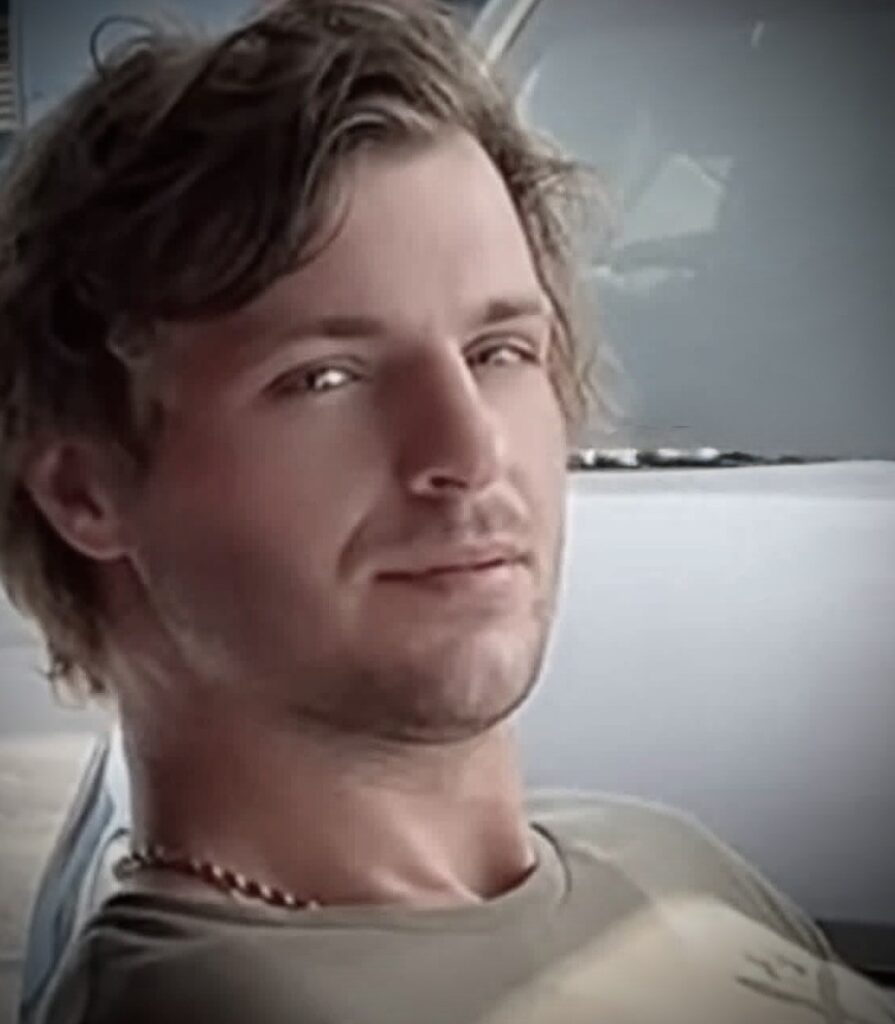
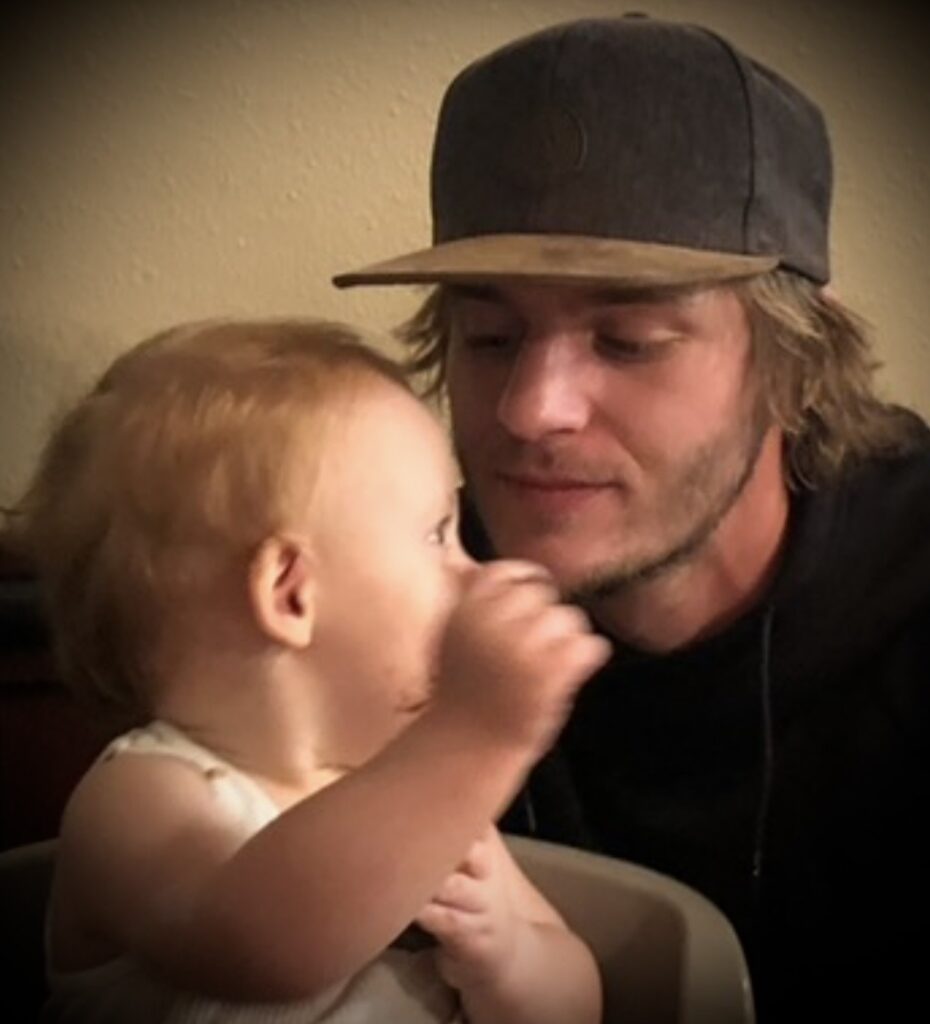
Patrick William Wright with one of his children. His mother, Kim Lain, remembers him as a devoted father who put family first.
Now Lain is questioning how investigators handled her son’s death and why no one faces charges.
Patrick Wright killed in Galveston
Patrick William Wright was 29 when he died on June 20, 2025.
Lain remembers her son for much more than the circumstances surrounding his death.
“He was a very pure soul, that is for sure,” Lain said. “Family was everything to him.”
She described Patrick as someone who held doors open for strangers and helped people who needed it.
“He’s the guy that would give the homeless a few bucks and something to eat, no questions asked,” she said. “I admired that about him.”
A confrontation on Avenue R
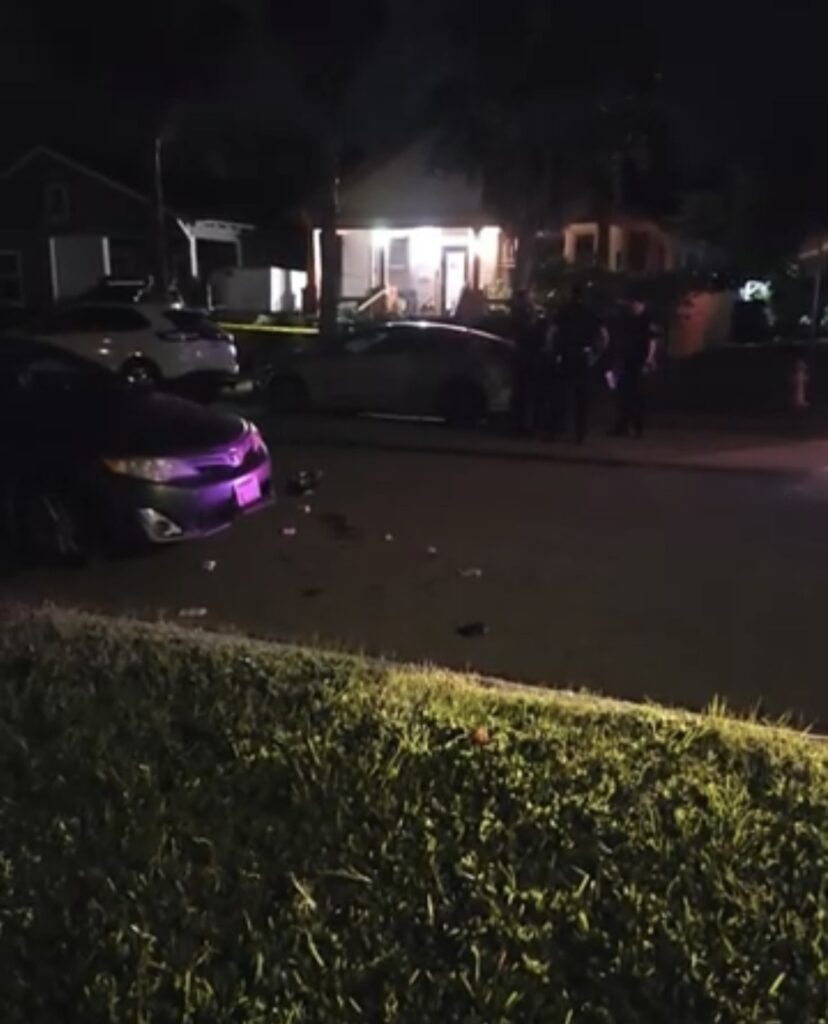
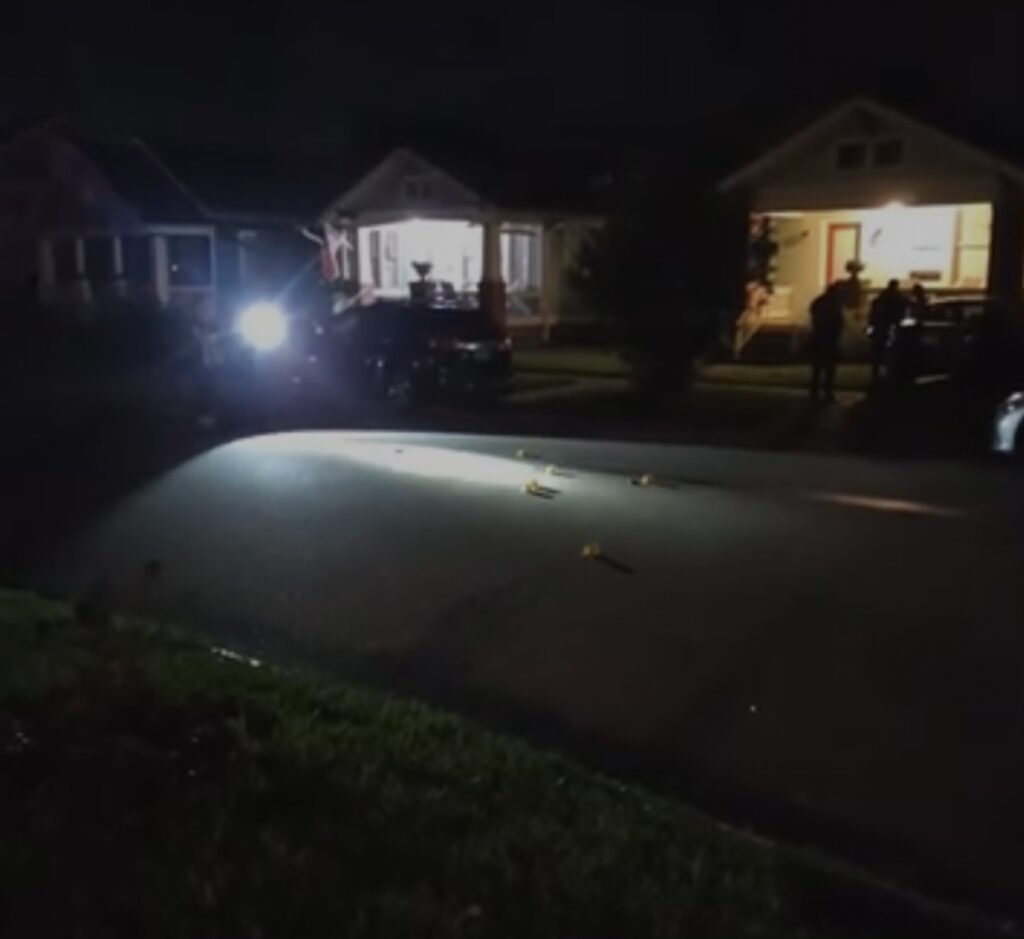
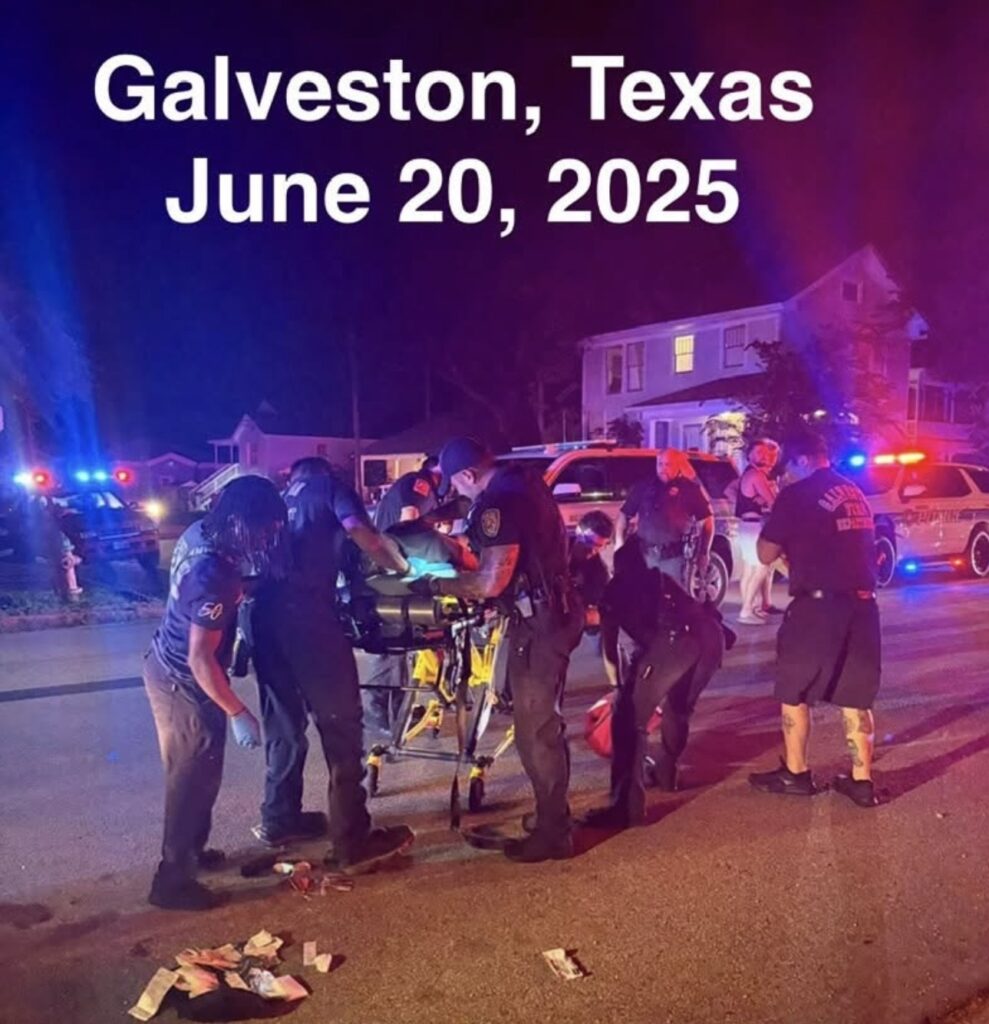
Police at the scene following the fatal shooting of 29-year-old Patrick William Wright in Galveston.The scene on Avenue R in Galveston following the fatal shooting of 29-year-old Patrick William Wright.
Lain says she and Patrick were traveling along Avenue R in Galveston when another vehicle made a wide U-turn and came close to them.
She says Patrick wanted the vehicle’s license plate number. He backed up until the two vehicles were next to each other.
“I heard my son say something to the effect of, ‘Hey, you know, what’s your problem? You almost hit me,’” Lain said.
Patrick eventually got out.
Lain says she repeatedly asked her son not to engage with the other driver. She also asked the other driver to leave.
Seconds later, she heard gunfire.
“It sounded like four shots to me,” Lain said. “It was more than two.”
Patrick then appeared at her window.
“He clenched his chest, and he said, ‘I’ve been shot,’” she recalled.
Lain called 911 at 10:14 p.m.
“He collapsed on the hood, and I lost him there,” she said.
Patrick had been shot twice in the chest.
Lain says less than three minutes passed between the U-turn and the shooting.
Police initially arrested the wrong man
The investigation soon took an unexpected turn.
Galveston police initially arrested Uber driver Sanddy Diaz Pino on a murder charge. Police later determined he was not the shooter.
Galveston police initially arrested Uber driver Sanddy Diaz Pino and charged him with murder.
Days later, police determined he was not the shooter.
Investigators said video evidence raised questions about his involvement. Police also acknowledged problems with preliminary gunshot residue testing that produced false-positive results.
Authorities dismissed the murder charge against Diaz Pino.
Investigators later identified another ride-share driver.
Emergency responders tend to 29-year-old Patrick William Wright after he was shot in Galveston on June 20, 2025.
Authorities said that man admitted shooting Patrick but claimed he acted in self-defense.
Lain disputes part of the shooting account
Early reports cited a witness and a probable cause affidavit. They said Patrick lunged toward the driver’s open window before the shooting.
Lain says she did not see that happen.
“It hurts immensely,” she said. “It also hurts how things have been characterized … because that is not what I witnessed at that scene.”
Lain also disputes the identity of the driver.
She says she looked directly at the man behind the wheel and spoke to him during the confrontation.
Lain says she later made a sworn identification of the man she saw that night. She says the man she identified was not the same person authorities identified during their investigation.
She later took her eyewitness identification to authorities.
Lain says authorities told her it did not qualify as new evidence.
Grand jury takes no action
Patrick William Wright was 29 years old when he was shot and killed in Galveston in June 2025.
The case went before a Galveston County grand jury. The grand jury returned no indictment.
Grand jury proceedings remain secret under Texas law. That means the public cannot independently determine all the evidence prosecutors presented or why jurors reached their decision.
Lain has also discussed her own involvement in the grand jury process. Before publishing, I would confirm with Kim that she personally testified and then add that fact here. Your package does not establish that point clearly enough for me to put it in as fact yet.
Lain questions evidence in the case
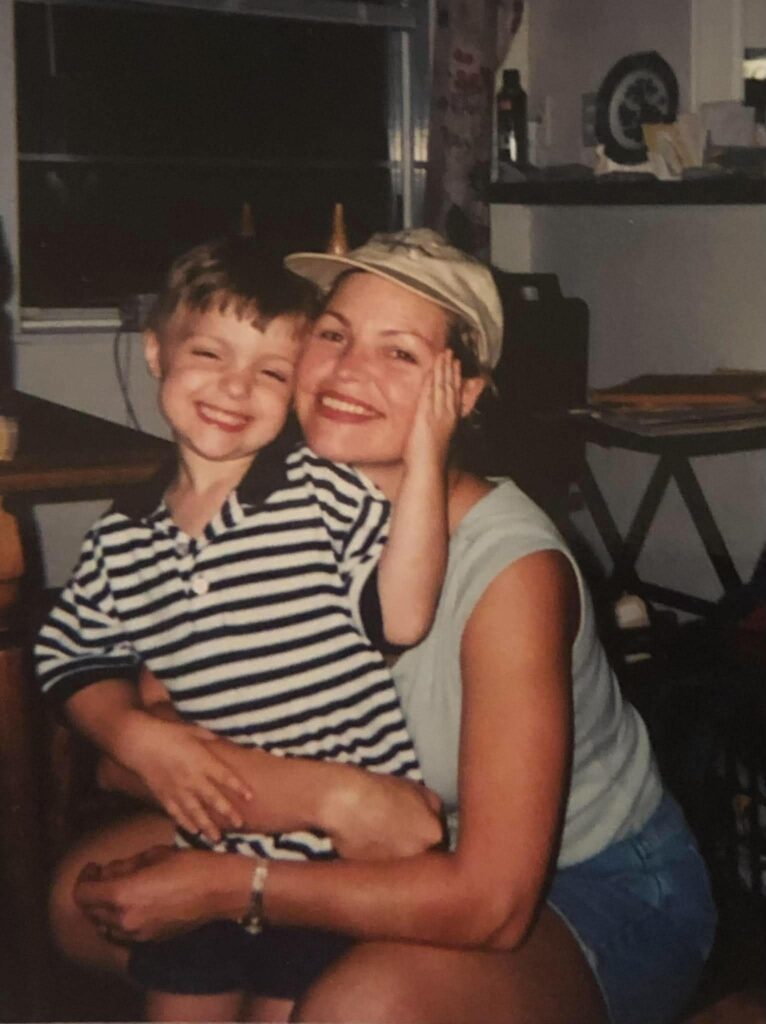
Kim Lain with her son, Patrick William Wright, years before his death in Galveston.
Lain says the prosecutor who presented the case later discussed the evidence with her.
According to Lain, the prosecutor said the case went before the grand jury without a firearm, ballistics evidence, eyewitness identification or physical evidence tying the person under investigation to the scene.
Lain says the prosecutor told her authorities did have a confession and information from Uber placing that person there.
Those statements reflect Lain’s account of what the prosecutor told her. Grand jury secrecy prevents the public from independently confirming everything jurors saw or heard.
Lain says authorities told her she would need new evidence before they could consider the case again. She says they gave a firearm as one example.
She also questions why authorities want her to produce new evidence while opposing the release of Patrick’s complete autopsy file.
Lain believes that file could contain forensic evidence relevant to the case.
A mother continues searching for answers
Patrick William Wright was a father of three. His mother, Kim Lain, says family meant everything to him.
Lain says she was also told that another grand jury would reach the same outcome even if she produced new evidence.
She questions how anyone could know what another grand jury would decide.
“I feel violated. I feel betrayed,” Lain said. “I feel pain for my son. I feel pain for myself. Every day is hell.”
More than a year after Patrick’s death, Lain wants authorities to take another look at the case.
She wants investigators to consider her eyewitness identification and her account of her son’s final minutes.
For Lain, Patrick is more than a name in an investigative file.
He was a 29-year-old father whom she remembers for his kindness and devotion to his family.
“Family was everything to him,” she said.
A grand jury’s decision not to indict does not determine guilt or innocence. Grand jury proceedings are secret, and the evidence presented to jurors generally remains outside public view.
My new book, When Two Worlds Collide During WWII, follows two families on opposite sides of World War II and the remarkable events that eventually brought their lives together in Wisconsin.
The story is based on my own family history, with real people, family photographs and stories passed down through generations.
Disclosure: As an Amazon Associate, I earn from qualifying purchases.
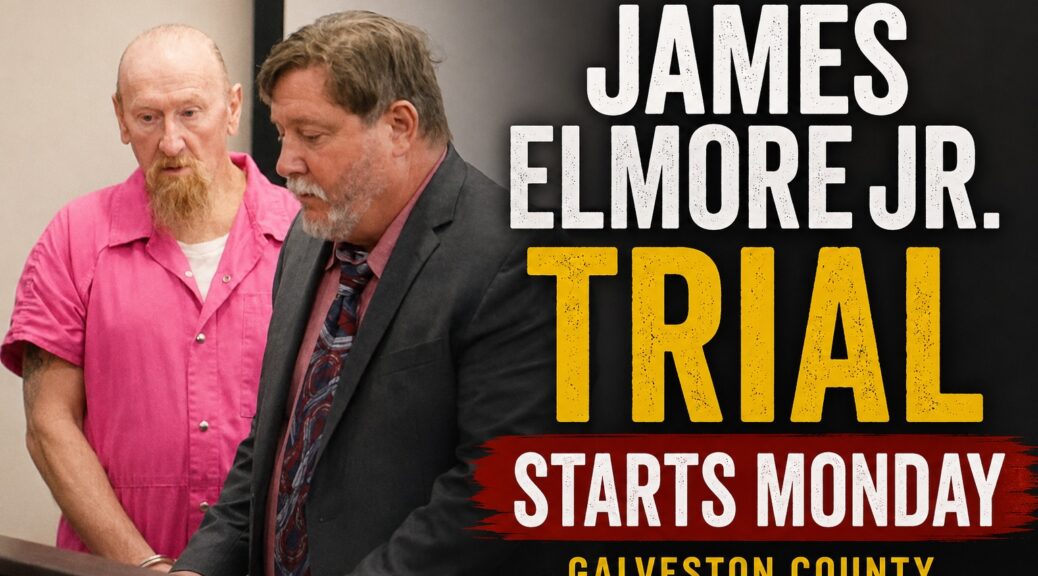
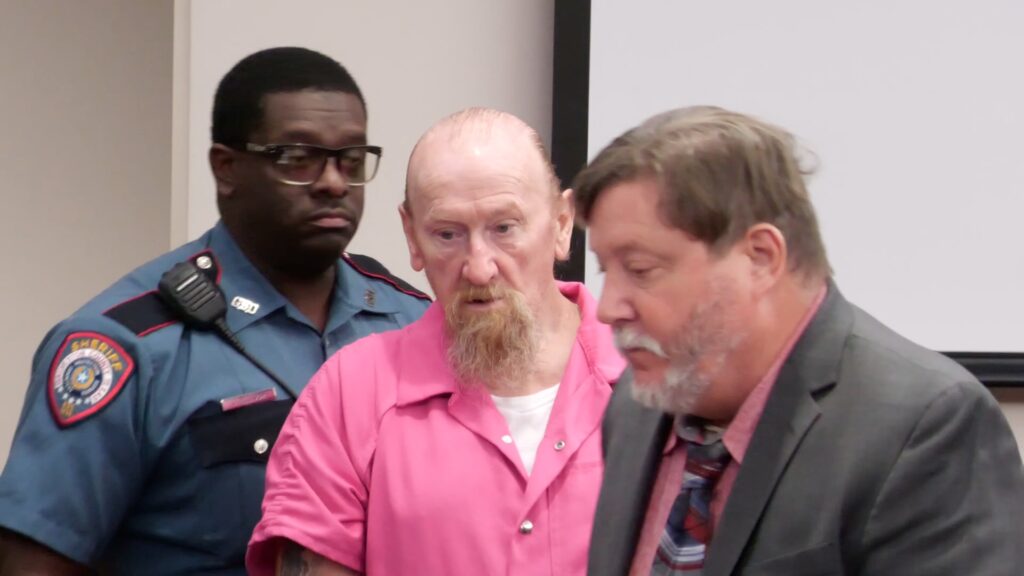
James Elmore Jr. appears in court ahead of his scheduled manslaughter trial in Galveston County.
The James Elmore Jr. trial is set to begin Monday in Galveston County.
Elmore faces a manslaughter charge in connection with the death of Laura Miller.
The case is scheduled in the 122nd District Court.
The court has already warned attorneys that it does not expect another delay without a serious emergency.
Jury selection could draw a large crowd
Jury selection may become one of the first major hurdles in the case.
During an earlier pretrial hearing, the judge and attorneys discussed calling more than 200 prospective jurors because of the publicity surrounding the case.
The court also discussed using a larger courtroom.
Attorneys considered a written jury questionnaire and individual questioning for some prospective jurors. The goal is to determine whether jurors can decide the case only on evidence presented in court.
Manslaughter case will go first
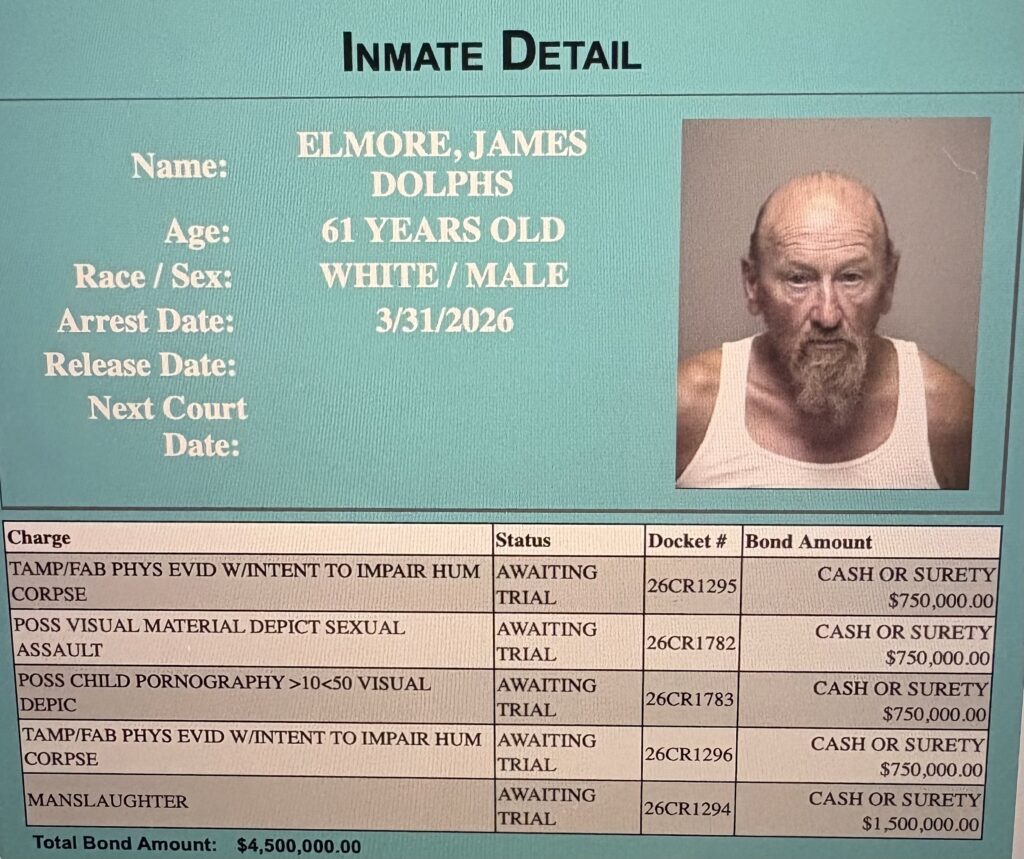
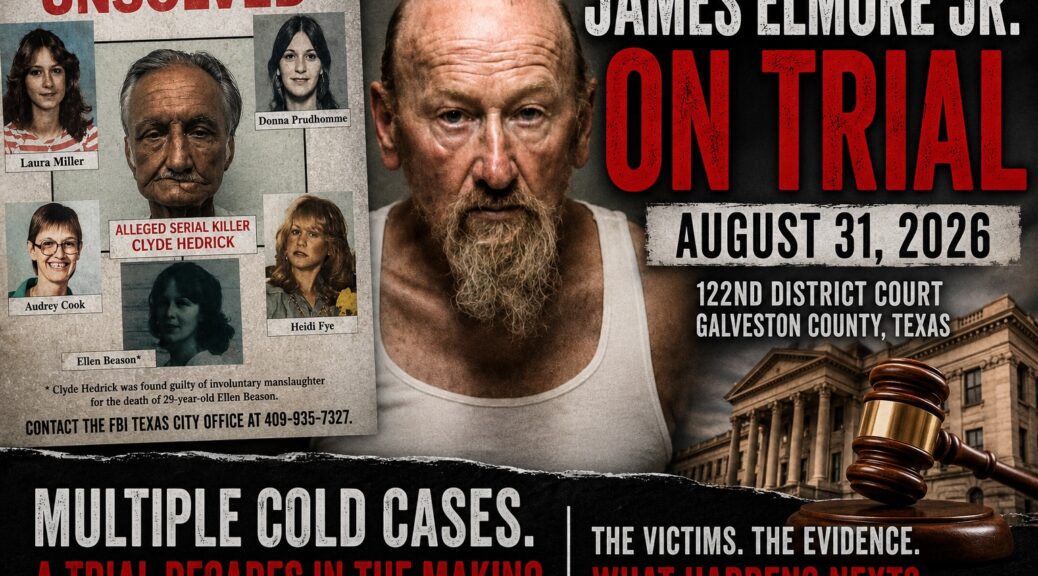
James Elmore Jr. booking photo. His trial is currently scheduled to begin Aug. 31, 2026, in Galveston County.
Prosecutors previously told the judge they plan to try the manslaughter case first.
Elmore has several other criminal cases pending.
The state has said evidence connected to some of those cases could become relevant during the manslaughter trial. If Elmore is convicted, prosecutors could also seek to introduce additional evidence during the punishment phase.
Watch the pretrial hearing
I previously covered Elmore’s Aug. 21 pretrial hearing, where the judge and attorneys discussed jury selection, outstanding discovery and how the manslaughter case would move forward.
Watch my full video from the hearing below for more context before Monday’s trial.
When testimony could begin
The court previously discussed beginning jury selection Monday afternoon.
Opening statements and testimony could begin Tuesday if a jury is seated in time. Attorneys have estimated the trial could last about one week.
That timeline could change depending on how long jury selection takes.
What to watch Monday
The biggest questions heading into court are how large the jury pool will be, whether attorneys use questionnaires and how quickly they can seat a jury.
There could also be last-minute motions before testimony begins.
Chopper Rose Productions will be at the courthouse following developments as the case moves toward trial.
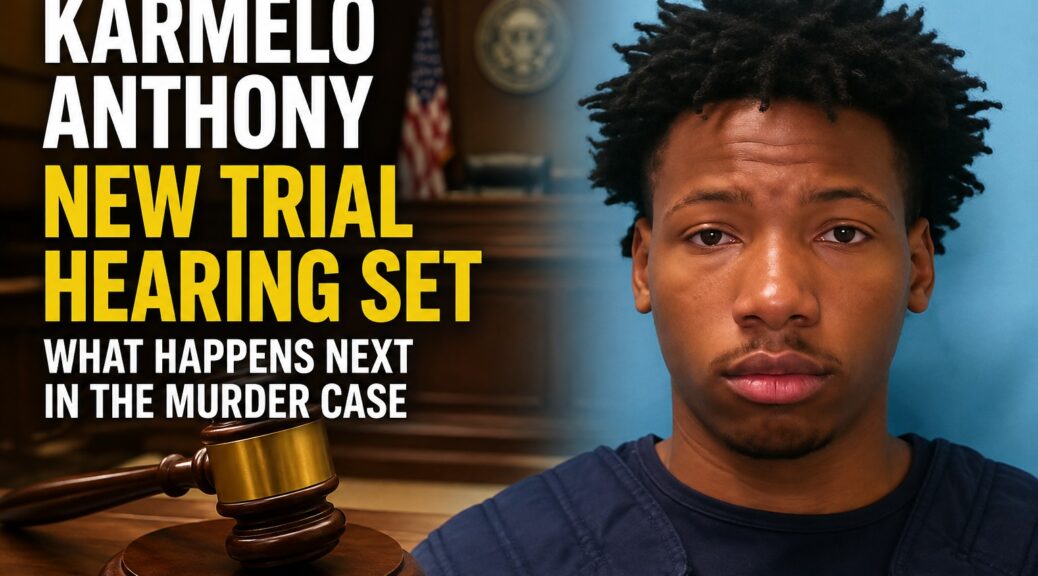
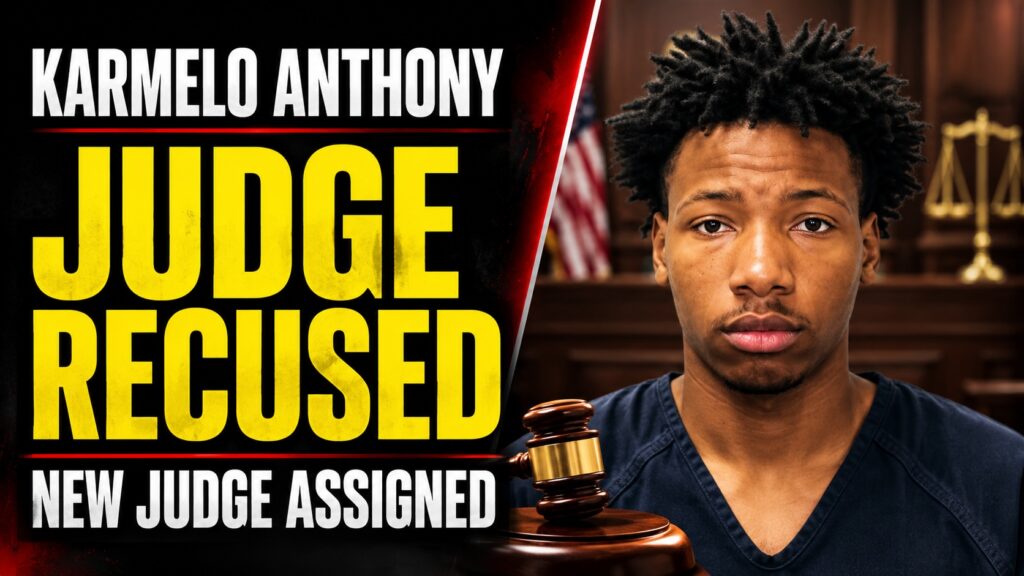
Karmelo Anthony’s post-trial case will move forward under a new judge after the judge who presided over his murder trial was recused.
Update: Judge removed from Karmelo Anthony case
Karmelo Anthony’s fight for a new trial took a major turn Wednesday after the judge who presided over his murder trial was removed from the post-trial proceedings.
Visiting Judge Sid Harle granted the defense request to recuse Collin County Judge John Roach Jr. Anthony’s attorneys argued that Roach’s public comments following the conviction raised questions about whether he could remain impartial while considering the motion for a new trial. Harle ruled that the legal standard for recusal had been met.
Retired District Judge Michael Chitty has now been assigned to the case. He is expected to preside over Anthony’s motion for a new trial, which remains scheduled for Thursday morning despite briefly appearing as canceled on the court’s online calendar.
Anthony has not been granted a new trial. Wednesday’s ruling only determines which judge will decide that request.
Karmelo Anthony Seeks New Trial as Judge Recusal Hearing Approaches
By Investigative Reporter Tammy Rose
Karmelo Anthony is heading back to a Collin County courtroom just months after a jury convicted him of murder.
New court records show two major hearings scheduled for next week.
First, a judge will hear Anthony’s request to remove the judge who oversaw his murder trial.
Then, the court will take up Anthony’s request for a new trial.
The hearings come after a jury sentenced Anthony to 35 years in prison for the killing of 17-year-old Austin Metcalf.
Karmelo Anthony Recusal Hearing Set for August 19
Karmelo Anthony. Collin County court records show a hearing on his motion to recuse is set for August 19, 2026, at 9 a.m.
Collin County court records show a hearing on Anthony’s motion to recuse is set for August 19, 2026, at 9 a.m.
The hearing will take place in the 494th District Courtroom at the Collin County Courthouse.
Court records list Judge Harle as the presiding judge for the hearing.
Anthony’s murder case originally went before Judge John R. Roach Jr. in the 296th District Court.
The defense now wants Roach removed from the post-trial proceedings.
The court will consider that request before it addresses Anthony’s bid for a new trial.
Motion for New Trial Hearing Set for August 20
The next major hearing is scheduled for August 20, 2026, at 9 a.m.
That hearing will focus on Anthony’s motion for a new trial.
Court records currently list the judge and courtroom as pending.
The two hearings could play a major role in what happens next.
Anthony’s attorneys want the court to overturn his conviction and give him another trial.
Anthony Convicted in Austin Metcalf Killing
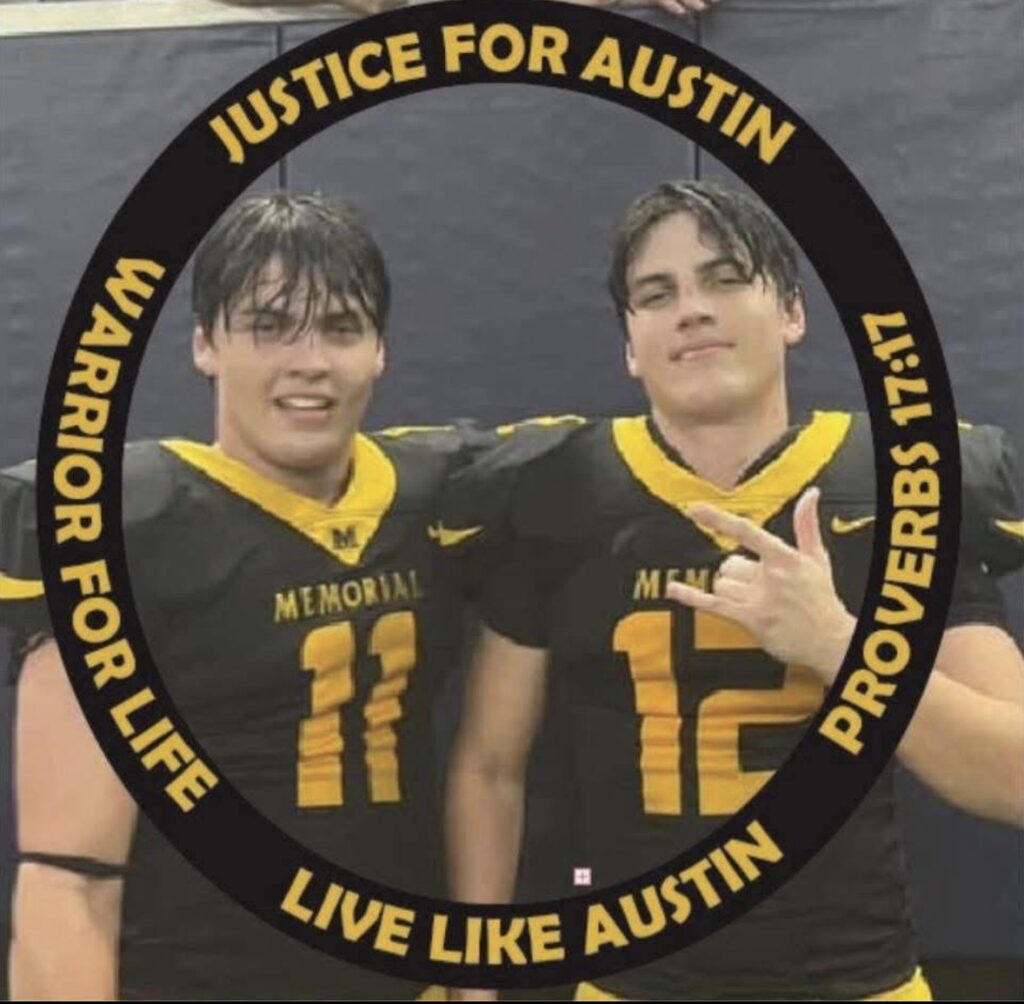
Austin Metcalf is remembered by family, friends and the community as the Karmelo Anthony murder case continues through the Collin County court system.
The case began after a confrontation at a high school track meet in Frisco on April 2, 2025.
Anthony was 17 at the time.
Prosecutors accused him of fatally stabbing Austin Metcalf, 17, during the confrontation.
Anthony admitted that he stabbed Metcalf but argued that he acted in self-defense.
The case later went before a Collin County jury.
On June 9, 2026, jurors found Anthony guilty of murder.
The jury then sentenced him to 35 years in prison.
Court Records Show Case Is Under Appeal
The Collin County court system now lists Anthony’s case status as “Appealed.”
The case number is 296-83565-2025.
The online docket contains more than 300 case events.
Recent entries include an August 10 subpoena and the two upcoming hearings.
The appeal and new-trial effort mean the legal fight is far from over.
Why the Recusal Hearing Matters
The August 19 hearing comes first for a reason.
Anthony’s attorneys want another judge to handle the next stage of the case.
A ruling on that request could determine who hears the motion for a new trial.
That makes the recusal hearing an important step before the court considers whether Anthony should receive another trial.
Media Access Planned for August 19 Hearing
Collin County expects significant media and public interest in the hearings.
The county says only nine credentialed media seats will be available inside the courtroom for the August 19 hearing.
However, officials also plan to provide an overflow room with a video feed from the courtroom.
The county expects to release additional information about the August 20 hearing after the recusal hearing ends.
What Happens Next in the Karmelo Anthony Case?
The next two dates will be important.
August 19: Hearing on the motion to recuse.
August 20: Hearing on the motion for a new trial.
If the defense succeeds in its effort for a new trial, the case could return to a courtroom before another jury.
If the court rejects the request, Anthony can continue challenging his conviction through the appeals process.
Investigative Reporter Tammy Rose will continue reviewing the court record as new filings and orders become available.
Source
Collin County District Court records and the Collin County Public Information Office.
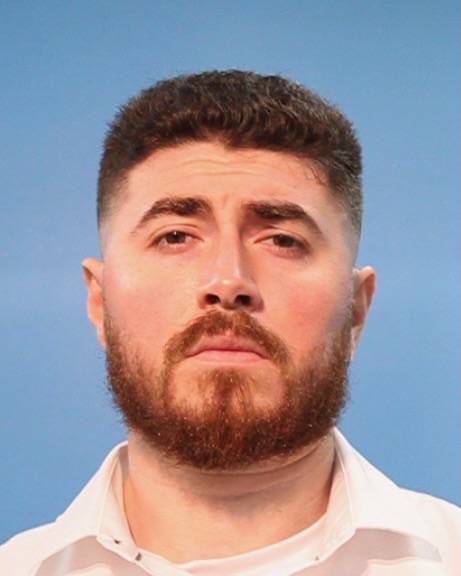
Former Brazoria County Sheriff’s Deputy Kevin Daniel Tippit was arrested by Texas Rangers on August 11, 2026, in connection with the fatal shooting of 18-year-old John Gabriel Mendoza Jr. Photo credit: Brazoria County Sheriff’s Office.
Former Brazoria County Deputy Kevin Tippit Indicted in Fatal Shooting of 18-Year-Old
By Investigative Reporter Tammy Rose
Former Brazoria County Sheriff’s Deputy Kevin Daniel Tippit now faces a first-degree felony charge and the possibility of decades in prison following the fatal shooting of 18-year-old John Gabriel Mendoza Jr.
A Brazoria County grand jury indicted Tippit on aggravated assault by a public servant in connection with the June 1, 2026 shooting in Lake Jackson, according to the Brazoria County District Attorney’s Office. Texas Rangers arrested Tippit Tuesday, August 11.
Brazoria County jail records list his bond at $250,000.
If convicted as charged, Tippit faces five to 99 years or life in prison, according to the district attorney’s office.
Pursuit Ends at John Mendoza Jr.’s Home
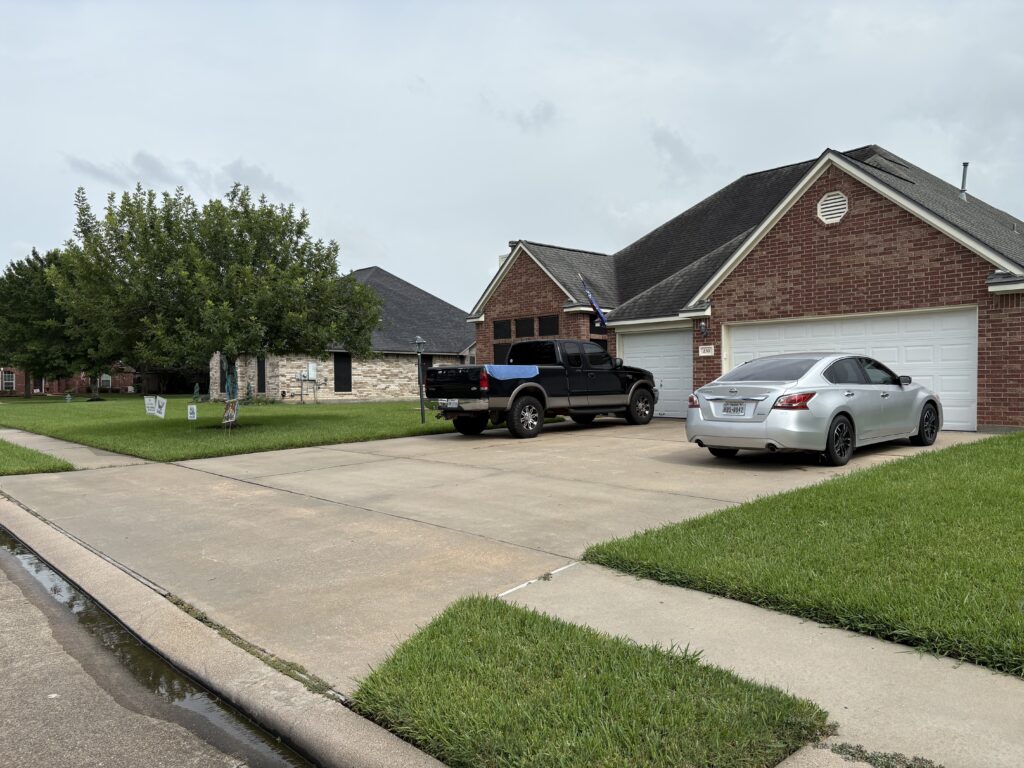
The Lake Jackson home where John Gabriel Mendoza Jr., 18, was fatally shot on June 1, 2026, after a pursuit ended at the residence. Photo by Investigative Reporter Tammy Rose.
The shooting happened early June 1 after Tippit attempted to stop Mendoza while he was driving in Lake Jackson.
Mendoza did not immediately stop and instead drove to his father’s home in the 100 block of Indian Warrior Trail. The pursuit ended at the home, where Tippit encountered Mendoza near or inside the garage and fired his weapon. Mendoza later died from his injuries.
Mendoza was a Texas State University student who had just completed his freshman year and was home for the summer.
Grand Jury Indicts Kevin Tippit
The indictment marks a major development in the Texas Rangers’ investigation into Mendoza’s death.
Court documents allege Tippit recklessly caused serious bodily injury to Mendoza by shooting him.
That wording is significant because the charge focuses on Tippit’s alleged reckless conduct. A grand jury indictment means jurors found sufficient probable cause for the criminal case to proceed. It does not establish guilt.
Tippit remains innocent unless a court finds him guilty.
Shooting Came Within Seconds of Deputy’s Arrival, Family Attorney Says
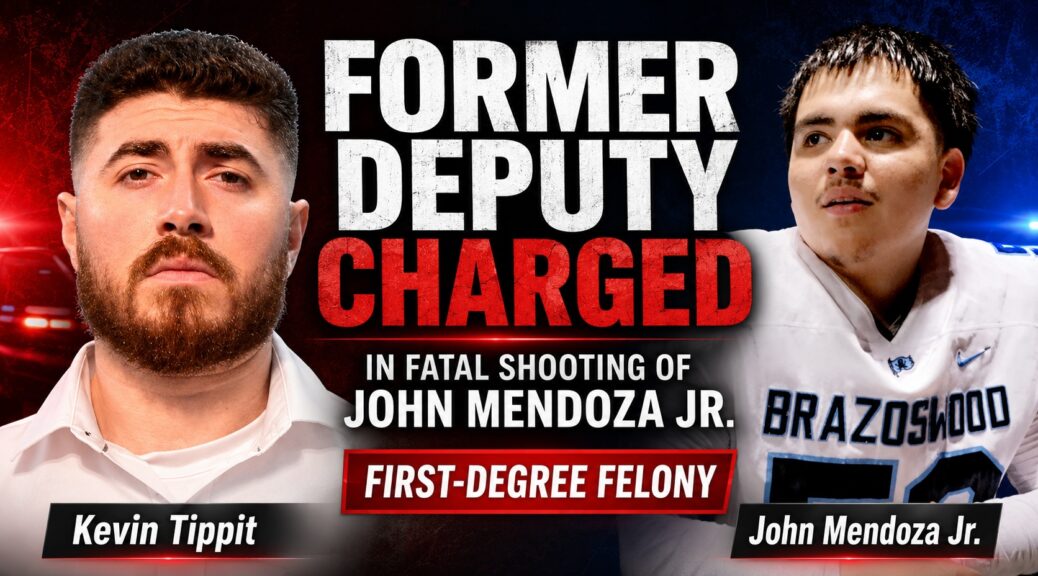
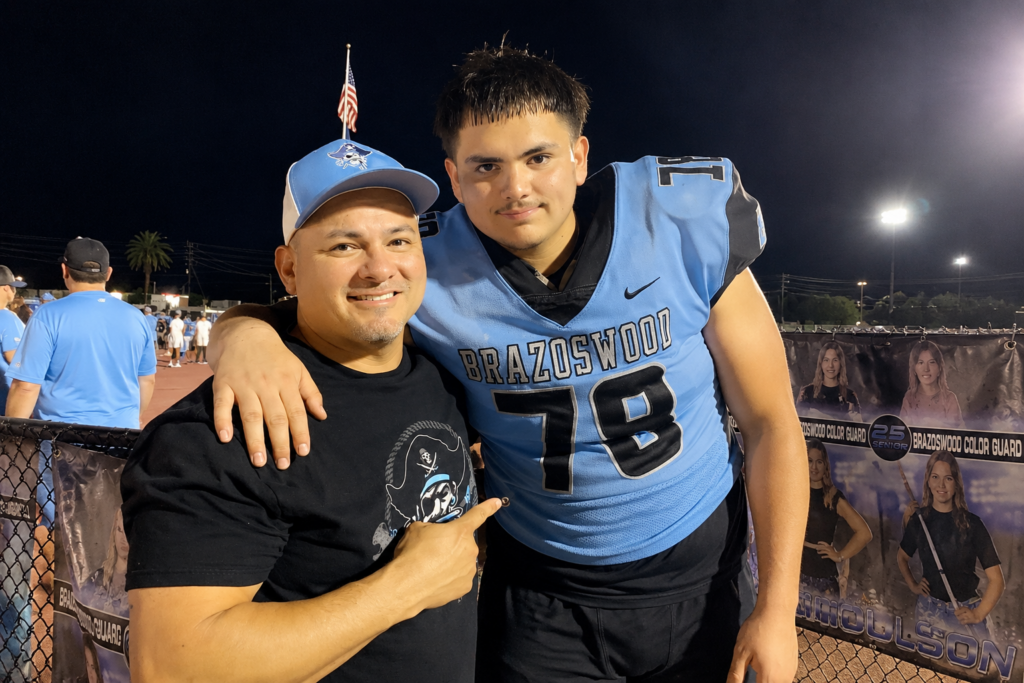
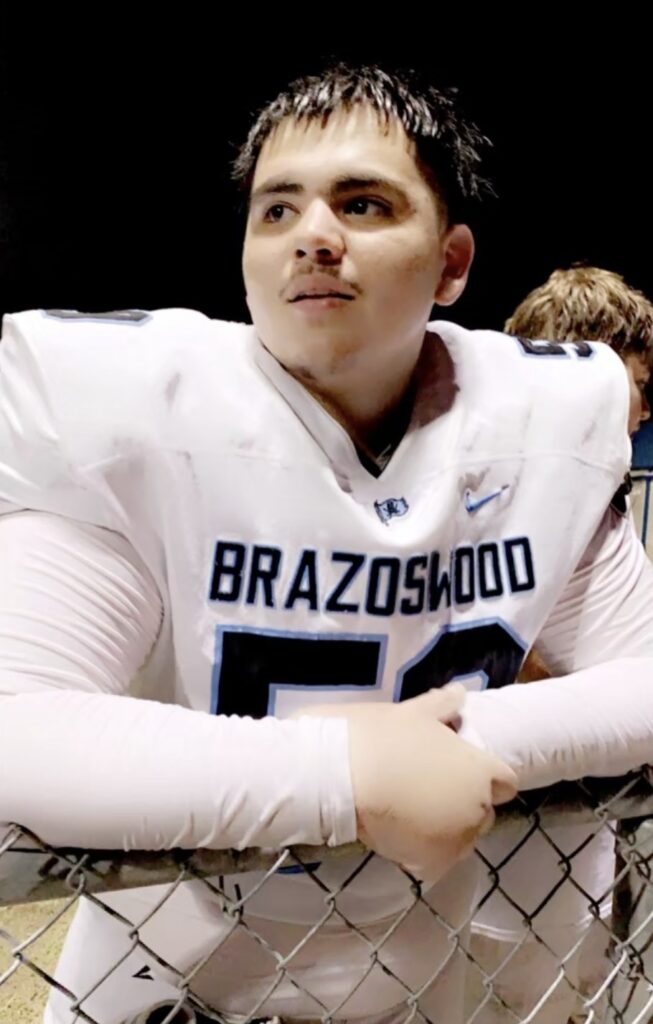
John Gabriel Mendoza Jr., 18, pictured in a Brazoswood football uniform. Mendoza was fatally shot on June 1, 2026, after a pursuit ended at his family’s Lake Jackson home. Photo courtesy of the Mendoza family.
Attorney Charles Adams, who represents Mendoza’s family, has said surveillance video shows Tippit fired within seconds of getting out of his patrol vehicle.
Adams has also said Mendoza and the other occupants were unarmed. Those details came from the family’s attorney and should not be confused with an official finding by investigators.
The Texas Rangers later obtained a search warrant as they investigated the shooting. Court documents showed investigators were examining several possible offenses, including manslaughter, criminally negligent homicide and aggravated assault by a public servant.
Brazoria County Sheriff Fired Kevin Tippit
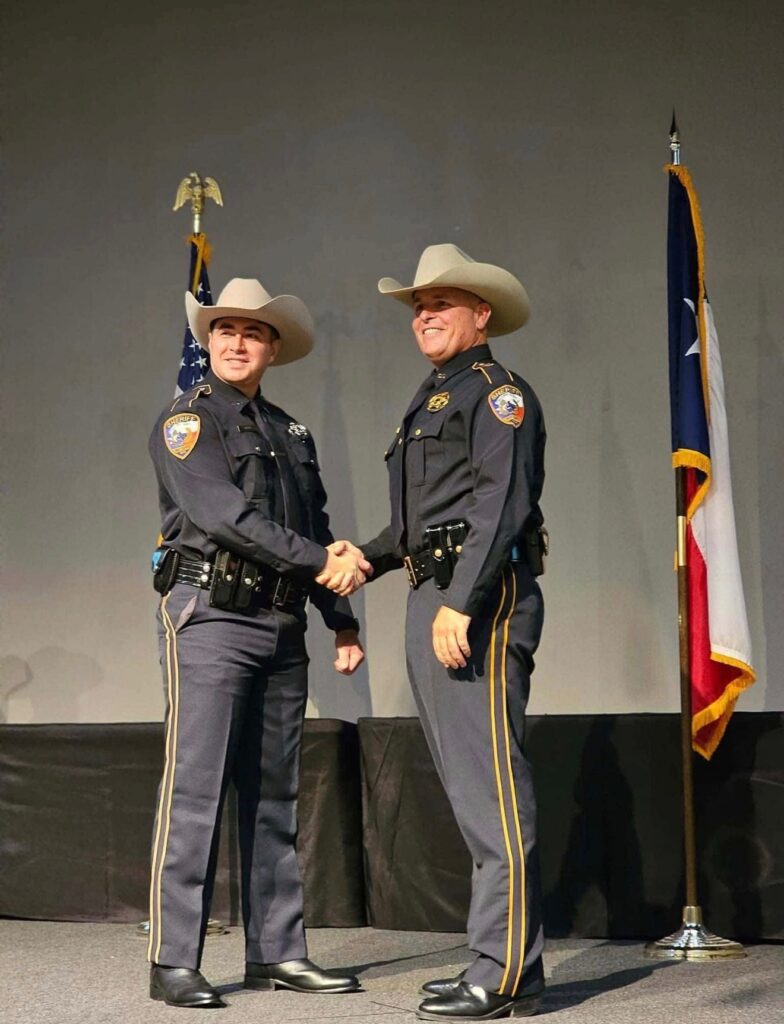
Former Brazoria County Sheriff’s Deputy Kevin Tippit, left, pictured with Brazoria County Sheriff Bo Stallman during a department ceremony. Tippit was later fired following the fatal shooting of 18-year-old John Gabriel Mendoza Jr. in Lake Jackson.
Eight days after the shooting, Brazoria County Sheriff Bo Stallman fired Tippit on June 9, 2026.
Stallman said an internal investigation found Tippit violated department policies involving the handling and discharge of his firearm.
The sheriff stressed that Tippit’s termination was an administrative decision separate from the criminal investigation being conducted by the Texas Rangers and Brazoria County District Attorney’s Office.
Tippit had served as a Brazoria County deputy since July 2024 after previously working as a jailer.
Kevin Tippit Faces Up to Life in Prison
Former Brazoria County Sheriff’s Deputy Kevin Daniel Tippit was arrested by Texas Rangers on August 11, 2026, in connection with the fatal shooting of 18-year-old John Gabriel Mendoza Jr. Photo credit: Brazoria County Sheriff’s Office.
The charge carries potentially severe consequences.
The Brazoria County District Attorney’s Office says aggravated assault by a public servant in this case constitutes a first-degree felony.
If convicted, Tippit could receive a sentence ranging from five to 99 years or life in prison.
A conviction and sentence are not predetermined. The prosecution must prove the criminal charge in court.
John Mendoza Jr. Case Enters New Stage
The criminal charge marks a significant development in a case that has drawn attention across Brazoria County since the June shooting.
Mendoza’s family has repeatedly called for transparency and accountability while the Texas Rangers investigated what happened.
Now, more than two months after Mendoza’s death, the former deputy who fired the fatal shot is facing a first-degree felony charge.
This remains a developing story. Investigator Reporter Tammy Rose will continue following the criminal case and any new court filings or hearings involving Kevin Tippit.
As an Amazon Associate, I earn from qualifying purchases at no additional cost to you. Some travel links may also be affiliate links, which means I may earn a commission at no additional cost to you.
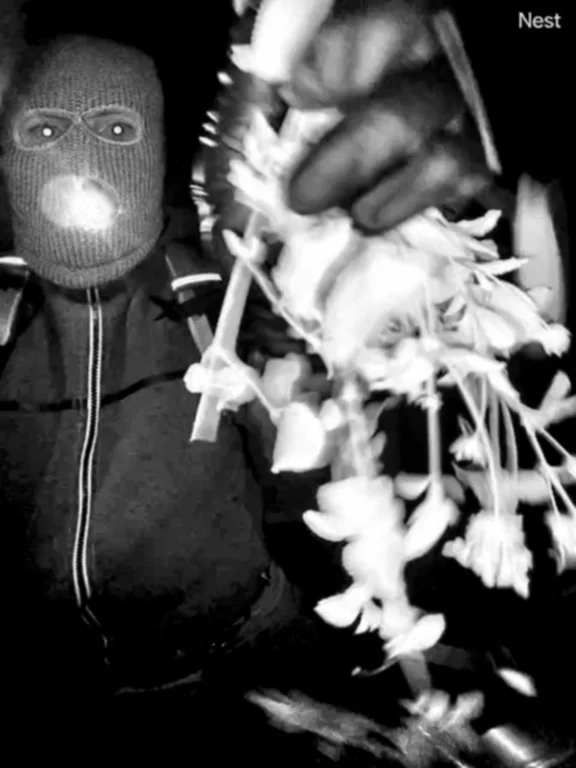
Porch surveillance image released as part of the investigation into the Nancy Guthrie case.
Public Records Reveal Ransom Messages Sent After Nancy Guthrie Disappeared
By Investigative Reporter Tammy Rose
Nancy Guthrie disappeared from her home in the Catalina Foothills near Tucson, Arizona, during the early morning hours of February 1, 2026. Six months later, publicly released investigative records continue to provide insight into one of the most unusual aspects of the case.
Among the documents released are messages that appeared to demand a ransom and later claimed Nancy Guthrie had died. The messages became part of the investigation and remain included in the publicly released records.
Ransom Message Demanded Bitcoin
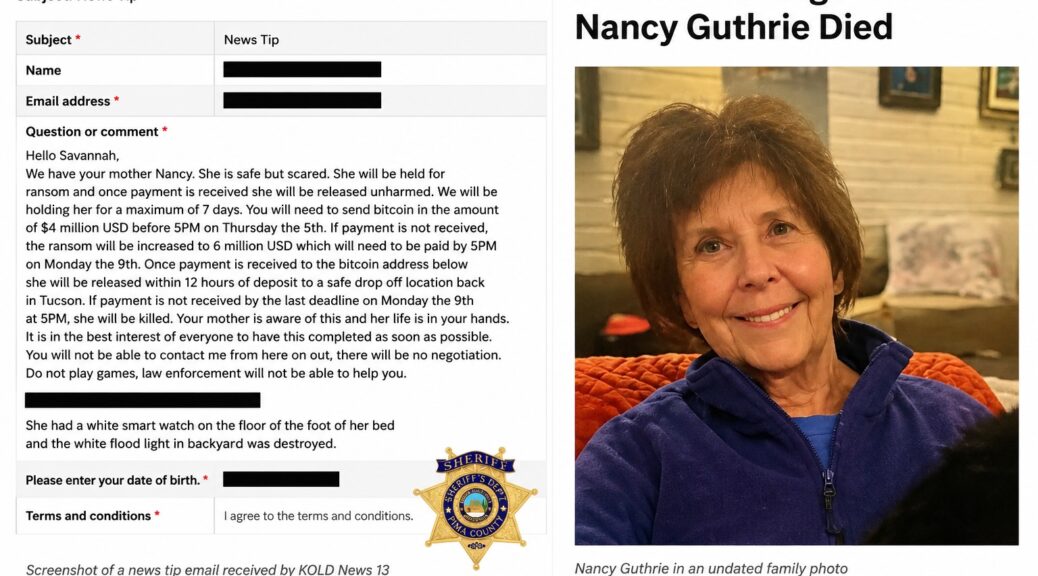
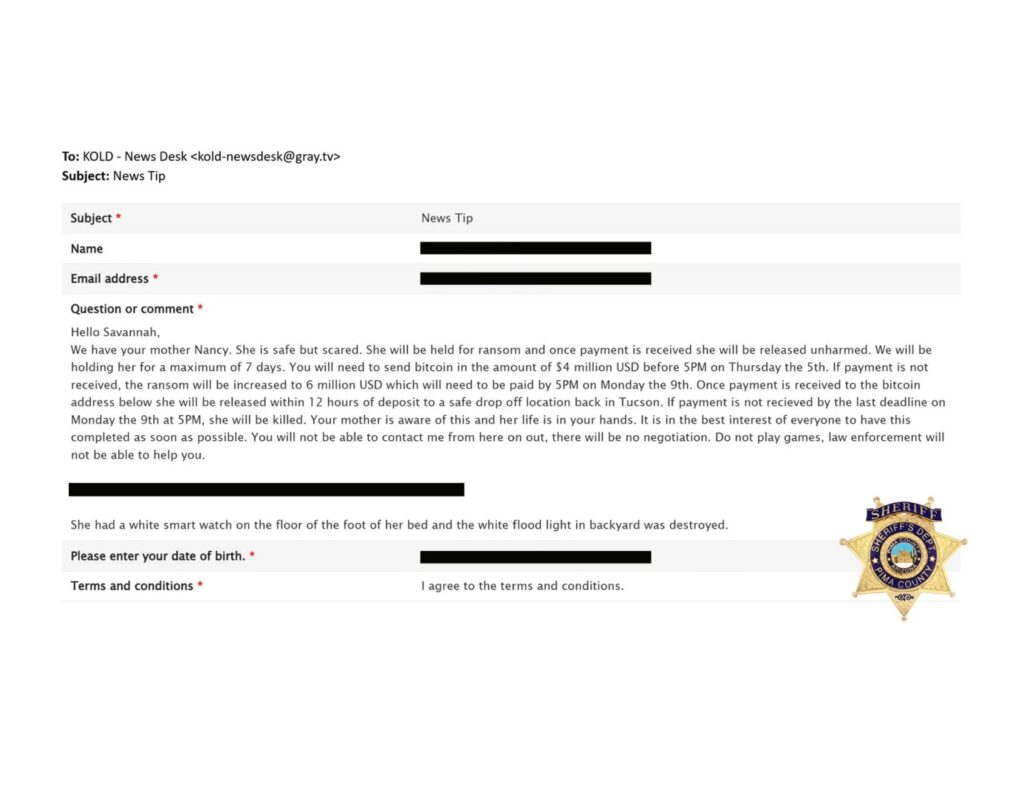
Redacted ransom note documents included in the investigative records for the Nancy Guthrie case.
According to publicly released records, one message claimed Nancy Guthrie had been kidnapped and demanded a multi-million-dollar Bitcoin payment in exchange for her safe return.
The message included a deadline, threatened harm if payment was not made, and referenced details about Nancy Guthrie’s home. Investigators documented the message as part of the case.
At the time, there was no public confirmation that the claims made in the message were true.
Second Message Claimed Nancy Guthrie Died
Nancy Guthrie in an undated family photo provided as part of case coverage.
A second message later claimed Nancy Guthrie had died shortly after being taken.
The message stated that her death was not intentional and expressed sympathy to her family. It also claimed she had been buried in a natural area.
Authorities included the message in the investigative file that was later released as a public record.
Investigators Examined the Messages
Law enforcement reviewed the messages as part of the investigation into Nancy Guthrie’s disappearance.
Publicly released records show the communications were preserved as evidence, but investigators have not publicly confirmed who authored the messages or whether any of the claims contained in them were accurate.
As with many criminal investigations, detectives examined numerous leads while working to determine what happened.
Why These Records Matter
The release of investigative records provides the public with a better understanding of the evidence reviewed during the case.
While the messages generated significant attention, they represent only one part of the overall investigation. Any conclusions about who sent them or why should be based on official investigative findings rather than speculation.
As additional records become public, they may continue to provide new details about the investigation.
If you have information related to the case, contact the investigating law enforcement agency.
⸻
Home Security Camera (Indoor/Outdoor) – If you’re interested in true crime or home security, a smart security camera is one of the best ways to monitor your property and record suspicious activity.
Planning to visit Texas for court proceedings, historical research, or to explore the areas connected to this case? Find hotels that fit your budget through my Hotels.com affiliate link.
Amazon Disclosure
As an Amazon Associate, I earn from qualifying purchases. If you shop through my affiliate links, I may receive a small commission at no additional cost to you. Thank you for supporting my independent journalism.
If you book a hotel through my Hotels.com affiliate links, I may earn a small commission at no additional cost to you. Thank you for helping support my reporting and website.
James Elmore Jr. booking photo. His trial is currently scheduled to begin Aug. 31, 2026, in Galveston County.
James Elmore Jr. Trial Moves Forward
Nearly four decades after several young women were found murdered and their bodies abandoned near Calder Road in Galveston County, the case against James Elmore Jr. continues moving toward trial.
For many victims’ families, the upcoming court proceedings represent another chance to finally see justice.
After checking the Galveston County court docket, I confirmed the case is still moving forward.
According to the current schedule:
Discovery Conference: August 10, 2026
Pretrial Conference: August 21, 2026
Jury Trial: August 31, 2026
The trial is scheduled in the 122nd District Court before Judge Jeth Jones.
If the schedule remains unchanged, I plan to attend the trial and provide updates from the courtroom.
Laura Miller’s Family Has Waited Decades for Answers
Tim Miller, founder of Texas EquuSearch, has assisted in hundreds of missing persons cases across Texas and the United States.
Laura Miller was last seen on September 10, 1984, after stopping at a convenience store in League City to use a pay phone. Her mother had dropped her off because the family’s phone had not yet been connected after they moved into the area.
Laura never returned home.
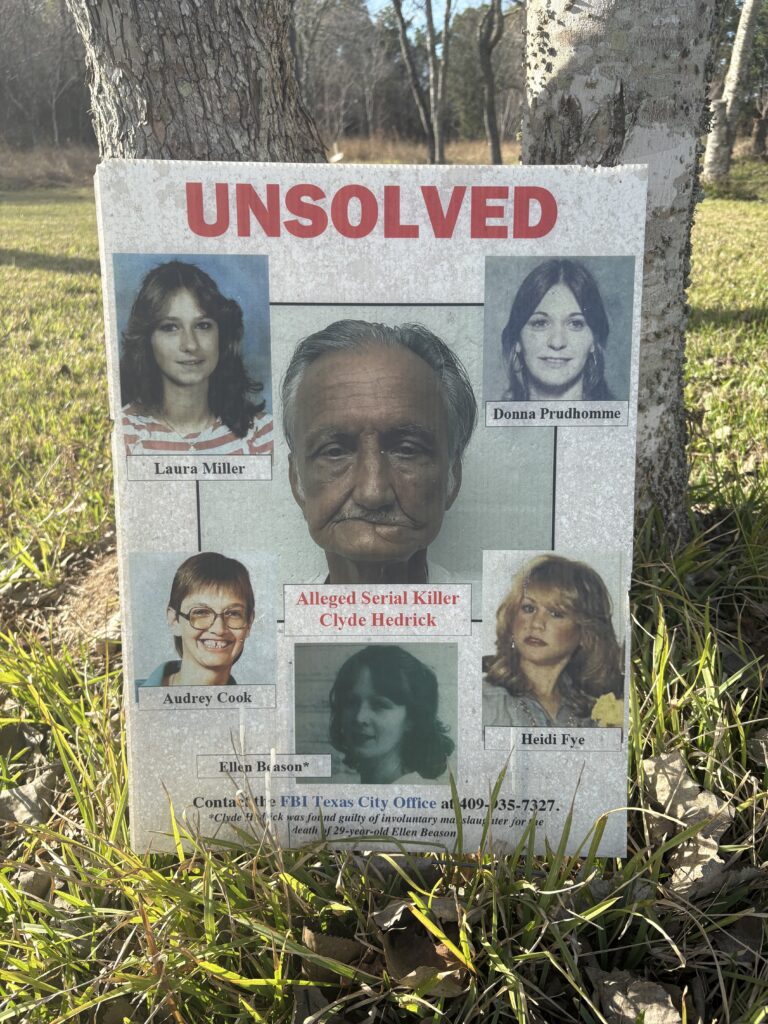
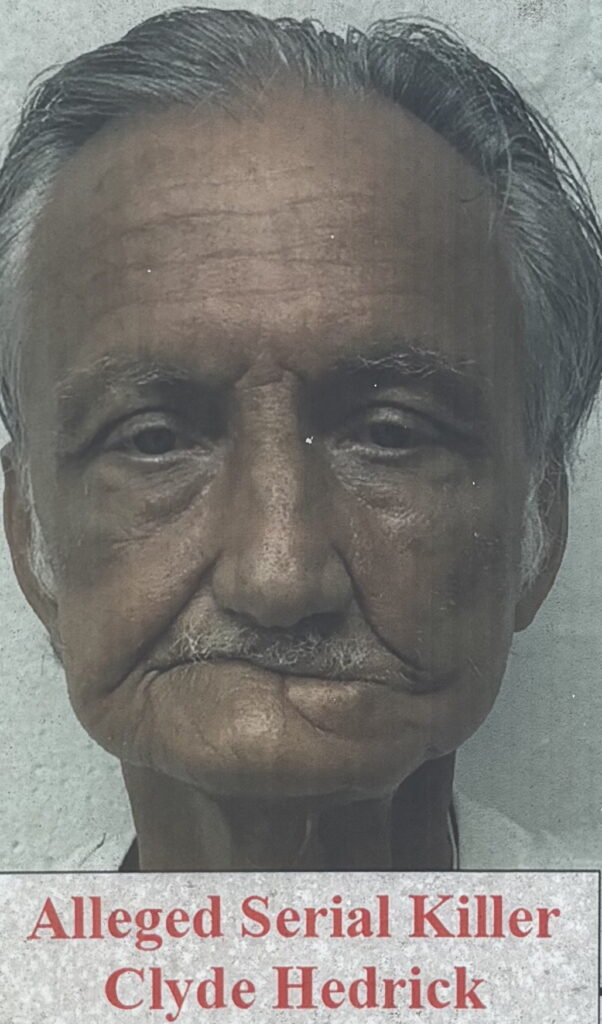
Memorial sign highlighting four victims whose cases have been linked to the same recovery site during the investigation into Clyde Hedrick and several unsolved homicides.
Nearly 17 months later, on February 2, 1986, her remains were discovered in a wooded area near Calder Road. During that same search, investigators also found the remains of Audrey Cook.
For both families, the upcoming trial comes after decades of unanswered questions.
In an earlier interview, Texas EquuSearch founder Tim Miller discussed Laura Miller’s disappearance, the years of searching, and why the case has remained so important to investigators and her family.
Watch: Tim Miller Discusses Laura Miller’s Disappearance
Charges Against James Elmore Jr.
James Elmore Jr. booking photo. He is scheduled to stand trial beginning Aug. 31, 2026, in Galveston County.
James Elmore Jr. remains jailed while awaiting trial.
According to jail records, he faces the following charges:
Manslaughter
Two counts of tampering with physical evidence involving a human corpse
Possession of visual material depicting sexual assault
Possession of child sexual abuse material
His total bond is listed at $4.5 million.
As with all criminal cases, these charges are allegations, and James Elmore Jr. is presumed innocent unless proven guilty in court.
Clyde Hedrick Died Before Additional Charges Could Be Filed
Clyde Hedrick was convicted in the murder of Ellen Beason. Investigators were preparing to charge him in additional cases before his death in March 2026.
The upcoming trial follows the death of Clyde Hedrick, who for years had been publicly linked to several Texas Killing Fields investigations.
Authorities were reportedly preparing additional charges against Hedrick. However, on March 21, 2026, Hedrick removed his breathing tube and died before those charges could be filed.
Hedrick was convicted only in the death of Ellen Beason. He served prison time for that case and was on parole when he died.
Trial Could Bring Long-Awaited Answers
Whether new evidence or testimony emerges during the trial remains to be seen.
However, for the families of Laura Miller, Audrey Cook, Donna Prudhomme, Heidi Fye, and others connected to the Calder Road investigations, the upcoming proceedings represent another opportunity to seek answers after nearly 40 years.
I’ll continue monitoring the Galveston County court docket and, if the trial remains on schedule, will be in the courtroom beginning August 31 to provide updates.
Whether you’re traveling to attend court proceedings or visiting Galveston Island, you can compare hotels throughout Galveston County before your trip.
As I continue covering cold cases and court proceedings, a reliable body camera is an important part of documenting interactions in the field. This is similar to the type of equipment many journalists and investigators use.
Amazon Affiliate Disclosure
Disclosure: As an Amazon Associate, I earn from qualifying purchases. If you purchase through my links, I may receive a small commission at no additional cost to you.
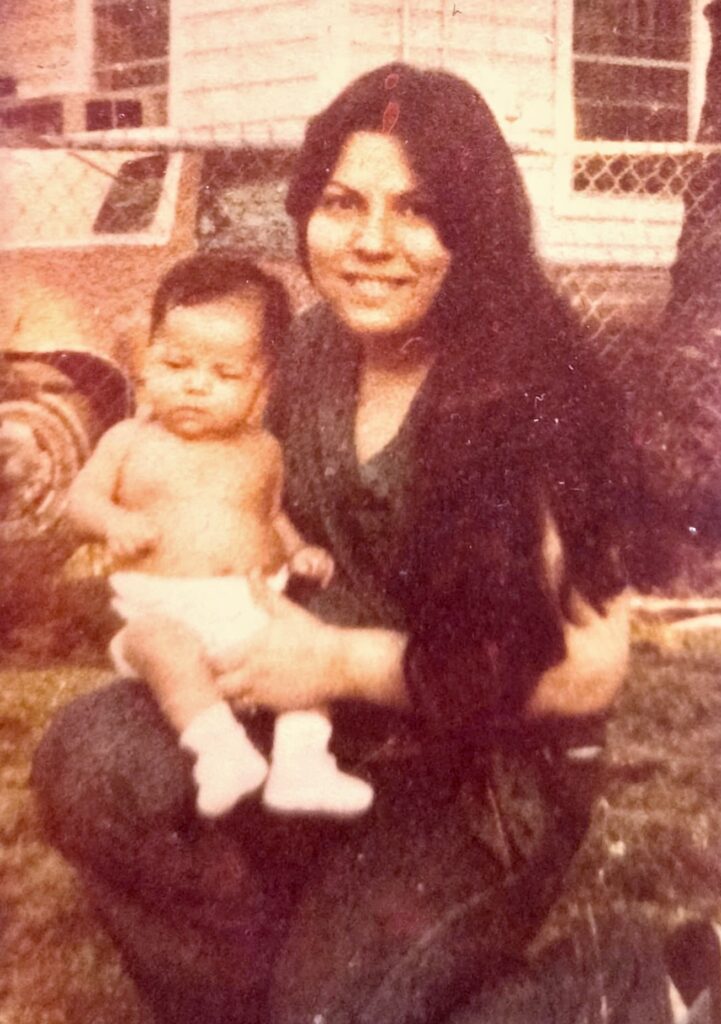
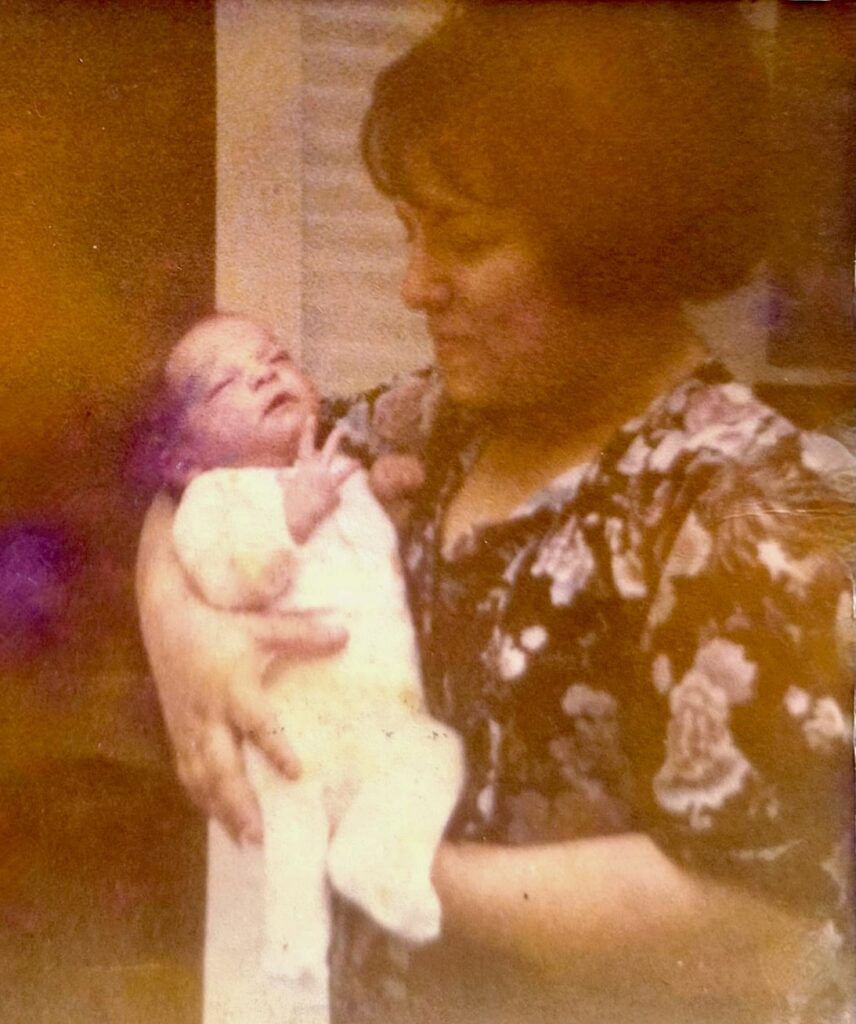
For nearly 40 years, Donna Sanchez has searched for answers about what happened to her mother, Carolyn Sosa.
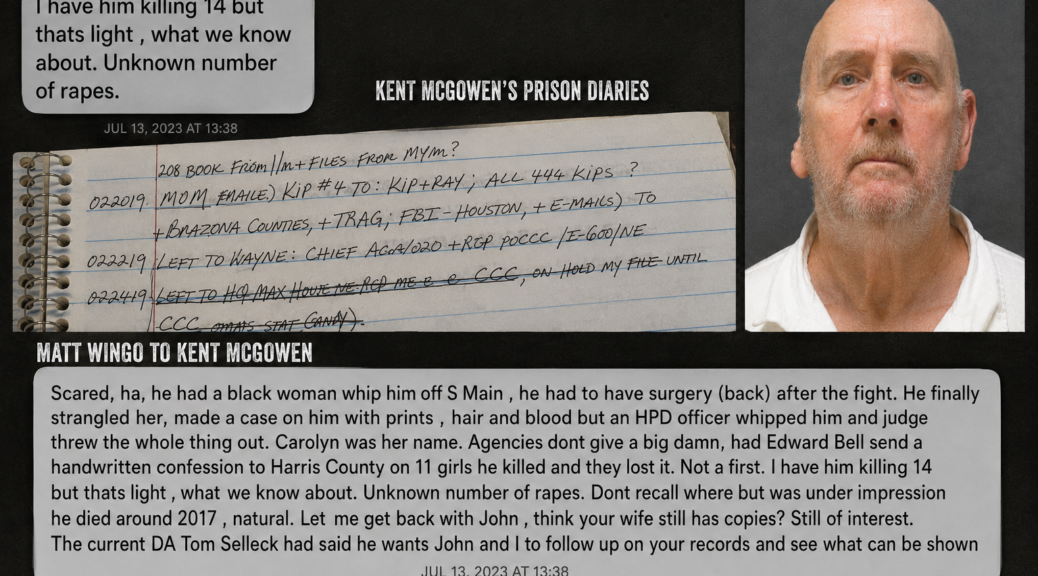
After Investigative Reporter Tammy Rose reached out during an ongoing investigation into former Harris County deputy Kent McGowen’s prison diaries and Roy Alan Stuart’s alleged prison confessions, Donna shared family memories, court records and historical documents she hopes could help bring renewed attention to her mother’s unsolved murder.
“I was seven years old when my mother died,” Donna said. “She was strangled and thrown into Bastrop Bayou.”
Carolyn Sosa Case
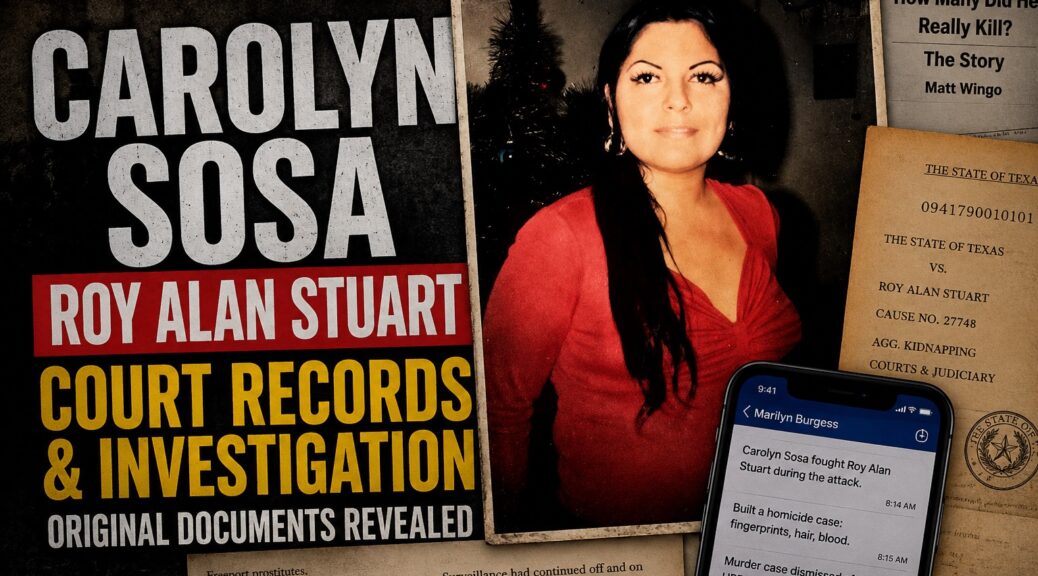
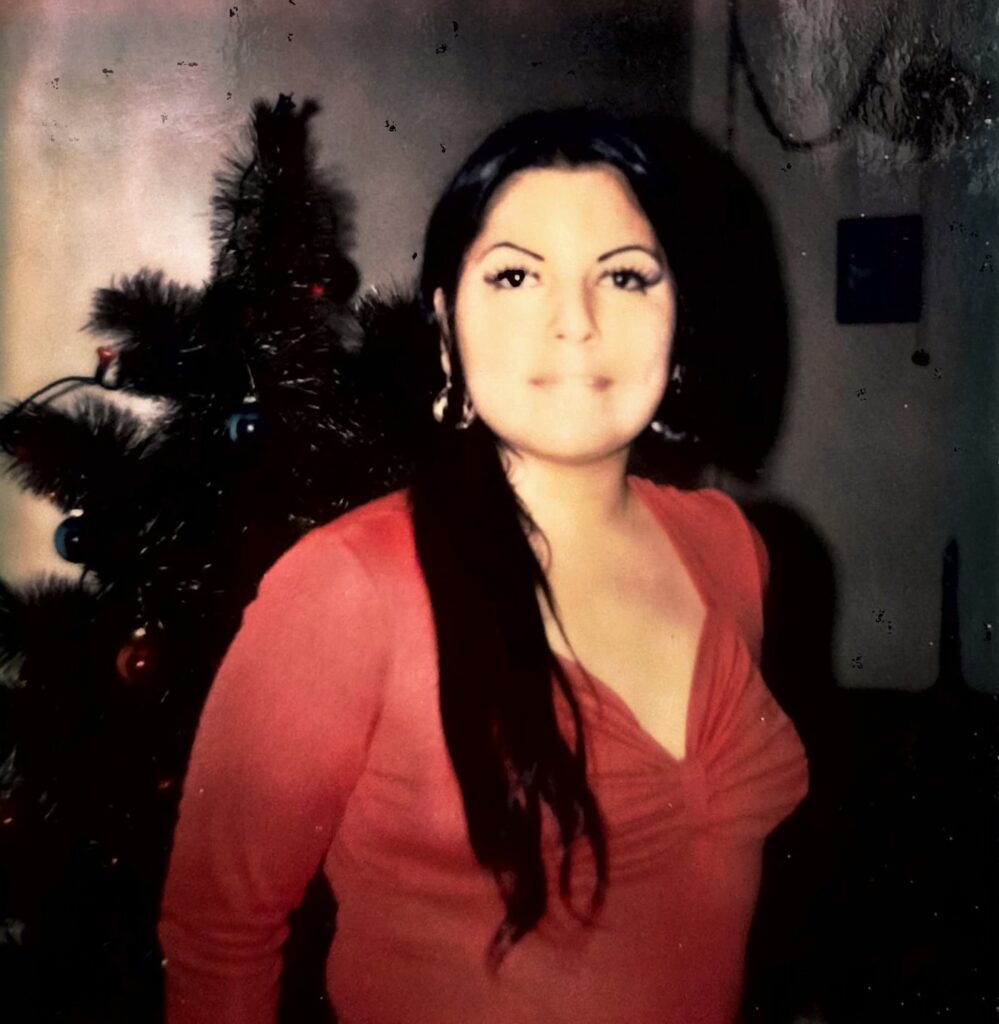
After speaking with Investigative Reporter Tammy Rose, Donna Sanchez shared family memories, court records, historical documents, newspaper articles, and text messages related to the Carolyn Sosa investigation.
Donna believes Roy Alan Stuart murdered her mother, Carolyn Sosa, and hopes the records contribute to another review of the case.
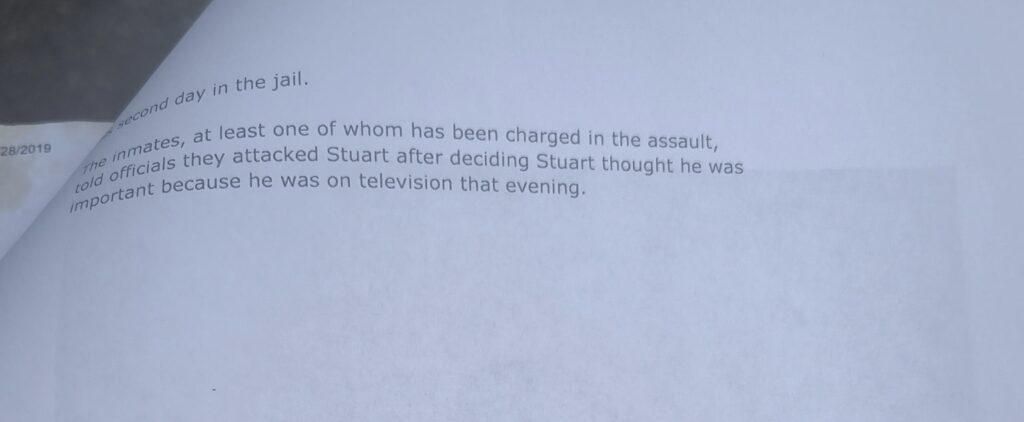
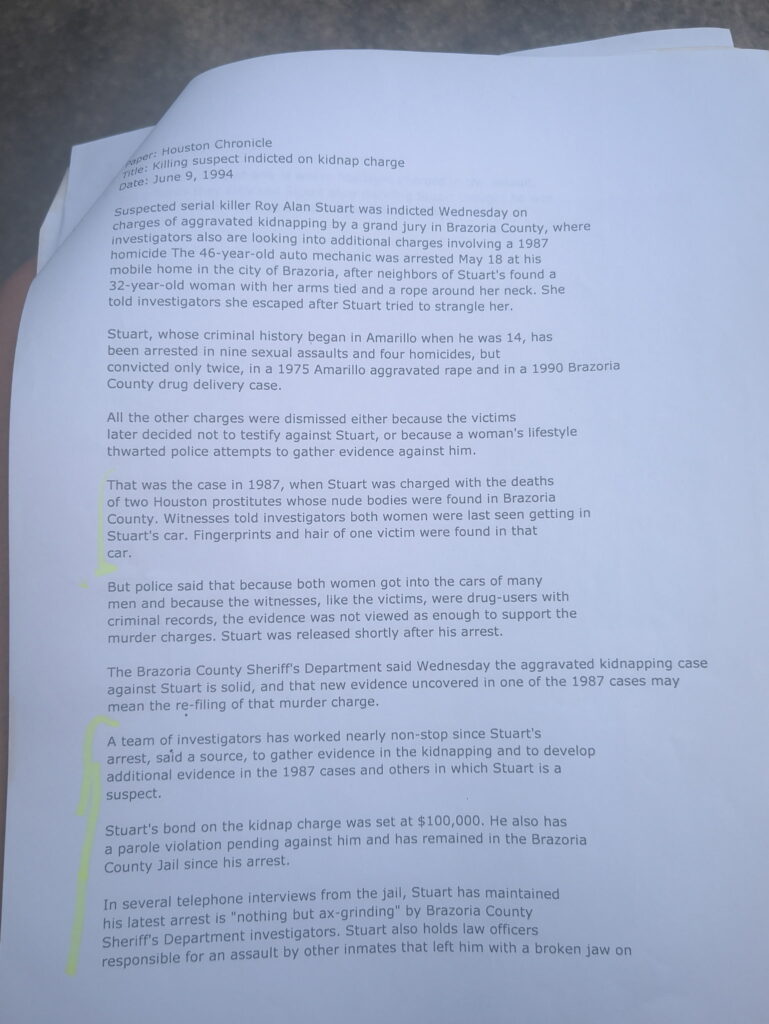
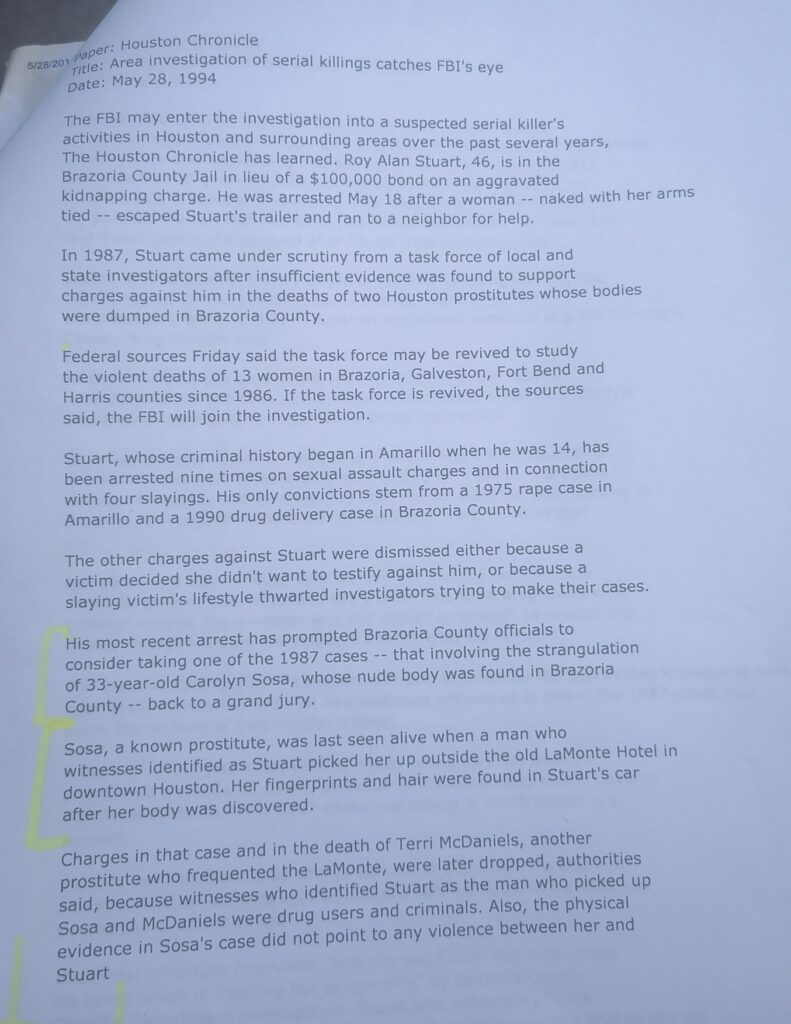
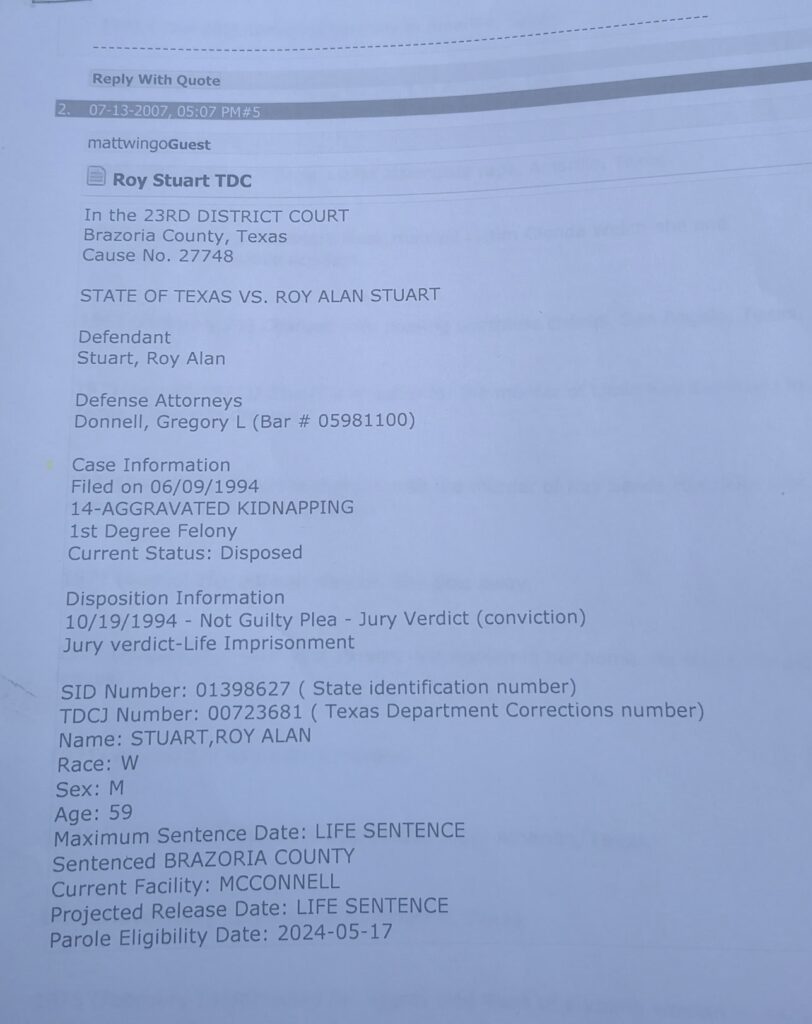
Some of the historical records overlap with information gathered during this investigation, including details Kent McGowen says Roy Alan Stuart shared while the two were incarcerated together. Readers can review the original source documents below and draw their own conclusions.
⸻
Who Was Carolyn Sosa?
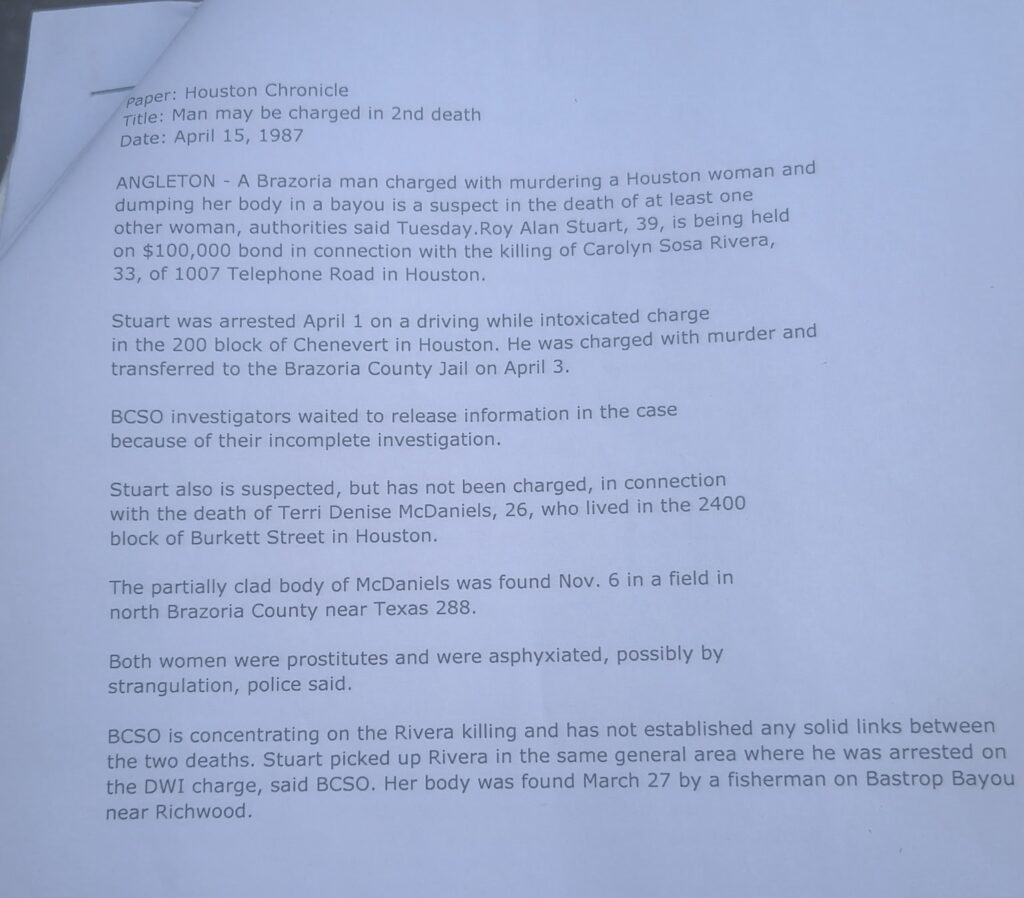
Carolyn Sosa was 33 years old when she disappeared in March 1987. Investigators believe she was last seen leaving Houston’s LaMonte Hotel.
Her body was later found in shallow water near Bastrop Bayou off FM 2004.
Investigators also believed Carolyn had information about the earlier killing of Terri Denise McDaniels.
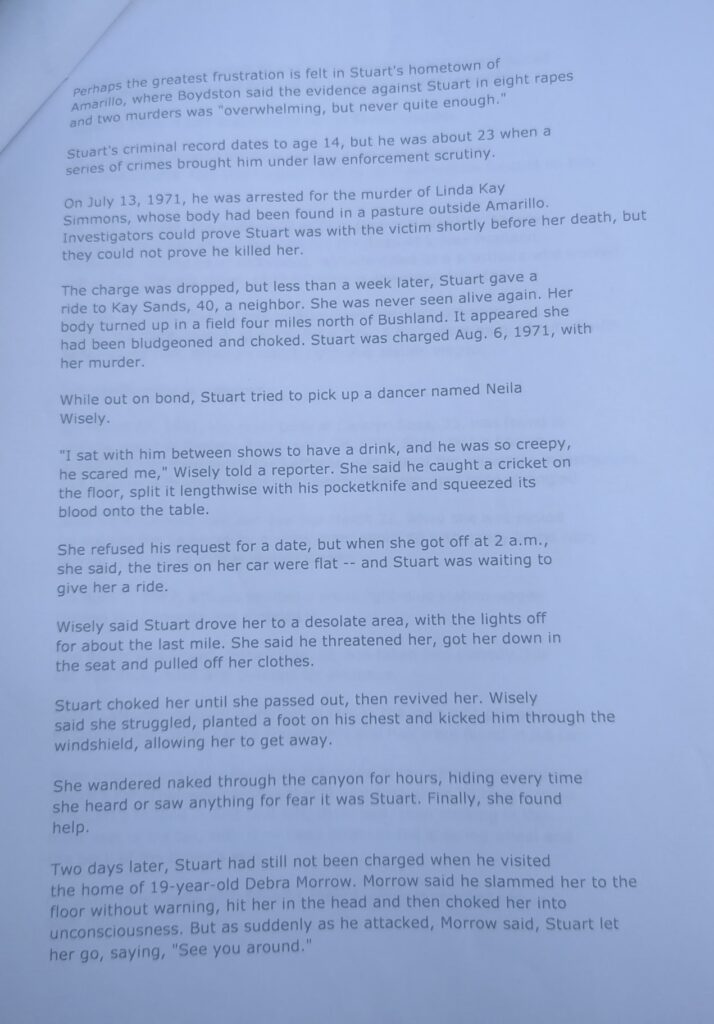
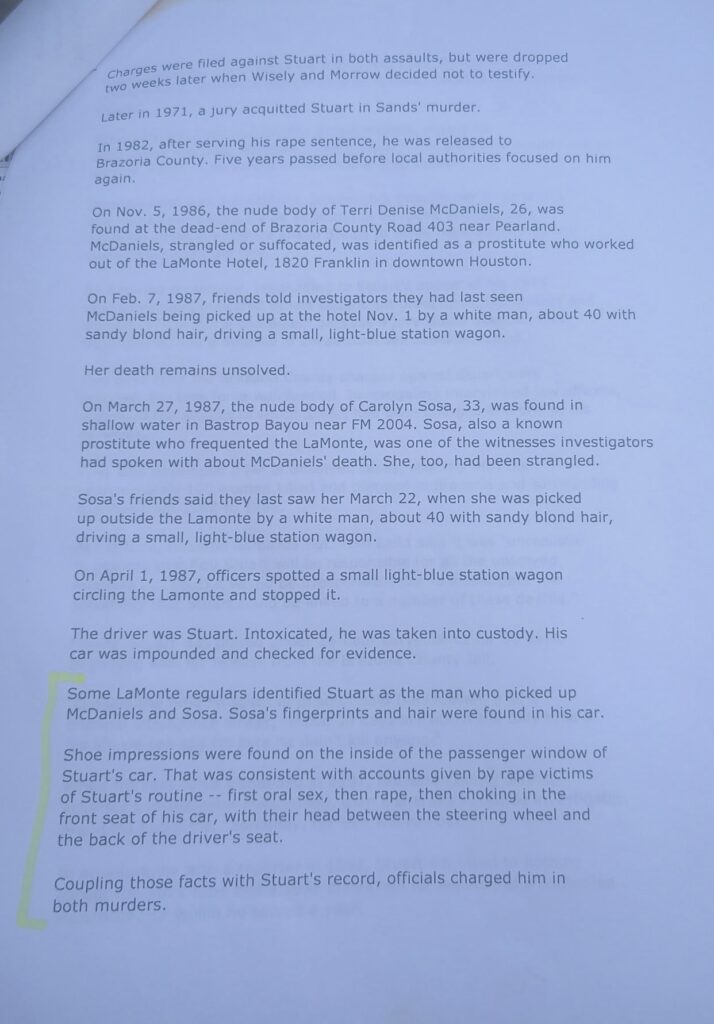
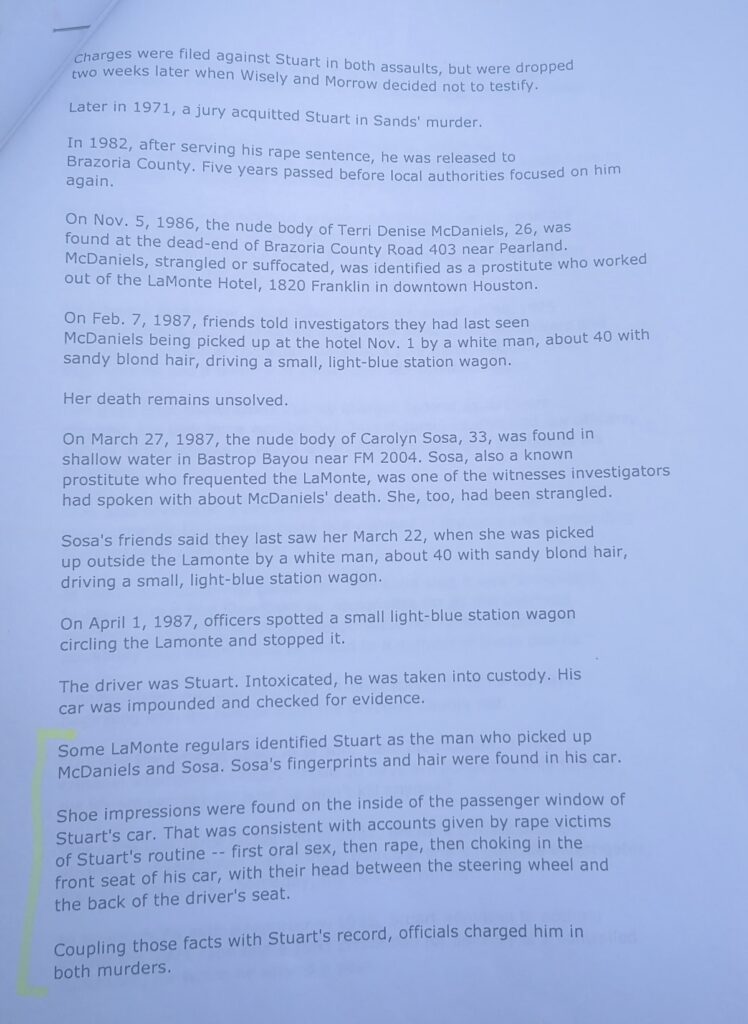
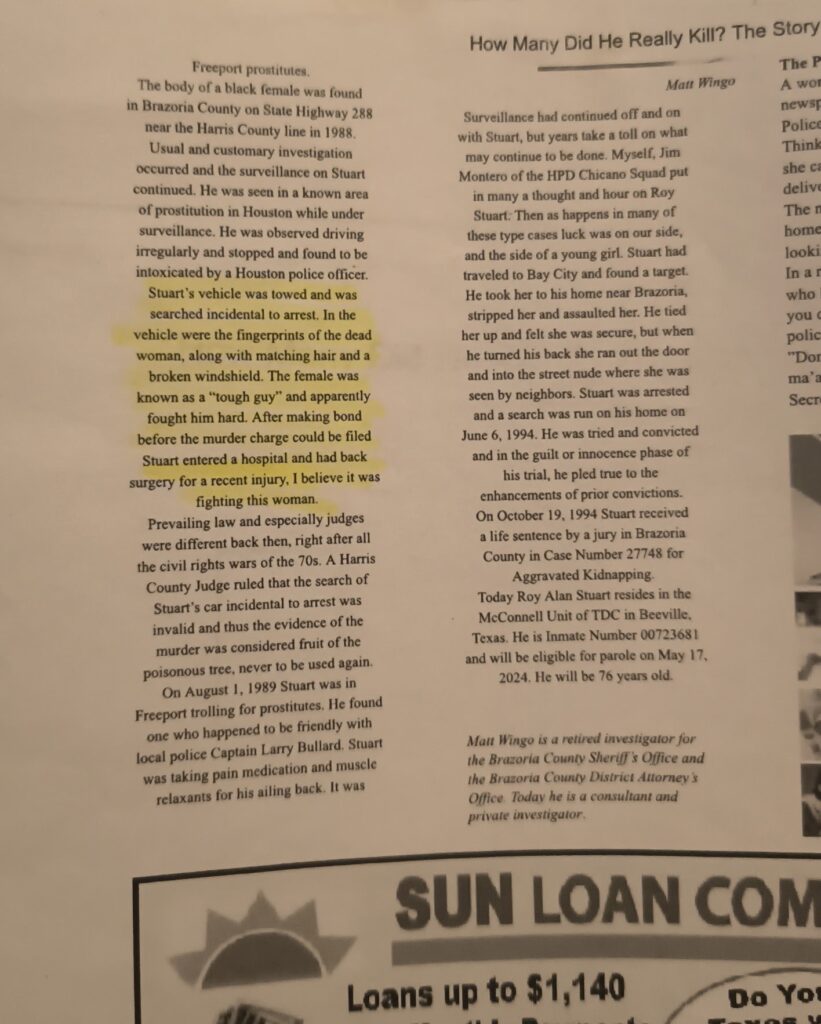
Historical investigative records state investigators found Carolyn Sosa’s fingerprints and hair inside Roy Alan Stuart’s vehicle.
⸻
Historical Court Records
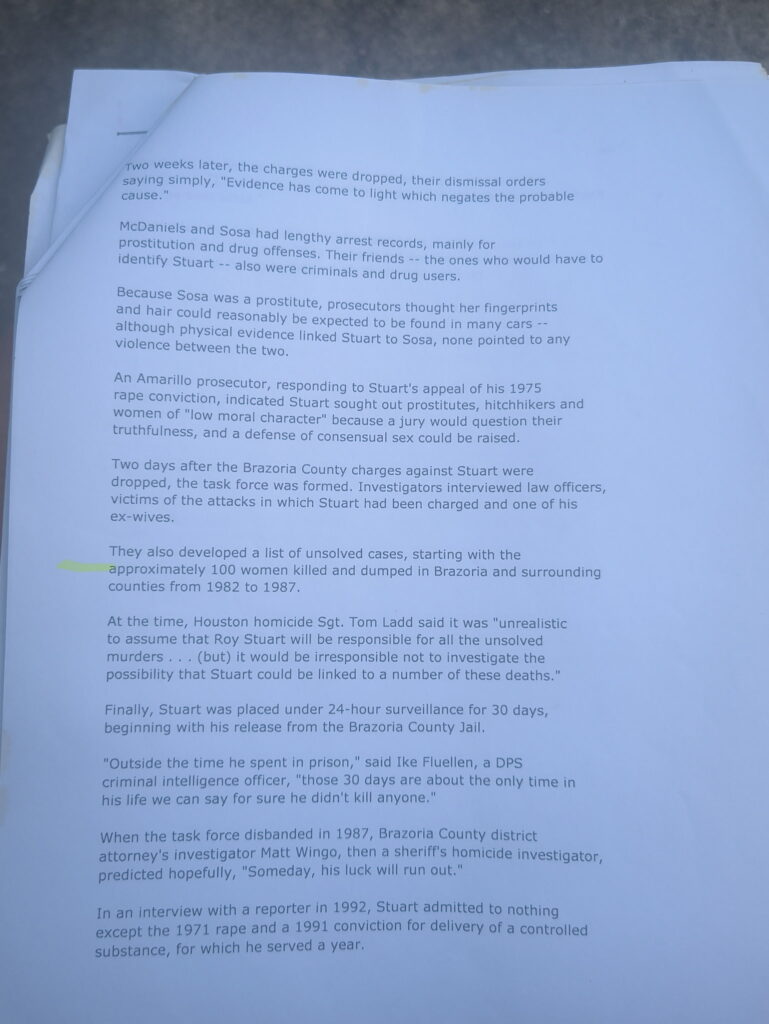
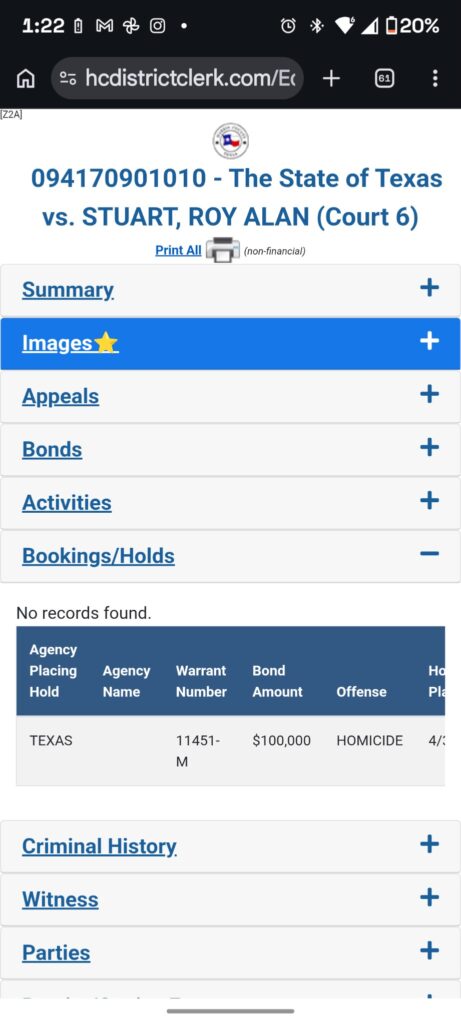
The gallery below contains historical court records, newspaper articles, and investigative documents related to the Carolyn Sosa homicide investigation and Roy Alan Stuart. Readers can review the original source material and examine the records in their historical context.
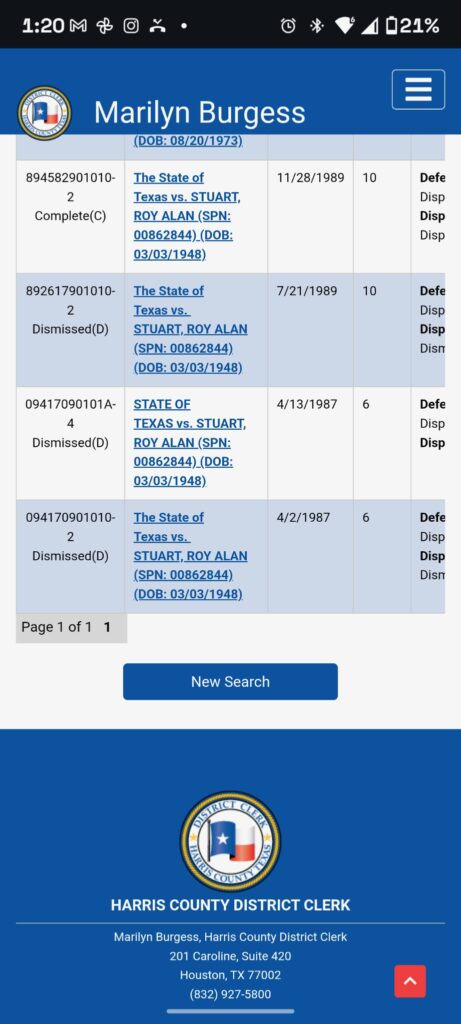
Donna Sanchez shared court records showing Roy Alan Stuart was arrested in Carolyn Sosa’s murder. The murder charge was later dismissed.
Donna said investigators told her family they collected fingerprints, hair evidence, blood evidence, and skin reportedly found beneath Carolyn Sosa’s fingernails.
“My mom was small, but she was a fighter,” Donna told Investigative Reporter Tammy Rose.
Donna hopes someone will finally answer what happened to her mother.
⸻
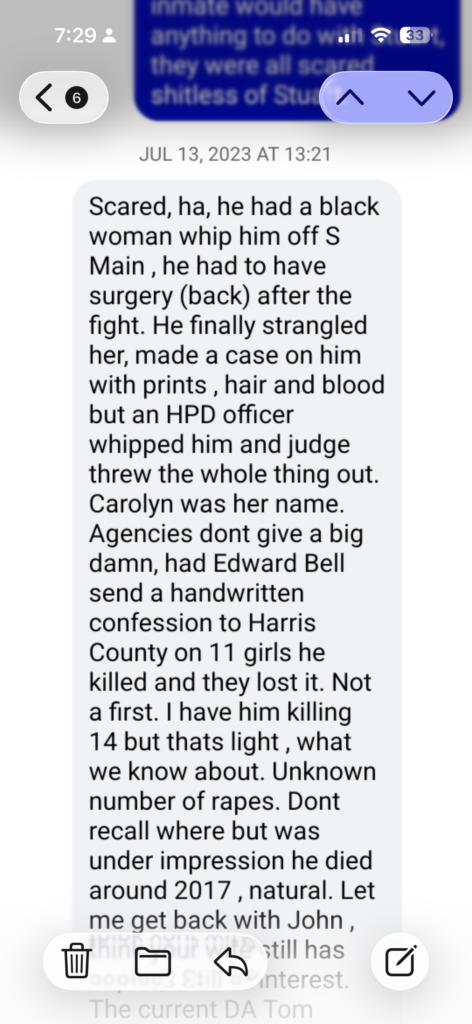
Matt Wingo’s Text Messages About Carolyn Sosa
Former Brazoria County investigator Matt Wingo exchanged text messages with Kent McGowen in July 2023.
One message states Carolyn Sosa fought Roy Alan Stuart during the attack.
Wingo wrote investigators built a homicide case using fingerprints, hair, and blood evidence.
He also wrote the murder case was dismissed after an HPD officer allegedly assaulted Stuart during his arrest.
Another message states Wingo believed Roy Alan Stuart could be connected to at least 14 killings.
Wingo also wrote then-Brazoria County District Attorney Tom Selleck wanted investigators to review Kent McGowen’s records.
These statements reflect Wingo’s account. Investigative Reporter Tammy Rose has not independently verified every statement beyond available court records.
⸻
Kent McGowen Says Roy Alan Stuart Confessed
Former Harris County deputy Kent McGowen met Roy Alan Stuart while both were incarcerated at the Duncan Unit.
McGowen said Stuart openly discussed kidnapping and murdering women.
He said Stuart described picking up a Black woman near Telephone Road during rodeo season.
McGowen said Stuart claimed he tried to strangle her with a seat belt before shooting her twice with a .22-caliber pistol.
McGowen also said Stuart claimed a fisherman witnessed the killing from a nearby boat.
After reviewing historical records, McGowen believed Stuart was describing Carolyn Sosa’s murder.
Investigative Reporter Tammy Rose has not independently verified McGowen’s account.
Roy Alan Stuart Died Before the Investigation Was Complete
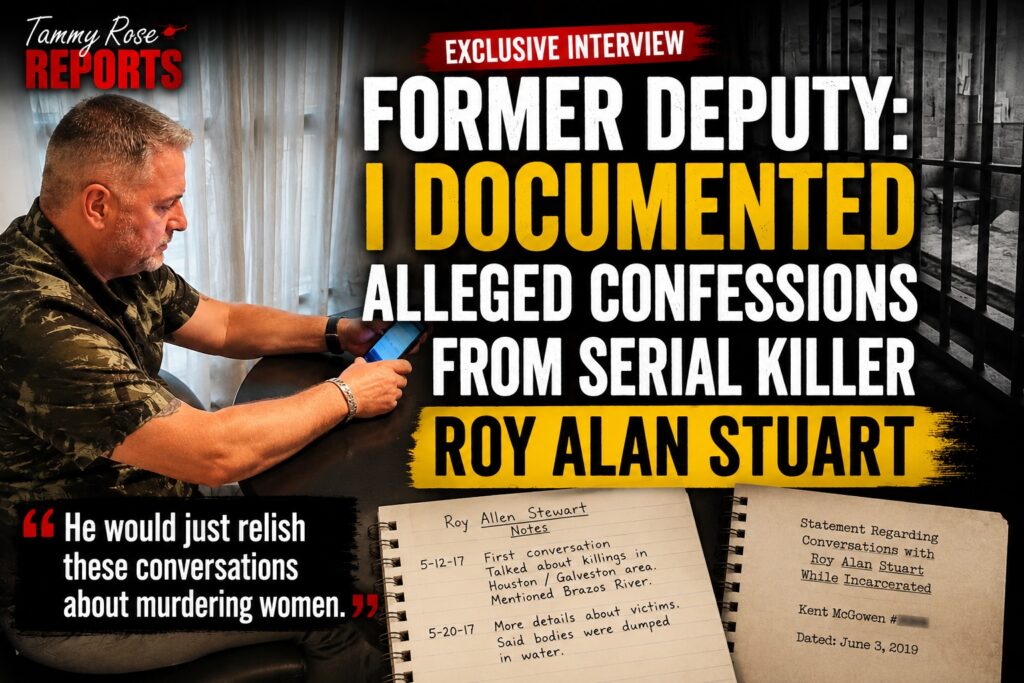
McGowen said he documented Stuart’s statements while they were incarcerated together and later prepared formal reports detailing the alleged confessions.
According to McGowen, he submitted those reports in 2019 to multiple agencies, including the Brazoria County District Attorney’s Office, Brazoria County Sheriff’s Office, Galveston County District Attorney’s Office, Harris County Sheriff’s Office, Houston Police Department and the FBI.
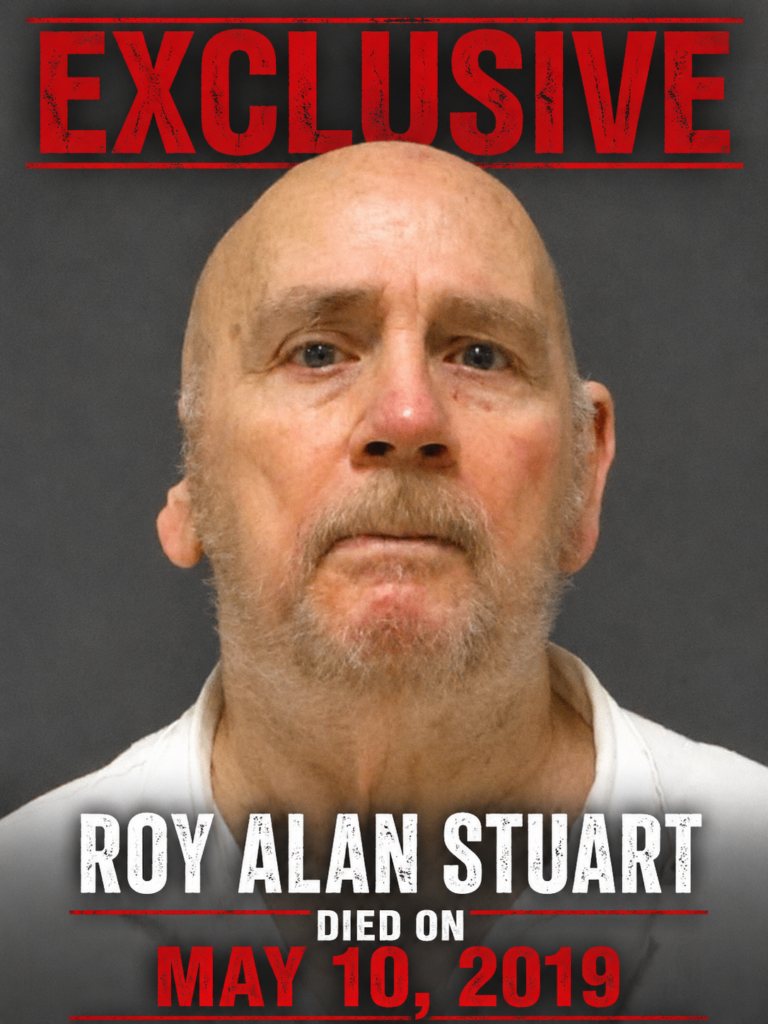
Roy Alan Stuart died on May 10, 2019, while serving a life sentence in the Texas Department of Criminal Justice.
His death came shortly after McGowen said he had notified multiple law enforcement agencies about Stuart’s alleged confessions.
Can the Carolyn Sosa Case Be Reopened?
Yes.
Under Texas law, there is no statute of limitations for murder.
Although Roy Alan Stuart is deceased and can no longer be prosecuted, investigators may reopen a homicide investigation if new evidence, witnesses, historical documents or advances in forensic science justify another review.
A reopened investigation could include re-examining physical evidence using modern DNA testing, interviewing surviving witnesses, reviewing investigative files, or comparing historical evidence with newly discovered information.
If investigators conclude the evidence supports it, they can publicly identify a deceased suspect as responsible for a homicide even though criminal prosecution is no longer possible.
What’s Next in the Carolyn Sosa Case?
Nearly 40 years after Carolyn Sosa’s murder, her family continues searching for answers.
Whether the Carolyn Sosa investigation is officially reopened will ultimately be decided by law enforcement.
However, newly shared family records, historical court documents, Matt Wingo’s text messages, Kent McGowen’s prison interview and previously submitted investigative reports have renewed attention on one of the Gulf Coast’s long-unsolved homicide investigations.
⸻
Editor’s Note: This article includes newly obtained court records, historical investigative documents, text messages, and interviews gathered during an ongoing investigation by Investigative Reporter Tammy Rose. Statements attributed to former Harris County deputy Kent McGowen are based on his interview and prison diaries describing alleged confessions made by Roy Alan Stuart while the two were incarcerated together. Statements attributed to former investigator Matt Wingo are based on text messages reviewed by Investigative Reporter Tammy Rose. Court records confirm Roy Alan Stuart was arrested in Carolyn Sosa’s homicide before the charge was dismissed. Some claims discussed in this article remain unverified or disputed. The purpose of this report is to present the available records, document new information provided by Carolyn Sosa’s family, and examine whether the case merits renewed investigative review.
Disclosure: As an Amazon Associate, I earn from qualifying purchases. If you purchase through my affiliate links, I may earn a small commission at no additional cost to you.
Investigator Matt Wingo Raises Questions About Roy Alan Stuart Prison Journal Story
Before publishing my interview with former Harris County deputy Kent McGowen and his handwritten prison journals about convicted serial killer Roy Alan Stuart, I contacted investigator Matt Wingo seeking an interview and comment.
I did not receive an interview before my publication deadline.
After the story was published, Wingo text messaged and emailed me several times expressing concerns about the accuracy of information contained in McGowen’s journals. Although one of his text messages stated he did not want further contact, he continued sending additional emails outlining what he believes are significant factual problems.
Why I Reported the Story the Way I Did
The messages document that Wingo and McGowen communicated. They do not independently establish that every claim discussed in those communications is accurate.
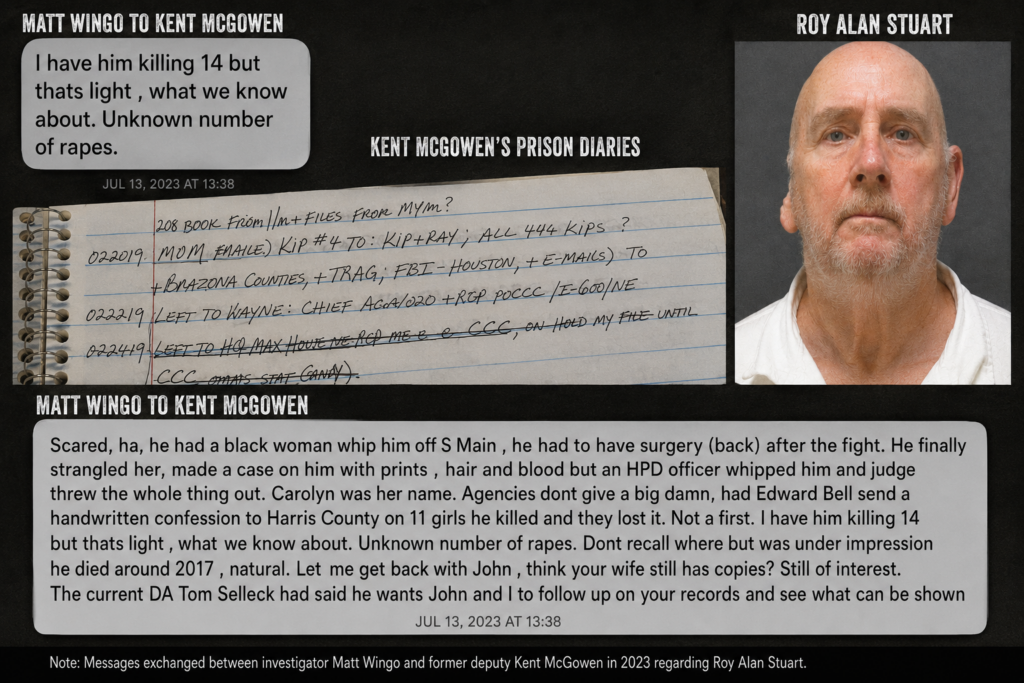
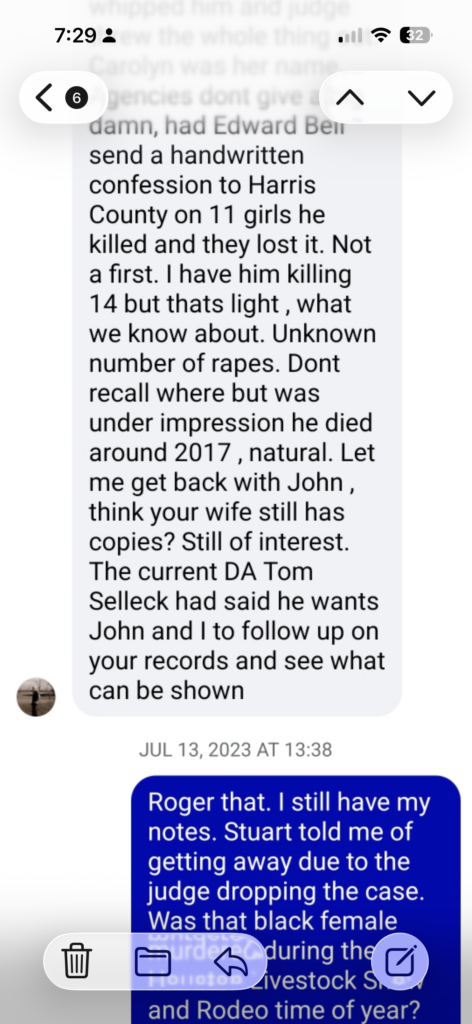
July 13, 2023 text message exchange between investigator Matt Wingo and former Harris County deputy Kent McGowen discussing Roy Alan Stuart. The messages include discussion of an estimated homicide count and references to reviewing additional investigative records.
One issue readers should understand is the homicide count.
Before publication, I had seen a July 2023 message between Wingo and McGowen in which Wingo wrote:
“I have him killing 14 but that’s light, what we know about.”
However, because I was unable to interview Wingo before publication, I did not feel it was appropriate to publish his estimate as fact without giving him the opportunity to explain how he reached that number.
Instead, I reported what Kent McGowen told me during my interview and clearly identified him as the source of those statements. Throughout my reporting, I repeatedly noted that many of the claims contained in McGowen’s journals remain unverified.
Editor’s Note – July 10, 2026
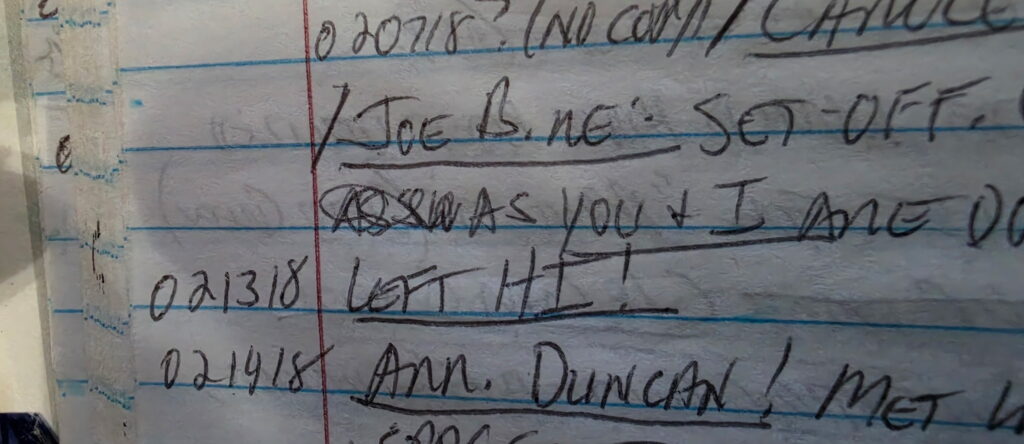
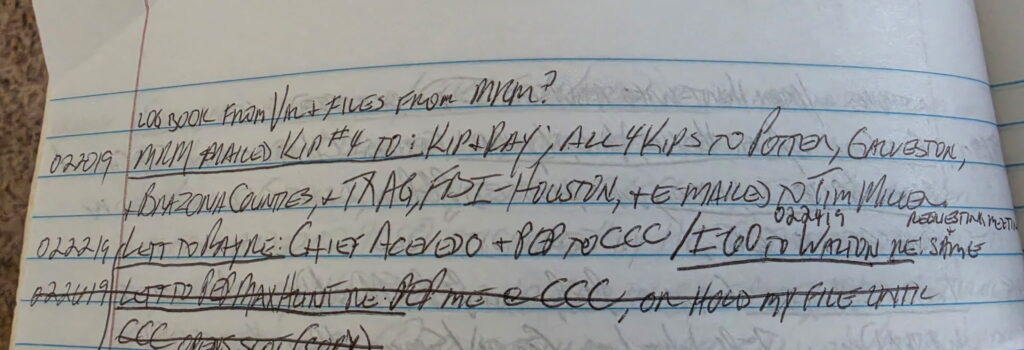
After Investigator Matt Wingo contacted me to point out factual errors in my original article, I reexamined Kent McGowen’s original handwritten journals. During that review, I determined that I had misinterpreted several entries involving investigator communications. The journals document communications between Kent McGowen and investigators—including letters, telephone calls, emails, text messages and other correspondence. Upon reexamining the journals, I determined I had incorrectly interpreted some entries as documenting in-person meetings as I had previously interpreted.
The underlying claims in this article remain attributed to Kent McGowen’s interview and handwritten journals unless otherwise noted. As with the original publication, these allegations have not been independently verified by this news organization.
Additional Documents Reviewed
Excerpts from Kent McGowen’s original handwritten prison journals referencing communications with investigators and agencies regarding information he said Roy Alan Stuart shared while they were incarcerated together.
In addition to the handwritten journals, I also reviewed text messages, emails, and other communications exchanged between Matt Wingo and Kent McGowen regarding Roy Alan Stuart as part of this reporting.
The Questions That Remain
Several important questions remain unanswered.
Which Texas Ranger or Rangers were referenced in McGowen’s journals?
Can the journal entries regarding investigator communications be independently corroborated through public records or other witnesses?
Which portions of the journals can be independently verified?
Which claims cannot currently be verified?
Are there additional public records that support or contradict McGowen’s account?
I intend to continue reporting on these questions as more information becomes available.
⸻
More Resources
If stories about cold cases, victims, and investigative journalism matter to you, these books and reports may also be helpful.
Disclosure: As an Amazon Associate, I earn from qualifying purchases. If you purchase through my affiliate links, I may receive a small commission at no additional cost to you. Thank you for supporting my independent investigative journalism.
Former Harris County deputy Kent McGowen says one of the most unexpected chapters of his life began while serving a prison sentence in the Texas Department of Criminal Justice.
McGowen was convicted in the 1992 murder of Susan White and spent 19 years in prison before he was paroled. Since his release, he has spoken publicly about his case and his time in prison, including conversations he says he had with convicted serial killer Roy Alan Stuart.
According to McGowen, he spent nearly two years housed near convicted serial killer Roy Alan Stuart, where the two developed an unlikely relationship that led to conversations about alleged unsolved murders across Southeast Texas.
McGowen says he carefully documented those conversations, typed formal reports, and later turned the information over to multiple law enforcement agencies.
I have not independently verified Stuart’s alleged prison statements or whether they resulted in any solved criminal cases.
An Unlikely Prison Conversation
McGowen told me that most inmates avoided Stuart, describing him as someone who appeared exactly how many people would imagine a serial killer.
After noticing Stewart sitting alone, McGowen said he bought him a pint of ice cream and a soft drink from the prison commissary.
According to McGowen, that simple act led Stuart to begin discussing murders he claimed to have committed throughout Texas.
“Nobody would talk to Roy,” McGowen said. “After that, he just started talking.”
McGowen said one reason he began paying close attention was because Stuart showed him what McGowen recalls was a letter that Stuart claimed had been written by attorney Tom Selleck. According to McGowen, Stuart also claimed Selleck represented him at the time. Selleck currently serves as the Brazoria County Criminal District Attorney and previously worked as an assistant district attorney before entering private practice. I have not independently verified the letter, its authenticity, or Stuart’s claim regarding the alleged legal representation.
Claims Of Additional Victims
Historical newspaper clipping from The Victoria Advocate (May 1994) reporting Roy Alan Stuart’s arrest in Brazoria County. The article states Stuart had been investigated in multiple homicide and sexual assault cases. Included for historical context alongside Kent McGowen’s interview.
McGowen alleges Stuart described several killings that were never publicly connected to him.
Among the stories McGowen recalls were allegations involving:
A woman allegedly abducted from Houston during rodeo season.
A victim allegedly killed near a waterway in Brazoria County.
Bodies allegedly disposed of in or near the Brazos River.
Additional killings Stuart allegedly discussed involving Southeast Texas.
McGowen says Stuart showed no remorse while recounting the alleged crimes.
Documenting Every Conversation
Rather than relying on memory, McGowen says he immediately began documenting the conversations.
He kept handwritten notes while incarcerated before later typing formal reports describing what Stuart allegedly told him.
McGowen says he eventually forwarded those reports to multiple law enforcement agencies, including investigators in several Texas counties.
“I wanted to document everything while it was still fresh,” McGowen said.
Investigators Later Contacted Him
According to McGowen, investigators later reached out requesting copies of his notes.
He says an FBI agent also contacted him after learning about the reports and asked to review the journals because they reflected his contemporaneous observations while Stuart was allegedly making the statements.
McGowen says he continues to maintain copies of those writings today.
Questions Still Remain
Whether Stuart’s alleged prison statements can ever be verified remains unknown.
At this time, I have not found any publicly available records that independently confirm the additional alleged victims described by McGowen.
However, McGowen believes investigators considered the information important enough to request his documentation years after the conversations took place.
As part of my continuing coverage, I am preparing additional public records requests to determine what investigative steps, if any, followed McGowen’s submissions.
This remains an active reporting project. If you have firsthand knowledge related to Roy Alan Stuart or the investigations discussed in this article, contact me through ChopperRose.com
Related Coverage
Convicted Former Deputy Says He Was Framed — But Key Questions Remain(coming soon)