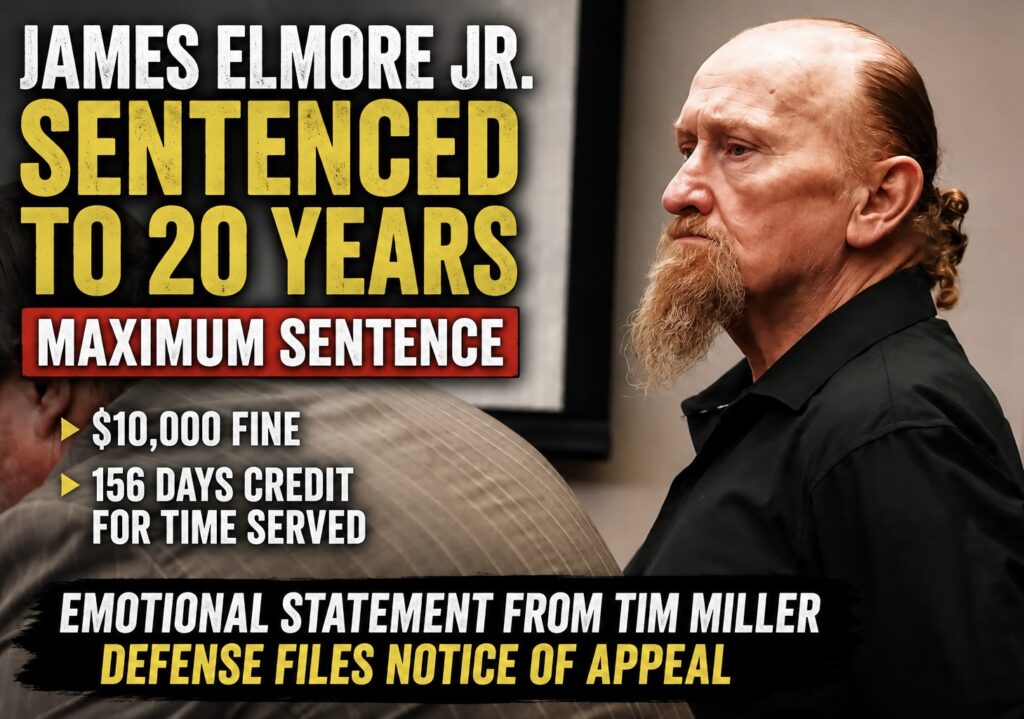
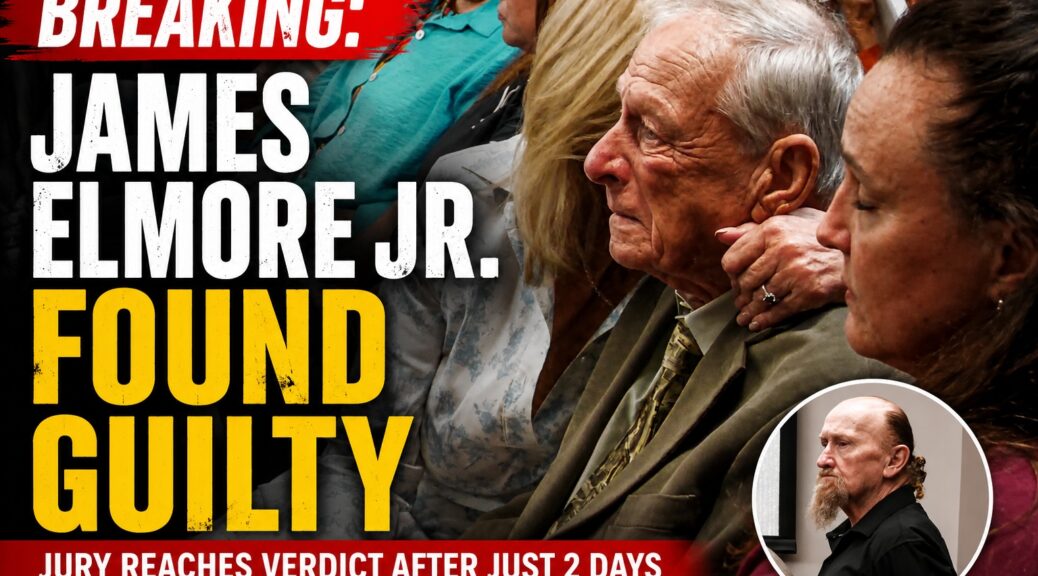
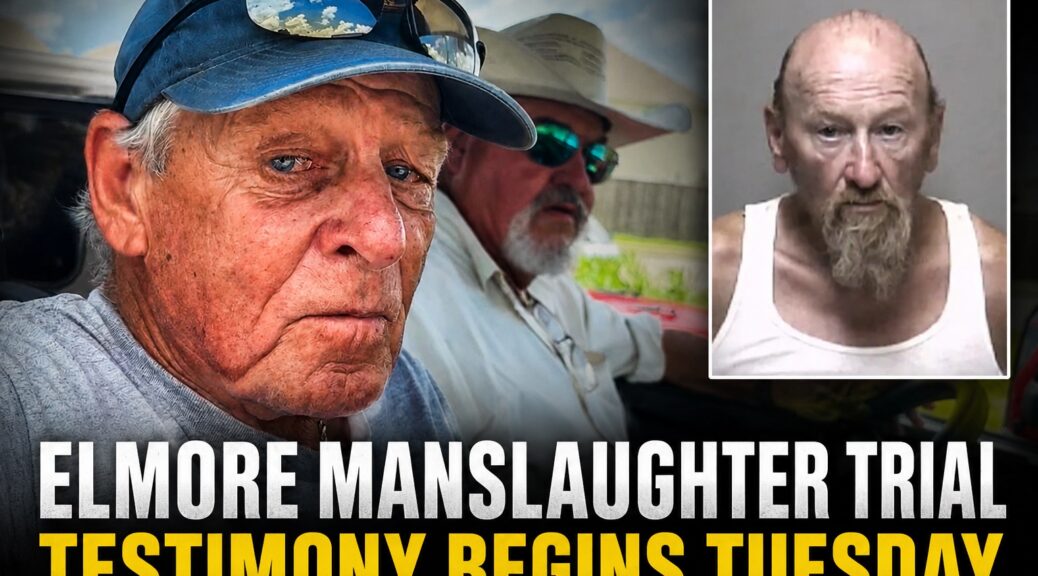
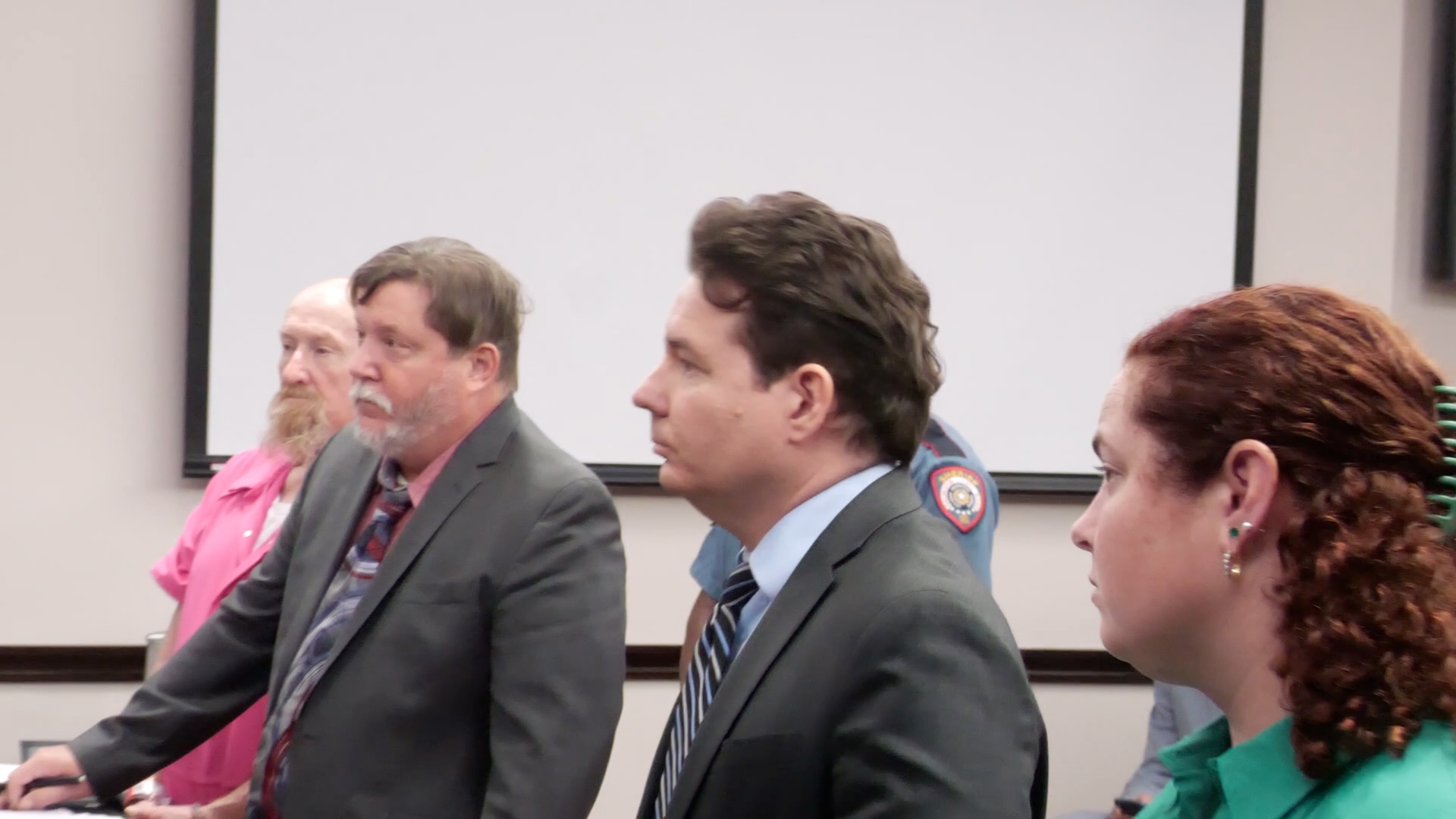
James Elmore Jr. was sentenced to 20 years in prison in the Laura Miller case. The judge also imposed a $10,000 fine and credited him with 156 days served.
James Elmore Jr. received a 20-year prison sentence Thursday in the Laura Miller case.
The judge also imposed a $10,000 fine.
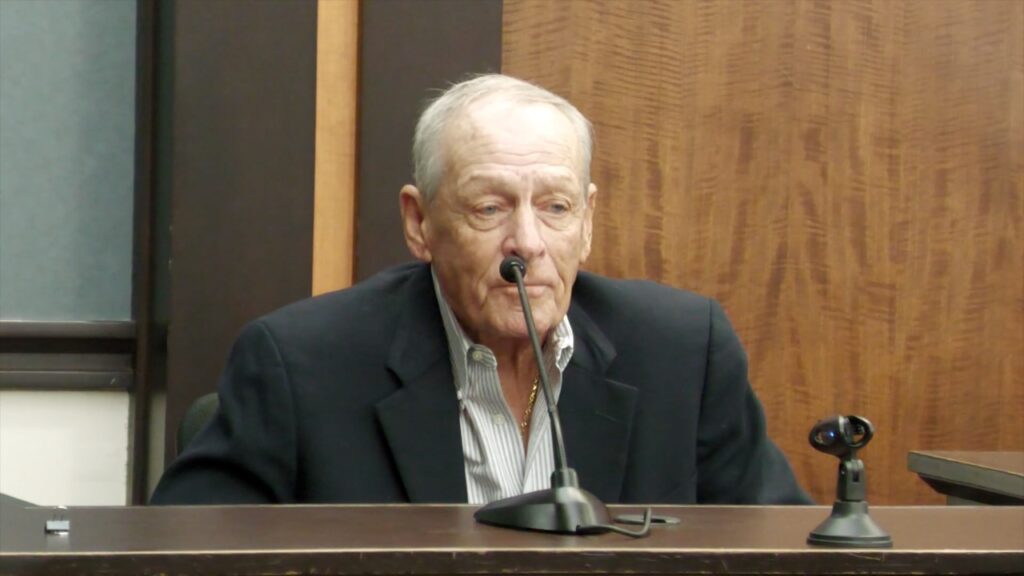
The sentencing came after an emotional statement from Laura’s father, Tim Miller. He spoke directly to Elmore before the judge announced the punishment.
Tim Miller addresses James Elmore Jr.
Miller told Elmore about the damage Laura’s death caused his family.
He also spoke about Elmore’s own family.
Miller said Elmore’s son had recently posted messages suggesting he did not want to live. Despite everything that happened, Miller said he would do what he could to help keep Elmore’s son alive.
Miller then turned his attention back to Laura.
He told Elmore he once wanted to believe Elmore had not played a larger role in what happened to his daughter.
Miller said he no longer believed that.
He ended his statement by telling Elmore that he hoped he could someday find peace.
Judge sentences Elmore to 20 years
After Miller finished speaking, the judge sentenced Elmore to 20 years in the Texas Department of Criminal Justice.
The judge also ordered Elmore to pay a $10,000 fine.
Elmore received credit for 156 days already spent in custody.
The sentence followed a jury trial in Galveston County.
Elmore plans to appeal
The defense also confirmed plans to appeal the case.
Elmore’s trial attorney asked the court to release him as counsel. The judge said the court would appoint another attorney to handle the appeal.
The notice of appeal had already been filed when the judge addressed the issue in court.
Laura Miller case reaches another milestone
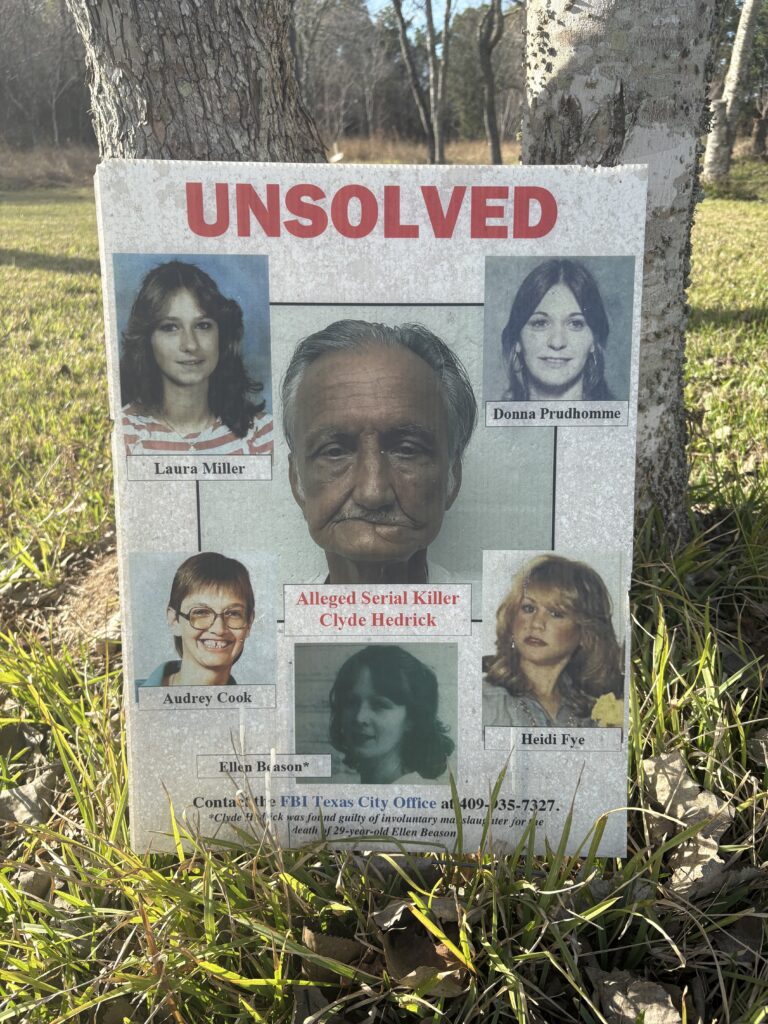
Memorial sign highlighting four victims whose cases have been linked to the same recovery site during the investigation into Clyde Hedrick and several unsolved homicides.
Laura Miller disappeared in September 1984.
Her remains were discovered near Calder Road in League City in February 1986.
Her father later founded Texas EquuSearch and spent decades searching for missing people while continuing to seek answers about Laura.
The sentencing marks another major development in a case that has remained part of the Texas Killing Fields story for more than four decades.
Outside the courtroom, I have also been working on a deeply personal project.
My new book, When Two Worlds Collide During WWII, follows two families on opposite sides of World War II and the remarkable events that eventually brought their lives together in Wisconsin.
The story is based on my own family history, with real people, family photographs and stories passed down through generations.
Disclosure: As an Amazon Associate, I earn from qualifying purchases.
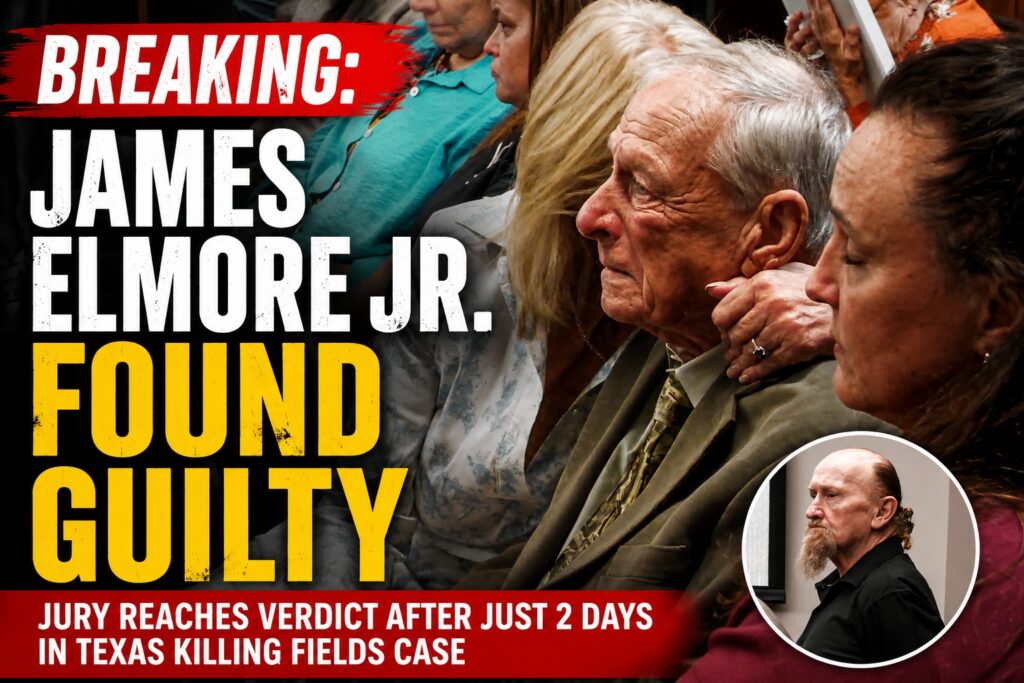
James Elmore Jr. was found guilty after a two-day trial in Galveston County tied to the death of Laura Miller.
A Galveston County jury found James Elmore Jr. guilty Wednesday following a fast-moving trial connected to the death of Laura Miller.
The verdict came after just two days of testimony.
Jurors began deliberating Wednesday afternoon. A short time later, the court notified the media that the jury had reached a verdict.
Elmore stood trial on charges tied to Laura Miller and Audrey Cook, two women whose remains were found in the League City area decades ago.
Jury reaches verdict in James Elmore Jr. trial
The case moved quickly Wednesday.
Prosecutors rested their case. The defense then called witnesses before both sides completed their cases.
Six women and six men ultimately received the case.
The jury returned its verdict later Wednesday afternoon.
Elmore was found guilty.
I will update this story with the verdict on each individual count and sentencing information as the court releases those details.
Tim Miller takes the stand
Laura Miller’s father, Tim Miller, was among the key witnesses called by prosecutors.
Miller testified about his years of contact with Elmore and his efforts to learn what happened to his daughter.
Jurors also heard about information Elmore allegedly knew concerning Laura and the location where her remains were found.
The defense later cross-examined Miller about those conversations and the investigation.
Jurors watched recorded interviews
The jury also watched recordings involving Elmore.
Those recordings became an important part of the prosecution’s case.
Investigators questioned what Elmore knew about Laura Miller and events surrounding her death.
The testimony focused on whether Elmore knew details that had not been released to the public.
Decades after Laura Miller disappeared
Memorial sign highlighting four victims whose cases have been linked to the same recovery site during the investigation into Clyde Hedrick and several unsolved homicides.
Laura Miller disappeared in 1984.
Her remains were later discovered near Calder Road in League City.
The area eventually became associated with several unsolved deaths and disappearances.
Laura’s death remained under investigation for decades.
Elmore’s arrest brought the case back into a Galveston County courtroom more than 40 years later.
What happens next
The case now moves to the next phase following the guilty verdict.
I am continuing to follow developments from the courthouse and will update this story with the verdict on each charge and sentencing information as those details become available.
Full courtroom video and continuing coverage will also be posted on Tammy Rose Reports on YouTube.
Outside the courtroom, I have also been working on a deeply personal project.
My new book, When Two Worlds Collide During WWII, follows two families on opposite sides of World War II and the remarkable events that eventually brought their lives together in Wisconsin.
The story is based on my own family history, with real people, family photographs and stories passed down through generations.
Disclosure: As an Amazon Associate, I earn from qualifying purchases.
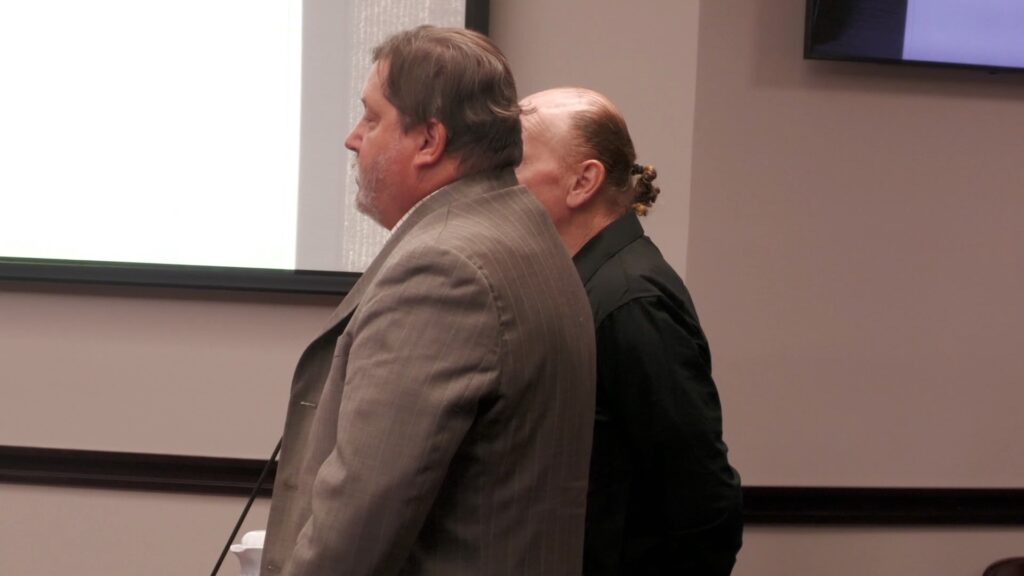
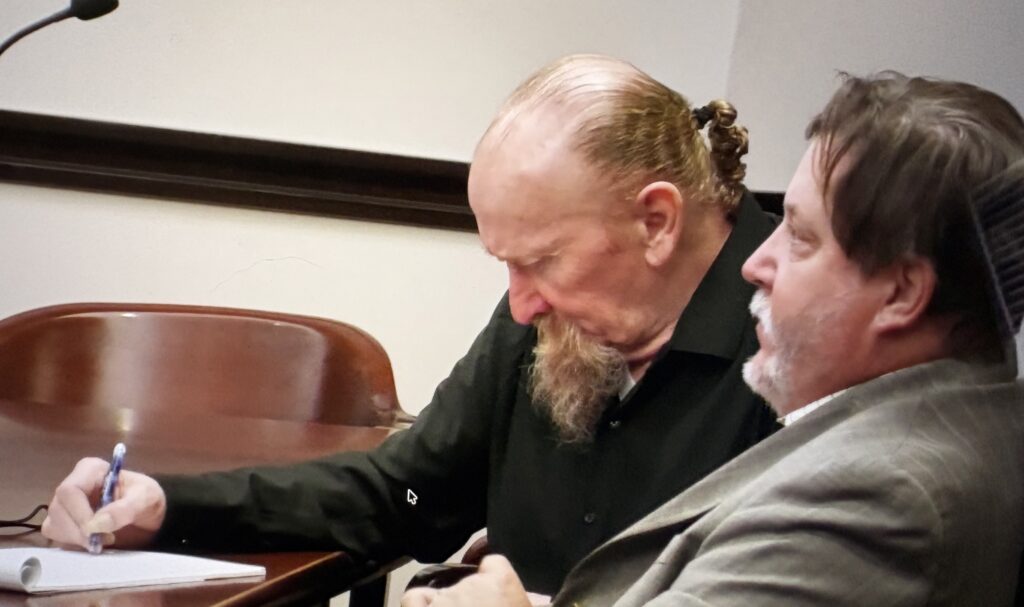
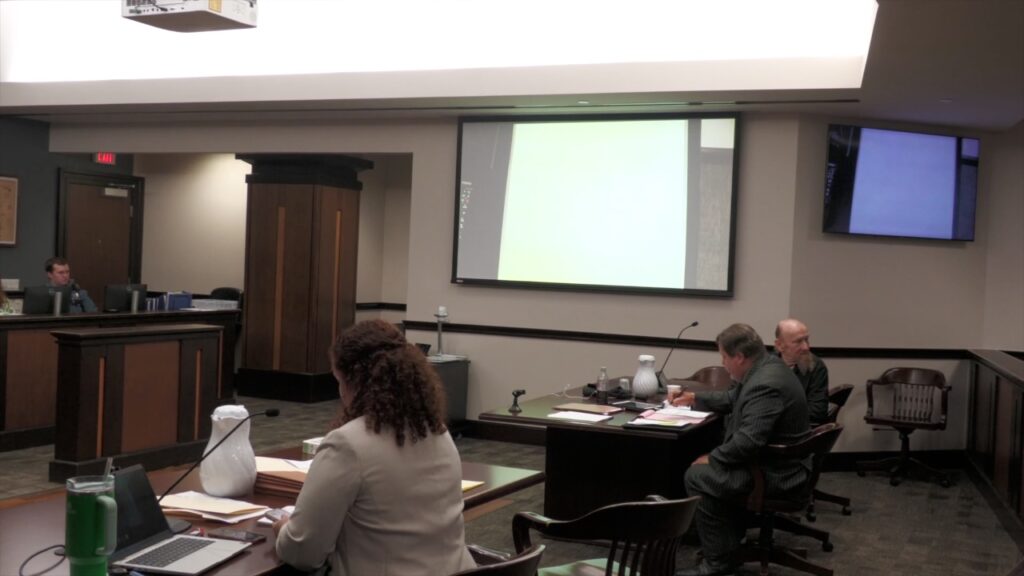
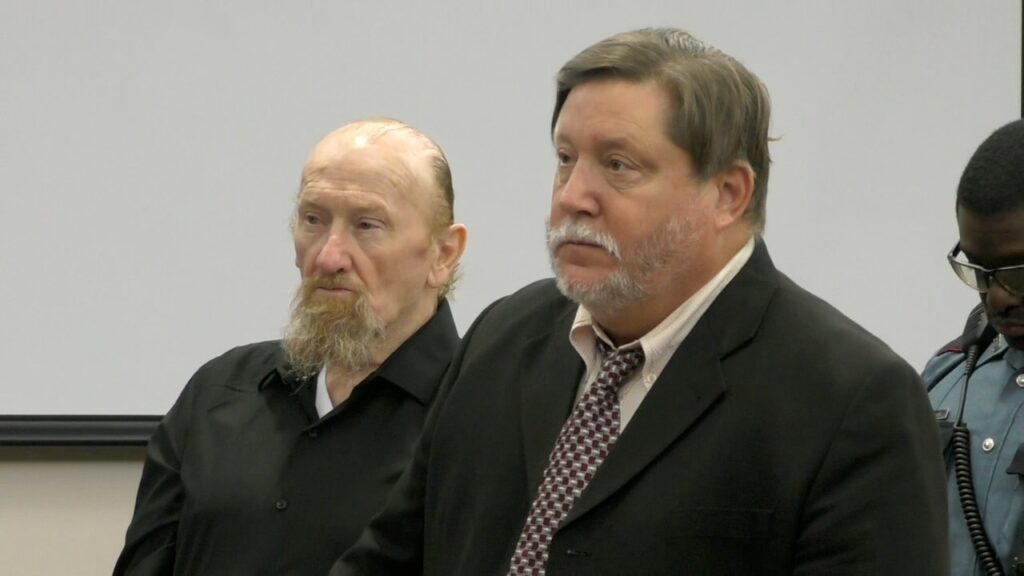
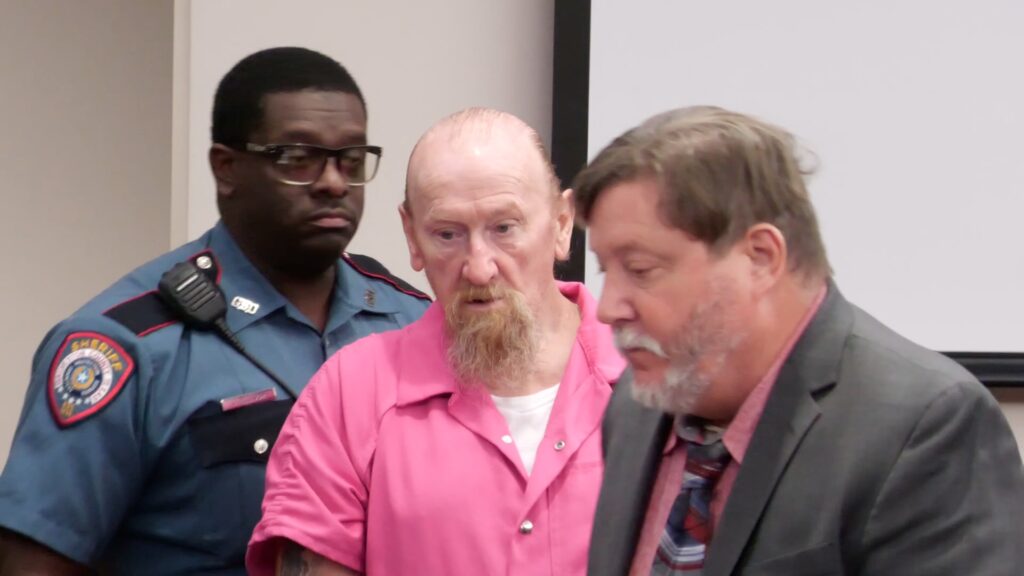
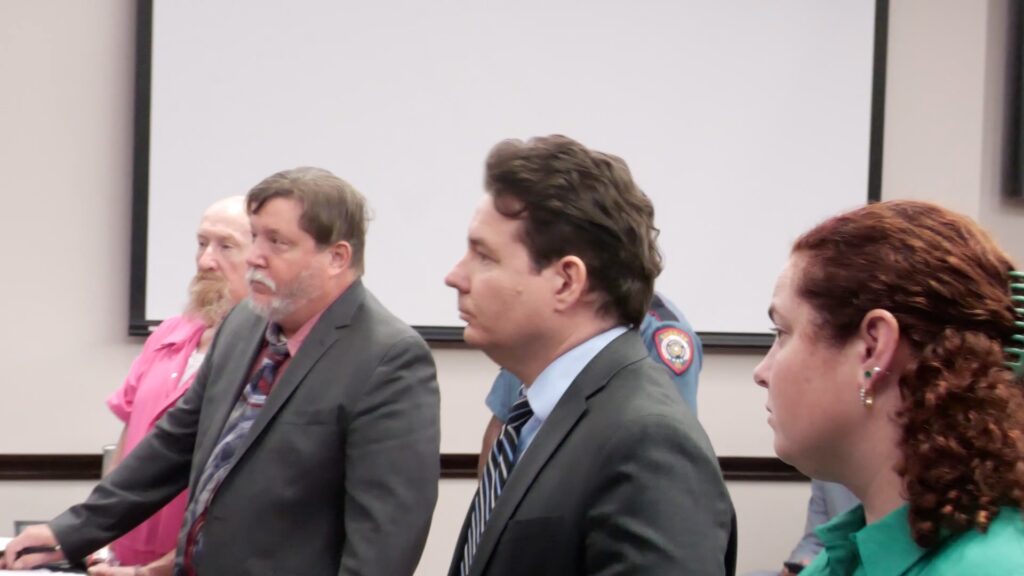
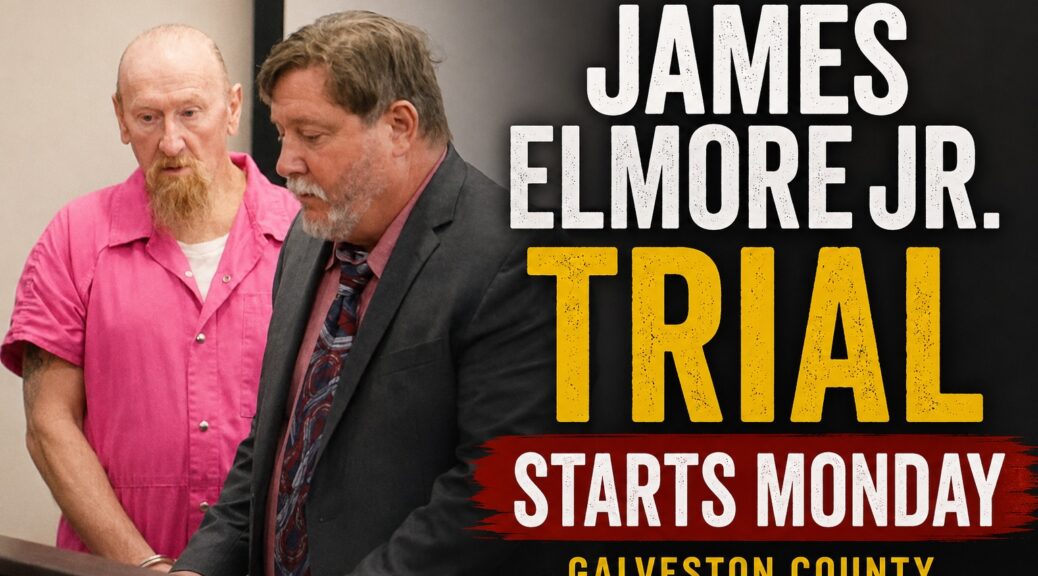
James Elmore Jr. sits with his defense attorney during his trial in Galveston County.
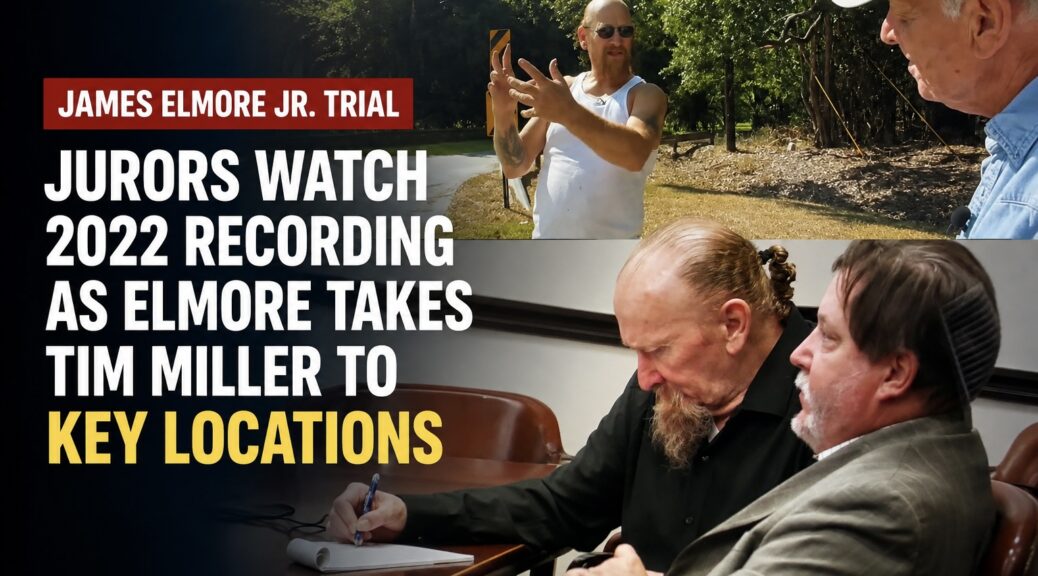
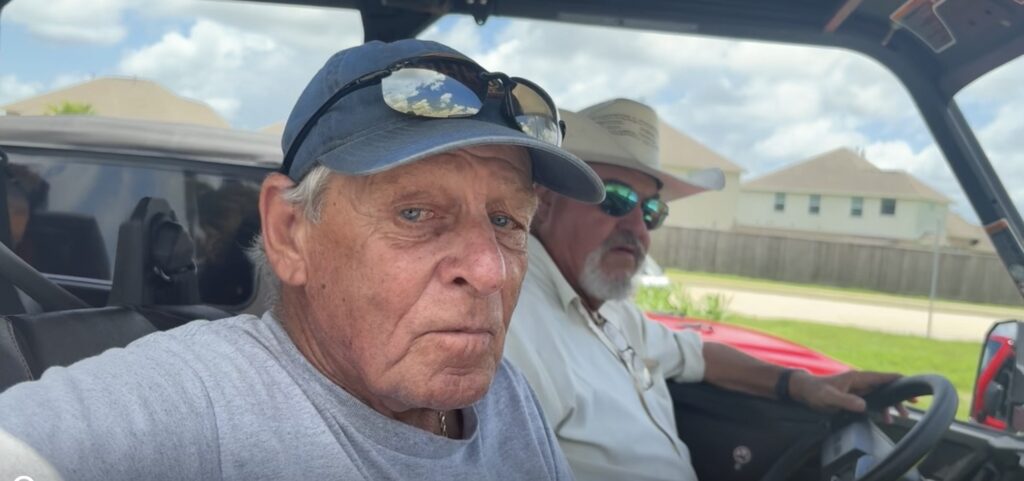
Jurors in the James Elmore Jr. trial watched a lengthy 2022 recording Wednesday that put Elmore’s own words at the center of the case.
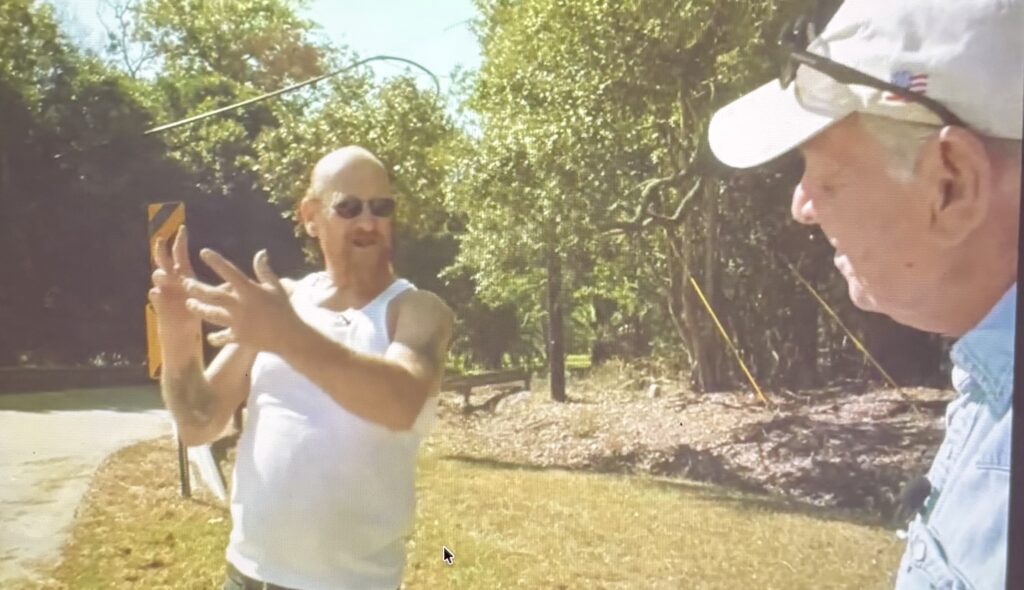
The video shows Elmore riding with Tim Miller through League City. Elmore points out locations tied to Laura Miller, Audrey Cook and Clyde Hedrick.
The recording also captures Elmore making claims about what happened to Laura before and after her death.
Prosecutors played the video during Day 3 of the trial.
Tim Miller explains why he recorded Elmore
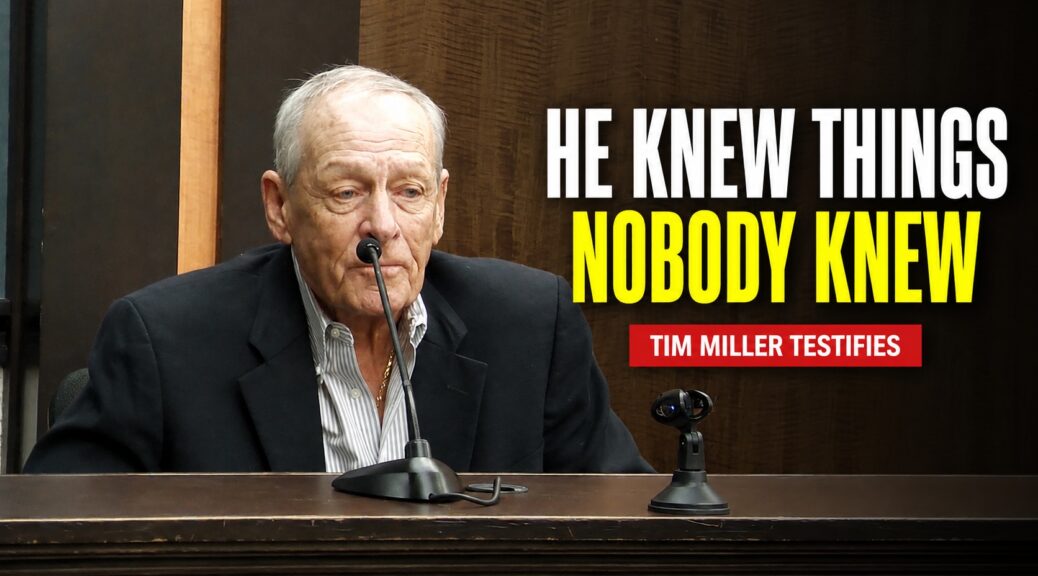
Tim Miller testifies about his conversations with James Elmore Jr. during the trial.
Miller told jurors he wanted to preserve what Elmore had told him.
He said Elmore had discussed several health problems. Miller feared Elmore could die before investigators resolved the case.
Miller said he contacted a friend with a production company and arranged the recording.
He told jurors he wanted Elmore to repeat what he had previously told him.
Miller also stressed during the recording that Elmore had contacted him voluntarily.
The video dates to Oct. 10, 2022.
Elmore returns to Calder Road
James Elmore Jr. points out an area near Calder Road during a 2022 recording with Tim Miller that was shown to jurors.
The recording shows Miller and Elmore driving through areas connected to the investigation.
They returned to Calder Road, where investigators found the remains of Laura Miller and Audrey Cook in 1986.
Elmore pointed out areas where he claimed the bodies had been placed.
He also discussed how the area looked decades earlier. Elmore described thick vegetation and fewer homes.
Miller questioned Elmore about the locations as they drove through the area.
Elmore claims he saw Laura at Hedrick’s house
One of the most significant portions of the recording focused on Clyde Hedrick’s former home.
Elmore claimed he saw Laura at the house.
Memorial sign highlighting four victims whose cases have been linked to the same recovery site during the investigation into Clyde Hedrick and several unsolved homicides.
He also described events involving drugs inside the home. Elmore claimed he prepared drugs and warned Hedrick that the amount was too much.
Elmore said he later saw Laura covered with a shirt. He claimed he initially thought she was sleeping.
Elmore also described returning to the house days later.
His account forms a key part of the prosecution’s case against him.
Cemetery becomes another focus
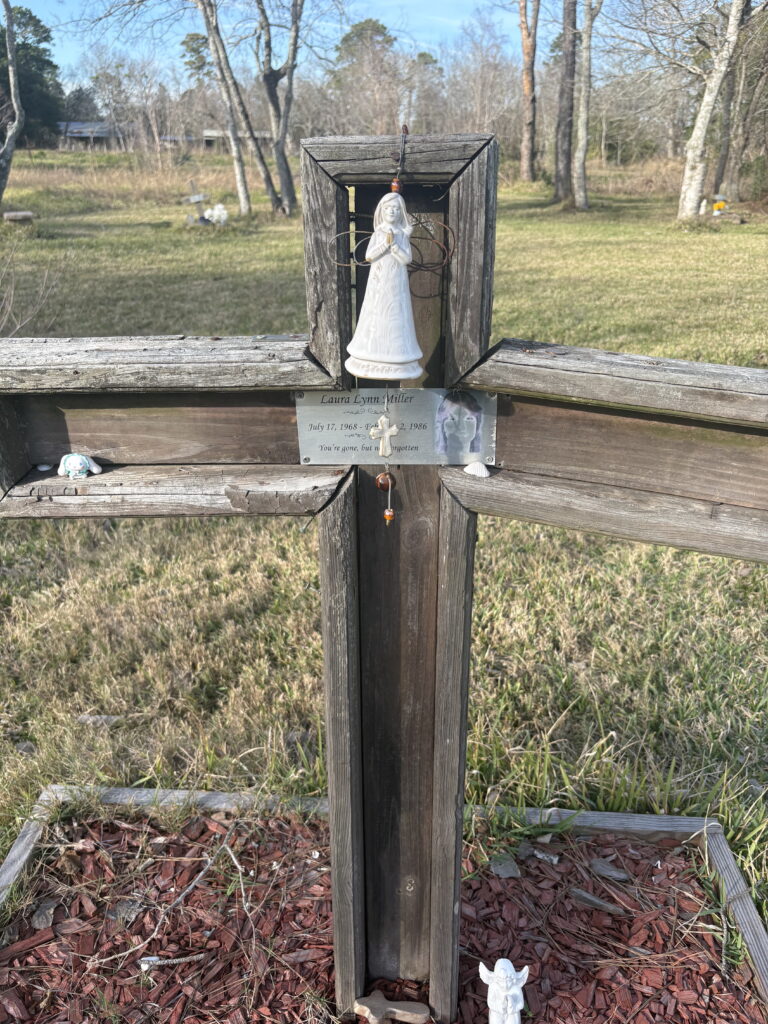
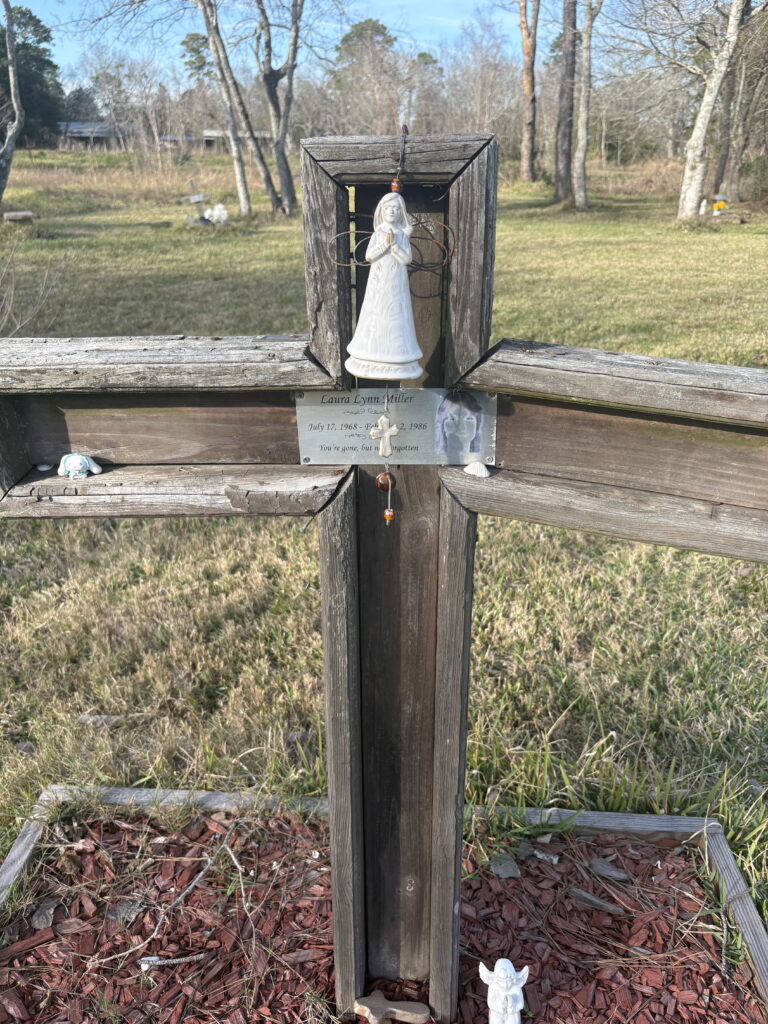
A cross memorial for Laura Miller stands near the Calder Road area where her remains were found in 1986.
The recording also took jurors to a cemetery near the neighborhood where Laura lived.
Elmore claimed Laura sometimes went to the cemetery.
He said Hedrick had seen and spoken with her there before her death.
Elmore described an encounter in which Hedrick approached Laura while Elmore and another man were nearby.
That claim could become important because it addresses whether Hedrick knew Laura before she died.
Elmore discusses shirt found near Laura Miller
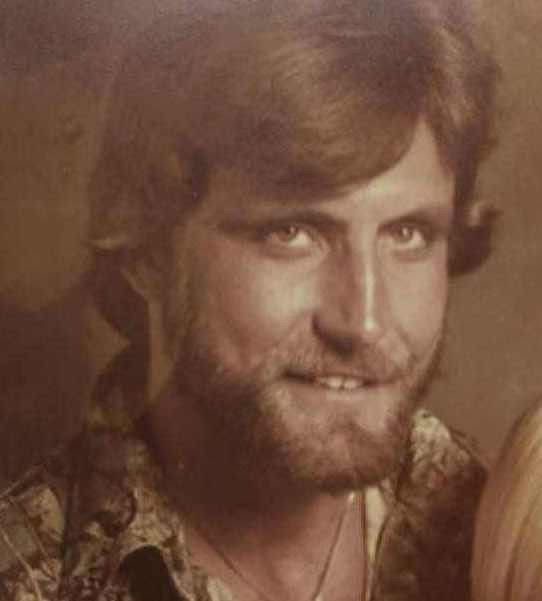
Clyde Hedrick in an undated photograph. His clothing became relevant during testimony about a shirt found near Laura Miller’s remains.
The shirt found near Laura Miller’s remains also came up during the recording.
Elmore claimed Hedrick often wore cowboy-style shirts.
He also claimed Hedrick later complained about losing a favorite shirt.
Investigators found a man’s shirt near Laura’s remains.
Jurors will have to decide what weight to give Elmore’s statements and whether they connect to other evidence presented during the trial.
Jurors hear Elmore in his own words
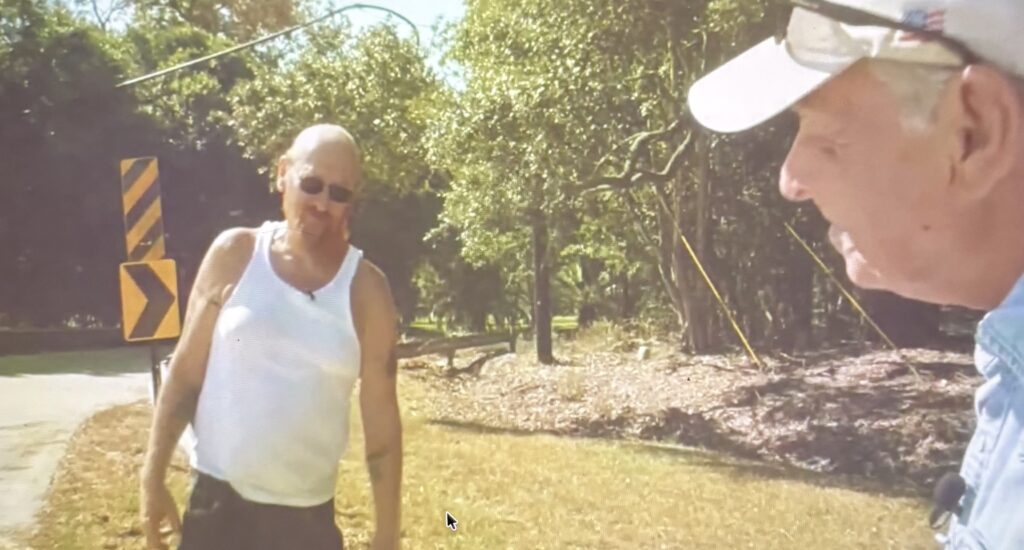
James Elmore Jr. talks with Tim Miller near Calder Road during a 2022 recording later played for jurors.
The recording marks a significant point in the trial.
Until now, jurors have heard witnesses describe statements Elmore allegedly made about Laura Miller and the investigation.
Wednesday, they heard Elmore make claims himself.
The video allowed jurors to watch him point out locations and answer Miller’s questions.
Elmore faces a manslaughter charge in connection with Laura Miller’s death. He also faces tampering charges involving the remains of Laura Miller and Audrey Cook.
The trial continues in Galveston County.
Editor’s note: Statements attributed to James Elmore Jr. in this story come from the recorded interview played for jurors in court. The allegations and evidence remain for the jury to evaluate.
Outside the courtroom, I have also been working on a deeply personal project.
My new book, When Two Worlds Collide During WWII, follows two families on opposite sides of World War II and the remarkable events that eventually brought their lives together in Wisconsin.
The story is based on my own family history, with real people, family photographs and stories passed down through generations.
Tim Miller testifies Tuesday afternoon about Laura Miller’s disappearance and the information he says James Elmore Jr. gave him.
Tim Miller delivered emotional testimony Tuesday afternoon in the James Elmore Jr. trial. He described the day his daughter vanished and the 2022 call that changed the decades-old investigation.
Miller told jurors that Elmore knew details about Laura Miller and Audrey Cook that the public did not know. He also testified that Elmore described his alleged role in Laura’s death.
Elmore has pleaded not guilty. He faces a manslaughter charge in Laura Miller’s death. He also faces charges of tampering with the bodies of Miller and Cook.
Watch Tim Miller’s afternoon testimony below. This is the court video currently available for download. I will add any additional testimony when the remaining recordings become available.
Tim Miller describes Laura’s disappearance
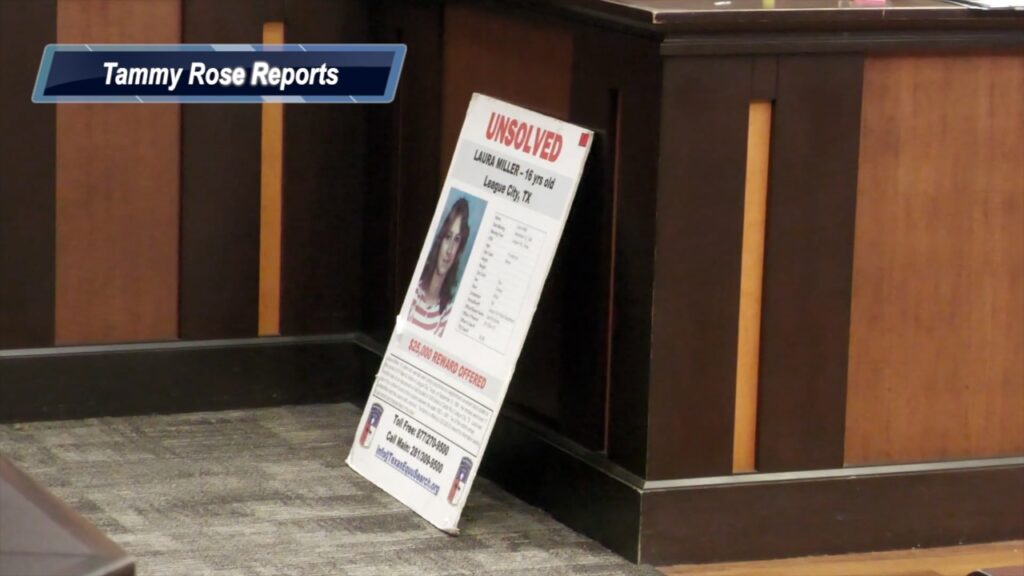
Prosecutors display a reward flyer for Laura Miller while Tim Miller testifies on September 1, 2026.
Laura Miller disappeared on September 10, 1984. She was 16 years old.
Tim Miller described the last morning he saw his daughter alive. He also told jurors about the 17 months he spent searching for answers.
Miller learned in February 1986 that investigators had found the remains of two young women near Calder Road. He took a newspaper article about the discovery to police.
Investigators later identified one of the victims as Laura.
Miller said he repeatedly returned to the field where investigators found her. He searched for her clothing and necklace. He also built a cross near the location.
Years later, Miller founded Texas EquuSearch. The organization has searched for missing people across the United States and in other countries.
Miller called the organization Laura’s legacy.
James Elmore contacted Texas EquuSearch
James Elmore Jr. sits at the defense table during the afternoon testimony on September 1, 2026.
Miller testified that Elmore contacted Texas EquuSearch in April 2022. The message said Elmore wanted to discuss a missing-person case and “get some things off his chest.”
Miller called Elmore and asked which case he wanted to discuss.
According to Miller, Elmore named Laura Miller and Clyde Hedrick.
Miller then drove to Elmore’s home in Bacliff. Elmore asked him to take a ride to Calder Road.
Once there, Miller said Elmore pointed toward an area behind a church. Miller initially questioned whether Elmore had real information. The location of the so-called Killing Fields had received widespread attention.
That changed during their next stop.
Cemetery detail convinced Miller
A wooden cross stands in memory of Laura Lynn Miller near the site where her remains were found.
Miller testified that Elmore directed him to a home on Nevada Street in Dickinson. Hedrick once lived near the Miller family.
Elmore then directed Miller toward a nearby cemetery.
According to Miller, Elmore pointed toward trees and said Hedrick had hidden there to watch Laura when she visited the cemetery.
Miller said Laura’s visits to that cemetery were not public knowledge.
“That’s when I knew this guy was real,” Miller told jurors.
Miller asked Elmore whether he would speak with law enforcement. He then took him to an FBI office.
Miller recounts Elmore’s alleged statements
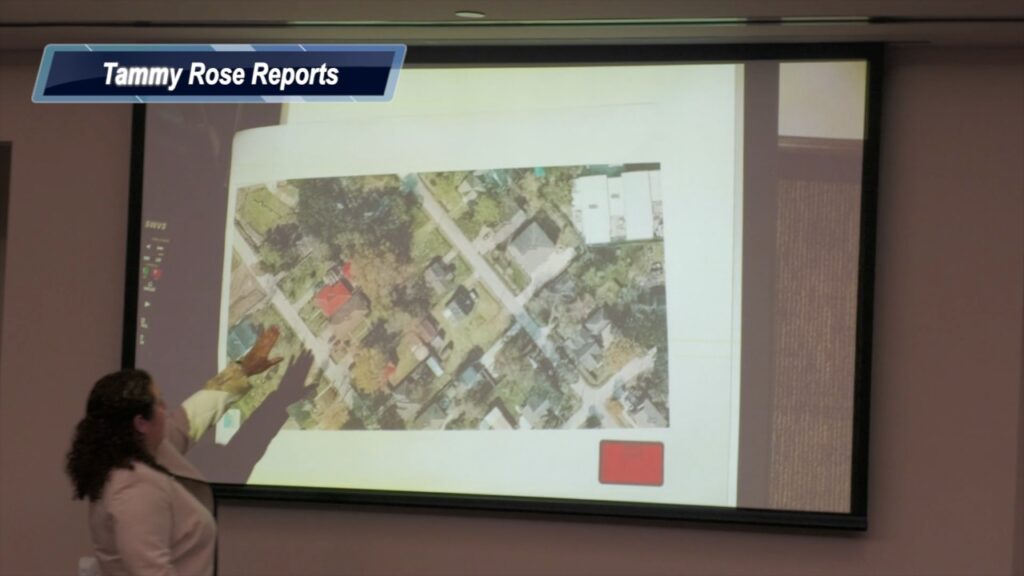
Jurors view a map showing Clyde Hedrick’s former home near the Miller family’s house in Dickinson.
Miller testified that Elmore slowly revealed more information during later conversations.
According to Miller, Elmore said Laura was with Hedrick and other men on the night she died. Miller testified that Elmore described mixing cocaine in a syringe and handing it to Hedrick.
Miller said Elmore claimed that he warned Hedrick not to inject Laura. According to Miller, Elmore then described watching Laura shake and take her final breath.
The state has accused Elmore of recklessly causing Laura’s death by preparing a syringe that contained cocaine and another substance.
Miller also testified about a shirt connected to the case. He said Elmore described the shirt before seeing a photograph of it.
According to Miller, that detail had never become public.
Testimony turns to Audrey Cook
Memorial sign highlighting four victims whose cases have been linked to the same recovery site during the investigation into Clyde Hedrick and several unsolved homicides.
Miller said Elmore also provided details about Audrey Cook.
Cook’s remains were found near Calder Road in 1986. Investigators did not identify her until 2019.
Miller testified that he first visited the location with one of the people who found Cook’s body. Days later, he returned to the area with Elmore.
Miller said he did not tell Elmore where to go. According to Miller, Elmore walked to the same location and pointed toward the same tree.
Miller also testified that Elmore described Cook’s alleged shooting. He said Elmore identified the ammunition as a .22-caliber Federal hollow-point rifle bullet.
Miller told jurors that Cook’s autopsy findings were not public at that time.
Miller paid Elmore nearly $33,000
The defense will likely focus on money that Miller gave Elmore.
Miller testified that a reward offered $25,000 for information in Laura’s case. He said Elmore had already implicated himself and revealed key details before receiving any money.
Miller first gave Elmore $5,000. He later made additional payments.
In total, Miller said he gave Elmore nearly $33,000. That amount included the reward and additional money for Elmore’s personal and medical needs.
Miller denied paying Elmore to make the statements.
He said Elmore had information about Laura and other missing women. Miller also feared Elmore could die before investigators solved the case.
“He was the only one left,” Miller testified.
Recorded interview will play for jurors
Miller arranged a recorded interview with Elmore in 2022. He said he wanted to preserve the information because Elmore had discussed cancer and heart problems.
The interview lasts more than 90 minutes.
Prosecutors introduced the recording as evidence Tuesday afternoon. They plan to play it for jurors Wednesday.
Miller said he did not watch the video until two days before his testimony because it was too painful.
Miller says he believes Elmore
Miller continued communicating with Elmore for several years. He also connected Elmore with Hitchcock Police Detective Cory Williams.
According to Miller, Williams later began investigating the case and spoke directly with Elmore.
Prosecutors ended the afternoon by asking Miller whether he believed the information Elmore gave him.
“Yes, ma’am,” Miller answered.
They then asked whether he believes Elmore bears responsibility for Laura’s death.
My new book, When Two Worlds Collide During WWII, follows two families separated by war—one in Wisconsin and one in Germany—whose lives eventually collide in a way neither could have imagined. Order your copy on Amazon.
Affiliate disclosure: As an Amazon Associate, I earn from qualifying purchases. I may also earn a commission from eligible Hotels.com bookings, at no additional cost to you.
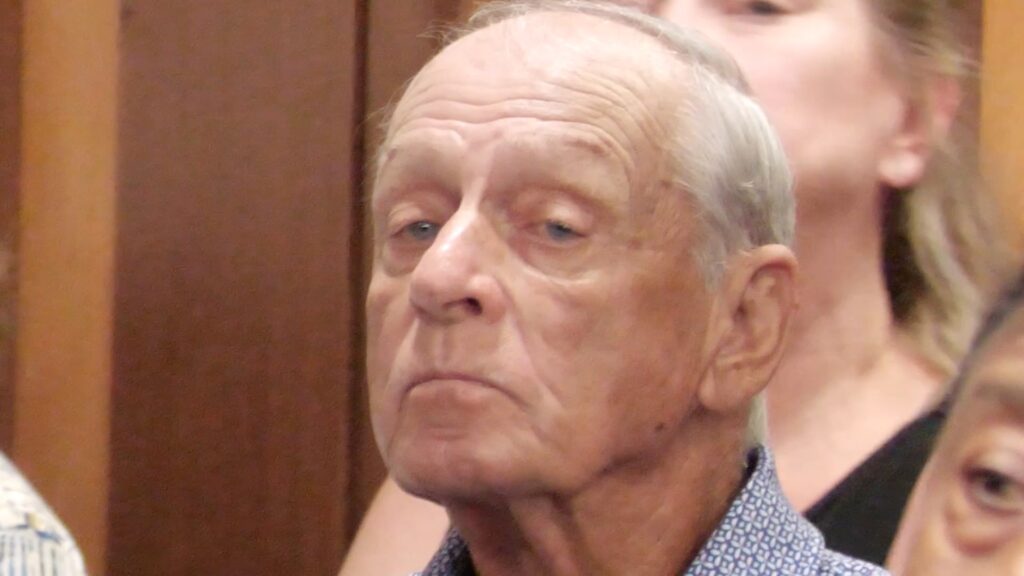
Tim Miller, father of Laura Miller and founder of Texas EquuSearch, shown in a Galveston County courtroom.
The James Elmore Jr. trial moves into testimony Tuesday in Galveston County.
The court released Tuesday’s schedule.
Prosecutors expect Tim Miller to testify. Miller is Laura Miller’s father and the founder of Texas EquuSearch.
His testimony could become one of the most closely watched moments of the trial.
Tim Miller expected to take the stand
Tim Miller has spent decades searching for answers in the death of his daughter, Laura Miller. He is expected to be the prosecution’s first witness in the James Elmore Jr. trial.
Miller spent years searching for answers about his daughter’s death.
More recently, he had repeated contact with Elmore.
Miller has said he met privately with Elmore dozens of times after Elmore approached him with information about Laura’s death. Those conversations eventually became part of the renewed investigation.
Prosecutors expect Miller to testify about those contacts with Elmore.
Elmore faces a manslaughter charge in Laura Miller’s death.
He pleaded not guilty.
Opening statements expected Tuesday
James Elmore Jr. appears in court ahead of his scheduled manslaughter trial in Galveston County.
Proceedings are scheduled to begin at 9 a.m. Tuesday, Sept. 1.
The court will formally read the charge before opening statements.
Assistant District Attorney Katelyn Willis will give the prosecution’s opening statement. Willis leads the Violence Against Women Division.
ADA Adam Poole also represents the state. He leads the Felony Division but will not give an opening statement.
Defense attorney William “Bill” Agnew is not expected to give an opening statement immediately after the prosecution, according to the current schedule.
Manslaughter case goes before jury first
James Elmore Jr. appears in the 122nd District Court ahead of his manslaughter trial in the death of Laura Miller.
Elmore is charged with manslaughter in connection with Laura Miller’s death and with two counts of tampering with evidence involving the remains of Laura Miller and Audrey Cook.
He has pleaded not guilty and is presumed innocent unless proven guilty beyond a reasonable doubt.
Trial expected to continue through Friday
James Elmore Jr. appears in court as proceedings move toward testimony in the manslaughter case involving Laura Miller’s death.
The court currently expects testimony to continue through Friday, Sept. 4.
Proceedings are scheduled to begin at 9 a.m. each day and conclude around 5 p.m.
The schedule could change depending on testimony and other issues that arise during the trial.
I will continue following the James Elmore Jr. trial and will report new developments as they happen.
James Elmore Jr. appears in court ahead of his scheduled manslaughter trial in Galveston County.
The James Elmore Jr. trial is set to begin Monday in Galveston County.
Elmore faces a manslaughter charge in connection with the death of Laura Miller.
The case is scheduled in the 122nd District Court.
The court has already warned attorneys that it does not expect another delay without a serious emergency.
Jury selection could draw a large crowd
Jury selection may become one of the first major hurdles in the case.
During an earlier pretrial hearing, the judge and attorneys discussed calling more than 200 prospective jurors because of the publicity surrounding the case.
The court also discussed using a larger courtroom.
Attorneys considered a written jury questionnaire and individual questioning for some prospective jurors. The goal is to determine whether jurors can decide the case only on evidence presented in court.
Manslaughter case will go first
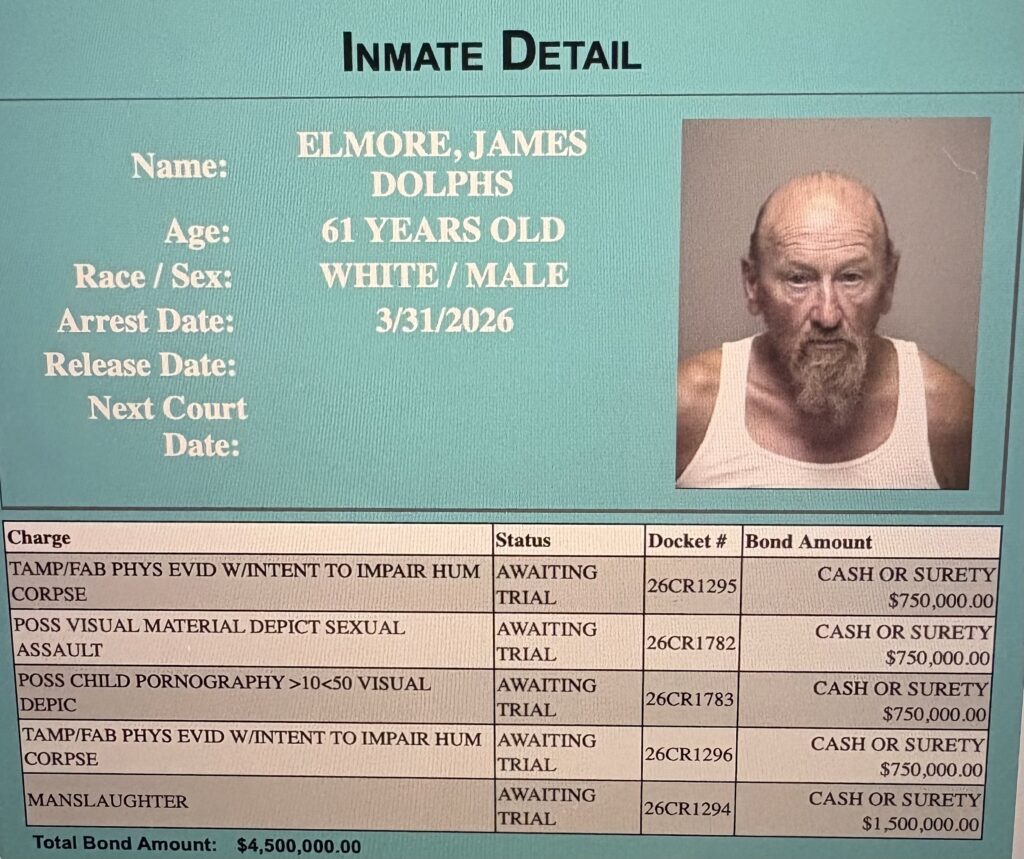
James Elmore Jr. booking photo. His trial is currently scheduled to begin Aug. 31, 2026, in Galveston County.
Prosecutors previously told the judge they plan to try the manslaughter case first.
Elmore has several other criminal cases pending.
The state has said evidence connected to some of those cases could become relevant during the manslaughter trial. If Elmore is convicted, prosecutors could also seek to introduce additional evidence during the punishment phase.
Watch the pretrial hearing
I previously covered Elmore’s Aug. 21 pretrial hearing, where the judge and attorneys discussed jury selection, outstanding discovery and how the manslaughter case would move forward.
Watch my full video from the hearing below for more context before Monday’s trial.
When testimony could begin
The court previously discussed beginning jury selection Monday afternoon.
Opening statements and testimony could begin Tuesday if a jury is seated in time. Attorneys have estimated the trial could last about one week.
That timeline could change depending on how long jury selection takes.
What to watch Monday
The biggest questions heading into court are how large the jury pool will be, whether attorneys use questionnaires and how quickly they can seat a jury.
There could also be last-minute motions before testimony begins.
Chopper Rose Productions will be at the courthouse following developments as the case moves toward trial.
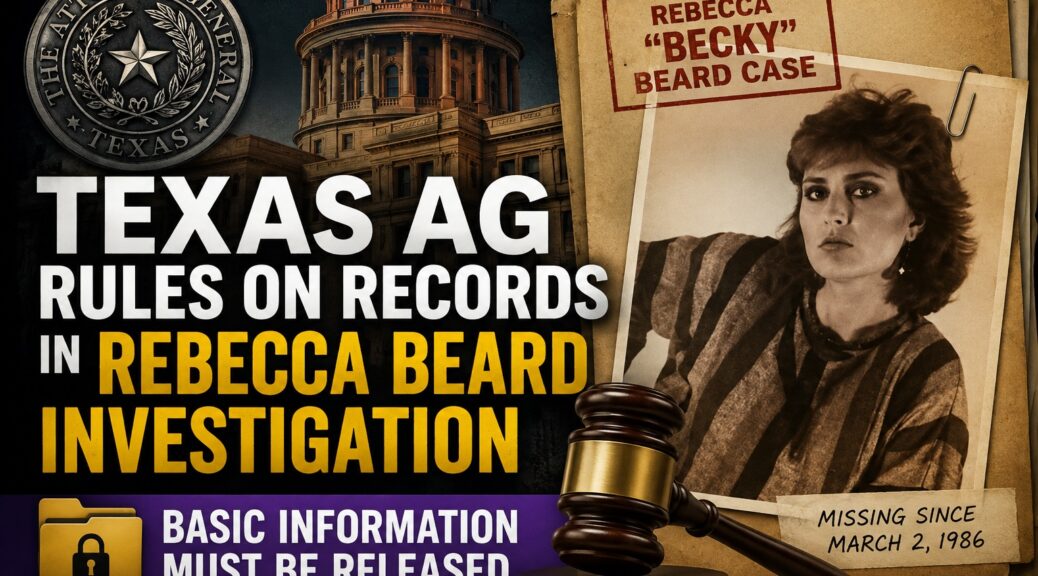
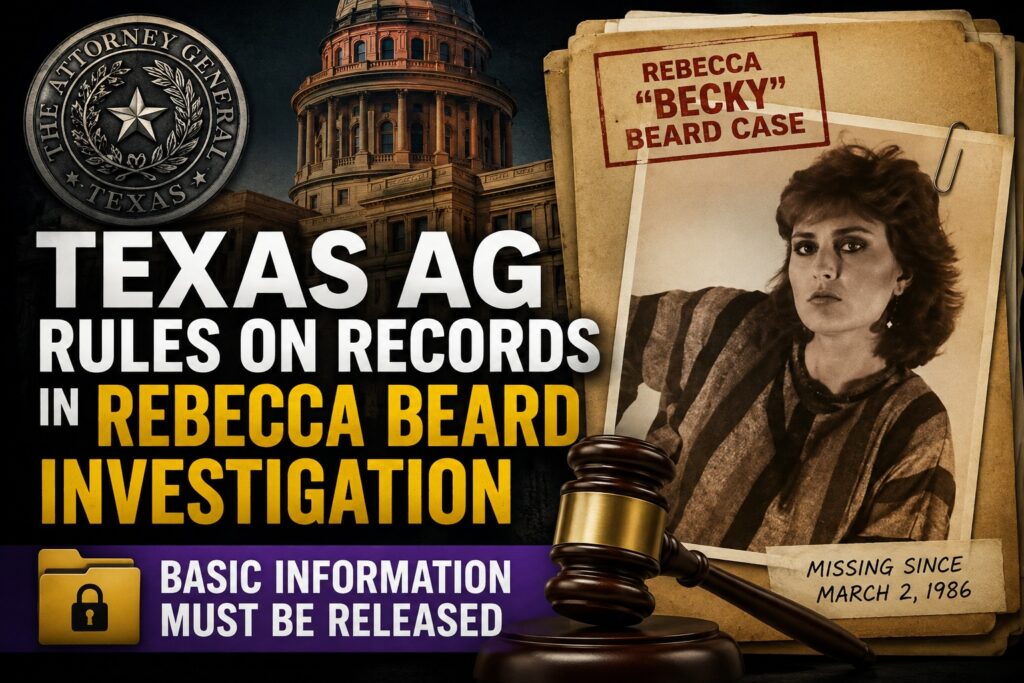
The Texas Attorney General ruled Aug. 28, 2026, that Brazoria County may withhold investigative information tied to the Rebecca “Becky” Beard case, but must release basic information.
More records in the decades-old Rebecca “Becky” Beard case will remain out of public view for now.
The Texas Attorney General issued a new ruling Aug. 28 allowing Brazoria County to withhold investigative information because authorities say it relates to an ongoing criminal case.
But the ruling comes with an important exception.
Brazoria County must release the basic information.
I have already requested it.
New ruling in the Rebecca Beard records investigation
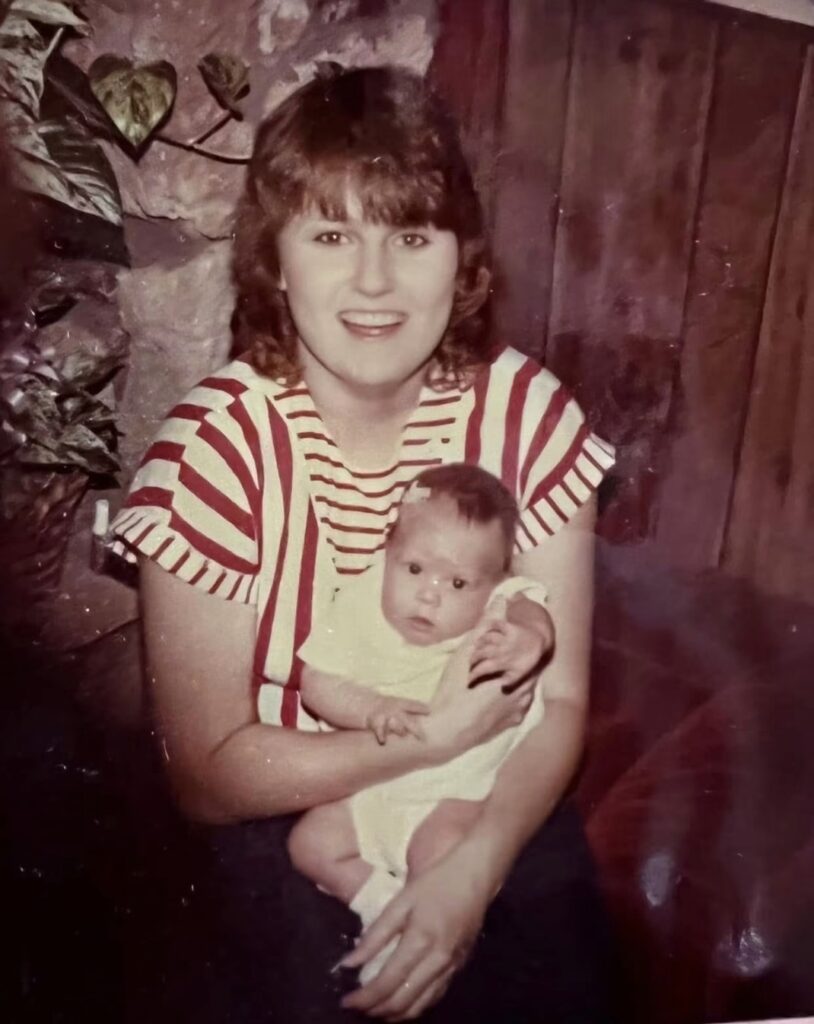
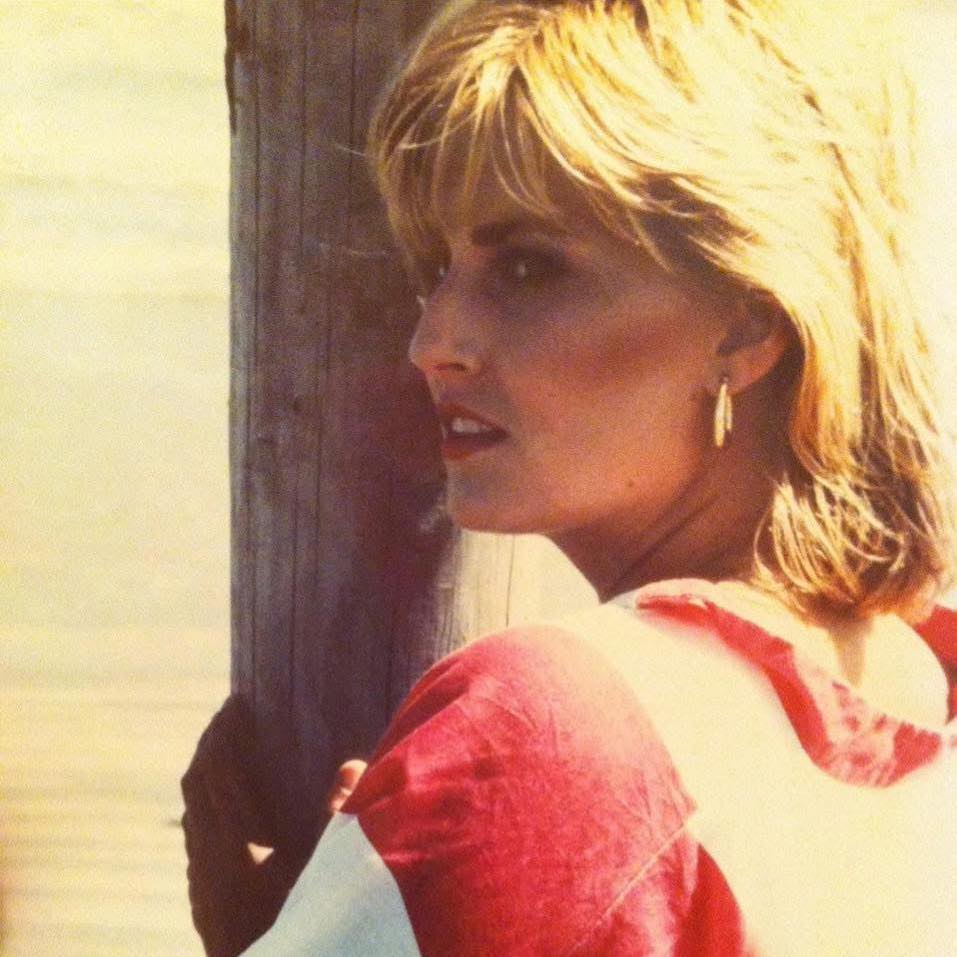
Rebecca “Becky” Beard pictured with her daughter before Becky disappeared from Freeport, Texas, in March 1986.
Beard was 22 when she disappeared after leaving the Excalibur Club in Freeport in March 1986.
Her body has never been recovered.
Paul Taylor Jr. pleaded guilty in 1995 in connection with her death, but questions surrounding the case have continued for decades.
My investigation has included multiple public information requests seeking Brazoria County records connected to the case.
Those requests have now resulted in another Attorney General ruling.
Brazoria County says the criminal case is ongoing
The Aug. 28 decision provides an important detail about the current status of the investigation.
According to the Attorney General, Brazoria County said a law enforcement agency objected to releasing the information because it “relates to an ongoing criminal case.”
The county argued that releasing the records could interfere with that case.
The Attorney General agreed that the investigative information may be withheld under Section 552.108(a)(1) of the Texas Government Code.
However, the ruling also says the county must release basic information under Section 552.108(c).
Eight Brazoria County records requests included in ruling
The Attorney General combined eight Brazoria County reference numbers in the decision:
26-1859, 26-1865, 26-1874, 26-1933, 26-1947, 26-1950, 26-1991 and 26-2012.
The Attorney General assigned the matter request ID 26-033498.
The Aug. 28 decision is OR2026-038106.
What will Brazoria County release?
That is now the question.
The ruling does not mean Brazoria County must turn over the entire investigative file.
It does mean the county cannot withhold everything.
I have submitted a follow-up request seeking the basic information that the Attorney General says must be released.
Once those records arrive, I will review them and report what they reveal.
After 40 years, the Rebecca Beard case continues to generate new questions — and the state now confirms that authorities still consider the matter tied to an ongoing criminal case.
Read the Attorney General ruling
I have included the Aug. 28, 2026 Texas Attorney General ruling connected to these Brazoria County records requests below.
The ruling, OR2026-038106, says the county may withhold investigative information tied to the ongoing criminal case, but must release basic information.
For readers traveling to Brazoria County for court proceedings, research or other business, Hotels.com can help compare accommodations throughout the area and along the Texas Gulf Coast.
This post may contain affiliate links. I may earn a commission from qualifying bookings at no additional cost to you.
Public-records investigations often mean sorting through court filings, police reports, photographs and hundreds of pages of documents. Amazonhas portable scanners, external drives, document organizers and other tools that can help keep large research projects organized.
As an Amazon Associate, I earn from qualifying purchases.
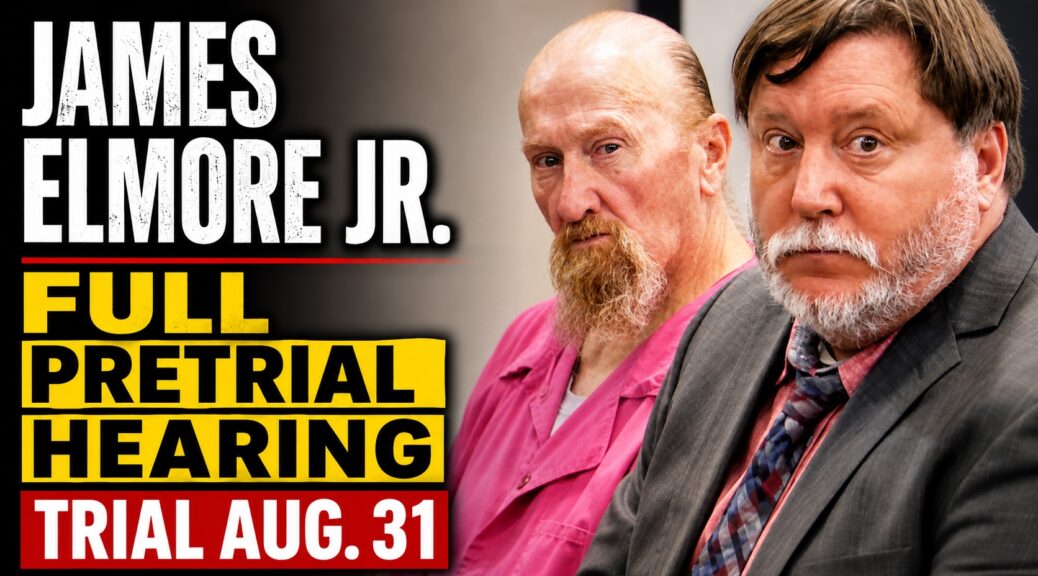
James Elmore Jr. appears in court during a pretrial hearing ahead of his Aug. 31 manslaughter trial.
James Elmore Jr. Trial Set for Aug. 31 as Judge Signals No Continuance
By Investigative Reporter Tammy Rose
James Elmore Jr. remains on track for an Aug. 31 trial in Galveston County.
Elmore pleaded not guilty as his case moves toward a jury. He faces several criminal cases connected to the deaths linked to the area known as the Texas Killing Fields.
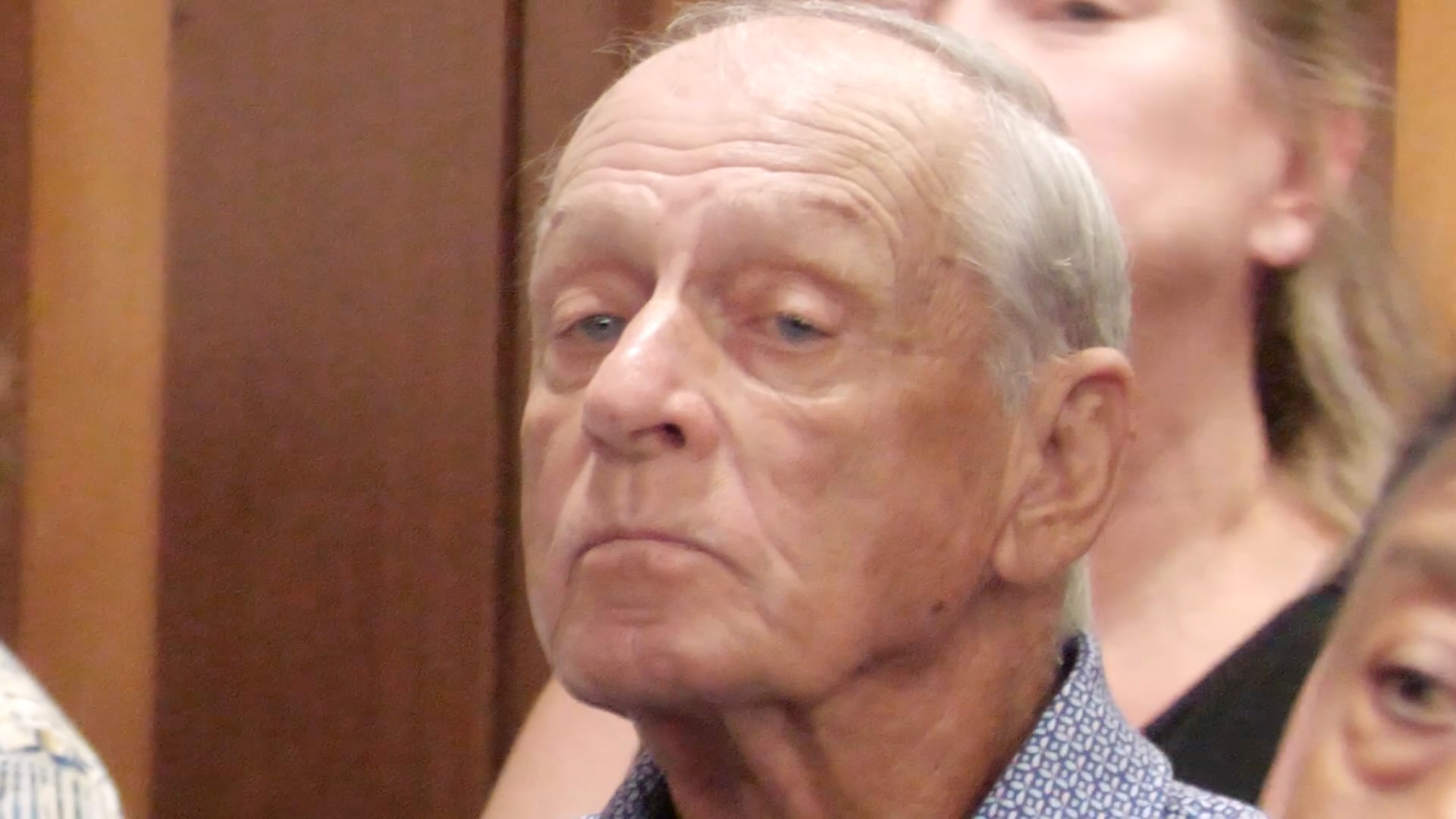
Texas EquuSearch founder Tim Miller was also present in the courtroom.
Texas EquuSearch founder Tim Miller sits in the courtroom during James Elmore Jr.’s pretrial hearing ahead of the Aug. 31 trial.
During a pretrial discussion, the judge made one point especially clear. The court intends to try the case as scheduled.
“Unless there’s some medical emergency … no continuance.”
The judge told attorneys to make sure everyone understands that the case has a firm trial setting.
James Elmore Jr. Manslaughter Case Will Go First
Watch the full James Elmore Jr. pretrial hearing above, including discussion of the Aug. 31 trial date, jury selection, discovery and the other pending cases.
Elmore currently has five pending cases, according to statements made in court.
The prosecution told the judge that it plans to try the manslaughter case first on Aug. 31.
The state said it no longer plans to first try newer cases involving allegations of possession of child pornography.
The court also discussed Elmore’s other pending cases.
Prosecutors said the tampering cases could become relevant during the manslaughter trial. They argued that some of that evidence may provide context involving the victim.
If a jury finds Elmore guilty of manslaughter, prosecutors could also introduce evidence from the other pending cases during the punishment phase.
The judge explained that process in court.
If jurors find Elmore not guilty, the remaining cases would still remain pending.
Attorneys Say Discovery Is Nearly Complete
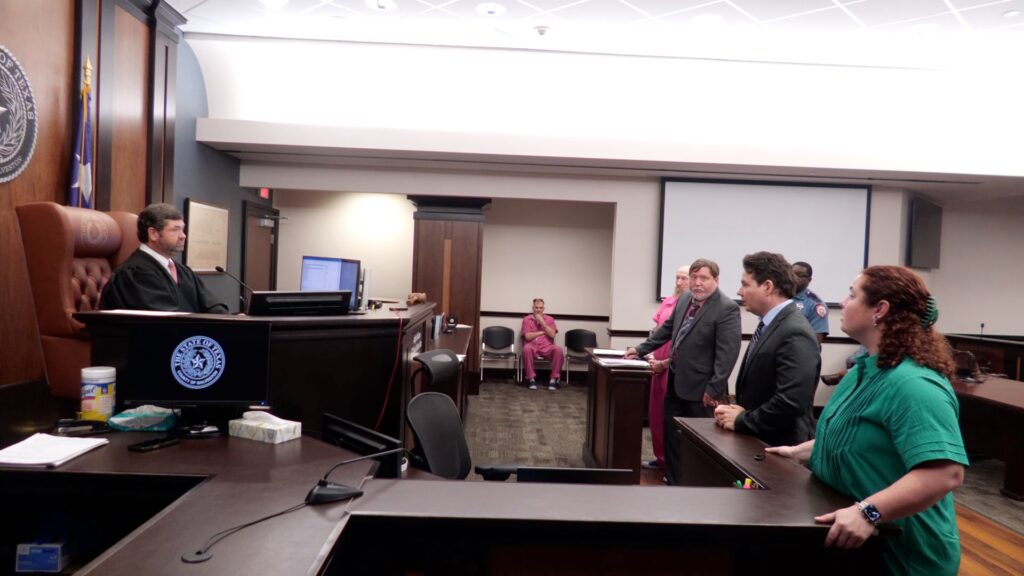
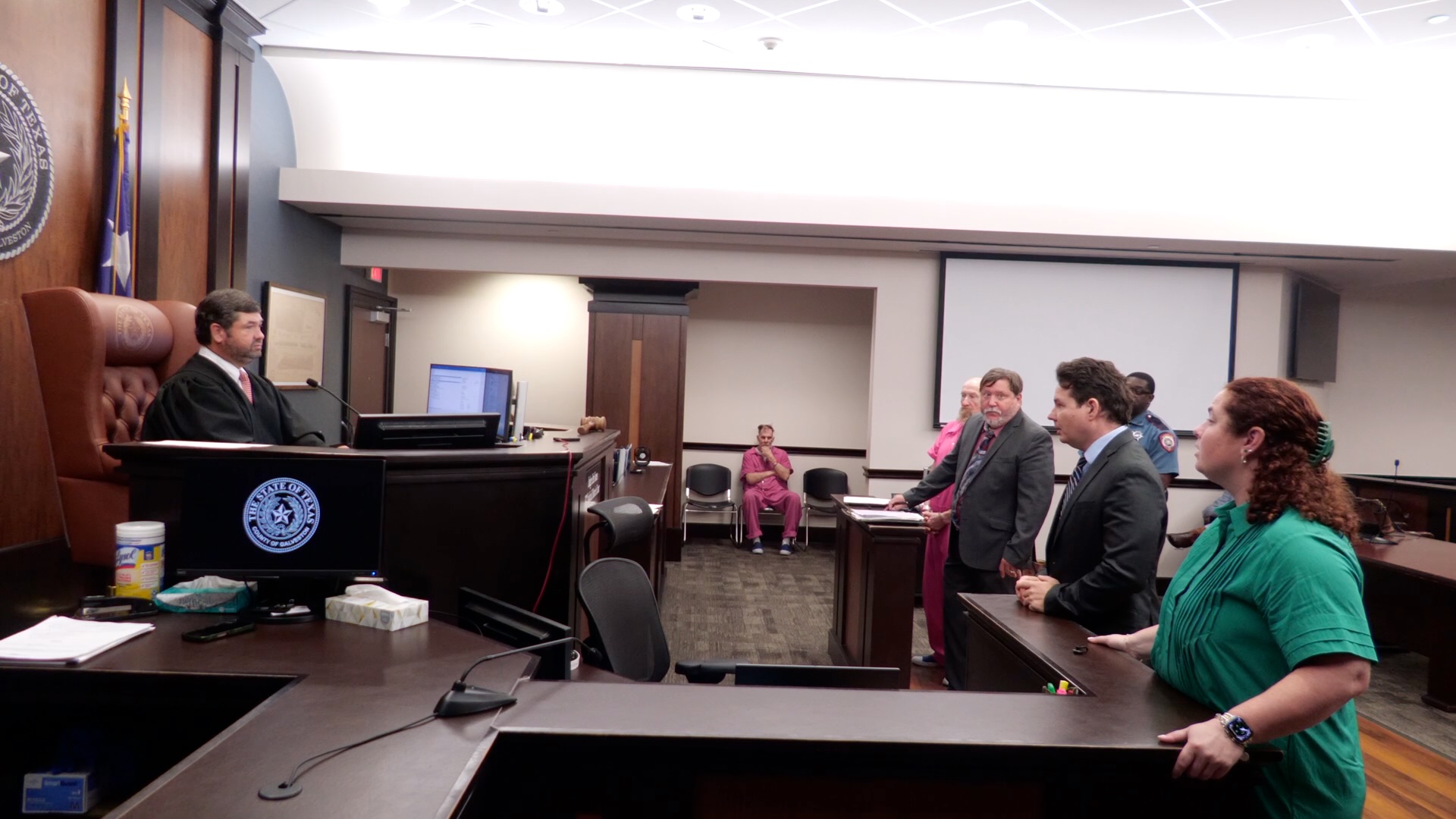
James Elmore Jr. and attorneys appear before the judge during a pretrial hearing ahead of his Aug. 31 manslaughter trial.
Both sides told the judge that no major discovery issues remain.
Prosecutors said they still need to handle several smaller matters. Those include redactions to statements and identifying specific jail calls.
The state also has images stored on a hard drive.
Defense attorneys can review those materials at the prosecutor’s office.
Elmore’s attorney told the judge that he plans to review the material while preparing for trial.
The court also discussed a discovery compliance form. Defense counsel said he would have Elmore review and sign it.
Court Could Call More Than 200 Potential Jurors
Jury selection could become one of the biggest challenges in the James Elmore Jr. trial.
The case has received extensive media coverage.
The judge and attorneys discussed calling more than 200 prospective jurors because of the attention surrounding the case.
The court could use a larger courtroom to accommodate the panel.
Attorneys also discussed whether to use a written jury questionnaire.
A questionnaire could help identify people who already know details about the case. However, it could also delay jury selection by a day.
The judge raised another concern.
Questions asked in front of the entire panel could influence other potential jurors. The court may instead question some people individually.
The goal will be to find jurors who can decide the case based only on evidence presented in court.
Judge Expects Trial to Last About One Week
James Elmore Jr. appears with attorneys during a pretrial hearing as the court prepares for his Aug. 31 trial.
The attorneys told the judge they expect the manslaughter trial to last about one week.
The court discussed beginning jury selection on the afternoon of Aug. 31.
Opening statements and testimony could begin the following day.
If the court uses a jury questionnaire, the trial could run slightly longer.
The court also expects to select alternate jurors.
Other James Elmore Cases Could Follow Quickly
James Elmore Jr. booking photo. His trial is currently scheduled to begin Aug. 31, 2026, in Galveston County.
Prosecutors are already looking beyond the Aug. 31 trial.
The state told the judge it wants to return to court quickly for another Elmore case.
An October trial setting came up during the discussion.
The court discussed Oct. 5 as a possible next docket setting. Attorneys also mentioned Oct. 12 as another possibility.
Those dates could change depending on how long the manslaughter trial lasts and how quickly attorneys receive the court record.
Judge Warns Elmore Against Speaking
James Elmore Jr. stands with his attorney during a pretrial hearing as the court prepares for his Aug. 31 manslaughter trial.
The judge also addressed Elmore directly.
He told Elmore that he did not have to speak in court. The judge warned that anything Elmore said could become evidence against him.
Instead, the judge encouraged Elmore to communicate with his attorney about anything he wants addressed before trial.
The judge said the court would hear necessary motions, even if attorneys file them shortly before trial.
Aug. 31 Trial Remains Firm
For now, the most important development is simple.
James Elmore Jr. remains scheduled for trial Aug. 31.
The prosecution says it will begin with the manslaughter case.
The court expects a large jury pool because of the publicity surrounding the case.
And the judge made clear that he does not expect to grant another delay without a serious emergency.
Tim Miller’s presence in the courtroom also underscored the attention surrounding the case as it moves closer to trial.
Investigative Reporter Tammy Rose will continue following the James Elmore Jr. case and any developments before jury selection begins.
Travelers heading to Galveston County can compare hotel options near the courthouse and surrounding area.
If you are traveling to Galveston County to follow the James Elmore Jr. trial, you can compare hotel options through Hotels.com. Look for rooms near Galveston, League City or the surrounding area, depending on your travel plans and court schedule.
Long court days can mean a lot of waiting. I recommend bringing a portable phone charger, reusable water bottle and a lightweight bag for your essentials. You can find travel gear and courtroom-day basics on Amazon.
As an Amazon Associate, I may earn from qualifying purchases at no additional cost to you.
Nearly 40 years after Rebecca “Becky” Beard disappeared from Freeport, Texas, her family is still searching for the answer that matters most.
Where is Becky?
Rebecca “Becky” Beard disappeared in March 1986. Her family continues searching for information that could help locate her remains.
Now, her family wants the public to hear information from a woman known as “Rio.” Her account includes disturbing claims about what may have happened to Becky and where someone may have taken her remains.
However, an important warning comes with Rio’s story.
According to Becky’s family, prosecutors recently presented information involving Rio to a Brazoria County grand jury. Family members say the grand jury took no action.
Becky’s family also says the Brazoria County District Attorney’s Office told them investigators did not consider Rio a credible witness.
I am not presenting Rio’s statements as established facts.
Still, Becky’s family believes parts of her account could contain accurate information. They hope releasing these details reaches someone who knows what happened or where to find Becky.
Who Was Rebecca “Becky” Beard?
Rebecca “Becky” Beard pictured with her daughter before Becky disappeared from Freeport, Texas, in March 1986.
Becky Beard was 22 years old when she disappeared after spending the night at the Excalibur Club in Freeport on March 1, 1986.
She never came home.
Investigators have never recovered her body.
Years later, Paul Taylor Jr. pleaded guilty in connection with Becky’s death. Despite that conviction, her family has spent decades trying to find her remains.
That search continues today.
Who Is the Witness Known as Rio?
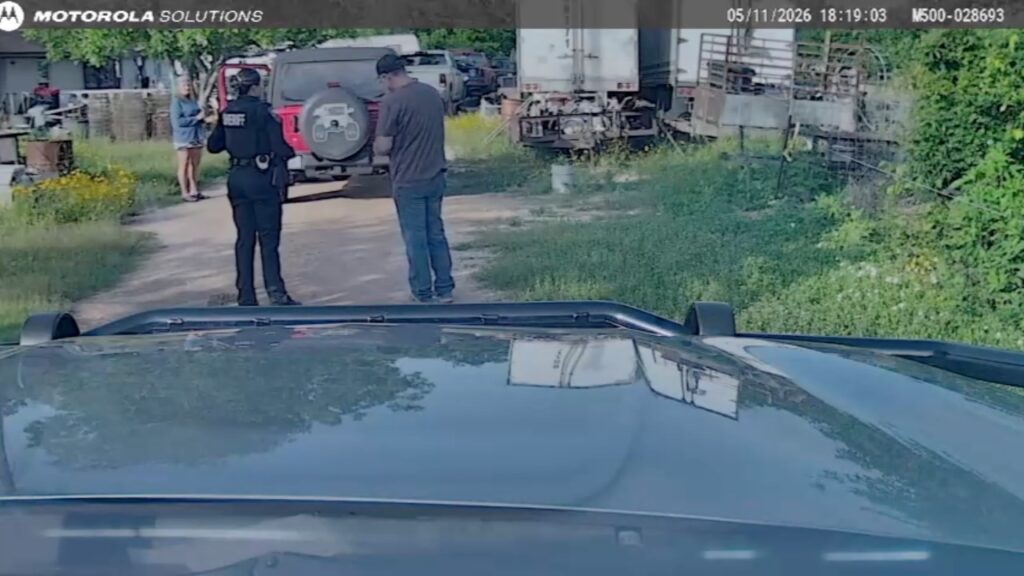
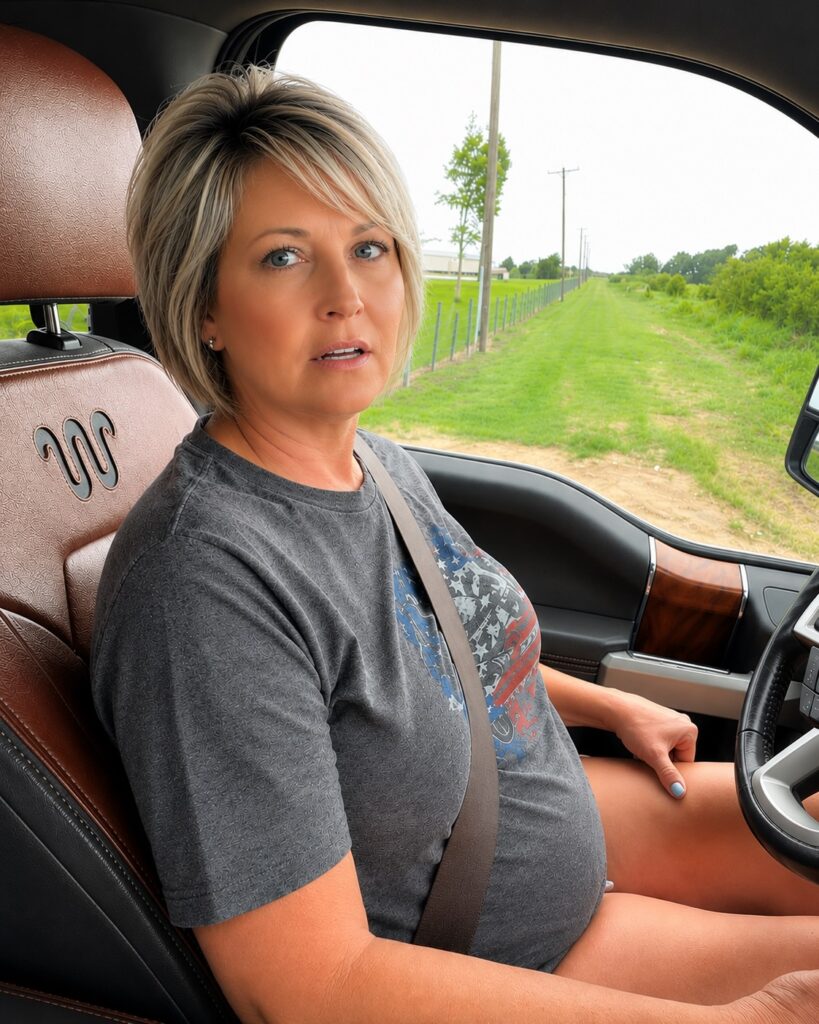
Cherie “Rio” Starr stands near Tammy Rose’s Jeep during an interview connected to the Rebecca “Becky” Beard investigation.
During my investigation, I tracked down Cherie “Rio” Starr, a woman who has provided an account of events surrounding Becky’s disappearance.
Rio made several specific and disturbing claims. Some involve what allegedly happened to Becky’s body and where people may have taken her remains.
Investigators have not established those claims as fact.
According to Becky’s family, the district attorney told them authorities did not find Rio credible.
Still, one reason the family has not completely dismissed her story is that some details appear to connect with information they already knew about Becky’s life before she disappeared.
The Galveston Weekend in Becky’s Planner
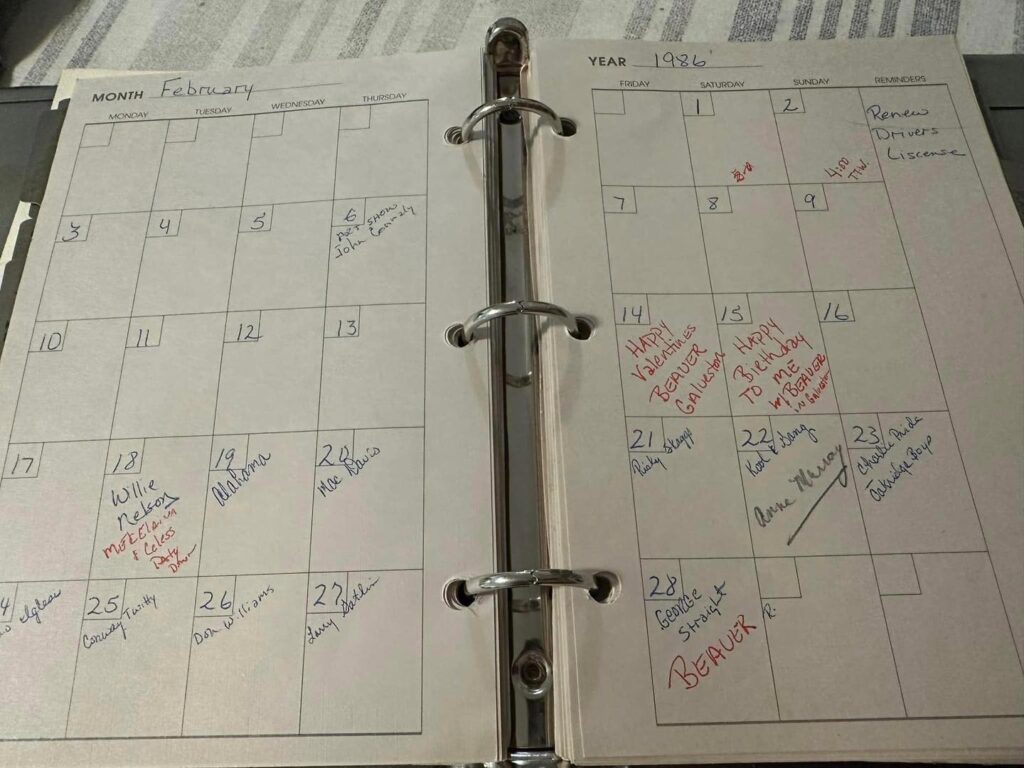
Becky Beard’s personal planner contains entries documenting events and trips in the weeks before her March 1986 disappearance.
One detail deserves closer examination.
Becky kept a planner. An entry documents a weekend trip to Galveston from February 14 through February 16, 1986, just weeks before she disappeared.
Becky was dating Beaver Aplin at the time.
Rio described an incident involving Aplin during which she said he got down on his knees with a dozen roses, jewelry and bottles.
That detail caught the family’s attention because Becky’s mother, Linda Barnes, already knew about Becky’s Galveston weekend.
Linda recalled Becky returning from the trip and throwing away roses.
Her mother asked her why she was throwing them away.
According to Linda, Becky did not want to talk about it.
That does not prove Rio’s account.
It does, however, raise a question for the family: How much of Rio’s story, if any, could be independently verified?
Becky’s planner documents the Galveston weekend. Her mother remembers the roses. Rio later provided an account involving roses and the man Becky was dating.
The family believes those details are worth examining rather than ignoring.
Family Says Evidence Was Presented to a Grand Jury
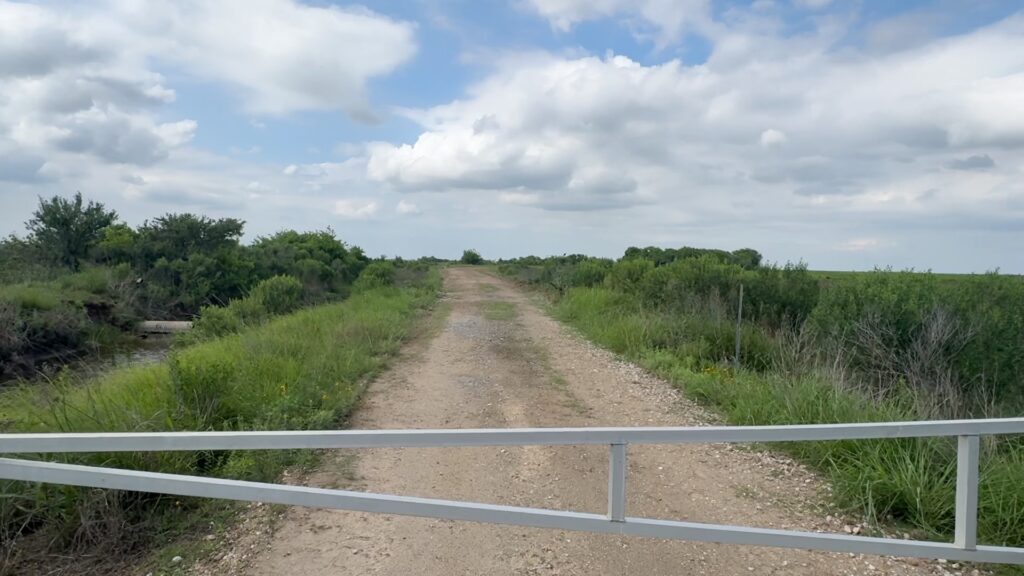
A remote dirt road in the Brazoria National Wildlife Refuge near the area where witness Cherie Lynette “Rio” Starr claims Rebecca “Becky” Beard was buried.
Becky’s family says prosecutors recently presented evidence involving Rio to a Brazoria County grand jury.
According to family members, the grand jury took no action.
They also say the district attorney told them authorities did not consider Rio a credible witness.
Those details matter.
Rio’s claims are not established facts.
I am not presenting them as proof of what happened to Becky.
Instead, the family wants to know whether someone else can independently confirm any part of her account.
Why Release Rio’s Story?
There is a simple reason.
Becky still has not been found.
Almost four decades have passed since she disappeared. People who were young adults in 1986 are now much older. Some witnesses have died. Properties have changed. Memories have faded.
That makes information from people who were there increasingly important.
The family understands authorities have questioned Rio’s credibility. They also understand that a grand jury took no action after hearing information related to her account, according to what family members say they were told.
Still, they cannot get past the possibility that one detail could be true even if other parts of a witness’s story are not.
The Galveston weekend is one reason they continue asking questions.
Someone May Remember Something
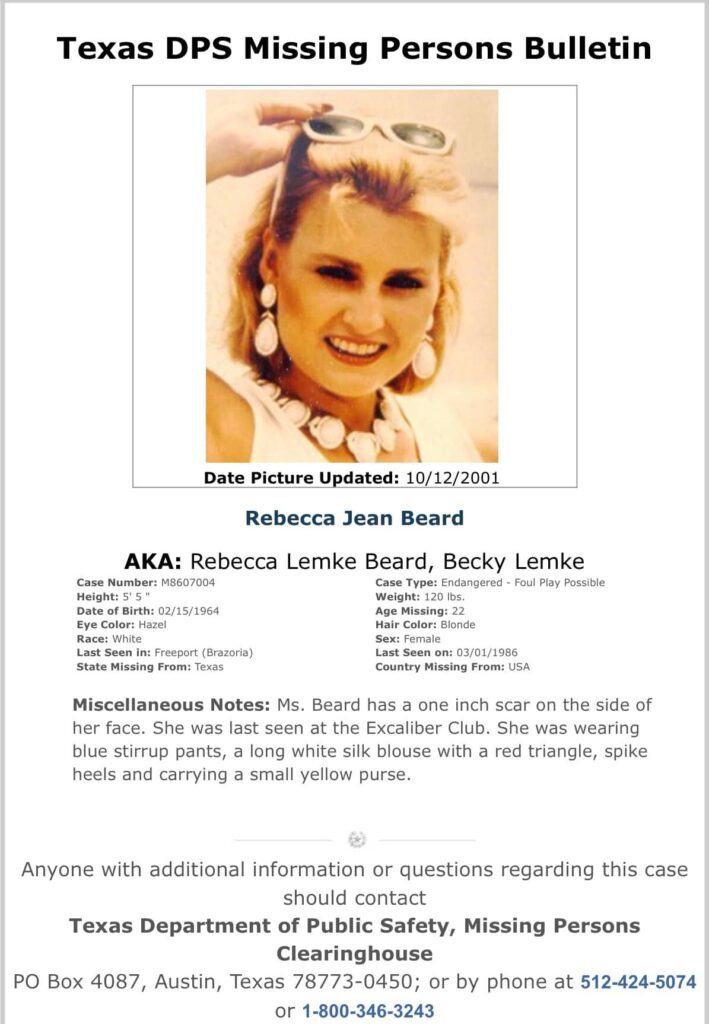
Texas Department of Public Safety missing person bulletin for Rebecca “Becky” Beard, who disappeared in 1986.
Maybe you were at the Excalibur Club.
Maybe you knew Becky, Paul Taylor Jr., Beaver Aplin or Rio.
Maybe you remember the Galveston weekend in February 1986.
Maybe you heard a conversation afterward.
Or perhaps you know something about a location connected to the case.
The family isn’t asking people to speculate. They are looking for firsthand information that can be independently checked.
If you know something, even if it seemed insignificant at the time, consider coming forward.
After nearly 40 years, Becky’s family isn’t looking for rumors.
They are looking for Becky.
Carol Mize shows areas she has searched while continuing to look for answers in the 1986 disappearance of her sister, Rebecca “Becky” Beard.
This article is part of my continuing independent investigation into the disappearance and death of Rebecca “Becky” Beard. Statements attributed to witnesses represent their accounts unless independently corroborated. The inclusion of any person’s name does not imply criminal conduct or involvement in Becky’s death.
Former Deputy Kent McGowen Responds to Susan White 911 Call, Allegations Before 1992 Shooting
By Investigative Reporter Tammy Rose
More than three decades after the fatal shooting of Susan White, former Harris County Sheriff’s Office Deputy Kent McGowen is publicly responding to allegations White made before the shooting, including claims she voiced during calls to 911.
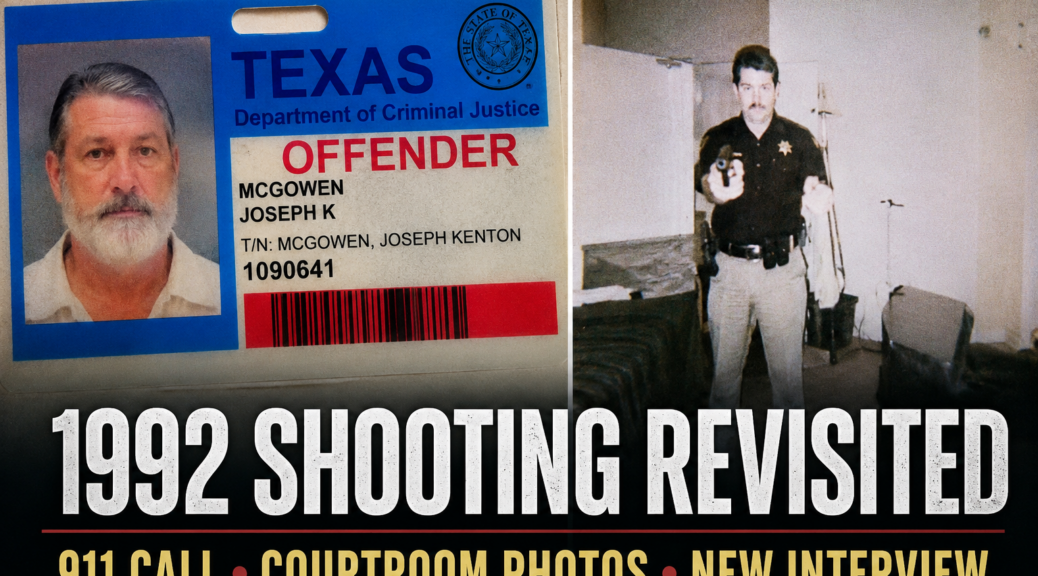
In an exclusive interview with Investigative Reporter Tammy Rose, McGowen discussed the August 25, 1992 shooting, disputed allegations that he sexually harassed White, addressed why she repeatedly mentioned his name and shared courtroom demonstration photographs that he says support his version of events.
The interview pairs portions of White’s 911 call with McGowen’s current account, allowing readers to compare both versions of events.
Viewer Note: This story contains discussion of a fatal officer-involved shooting and includes portions of a 911 call that some readers may find disturbing.
⸻
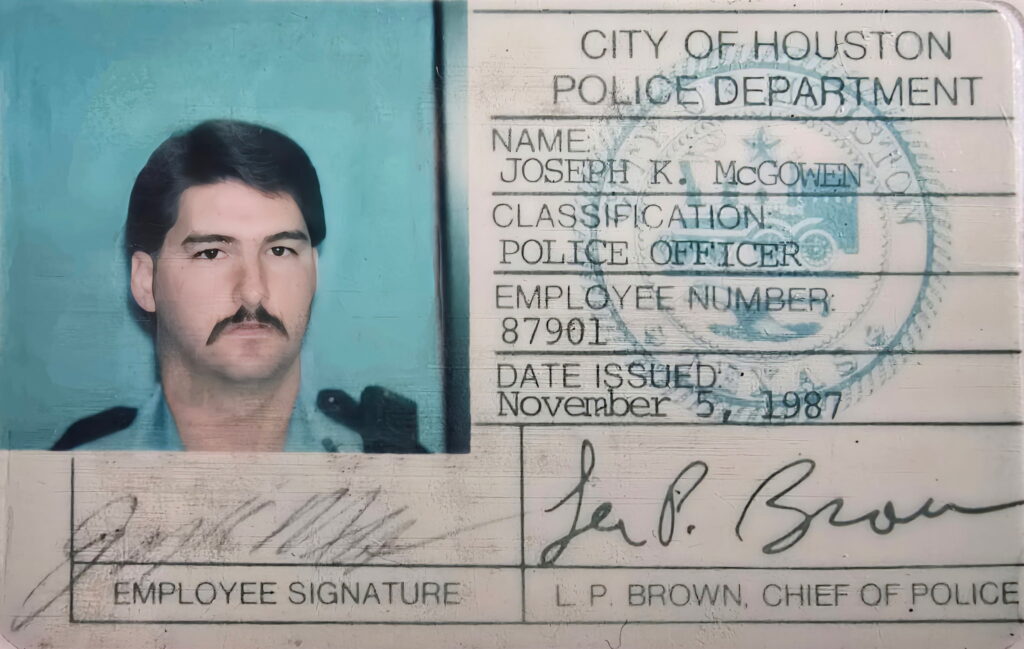
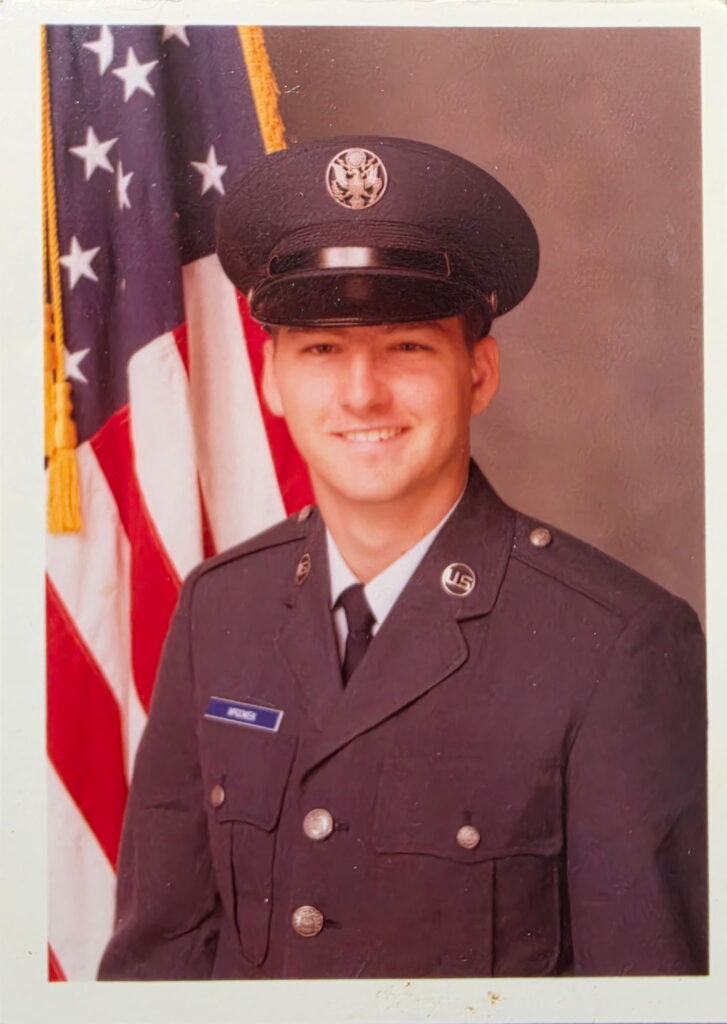
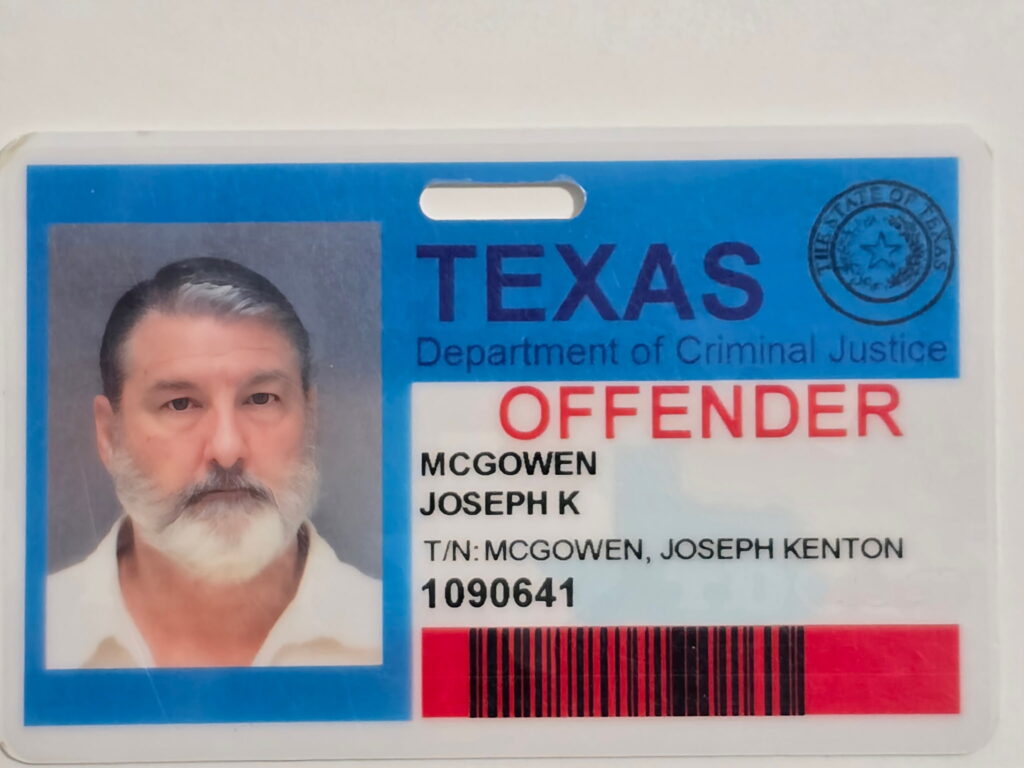
Before entering law enforcement, Kent McGowen served in the U.S. Air Force. He later worked as a Houston police officer and Harris County deputy before the Aug. 25, 1992, fatal shooting of Susan White that led to two criminal trials and his eventual conviction.
Background Before the Case
Before beginning his law enforcement career, Kent McGowen served in the United States Air Force.
After leaving the military, he joined the Houston Police Department before later serving with the Harris County Sheriff’s Office. During his career, he received commendations and officer recognition awards.
After serving in the U.S. Air Force, Kent McGowen joined the Houston Police Department before later serving with the Harris County Sheriff’s Office.
Before beginning his law enforcement career, Kent McGowen served in the United States Air Force.
After leaving the military, he joined the Houston Police Department before later serving with the Harris County Sheriff’s Office. During his career, he received commendations and officer recognition awards.
McGowen’s career changed forever on August 25, 1992, when deputies serving a felony warrant fatally shot Susan White at her home.
A jury convicted McGowen of murder in his first trial. An appellate court later overturned that conviction. A second jury convicted him in 2002. He ultimately served approximately 19 years in prison before his release in 2021.
Book About the Case
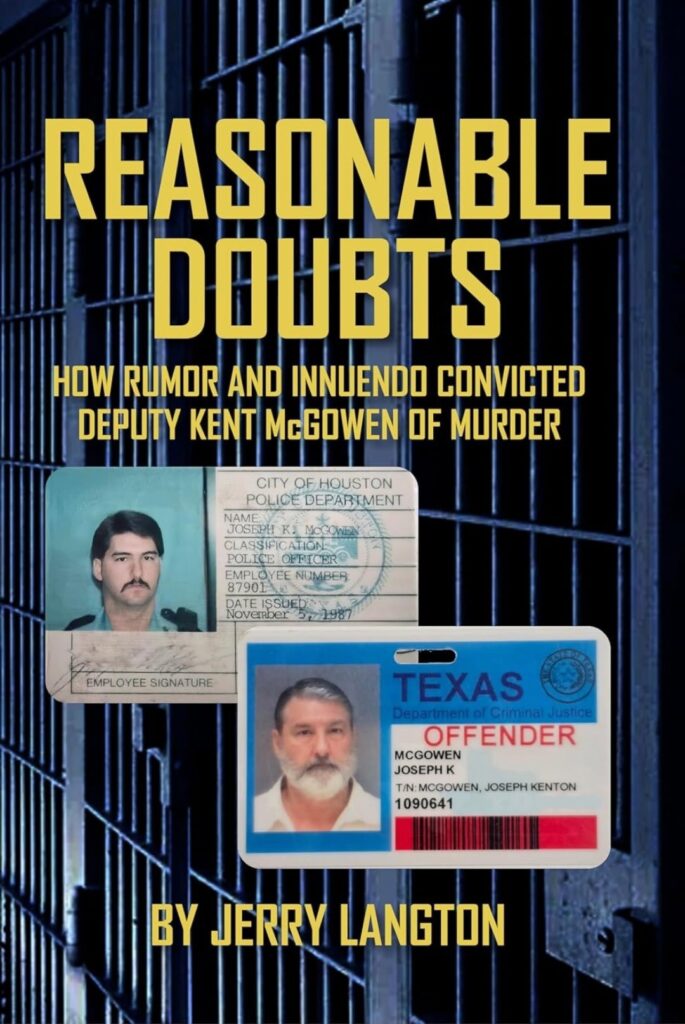
Journalist Jerry Langton later examined the case in Reasonable Doubts: How Rumor and Innuendo Convicted Deputy Kent McGowen of Murder. The book explores the investigation, the two trials and McGowen’s conviction.
In addition to the trial record, Kent McGowen has provided investigative records and expert reports that he says support his account of the shooting.
Among the records McGowen provided is a forensic review by consulting forensic scientist Dr. Edward E. Hueske.
Hueske prepared the review during McGowen’s legal proceedings.
McGowen also provided a statement he wrote at the request of Harris County Assistant District Attorney Baldwin Chin, then chief of the Harris County District Attorney’s Office Post Conviction Integrity Review Unit, during the office’s review of his case in 2011–2012.
According to McGowen, the statement summarizes the case and his account of events as they existed during the Harris County District Attorney’s Office Post Conviction Integrity Review in 2011-2012.
After two criminal trials stemming from the Aug. 25, 1992, fatal shooting of Susan White, Kent McGowen was ultimately convicted of murder. He served approximately 19 years in the Texas Department of Criminal Justice before his release in 2021.
⸻
Watch the Full Investigation
The television report below includes exclusive interview excerpts with Kent McGowen, courtroom demonstration photographs and additional background on the Susan White case.
⸻
Listen to Susan White’s 911 Call
The audio below captures one of Susan White’s calls to 911 before deputies entered her home.
During the recording, White repeatedly asks dispatchers for help and expresses fear as deputies remain outside the residence.
The call contains emotional language and may be disturbing to some listeners.
Susan White’s 911 Call Before Deputies Entered The Home
The video and audio above include one of Susan White’s 911 calls before deputies entered the home.
During the recording, White repeatedly asks dispatchers for help while describing people outside her home.
The recording contains emotional language that some listeners may find disturbing.
⸻
McGowen Strongly Disputes White’s Allegations
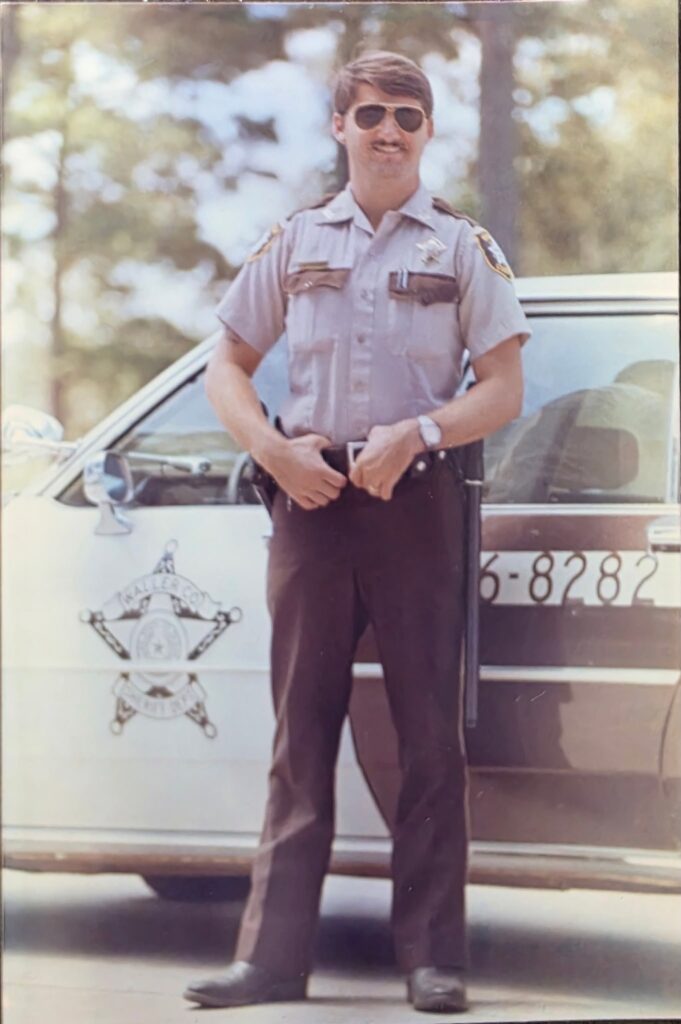
Kent McGowen while serving with the Waller County Sheriff’s Office at age 19, before joining the Houston Police Department pending completion of his background investigation.
During his interview with Investigative Reporter Tammy Rose, McGowen firmly denied White’s allegations.
According to McGowen, he never sexually harassed White, never stalked her and never had the repeated contacts she described.
“I had never pulled her over. I’d never spoken to her,” McGowen said during the interview.
McGowen believes White confused him with another deputy who previously worked in the area.
He told Tammy Rose that investigators later uncovered witness statements he believes support that explanation.
According to McGowen, White mistakenly identified him after seeing him during the arrest of her son and others connected to a burglary investigation.
⸻
Why Did White Know McGowen’s Name?
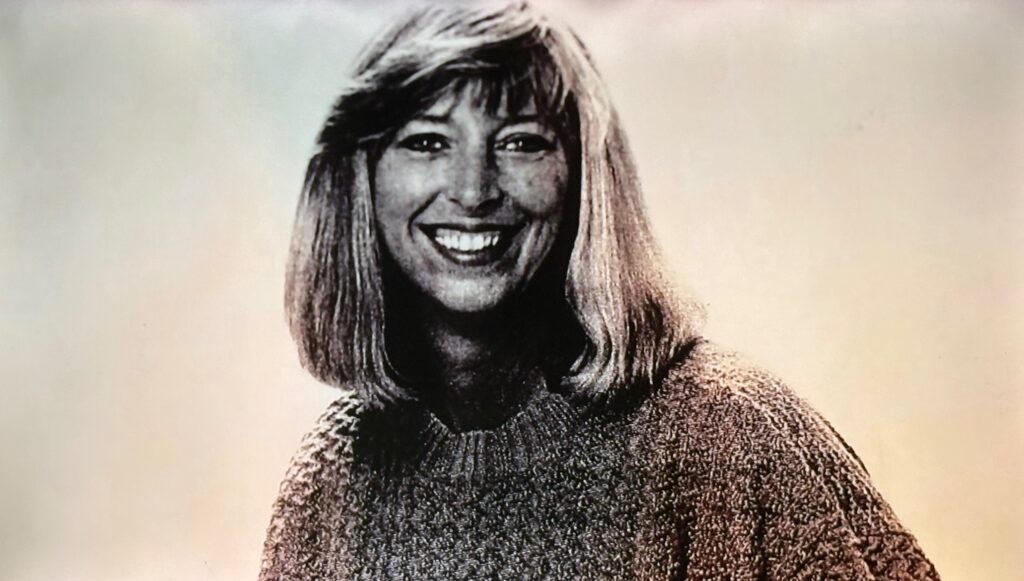
Susan White. Investigators and former Deputy Kent McGowen have offered differing explanations for why White repeatedly mentioned his name before the August 25, 1992, shooting.
One of the questions surrounding the case is why White repeatedly mentioned McGowen by name before the shooting.
McGowen offered his explanation during the interview.
He said White arrived at the scene after deputies arrested her son and began asking officers who “McGowen” was.
According to McGowen, several deputies pointed in different directions while trying to identify him, causing White to approach multiple officers before eventually speaking with him.
McGowen believes that encounter explains why she later knew his name.
He disputes claims that he had an ongoing personal conflict with White before the shooting.
⸻
McGowen Says White Mistook Him for Another Deputy
McGowen also challenged allegations that he repeatedly stopped or harassed White before the shooting.
Instead, he told Tammy Rose that another deputy had previous contact with White and believes she mistakenly associated him with those earlier encounters.
McGowen said he never received phone calls from White, never contacted her outside official duties and never had a personal relationship with her.
He also pointed to subpoenaed telephone records that he says failed to show communication between them.
Those statements reflect McGowen’s account. Investigative Reporter Tammy Rose continues reviewing court records, witness statements and other documents connected to the case.
⸻
McGowen’s Description of White’s Condition
McGowen also discussed White’s condition while deputies attempted to serve the warrant.
According to McGowen, White appeared to be slurring her speech as deputies tried to communicate with her through the front door.
He told Tammy Rose he believed White was impaired and described her behavior as confused and erratic.
McGowen said those observations influenced how he interpreted her actions that morning.
His statements represent his account of the encounter and should not be interpreted as independent findings of fact.
⸻
The Warrant That Led to the Shooting
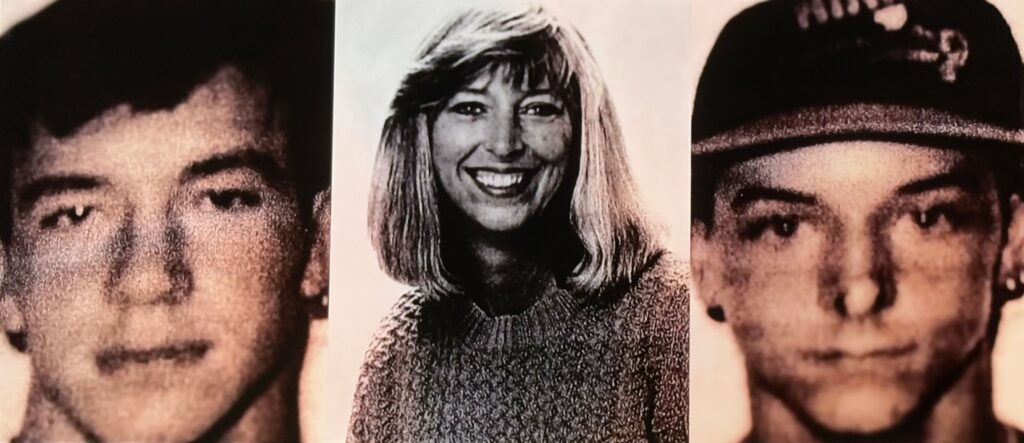
Left to right: Confidential informant Michael Shaffer, Susan White and Jason Aguillard, Susan White’s teenage son.
According to McGowen, deputies went to Susan White’s home to serve a felony retaliation warrant after investigators alleged she threatened a confidential informant connected to a burglary investigation.
McGowen said he first attempted to obtain the warrant during the overnight hours but claimed a judge was unavailable to sign it. He returned the following morning with the approved warrant and several deputies to serve it.
He told Investigative Reporter Tammy Rose that deputies knocked on the front door for several minutes, repeatedly identified themselves as members of the Harris County Sheriff’s Office and asked White to come outside.
According to McGowen, White refused to open the door.
McGowen said deputies eventually forced entry after obtaining permission from a supervisor.
⸻
McGowen Describes What Happened Inside
According to McGowen, deputies entered the home and began clearing rooms while searching for White.
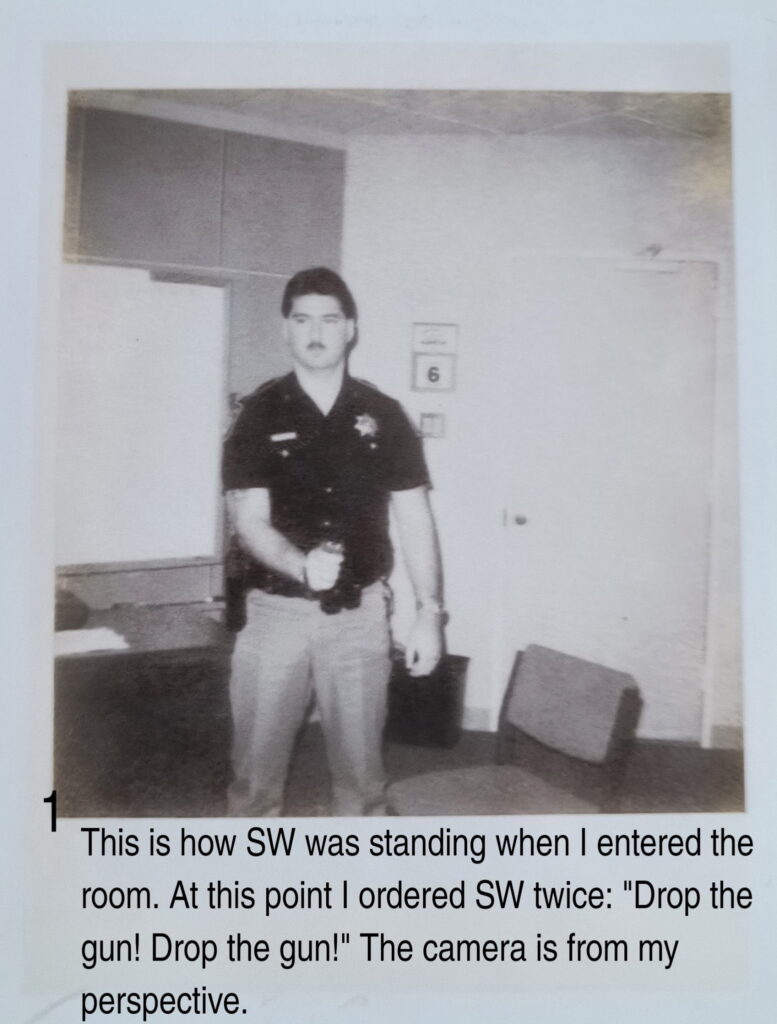
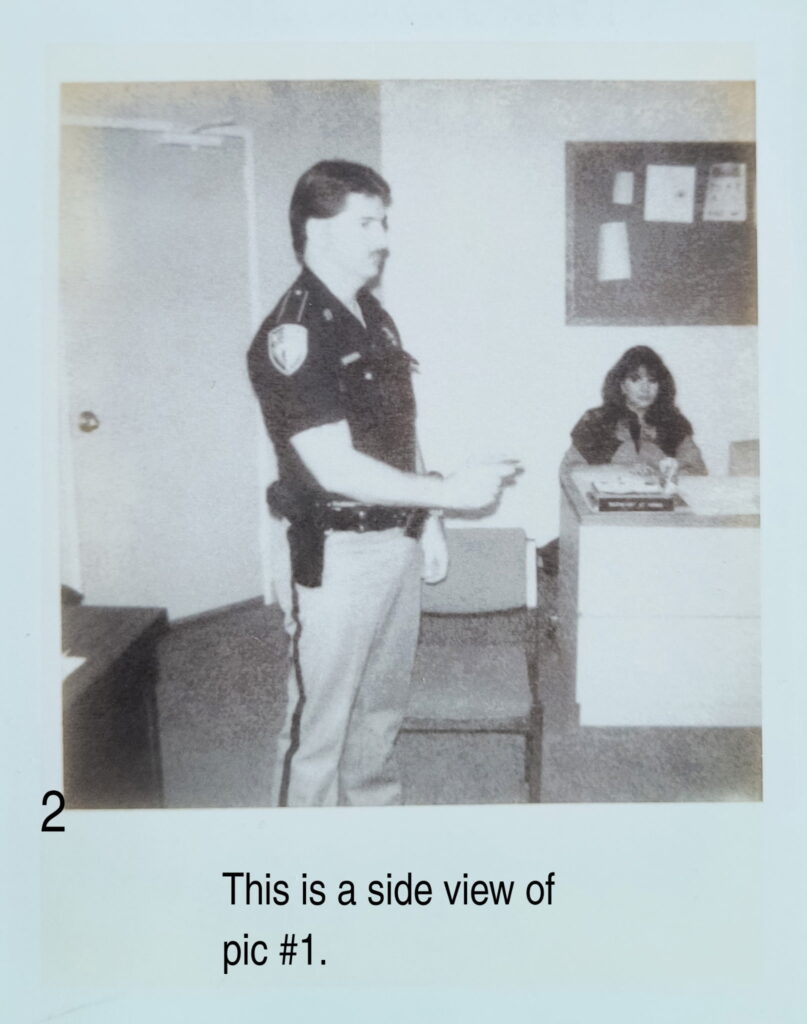
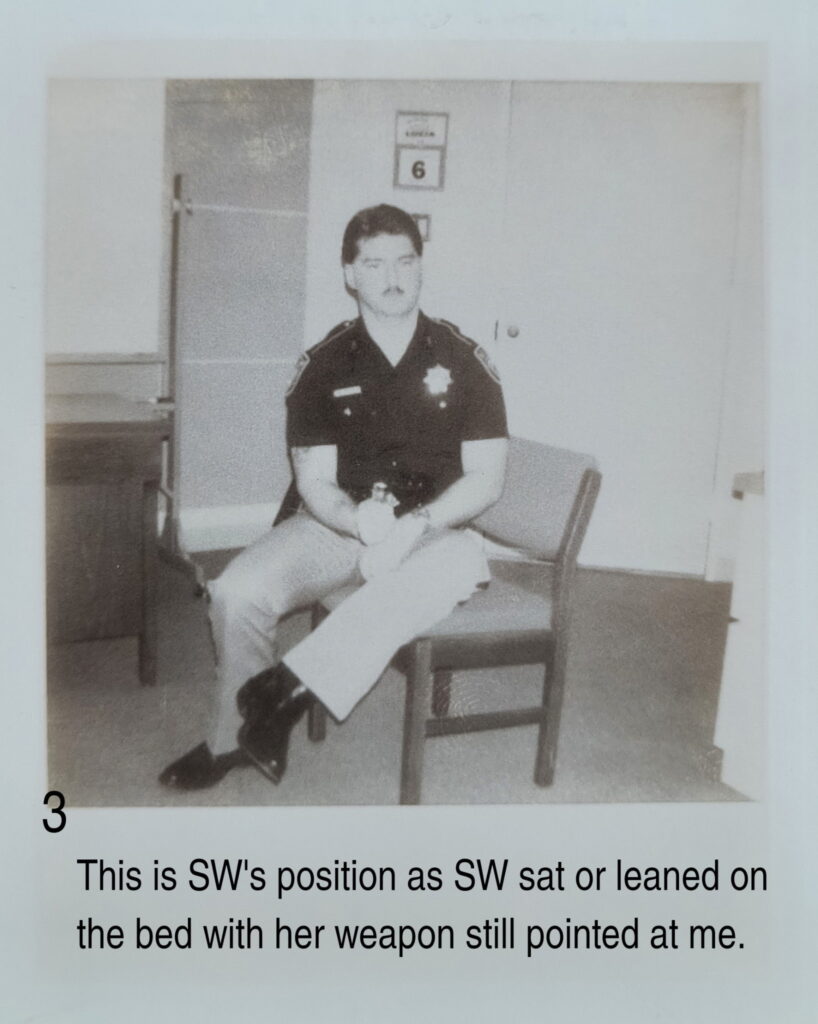
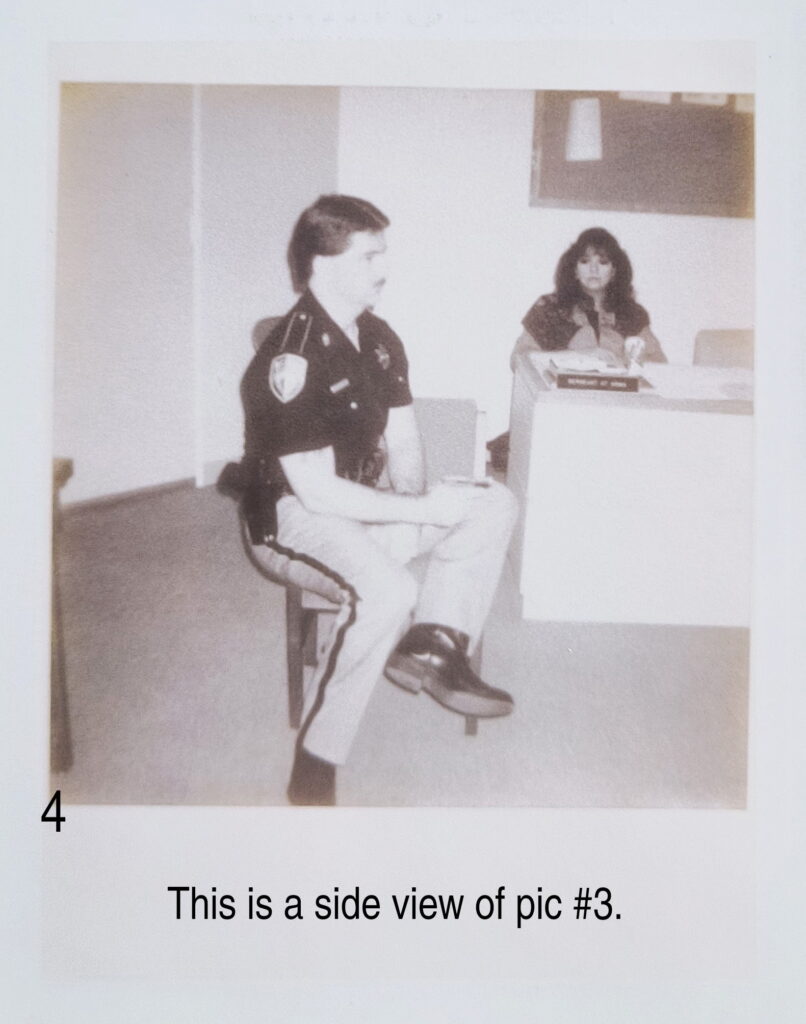
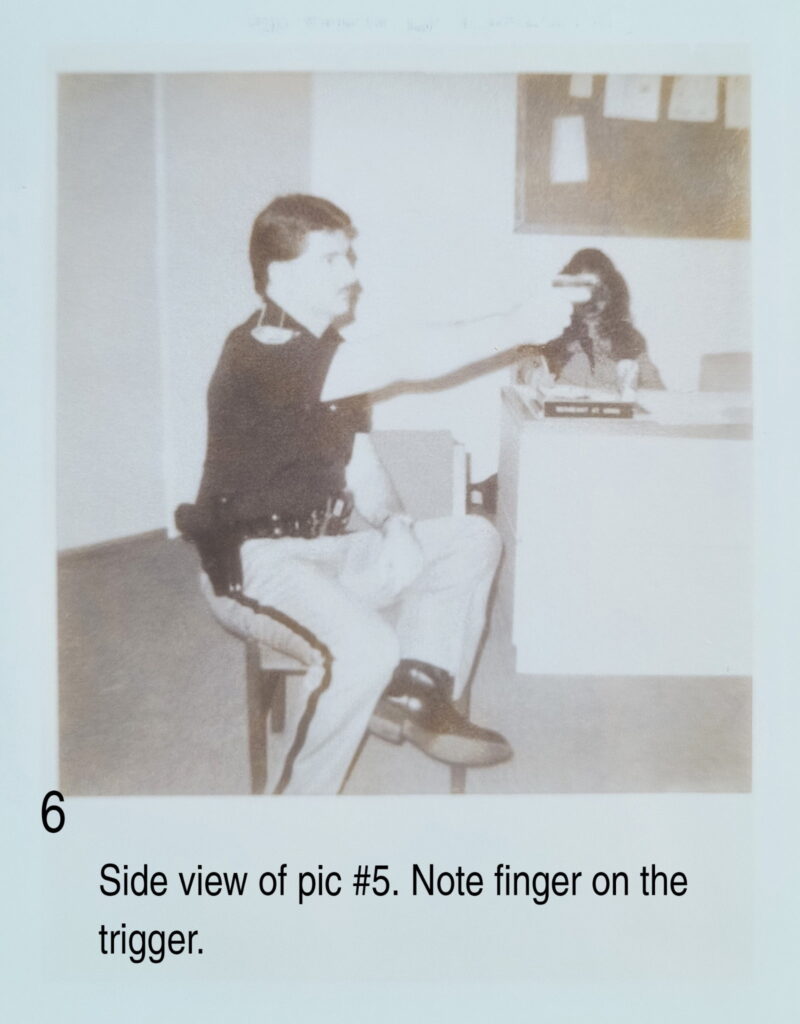
He told Tammy Rose he saw White move through the house toward a bedroom. He followed her and said she picked up a handgun after entering the room.
McGowen said he ordered White three times to drop the weapon.
He claims White raised the handgun toward him and began placing her finger on the trigger.
Believing his life and the lives of the other deputies were in danger, McGowen fired three shots.
He has consistently maintained that he acted in self-defense.
Prosecutors disputed that version of events during both criminal trials.
⸻
Courtroom Demonstration Photos
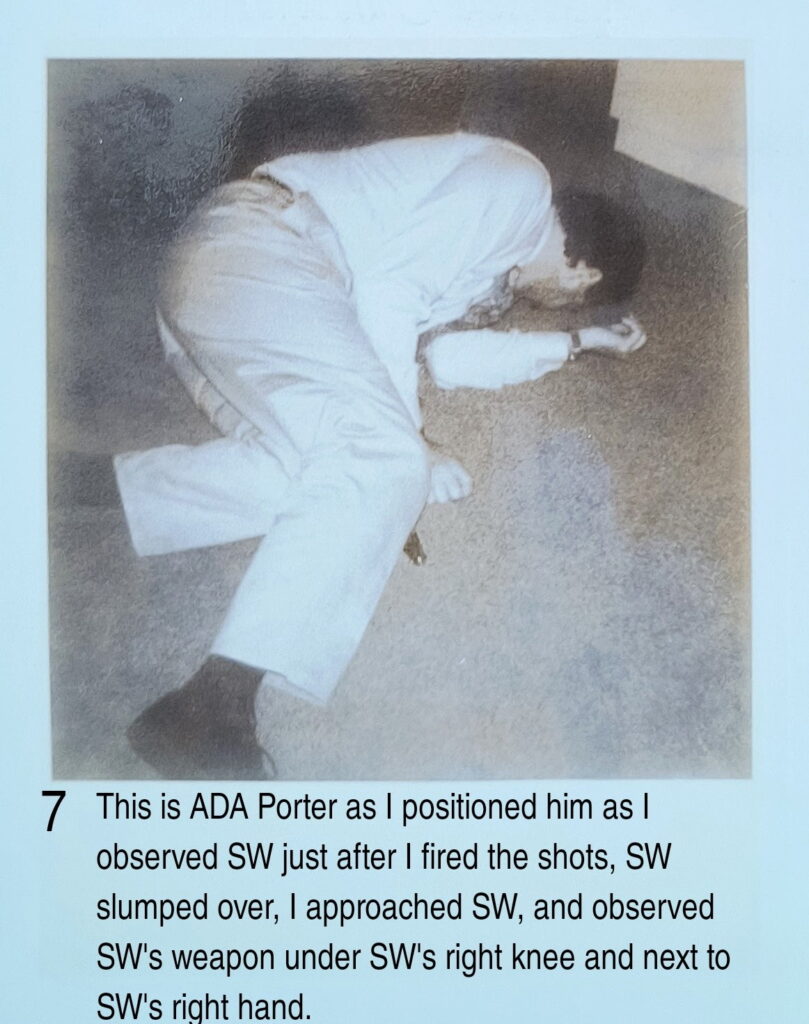
Former deputy Kent McGowen recently provided Investigative Reporter Tammy Rose with these courtroom demonstration photographs, which he says were used during legal proceedings to illustrate his version of the Aug. 25, 1992, fatal shooting of Susan White. The images reflect McGowen’s account and are presented for context alongside court records, the 911 call, and his interview.
McGowen recently provided Investigative Reporter Tammy Rose with courtroom demonstration photographs that he says were used during legal proceedings to explain his version of the shooting.
Several photographs include handwritten descriptions showing where McGowen says he was standing, where White was positioned and where he believes the handgun came to rest after the shooting.
Other images illustrate the angle from which he says he observed White inside the bedroom.
The photographs are not crime scene photographs. Instead, they are courtroom demonstrations created to illustrate McGowen’s account during litigation.
⸻
One Issue Continues to Draw Attention
One issue discussed during Tammy Rose’s interview involved which hand White used to hold the handgun.
McGowen maintains White pointed the weapon with her right hand before he fired.
During the interview, Tammy Rose asked McGowen about reports indicating White was left-handed.
McGowen stood by his account and said the position of the handgun after the shooting matched what he remembered seeing inside the bedroom.
That issue remains one of several points that have been debated for years.
⸻
McGowen Says Jurors Never Heard Everything
During the interview, McGowen repeatedly argued that jurors never heard all of the evidence he believes supports his account.
He pointed to witness statements, subpoenaed records and other documents that he says were unavailable or never fully presented during trial.
McGowen also criticized how the case was investigated and prosecuted.
Those claims have not been independently verified by Investigative Reporter Tammy Rose and remain part of McGowen’s account of the case.
⸻
Two Trials, Two Different Juries
The Susan White case was presented to two different juries.
McGowen’s first murder conviction was later overturned on appeal, resulting in a new trial.
Following that second trial, another jury convicted McGowen of murder in 2002.
He ultimately served approximately 19 years in prison before his release in 2021.
Since leaving prison, McGowen has continued speaking publicly about the shooting and maintains he acted lawfully while serving the warrant.
⸻
Why Revisit the Susan White Case Now?
More than 30 years after the shooting, Kent McGowen continues to challenge the conclusions reached during his criminal case.
Since his release from prison in 2021, he has participated in interviews, worked with author Jerry Langton on a book about his case and continues to review court records and investigative documents.
His recent interview with Investigative Reporter Tammy Rose offers readers an opportunity to hear his account in his own words while comparing those statements with court records, courtroom exhibits and the 911 call placed by Susan White.
As with any decades-old criminal case, many questions remain disputed.
Tammy Rose will continue reviewing court records, witness statements and other documents connected to the investigation as additional records become available.
⸻
Editor’s Note: This article includes court records, historical documents, portions of Susan White’s 911 call, and an interview with Joseph Kent McGowen. McGowen disputes allegations made against him before the shooting. The interview is presented so readers can review his response in full.
This interview is part of an ongoing investigative series examining Kent McGowen’s criminal case and new claims he has made since his release from prison.
Readers can also follow Tammy Rose’s continuing investigation into McGowen’s allegations involving convicted serial killer Roy Alan Stuart.