Tag Archives: Rhonda Johnson

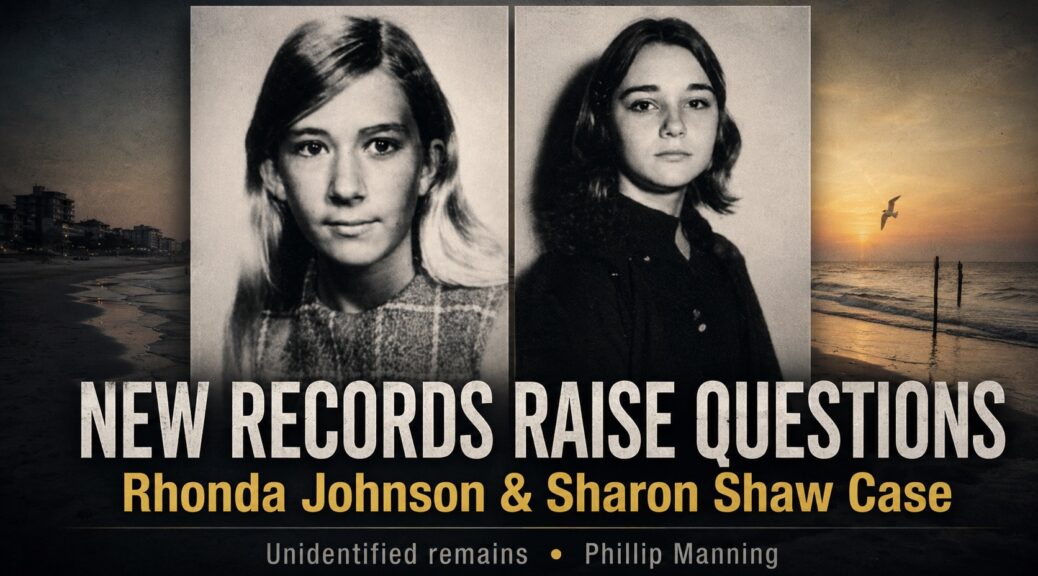
New Records Raise Questions in Rhonda Johnson and Sharon Shaw Case

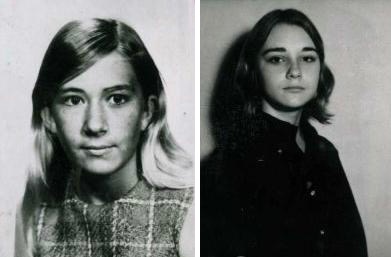
Rhonda Johnson and Sharon Shaw, two teenagers who disappeared after traveling to Galveston on August 4, 1971
Rhonda Renee Johnson, left, and Sharon Lynn Shaw disappeared after leaving Webster for a trip to Galveston on August 4, 1971. Public-domain image via Wikimedia Commons.

New Records Raise Questions About Unidentified Remains in Rhonda Johnson and Sharon Shaw Investigation

By Investigative Reporter Tammy Rose

More than five decades after the murders of Rhonda Johnson and Sharon Shaw, newly reviewed records are raising questions about additional human remains found in the area. The records also raise the possibility that investigators once considered whether another person played a role in the case.

Rhonda Johnson, 14, and Sharon Shaw, 13, disappeared from Galveston County in August 1971. Authorities later recovered their skeletal remains in and around Clear Lake along Galveston Bay.

The investigation continued for decades as detectives worked to identify remains, examine evidence and determine whether the discoveries connected to the two girls.

The records do not prove that another victim or another killer was connected to the murders. However, they show how much uncertainty investigators faced during the early stages of the case.

Remains of Sharon Shaw and Rhonda Johnson Identified

On January 3, 1972, two boys fishing in Clear Lake discovered a human skull floating in the water.

Authorities later identified the skull through dental records as belonging to Sharon Shaw. Investigators also reportedly found a crucifix around the jawbone that Sharon’s mother identified as her daughter’s.

About six weeks later, searchers recovered additional skeletal remains in a marsh near Clear Lake. Authorities identified one set of those remains as belonging to Rhonda Johnson.

The discoveries confirmed that both girls had died, but investigators could not determine their exact causes of death from the remains.

The identification resolved the girls’ missing-person cases, but other remains recovered during that period created additional questions.

Michael Lloyd Self Was Convicted

Investigators eventually focused on Michael Lloyd Self, who worked as a gas station attendant in the Webster/Clear Lake area. Authorities charged Self in connection with the murders of Rhonda Johnson and Sharon Shaw

A jury convicted Self of murdering Sharon Shaw and sentenced him to life in prison. The court record confirms that his conviction involved Sharon’s murder; he was not convicted of Rhonda Johnson’s murder. 

Self later said police had threatened and physically abused him until he confessed. Questions about whether investigators obtained a false or coerced confession followed the case for decades. A federal judge once recommended relief based on the confession issue, although a later appeals court decision allowed the conviction to stand. 

Edward Harold Bell Became an Alternate Suspect
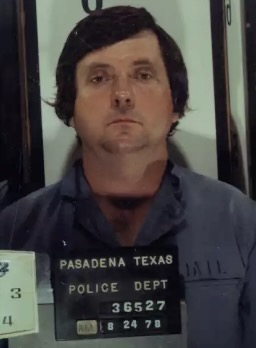
Michael Lloyd Self in a Pasadena Police Department mugshot.
Michael Lloyd Self was convicted in Sharon Shaw’s murder, though questions later emerged about his confession and whether he was responsible.

In 1998, convicted killer Edward Harold Bell claimed responsibility for the murders of several young women and girls in the Galveston-area region. His statements included two girls from Webster who disappeared in August 1971, which investigators associated with Rhonda Johnson and Sharon Shaw.

Bell became an alternate suspect in their murders, but authorities never charged him in the case. Investigators reportedly lacked physical or biological evidence that conclusively connected Bell to the girls’ deaths. 

Bell’s claims increased doubts about Self’s conviction, but they did not officially resolve who killed Rhonda and Sharon.

Questions Surrounding Other Remains

Records reviewed by Investigative Reporter Tammy Rose indicate authorities recovered an unidentified torso in September 1971.

Investigators reportedly found clothing or personal items with or near the remains that they believed belonged to Phillip Manning. Those items initially led authorities to consider whether the torso might be Manning’s.

Authorities later located Manning alive in Louisiana. That confirmed the torso was not his.

The discovery still raised questions about the unidentified victim’s identity and whether another victim—or possibly another killer—may have been connected to the investigation. However, the records reviewed so far do not establish that the torso was connected to the murders of Rhonda Johnson or Sharon Shaw.

Records Detail Manning’s Background

The records also include criminal-history and case information connected to Phillip Manning. That material may help explain why investigators examined his possible connection to the case.

However, the records do not establish that Manning killed Rhonda Johnson, Sharon Shaw or anyone else. The information surrounding him remained circumstantial, and the records reviewed so far do not show that authorities filed a case against him in connection with the girls’ murders.

Investigators Faced Difficult Conditions
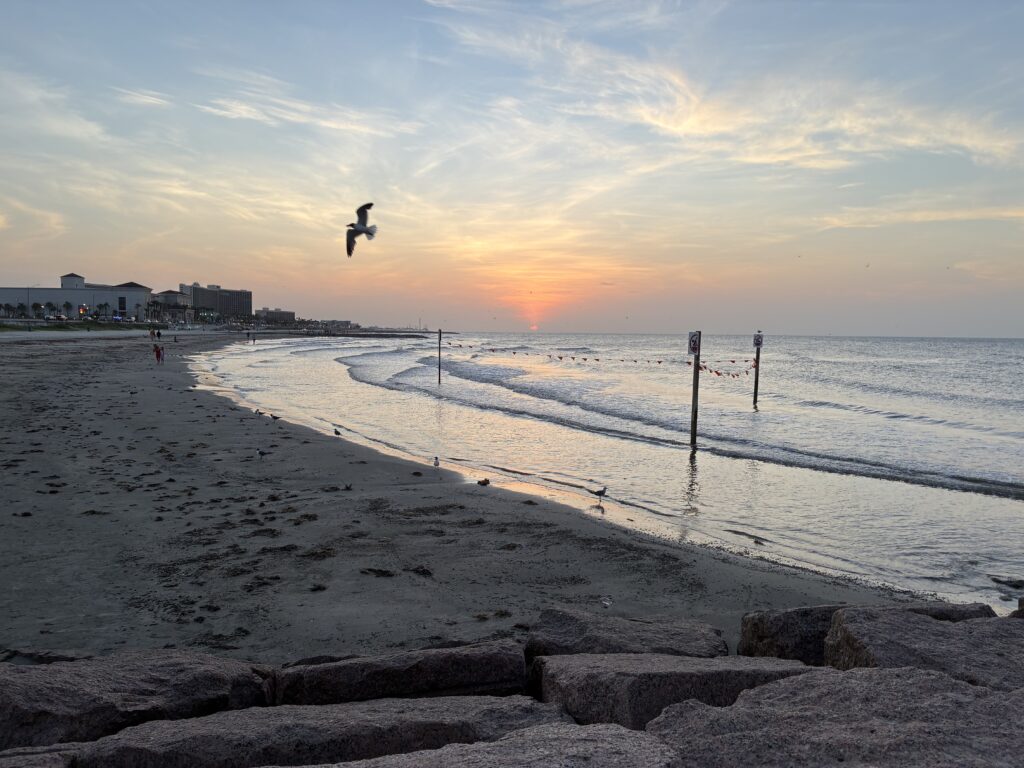
Galveston’s shoreline at sunset. Severe weather and shifting Gulf waters may have complicated recovery efforts and the early investigation in 1971.
Galveston shoreline and Gulf waters at sunset

The discoveries occurred during a period when severe weather affected portions of the Texas Gulf Coast.

Tropical storms Edith and Fern moved through the region in September 1971, potentially complicating searches, recovery efforts and investigators’ ability to determine where remains had originally entered the water.

Water movement, weather conditions and the passage of time may have made it more difficult to connect separate remains to specific locations or victims.

Investigators in 1971 also did not have access to the DNA testing and modern forensic databases available today.

Identifications often depended heavily on dental comparisons, physical characteristics and other available medical evidence.

Was Another Killer Suspected?

The records raise an important question: Did investigators believe the additional remains pointed to another victim—or possibly another offender operating in the area?

The documents reviewed so far do not provide a definitive answer.

They instead show that authorities were dealing with several discoveries, uncertain identifications and incomplete information during the earliest stages of the investigation.

Any suggestion that another killer was involved should be treated as a theory unless additional police reports, forensic findings or official statements support it.

Questions That Still Need Answers

Several important questions remain:

Who exactly was Phillip Manning?

Why did investigators connect his name to the torso?

Was the torso ever conclusively identified?

Did Manning have any documented connection to Rhonda Johnson or Sharon Shaw?

What did investigators believe before the girls’ remains were fully identified?

Are additional reports or forensic records still available?

Those questions may be important in understanding not only what investigators knew, but also how the case evolved during its earliest months.

Investigation Continues to Draw Interest
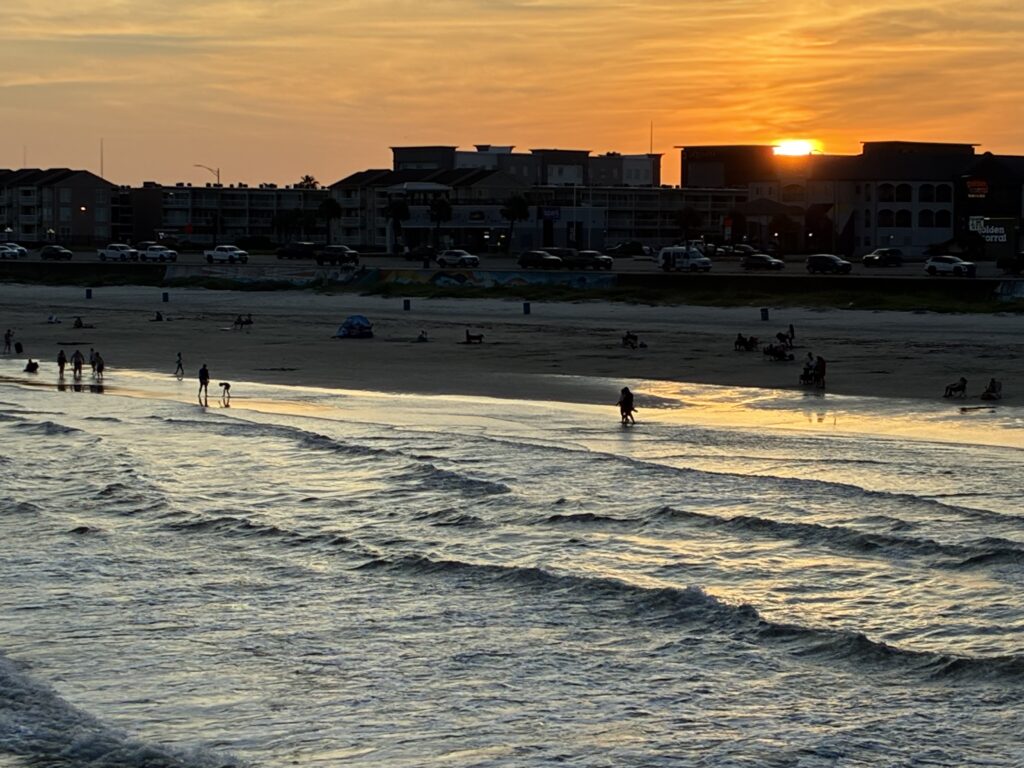
Galveston beach where Rhonda Johnson and Sharon Shaw traveled before disappearing in August 1971
Rhonda Johnson and Sharon Shaw traveled from Webster to Galveston on August 4, 1971, before they disappeared.

The murders of Rhonda Johnson and Sharon Shaw remain among the most discussed cases connected to the Texas Gulf Coast.

Decades later, old reports, forensic findings and previously overlooked names continue to generate new questions.

The records do not yet prove that another killer was involved. But they show that the investigation may have been more complex than the public understood—and that parts of the story may still be missing.

Investigative Reporter Tammy Rose will continue reviewing available records and seeking documentation that could clarify the identity of the additional remains and Phillip Manning’s possible connection to the investigation.

Related Products

Waterproof Document Organizer

When reviewing decades-old police reports, newspaper clippings and case files, a waterproof document organizer can help protect important records from spills, moisture and damage.

Disclosure: As an Amazon Associate, I may earn from qualifying purchases at no additional cost to you.

Portable Document Scanner

A portable scanner can make it easier to digitize old reports, photographs and handwritten notes while researching historical cases.

Planning a Trip to Galveston?

Visitors researching Galveston County history or spending time along the Texas Gulf Coast can compare hotels and available accommodations through Hotels.com.

Disclosure: I may earn a commission from eligible bookings at no additional cost to you.

Related Coverage

Rhonda Johnson and Sharon Shaw: 55 Years Later

A closer look at the disappearance and murders of Rhonda Johnson and Sharon Shaw, the recovery of their remains and the questions that continue decades later.

Texas Killing Fields: James Elmore Jr. Trial Approaches

James Elmore Jr. is scheduled to face trial as investigators continue examining cases connected to the Texas Killing Fields.
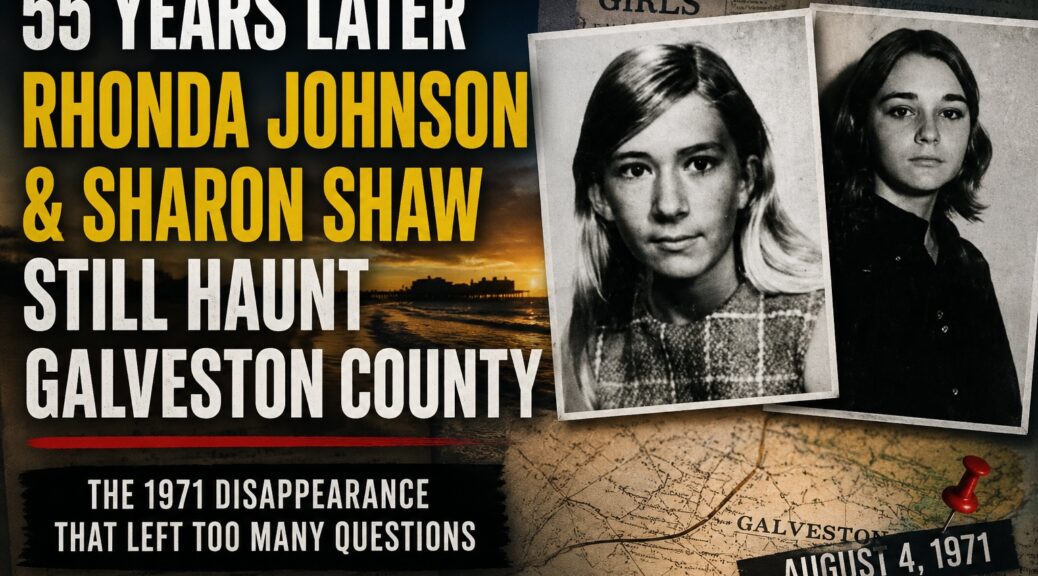
55 Years Later: The Disappearance of Rhonda Johnson and Sharon Shaw Still Haunts Galveston County

Rhonda Johnson and Sharon Shaw, the two teenagers who disappeared after traveling to Galveston on August 4, 1971
Rhonda Renee Johnson, left, and Sharon Lynn Shaw disappeared after traveling from Webster to Galveston on August 4, 1971.

By Investigative Reporter Tammy Rose

Two teenage friends left Webster for a summer day in Galveston on August 4, 1971. They never returned home.

Nearly 55 years later, the deaths of Rhonda Renee Johnson and Sharon Lynn Shaw remain surrounded by painful questions, a controversial confession and competing claims about who was responsible.

Rhonda was 14 years old. Sharon was 13 and just days away from her 14th birthday.

Their case became one of the earliest and most troubling mysteries associated with a series of young women and girls who disappeared across the Houston-Galveston region during the 1970s.

A Summer Trip to Galveston

Galveston beach where Rhonda Johnson and Sharon Shaw traveled before disappearing in August 1971
Rhonda Johnson and Sharon Shaw traveled from Webster to Galveston on August 4, 1971, before they disappeared.

According to federal court records, Sharon and Rhonda were last seen on August 4, 1971, after leaving Webster for a day trip to Galveston, about 25 miles away.

The two friends reportedly spent time near the beach and Galveston Seawall. However, they did not make it home that evening.

Their disappearance launched a search that continued for months.

Their Remains Were Found Months Later

On January 3, 1972, human remains were discovered in the Clear Lake area.

Additional remains were found several weeks later. Authorities identified the victims as Sharon Shaw and Rhonda Johnson.

The medical examiner could not determine the cause of their deaths because there was no identifiable damage to the bones or skulls, according to the federal appellate record.

The discovery confirmed the families’ worst fears. However, determining who killed the girls would become far more complicated.

Michael Lloyd Self Was Convicted

Galveston beach connected to the Rhonda Johnson and Sharon Shaw case involving Michael Lloyd Self.
Michael Lloyd Self was convicted in Sharon Shaw’s death after the teenagers disappeared following a trip to Galveston in August 1971. This Galveston beach image is illustrative.

Investigators eventually focused on Michael Lloyd Self, a Galveston-area gas station attendant.

Self signed a confession after being questioned by police. He later withdrew it and claimed officers had threatened and physically abused him until he confessed.

Self was prosecuted for Sharon Shaw’s murder and received a life sentence. His conviction was upheld by the Texas Court of Criminal Appeals.

Questions about the confession followed the case for decades.

In 1991, a federal district court granted Self’s request for habeas relief after finding that his confession had been obtained in violation of his constitutional rights. However, the Fifth Circuit Court of Appeals later reversed that decision and allowed the conviction to stand.

Self maintained his innocence and died in prison in 2000.

A Second Man Claimed Responsibility

Edward Harold Bell in a 1978 Pasadena Police Department booking photograph
Edward Harold Bell in a 1978 Pasadena Police Department mugshot. Bell later claimed responsibility for several killings in Southeast Texas, but he was never charged in the deaths of Rhonda Johnson or Sharon Shaw. Image credited to the Pasadena Police Department; source copy via Wikipedia/Houston Chronicle.

Years later, convicted murderer Edward Harold Bell claimed he had killed several girls across Southeast Texas during the 1970s.

Bell referred to the victims as the “Eleven that went to Heaven.” His claims reportedly included two girls from Webster who disappeared after visiting Galveston in 1971.

Those details were believed to refer to Sharon and Rhonda.

Investigators familiar with Bell’s statements said portions of his accounts appeared to match information from several cases. However, Bell was never charged with killing Sharon or Rhonda.

Bell was serving a prison sentence for the 1978 murder of Larry Dickens when he died in 2019.

Families Were Left Without Definitive Answers

The conviction of Michael Self remained legally intact. Still, some investigators and members of the victims’ families came to believe Bell may have been responsible.

That leaves a difficult conflict at the center of the case.

One man was convicted based largely on a confession he said was forced. Another man later claimed responsibility but was never prosecuted in connection with the girls’ deaths.

No DNA evidence or weapon publicly connected Bell to the murders. His death ended any possibility that he-would face a trial or further questioning in court.

Remembering Rhonda and Sharon

Rhonda Johnson and Sharon Shaw, two teenagers who disappeared after traveling to Galveston on August 4, 1971
Rhonda Renee Johnson, left, and Sharon Lynn Shaw disappeared after leaving Webster for a trip to Galveston on August 4, 1971. Public-domain image via Wikimedia Commons.

The competing accusations can easily overshadow the two young victims.

Rhonda and Sharon were teenage friends enjoying the final weeks of summer. Their families expected them to return home after a day at the beach.

Instead, August 4 became an anniversary marked by loss and unanswered questions.

As the 55th anniversary approaches, the most important part of this story remains the lives that were taken.

Rhonda Renee Johnson and Sharon Lynn Shaw should be remembered by their names—not simply as entries on a list of Texas cold cases.

Their families deserved clear answers then. They still deserve them today.

Related Texas Killing Fields Coverage

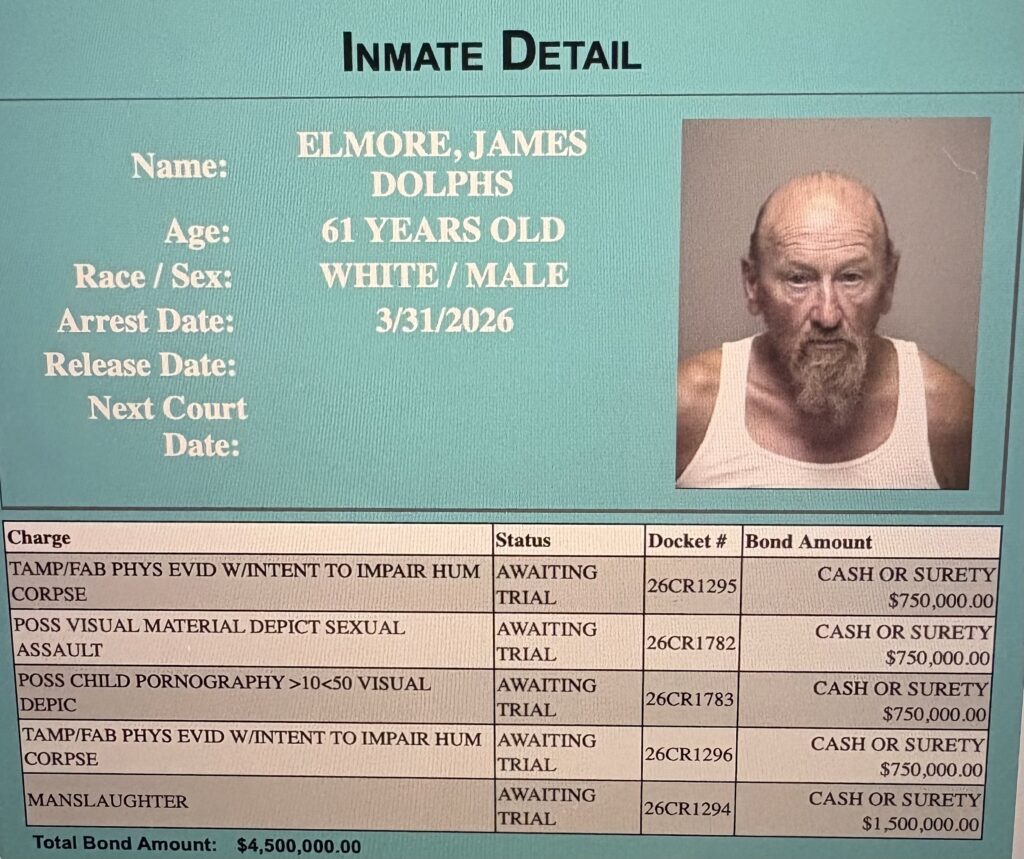
Booking photo of James Elmore Jr. displayed on an inmate detail card related to his criminal case.
James Elmore Jr. booking photo. His trial is currently scheduled to begin Aug. 31, 2026, in Galveston County.

The questions surrounding Sharon and Rhonda are part of a much larger history of disappearances and deaths along the Interstate 45 corridor between Houston and Galveston.

The upcoming trial of James Elmore Jr. is also expected to renew attention on the Calder Road area known as the Texas Killing Fields.

Elmore is charged in connection with the death of Laura Miller and allegations involving the movement of human remains. His jury trial is currently scheduled to begin August 31 in Galveston County’s 122nd District Court.

Read more: James Elmore Jr. Trial Scheduled in Texas Killing Fields Case

This story is based on available court records and previously published reporting. Some allegations were never proven in court. Edward Harold Bell was never charged with the deaths of Rhonda Johnson or Sharon Shaw.

Planning a Galveston Visit?

Many people visit Galveston to explore its history, beaches and landmarks. Travelers looking for a place to stay can compare Galveston hotels, prices and availability through Hotels.com before planning their trip.

I may earn a commission if you book through Hotels.com, at no additional cost to you.

Recommended True-Crime Reading

Readers interested in researching historic cases may find a Texas road atlas helpful for understanding the distance between Webster, Galveston, Clear Lake and other locations connected to the investigation.

A portable document organizer can also help keep court records, timelines, printed articles and handwritten notes arranged while researching a complicated cold case.

As an Amazon Associate, I may earn from qualifying purchases at no additional cost to you.

Related Coverage

The approaching 55th anniversary comes as another Galveston County case is preparing to return to court. Read more about the upcoming James Elmore Jr. trial and the Calder Road investigation.

You can also read my examination of prison confessions compared with public records in the Roy Alan Stuart investigation, another case involving decades of questions and disputed claims.

Texas Killing Fields: Exclusive Interviews Reveal New Claims About Clyde Hedrick, James Elmore Jr.

These Texas Killing Fields exclusive interviews reveal details never shared publicly before, including accounts from family members and neighbors who lived just steps away from the suspects. Their testimonies shed new light on the investigation and the evidence authorities have collected over the years.

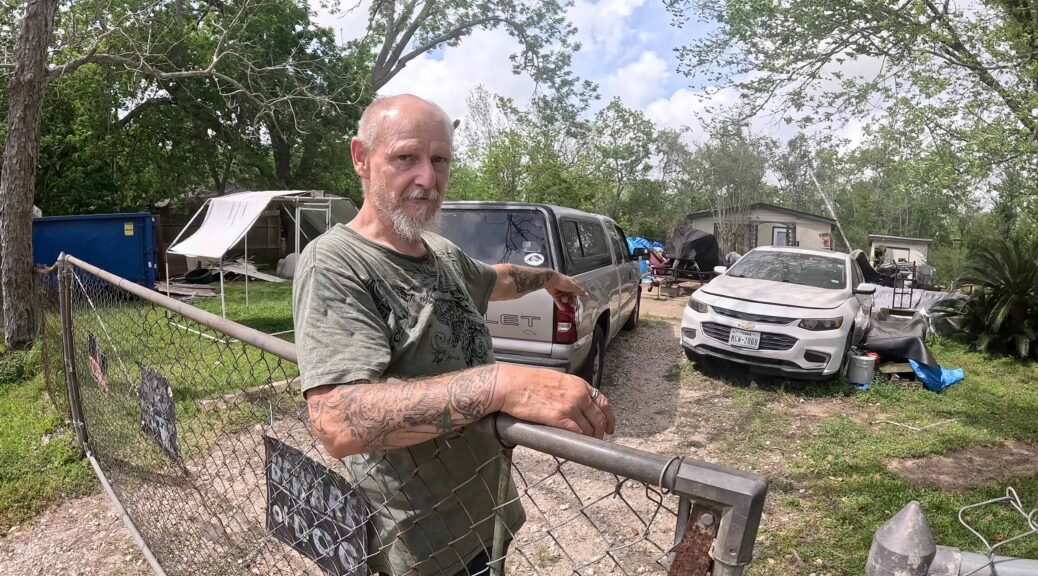
Raymond Elmore, cousin of James Elmore Jr., standing behind a chain-link fence in Hitchcock, Texas, discussing the Texas Killing Fields case.
Raymond Elmore, cousin of James Elmore Jr., speaks exclusively about his family’s involvement in the Texas Killing Fields investigation while standing behind a chain-link fence.

EXCLUSIVE TONIGHT —

New insight into the Texas Killing Fields investigation… as people who lived just steps away from Clyde Hedrick and James Elmore Jr. are now speaking out.

One of them — Elmore’s own cousin — defending him… while former neighbors describe what they saw and what still haunts them.

I’m reporter Tammy Rose, and I’m breaking down the latest developments in the Texas Killing Fields investigation.

Full story on the Calder Road Texas Killing Fields.

Texas Killing Fields: The True Story of the Missing Women