By Investigative Reporter Tammy Rose

Brazoria County seeks to withhold Rebecca Beard records
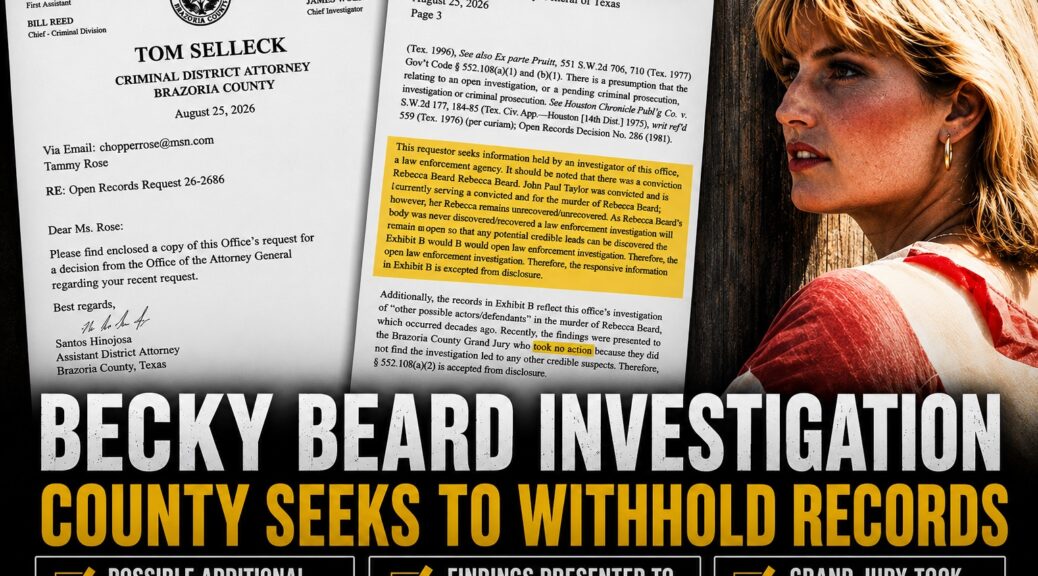
Brazoria County prosecutors are asking the Texas Attorney General for permission to withhold records connected to the renewed investigation into the 1986 disappearance and murder of Rebecca “Becky” Beard.
The August 25 filing also reveals new details about the investigation.
Prosecutors confirmed investigators examined information involving possible additional suspects in Beard’s murder. They also confirmed investigators recently presented their findings to a Brazoria County grand jury.
The grand jury took no action.
Records request targeted 2026 investigation
I submitted a Texas Public Information Act request on August 10 seeking records related to the 2026 investigation.
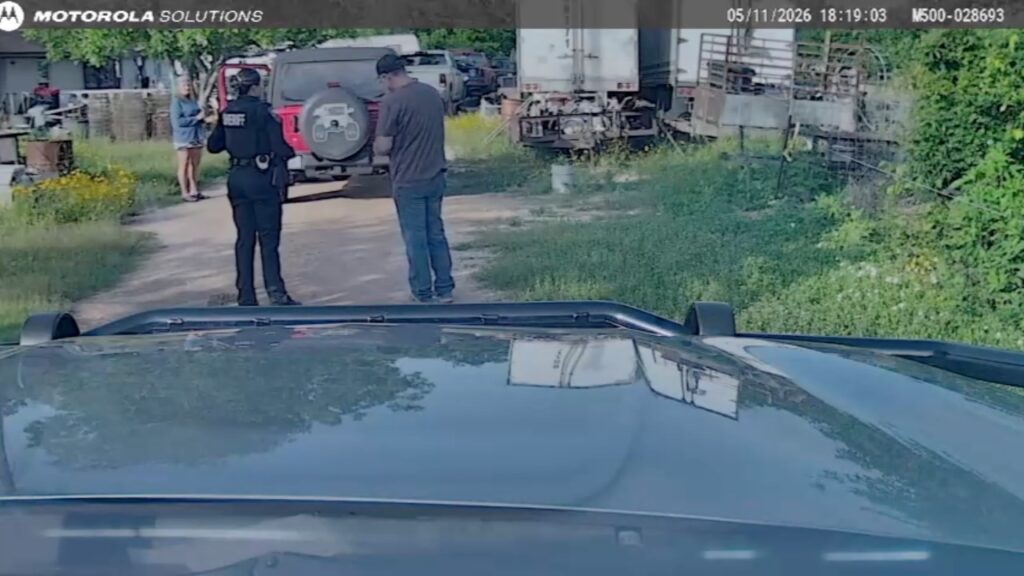
The request focused on information provided by Cherie Starr, also known as “Rio.”
I requested interviews, statements, reports, recordings, photographs, maps and investigative notes connected to Starr’s information.
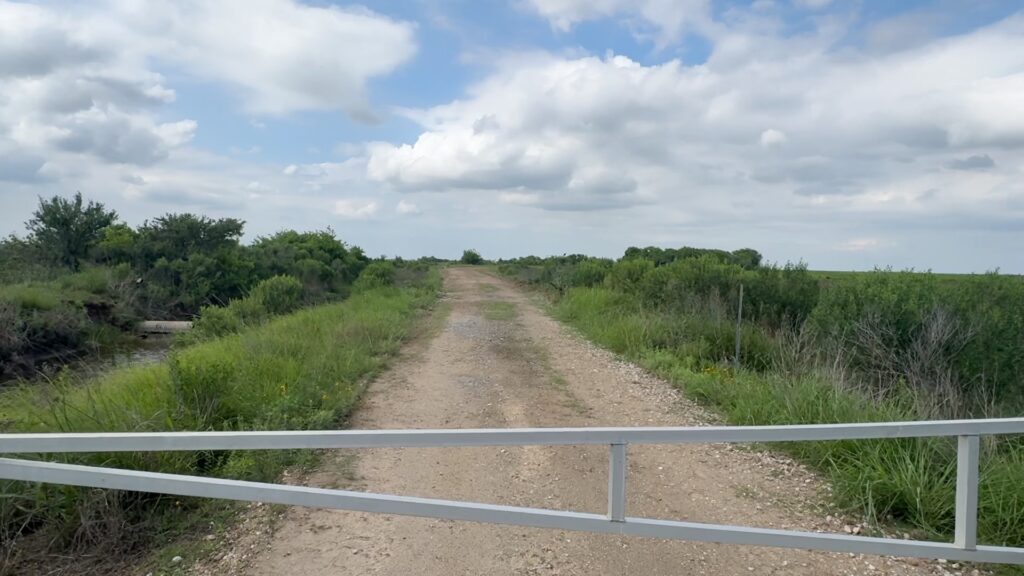
I also sought records concerning any location Starr identified as a possible site for Beard’s remains or other evidence.
The request included records involving a possible search, excavation or dig.
I also requested communications between the Brazoria County District Attorney’s Office, Brazoria County Sheriff’s Office, Texas Rangers and other law enforcement agencies.
Importantly, the request did not seek secret grand jury testimony, deliberations, voting records or juror identities.
Brazoria County confirms responsive records exist
The District Attorney’s Office confirmed it holds records that respond to the request.
However, prosecutors want to withhold those records in their entirety.
In its August 25 letter to the Texas Attorney General, the DA’s Office cited the law-enforcement exception under Section 552.108 of the Texas Government Code.
Prosecutors argue that Beard’s murder investigation remains open because her body has never been recovered.
They contend releasing the requested records could interfere with that continuing investigation.
Filing reveals investigation of possible additional suspects
The filing provides an important glimpse into what happened during the renewed investigation.
Prosecutors wrote that their office had recently investigated “other possible actors/defendants” in Beard’s murder.
According to the filing, investigators presented those findings to a Brazoria County grand jury.
The DA’s Office said the grand jury took no action because investigators did not develop other credible suspects.
That disclosure provides new information about the scope of the 2026 investigation.
It shows investigators did more than simply review an old case file. They examined whether other people may have played a role in Beard’s murder and brought those findings before a grand jury.
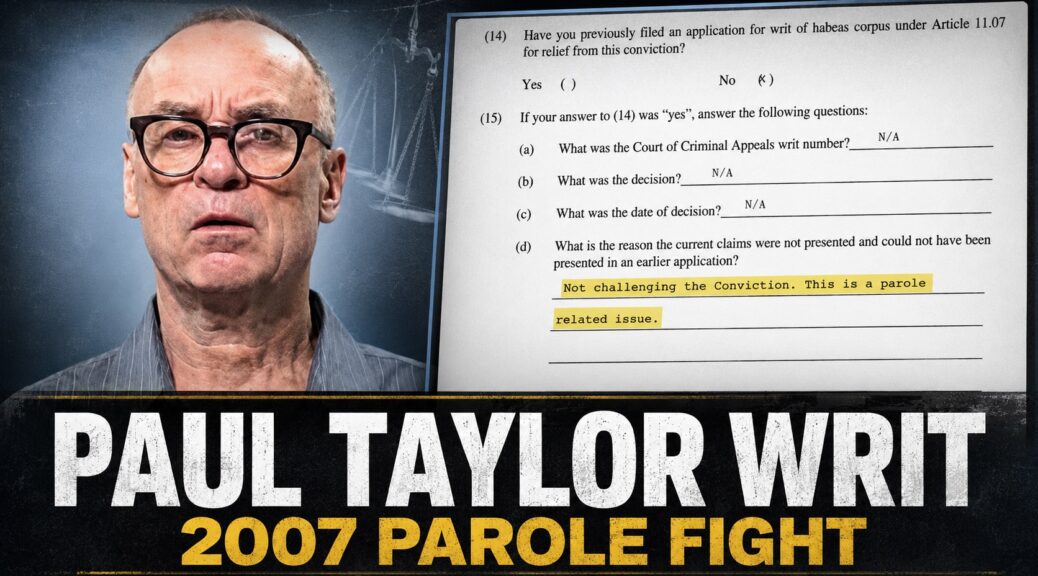
Paul Taylor was convicted, but Becky remains missing
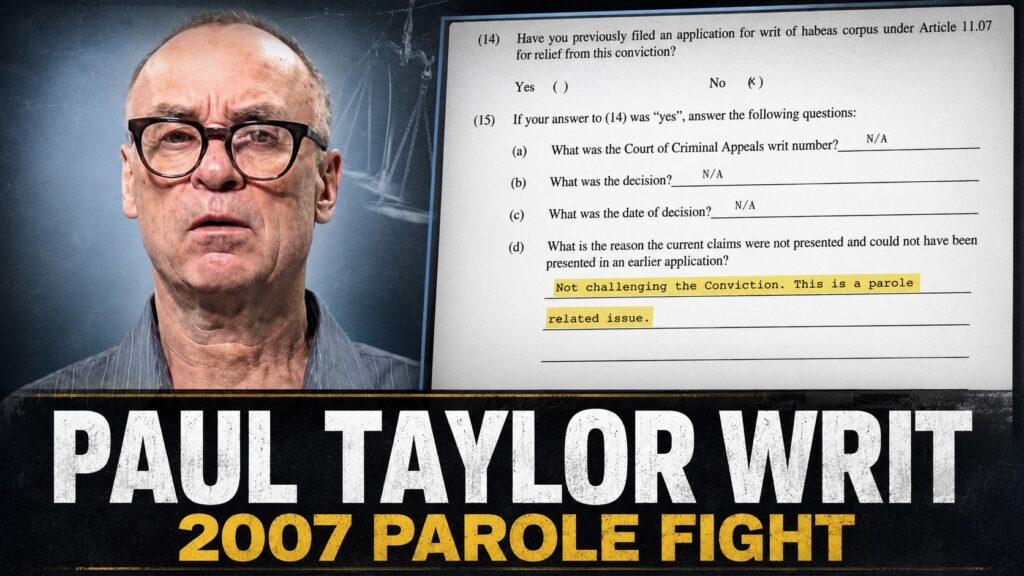
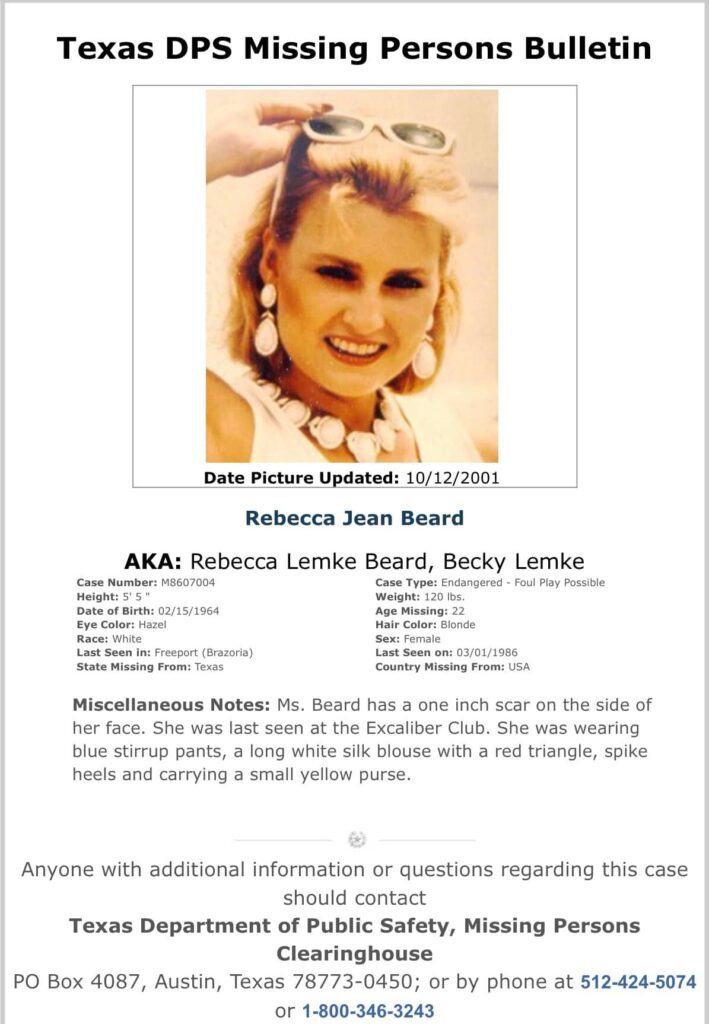
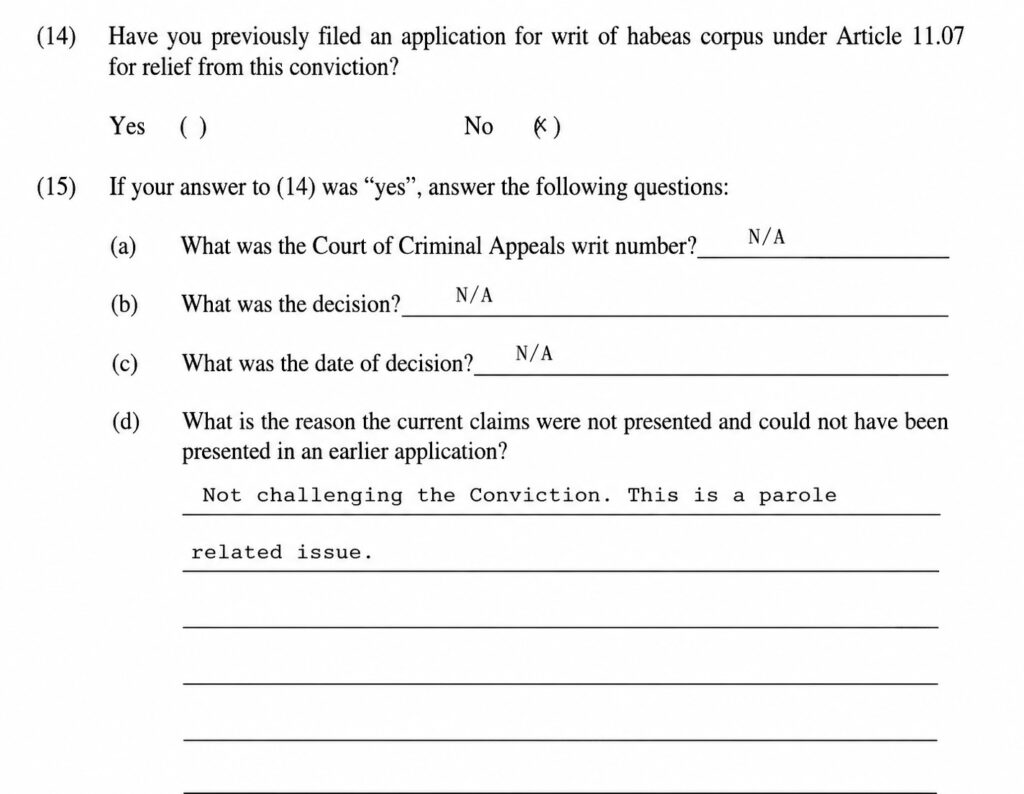
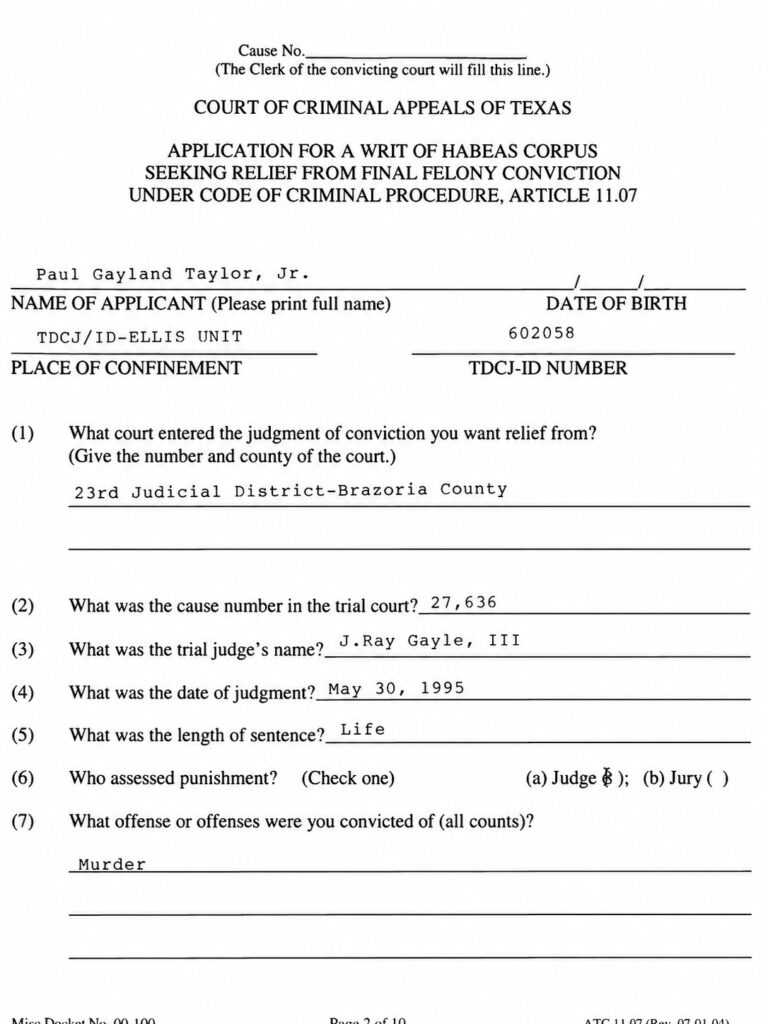
John Paul Taylor Jr. pleaded guilty in 1995 to murdering Beard.
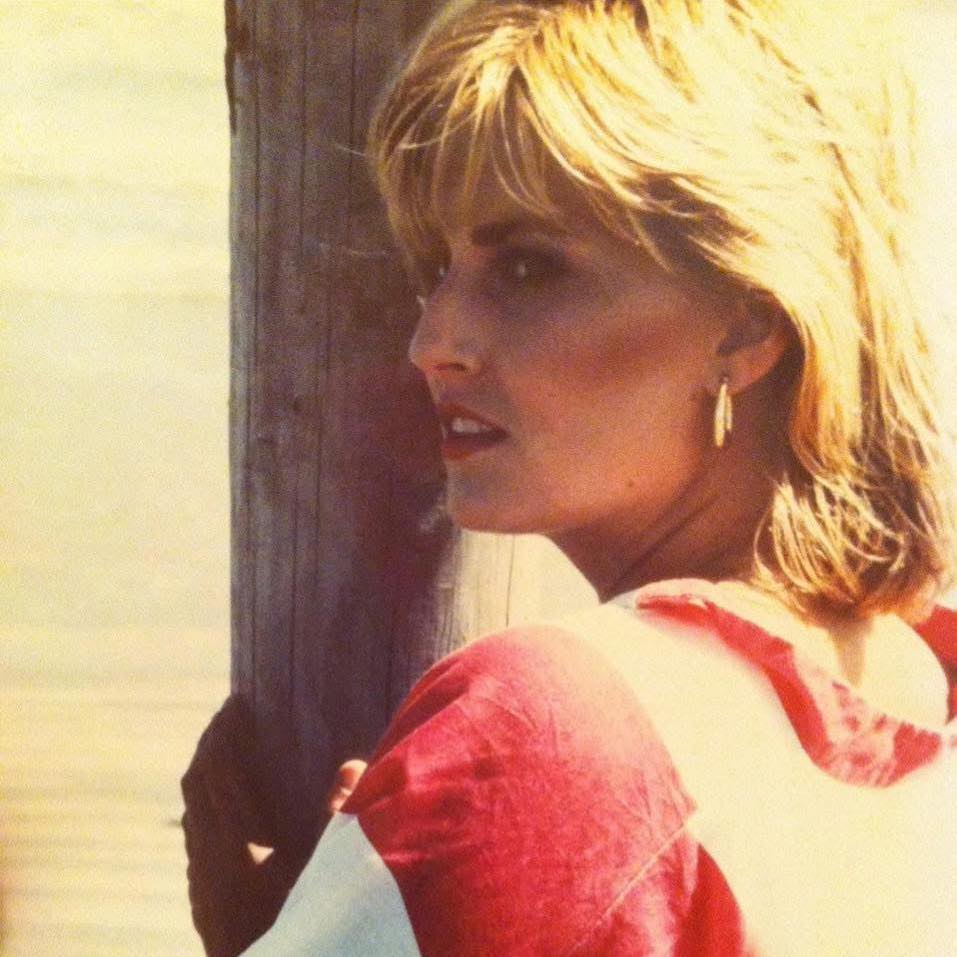
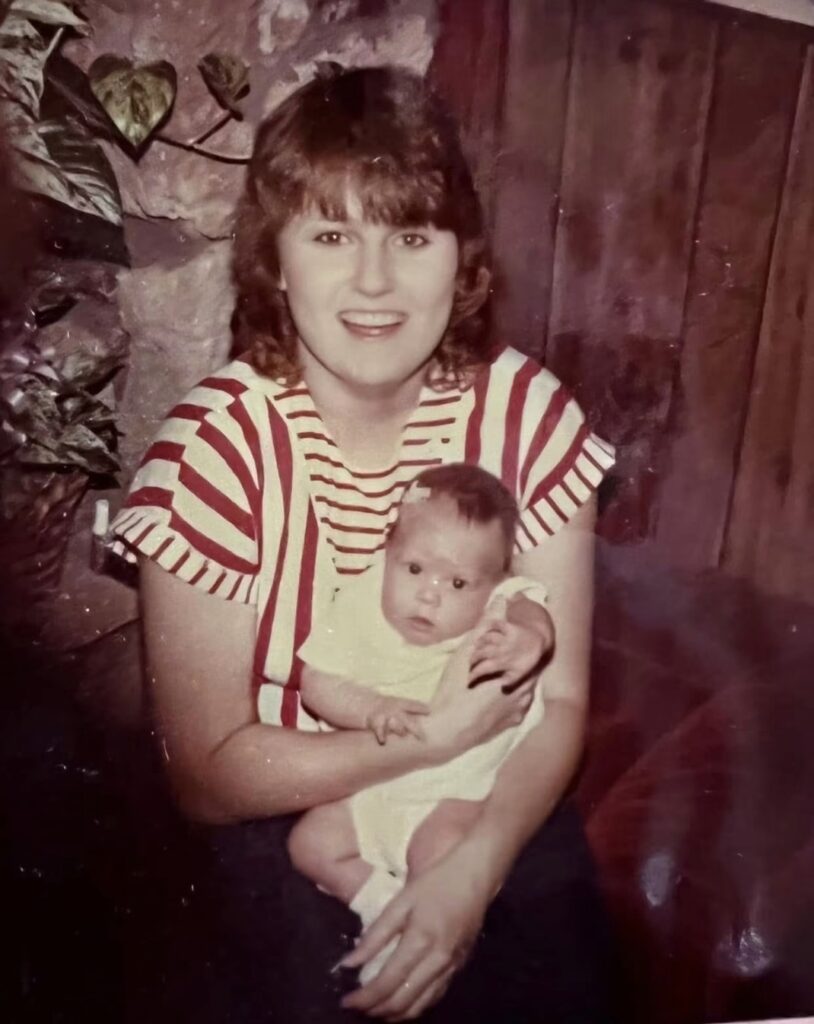
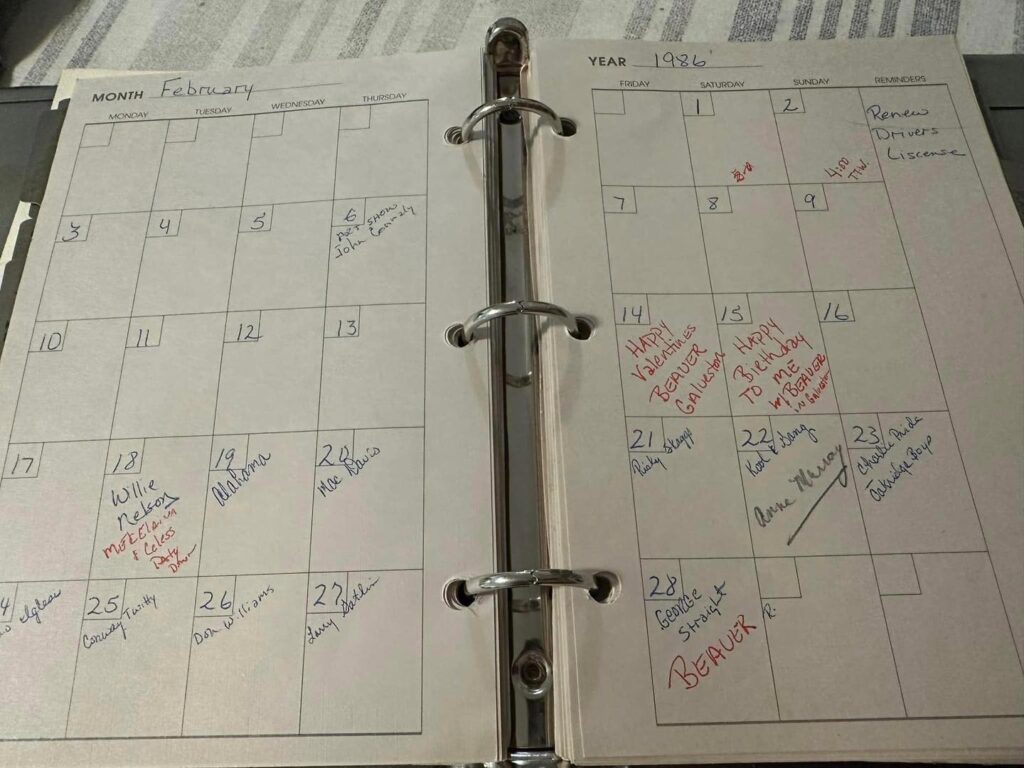
Beard was 22 when she disappeared in March 1986.
Her body has never been recovered.
The DA’s filing cites that fact as one reason the murder investigation remains open. Prosecutors argue law enforcement must remain able to investigate credible new leads if they emerge.
Prosecutors also claim attorney work-product protection
The District Attorney’s Office makes another argument for withholding the records.
Prosecutors say the requested investigative notes and materials contain attorney work product.
According to the filing, a DA investigator prepared the records while working at the direction of an appointed special prosecutor.
The DA argues the documents contain investigative strategy, mental impressions and legal reasoning connected to potential criminal litigation.
For those reasons, prosecutors asked the Attorney General to allow them to withhold all of the responsive records.
The Attorney General will decide
The August 25 filing is not a final ruling on my records request.
It is Brazoria County’s argument for why the records should remain confidential.
The Texas Attorney General’s Office will now review the arguments and determine whether state law allows Brazoria County to withhold the requested material.
The decision could allow the county to withhold the records, require the release of some information, or require additional responsive material to be released.
I will continue following the records dispute and the investigation into what happened to Rebecca Beard.
The public records request and Brazoria County District Attorney’s Office filing to the Texas Attorney General are attached below.
Planning a trip to Brazoria County?
If you are traveling to Brazoria County to follow developments in the Rebecca Beard case, you can compare hotel options through Hotels.com. Look for rooms near Angleton, Lake Jackson, Freeport or the surrounding area, depending on your plans.
I may earn a commission from qualifying Hotels.com bookings made through my link, at no additional cost to you.
What to bring for a long reporting day

Court records, interviews and long hours on the road can mean a lot of waiting. A portable phone charger, reusable water bottle and lightweight bag can make the day easier. You can find travel gear and everyday reporting essentials on Amazon.
As an Amazon Associate, I may earn from qualifying purchases at no additional cost to you.