Tag Archives: Public Records

Paul Taylor Claimed Texas Unfairly Kept Him Behind Bars in 2007 Parole Fight

Paul Gayland Taylor Jr. prison mugshot
Paul Gayland Taylor Jr. pleaded guilty to murder in Brazoria County in 1995 and received a life sentence.

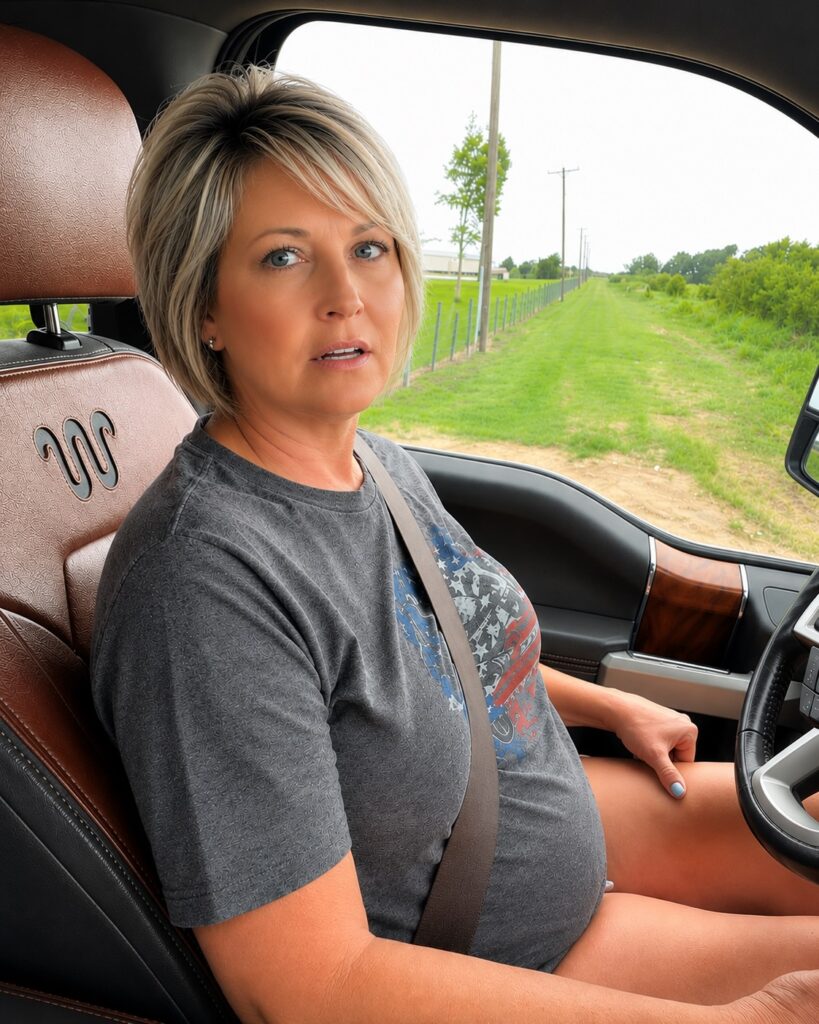
Investigative Reporter Tammy Rose

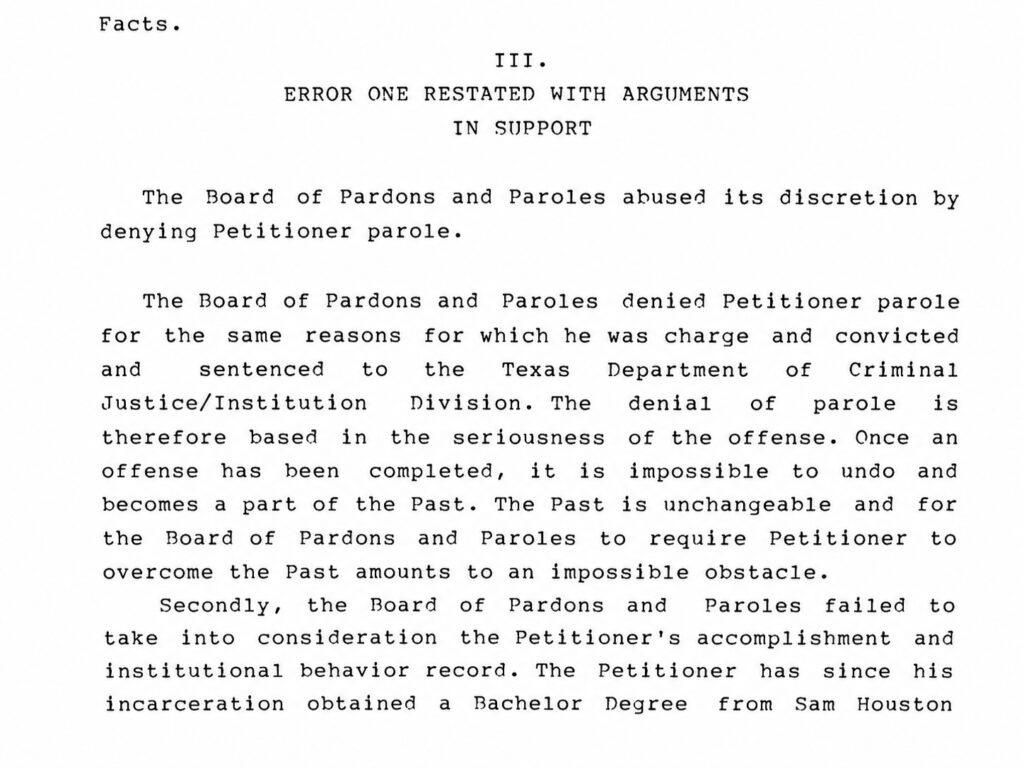
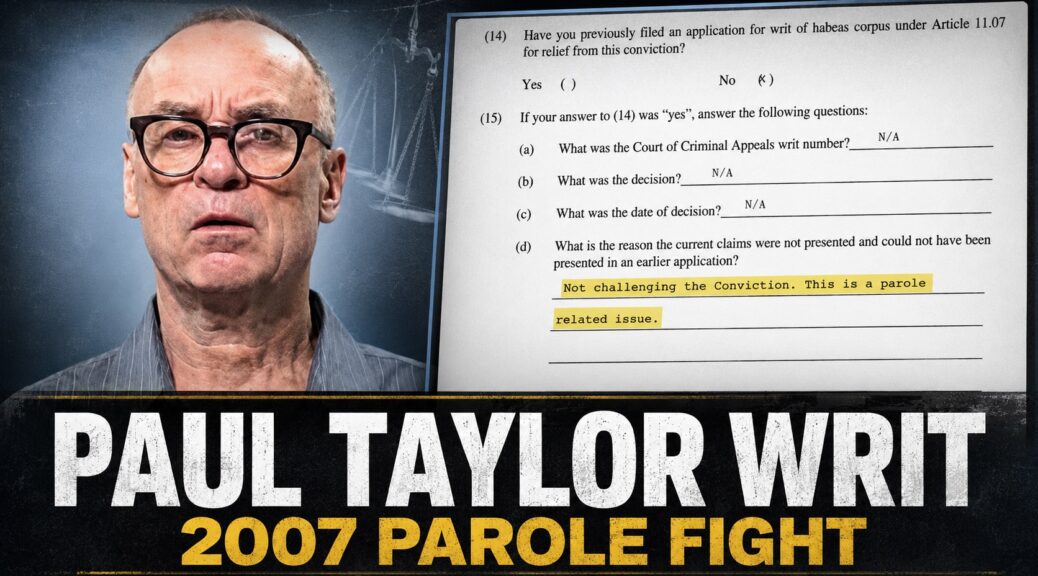
Paul Gayland Taylor Jr. filed a writ of habeas corpus in 2007 after the Texas Board of Pardons and Paroles denied him release.

Taylor challenged his parole denial, not his conviction

The filing did not challenge his murder conviction.

Instead, Taylor argued that the parole board unfairly relied on his crime and past conduct. He claimed the board ignored his prison record, education and other accomplishments.

Taylor pleaded guilty to murder in Brazoria County in 1995. A judge sentenced him to life in prison.

Taylor said the filing was about parole

The writ form asked whether Taylor had previously challenged his conviction.

Taylor marked “no.”

He also wrote:

“Not challenging the conviction. This is a parole related issue.”

That statement is important. This filing did not claim that Taylor was innocent. It also did not ask the court to overturn his guilty plea.

Taylor focused his arguments on the parole process.
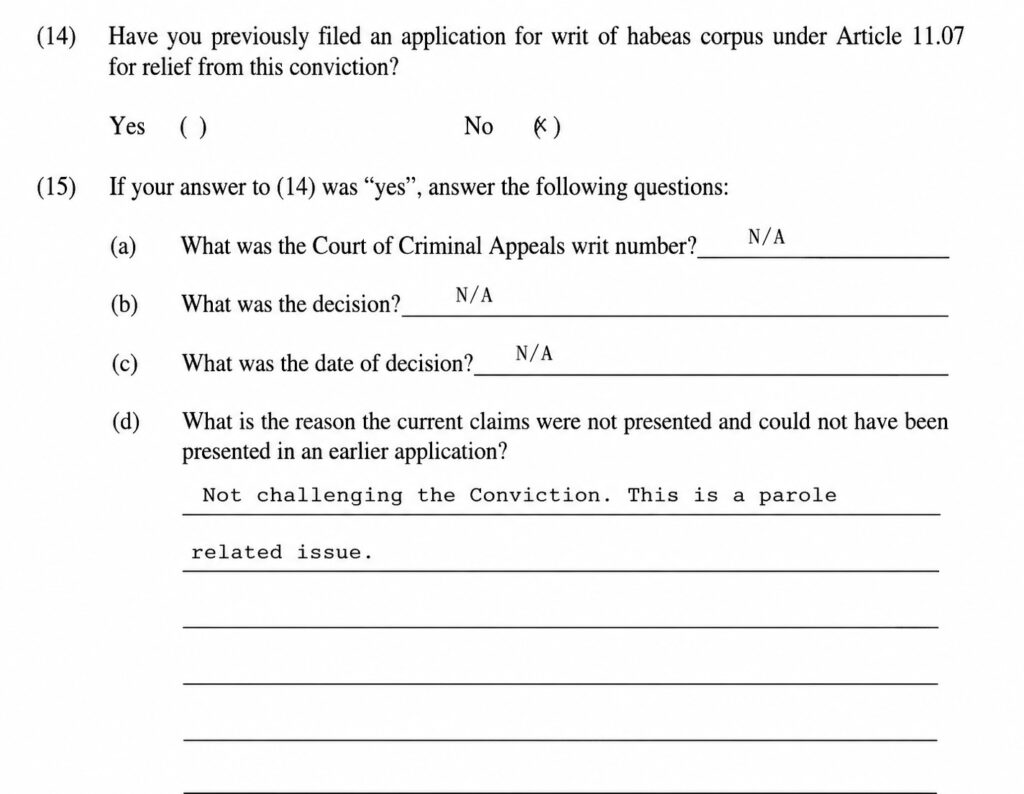
Paul Taylor 2007 writ stating he was not challenging his murder conviction
In his 2007 writ application, Paul Taylor wrote that he was not challenging his conviction and described the matter as a parole-related issue.

The writ listed his conviction and sentence

The application identified Taylor’s criminal case as Cause No. 27,636 in the 23rd Judicial District Court of Brazoria County.

The document listed:

Judgment date: May 30, 1995
Offense: Murder
Plea: Guilty
Sentence: Life
Punishment assessed by: Judge

Taylor also stated that he did not have a jury trial. He indicated that he did not appeal the judgment.
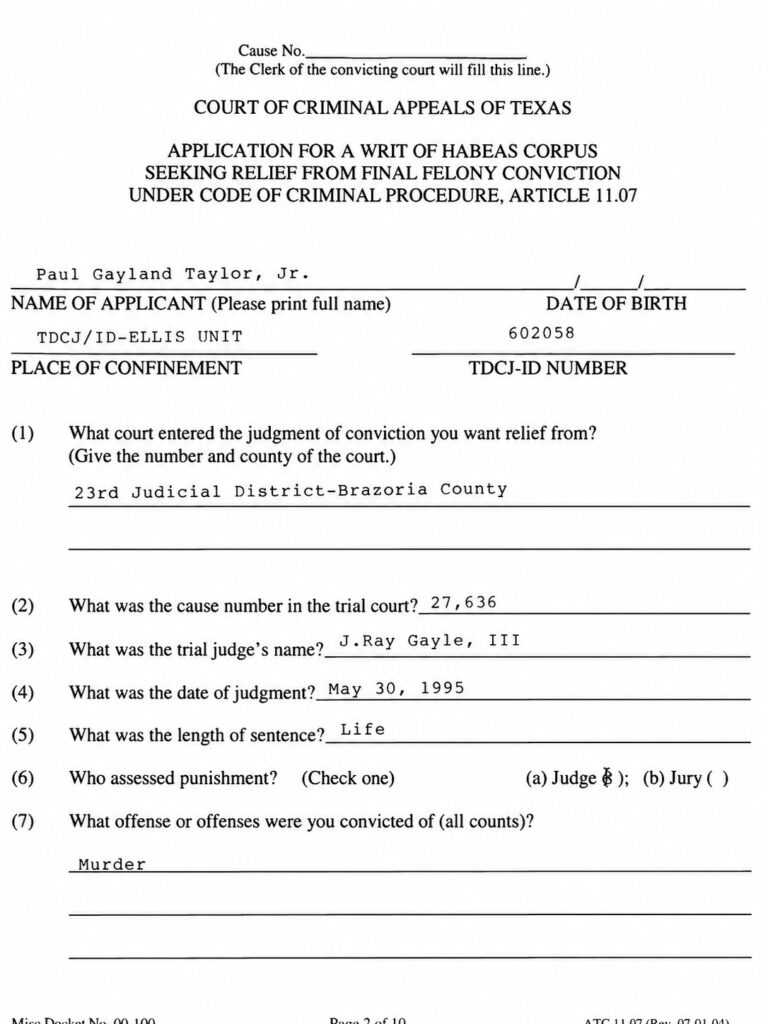
Paul Taylor writ listing 1995 murder conviction and life sentence
Taylor’s writ application lists his 1995 guilty plea to murder and his life sentence.

Taylor had been eligible for parole since 1997

Taylor wrote that he had been eligible for parole since February 2, 1997.

According to his filing, the parole board denied him release again on January 12, 2007. The board then gave him a three-year setoff before his next review.

Taylor said the board had denied him parole for about 13 years, including the period between his eligibility date and his next review.

The filing quotes the board’s reason for denial. It referred to the violent nature of the offense, the use of a weapon and a threat to public safety.

The quoted language also stated that the offense showed brutality, violence or the selection of a vulnerable victim.

Taylor argued that these factors came from the crime itself. He said he could never change the past.
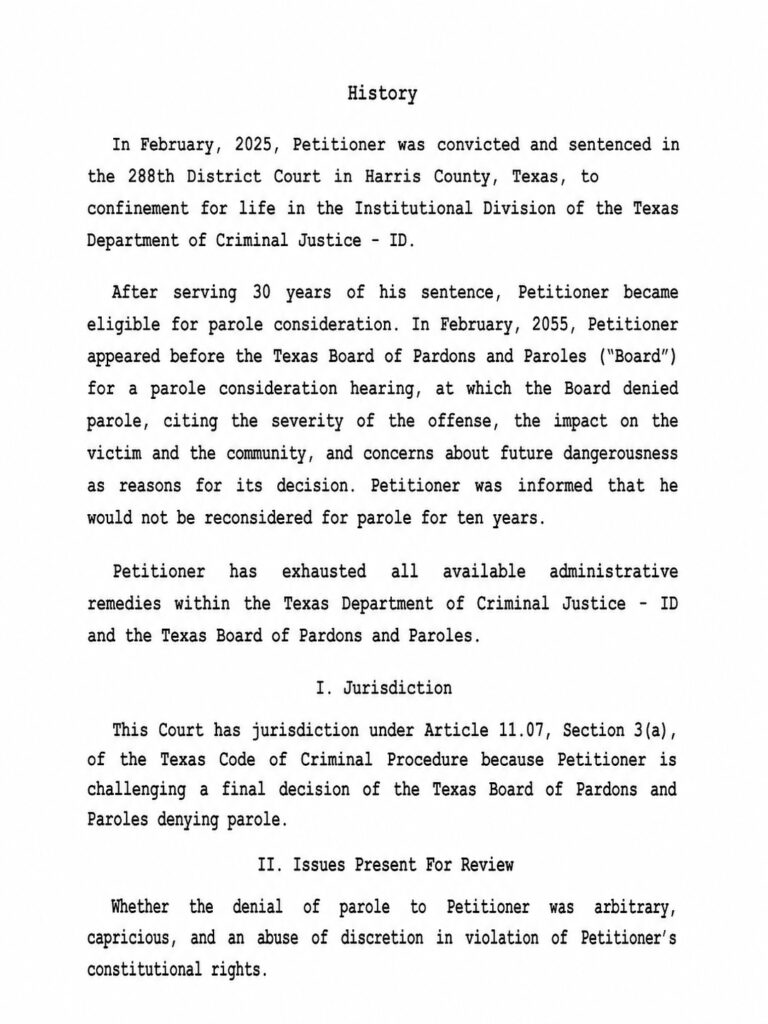
Paul Taylor’s 2007 writ memorandum outlining his parole history and denial
Taylor’s memorandum states that the parole board relied on the violent nature of the offense when it denied his release.

Taylor raised five arguments

1. The parole board abused its discretion

Taylor claimed the board denied parole for the same conduct that led to his conviction and sentence.

He argued that the board created an “impossible obstacle” because he could not change the crime.

Taylor also said the board failed to give enough weight to his prison accomplishments.

2. The parole process violated due process

Taylor argued that the board did not explain how it decided he remained a future threat.

He claimed the board should have told him what method it used to assess that risk.

Taylor suggested that he could have submitted more information if he had known what evidence the board wanted.

3. The process violated equal protection

Taylor claimed the board released other people with similar or worse criminal records.

He argued that the board treated him differently without a valid reason.

The filing does not include the names or full records of those other prisoners in the pages reviewed.

4. Repeated parole denials amounted to cruel punishment

Taylor argued that repeated denials violated the Eighth Amendment.

He claimed the board continued to deny him for the same unchangeable reasons.

He also accused the board of ignoring his conduct while incarcerated.

5. A Texas life sentence carried an expectation of parole

Taylor argued that Texas did not have a life-without-parole sentence for his case.

Therefore, he claimed that a life sentence carried an expectation of eventual release.

For the first four claims, Taylor asked for a new parole hearing.

However, under his fifth claim, he argued that parole should become mandatory.

These were Taylor’s legal arguments. The filing does not show that a court accepted them.
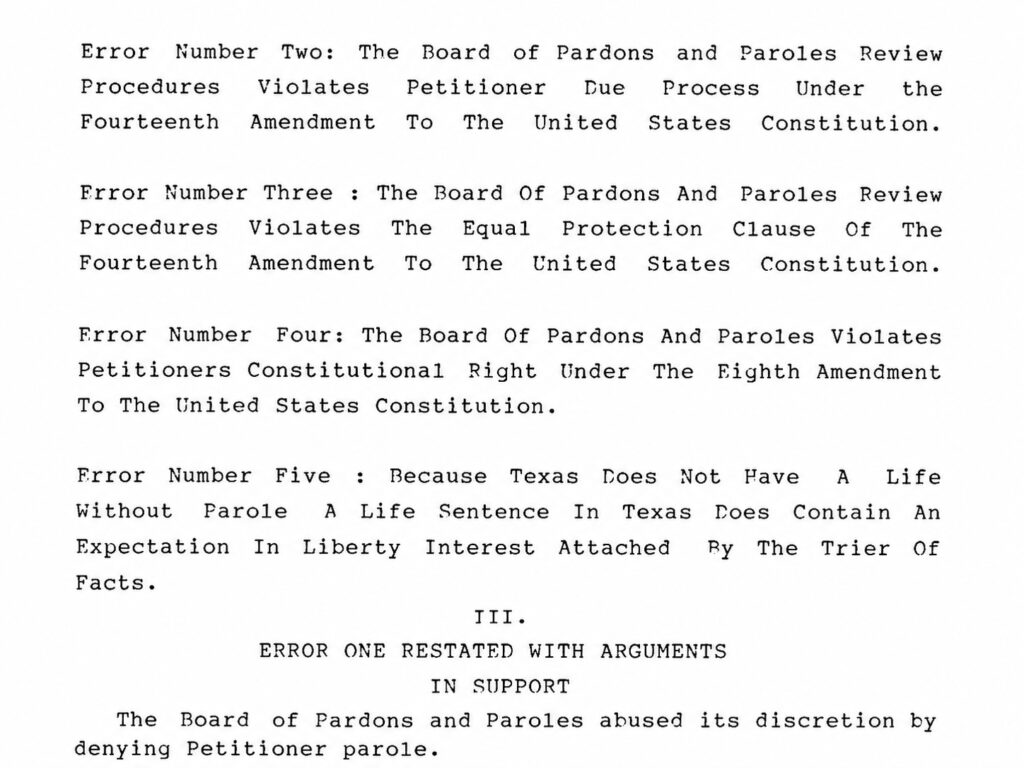
Taylor’s memorandum states that the parole board relied on the violent nature of the offense when it denied his release.

Taylor highlighted his prison record

Taylor wrote that he earned a bachelor’s degree from Sam Houston State University while incarcerated.

He also said he had never received a disciplinary infraction.

In addition, Taylor said he worked in a prison craft shop. He claimed that the work helped him support himself and assist his family.

However, the filing only reflects Taylor’s account. It does not independently verify every statement about his prison history.

What this document does not say

The writ does not claim that Taylor was innocent.

It does not challenge his guilty plea or murder conviction.

The filing also does not present new evidence about Rebecca “Becky” Beard’s disappearance or the location of her remains.

Instead, Taylor challenged the parole board’s review process.

Therefore, this document focuses on parole. It does not attempt to overturn the murder conviction.

Read the full writ and court decision

The complete 2007 filing appears below, along with the court document showing the outcome.

Taylor challenged the parole process, not his murder conviction. However, the court denied his request for relief

Related coverage

Read Rebecca Beard Part 3: How Witness Statements Changed for a closer look at how accounts in the case evolved over time.

You can also read Rebecca Beard Part 2: Early Police Reports to review what investigators documented during the first days of the investigation.

Tools for reviewing public records

Court records and police files can contain hundreds of pages. A portable document scanner can make it easier to save, organize and review records while working away from home.

White Canon portable document scanner used to scan court records and public documents

A digital voice recorder can also help reporters preserve interviews, notes and important details while researching a case.

PLAUD AI digital voice recorder shown with its mobile transcription app

Disclosure: As an Amazon Associate, I may earn from qualifying purchases at no additional cost to you.
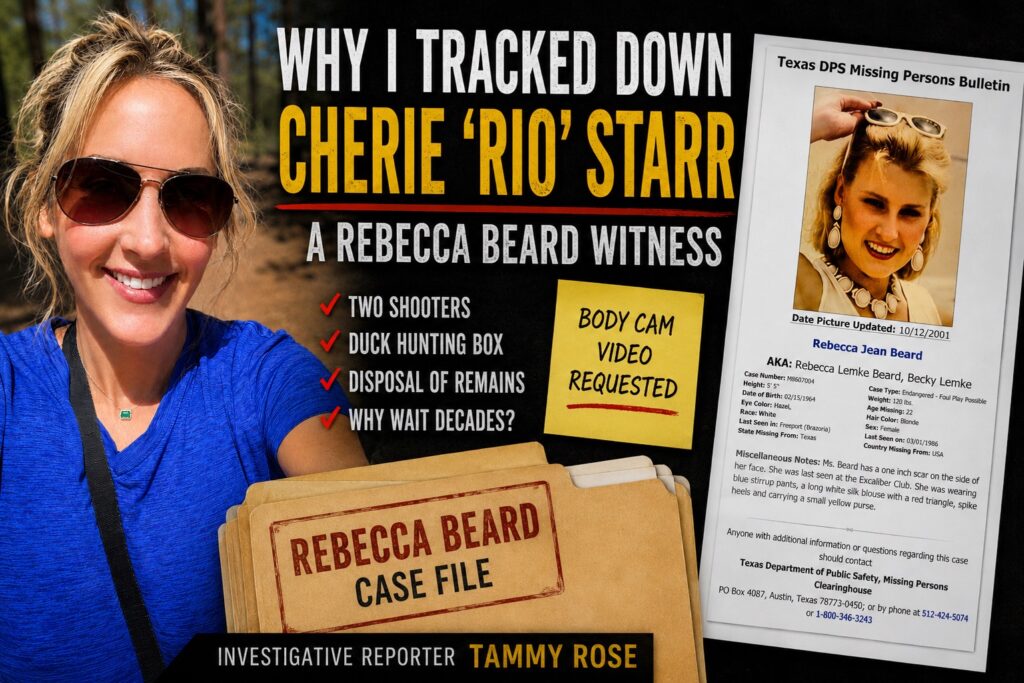
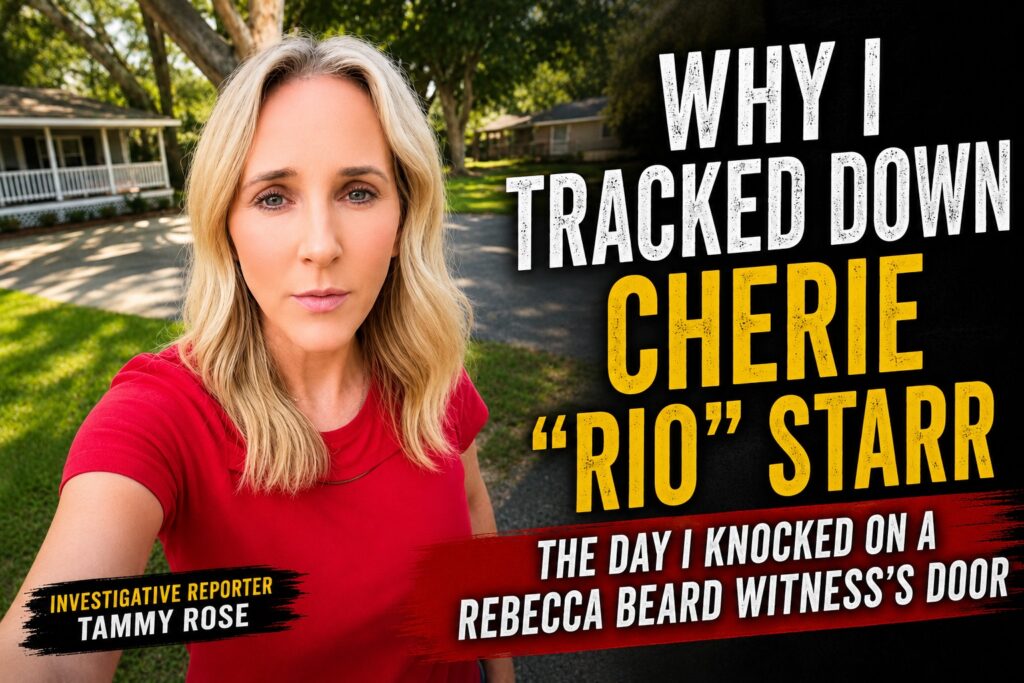
Why I Tracked Down Rebecca Beard Witness Cherie “Rio” Starr

Thumbnail for an investigative news article titled “Why I Tracked Down Rebecca Beard Witness Cherie ‘Rio’ Starr.” The image features investigative reporter Tammy Rose alongside a Texas DPS missing persons bulletin for Rebecca Beard, a folder labeled “Rebecca Beard Case File,” and text referencing the Rebecca Beard investigation, including “Two Shooters,” “Duck Hunting Box,” “Disposal of Remains,” and “Body Cam Video Requested.”
Thumbnail for my investigation into why I tracked down Rebecca Beard witness Cherie “Rio” Starr and the questions her account raises about one of Brazoria County’s longest-running cold cases.

When I interviewed Rebecca Beard’s sister, Carol Mize, I expected to learn more about the ongoing search for Becky’s remains and the questions that still surround the case.

Paul Taylor Jr. pleaded guilty to Rebecca Beard’s murder in 1995. However, Becky’s body has never been found.

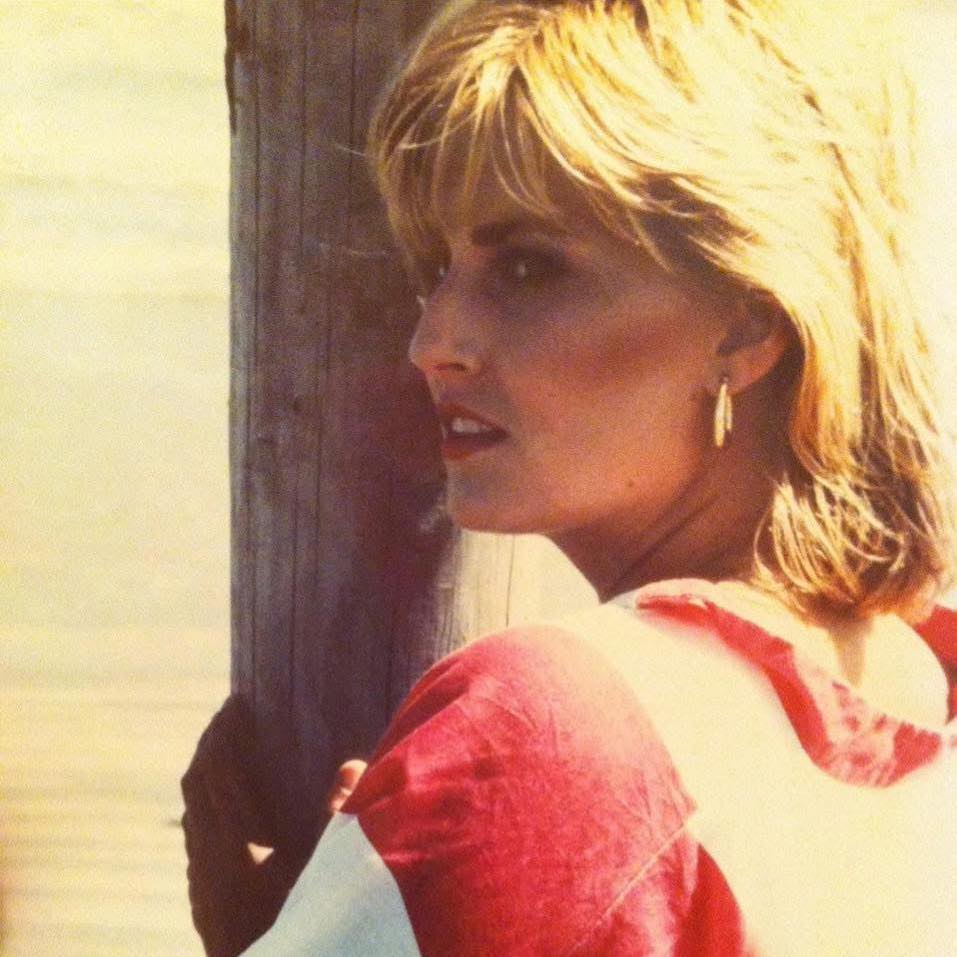
Side-profile photograph of Rebecca Beard wearing a red and white top and gold hoop earrings while looking over her shoulder. The image appears in an investigative article discussing new information shared by Rebecca Beard’s sister, Carol Mize, about the case.
A photograph of Rebecca Beard featured alongside new details shared by her sister, Carol Mize, during an interview about the investigation and the questions that continue to surround Becky’s disappearance.

Instead of discussing only the search, Carol shared details from a witness deposition that stopped me in my tracks.

The witness, Cherie “Rio” Starr, described two shooters, a duck hunting box, and an alleged effort to conceal Becky’s remains.

Some of those claims appeared to overlap with information that had been discussed publicly over the years. Other claims seemed extraordinary.

I did not know what to believe.

As a journalist, I knew I had to ask the witness my own questions.

Watch Carol Mize’s chilling interview about the alleged duck box.

Why I Decided to Find Cherie Starr

One question stayed with me.

If someone witnessed what Starr later described in her deposition, why wait decades to report it?

I also wanted to know whether investigators could verify any part of her account.

Rebecca’s family believed her allegations deserved to be investigated. I wanted to hear directly from the person making those claims.

That is what journalists do.

We ask questions.

Why I Waited to Tell This Story

When I knocked on Starr’s door, her identity had not been made public.

Because of that, I chose not to report her name or write about what happened that day.

I believed that was the fair and responsible decision.

Since then, Rebecca’s family has publicly discussed Starr. Brazoria County District Attorney Tom Selleck told the family that investigators do not currently consider her a credible witness.

That announcement could affect future investigative steps, including whether authorities continue searching locations connected to Starr’s allegations.

Now readers deserve to understand why I went looking for her in the first place.

What Carol Mize Told Me

Carol described allegations that were difficult to forget.

According to Carol, Starr claimed Becky was shot by two different people using two different guns.

Carol also said Starr described a duck hunting box and an alleged attempt to move and hide Becky’s remains.

The allegations were graphic.

If true, they could have changed the direction of the investigation.

They also raised obvious questions.

Why did no one hear this story for decades?

Why had the witness waited so long to come forward?

Those were the questions I wanted to ask.

Knocking on Doors Is Part of Journalism

During more than 30 years as a reporter, I have knocked on hundreds of doors.

Sometimes people answer questions.

Sometimes they decline.

Sometimes they close the door.

That is part of investigative journalism.

I introduced myself and asked Cherie Starr if she would answer a few questions about the Rebecca Beard case.

She told me she had no comment.

I thanked her and walked back to my Jeep.

What Happened When I Knocked on Cherie Starr’s Door

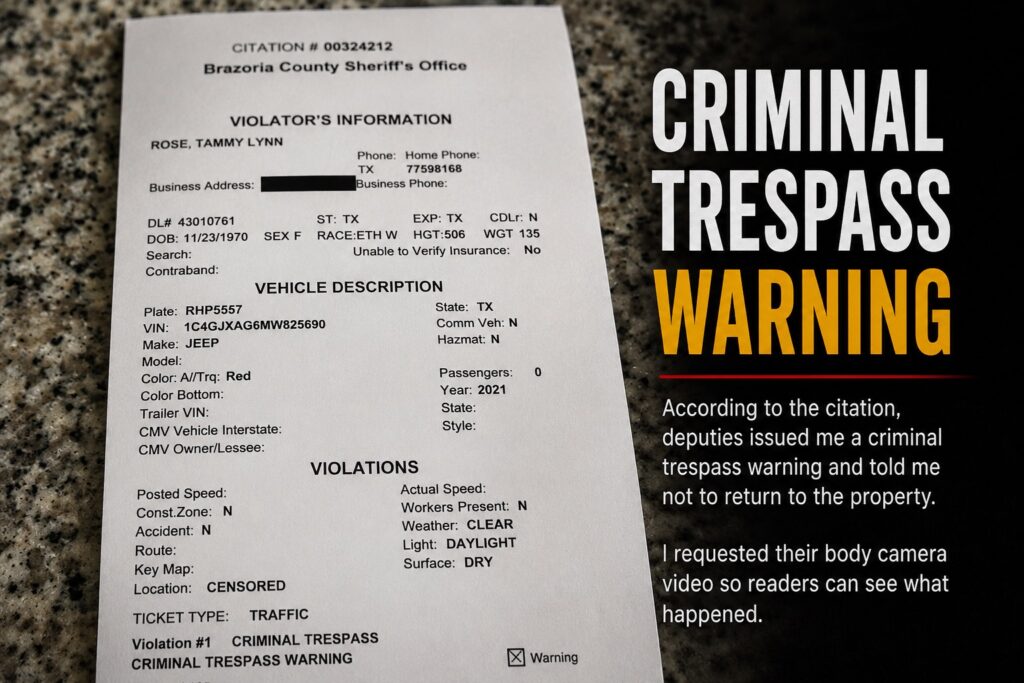
Screenshot from an article showing a redacted Brazoria County Sheriff’s Office criminal trespass warning issued to investigative reporter Tammy Rose after attempting to contact Rebecca Beard witness Cherie “Rio” Starr. The image also notes that a public records request was submitted for the deputies’ body camera video documenting the encounter.
After knocking on Rebecca Beard witness Cherie “Rio” Starr’s door, I was issued a criminal trespass warning. I later requested the responding deputies’ body camera video through a public records request so readers can see what happened for themselves.

As I prepared to leave, Cherie Starr ran outside with another man.

They demanded to know who had given me her name.

I told them I never reveal confidential sources. Protecting sources is part of my job.

During the encounter, Starr said she was calling the district attorney, investigator Matt Wingo, and former DA investigator John Blankenship.

However, only local law enforcement officers responded to the scene.

According to my recollection, Starr then stood behind my Jeep while continuing to question me.

I did not believe I could safely back up while someone stood behind my vehicle.

I stayed where I was until deputies arrived.

They investigated the situation for about two hours.

Before I left, deputies issued me a criminal trespass warning and told me not to return to the property.

Why I Requested the Body Camera Video

I do not expect readers to rely only on my account.

That is why I requested the deputies’ body camera footage through the Texas Public Information Act.

As of today, I am still waiting for those records.

When I receive the footage, I will publish it so readers can watch the encounter and reach their own conclusions.

Transparency matters.

Why This Story Matters

Today, investigators have told the family they do not consider Starr a credible witness.

That does not change why I knocked on her door.

At the time, Rebecca’s family believed her allegations were important enough to investigate. I believed they were important enough to question.

I was not trying to prove Cherie Starr right.

I was not trying to prove her wrong.

I wanted answers.

That is my job.

Investigative journalism means asking difficult questions, even when those questions make people uncomfortable.

Whether readers agree with my reporting or not, I believe they deserve to understand why I knocked on Cherie “Rio” Starr’s door.

Related Coverage

Read my coverage of the meeting between Rebecca Beard’s family and investigators.

You can also read my reporting on the physical evidence and the ongoing search for Rebecca Beard’s remains.

If you enjoy my investigative reporting, please consider checking out the books and gear I recommend for journalists and true crime readers.

Affiliate Disclosure: This post may contain affiliate links. If you purchase through these links, I may earn a small commission at no additional cost to you.

Investigative Reporter Tammy Rose

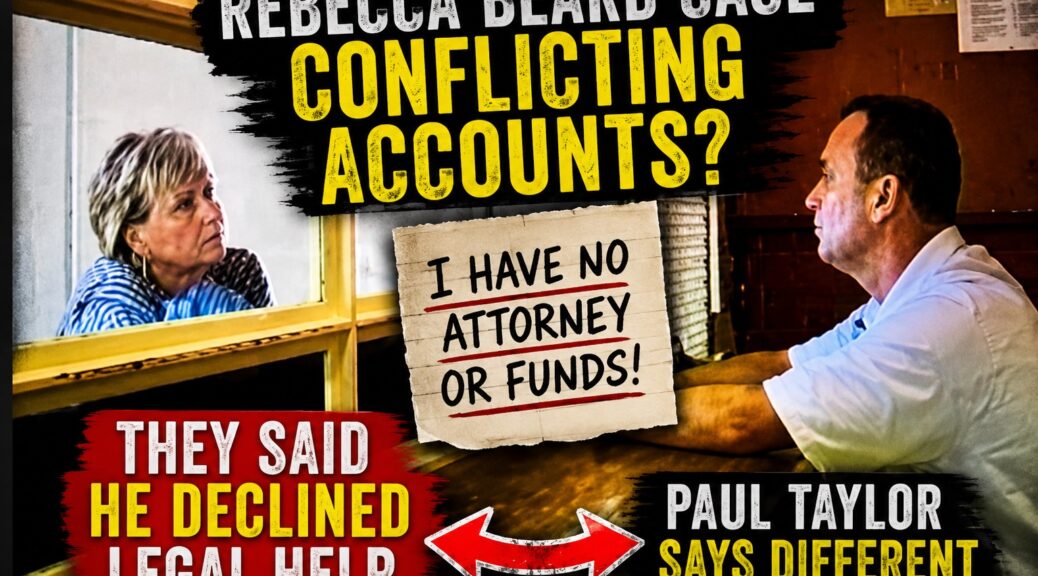
Rebecca Beard Family Questions Claims Paul Taylor Declined Legal Representation

Paul Taylor Jr. booking photo taken during the investigation into the Rebecca Beard case.
Paul Taylor Jr. booking photo from the investigation into the 1986 disappearance and murder of Rebecca Beard. His recent prison messages are compared with statements discussed during a meeting with Rebecca Beard’s family regarding legal representation.

Rebecca Beard Family Questions Statements About Paul Taylor and Legal Representation

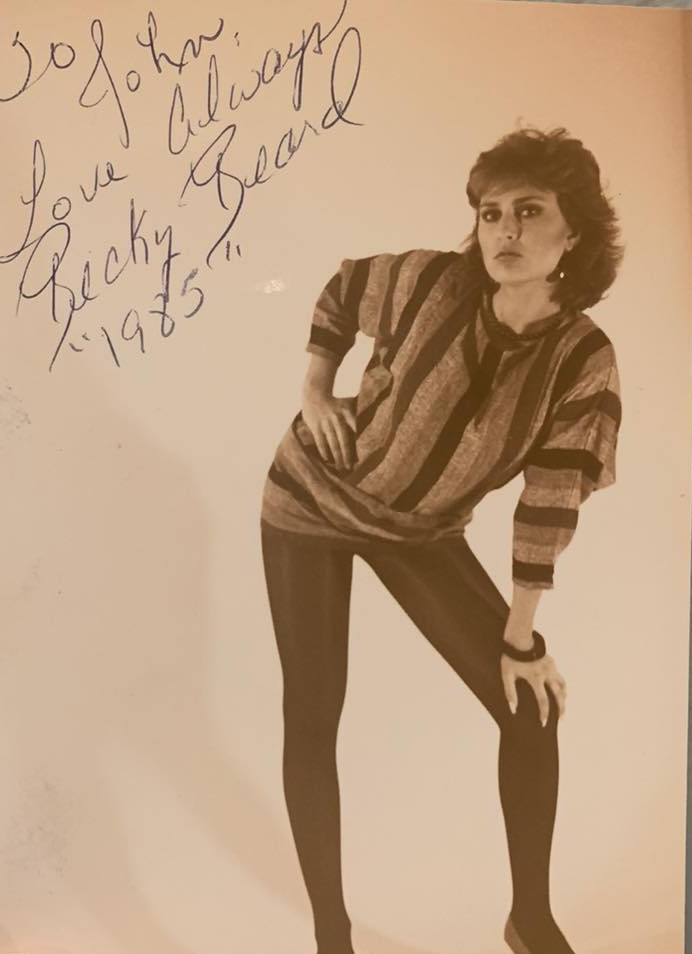
Autographed 1985 promotional photo of Rebecca Beard with a handwritten inscription reading, “To John, Love Always, Becky Beard.”
An autographed 1985 photo of Rebecca Beard inscribed, “To John, Love Always, Becky Beard.” The image is included in the Beard family’s article examining conflicting accounts about Paul Taylor Jr. and legal representation.

The family of Rebecca Beard says newly reviewed prison messages from Paul Taylor raise questions about statements made during a meeting with Brazoria County officials regarding legal representation and the Texas Innocence Project.

According to Rebecca Beard’s sister, Carol Mize, family members met with officials to discuss developments in the decades-old murder case. During that meeting, participants discussed whether Taylor had been offered legal representation.

Carol Mize Says Officials Claimed Paul Taylor Declined Legal Representation

According to Carol Mize, participants at the meeting stated that Paul Taylor had been offered legal representation but declined the offer.

That statement prompted questions from the Beard family after reviewing messages Taylor later sent from prison.

Paul Taylor’s Messages Tell a Different Story

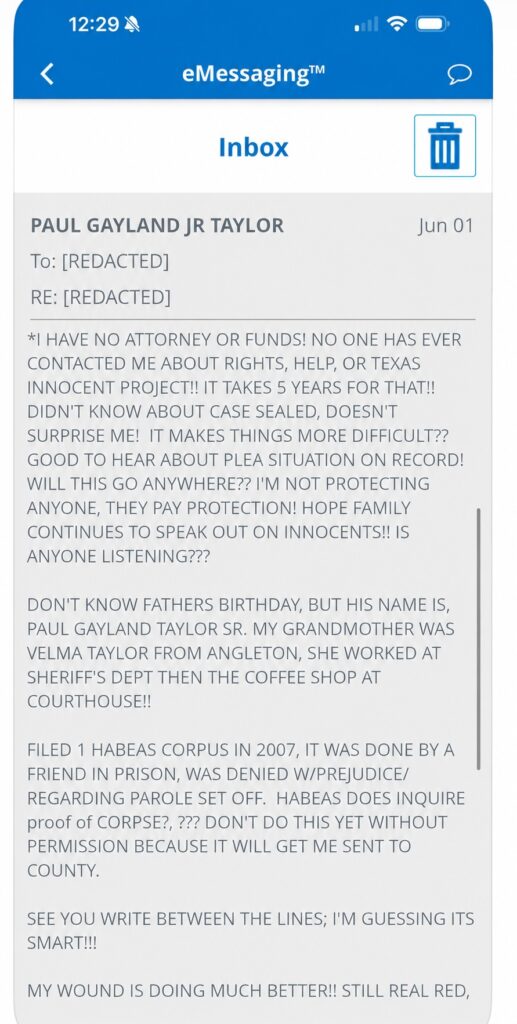
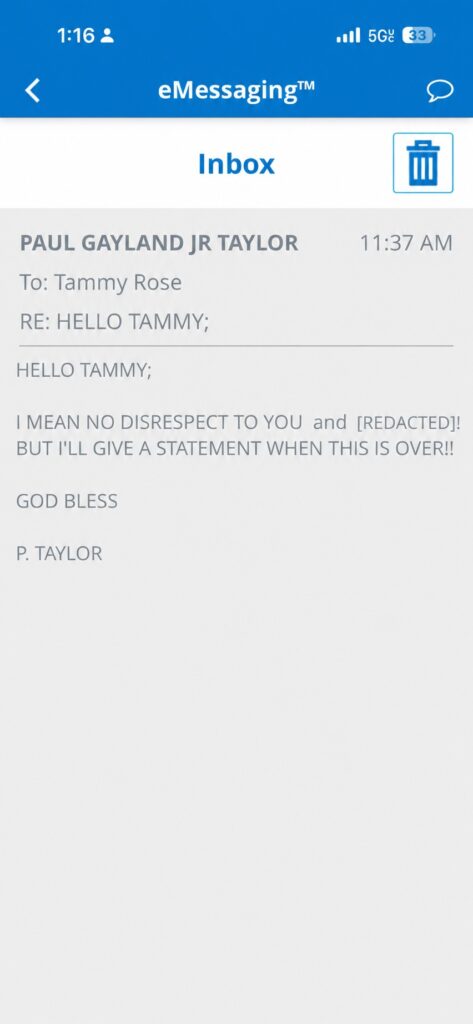
Screenshots of prison messages sent by Paul Taylor Jr. that are compared with statements discussed during a meeting with Rebecca Beard’s family regarding legal representation and the Texas Innocence Project.

In a message provided to the Beard family, Taylor wrote:

“I HAVE NO ATTORNEY OR FUNDS!”

He also wrote:

“NO ONE HAS EVER CONTACTED ME ABOUT RIGHTS, HELP, OR TEXAS INNOCENT PROJECT!!”

Taylor added that he was unaware of a sealed case document, writing:

“DIDN’T KNOW ABOUT CASE SEALED…”

In a more recent message to Investigative Reporter Tammy Rose, Taylor wrote:

“I MEAN NO DISRESPECT TO YOU and (REDACTED) ! BUT I’LL GIVE A STATEMENT WHEN THIS IS OVER!!”

Conflicting Accounts Raise New Questions

Carol Mize says officials stated Paul Taylor declined legal representation that had been offered to him. Taylor’s prison messages later presented a different account, raising new questions in the Rebecca Beard case.

According to Carol Mize, officials stated during the meeting that Paul Taylor declined legal representation that had been offered to him.

Taylor’s own written messages present a different account. In those messages, he states that he has no attorney, no funds, and was never contacted about rights, legal help, or the Texas Innocence Project.

At this time, Tammy Rose has not independently verified which account is accurate. The article reflects statements made during the meeting, as described by Carol Mize, alongside Taylor’s own written messages.

Editor’s Note

This article is based on statements made during a meeting attended by Rebecca Beard’s family, as described by Carol Mize, and on messages attributed to Paul Taylor. The statements represent differing accounts and are presented to accurately reflect what each party said.

If you enjoy following long-term investigations and behind-the-scenes reporting, check out the gear I personally use in the field and while traveling.

If you’re fascinated by unsolved mysteries and criminal investigations, browse my collection of recommended true crime books covering some of the most compelling cases ever investigated.

Related Articles:

Rebecca Beard Timeline: Key Events in the 1986 Disappearance

Rebecca Beard Case: Public Records, Confessions, and Investigation Updates

Amazon Affiliate Disclosure: As an Amazon Associate, I earn from qualifying purchases at no additional cost to you.
Roy Alan Stuart Prison Confessions vs. Public Records

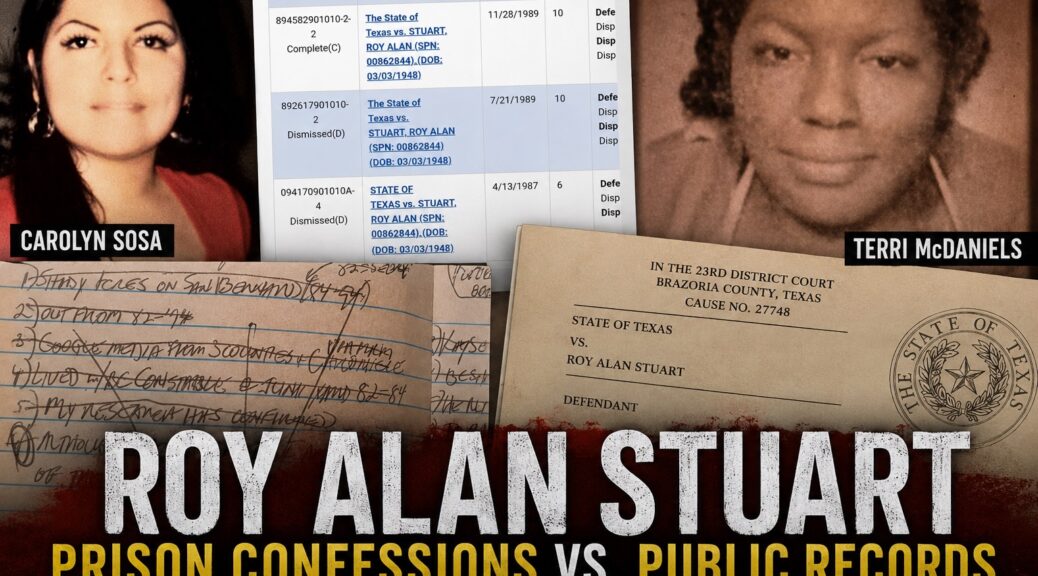
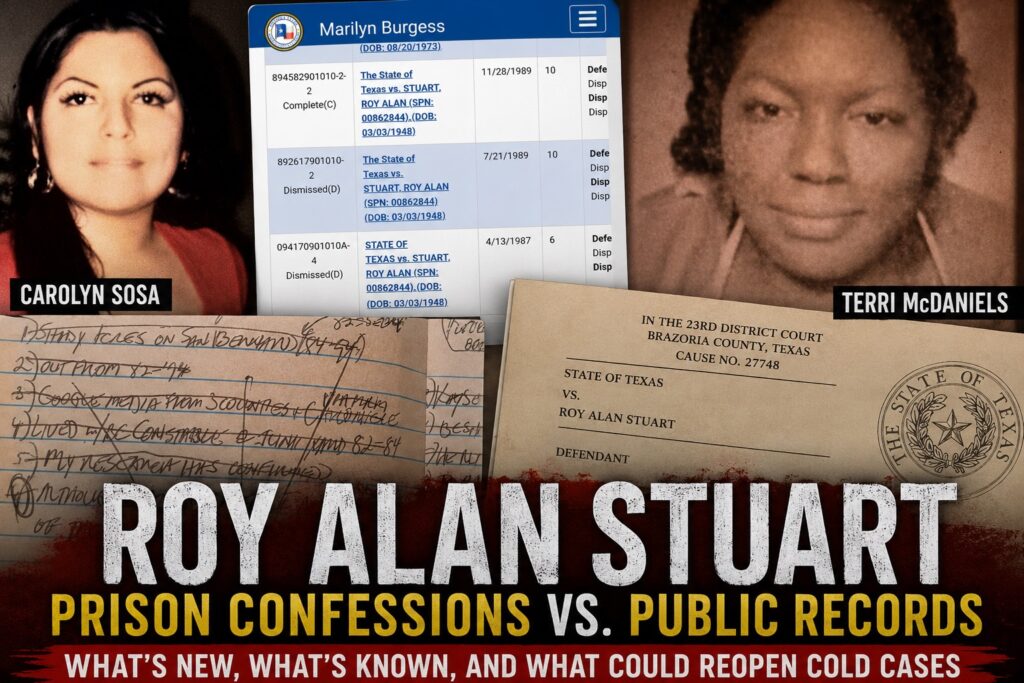
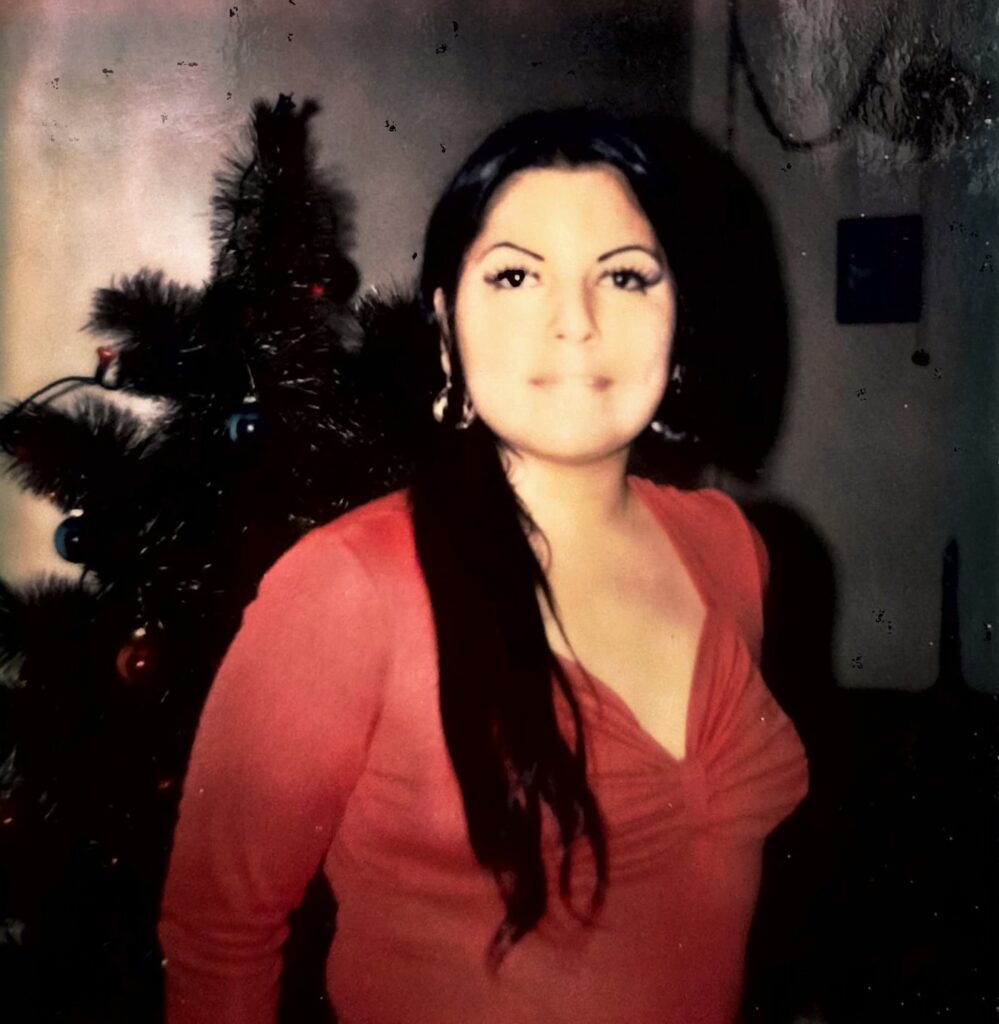
Composite graphic showing Carolyn Sosa, Terri McDaniels, court records and Joseph Kent McGowen’s prison notebook used to compare Roy Alan Stuart’s alleged prison confessions with historical public records.
Historical records, court documents and Joseph Kent McGowen’s prison notebook are compared to examine which Roy Alan Stuart allegations were already publicly documented and which appear only in McGowen’s account.

What Did Roy Alan Stuart Tell Kent McGowen? Comparing Public Records to Alleged Prison Confessions

By Investigative Reporter Tammy Rose

For decades, investigators, journalists and law enforcement agencies have documented Roy Alan Stuart’s criminal history and alleged connections to unsolved murders across Texas.

Years later, former Harris County deputy Joseph Kent McGowen says Stuart discussed many of those crimes while the two were incarcerated together at the Duncan Unit of the Texas Department of Criminal Justice.

This investigation compares McGowen’s interview with historical newspaper articles, court records and investigative records to separate information that was already part of the public record from allegations McGowen says Stuart shared privately in prison.

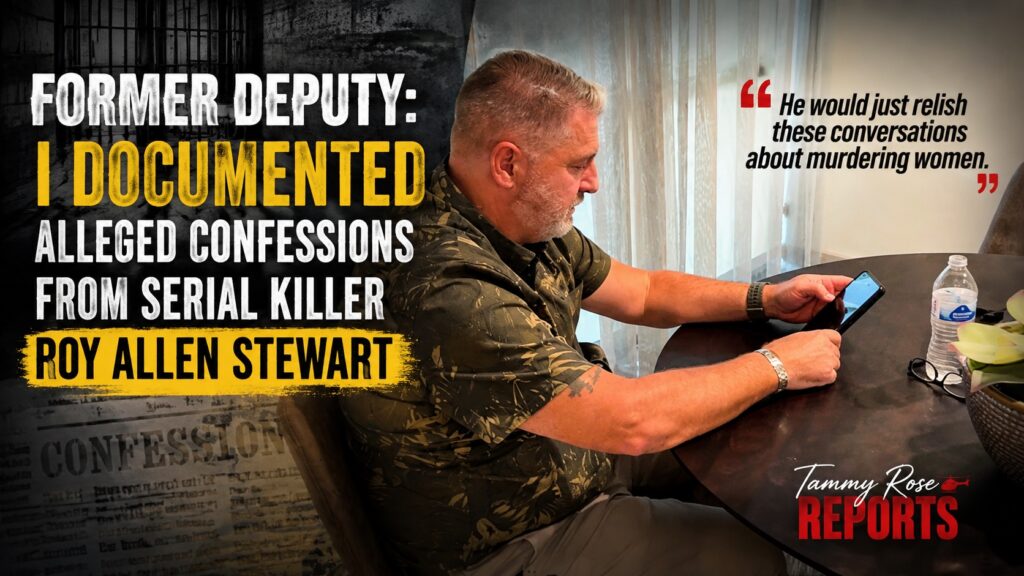
Former Harris County deputy Joseph Kent McGowen during an interview with Investigative Reporter Tammy Rose discussing alleged prison conversations with Roy Alan Stuart while incarcerated at the Duncan Unit.
Former Harris County deputy Joseph Kent McGowen describes conversations he says he had with Roy Alan Stuart in prison. This article compares McGowen’s account with historical public records and court documents.

Related Coverage

Kent McGowen discusses Roy Alan Stuart prison confessions

Carolyn Sosa: Roy Alan Stuart and the 1987 disappearance

What Public Records Already Documented

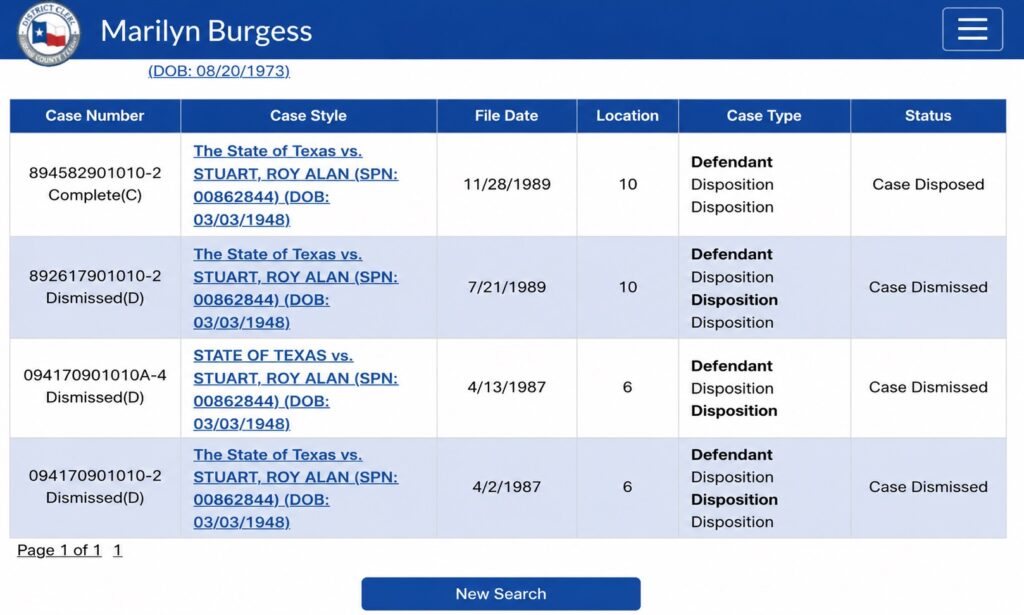
Texas court records showing multiple Roy Alan Stuart case entries reviewed as part of a comparison between Joseph Kent McGowen’s prison interview and historical public records.
Historical court records reviewed by Investigative Reporter Tammy Rose show Roy Alan Stuart’s documented criminal cases and investigations before comparing them with allegations discussed by Joseph Kent McGowen during their time in prison.

Historical newspaper articles, court records and investigative files already linked Roy Alan Stuart to numerous investigations before McGowen’s interview.

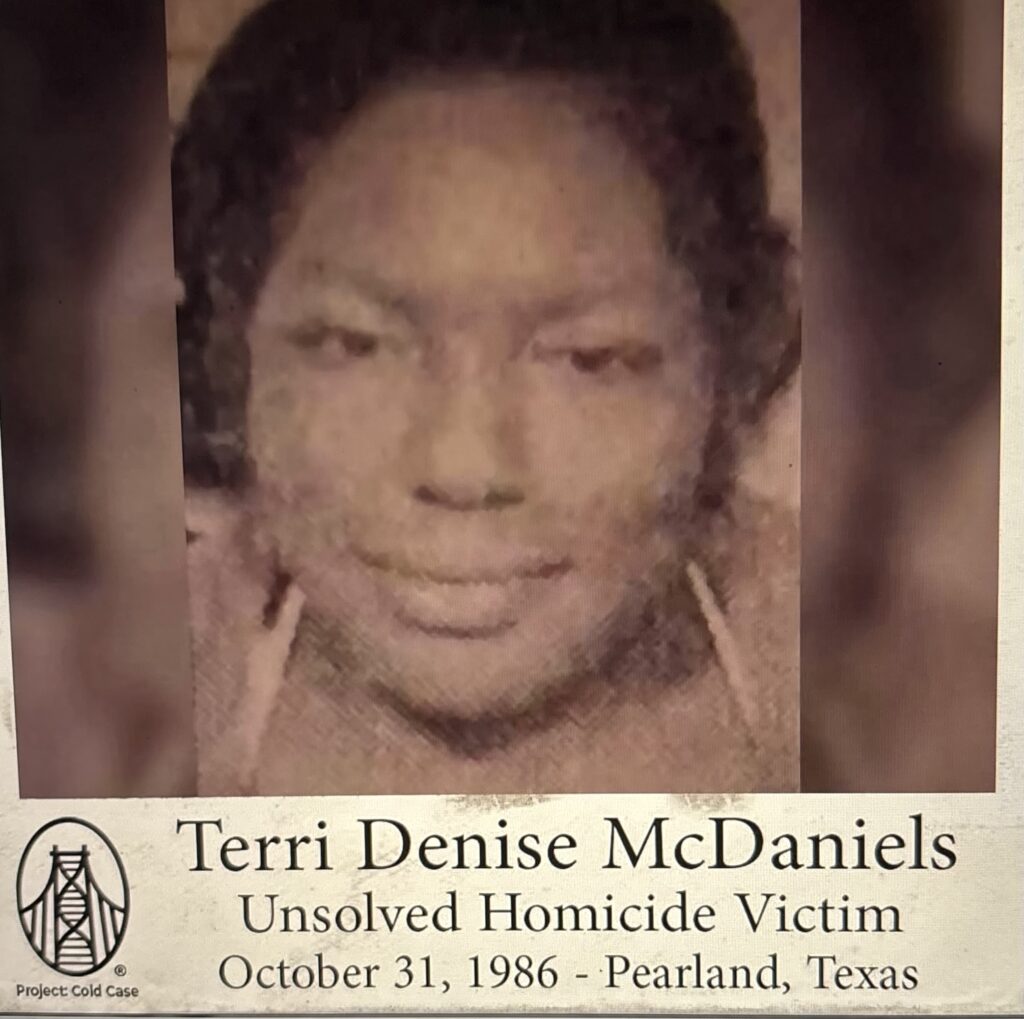
Terri Denise McDaniels memorial photo identifying her as an unsolved homicide victim in Pearland, Texas, on October 31, 1986.
Memorial image of Terri Denise McDaniels, whose 1986 homicide is among the historical investigations discussed in comparison with Joseph Kent McGowen’s prison interview about Roy Alan Stuart.

Terri Denise McDaniels, 26, was found dead near Pearland on Nov. 5, 1986. She worked out of Houston’s LaMonte Hotel. Investigators determined she died from strangulation or suffocation, and her homicide remains unsolved.

Historical reports state friends last saw McDaniels leaving the LaMonte Hotel with a white man driving a small, light-blue station wagon.

Less than five months later, investigators found Carolyn Sosa dead in Bastrop Bayou. Like McDaniels, Sosa frequented the LaMonte Hotel and died from strangulation. Historical records identify Sosa as one of the witnesses interviewed during the McDaniels investigation.

Investigators later focused on Roy Alan Stuart in both cases. Records show witnesses identified Stuart as the man who picked up both women, and investigators found Sosa’s fingerprints and hair inside his car. Prosecutors charged Stuart in both murders, but a judge later dismissed the charges. Both homicides remain unsolved.

McGowen also described several additional investigations during his prison interview. Some of those claims could not be independently matched to historical records.

Potter County Nun Investigation

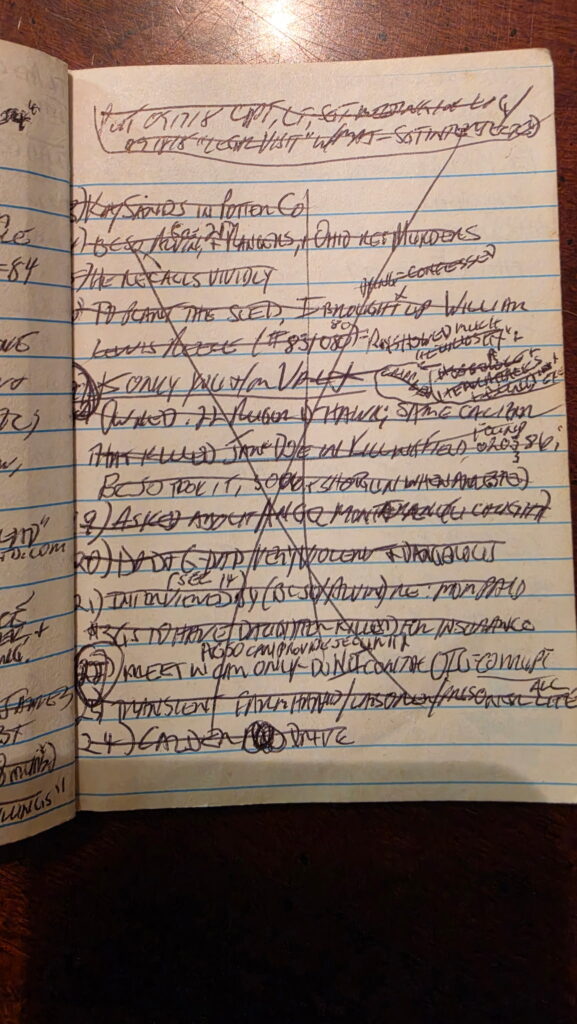
Handwritten prison notebook page attributed to former Harris County deputy Joseph Kent McGowen containing notes about alleged conversations with Roy Alan Stuart regarding the Potter County nun investigation.
A page from Joseph Kent McGowen’s handwritten prison notebook references the Potter County nun investigation. Investigative Reporter Tammy Rose compared the notes with historical newspaper articles and court records as part of this investigation.

Historical records already identified Roy Alan Stuart as a suspect in the Potter County nun investigation.

McGowen says Stuart later described the case to him in prison and claimed he concealed the victim beneath an overturned cattle trough before investigators eventually returned him to the scene.

Telephone Road Account Compared to Public Records

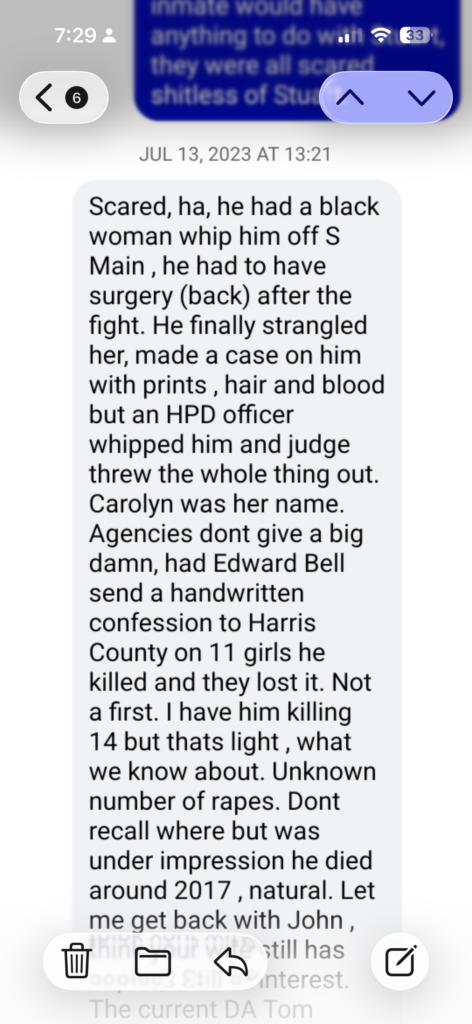
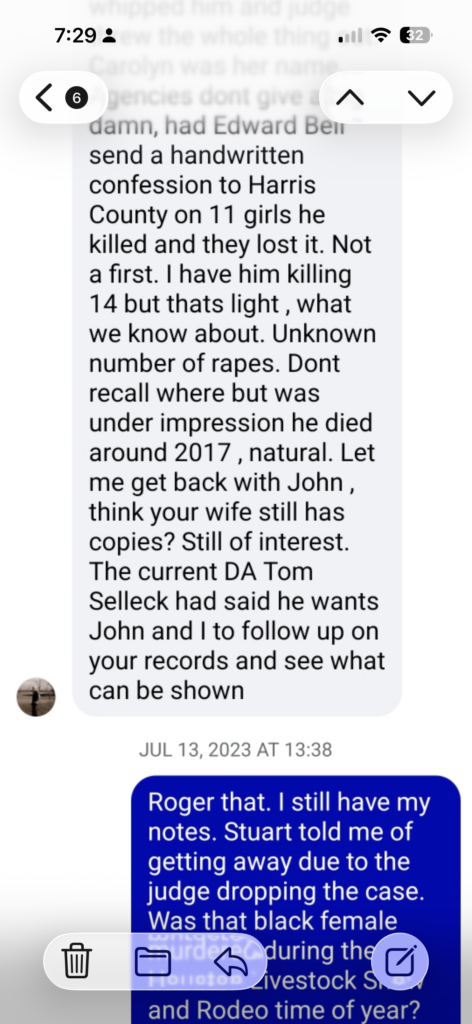
A July 2023 text message reviewed by Investigative Reporter Tammy Rose shows former Brazoria County investigator Matt Wingo believed the woman McGowen described during his Telephone Road account was Carolyn Sosa.

According to McGowen, Stuart claimed he picked up a Black woman dressed as a cowgirl during the Houston Livestock Show and Rodeo along Telephone Road before taking her to Brazoria County.

McGowen said Stuart described sexually assaulting the woman, attempting to strangle her with a seat belt before shooting her with a .22-caliber pistol. He also claimed Stuart said a fisherman witnessed the attack from a nearby boat.

Friends told investigators they last saw her leaving the LaMonte Hotel with a man driving a small, light-blue station wagon. Prosecutors later charged Roy Alan Stuart after witnesses identified him as the man who picked up Sosa and investigators found her fingerprints and hair inside his car.

Prosecutors later dismissed the murder charge.

McGowen also described additional details that do not appear in the historical records reviewed for this story.

Alleged Murder-for-Hire Involving a Deputy Constable

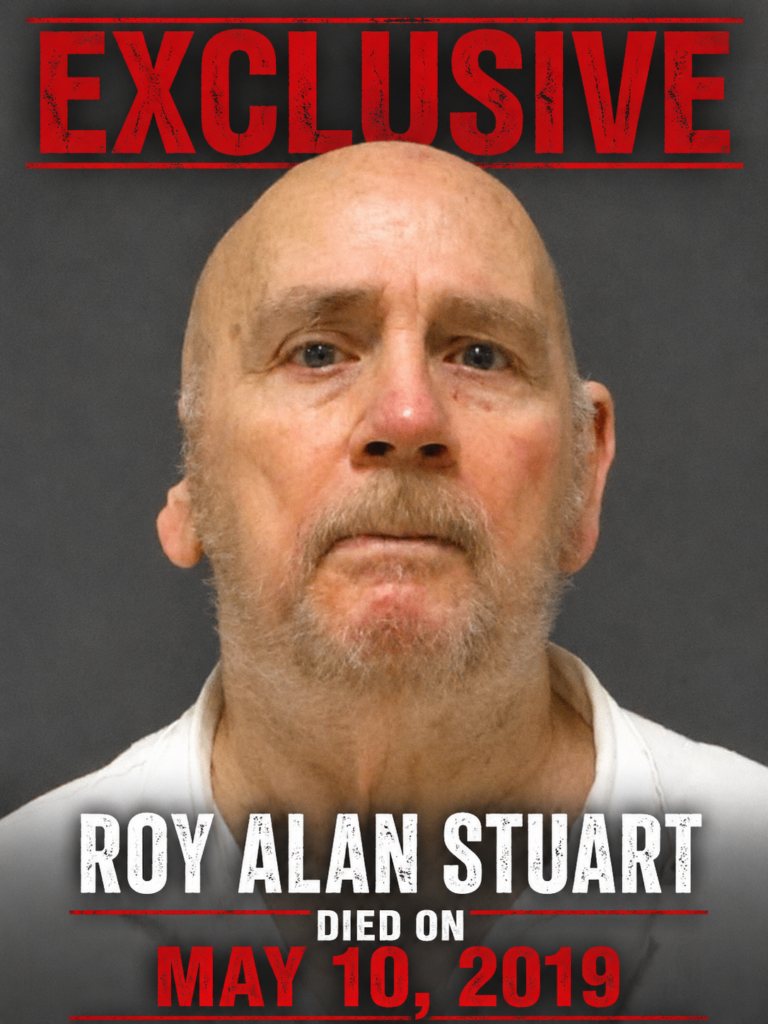
Exclusive graphic featuring Roy Alan Stuart’s mugshot with the text “Roy Alan Stuart” and “Died on May 10, 2019.
Roy Alan Stuart died May 10, 2019, while in the custody of the Texas Department of Criminal Justice.

McGowen claimed Stuart said someone paid him about $3,000 to kill a deputy constable.

McGowen says Stuart claimed the deputy used a wheelchair and lived on the same property as Stuart near a junkyard.

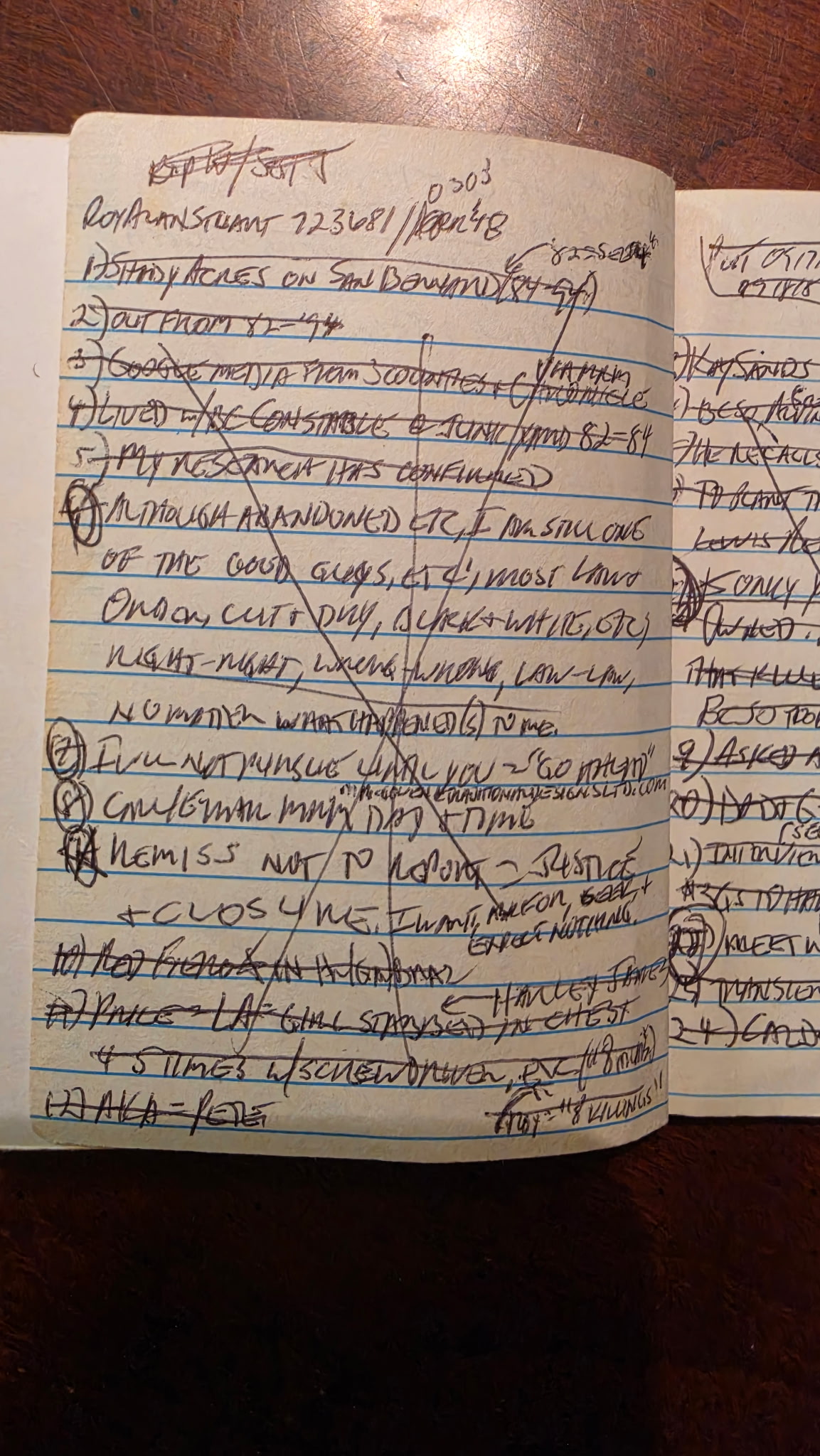
McGowen’s handwritten notes also contain the entry:

“Lived w/ BC Constable & family from ’82-’84 yrs.”

The notebook does not identify the deputy constable or explain whether that notation relates to the alleged murder-for-hire.

Handwritten prison notebook page by Joseph Kent McGowen containing notes about an alleged murder-for-hire involving a deputy constable and other conversations attributed to Roy Alan Stuart.
A page from Joseph Kent McGowen’s prison notebook referencing an alleged murder-for-hire involving a deputy constable and other notes McGowen says Roy Alan Stuart discussed while they were incarcerated together.

Tomball Kidnapping and Murder

McGowen says Stuart described abducting a woman from a Tomball bar before murdering her.

According to McGowen, Stuart claimed his mother and sister later helped hide clothing connected to the killing.

Bodies Allegedly Dumped Near the Brazos River

McGowen says Stuart described disposing of numerous bodies behind a trailer near the Brazos River.

According to McGowen, Stuart remarked, “You don’t know what crabs would do to a body.”

McGowen also says Stuart claimed a barge later struck and destroyed the dock near the property where the bodies had allegedly been dumped.

Alleged Murders With a .22-Caliber Pistol

McGowen says Stuart claimed several women were killed with the same .22-caliber handgun before the weapon was later burned inside a red Pontiac Fiero after multiple killings, with the vehicle’s location remaining unknown.

Women Near a Community College

McGowen says Stuart mentioned women disappearing around a local community college but did not identify any victims by name or provide dates.

Alleged First Homicide at Age 10

McGowen says Stuart claimed his first homicide occurred when he was 10 years old.

According to McGowen, Stuart said his father forced him to beat an uncle to death in Arkansas after accusing the man of sexually abusing chickens.

Other Allegations Discussed

McGowen’s interview also included allegations involving:

An aggravated kidnapping victim who allegedly escaped naked to the neighboring home of a deputy sheriff, leading to Stuart’s arrest.

Stuart allegedly attempting to drown his wife in Arkansas.

Comparing McGowen’s Account to Public Records

Comparing McGowen’s interview with historical records reveals two distinct categories of information.

Many of the investigations discussed—including Carolyn Sosa, Terri McDaniels, Linda Kay Simmons and the Potter County nun investigation—were already documented through historical reporting, court records and investigative files before McGowen’s interview.

Other allegations, including the deputy constable murder-for-hire, the Tomball account, the Brazos River disposal site, the alleged first homicide at age 10 and several other prison stories, were not located in the historical records reviewed for this comparison.

Editor’s Note

This article compares statements made by former Harris County deputy Joseph Kent McGowen during a prison interview with historical newspaper articles, court records and investigative records reviewed by Investigative Reporter Tammy Rose. The purpose of this comparison is to distinguish information that had already been documented in the public record from allegations McGowen says Roy Alan Stuart shared with him while the two were incarcerated. The comparison reflects the records reviewed for this investigation and is not intended to establish the truth of any allegation discussed in McGowen’s interview.

Related Reading

If you’re interested in unsolved crimes, investigative reporting, or the history of serial homicide investigations, you may also enjoy these books:

Who Killed These Girls? by Beverly Lowry

The Cases That Haunt Us by John E. Douglas and Mark Olshaker

Disclosure: As an Amazon Associate, I earn from qualifying purchases. Purchasing through affiliate links helps support future investigations at no additional cost to you.

Investigator Matt Wingo Responds to Roy Alan Stuart Story, Raises Questions About Prison Journals

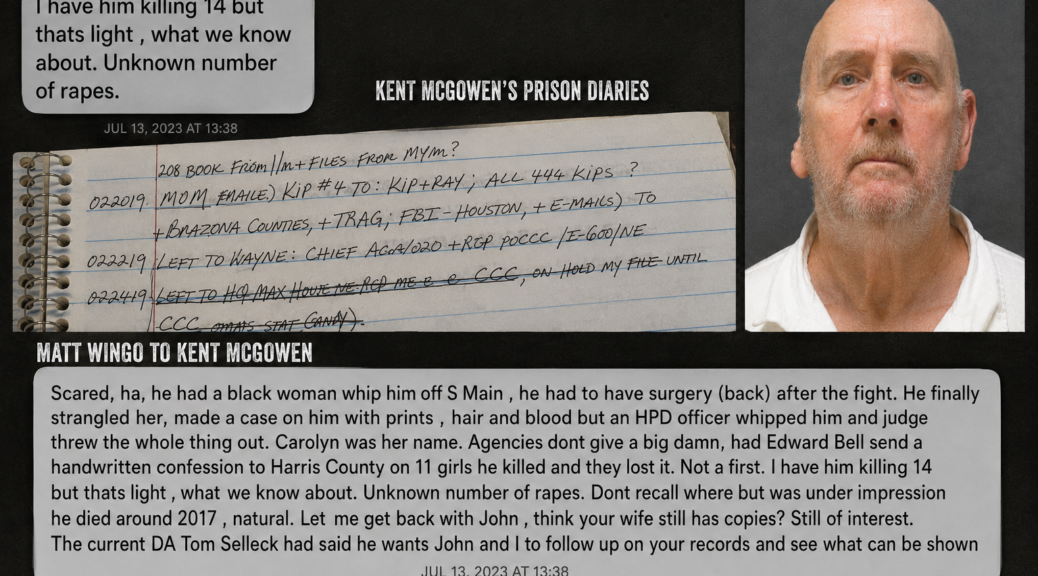
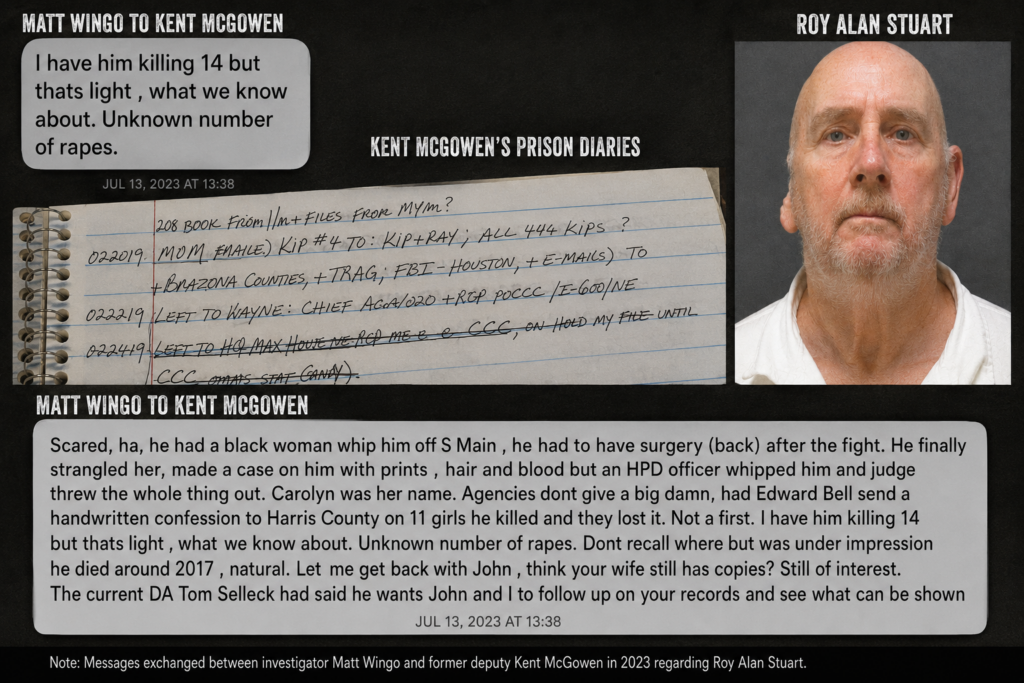
Matt Wingo response to Roy Alan Stuart investigation showing July 2023 text messages, Kent McGowen prison diaries and Roy Alan Stuart mugshot.

Investigator Matt Wingo Raises Questions About Roy Alan Stuart Prison Journal Story

Before publishing my interview with former Harris County deputy Kent McGowen and his handwritten prison journals about convicted serial killer Roy Alan Stuart, I contacted investigator Matt Wingo seeking an interview and comment.

I did not receive an interview before my publication deadline.

After the story was published, Wingo text messaged and emailed me several times expressing concerns about the accuracy of information contained in McGowen’s journals. Although one of his text messages stated he did not want further contact, he continued sending additional emails outlining what he believes are significant factual problems.

Why I Reported the Story the Way I Did

The messages document that Wingo and McGowen communicated. They do not independently establish that every claim discussed in those communications is accurate.

July 13, 2023 text message exchange between investigator Matt Wingo and former Harris County deputy Kent McGowen discussing Roy Alan Stuart. The messages include discussion of an estimated homicide count and references to reviewing additional investigative records.

One issue readers should understand is the homicide count.

Before publication, I had seen a July 2023 message between Wingo and McGowen in which Wingo wrote:

“I have him killing 14 but that’s light, what we know about.”

However, because I was unable to interview Wingo before publication, I did not feel it was appropriate to publish his estimate as fact without giving him the opportunity to explain how he reached that number.

Instead, I reported what Kent McGowen told me during my interview and clearly identified him as the source of those statements. Throughout my reporting, I repeatedly noted that many of the claims contained in McGowen’s journals remain unverified.

Editor’s Note – July 10, 2026

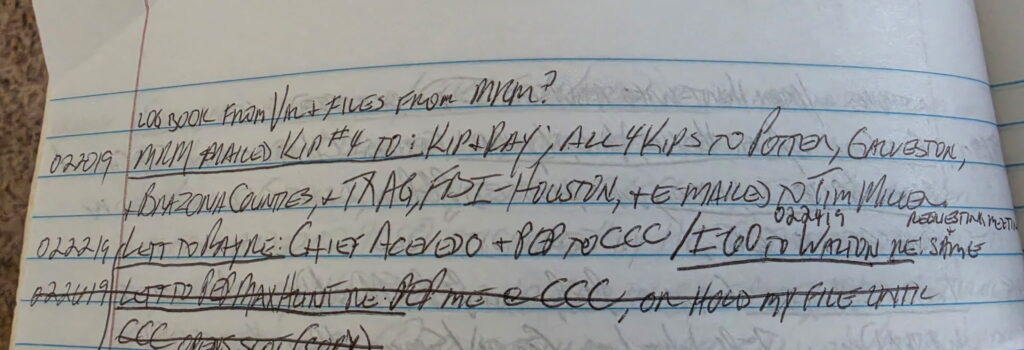
After Investigator Matt Wingo contacted me to point out factual errors in my original article, I reexamined Kent McGowen’s original handwritten journals. During that review, I determined that I had misinterpreted several entries involving investigator communications. The journals document communications between Kent McGowen and investigators—including letters, telephone calls, emails, text messages and other correspondence. Upon reexamining the journals, I determined I had incorrectly interpreted some entries as documenting in-person meetings as I had previously interpreted.

The underlying claims in this article remain attributed to Kent McGowen’s interview and handwritten journals unless otherwise noted. As with the original publication, these allegations have not been independently verified by this news organization.

Additional Documents Reviewed

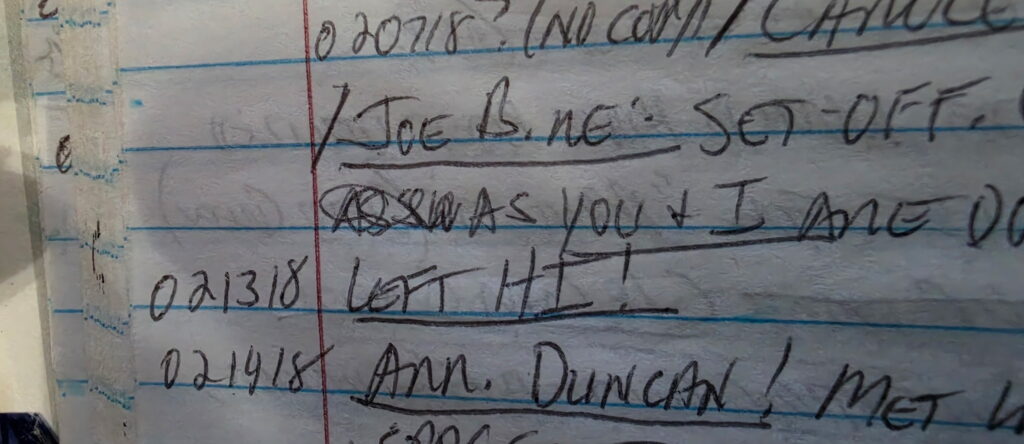
Excerpts from Kent McGowen’s original handwritten prison journals referencing communications with investigators and agencies regarding information he said Roy Alan Stuart shared while they were incarcerated together.

In addition to the handwritten journals, I also reviewed text messages, emails, and other communications exchanged between Matt Wingo and Kent McGowen regarding Roy Alan Stuart as part of this reporting.

The Questions That Remain

Several important questions remain unanswered.

Which Texas Ranger or Rangers were referenced in McGowen’s journals?

Can the journal entries regarding investigator communications be independently corroborated through public records or other witnesses?

Which portions of the journals can be independently verified?

Which claims cannot currently be verified?

Are there additional public records that support or contradict McGowen’s account?

I intend to continue reporting on these questions as more information becomes available.

More Resources

If stories about cold cases, victims, and investigative journalism matter to you, these books and reports may also be helpful.

📚 The Body Keeps the Score by Bessel van der Kolk

📚 While the City Slept by Eli Sanders

📰 Read my original investigation:

Exclusive: Roy Alan Stuart Prison Confessions Revealed

Why I Fight So Hard for Victims: The Story I’ve Never Shared

Disclosure: As an Amazon Associate, I earn from qualifying purchases. If you purchase through my affiliate links, I may receive a small commission at no additional cost to you. Thank you for supporting my independent investigative journalism.

Why I Fight So Hard for Victims: The Story I’ve Never Shared

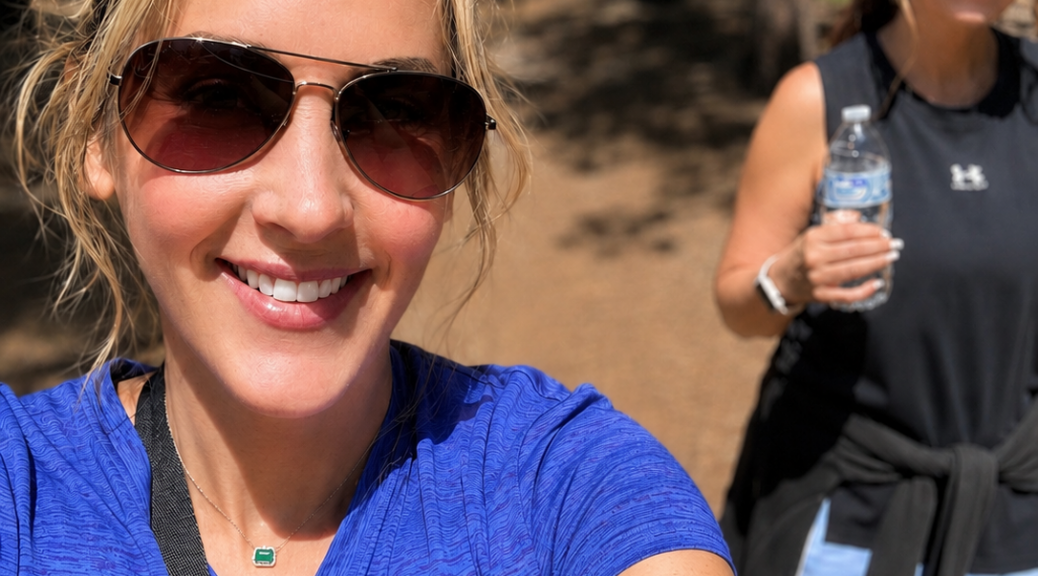
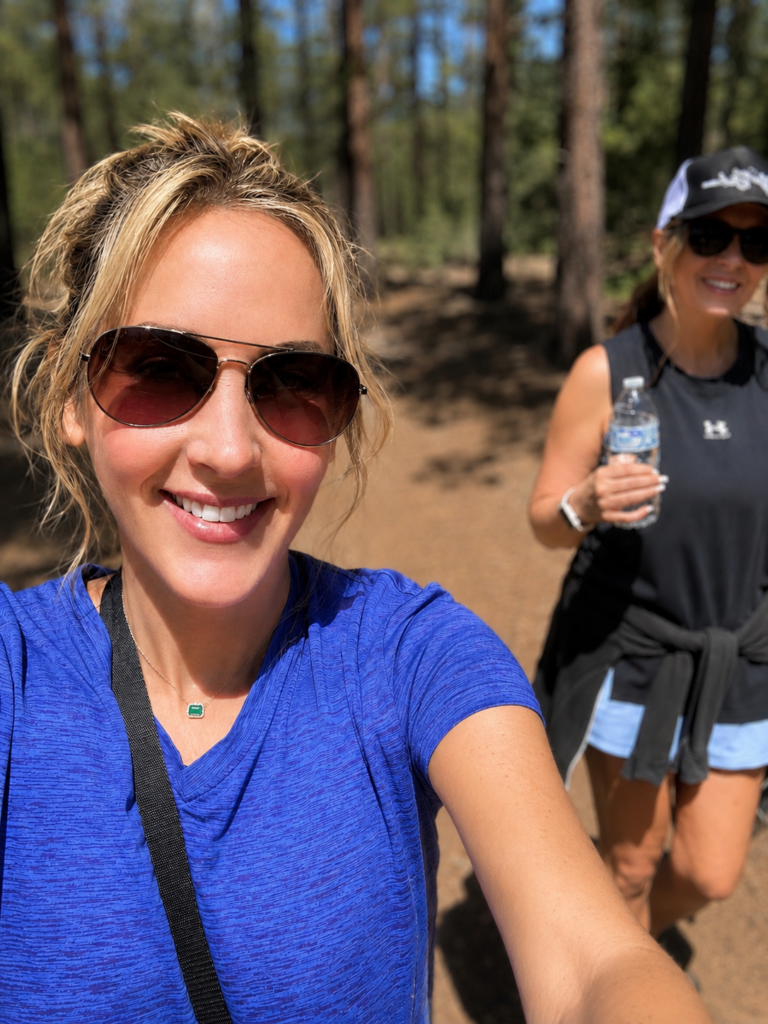
Tammy Rose hiking with a friend before sharing the personal story that inspired her investigative reporting and advocacy for crime victims.
Tammy Rose shares the personal journey that inspired her lifelong commitment to fighting for victims.

Why I Fight So Hard for Victims: The Story I’ve Never Shared

By Investigative Reporter Tammy Rose

Why I’m Sharing This Now

People often ask why I spend so much time filing public records requests, interviewing grieving families, and refusing to give up on cold cases.

The answer isn’t found in a newsroom.

It’s found in one of the most painful chapters of my own life.

Long before I became an investigative reporter, I became a victim.

For years, I kept this story private because of the shame, embarrassment, and fear that followed.

Today, I’m sharing it because I hope it helps others understand why I fight so hard for victims.

I Didn’t Want to Report the Crime

The person who sexually assaulted me wasn’t a stranger.

He was someone my family knew and trusted.

After it happened, I didn’t want to report the crime.

I was embarrassed.

I was ashamed.

Like many victims, I blamed myself.

I wanted to pretend it had never happened.

It was my former husband who convinced me to go to law enforcement. He told me that if I didn’t report the crime, he would.

Looking back, I’m grateful he encouraged me to speak up.

At the time, it felt impossible.

The Trial Changed My Family Forever

Going through the criminal justice system was one of the hardest experiences of my life.

During the trial, I learned the defendant had previously been convicted in another sexual assault case involving a child under the age of 14 and had served a much shorter sentence.

That realization was heartbreaking.

The case also divided my family.

One of the most painful moments was watching my own sister testify for the defense.

My father blamed me for what had happened.

Losing the support of people I loved was devastating.

The verdict ended the criminal case.

It did not end the pain.

The Papers I Never Threw Away

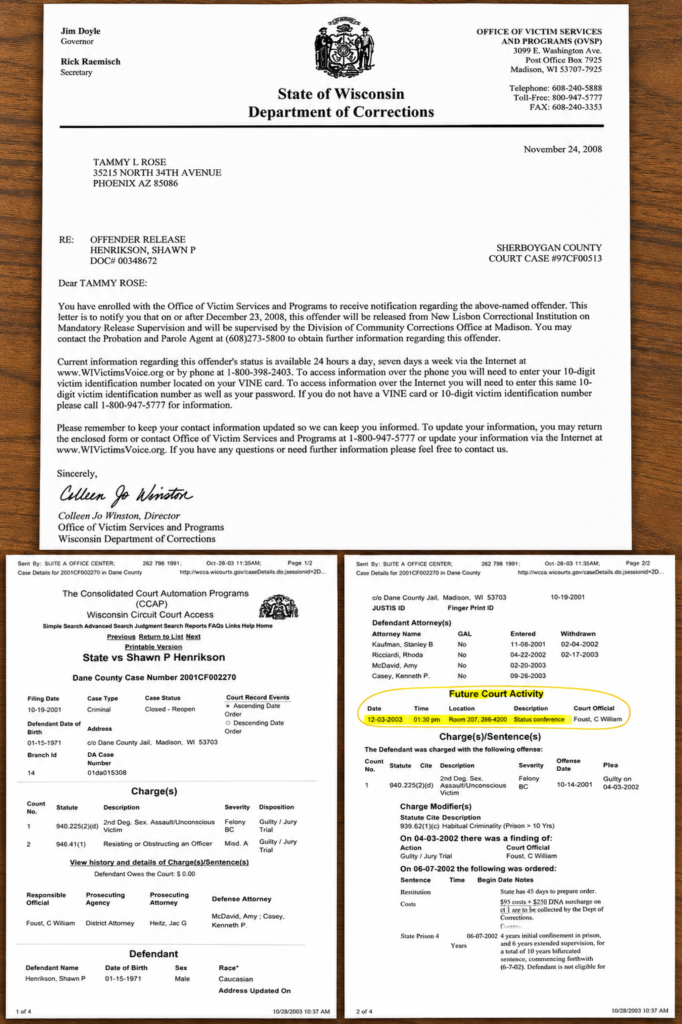
Wisconsin court records and victim notification documents preserved by Tammy Rose years after her criminal case, illustrating the lasting impact of surviving sexual assault.
Court records and victim notification letters I kept for years—documents that reminded me the criminal case ended, but the journey as a victim did not.

Recently, I opened a folder I hadn’t looked at in years.

Inside were Wisconsin court records, sentencing documents, and a Wisconsin Department of Corrections victim notification letter informing me the offender would one day be released from prison.

Holding those papers again reminded me that victims often carry a case long after the courtroom is empty.

The documents aren’t just legal records.

For me, they represent years of healing.

Years Later, I Had to Defend My Truth Again

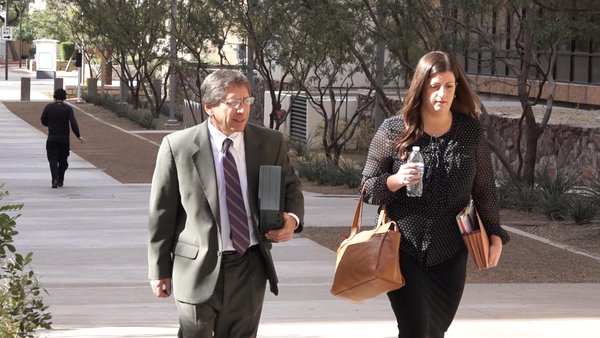
Courthouse walkway during the Jodi Arias sentencing retrial where testimony related to the State Bar proceedings was taking place.
Courthouse during the Jodi Arias sentencing retrial, where my reporting ultimately led to State Bar proceedings that resulted in my deposition years after my own criminal case had ended.

Years after my criminal case ended, I was covering the Jodi Arias sentencing retrial as a reporter.

During my reporting, I uncovered information that led me to file a complaint with the State Bar of Arizona regarding prosecutor Juan Martinez.

As part of that disciplinary process, I was deposed.

During that process, records from my own criminal case became part of the deposition and were made public. As a victim, it was devastating to see deeply personal parts of my past become public record years after I believed I had finally moved forward.

I never imagined my own past would become part of those proceedings.

During the deposition, my background was examined, including the sexual assault case from years earlier. My credibility was challenged, and I felt as though I was once again defending one of the most painful experiences of my life.

For years, I had been afraid to speak up.

Then something changed.

I remember saying, “The judge and jury believed me. If you disagree with that, take it up with them.”

It was the first time in a long time that I truly stood up for myself.

Why I Fight So Hard for Victims

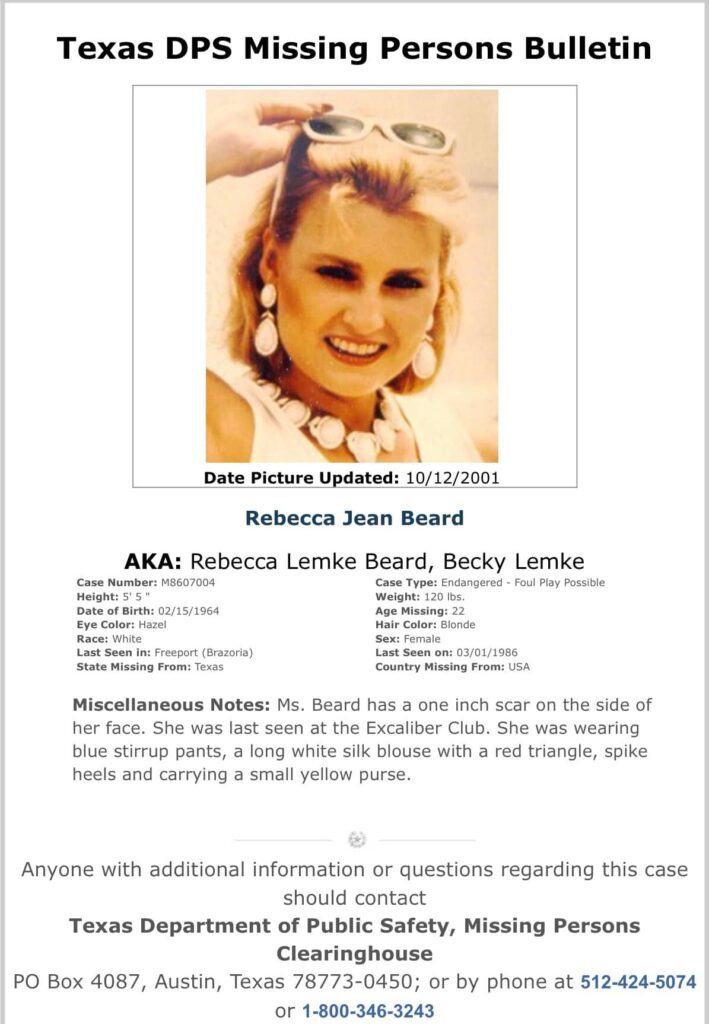
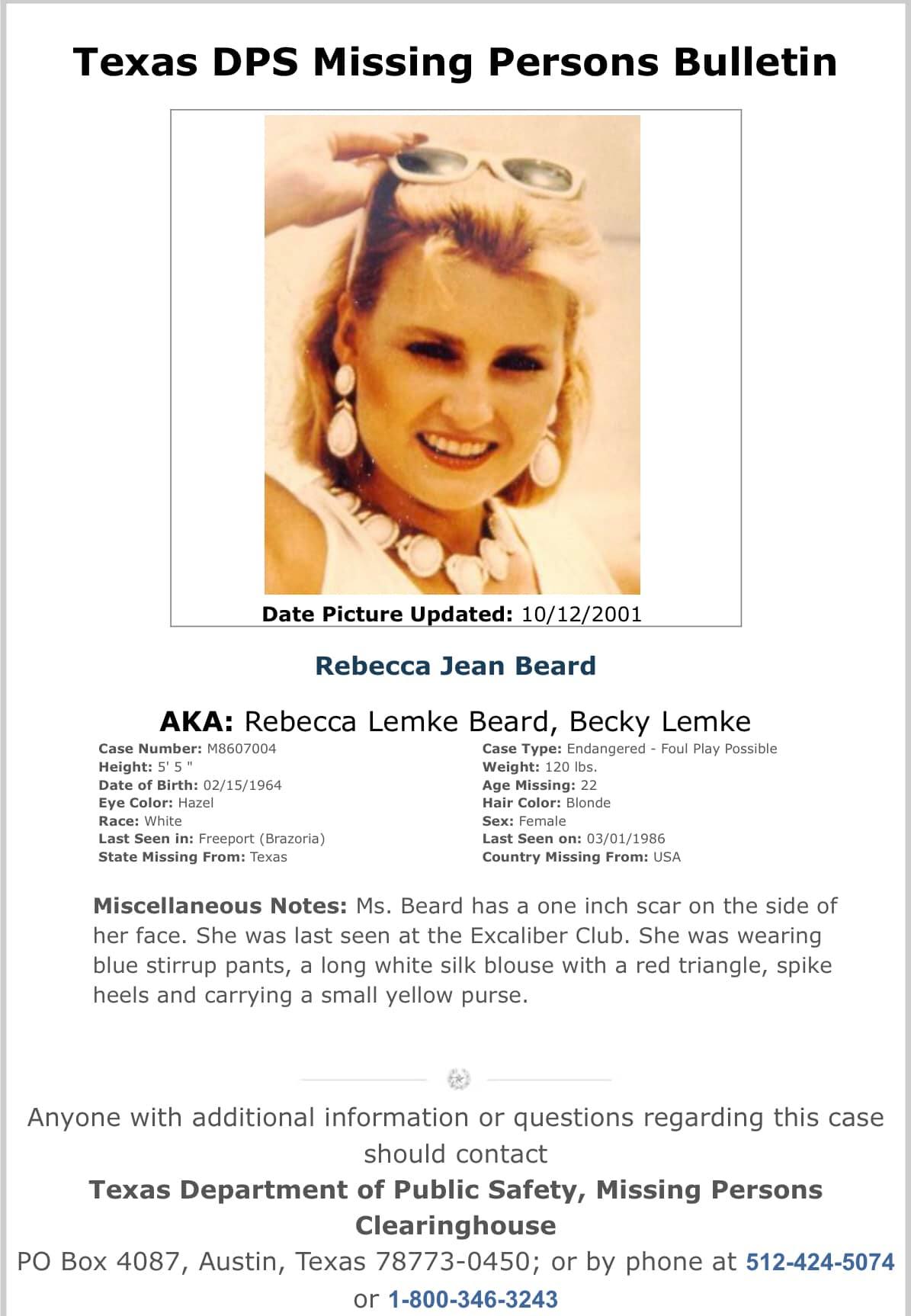
Texas Department of Public Safety Missing Persons Bulletin for Rebecca Jean Beard, issued during the investigation into her disappearance.
Official Texas DPS Missing Persons Bulletin for Rebecca Jean Beard, documenting her disappearance before Paul Taylor Jr. later pleaded guilty in the case despite her remains never being recovered.

Every records request I file…

Each family I interview…

No cold case is just another story.

Every difficult question I ask…

Is driven by one purpose: finding the truth.

I know what it feels like to wonder if anyone will believe you.

I’ve experienced losing relationships because I told the truth.

Years later, my credibility was questioned over events from my past.

Those experiences shaped the reporter I am today.

Victims deserve compassion.

Families deserve answers.

The truth deserves to be pursued—even when it’s uncomfortable.

To Every Victim Reading This

Memorial image of Terri Denise McDaniels, an unsolved homicide victim from Pearland, Texas, whose case remains unsolved.
Terri Denise McDaniels was murdered in Pearland, Texas, on October 31, 1986. Her homicide remains unsolved. Every unsolved case represents a family still waiting for answers and justice.

Maybe you’ve been afraid to report a crime.

Perhaps someone blamed you for something that wasn’t your fault.

Or maybe you’ve wondered whether anyone would believe you.

You are not alone.

Sharing this story isn’t about reliving the past.

It’s about explaining why I continue fighting for victims every single day.

I can’t change what happened to me.

But I can make sure my experiences help someone else find the courage to speak.

As long as I have a voice, I’ll keep fighting for those still searching for justice.

That’s why I fight so hard for victims.

Continue Reading

If you’d like to learn more about trauma, healing, and the importance of seeking justice for victims, you may also find these resources helpful.

Disclosure: As an Amazon Associate, I earn from qualifying purchases at no additional cost to you.
Recommended Reading

The Body Keeps the Score by Bessel van der Kolk

The Gift of Fear by Gavin de Becker

More Investigations by Tammy Rose

Rebecca Beard: No Body. No Weapon. My investigation into the 1986 disappearance and the unanswered questions that remain.

Roy Alan Stuart Prison Journals: Former Harris County Deputy Kent McGowen shares chilling prison confessions that could help solve cold cases.

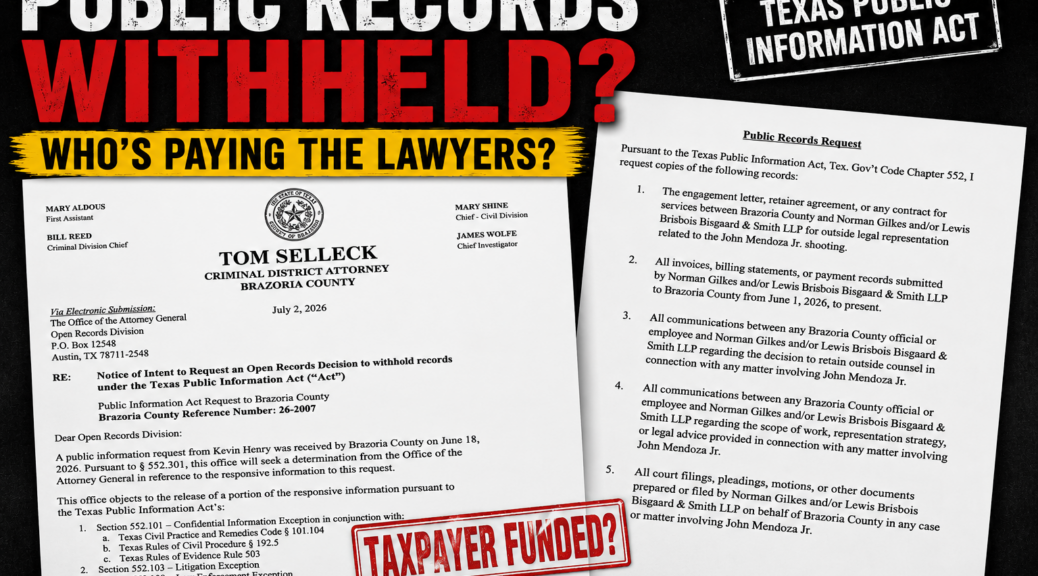
Brazoria County Seeks to Withhold Records on Outside Counsel

The requested records involve outside attorneys hired by Brazoria County in connection with the John Mendoza Jr. shooting investigation.

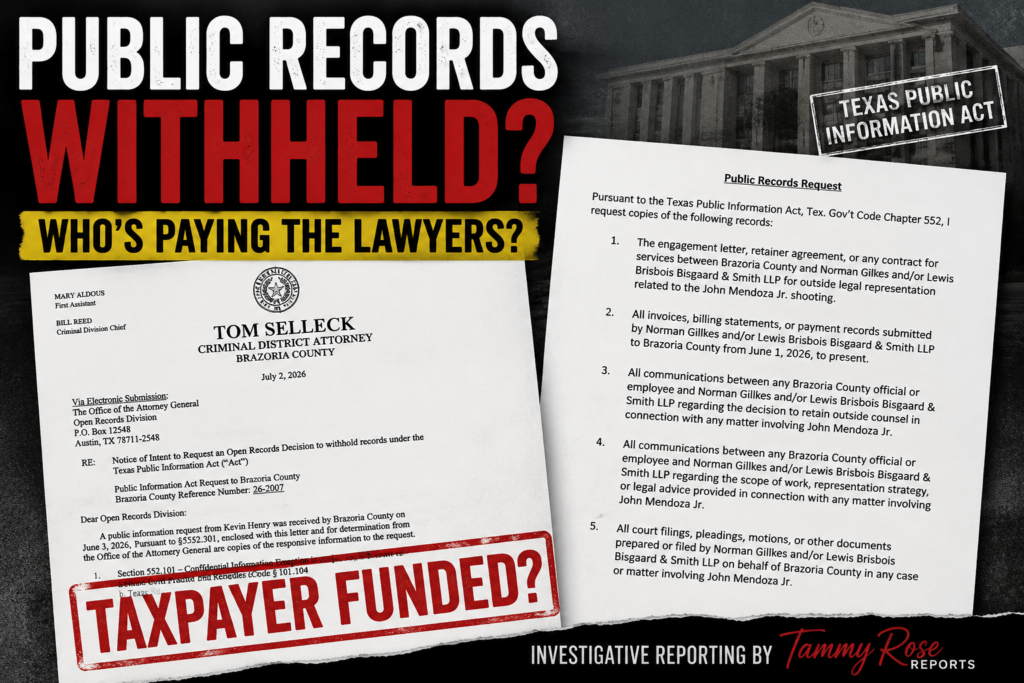
Public records request and Brazoria County DA letter seeking to withhold records in the John Mendoza Jr. shooting investigation.
July 2, 2026: Brazoria County District Attorney’s Office notified requester Kevin Henry that it was asking the Texas Attorney General to determine whether records related to outside legal counsel could be withheld under the Texas Public Information Act.

Brazoria County DA Asks Texas Attorney General to Withhold Records on Outside Counsel Hired After John Mendoza Jr. Shooting

By Investigative Reporter Tammy Rose

Why did Brazoria County hire outside legal counsel following the fatal shooting of John Mendoza Jr., and why is the District Attorney now asking the Texas Attorney General to keep those records from the public?

Those are questions at the center of a new Texas Public Information Act dispute after podcast host Kevin Henry requested documents related to outside attorneys retained by Brazoria County following the officer-involved shooting.

The records request seeks documents that would show:

The attorney engagement letter.

The scope of legal representation.

Financial terms of the agreement.

Communications regarding hiring outside counsel.

Authority used to retain the attorneys.

Invoices and payment records.

According to the request, the records involve outside attorney Norman Giles and the law firm Lewis Brisbois Bisgaard & Smith LLP in connection with matters involving John Mendoza Jr., John Mendoza Sr., and attorney Charles Adams.

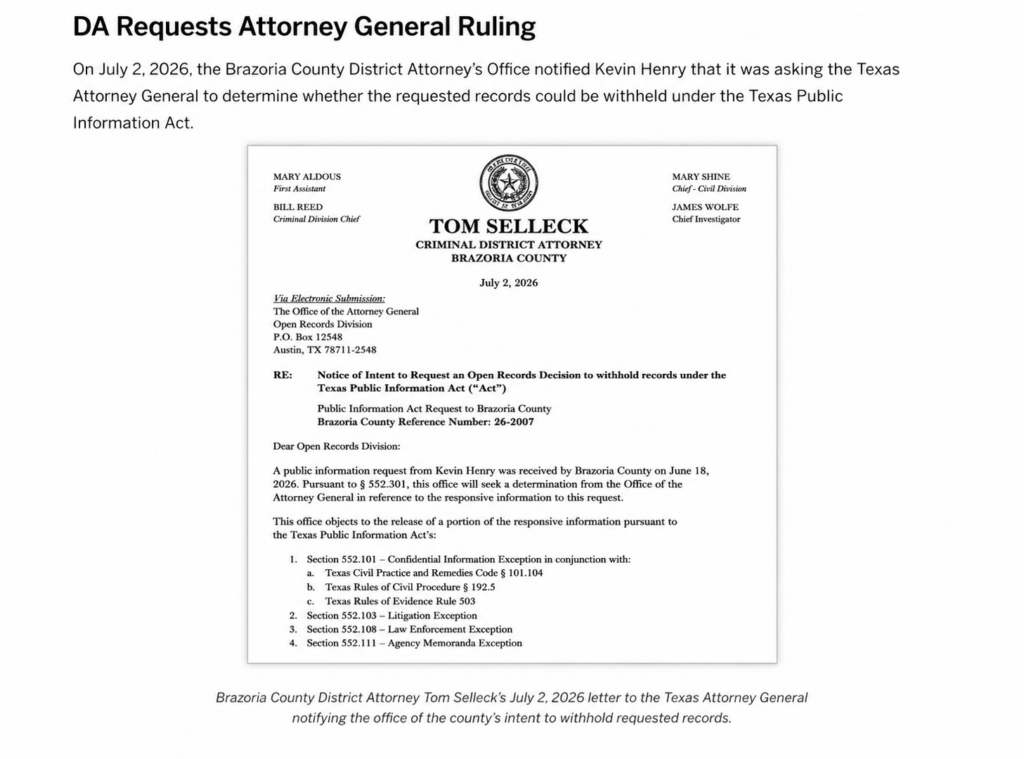
DA Requests Attorney General Ruling

July 2, 2026 Brazoria County District Attorney letter requesting a Texas Attorney General ruling on whether records related to outside legal counsel may be withheld under the Texas Public Information Act.
On July 2, 2026, the Brazoria County District Attorney’s Office notified Kevin Henry that it was seeking a Texas Attorney General ruling on whether records related to outside legal counsel could be withheld under the Texas Public Information Act.

Instead of immediately releasing the records, Brazoria County Criminal District Attorney Tom Selleck notified the Texas Attorney General that his office intends to seek permission to withhold portions of the requested information.

In the July 2, 2026 letter, the DA cites several exceptions under the Texas Public Information Act, including:

Confidential information

Litigation exception

Law enforcement exception

Agency memoranda

The Attorney General will ultimately determine whether those claimed exemptions apply.

Kevin Henry Challenges the County’s Position

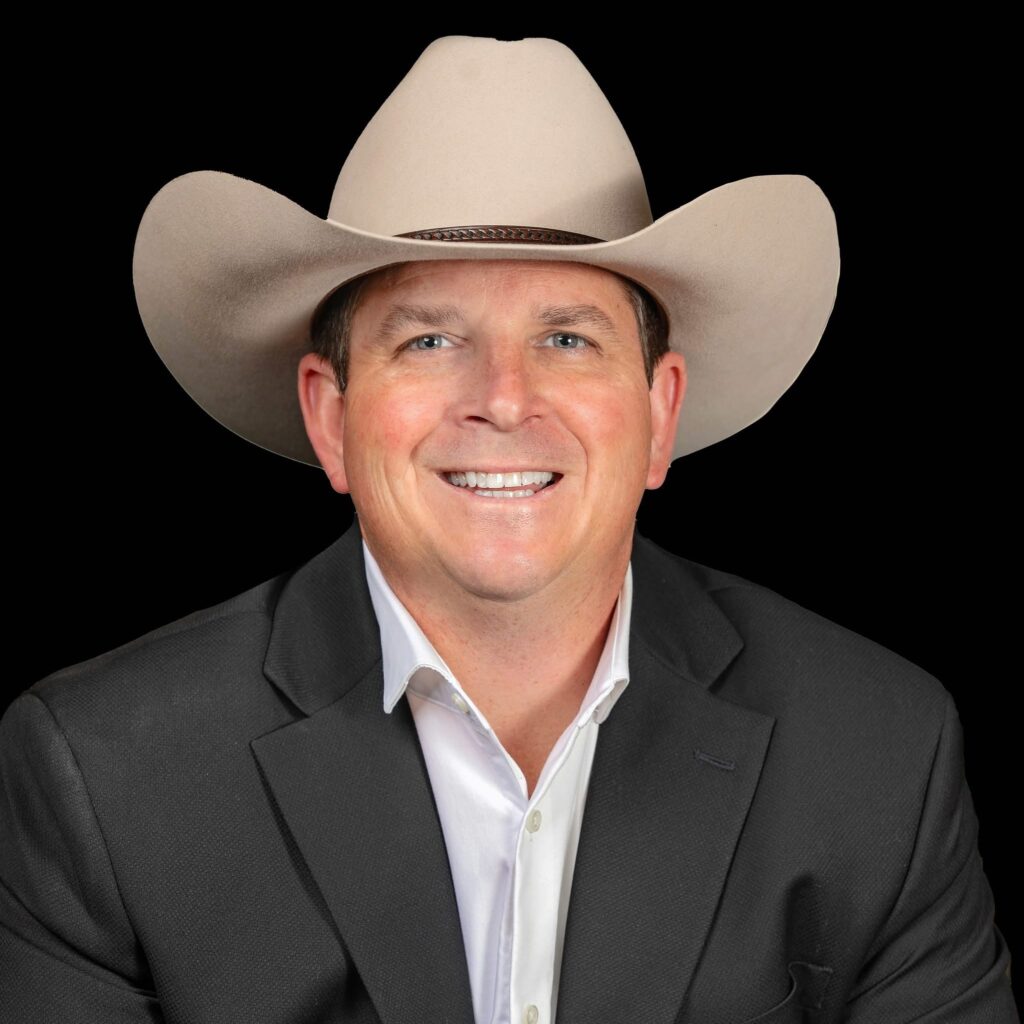
Portrait of Kevin Henry, host of The Kevin Henry Podcast, who filed the Texas Public Information Act request seeking records related to outside legal counsel in the John Mendoza Jr. investigation.
Kevin Henry filed the public records request seeking contracts, invoices, communications, and related records concerning outside legal counsel hired by Brazoria County in connection with the John Mendoza Jr. investigation. The Brazoria County District Attorney’s Office later notified him it was seeking a Texas Attorney General ruling on whether some of those records could be withheld.

Kevin Henry argues the requested documents involve public expenditures rather than protected legal advice.

In his filing, he contends that:

Engagement letters for outside legal services are generally public records.

Financial terms of public contracts are typically subject to disclosure.

Outside counsel was retained before litigation was filed.

The public has a strong interest in understanding how taxpayer money is being spent following the fatal shooting.

Henry also argues that disclosure is particularly important because the request concerns the death of John Mendoza Jr. during an encounter with a Brazoria County Sheriff’s deputy.

Why This Matters

When government agencies retain outside attorneys, taxpayers often pay those legal expenses.

The records requested could provide additional information about:

When outside counsel was hired.

What work the attorneys were retained to perform.

How much taxpayers may ultimately pay.

The legal scope of the representation.

Whether those documents remain confidential now rests with the Texas Attorney General’s Office.

What Happens Next

The Attorney General will review both Brazoria County’s arguments for withholding the records and Kevin Henry’s response opposing those claims.

If the Attorney General orders disclosure, Brazoria County may be required to release some or all of the requested documents. If the ruling favors the county, portions of the records could remain withheld.

I’ll continue following this public records dispute and provide updates as additional filings become available.

The Texas Attorney General will now determine whether the requested records must be released or whether the county may lawfully withhold some or all of them under the Texas Public Information Act.

More John Mendoza Jr. Coverage: Follow my ongoing investigative reporting into the John Mendoza Jr. shooting, including public records requests, legal filings, the outside counsel controversy, attorney statements, and previous developments in the case.

Recommended Reporting Gear

As an Amazon Associate, I earn from qualifying purchases at no additional cost to you. Every purchase made through these links helps support my independent investigative reporting and allows me to continue covering stories like this one. Thank you for your support.
Reporting Equipment I Use & Recommend:

🎤 Voice Recorder

📷 Body Camera

📻 Police Scanner