Tag Archives: police records

Texas Public Information Act Request: Dash Camera Released, Body Camera Pending

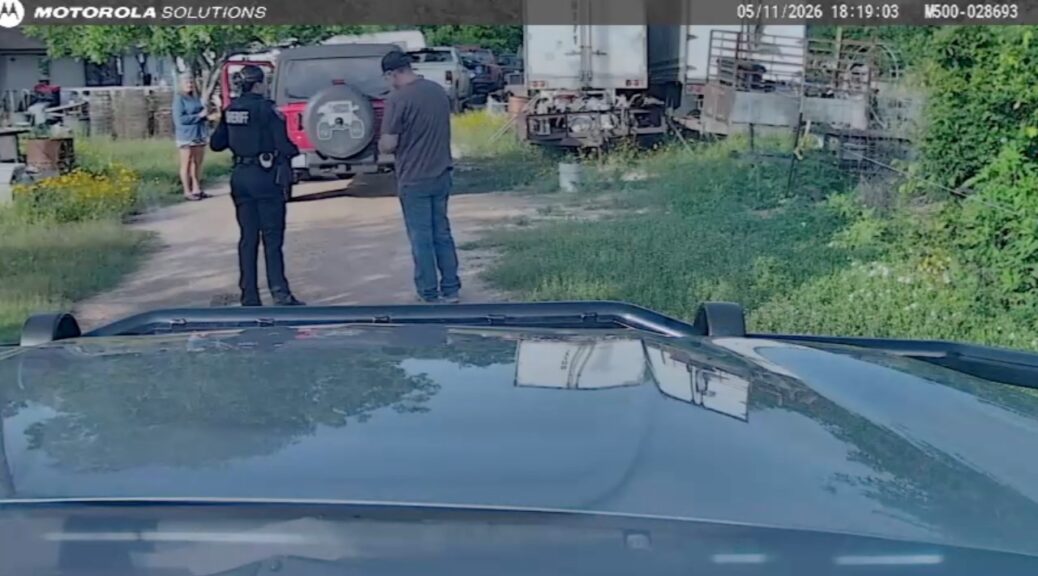
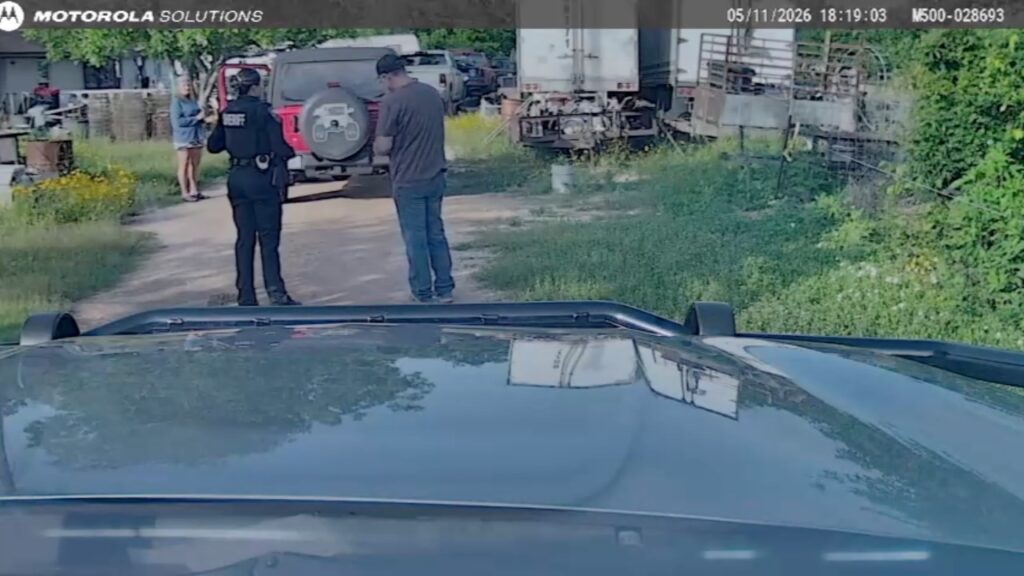
Raw dash camera image released through a Texas Public Information Act request showing a Brazoria County sheriff’s deputy speaking with individuals during a May 11, 2026 encounter related to the Rebecca Beard investigation.
Screenshot from the dash camera video released by Brazoria County in response to a Texas Public Information Act request. The recording contains no audio. The requested body camera video remains pending while the Texas Attorney General reviews whether it may be withheld.

Texas Public Information Act Request Leads to Dash Camera Release While Body Camera Remains Under Review

The Brazoria County Criminal District Attorney’s Office released the dash camera recording in response to my Texas Public Information Act request. The responding deputy’s body camera recording remains under review by the Texas Attorney General.

Page one of the Brazoria County Criminal District Attorney’s Office response confirming my public information request, payment, and the release of the dash camera recording while the requested body camera recording remains under review by the Texas Attorney General.

By Investigative Reporter Tammy Rose

Transparency matters. That is why I filed a Texas Public Information Act request after an encounter with a woman connected to the Rebecca Beard investigation.

The request resulted in sheriff’s reports, dispatch records, redacted documents, and dash camera video. However, one important record remains unavailable. The Brazoria County District Attorney’s Office has asked the Texas Attorney General to decide whether the responding deputy’s body camera can be withheld.

This article explains what happened, what the released records show, and why I continue to seek the body camera recording.

Why I Went to the Property

As an investigative reporter, I believe everyone deserves an opportunity to comment before publication.

I went to Cherie “Rio” Starr’s residence to request an interview about statements she has made regarding the Rebecca Beard investigation.

She declined to comment.

According to the incident report, Starr told deputies she was a protected witness and wanted to know how I obtained her personal information.

The report also states she believed someone had sent me to her property.

I Returned to My Jeep
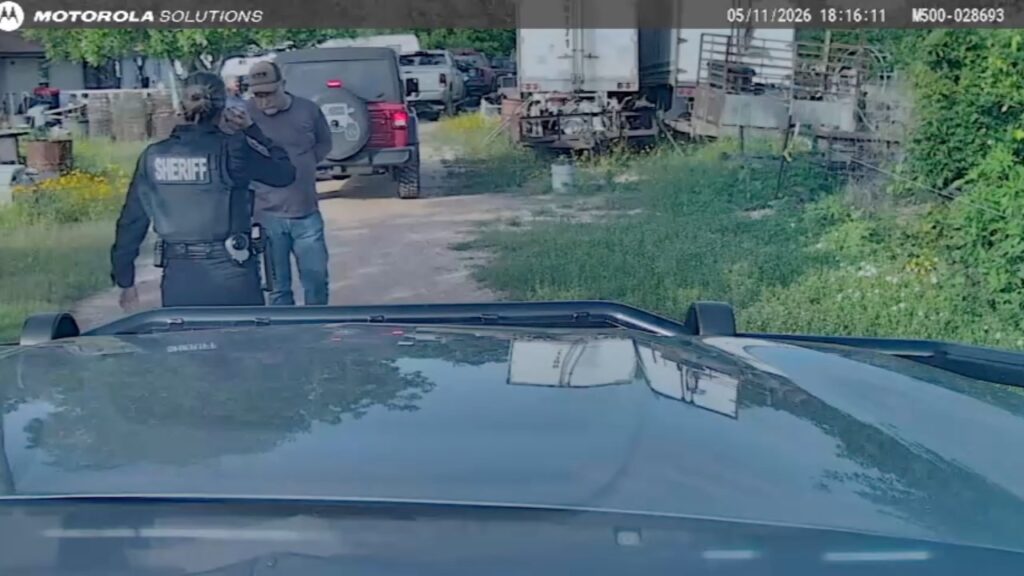
After Starr declined to comment, I walked back to my Jeep because I intended to leave.

According to the sheriff’s report, I told deputies that Starr and Kenneth Cadenhead prevented me from leaving the property.

The dashcam video released by Brazoria County contains no audio. Therefore, it cannot capture the conversations that occurred during the encounter.

However, the video does show Starr standing near my driver’s side while Cadenhead remained behind my Jeep during part of the incident.

According to my recollection, both were asking me to identify my confidential source.

I declined.

Why I Would Not Reveal My Source

The incident report notes that I refused to identify my source.

That decision was intentional.

Protecting confidential sources is a long-standing practice in investigative journalism. Sources often provide information only because they trust reporters to keep their identities confidential.

My purpose that day was to request an interview. It was not to disclose who provided information for my reporting.

A Detail Not Included in the Report

One part of the encounter is not reflected in the written incident report.

According to my recollection, while standing near my driver’s side door, Starr told me she would agree to an interview “when this is all over.”

She also indicated that the Rebecca Beard investigation remained an active case that had never been closed.

Because the released dashcam has no audio, viewers cannot hear that conversation.

For that reason, I continue to seek release of the responding deputy’s body camera recording.

What the Public Records Show

My Texas Public Information Act request produced several records, including:

Sheriff’s incident reports
Dispatch and CAD records
Dashcam video
Redacted documents

The only major record that has not been released is the deputy’s body camera.

The District Attorney’s Office has asked the Texas Attorney General to determine whether that recording may be withheld under the Texas Public Information Act.

Receiving a request for an Attorney General ruling does not automatically mean the recording will never be released. The Attorney General will determine whether any exceptions to disclosure apply under Texas law.

How I Obtained the Records

Many people ask how to request police records in Texas.

In my case, I submitted a Texas Public Information Act request to Brazoria County.

After receiving a cost estimate, I paid the required fee at the Brazoria County Treasurer’s Office inside the courthouse.

The courthouse is beautiful, although locating the correct office can be a little confusing for first-time visitors.

After payment was processed, I went to the District Attorney’s Office to pick up the responsive records.

Everyone I dealt with during the process was courteous and helpful.

I also received more records than I expected.

Part Two Is Coming Soon

In Part Two, I will explain the Texas Public Information Act process step by step.

I will also show:

How to submit an open records request
Where to pay the required fees
How to pick up responsive records
Why some records are released immediately while others require a ruling from the Texas Attorney General

Understanding the process can help anyone request public records in Texas.

Related Investigations

Equipment I Use

For field reporting and investigative journalism, I rely on equipment that performs well in demanding conditions.

As an Amazon Associate, I earn from qualifying purchases. This comes at no additional cost to you.
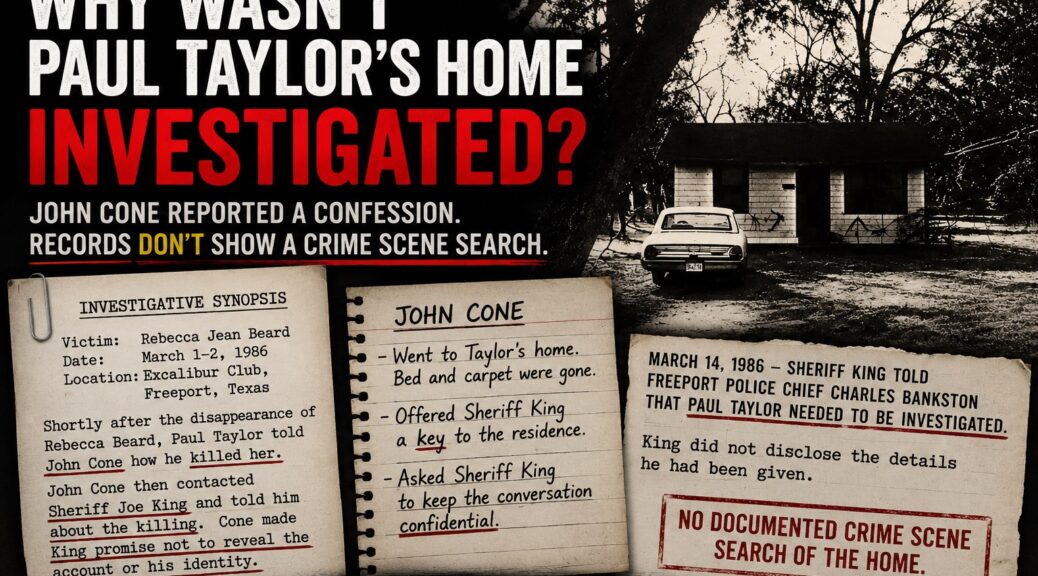
Rebecca Beard Case: Why Wasn’t Paul Taylor’s Home Investigated After John Cone’s Report?

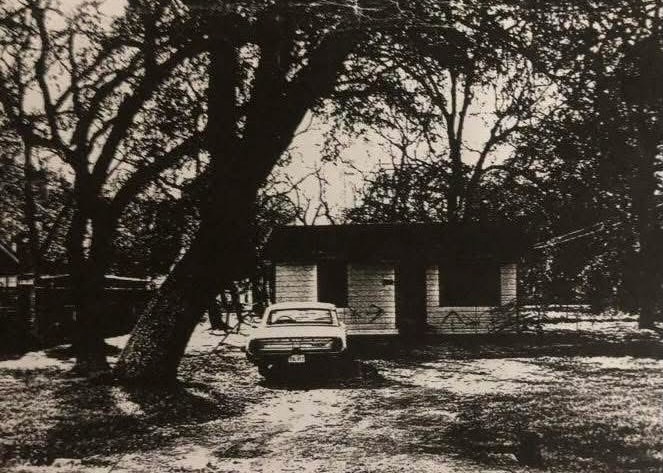
Historic black-and-white photograph of Paul Taylor’s former Clute home, featured in an article examining why investigators did not immediately secure or process the property after John Cone reported an alleged confession in the Rebecca Beard case.
The former Clute home where Paul Taylor lived became a focus of later investigative records after John Cone reported that Taylor allegedly confessed to killing Rebecca Beard. The article examines why available records do not document an immediate crime scene search or forensic processing of the property following that report.

Rebecca Beard Case: Why Wasn’t Paul Taylor’s Home Investigated After John Cone’s Report?

Reviewed by Investigative Reporter Tammy Rose

Police records raise new questions

Nearly 40 years after Rebecca “Becky” Beard disappeared, police records raise a question that remains unanswered.

If Sheriff Joe King received details of an alleged confession from John Cone shortly after Becky vanished, why don’t the records reviewed by Investigative Reporter Tammy Rose document an immediate search or forensic examination of Paul Taylor’s home?

The question stands out because later investigative summaries describe a series of events that, if accurate, pointed investigators toward Taylor’s residence within days of Becky’s disappearance.

John Cone said Taylor admitted killing Becky

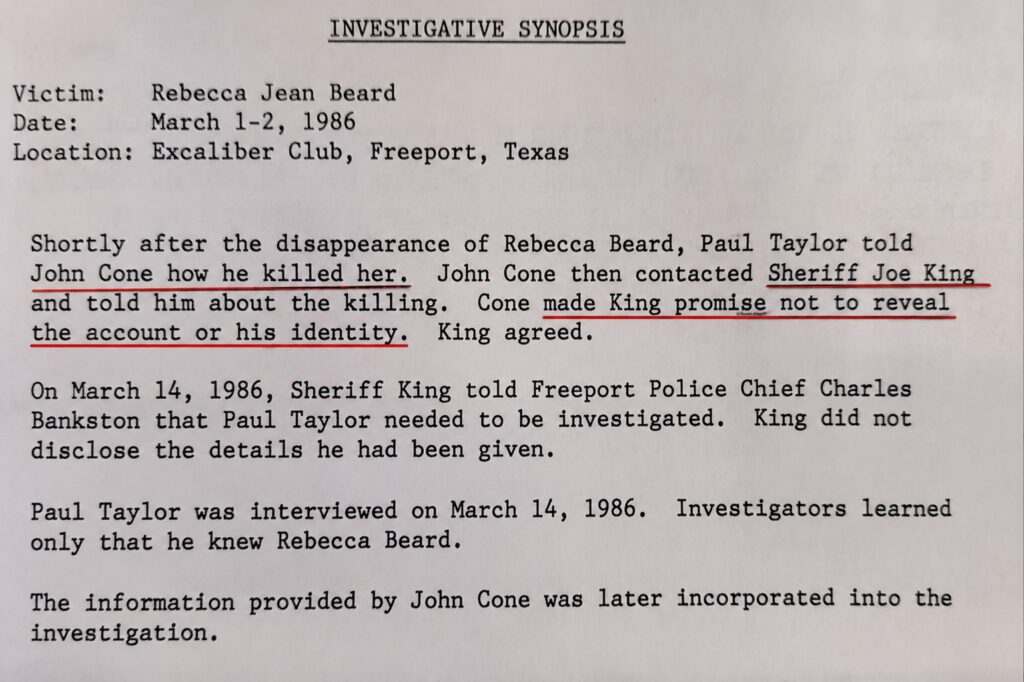
Investigative synopsis from the Rebecca Beard case stating that John Cone told investigators Paul Taylor admitted killing Rebecca Beard, contacted Brazoria County Sheriff Joe King, and asked that both his identity and the account remain confidential.
This investigative synopsis states that John Cone reported an alleged confession by Paul Taylor to Sheriff Joe King shortly after Rebecca Beard disappeared. According to the document, Cone asked King to keep both the information and his identity confidential. The synopsis also states King later advised Freeport Police that Taylor should be investigated, raising questions about what investigative steps followed.

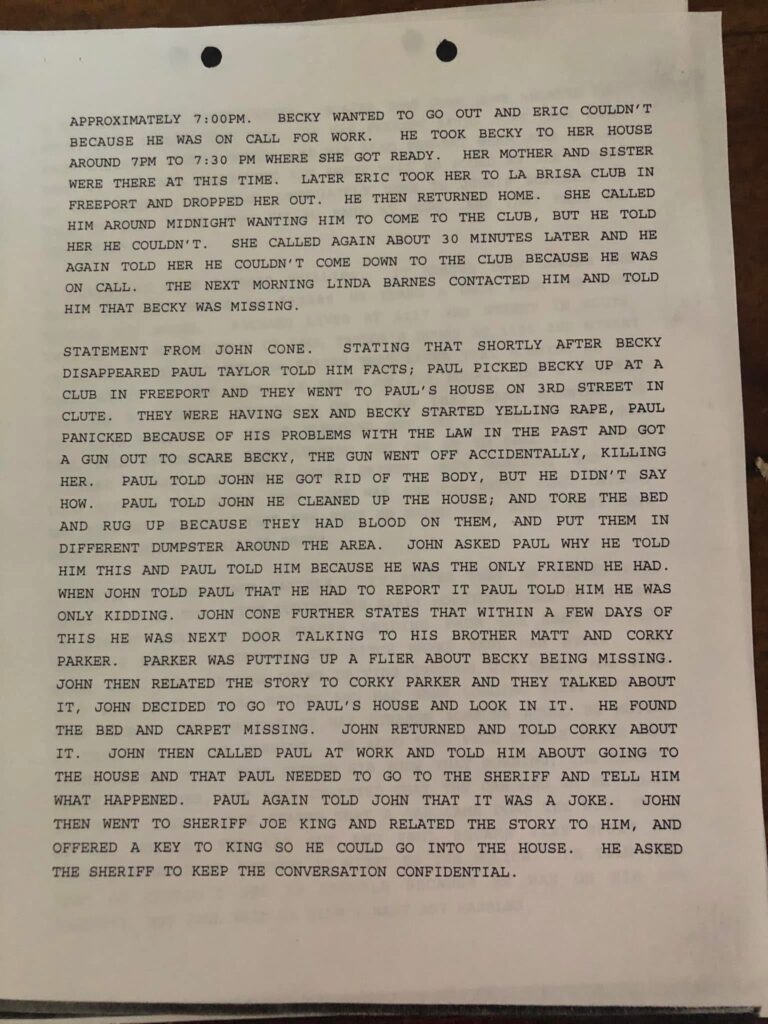
According to a later investigative synopsis, John Cone told investigators that Paul Taylor admitted Becky died inside his Clute home.

Cone’s statement says Taylor claimed he picked Becky up after she left a club, took her to his residence, and that she died after a gun discharged during a struggle.

Taylor allegedly told Cone he cleaned the residence, removed the bed and carpet because they contained blood, and discarded them in dumpsters.

Cone also said he entered Taylor’s home himself and noticed the bed and carpet were gone.

According to the records, Cone then contacted Brazoria County Sheriff Joe King and reported what Taylor allegedly told him.

Cone reportedly offered Sheriff Joe King a key

Investigative document summarizing John Cone’s statement in the Rebecca Beard case. The document states that Paul Taylor allegedly confessed to Cone, that Cone reported the information to Sheriff Joe King, and that Cone offered the sheriff a key to Taylor’s home after noticing the bed and carpet were missing.
This investigative document summarizes John Cone’s account, including his claim that Paul Taylor allegedly confessed to killing Rebecca Beard. According to the document, Cone said he entered Taylor’s home, noticed the bed and carpet were missing, and later offered Sheriff Joe King a key to the residence. The document raises questions about what investigative steps followed after that information reached law enforcement.

One detail stands out in Cone’s statement.

Cone said he offered Sheriff Joe King a key to Taylor’s residence.

He also asked the sheriff to keep both the conversation and his identity confidential.

The investigative synopsis later states that King agreed to keep the information confidential.

According to that same synopsis, Sheriff King informed Freeport Police Chief Charles Bankston on March 14, 1986, that Paul Taylor needed to be investigated but did not relate the details Cone had provided.

Taylor was interviewed that day. The synopsis states investigators learned only that Taylor knew Becky.

Where is the documented crime scene investigation?

The records reviewed by Investigative Reporter Tammy Rose do not document that investigators immediately searched Paul Taylor’s residence or processed it as a possible crime scene.

The records also do not document officers collecting physical evidence, photographing the interior, looking for blood evidence, seizing the reportedly missing bed or carpet, or tracing the dumpsters where Taylor allegedly said he discarded evidence.

Those questions remain central to understanding the early investigation. The records reviewed for this report do not document that investigators immediately completed those investigative steps after John Cone reported what Taylor allegedly told him.

Those questions remain central to understanding the early investigation. The records reviewed for this report do not document that investigators immediately completed those investigative steps after John Cone reported what Taylor allegedly told him.

Another report raised similar concerns

The records contain another development one month later.

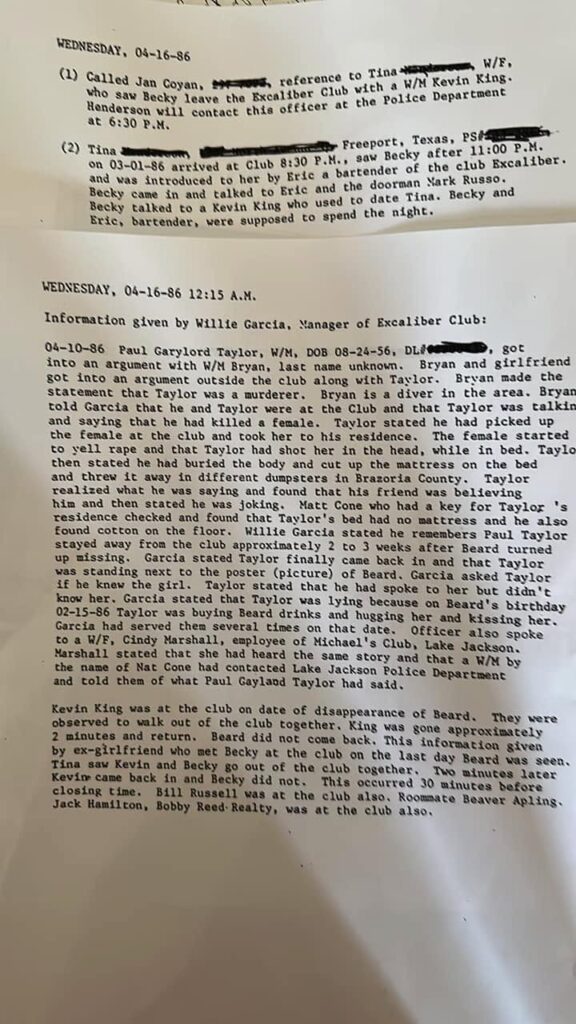
An April 16, 1986 report states the manager of Excaliber Club told investigators about another conversation involving Taylor.

According to the report, another witness claimed Taylor said he picked up a woman from the club, took her home, shot her, buried her body, cut up the mattress and discarded it in dumpsters.

The same report states Matt Cone checked Taylor’s residence and found the bed no longer had a mattress. Cotton stuffing reportedly remained on the floor.

Even then, the records reviewed by Investigative Reporter Tammy Rose do not document that officers immediately processed the residence as a homicide scene.

Another inconsistency emerges

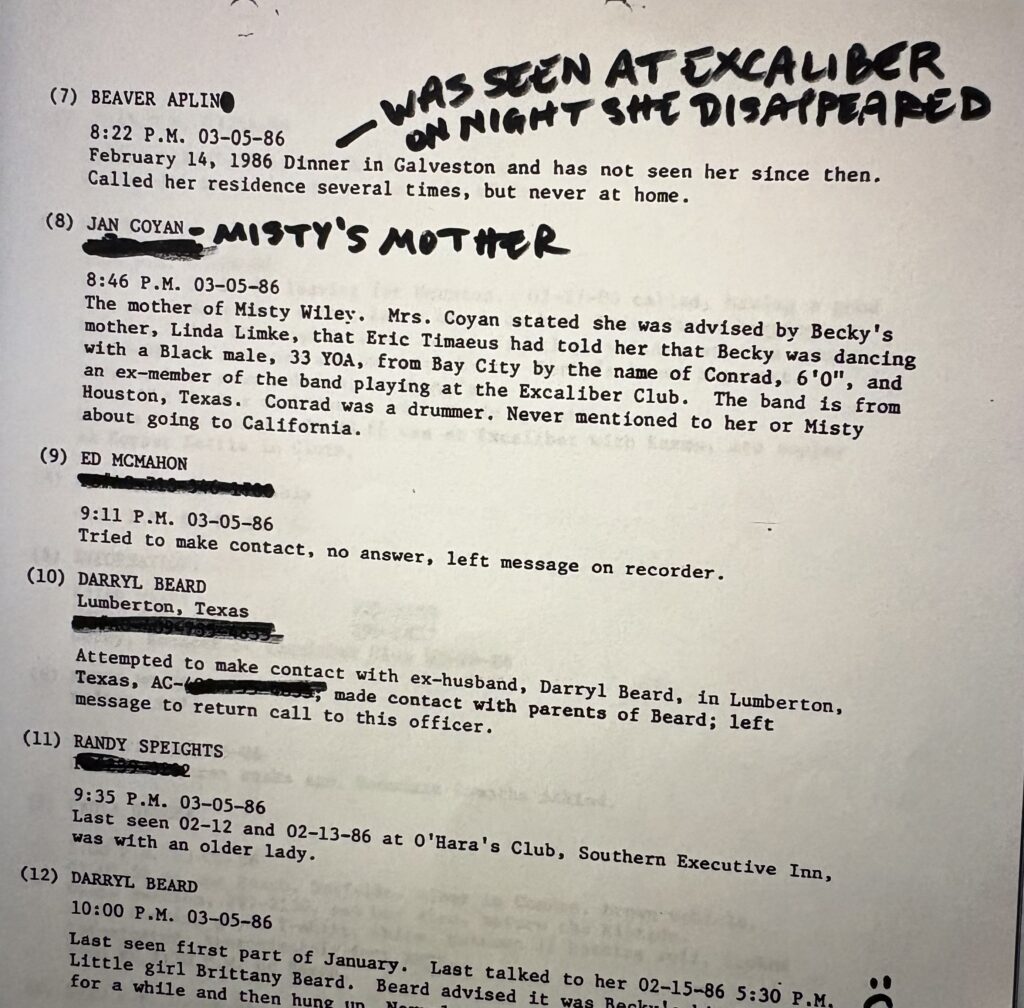
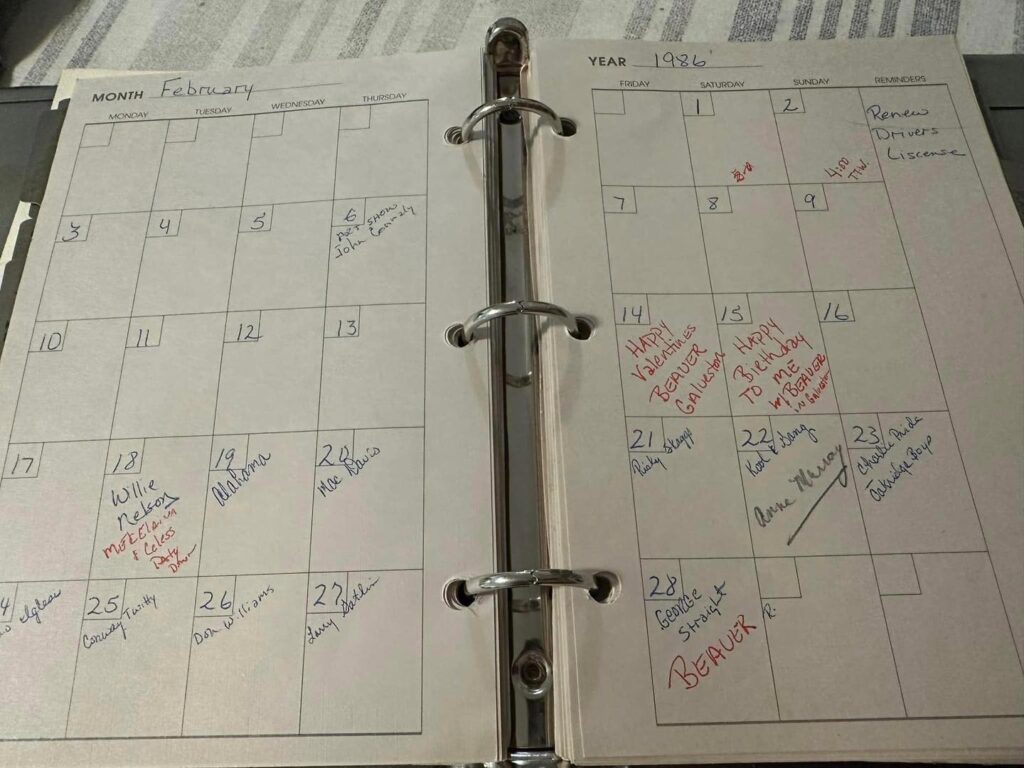
These records compare early police reports, a later investigative summary, and Rebecca Beard’s personal planner. One report states Beaver (Arch) Aplin last saw Rebecca on February 14, while a later investigative summary lists him among witnesses who reportedly saw her at Excalibur on the night she disappeared. The differing timelines raise questions about how investigators reconciled those statements during the investigation.

While reviewing the early investigation, another issue surfaced.

Police reports appear to contain conflicting information about Beaver (Arch) Aplin’s timeline.

One report says Aplin told investigators he had not seen Becky since February 14, 1986.

A later investigative report identifies Aplin as one of several people reportedly present at Excaliber on the night Becky disappeared.

That apparent inconsistency raises another question.

Did investigators ever reconcile those differing accounts?

That question will be examined in Part 2 of this series.

Questions that remain

The records reviewed for this article leave several unanswered questions:

Why wasn’t Taylor’s residence immediately documented as a potential crime scene after John Cone reported an alleged confession?
Did Sheriff Joe King ever use the key Cone reportedly offered?
Were investigators ever able to locate the missing bed, carpet or mattress?
If those items were never recovered, how much potential evidence may have been lost?

Nearly four decades later, those questions remain central to understanding the early investigation into Rebecca Beard’s disappearance.

Internal links

Why I Traveled to Arizona to Interview Arch Aplin
Rebecca Beard family meeting with investigators

Amazon recommendations

True Crime Investigation Notebook

Keep detailed notes while following complex investigations. A structured notebook makes it easier to compare timelines, witness statements and evidence.

Disclosure: As an Amazon Associate, I earn from qualifying purchases at no additional cost to you. Your support helps fund my investigative reporting and allows me to continue researching and publishing stories like this one.