Watch the Full Investigation
Former Deputy Kent McGowen Responds to Susan White 911 Call, Allegations Before 1992 Shooting
By Investigative Reporter Tammy Rose
More than three decades after the fatal shooting of Susan White, former Harris County Sheriff’s Office Deputy Kent McGowen is publicly responding to allegations White made before the shooting, including claims she voiced during calls to 911.
In an exclusive interview with Investigative Reporter Tammy Rose, McGowen discussed the August 25, 1992 shooting, disputed allegations that he sexually harassed White, addressed why she repeatedly mentioned his name and shared courtroom demonstration photographs that he says support his version of events.
The interview pairs portions of White’s 911 call with McGowen’s current account, allowing readers to compare both versions of events.
Viewer Note: This story contains discussion of a fatal officer-involved shooting and includes portions of a 911 call that some readers may find disturbing.
⸻
Background Before the Case
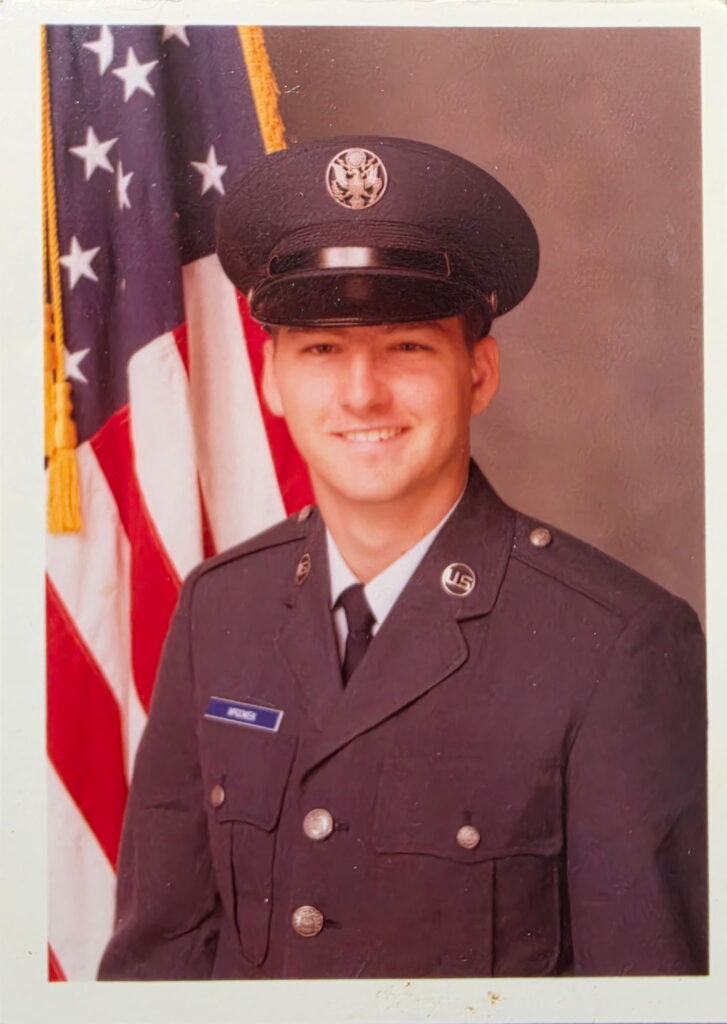
Before beginning his law enforcement career, Kent McGowen served in the United States Air Force.
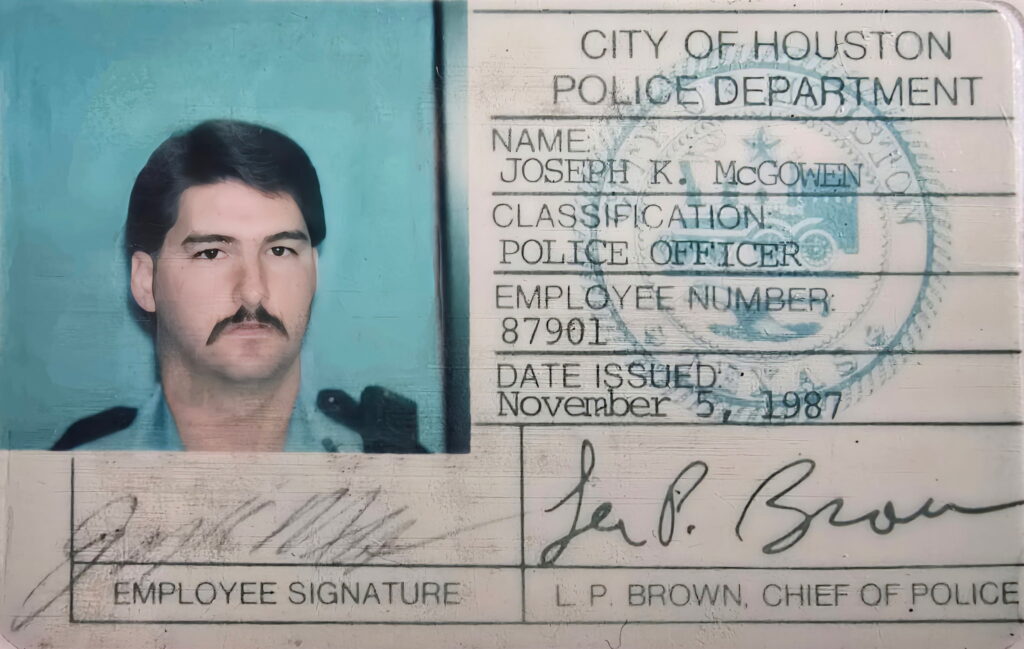
After leaving the military, he joined the Houston Police Department before later serving with the Harris County Sheriff’s Office. During his career, he received commendations and officer recognition awards.
Before beginning his law enforcement career, Kent McGowen served in the United States Air Force.
After leaving the military, he joined the Houston Police Department before later serving with the Harris County Sheriff’s Office. During his career, he received commendations and officer recognition awards.
McGowen’s career changed forever on August 25, 1992, when deputies serving a felony warrant fatally shot Susan White at her home.
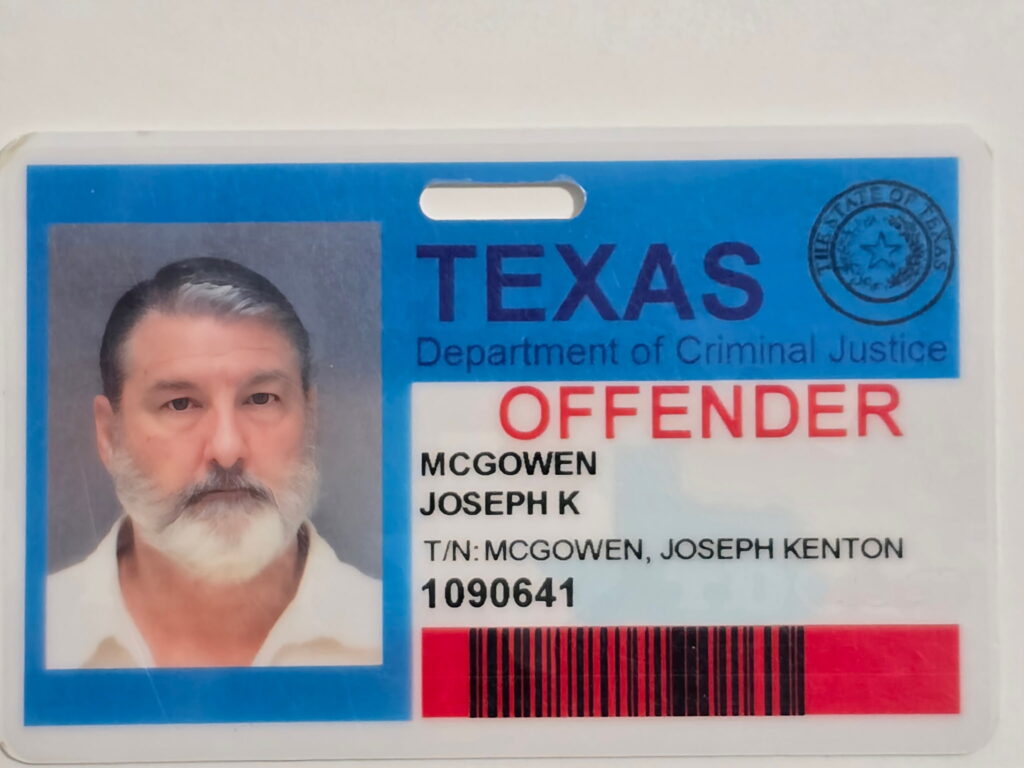
A jury convicted McGowen of murder in his first trial. An appellate court later overturned that conviction. A second jury convicted him in 2002. He ultimately served approximately 19 years in prison before his release in 2021.
Book About the Case
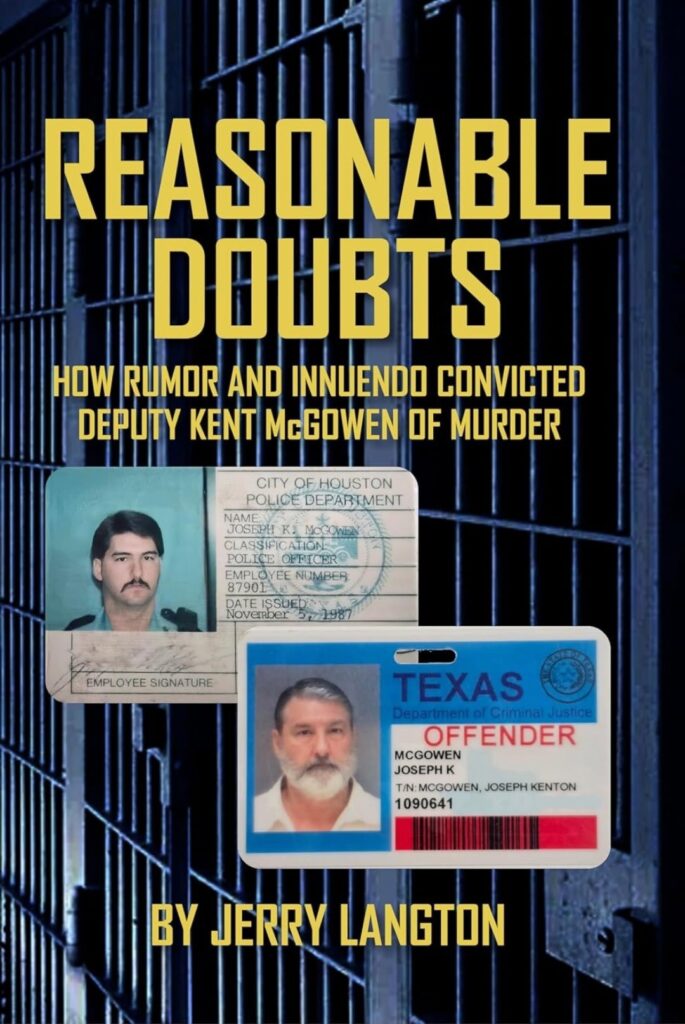
Journalist Jerry Langton later examined the case in Reasonable Doubts: How Rumor and Innuendo Convicted Deputy Kent McGowen of Murder. The book explores the investigation, the two trials and McGowen’s conviction.
Additional Case Materials
In addition to the trial record, Kent McGowen has provided investigative records and expert reports that he says support his account of the shooting.
Among the records McGowen provided is a forensic review by consulting forensic scientist Dr. Edward E. Hueske.
Hueske prepared the review during McGowen’s legal proceedings.
McGowen also provided a statement he wrote at the request of Harris County Assistant District Attorney Baldwin Chin, then chief of the Harris County District Attorney’s Office Post Conviction Integrity Review Unit, during the office’s review of his case in 2011–2012.
According to McGowen, the statement summarizes the case and his account of events as they existed during the Harris County District Attorney’s Office Post Conviction Integrity Review in 2011-2012.
⸻
Watch the Full Investigation
The television report below includes exclusive interview excerpts with Kent McGowen, courtroom demonstration photographs and additional background on the Susan White case.
⸻
Listen to Susan White’s 911 Call
The audio below captures one of Susan White’s calls to 911 before deputies entered her home.
During the recording, White repeatedly asks dispatchers for help and expresses fear as deputies remain outside the residence.
The call contains emotional language and may be disturbing to some listeners.
Susan White’s 911 Call Before Deputies Entered The Home
The video and audio above include one of Susan White’s 911 calls before deputies entered the home.
During the recording, White repeatedly asks dispatchers for help while describing people outside her home.
The recording contains emotional language that some listeners may find disturbing.
⸻
McGowen Strongly Disputes White’s Allegations
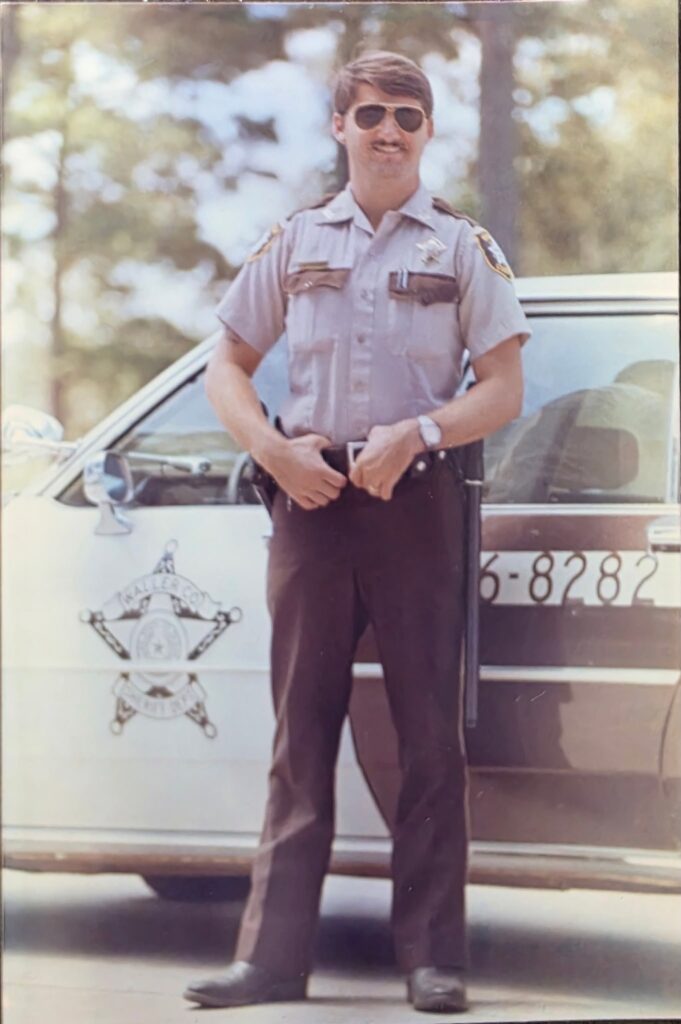
During his interview with Investigative Reporter Tammy Rose, McGowen firmly denied White’s allegations.
According to McGowen, he never sexually harassed White, never stalked her and never had the repeated contacts she described.
“I had never pulled her over. I’d never spoken to her,” McGowen said during the interview.
McGowen believes White confused him with another deputy who previously worked in the area.
He told Tammy Rose that investigators later uncovered witness statements he believes support that explanation.
According to McGowen, White mistakenly identified him after seeing him during the arrest of her son and others connected to a burglary investigation.
⸻
Why Did White Know McGowen’s Name?
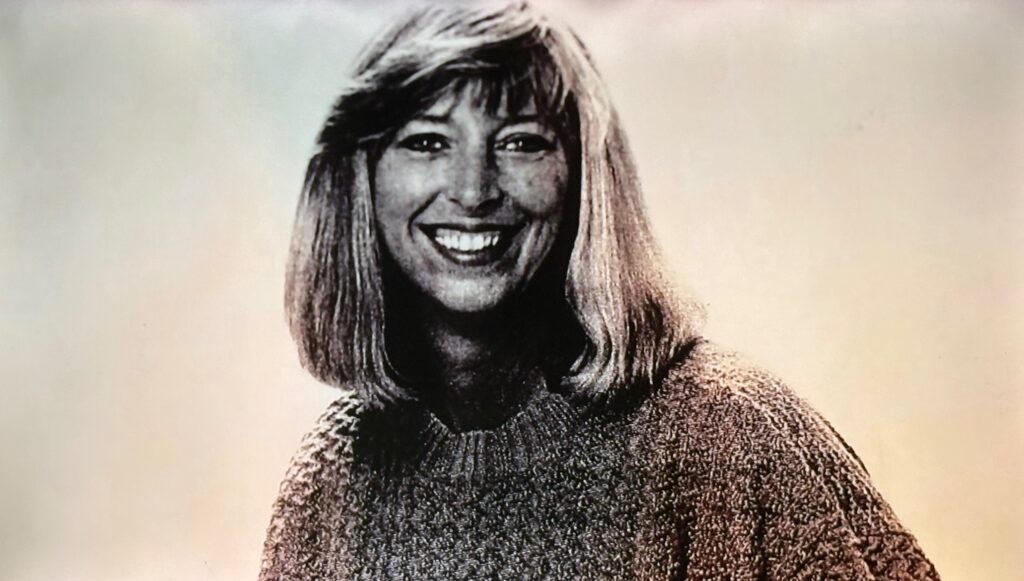
One of the questions surrounding the case is why White repeatedly mentioned McGowen by name before the shooting.
McGowen offered his explanation during the interview.
He said White arrived at the scene after deputies arrested her son and began asking officers who “McGowen” was.
According to McGowen, several deputies pointed in different directions while trying to identify him, causing White to approach multiple officers before eventually speaking with him.
McGowen believes that encounter explains why she later knew his name.
He disputes claims that he had an ongoing personal conflict with White before the shooting.
⸻
McGowen Says White Mistook Him for Another Deputy
McGowen also challenged allegations that he repeatedly stopped or harassed White before the shooting.
Instead, he told Tammy Rose that another deputy had previous contact with White and believes she mistakenly associated him with those earlier encounters.
McGowen said he never received phone calls from White, never contacted her outside official duties and never had a personal relationship with her.
He also pointed to subpoenaed telephone records that he says failed to show communication between them.
Those statements reflect McGowen’s account. Investigative Reporter Tammy Rose continues reviewing court records, witness statements and other documents connected to the case.
⸻
McGowen’s Description of White’s Condition
McGowen also discussed White’s condition while deputies attempted to serve the warrant.
According to McGowen, White appeared to be slurring her speech as deputies tried to communicate with her through the front door.
He told Tammy Rose he believed White was impaired and described her behavior as confused and erratic.
McGowen said those observations influenced how he interpreted her actions that morning.
His statements represent his account of the encounter and should not be interpreted as independent findings of fact.
⸻
The Warrant That Led to the Shooting
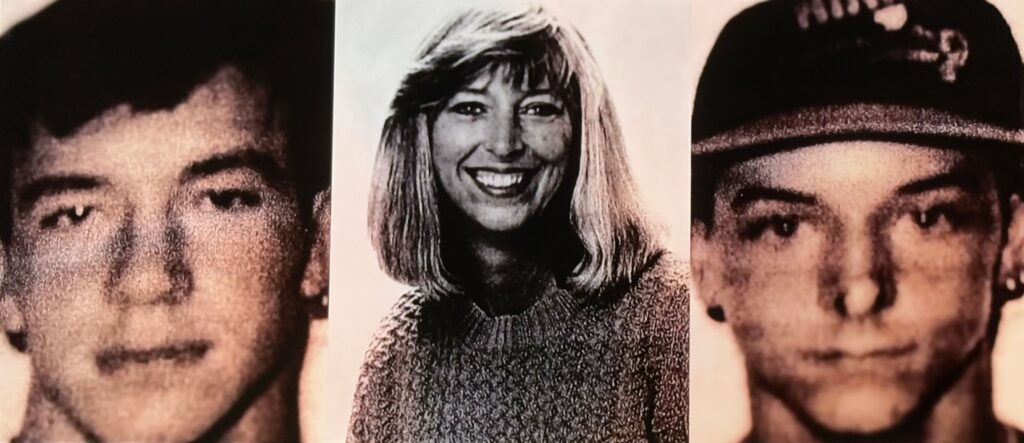
According to McGowen, deputies went to Susan White’s home to serve a felony retaliation warrant after investigators alleged she threatened a confidential informant connected to a burglary investigation.
McGowen said he first attempted to obtain the warrant during the overnight hours but claimed a judge was unavailable to sign it. He returned the following morning with the approved warrant and several deputies to serve it.
He told Investigative Reporter Tammy Rose that deputies knocked on the front door for several minutes, repeatedly identified themselves as members of the Harris County Sheriff’s Office and asked White to come outside.
According to McGowen, White refused to open the door.
McGowen said deputies eventually forced entry after obtaining permission from a supervisor.
⸻
McGowen Describes What Happened Inside
According to McGowen, deputies entered the home and began clearing rooms while searching for White.
He told Tammy Rose he saw White move through the house toward a bedroom. He followed her and said she picked up a handgun after entering the room.
McGowen said he ordered White three times to drop the weapon.
He claims White raised the handgun toward him and began placing her finger on the trigger.
Believing his life and the lives of the other deputies were in danger, McGowen fired three shots.
He has consistently maintained that he acted in self-defense.
Prosecutors disputed that version of events during both criminal trials.
⸻
Courtroom Demonstration Photos
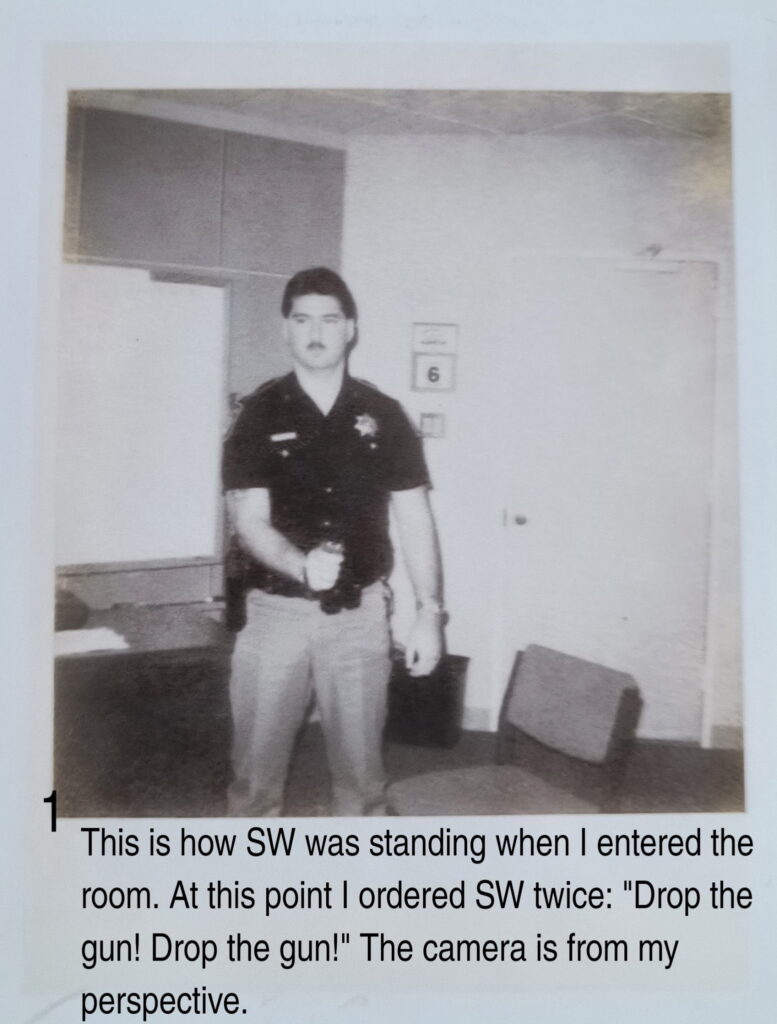
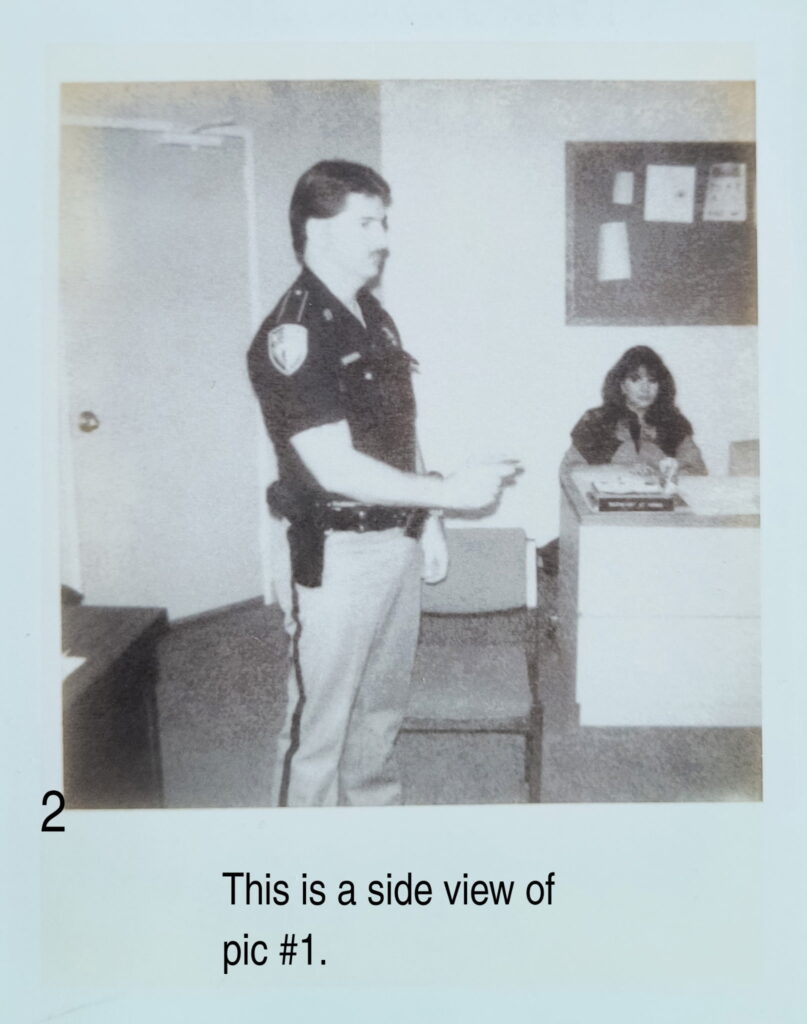
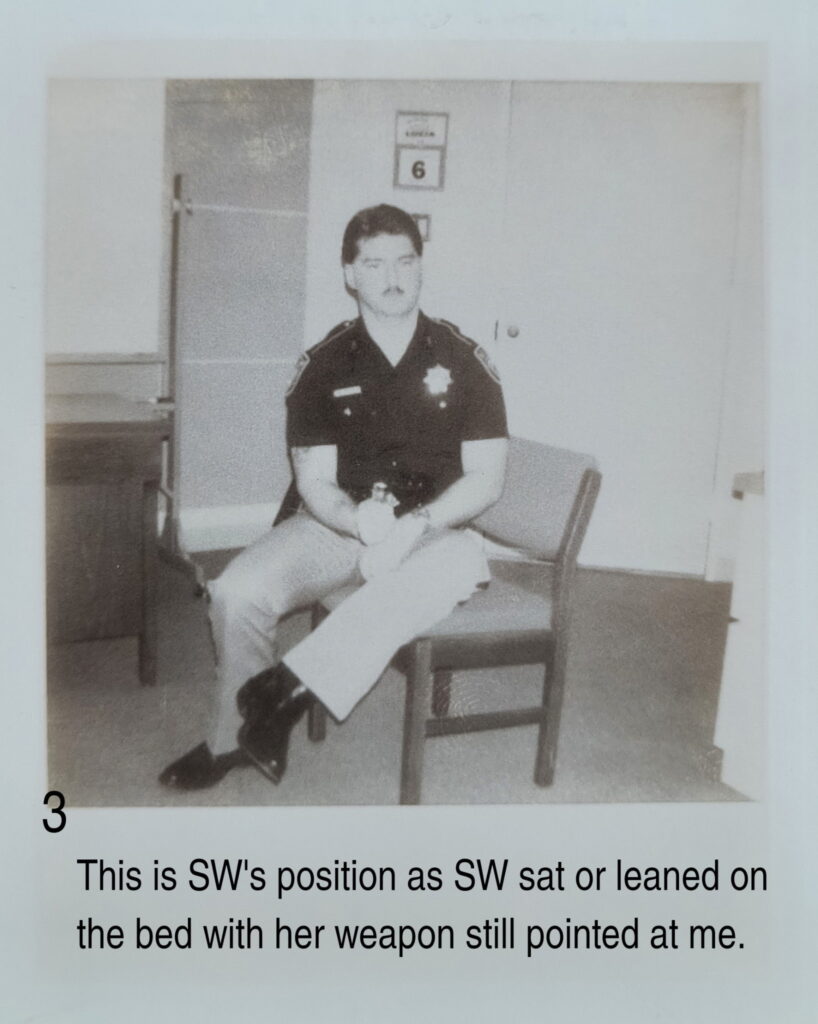
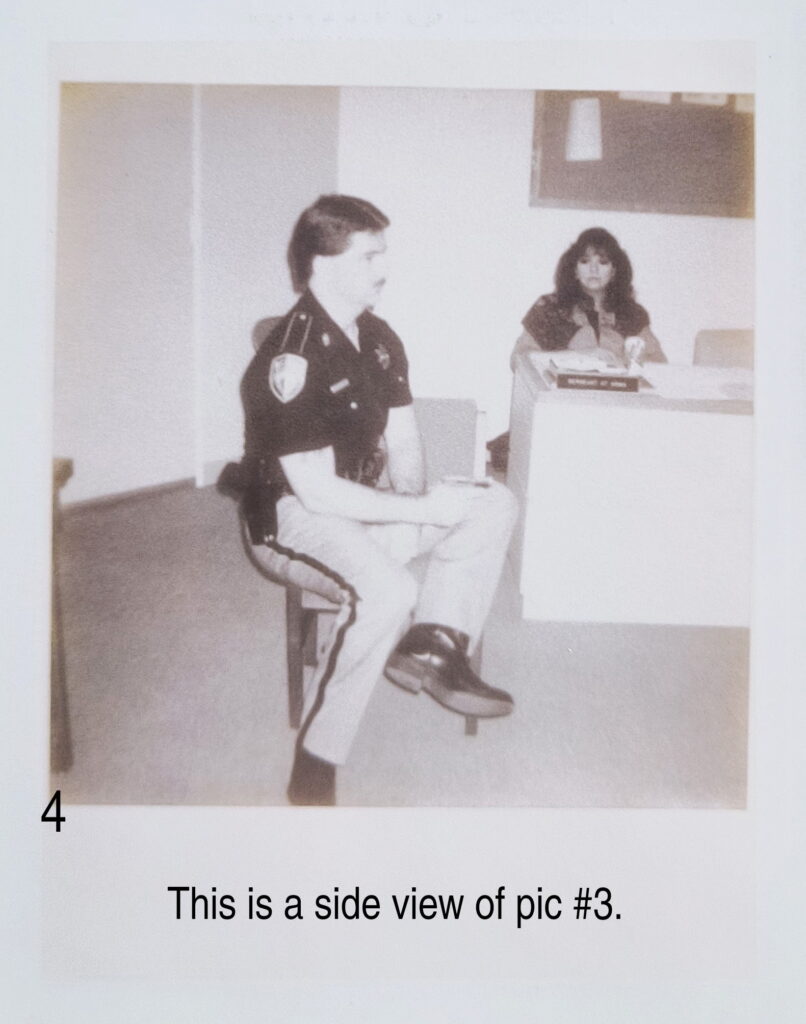
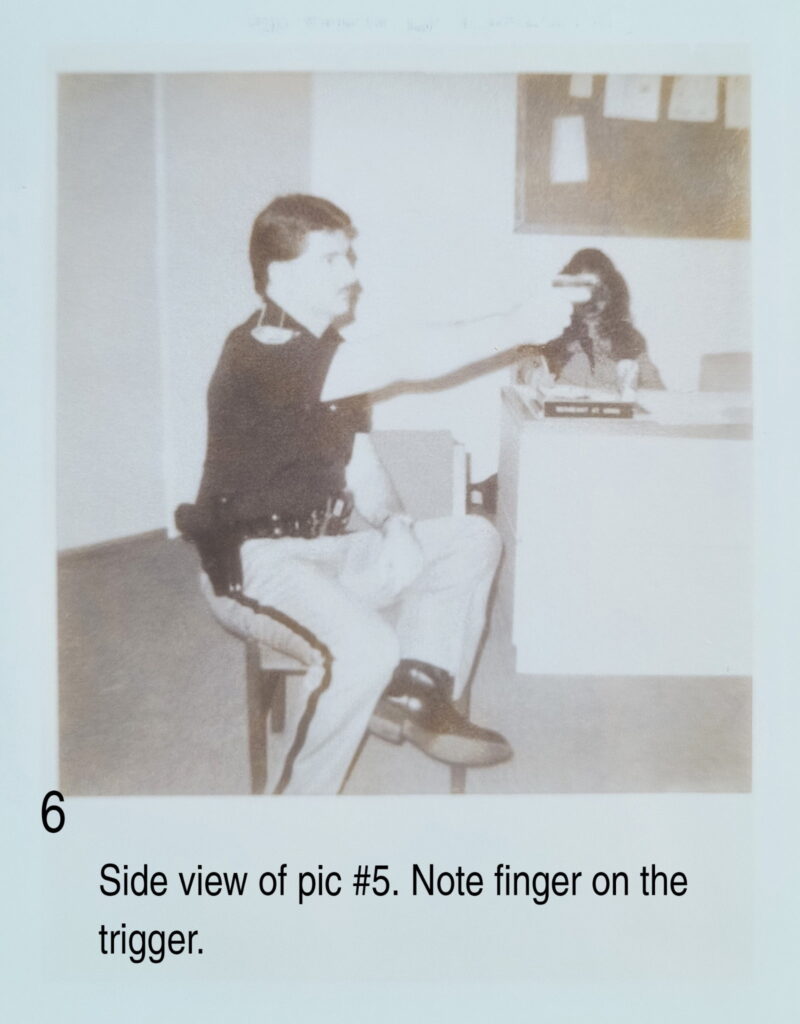
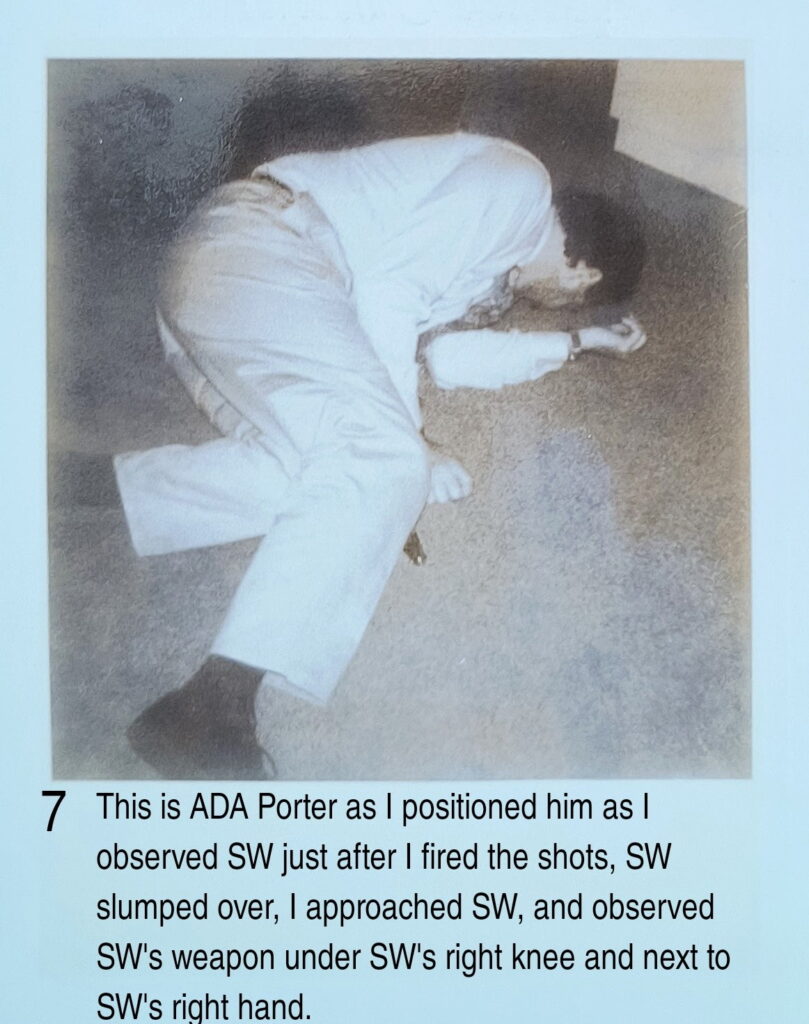
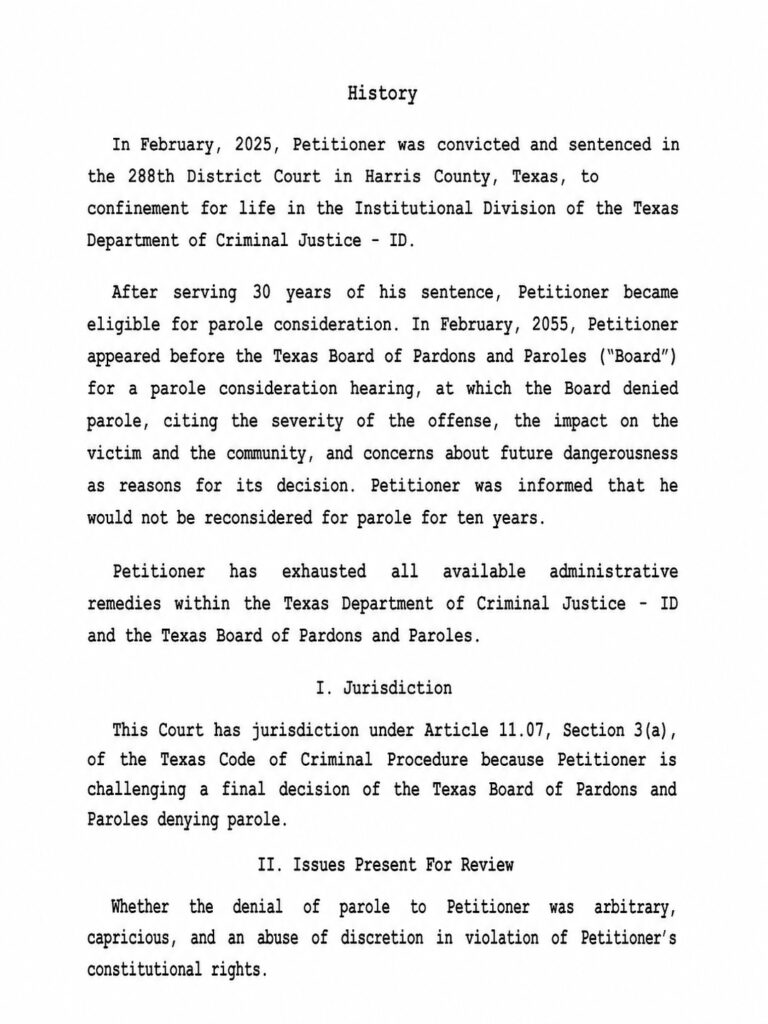
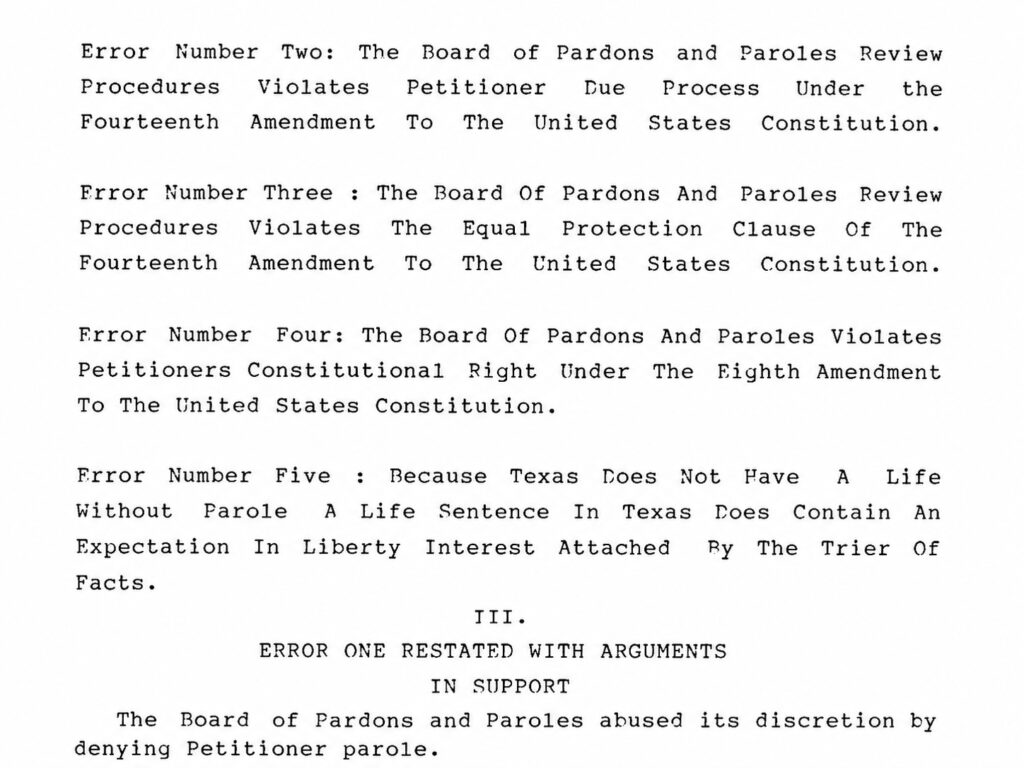
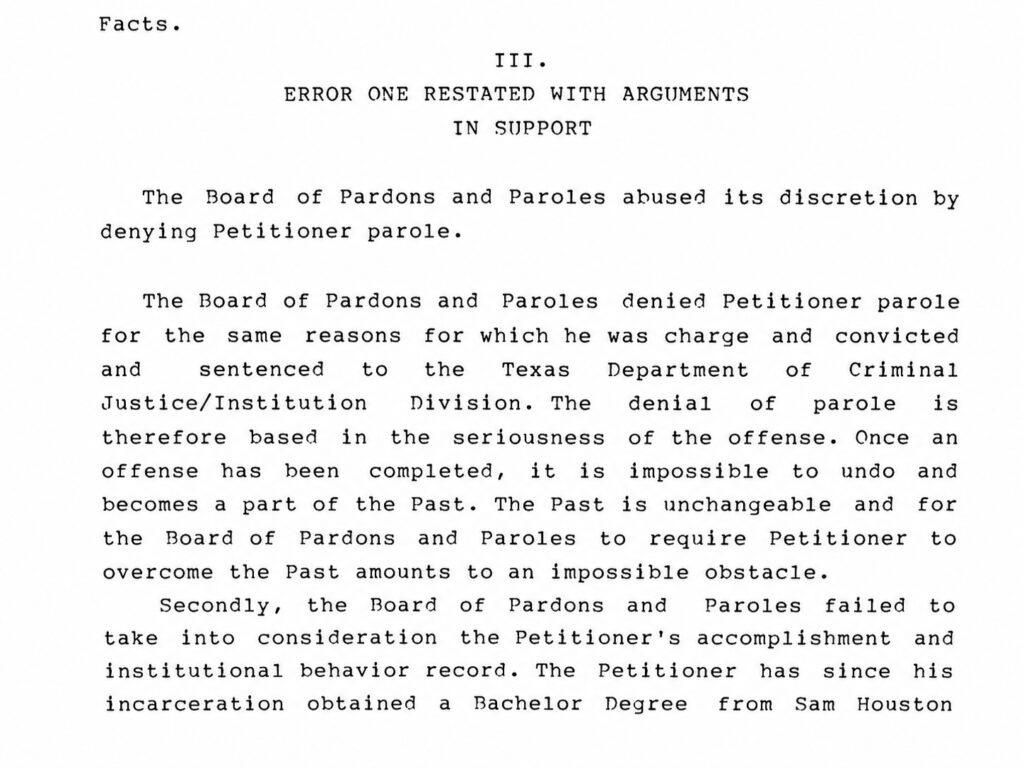
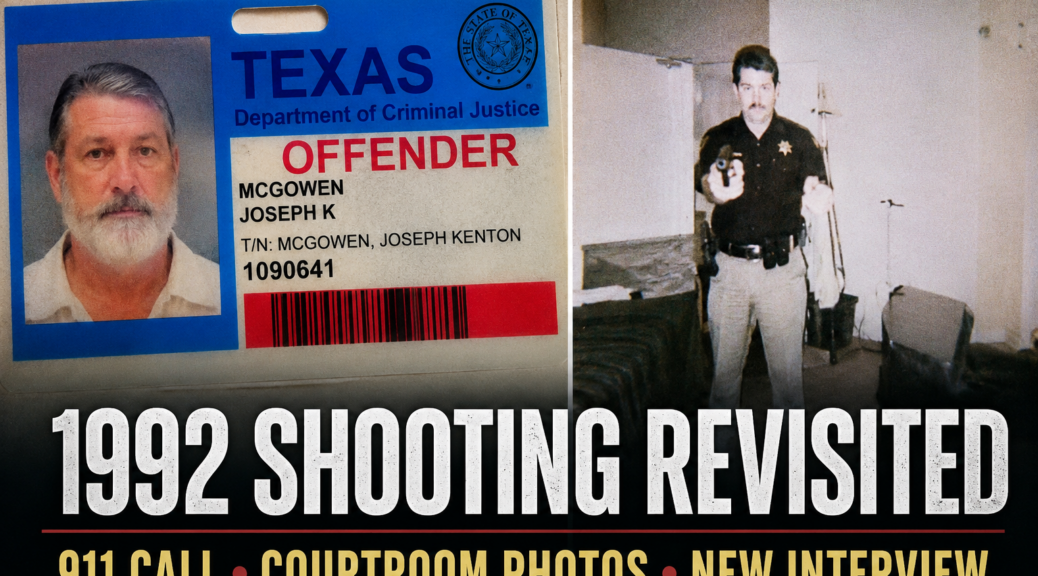
Former deputy Kent McGowen recently provided Investigative Reporter Tammy Rose with these courtroom demonstration photographs, which he says were used during legal proceedings to illustrate his version of the Aug. 25, 1992, fatal shooting of Susan White. The images reflect McGowen’s account and are presented for context alongside court records, the 911 call, and his interview.
McGowen recently provided Investigative Reporter Tammy Rose with courtroom demonstration photographs that he says were used during legal proceedings to explain his version of the shooting.
Several photographs include handwritten descriptions showing where McGowen says he was standing, where White was positioned and where he believes the handgun came to rest after the shooting.
Other images illustrate the angle from which he says he observed White inside the bedroom.
The photographs are not crime scene photographs. Instead, they are courtroom demonstrations created to illustrate McGowen’s account during litigation.
⸻
One Issue Continues to Draw Attention
One issue discussed during Tammy Rose’s interview involved which hand White used to hold the handgun.
McGowen maintains White pointed the weapon with her right hand before he fired.
During the interview, Tammy Rose asked McGowen about reports indicating White was left-handed.
McGowen stood by his account and said the position of the handgun after the shooting matched what he remembered seeing inside the bedroom.
That issue remains one of several points that have been debated for years.
⸻
McGowen Says Jurors Never Heard Everything
During the interview, McGowen repeatedly argued that jurors never heard all of the evidence he believes supports his account.
He pointed to witness statements, subpoenaed records and other documents that he says were unavailable or never fully presented during trial.
McGowen also criticized how the case was investigated and prosecuted.
Those claims have not been independently verified by Investigative Reporter Tammy Rose and remain part of McGowen’s account of the case.
⸻
Two Trials, Two Different Juries
The Susan White case was presented to two different juries.
McGowen’s first murder conviction was later overturned on appeal, resulting in a new trial.
Following that second trial, another jury convicted McGowen of murder in 2002.
He ultimately served approximately 19 years in prison before his release in 2021.
Since leaving prison, McGowen has continued speaking publicly about the shooting and maintains he acted lawfully while serving the warrant.
⸻
Why Revisit the Susan White Case Now?
More than 30 years after the shooting, Kent McGowen continues to challenge the conclusions reached during his criminal case.
Since his release from prison in 2021, he has participated in interviews, worked with author Jerry Langton on a book about his case and continues to review court records and investigative documents.
His recent interview with Investigative Reporter Tammy Rose offers readers an opportunity to hear his account in his own words while comparing those statements with court records, courtroom exhibits and the 911 call placed by Susan White.
As with any decades-old criminal case, many questions remain disputed.
Tammy Rose will continue reviewing court records, witness statements and other documents connected to the investigation as additional records become available.
⸻
Editor’s Note: This article includes court records, historical documents, portions of Susan White’s 911 call, and an interview with Joseph Kent McGowen. McGowen disputes allegations made against him before the shooting. The interview is presented so readers can review his response in full.
This interview is part of an ongoing investigative series examining Kent McGowen’s criminal case and new claims he has made since his release from prison.
Readers can also follow Tammy Rose’s continuing investigation into McGowen’s allegations involving convicted serial killer Roy Alan Stuart.
Related Coverage
➡️ Former Deputy Documents Alleged Roy Alan Stuart Confessions
⸻
Amazon Disclosure
Disclosure: As an Amazon Associate, I earn from qualifying purchases at no additional cost to you.
If you’re interested in learning more about wrongful convictions, criminal investigations and true crime, these books provide additional background.
➡️ The Cadaver King and the Country Dentist
➡️ In Cold Blood by Truman Capote
⸻
About Tammy Rose Reports
Investigative Reporter Tammy Rose is an independent journalist covering breaking news, aviation and long-form investigations across Texas.
If you appreciate independent journalism, consider bookmarking ChopperRose.com for continuing coverage.
⸻