Tag Archives: criminal justice

Paul Taylor Claimed Texas Unfairly Kept Him Behind Bars in 2007 Parole Fight

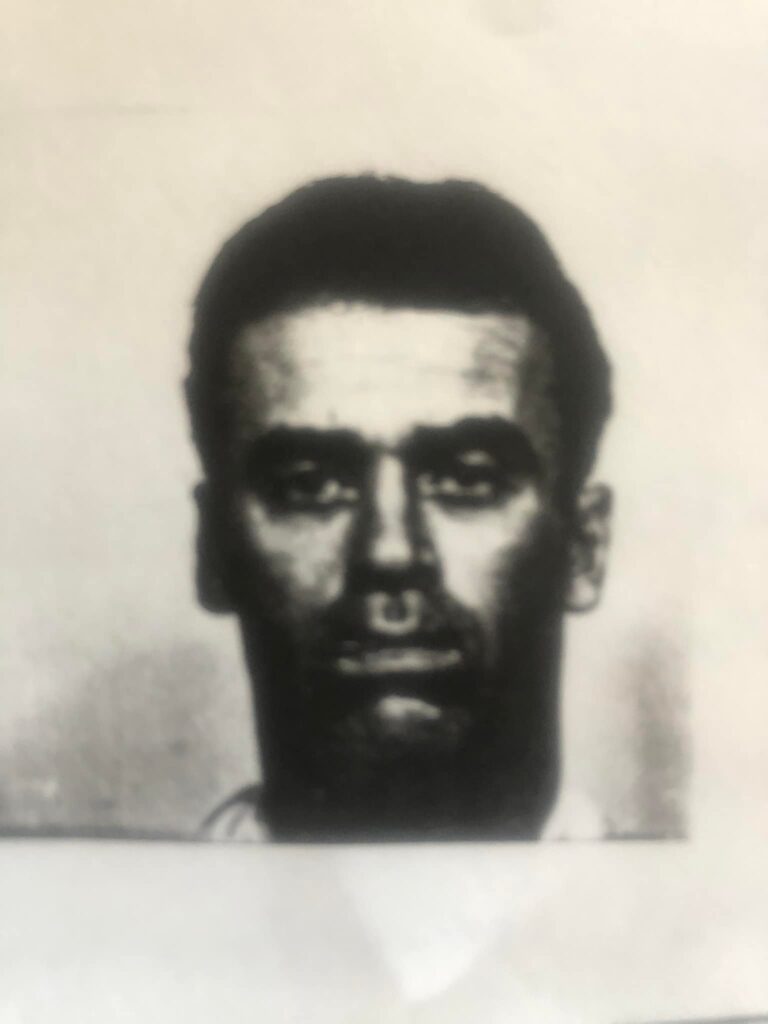
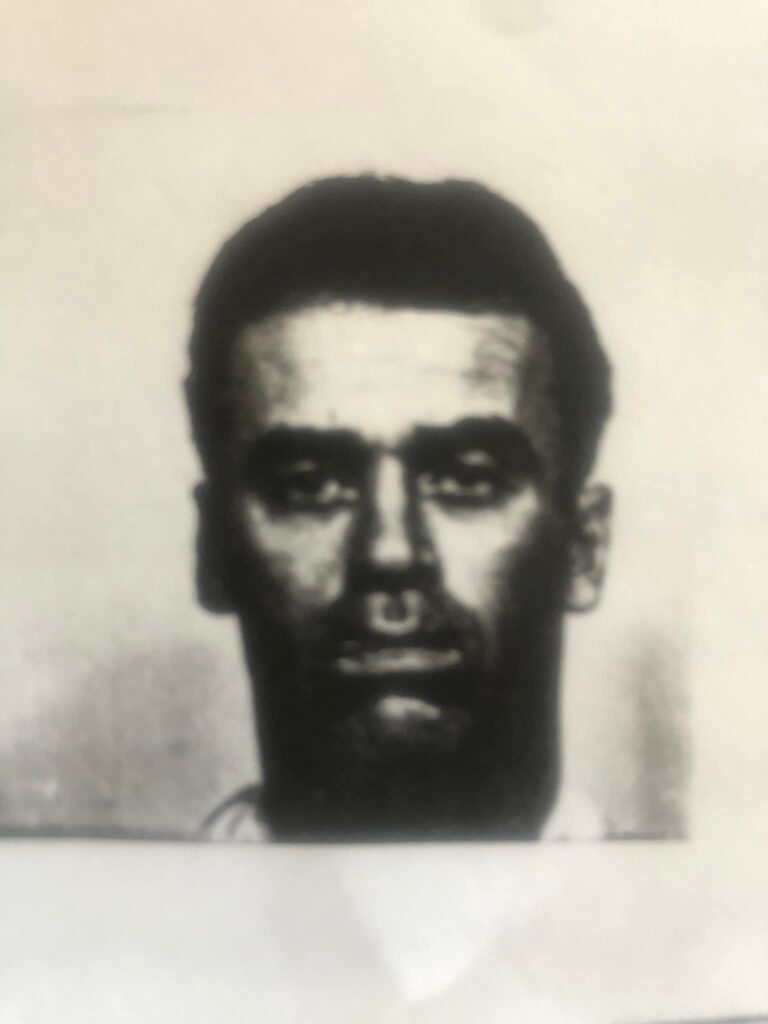
Paul Gayland Taylor Jr. prison mugshot
Paul Gayland Taylor Jr. pleaded guilty to murder in Brazoria County in 1995 and received a life sentence.

Investigative Reporter Tammy Rose

Paul Gayland Taylor Jr. filed a writ of habeas corpus in 2007 after the Texas Board of Pardons and Paroles denied him release.

Taylor challenged his parole denial, not his conviction

The filing did not challenge his murder conviction.

Instead, Taylor argued that the parole board unfairly relied on his crime and past conduct. He claimed the board ignored his prison record, education and other accomplishments.

Taylor pleaded guilty to murder in Brazoria County in 1995. A judge sentenced him to life in prison.

Taylor said the filing was about parole

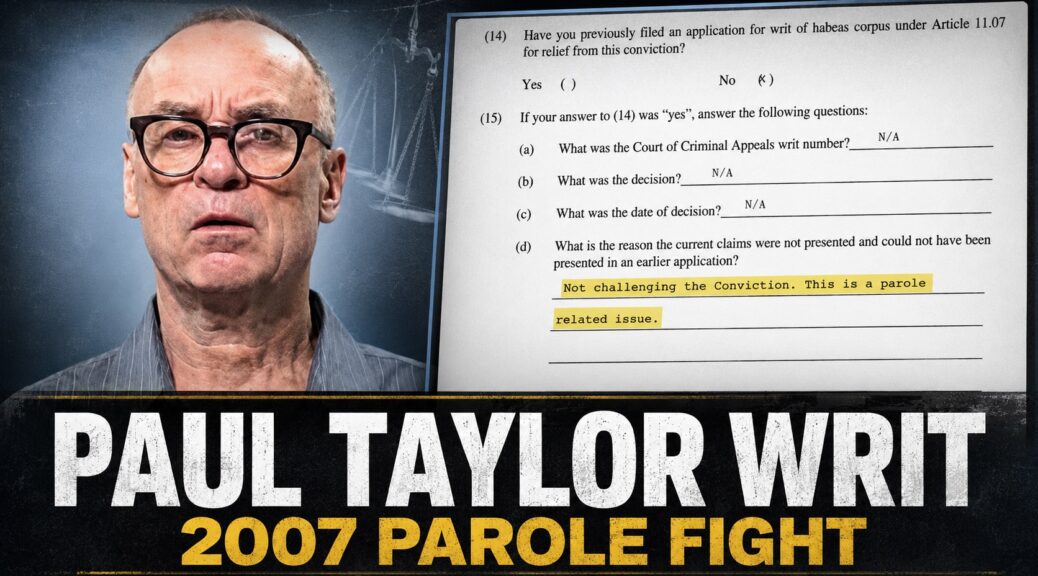
The writ form asked whether Taylor had previously challenged his conviction.

Taylor marked “no.”

He also wrote:

“Not challenging the conviction. This is a parole related issue.”

That statement is important. This filing did not claim that Taylor was innocent. It also did not ask the court to overturn his guilty plea.

Taylor focused his arguments on the parole process.
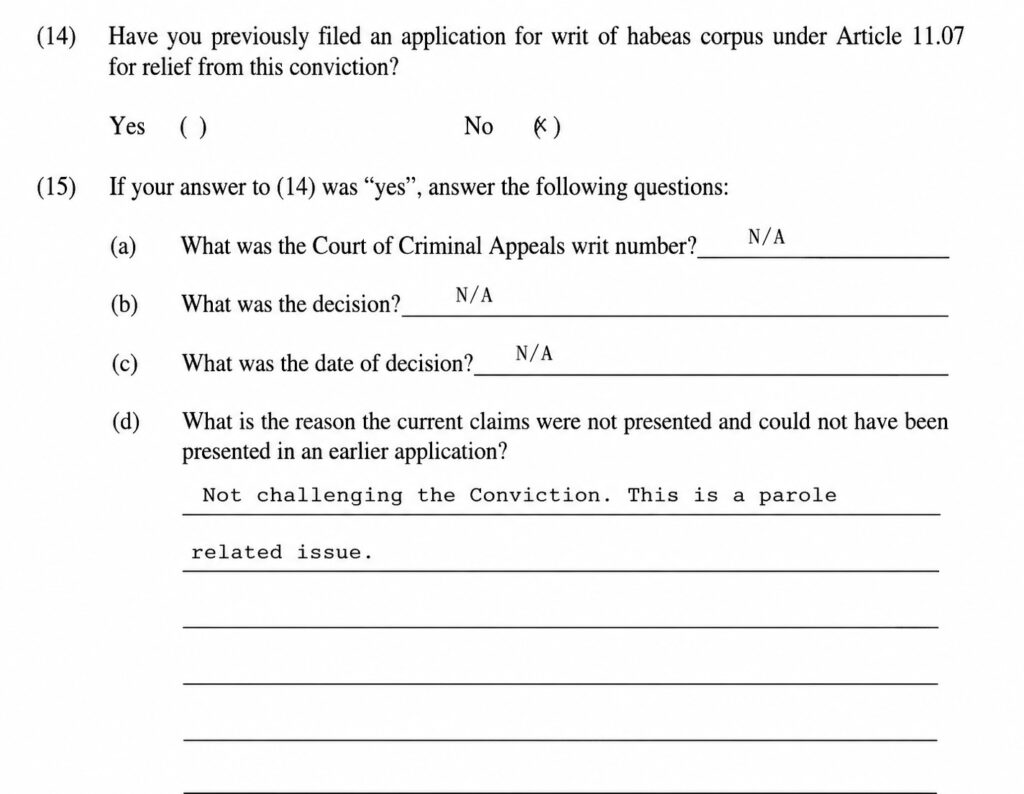
Paul Taylor 2007 writ stating he was not challenging his murder conviction
In his 2007 writ application, Paul Taylor wrote that he was not challenging his conviction and described the matter as a parole-related issue.

The writ listed his conviction and sentence

The application identified Taylor’s criminal case as Cause No. 27,636 in the 23rd Judicial District Court of Brazoria County.

The document listed:

Judgment date: May 30, 1995
Offense: Murder
Plea: Guilty
Sentence: Life
Punishment assessed by: Judge

Taylor also stated that he did not have a jury trial. He indicated that he did not appeal the judgment.
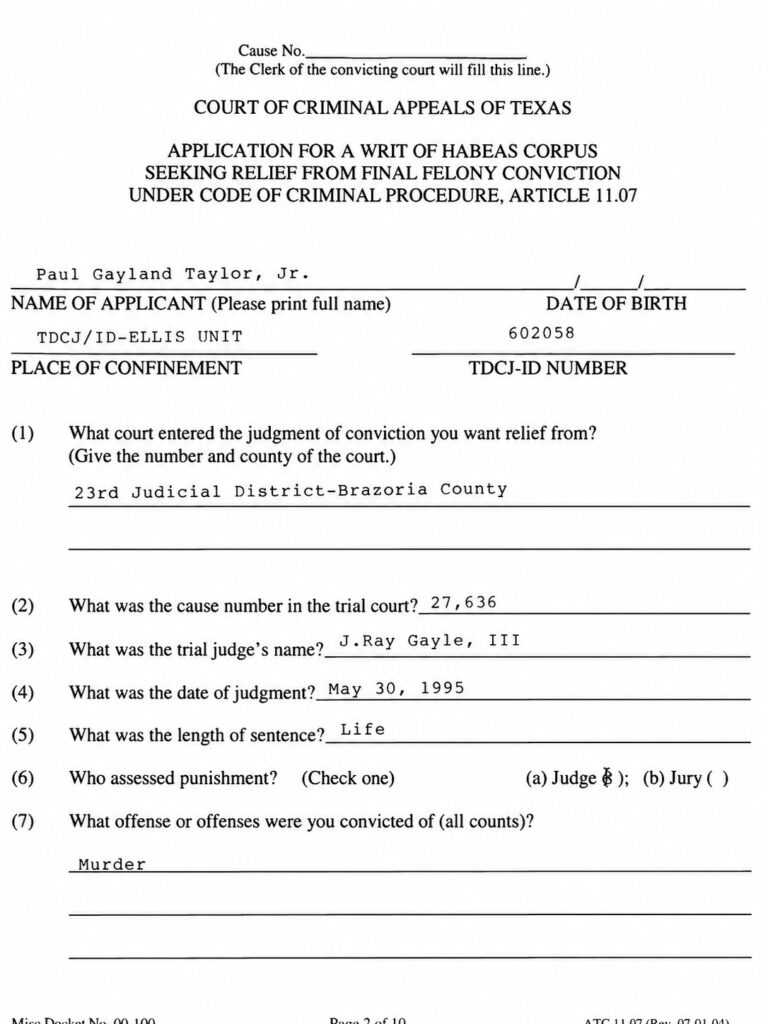
Paul Taylor writ listing 1995 murder conviction and life sentence
Taylor’s writ application lists his 1995 guilty plea to murder and his life sentence.

Taylor had been eligible for parole since 1997

Taylor wrote that he had been eligible for parole since February 2, 1997.

According to his filing, the parole board denied him release again on January 12, 2007. The board then gave him a three-year setoff before his next review.

Taylor said the board had denied him parole for about 13 years, including the period between his eligibility date and his next review.

The filing quotes the board’s reason for denial. It referred to the violent nature of the offense, the use of a weapon and a threat to public safety.

The quoted language also stated that the offense showed brutality, violence or the selection of a vulnerable victim.

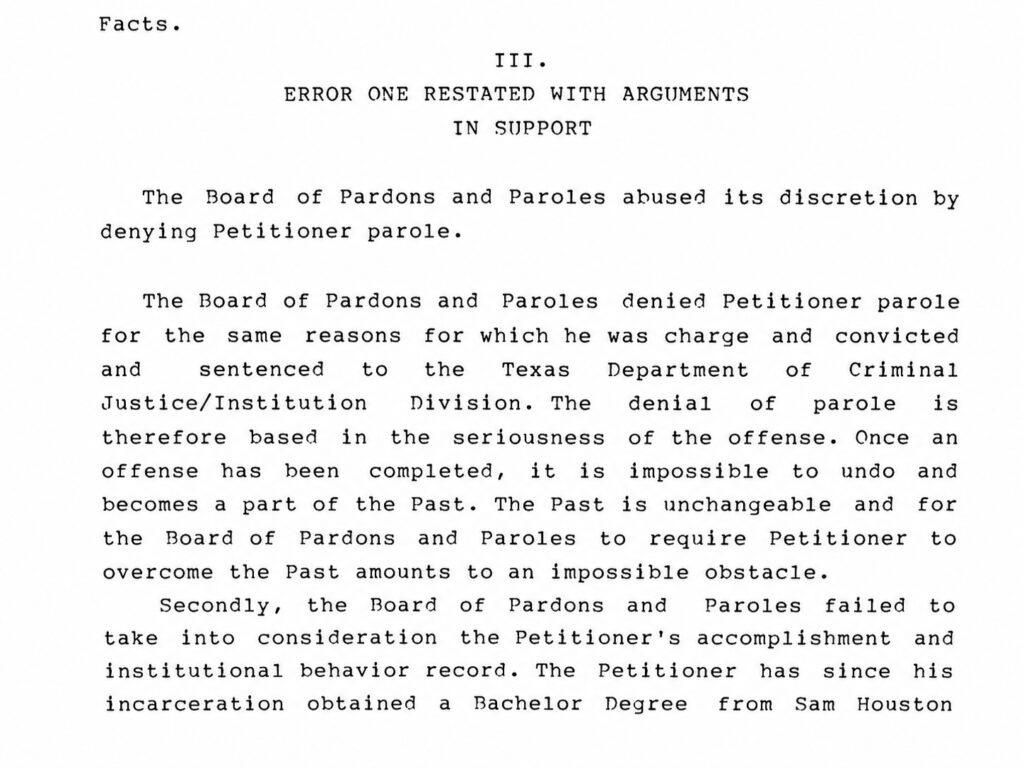
Taylor argued that these factors came from the crime itself. He said he could never change the past.
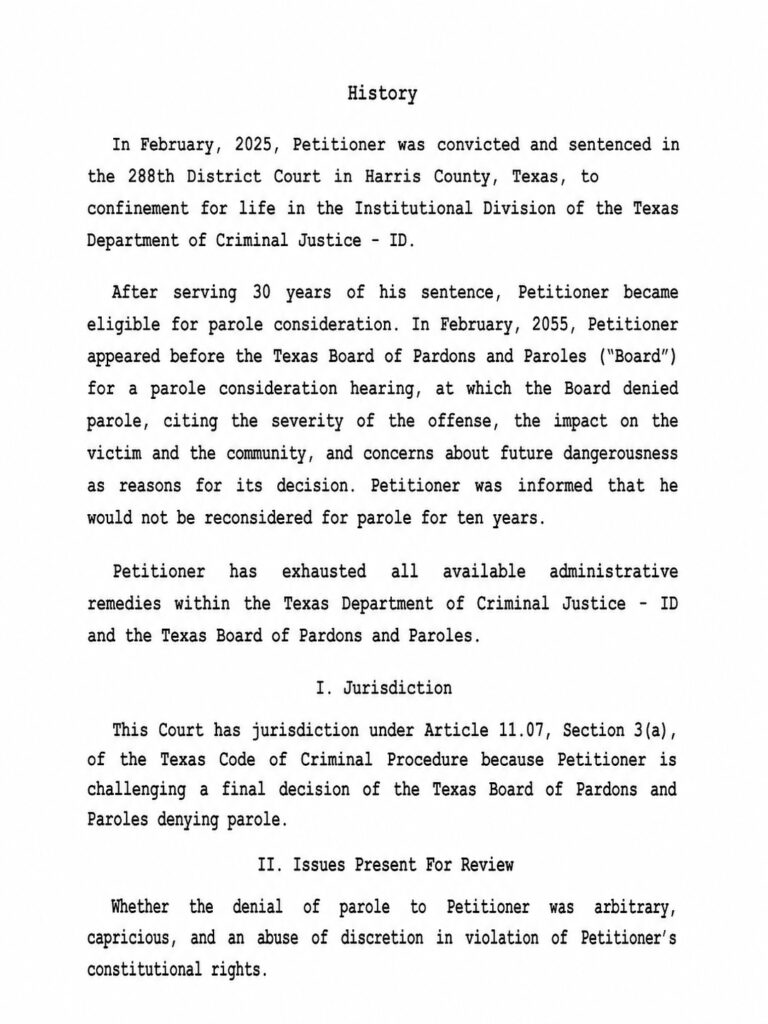
Paul Taylor’s 2007 writ memorandum outlining his parole history and denial
Taylor’s memorandum states that the parole board relied on the violent nature of the offense when it denied his release.

Taylor raised five arguments

1. The parole board abused its discretion

Taylor claimed the board denied parole for the same conduct that led to his conviction and sentence.

He argued that the board created an “impossible obstacle” because he could not change the crime.

Taylor also said the board failed to give enough weight to his prison accomplishments.

2. The parole process violated due process

Taylor argued that the board did not explain how it decided he remained a future threat.

He claimed the board should have told him what method it used to assess that risk.

Taylor suggested that he could have submitted more information if he had known what evidence the board wanted.

3. The process violated equal protection

Taylor claimed the board released other people with similar or worse criminal records.

He argued that the board treated him differently without a valid reason.

The filing does not include the names or full records of those other prisoners in the pages reviewed.

4. Repeated parole denials amounted to cruel punishment

Taylor argued that repeated denials violated the Eighth Amendment.

He claimed the board continued to deny him for the same unchangeable reasons.

He also accused the board of ignoring his conduct while incarcerated.

5. A Texas life sentence carried an expectation of parole

Taylor argued that Texas did not have a life-without-parole sentence for his case.

Therefore, he claimed that a life sentence carried an expectation of eventual release.

For the first four claims, Taylor asked for a new parole hearing.

However, under his fifth claim, he argued that parole should become mandatory.

These were Taylor’s legal arguments. The filing does not show that a court accepted them.
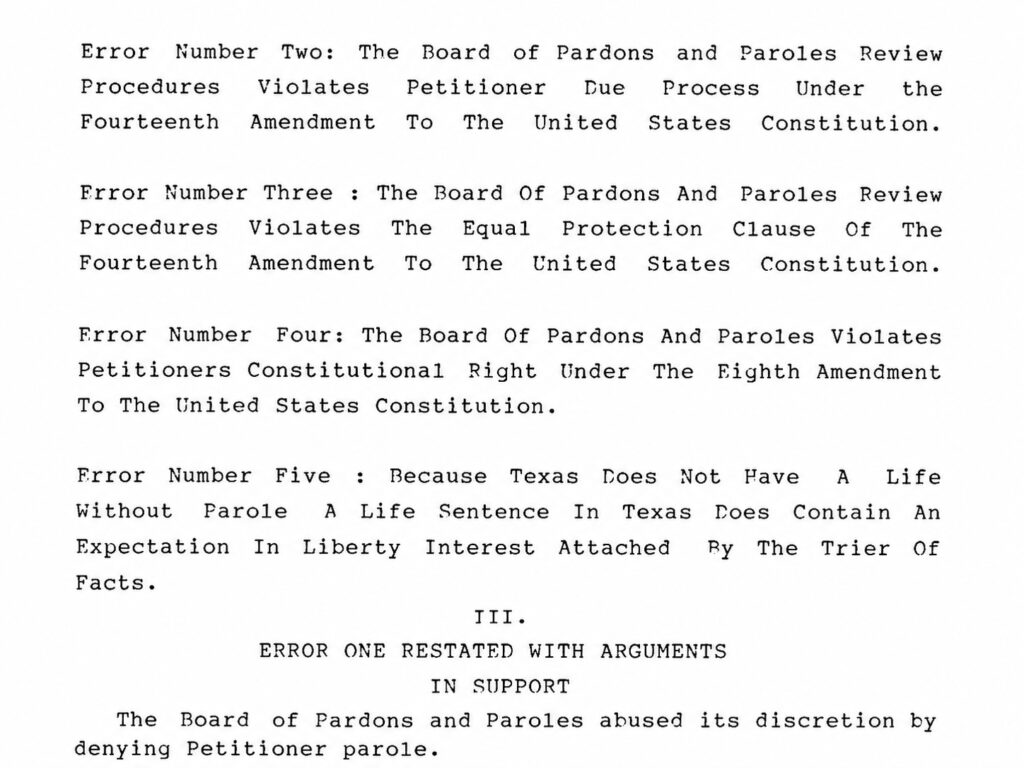
Taylor’s memorandum states that the parole board relied on the violent nature of the offense when it denied his release.

Taylor highlighted his prison record

Taylor wrote that he earned a bachelor’s degree from Sam Houston State University while incarcerated.

He also said he had never received a disciplinary infraction.

In addition, Taylor said he worked in a prison craft shop. He claimed that the work helped him support himself and assist his family.

However, the filing only reflects Taylor’s account. It does not independently verify every statement about his prison history.

What this document does not say

The writ does not claim that Taylor was innocent.

It does not challenge his guilty plea or murder conviction.

The filing also does not present new evidence about Rebecca “Becky” Beard’s disappearance or the location of her remains.

Instead, Taylor challenged the parole board’s review process.

Therefore, this document focuses on parole. It does not attempt to overturn the murder conviction.

Read the full writ and court decision

The complete 2007 filing appears below, along with the court document showing the outcome.

Taylor challenged the parole process, not his murder conviction. However, the court denied his request for relief

Related coverage

Read Rebecca Beard Part 3: How Witness Statements Changed for a closer look at how accounts in the case evolved over time.

You can also read Rebecca Beard Part 2: Early Police Reports to review what investigators documented during the first days of the investigation.

Tools for reviewing public records

Court records and police files can contain hundreds of pages. A portable document scanner can make it easier to save, organize and review records while working away from home.

White Canon portable document scanner used to scan court records and public documents

A digital voice recorder can also help reporters preserve interviews, notes and important details while researching a case.

PLAUD AI digital voice recorder shown with its mobile transcription app

Disclosure: As an Amazon Associate, I may earn from qualifying purchases at no additional cost to you.
Texas Public Information Act Request: Dash Camera Released, Body Camera Pending

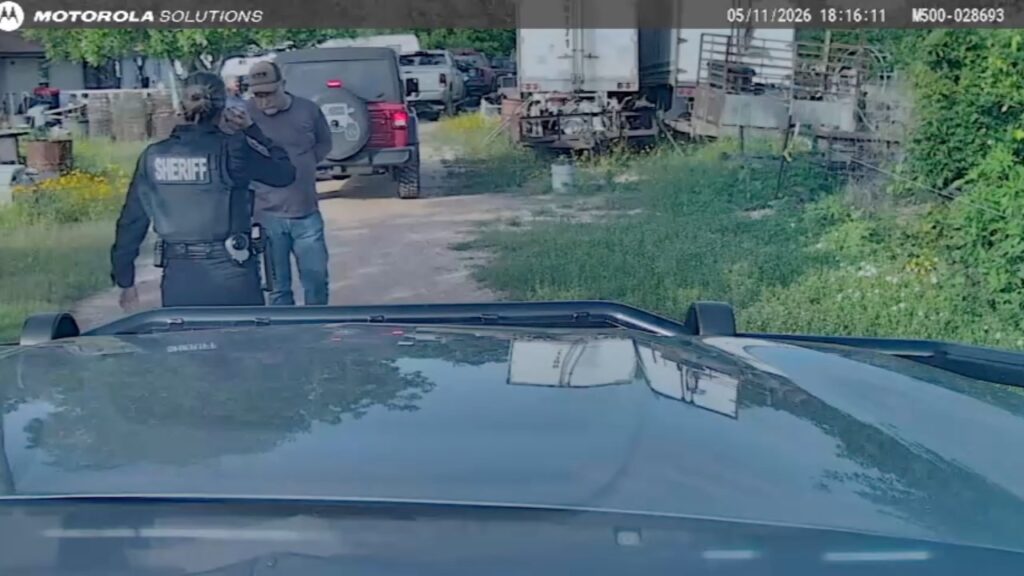
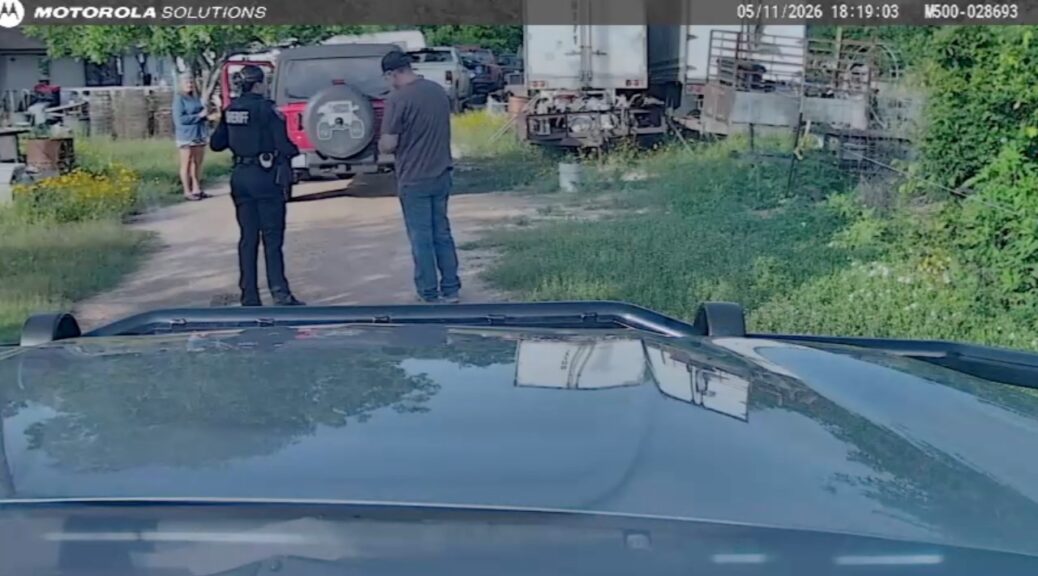
Raw dash camera image released through a Texas Public Information Act request showing a Brazoria County sheriff’s deputy speaking with individuals during a May 11, 2026 encounter related to the Rebecca Beard investigation.
Screenshot from the dash camera video released by Brazoria County in response to a Texas Public Information Act request. The recording contains no audio. The requested body camera video remains pending while the Texas Attorney General reviews whether it may be withheld.

Texas Public Information Act Request Leads to Dash Camera Release While Body Camera Remains Under Review

The Brazoria County Criminal District Attorney’s Office released the dash camera recording in response to my Texas Public Information Act request. The responding deputy’s body camera recording remains under review by the Texas Attorney General.

Page one of the Brazoria County Criminal District Attorney’s Office response confirming my public information request, payment, and the release of the dash camera recording while the requested body camera recording remains under review by the Texas Attorney General.

By Investigative Reporter Tammy Rose

Transparency matters. That is why I filed a Texas Public Information Act request after an encounter with a woman connected to the Rebecca Beard investigation.

The request resulted in sheriff’s reports, dispatch records, redacted documents, and dash camera video. However, one important record remains unavailable. The Brazoria County District Attorney’s Office has asked the Texas Attorney General to decide whether the responding deputy’s body camera can be withheld.

This article explains what happened, what the released records show, and why I continue to seek the body camera recording.

Why I Went to the Property

As an investigative reporter, I believe everyone deserves an opportunity to comment before publication.

I went to Cherie “Rio” Starr’s residence to request an interview about statements she has made regarding the Rebecca Beard investigation.

She declined to comment.

According to the incident report, Starr told deputies she was a protected witness and wanted to know how I obtained her personal information.

The report also states she believed someone had sent me to her property.

I Returned to My Jeep

After Starr declined to comment, I walked back to my Jeep because I intended to leave.

According to the sheriff’s report, I told deputies that Starr and Kenneth Cadenhead prevented me from leaving the property.

The dashcam video released by Brazoria County contains no audio. Therefore, it cannot capture the conversations that occurred during the encounter.

However, the video does show Starr standing near my driver’s side while Cadenhead remained behind my Jeep during part of the incident.

According to my recollection, both were asking me to identify my confidential source.

I declined.

Why I Would Not Reveal My Source

The incident report notes that I refused to identify my source.

That decision was intentional.

Protecting confidential sources is a long-standing practice in investigative journalism. Sources often provide information only because they trust reporters to keep their identities confidential.

My purpose that day was to request an interview. It was not to disclose who provided information for my reporting.

A Detail Not Included in the Report

One part of the encounter is not reflected in the written incident report.

According to my recollection, while standing near my driver’s side door, Starr told me she would agree to an interview “when this is all over.”

She also indicated that the Rebecca Beard investigation remained an active case that had never been closed.

Because the released dashcam has no audio, viewers cannot hear that conversation.

For that reason, I continue to seek release of the responding deputy’s body camera recording.

What the Public Records Show

My Texas Public Information Act request produced several records, including:

Sheriff’s incident reports
Dispatch and CAD records
Dashcam video
Redacted documents

The only major record that has not been released is the deputy’s body camera.

The District Attorney’s Office has asked the Texas Attorney General to determine whether that recording may be withheld under the Texas Public Information Act.

Receiving a request for an Attorney General ruling does not automatically mean the recording will never be released. The Attorney General will determine whether any exceptions to disclosure apply under Texas law.

How I Obtained the Records

Many people ask how to request police records in Texas.

In my case, I submitted a Texas Public Information Act request to Brazoria County.

After receiving a cost estimate, I paid the required fee at the Brazoria County Treasurer’s Office inside the courthouse.

The courthouse is beautiful, although locating the correct office can be a little confusing for first-time visitors.

After payment was processed, I went to the District Attorney’s Office to pick up the responsive records.

Everyone I dealt with during the process was courteous and helpful.

I also received more records than I expected.

Part Two Is Coming Soon

In Part Two, I will explain the Texas Public Information Act process step by step.

I will also show:

How to submit an open records request
Where to pay the required fees
How to pick up responsive records
Why some records are released immediately while others require a ruling from the Texas Attorney General

Understanding the process can help anyone request public records in Texas.

Related Investigations

Equipment I Use

For field reporting and investigative journalism, I rely on equipment that performs well in demanding conditions.

As an Amazon Associate, I earn from qualifying purchases. This comes at no additional cost to you.

Rebecca Beard Family Questions Claims Paul Taylor Declined Legal Representation

Paul Taylor Jr. booking photo taken during the investigation into the Rebecca Beard case.
Paul Taylor Jr. booking photo from the investigation into the 1986 disappearance and murder of Rebecca Beard. His recent prison messages are compared with statements discussed during a meeting with Rebecca Beard’s family regarding legal representation.

Rebecca Beard Family Questions Statements About Paul Taylor and Legal Representation

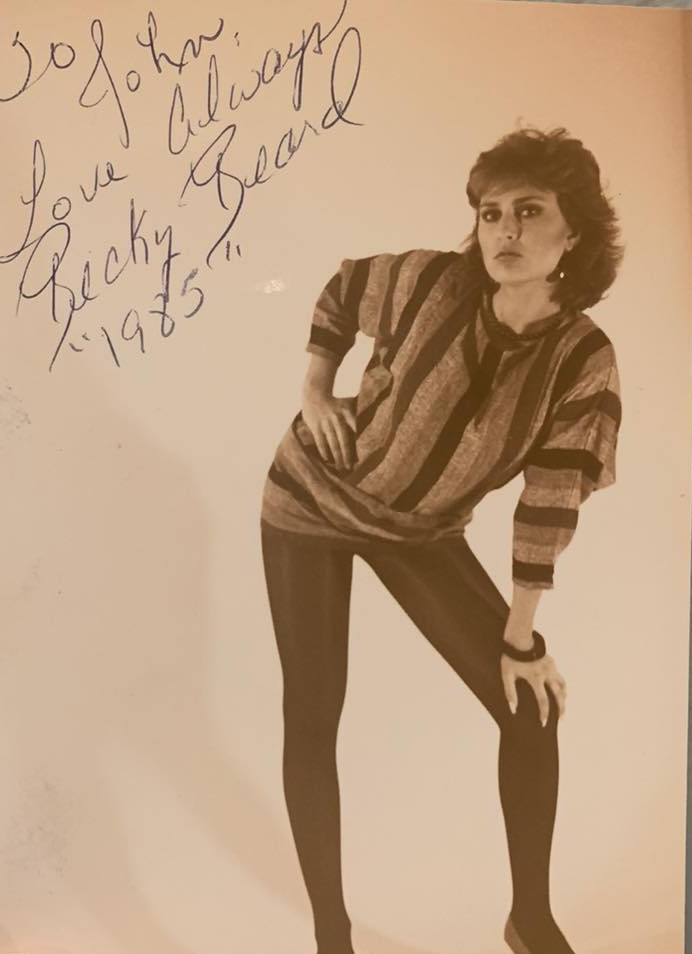
Autographed 1985 promotional photo of Rebecca Beard with a handwritten inscription reading, “To John, Love Always, Becky Beard.”
An autographed 1985 photo of Rebecca Beard inscribed, “To John, Love Always, Becky Beard.” The image is included in the Beard family’s article examining conflicting accounts about Paul Taylor Jr. and legal representation.

The family of Rebecca Beard says newly reviewed prison messages from Paul Taylor raise questions about statements made during a meeting with Brazoria County officials regarding legal representation and the Texas Innocence Project.

According to Rebecca Beard’s sister, Carol Mize, family members met with officials to discuss developments in the decades-old murder case. During that meeting, participants discussed whether Taylor had been offered legal representation.

Carol Mize Says Officials Claimed Paul Taylor Declined Legal Representation

According to Carol Mize, participants at the meeting stated that Paul Taylor had been offered legal representation but declined the offer.

That statement prompted questions from the Beard family after reviewing messages Taylor later sent from prison.

Paul Taylor’s Messages Tell a Different Story

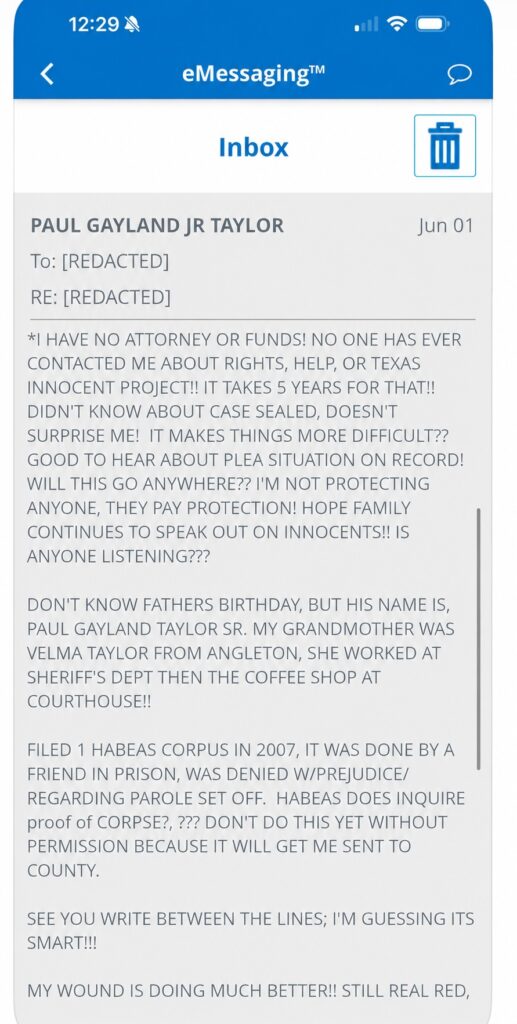
Screenshots of prison messages sent by Paul Taylor Jr. that are compared with statements discussed during a meeting with Rebecca Beard’s family regarding legal representation and the Texas Innocence Project.

In a message provided to the Beard family, Taylor wrote:

“I HAVE NO ATTORNEY OR FUNDS!”

He also wrote:

“NO ONE HAS EVER CONTACTED ME ABOUT RIGHTS, HELP, OR TEXAS INNOCENT PROJECT!!”

Taylor added that he was unaware of a sealed case document, writing:

“DIDN’T KNOW ABOUT CASE SEALED…”

In a more recent message to Investigative Reporter Tammy Rose, Taylor wrote:

“I MEAN NO DISRESPECT TO YOU and (REDACTED) ! BUT I’LL GIVE A STATEMENT WHEN THIS IS OVER!!”

Conflicting Accounts Raise New Questions

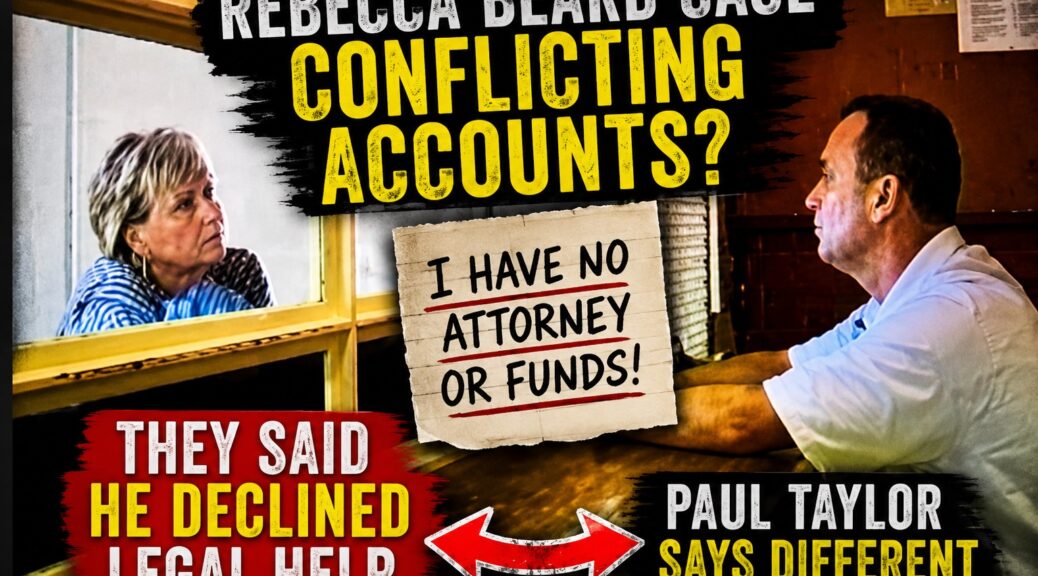
Carol Mize says officials stated Paul Taylor declined legal representation that had been offered to him. Taylor’s prison messages later presented a different account, raising new questions in the Rebecca Beard case.

According to Carol Mize, officials stated during the meeting that Paul Taylor declined legal representation that had been offered to him.

Taylor’s own written messages present a different account. In those messages, he states that he has no attorney, no funds, and was never contacted about rights, legal help, or the Texas Innocence Project.

At this time, Tammy Rose has not independently verified which account is accurate. The article reflects statements made during the meeting, as described by Carol Mize, alongside Taylor’s own written messages.

Editor’s Note

This article is based on statements made during a meeting attended by Rebecca Beard’s family, as described by Carol Mize, and on messages attributed to Paul Taylor. The statements represent differing accounts and are presented to accurately reflect what each party said.

If you enjoy following long-term investigations and behind-the-scenes reporting, check out the gear I personally use in the field and while traveling.

If you’re fascinated by unsolved mysteries and criminal investigations, browse my collection of recommended true crime books covering some of the most compelling cases ever investigated.

Related Articles:

Rebecca Beard Timeline: Key Events in the 1986 Disappearance

Rebecca Beard Case: Public Records, Confessions, and Investigation Updates

Amazon Affiliate Disclosure: As an Amazon Associate, I earn from qualifying purchases at no additional cost to you.