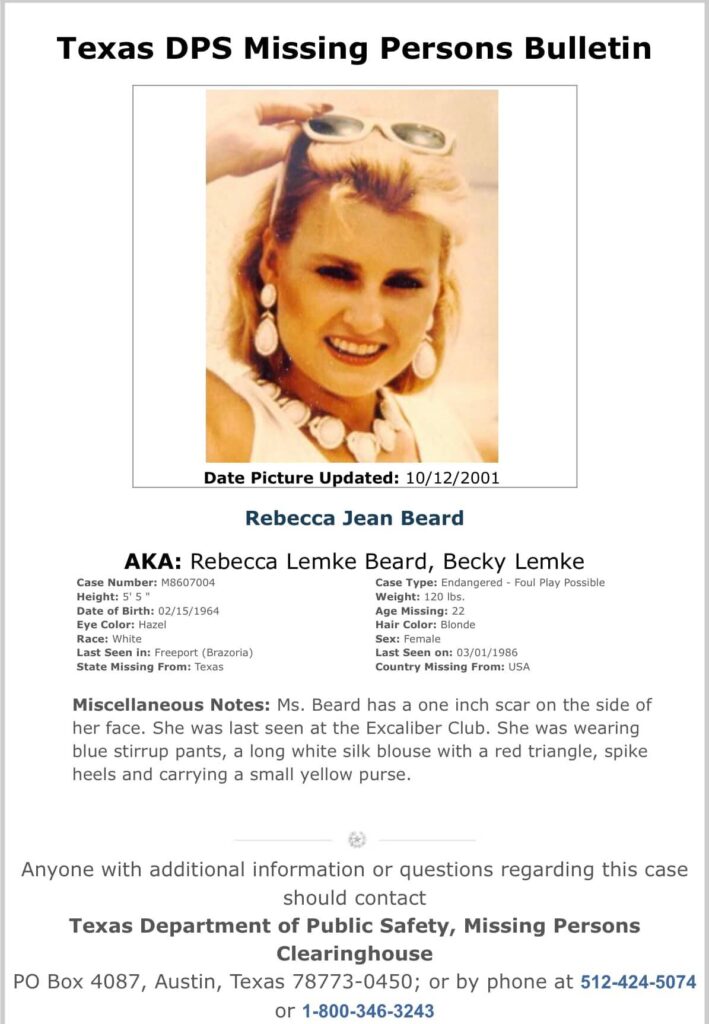
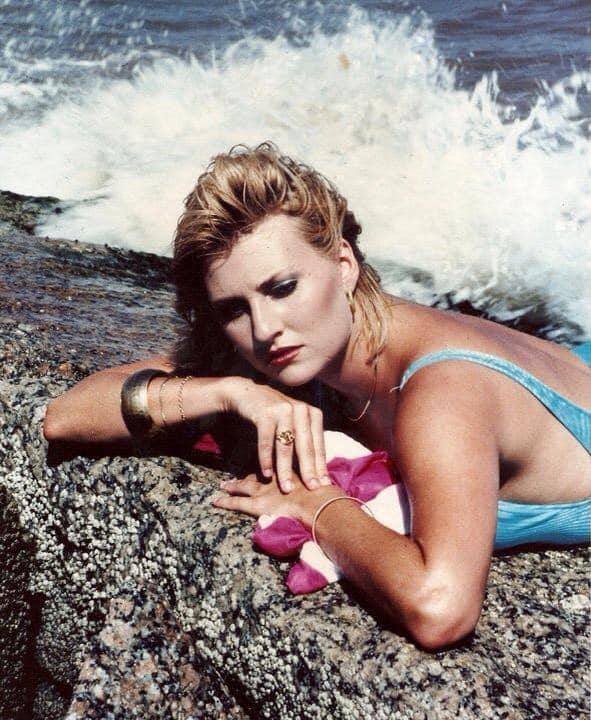
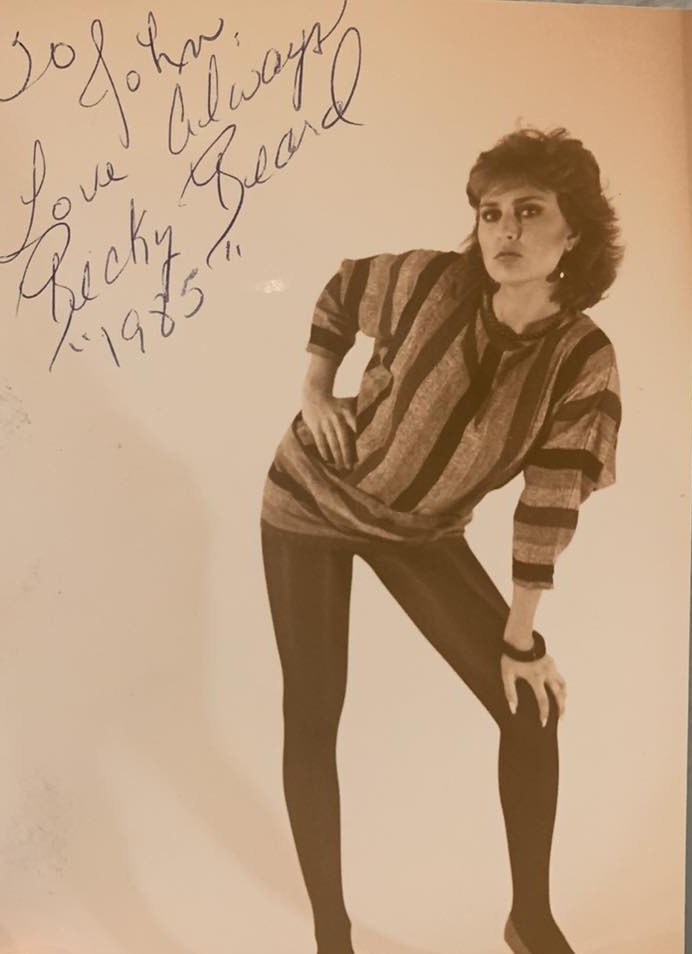
Texas Department of Public Safety missing person bulletin for Rebecca “Becky” Beard, who disappeared in 1986.
FREEPORT, Texas — Less than a month before Rebecca “Becky” Beard disappeared in March 1986, a Harris County prosecutor contacted her about testifying in a criminal case against three Houston police officers.
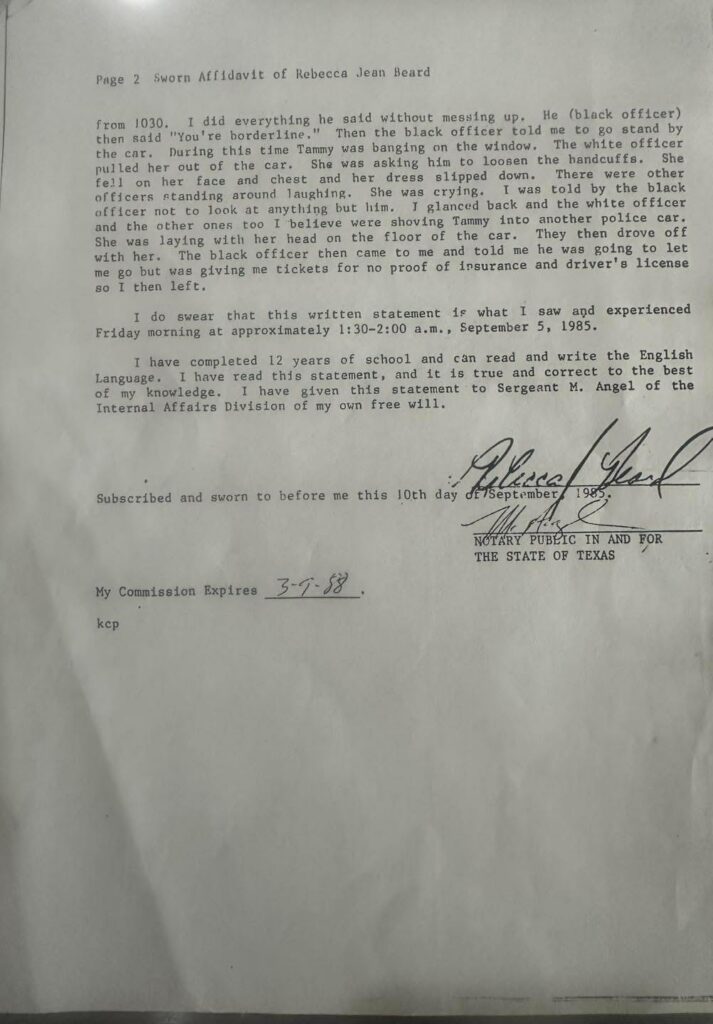
Newly examined records reveal that Beard gave a sworn statement in September 1985. She described witnessing officers mistreat two women during a Houston traffic stop.
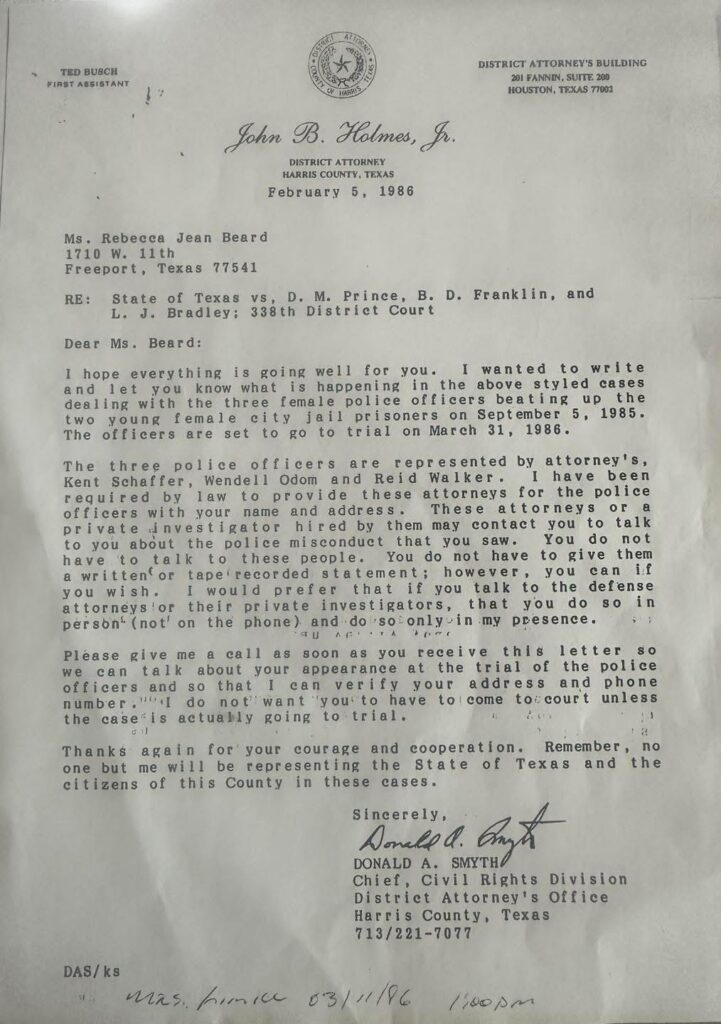
The records also include a February 5, 1986, letter from prosecutor Donald A. Smyth. He informed Beard that the officers would face trial on March 31, 1986.
Beard disappeared before that scheduled trial date.
The documents establish her potential role as a prosecution witness. However, they do not establish any connection between the criminal case and her disappearance.
Prosecutor contacted Becky Beard weeks before disappearance
A February 1986 letter from prosecutor John B. Holmes Jr. contacted Becky Beard about her potential testimony in a case involving allegations against Houston police officers, weeks before her disappearance.
Donald A. Smyth, chief of the Harris County District Attorney’s Civil Rights Division, wrote to Beard on February 5, 1986.
The letter identified three defendants: D. M. Prince, B. D. Franklin and L. J. Bradley.
Smyth described a criminal case involving the alleged beating of two young women in city jail custody on September 5, 1985.
He also identified three defense attorneys: Kent Schaffer, Wendell Odom and Reid Walker.
Smyth warned Beard that defense attorneys or private investigators might contact her about the case.
He explained that she did not have to speak with them or provide a written or recorded statement.
Smyth also asked Beard to call his office to discuss her appearance at trial.
The prosecutor thanked her for her courage and cooperation.
The letter confirms that prosecutors considered Beard an important witness. However, it does not establish whether the court formally subpoenaed her.
Becky Beard described disturbing Houston traffic stop
Becky Beard gave a sworn statement on September 10, 1985, describing a Houston traffic stop involving her two friends. She alleged that officers mistreated one of the women during the encounter.
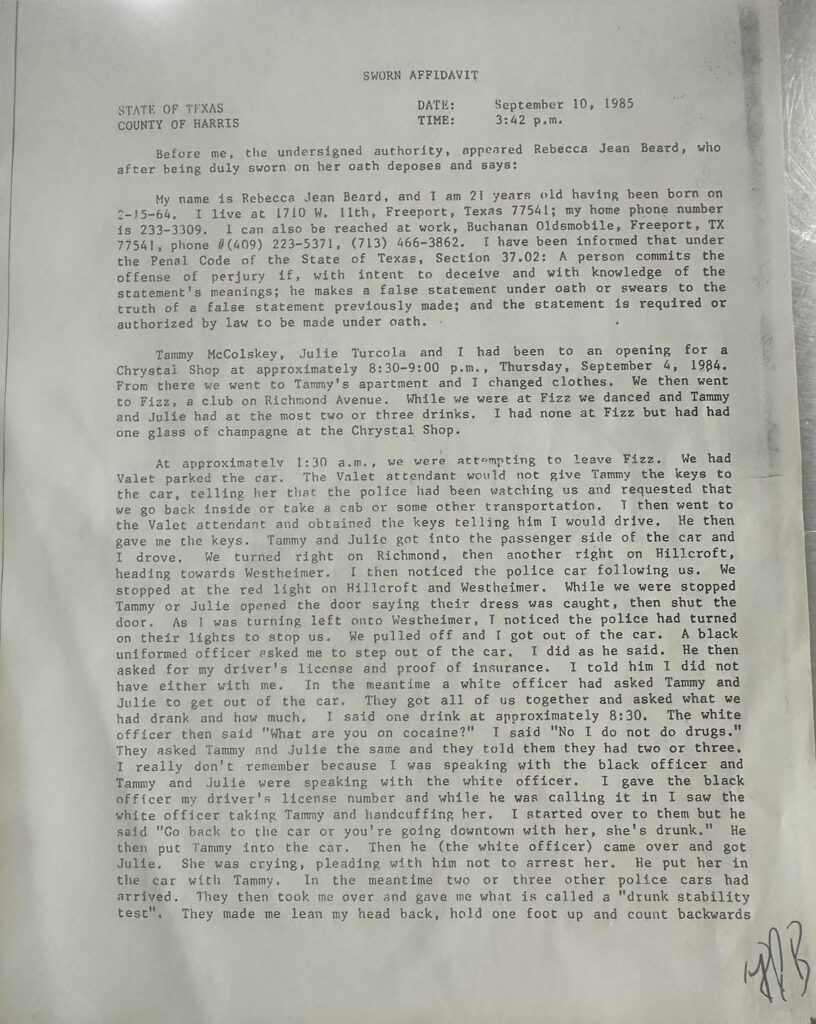
Beard provided a sworn affidavit on September 10, 1985.
She described an encounter that began after an evening with Tammy McColskey and Julie Turcola.
According to her statement, the women visited a Houston nightclub called Fizz on Richmond Avenue.
Beard said she drove because she had consumed little alcohol.
Around 1:30 a.m., the women left the nightclub. Beard drove toward Westheimer Road.
A police vehicle followed them.
Officers stopped the car near Hillcroft and Westheimer.
Beard said an officer requested her driver’s license and proof of insurance. Meanwhile, another officer questioned the passengers about drinking and drug use.
The encounter soon escalated.
Witness said officer pulled handcuffed woman from patrol car
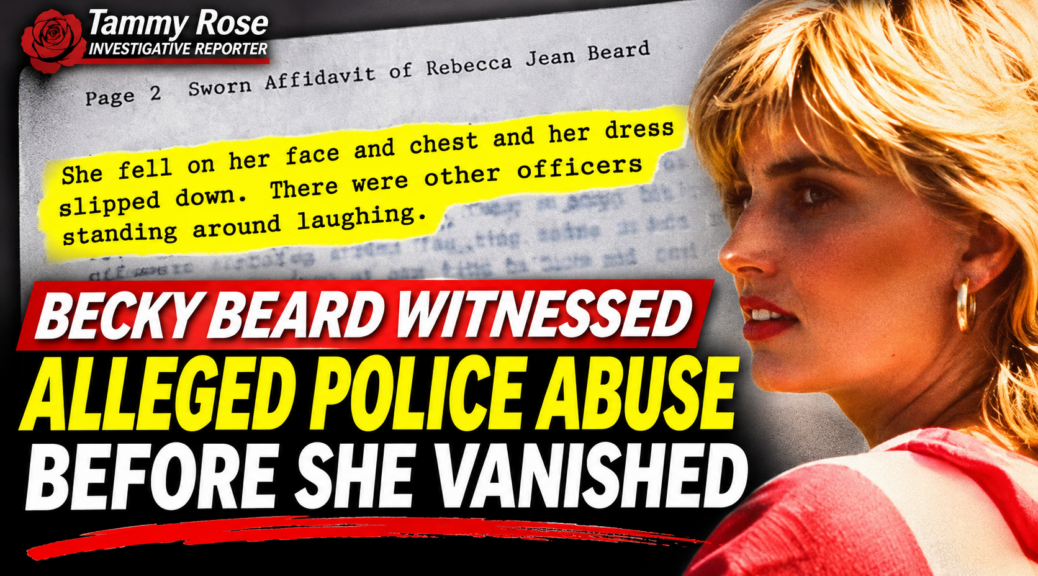
In her sworn affidavit, Becky Beard described watching an officer pull Tammy McColskey from a car. Beard stated that McColskey fell on her face and chest, her dress slipped down, and other officers stood nearby laughing.
In her affidavit, Beard described watching an officer handcuff McColskey and place her inside a patrol car.
She said McColskey later banged on the vehicle’s window and asked the officer to loosen the handcuffs.
Beard then described what happened next.
“The white officer pulled her out of the car,” Beard stated.
According to Beard, McColskey fell face-first onto the pavement.
Beard also said the woman’s dress slipped down while officers stood nearby laughing.
“She was crying,” Beard wrote.
The officer conducting Beard’s traffic investigation instructed her to look only at him.
However, Beard said she glanced back toward the patrol vehicles.
She then saw officers move McColskey into another police car.
Beard described McColskey lying with her head on the vehicle’s floor.
Officers eventually released Beard after issuing citations for driving without proof of insurance and without her driver’s license.
Sworn statement became part of police misconduct investigation
Beard signed her two-page affidavit before a notary on September 10, 1985.
She submitted the statement to Sergeant M. Angel of the Internal Affairs Division.
Her account described what she personally witnessed during the roadside encounter.
However, Beard did not describe witnessing the alleged beating inside the city jail.
That distinction matters because the prosecutor’s letter referred to criminal charges involving the treatment of two female prisoners at the jail.
The documents establish that Beard witnessed part of the encounter that preceded the women’s detention.
They do not establish that she witnessed every incident underlying the charges.
Police officers faced scheduled March 1986 trial
The February 1986 letter placed the officers’ trial on the calendar for March 31.
Smyth asked Beard to verify her address and telephone number. He also told her that prosecutors would contact her about appearing in court.
He explained that Beard would not need to attend unless the case proceeded to trial.
The documents do not establish whether the trial began on schedule or how the criminal charges ended.
Additional court records would help clarify the outcome.
New documents add another chapter to Becky Beard investigation
Beard disappeared from the Freeport area in early March 1986. She was 22 years old.
Her remains have never been recovered.
The discovery of her sworn affidavit and the prosecutor’s letter adds another documented event to the weeks leading up to her disappearance.
The records show that Beard had reported alleged police misconduct. They also show that prosecutors expected her cooperation in a criminal proceeding.
However, the documents contain no evidence that the officers threatened Beard or played any role in her disappearance.
Investigators have pursued the Beard case for decades. Paul Taylor Jr. received a life sentence in 1995 in connection with her murder.
A recent search near a Brazoria County cemetery failed to locate her remains.
The newly examined court documents raise additional questions about Beard’s activities before she vanished. They do not establish a new motive or identify another suspect.
ChopperRose.com continues examining records and interviewing witnesses in the nearly 41-year-old case.
My new book, When Two Worlds Collide During WWII, follows two families on opposite sides of World War II and the remarkable events that eventually brought their lives together in Wisconsin.
Amazon Affiliate Disclosure: As an Amazon Associate, I earn from qualifying purchases. This comes at no additional cost to you.
A recreation of the outfit Rebecca “Becky” Beard was reportedly wearing when she vanished in March 1986. Her family continues searching for answers 40 years later.
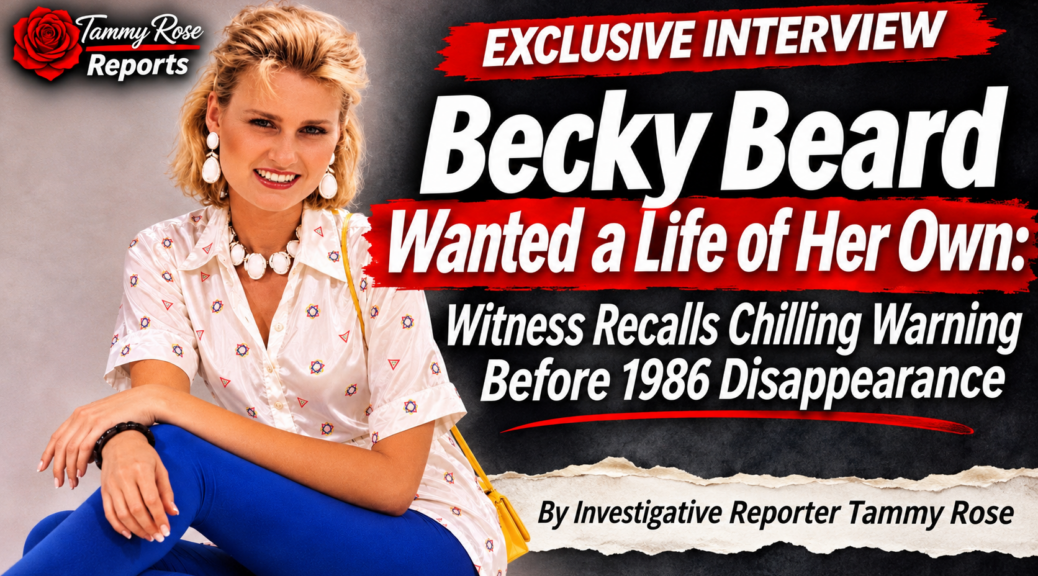
FREEPORT, Texas — Weeks before Rebecca “Becky” Beard vanished in March 1986, she allegedly confided in a man who now says she feared two people were following her and intended to kill her.
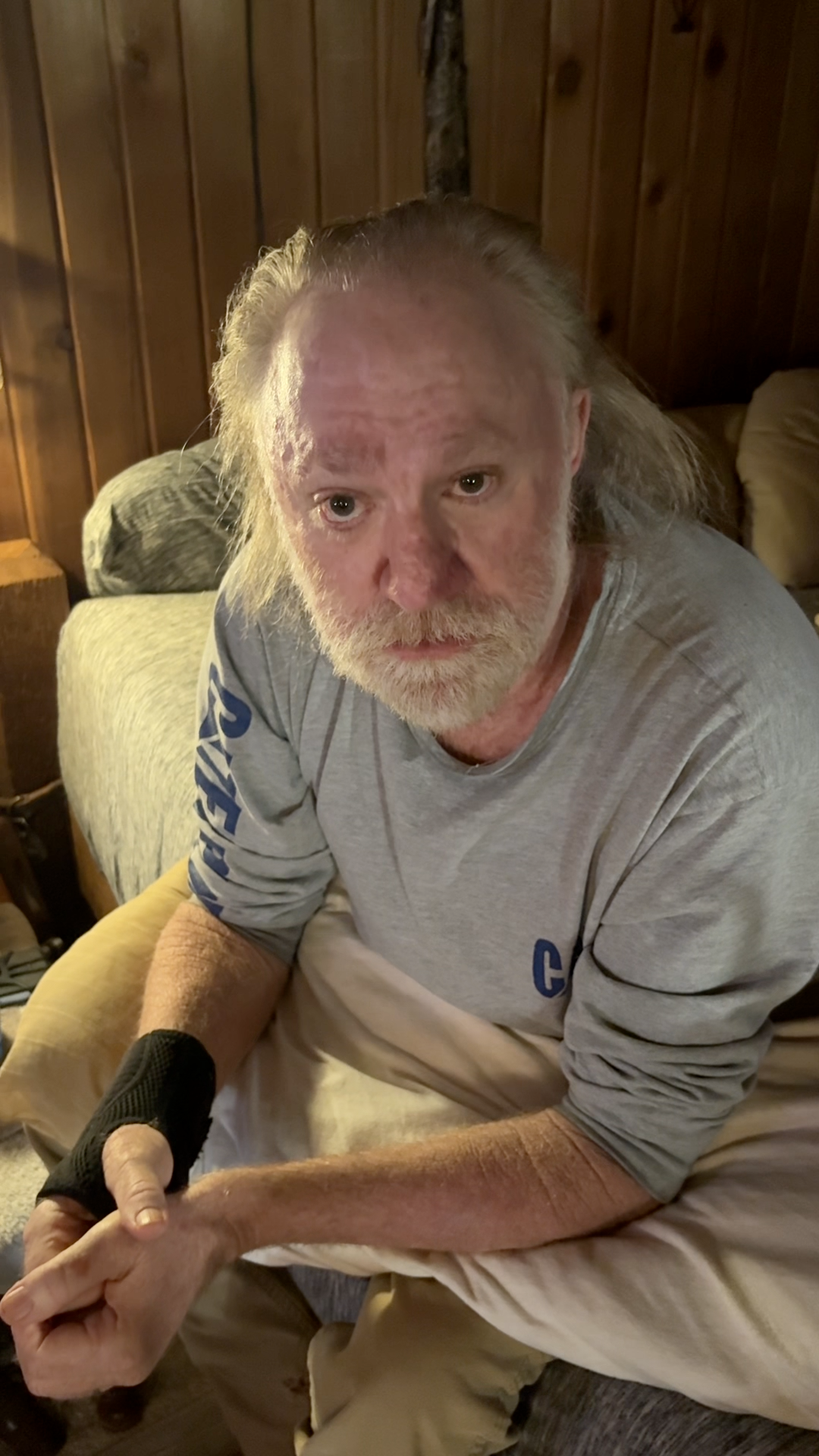
In an exclusive interview with investigative reporter Tammy Rose, Barry Williams recalled an evening with Beard that ended with an unsettling request. She wanted him to remain outside her home until she safely entered and closed the door.
Williams also described a man he said had become obsessed with Beard and wanted to control her personal life.
The account comes as investigators continue examining leads in the nearly 41-year-old murder case. A recent excavation near a Brazoria County cemetery failed to locate Beard’s remains.
Barry Williams recalls Becky’s warning about two men
Williams said he met Beard through an automobile business where she worked. The two eventually went out for drinks at a Freeport-area nightclub he identified as Chevy’s.
During their evening together, Williams said Beard told him two men had followed her around the area.
She believed they intended to kill her.
Williams recalled that Beard appeared sober and serious when she described her fears.
“She wasn’t drunk talking or nothing like that,” Williams said.
He acknowledged that he did not fully appreciate the warning at the time.
Looking back, he said her expression and the seriousness of her statements have stayed with him.
Williams said he had several businesses in the community and wanted no involvement in a potentially violent confrontation.
Becky allegedly wanted freedom from a controlling man
Williams described another troubling aspect of their conversation.
According to his account, Beard believed the two men worked for a man who had become obsessed with her.
Williams said the man did not want Beard spending time with others or pursuing an independent life.
He described someone who wanted Beard available whenever he demanded her attention.
But Williams said Beard wanted to move forward with her own life.
The interview does not establish the man’s identity or verify Beard’s reported concerns. No evidence presented in the interview connects the unidentified man or the alleged followers to her murder.
Still, Williams’ recollections provide another account of Beard’s personal circumstances before she vanished.
A final ride home and an unusual request
Williams recalled taking Beard home around 1 a.m. after their evening together.
He said he pulled into her driveway and waited as she approached the house.
According to Williams, Beard specifically asked him to remain until she entered and someone closed the door.
Her sister, Carol Mize, participated in the interview and helped Williams revisit details from that evening.
Williams recalled seeing someone open the door and waiting until the women entered the house.
He said he then backed out of the driveway and left.
The request stood out because Beard appeared concerned about reaching the safety of her home.
Williams said he never saw her again.
However, the interview does not establish the precise date of that encounter. Williams’ account places it before Beard’s disappearance, rather than necessarily on the night she vanished.
Witness description raises questions about Becky Beard’s clothing
A recreation of the outfit Rebecca “Becky” Beard was reportedly wearing when she vanished in March 1986. Her family continues searching for answers 40 years later.
During an exclusive interview, Barry Williams described the clothing he recalled Rebecca “Becky” Beard wearing when they went out together several weeks before her disappearance.
However, his description caught the attention of Beard’s sister, Carol Mize.
Mize had previously helped investigative reporter Tammy Rose recreate an image of the outfit she remembered her sister wearing the night she disappeared in March 1986.
While listening to Williams describe Beard’s clothing, they noticed that his account appeared to match the outfit Mize associated with the night her sister vanished.
The similarity stood out because Williams said he last saw Beard several weeks before her disappearance.
The apparent discrepancy raises questions about the timing of Williams’ recollection. It remains unclear why his description of an earlier encounter appeared to match the clothing Beard’s sister remembers from the night she disappeared.
Becky Beard vanished after visiting the Excalibur Club
Beard was 22 years old when she disappeared from Freeport on March 1, 1986.
She left behind a young daughter and a family that has spent four decades searching for answers.
Investigators focused on several people and locations during the original investigation.
In 1995, Paul Taylor Jr. pleaded guilty to Beard’s murder and received a life sentence.
Despite the conviction, investigators never recovered her remains.
Taylor has provided information about possible burial locations over the years. Searches have failed to locate Beard.
Williams’ interview does not establish an alternative account of the murder. However, it adds information about what Beard allegedly feared before she disappeared.
New cemetery search ends without finding remains
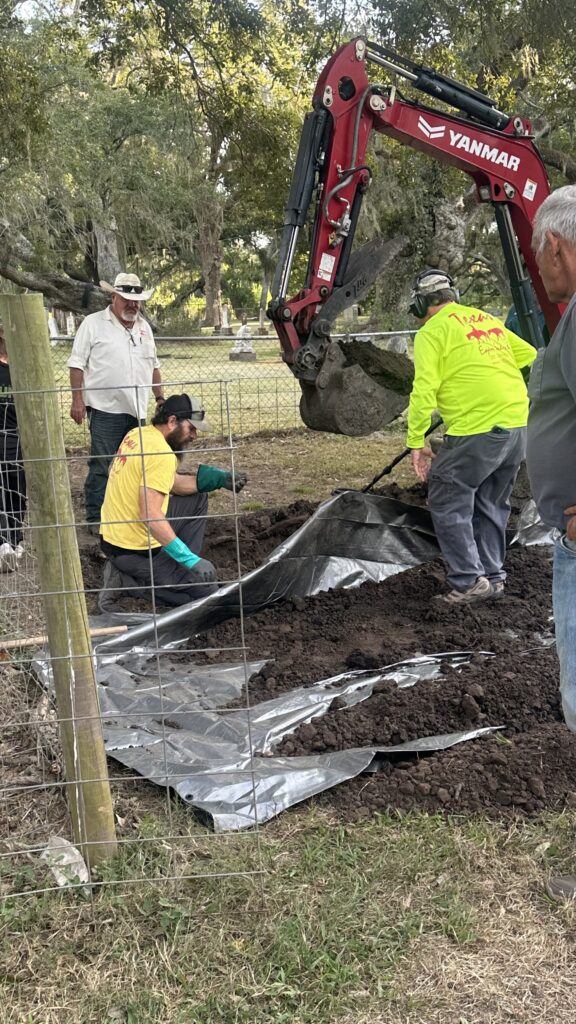
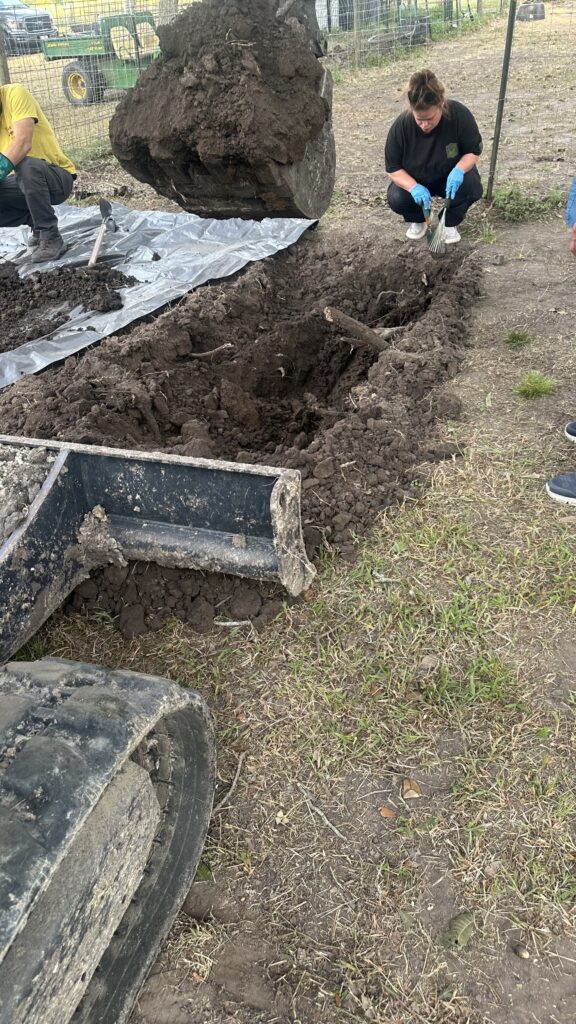
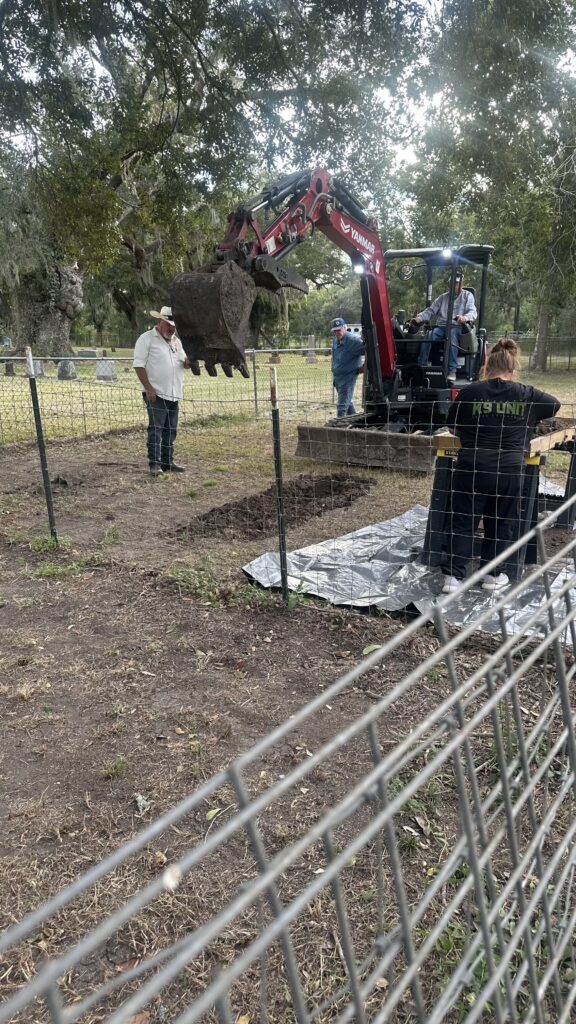
Search crews excavate an area near a Brazoria County cemetery after new witness information raised questions about the possible location of Rebecca Beard’s remains.
The Williams interview follows another development in the investigation.
In October 2026, search personnel returned to an area near a Brazoria County cemetery after renewed interest in a witness’s allegations.
The woman claimed she witnessed Beard’s burial in 1986.
Investigators previously questioned her credibility because of inconsistencies in her statements.
A nearby property owner later contacted Rose about activity involving former Brazoria County District Attorney’s Office investigator John Blankenship.
Texas EquuSearch assisted with a search that lasted approximately four hours.
According to a source familiar with the operation, searchers found no remains.
The excavation did not establish the witness’s allegations or resolve the question of Beard’s burial location.
Attorney General allows investigative records to remain withheld
Public records remain another obstacle in the search for answers.
In an August 28, 2026, ruling involving the Beard investigation, the Texas Attorney General allowed Brazoria County to withhold certain investigative information under the Texas Public Information Act.
The ruling required the release of basic information.
A separate ruling dated October 29, 2026, addressed Brazoria County request 26-2686.
The Attorney General again permitted the county to withhold submitted information under Section 552.108(a)(1) of the Texas Government Code while requiring the release of basic information.
Four decades later, questions remain
Williams’ account introduces another perspective on Beard’s life before her disappearance.
His recollections include her reported fear of two men, allegations involving a controlling relationship, and an unusual request for protection when he drove her home.
The interview also raises questions about the timing of their last encounter and the clothing Williams remembers.
Those details require corroboration.
For Beard’s family, the central question remains unchanged.
Where are her remains?
Texas Department of Public Safety missing person bulletin for Rebecca “Becky” Beard, who disappeared in 1986.
Nearly 41 years after she disappeared, investigators have yet to answer it.
Watch the exclusive interview with Barry Williams.
My new book, When Two Worlds Collide During WWII, follows two families on opposite sides of World War II and the remarkable events that eventually brought their lives together in Wisconsin.
Amazon Affiliate Disclosure: As an Amazon Associate, I earn from qualifying purchases. This comes at no additional cost to you.
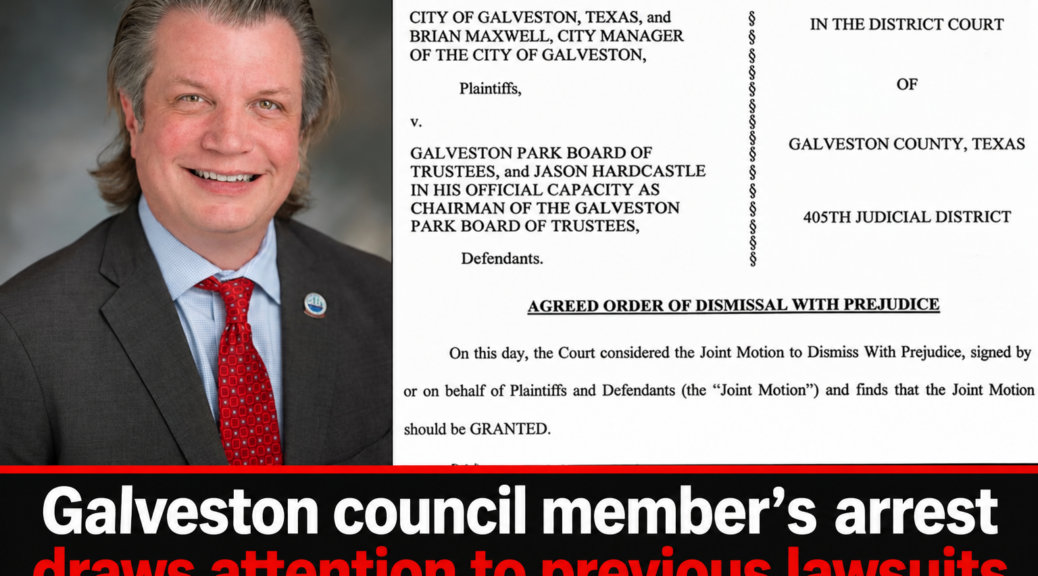
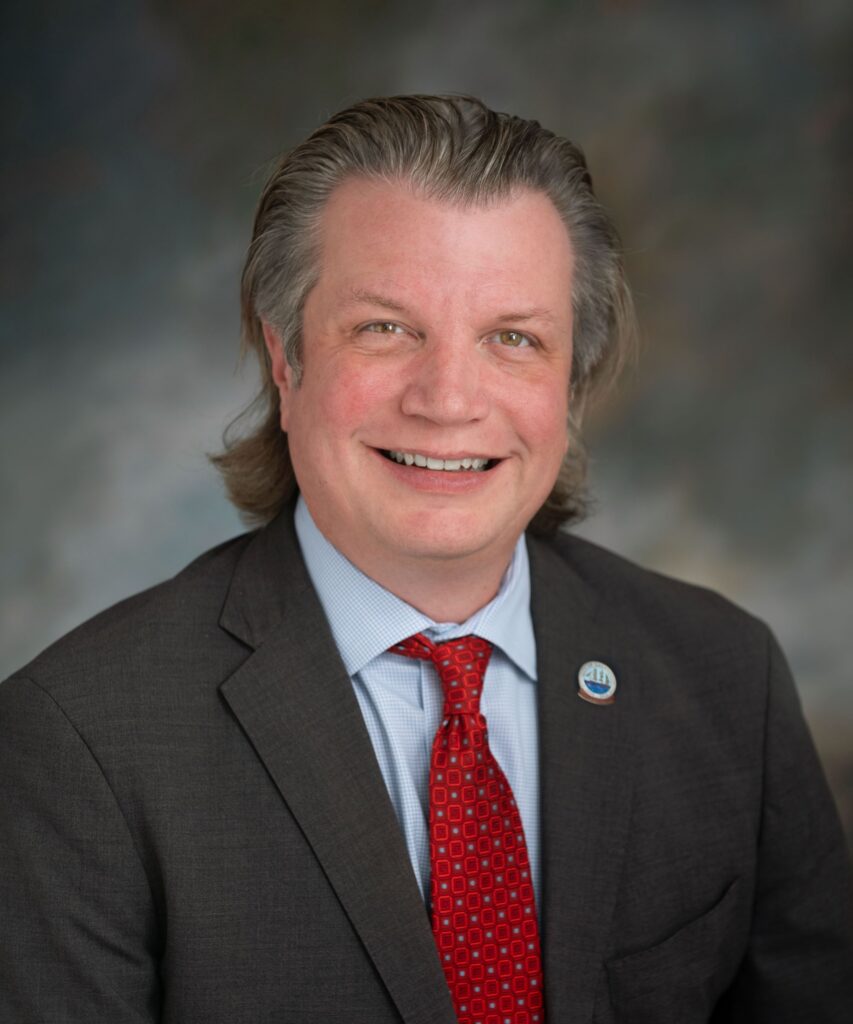
Galveston City Council Member Jason Hardcastle. His previous role as Park Board chairman is the subject of separate civil lawsuits.
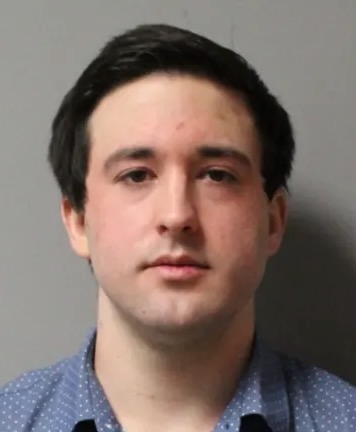
GALVESTON, Texas — Galveston City Council Member Jason Hardcastle was arrested Friday night following a two-vehicle crash on Seawall Boulevard, according to an October 31, 2026, Galveston Police Department press release.
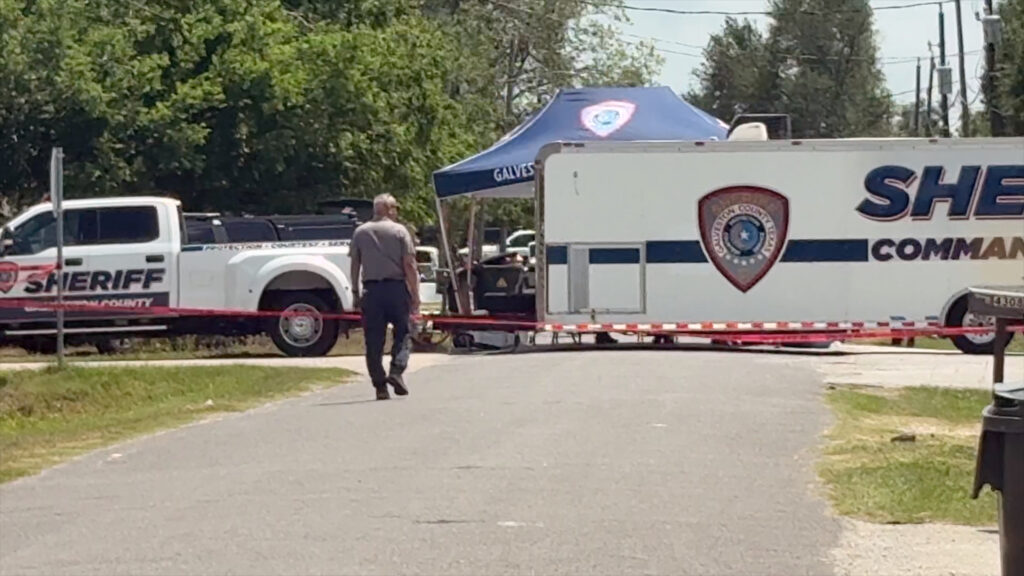
Police responded to the 6800 block of Seawall Boulevard around 8:15 p.m. Friday, October 30. No injuries were reported.
According to police, an officer observed signs of possible intoxication involving Hardcastle. Following an investigation, officers arrested him on suspicion of driving while intoxicated, first offense, a Class B misdemeanor.
Police said Hardcastle refused to provide a breath sample. Officers then obtained a search warrant for a blood specimen.
While officers executed the warrant at a local hospital, Hardcastle allegedly physically resisted their efforts.
Police subsequently charged him with resisting arrest, search or transportation, a Class A misdemeanor.
Hardcastle was booked into the Galveston County Jail on two charges:
Driving while intoxicated, first offense — $1,000 bond.
Resisting arrest, search or transportation — $1,500 bond.
Total bond: $2,500.
The arrest comes months after two separate civil lawsuits named Hardcastle in his official capacity as chairman of the Galveston Park Board of Trustees.
Those lawsuits are unrelated to the criminal allegations.
Police records requested following Hardcastle arrest
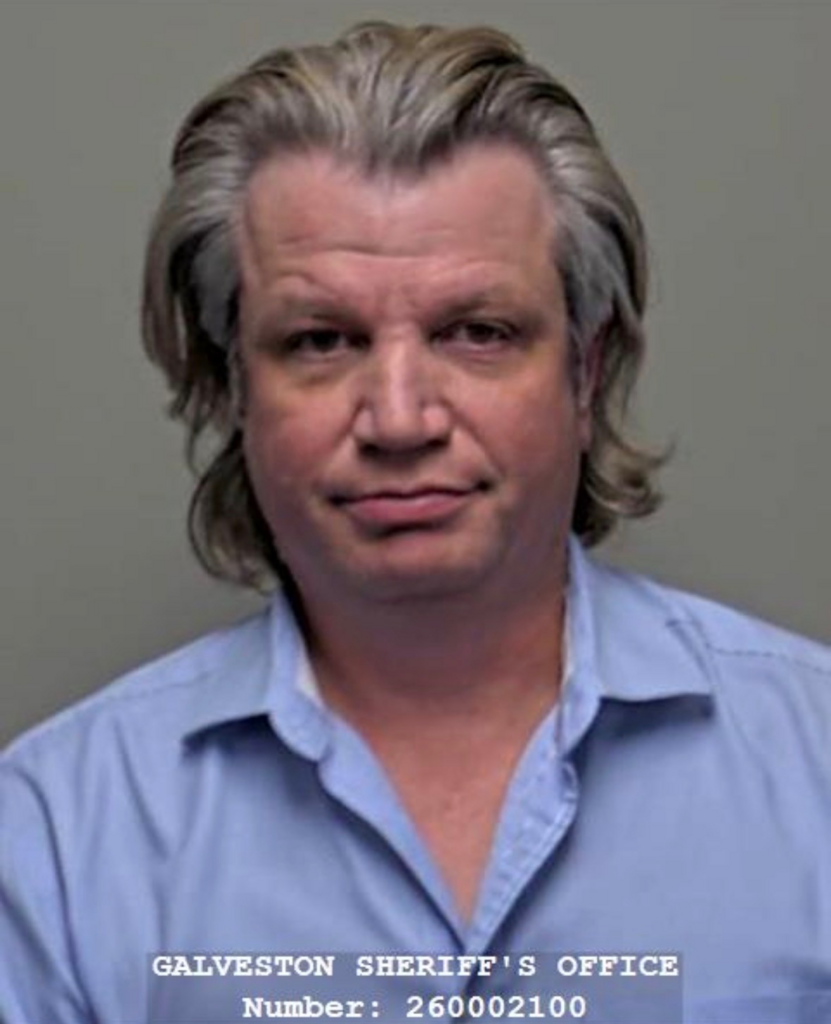
ChopperRose.com obtained Hardcastle’s booking photograph from the Galveston County Sheriff’s Office.
The Galveston Police Department also provided an official press release confirming his arrest and the two charges.
ChopperRose.com has requested additional records, including the arrest report, probable cause affidavit, crash report, search warrant and available body-camera footage.
Those records could provide more details about the investigation.
Galveston police confirmed Saturday that Hardcastle was no longer in the county jail.
Hardcastle is presumed innocent unless proven guilty in court.
In May 2025, the City of Galveston and City Manager Brian Maxwell sued the Galveston Park Board of Trustees and Hardcastle in his official capacity as board chairman.
The lawsuit alleged violations of the Texas Open Meetings Act during meetings on May 12 and May 22, 2025.
City officials challenged actions involving employee matters and negotiations.
In June 2025, a judge granted an injunction that restricted certain actions from those meetings.
However, the lawsuit did not end with a finding of liability.
Court records show the parties later agreed to dismiss all claims with prejudice.
Judge Jared Robinson signed the final dismissal order on March 19, 2026.
The agreement stated that neither side admitted fault. Neither side paid money to resolve the dispute.
Case number: 25-CV-0913, Galveston County’s 405th District Court.
Former Beach Patrol chief filed federal lawsuit
Galveston Council Member Jason Hardcastle and court records from a 2025 lawsuit involving the Galveston Park Board of Trustees.
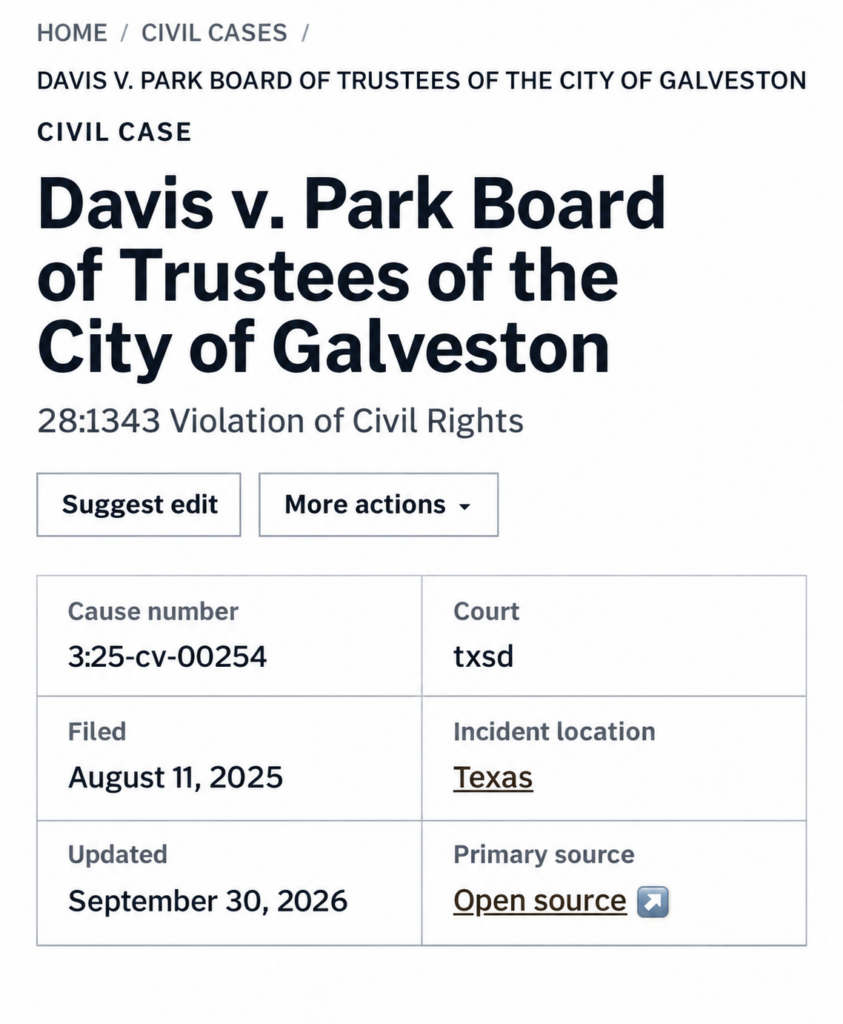
A second lawsuit followed the dismissal of longtime Galveston Beach Patrol Chief Peter Davis.
Davis filed his federal lawsuit in August 2025.
He named the Galveston Park Board, Hardcastle and interim CEO Marty Miles. The lawsuit named Hardcastle and Miles in their official capacities.
Davis challenged his termination after more than four decades with the Beach Patrol.
His lawsuit alleged that the board mishandled his dismissal and denied him certain employment protections.
The Park Board defended its decision. Officials cited concerns about Davis’ judgment and leadership.
The federal case carried the number 3:25-CV-00254 in the Southern District of Texas.
A September 2026 Park Board agenda listed the lawsuit for discussion, including a possible settlement.
That agenda does not establish whether the parties reached an agreement. The latest court disposition still requires confirmation.
Separate legal matters
The lawsuits involved Hardcastle’s official duties with the Park Board. Neither case involved allegations of impaired driving.
The October 30 arrest represents a separate criminal matter.
ChopperRose.com continues to seek police records and additional information about the arrest.
This story will be updated as verified information becomes available.
My new book, When Two Worlds Collide During WWII, follows two families on opposite sides of World War II and the remarkable events that eventually brought their lives together in Wisconsin.
Amazon Affiliate Disclosure: As an Amazon Associate, I earn from qualifying purchases. This comes at no additional cost to you.
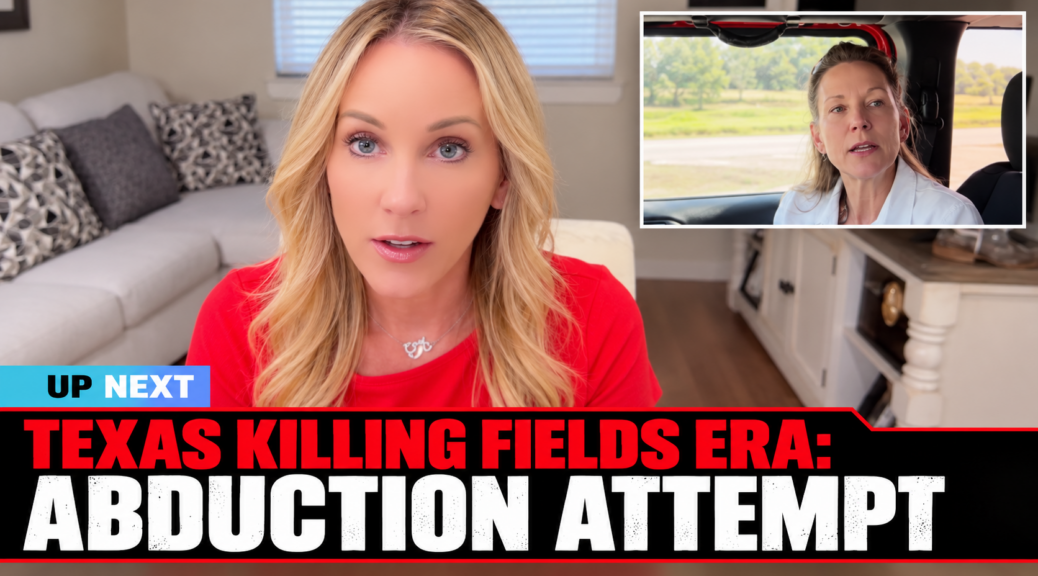
GALVESTON COUNTY, Texas — A woman who was just 12 years old in 1979 is sharing her account of a frightening encounter with three men near a convenience store.
The woman, identified only as Renee to protect her privacy, recently spoke with investigative reporter Tammy Rose.
Her story dates back to the Texas Killing Fields era, when several young women disappeared or were murdered in the Houston-Galveston region.
Renee believes the men tried to abduct her. Nearly five decades later, she still remembers details about their vehicle and behavior.
Three men inside a vehicle
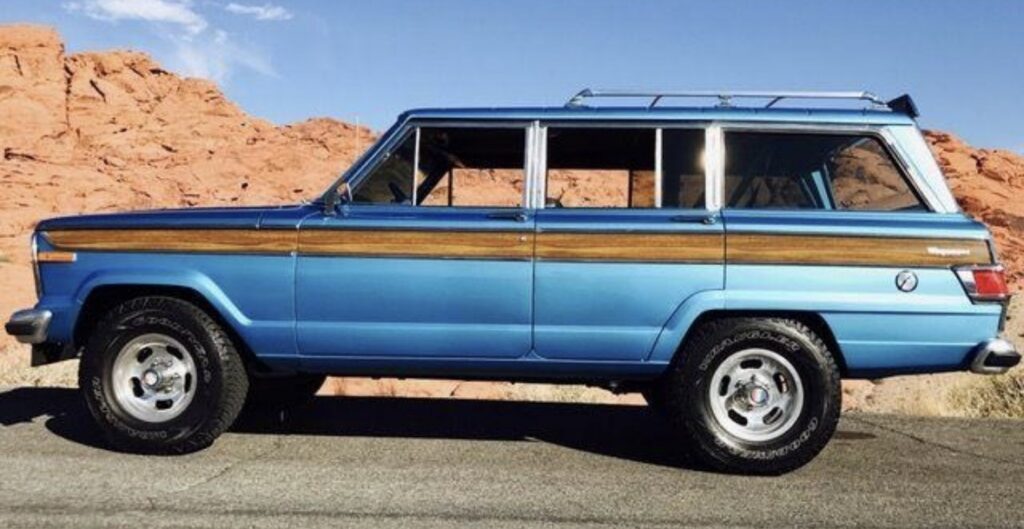
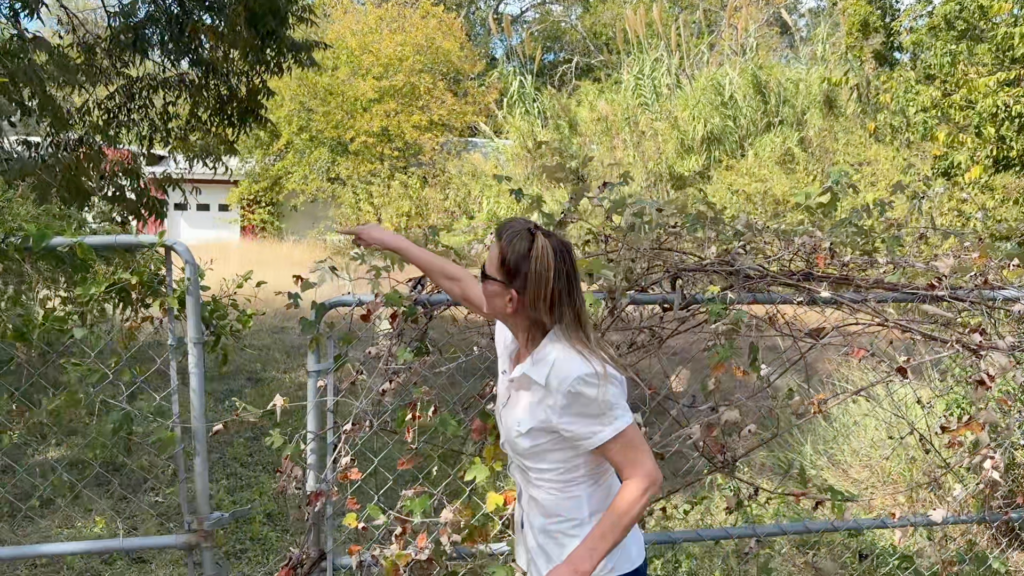
Renee recalls seeing three men inside a four-door vehicle near a convenience store in 1979. She believes the vehicle was a Jeep Wagoneer. Photo is for illustrative purposes only.
Renee recalled walking toward a convenience store in 1979.
She noticed three men sitting inside a four-door vehicle. She believes it was a Jeep Wagoneer.
One man sat in the back seat. According to Renee, he leaned forward between the two front bucket seats.
As she walked past, the man tapped the front passenger to draw his attention to her.
Renee entered the store and purchased a bag of onion rings.
What happened during that encounter has stayed with her for decades.
A childhood memory that never faded
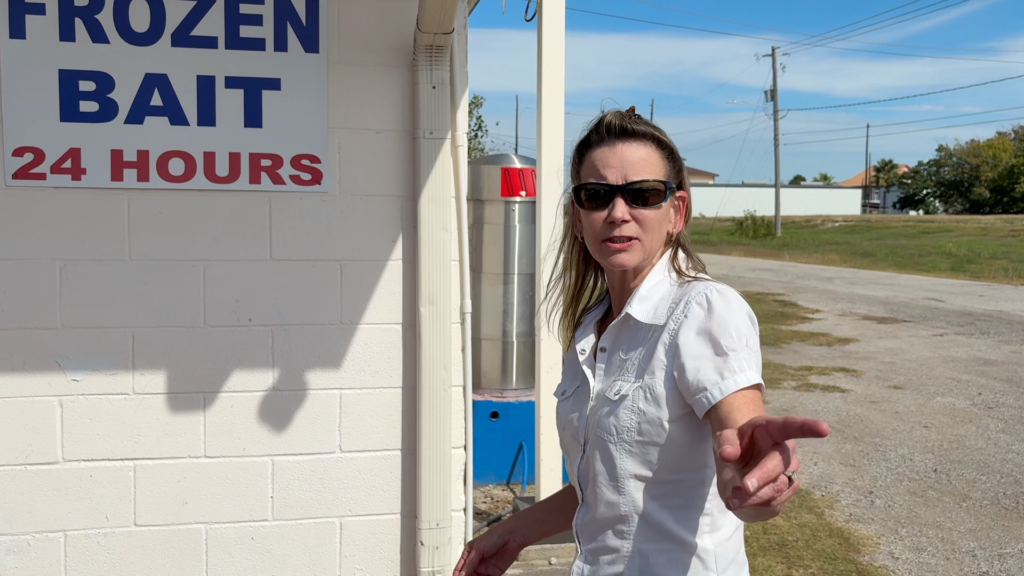
Renee returns to the area where she says three men attempted to abduct her when she was 12 years old in 1979. Nearly five decades later, she remembers details of the encounter.
Renee was 12 years old at the time.
She remembers the vehicle’s layout and the positions of the three men. Those details remain central to her account.
Her experience raises questions about suspicious encounters involving young girls during that period.
However, no evidence presented in this interview establishes a connection between the men Renee described and any known Texas Killing Fields homicide.
Watch Renee tell her story
In an exclusive interview, Renee returns to the events of 1979 and describes what she remembers.
Renee shares her firsthand account, including details about the vehicle and the three men.
Questions remain decades later
Renee revisits the area where she recalls fleeing from three men who allegedly tried to abduct her when she was 12. She describes the route she took to escape.
The Texas Killing Fields era left many families searching for answers.
Renee’s account offers another perspective on the fear young girls experienced in the region during that time.
Her recollections deserve careful examination. Investigators would need independent evidence to connect her encounter to any other case.
ChopperRose.com continues to examine historical cases, witness accounts and unresolved questions from the Texas Gulf Coast.
My new book, When Two Worlds Collide During WWII, follows two families on opposite sides of World War II and the remarkable events that eventually brought their lives together in Wisconsin.
Amazon Affiliate Disclosure: As an Amazon Associate, I earn from qualifying purchases. This comes at no additional cost to you.
A single tip can reopen a cold case, lead investigators to missing evidence, or help a grieving family finally find answers. But what happens when someone knowingly gives police false information?
In Texas, providing false information to police during a criminal investigation can result in criminal charges, fines, and jail time.
Law enforcement agencies rely on witnesses to help solve crimes. Even information that surfaces decades later can be valuable. However, there is a legal difference between an honest mistake and a deliberate attempt to mislead investigators.
What Texas law says about false information to police
Texas Penal Code Section 37.08 addresses false reports made to law enforcement officers and certain investigators.
Under Texas Penal Code Section 37.08, a person commits an offense when they knowingly make a materially false statement to an authorized investigator with the intent to deceive.
The offense is classified as a Class B misdemeanor.
A conviction can carry:
Up to 180 days in county jail. A fine of up to $2,000. Both jail time and a fine.
The law does not require someone to invent an entire crime. A knowingly false statement about an important detail in an investigation may be enough to violate the statute.
What happens when someone makes a false crime report?
Law enforcement investigations require personnel, equipment, and resources. Knowingly false crime reports can divert those resources.
Texas Penal Code Section 42.06 addresses certain false reports involving crimes or emergencies.
A person who knowingly communicates a false or baseless report that meets the statute’s requirements may face a Class A misdemeanor. Certain reports involving schools, public transportation, or essential public services can result in felony charges.
Other laws may apply when false reports trigger dangerous emergency responses.
Why false information can hurt cold case investigations
Search crews excavate an area near a Brazoria County cemetery after new witness information raised questions about the possible location of Rebecca Beard’s remains.
Cold cases often depend on information that surfaces years or even decades after the original investigation.
Witnesses may remember a conversation, recognize a location, or decide to share information they previously withheld.
These tips deserve careful consideration.
But knowingly fabricated information can send investigators in the wrong direction.
It can also consume investigative resources, lead to unnecessary searches, and create false hope for families who have spent years waiting for answers.
When investigators search a property or examine a possible burial site, the information that prompted the search must be evaluated alongside physical evidence and independent corroboration.
A witness statement alone does not establish that a crime occurred at a particular location.
Being mistaken is not the same as lying
An excavation near a Brazoria County cemetery during the renewed search for Rebecca Beard, who disappeared in 1986. Investigators examined the area following new witness information.
This distinction is especially important.
Human memory is imperfect. Details can become unclear over time. Witnesses may confuse dates, locations, or conversations.
An honest mistake does not automatically constitute a criminal offense.
Texas Penal Code Section 37.08 requires proof that a person knowingly made a materially false statement with the intent to deceive.
Investigators must distinguish between inaccurate recollections, misunderstandings, secondhand information, and deliberate deception.
Why witnesses should still come forward
A recreation of the outfit Rebecca “Becky” Beard was reportedly wearing when she vanished in March 1986. Her family continues searching for answers 40 years later.
The possibility of criminal penalties should never discourage someone from reporting information they genuinely believe could help solve a crime.
A witness does not need to have every answer.
Someone may remember a suspicious vehicle, an unusual conversation, or activity near a location connected to an investigation.
Even decades later, that information may be important.
The best approach is to explain exactly what was personally observed, identify information learned from others, and acknowledge uncertainty.
Investigators can then determine whether the information can be independently verified.
The responsibility that comes with reporting a crime
Search crews excavate an area near a Brazoria County cemetery following new witness information in the 1986 disappearance of Rebecca “Becky” Beard.
Families of missing persons and homicide victims deserve answers based on credible evidence.
Investigators deserve truthful information. Witnesses deserve to be heard and treated fairly.
And the public deserves to understand that deliberately misleading law enforcement can carry legal consequences.
Coming forward with information can be an act of courage.
Knowingly inventing information is something entirely different.
The message is simple: If you know something about a crime, speak up. But tell the truth. Someone’s family may be depending on it.
My new book, When Two Worlds Collide During WWII, follows two families on opposite sides of World War II and the remarkable events that eventually brought their lives together in Wisconsin.
Amazon Affiliate Disclosure: As an Amazon Associate, I earn from qualifying purchases. This comes at no additional cost to you.
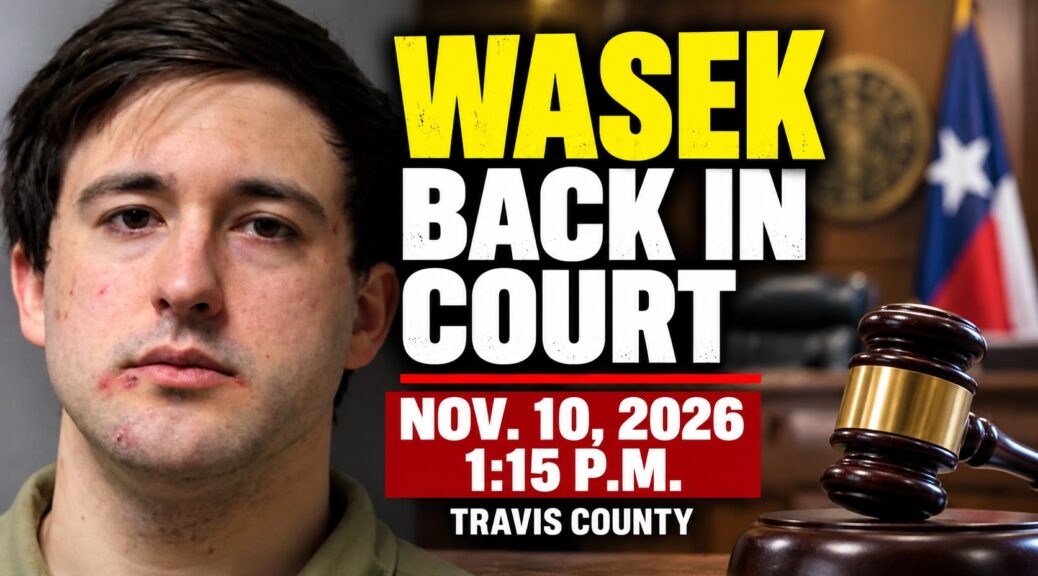
Mitchell Wasek has another court date in Travis County.
Court records show Wasek will return to the 167th District Court on Nov. 10, 2026, at 1:15 p.m.
The hearing involves several criminal cases that I have followed for years.
One of Wasek’s original 2023 cases lists a writ hearing. His separate 2025 case lists a pretrial hearing at the same time.
The Nov. 10 setting is not a trial date.
Wasek’s original cases remain in court
Wasek faces six invasive visual recording cases filed in 2023.
Those cases carry cause numbers D-1-DC-23-500314 through D-1-DC-23-500319. Travis County previously listed all six for writ hearings in the 167th District Court.
The latest Odyssey record I reviewed on Oct. 2 shows a Nov. 10 writ hearing in case D-1-DC-23-500314.
The older cases have also gone through appellate proceedings.
Separate 2025 case heads to pretrial hearing
Wasek also faces a separate felony case filed in 2025.
That case carries cause number D-1-DC-25-500122.
The Travis County docket lists the 2025 charge as possession of child pornography.
The latest Odyssey record shows a pretrial hearing on Nov. 10 at 1:15 p.m.
The newer case and at least one of Wasek’s original cases now have hearings set for the same date and time.
Defense wants evidence suppressed
The 2025 case includes two major defense challenges.
Wasek’s attorneys filed a motion to suppress on April 14.
The docket describes it as a motion to suppress evidence obtained by theft and breach of computer security.
The public docket I reviewed does not show an order resolving that motion.
Defense also seeks dismissal
Wasek’s attorneys filed another motion on June 2.
That motion asks the judge to dismiss the indictment due to an expired statute of limitations.
The filing does not mean the court has dismissed the indictment.
The public docket I reviewed does not show an order granting that request.
Court records also show several subpoena applications filed in June.
What happens next in the Mitchell Wasek cases?
Mitchell Wasek faces felony charges in Travis County as his defense seeks to suppress evidence and dismiss the indictment.
The Nov. 10 hearings could provide answers about the pending legal challenges.
The 167th District Court handles felony criminal cases in Travis County. Judge Dayna Blazey presides over the court.
For now, Wasek’s cases remain pending.
I will continue reviewing the court records and report any new rulings before the Nov. 10 hearings.
My new book, When Two Worlds Collide During WWII, follows two families on opposite sides of World War II and the remarkable events that eventually brought their lives together in Wisconsin.
The story is based on my own family history, with real people, family photographs and stories passed down through generations.
Disclosure: As an Amazon Associate, I earn from qualifying purchases.
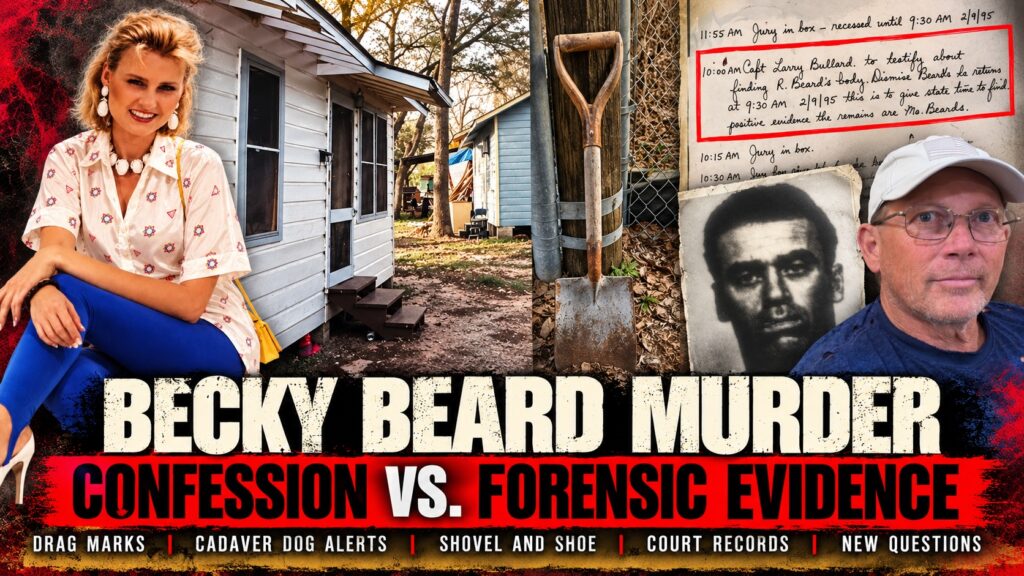
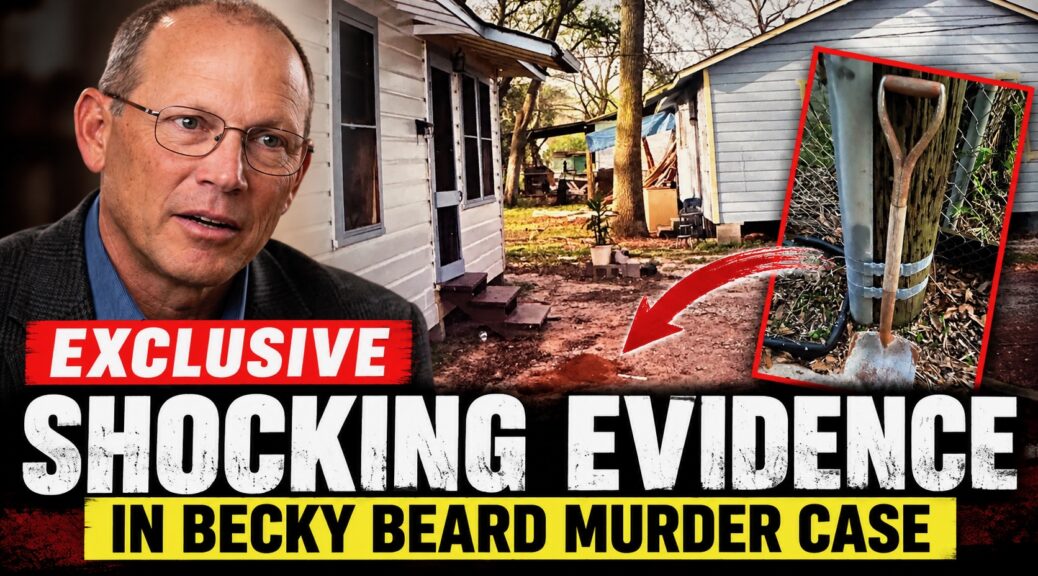
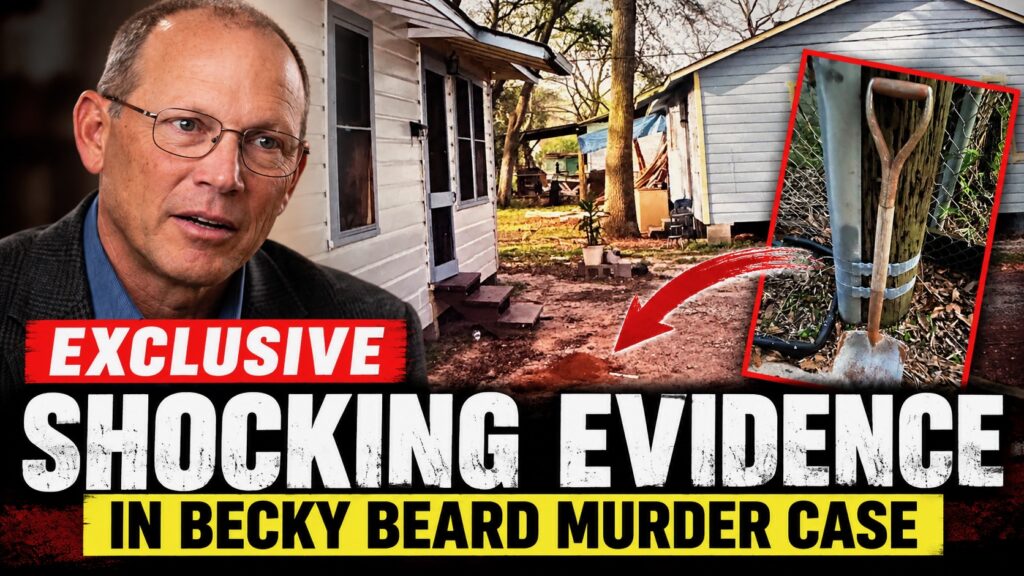
Paul Taylor’s confession vs. forensic evidence. An exclusive investigation reveals new questions about drag marks, cadaver dog alerts, a shovel found beneath the house and court records referencing Becky Beard’s remains.
Did Paul Taylor tell investigators everything about what happened to Rebecca “Becky” Beard?
Nearly 40 years after the 22-year-old disappeared from Freeport, Texas, new questions surround her murder.
A comparison of Taylor’s confession and previously undisclosed investigative findings reveals significant differences.
In my exclusive interview, retired Freeport police captain Richard Miller described apparent blood evidence and drag marks inside a home linked to Becky’s murder.
Two cadaver dogs also alerted beneath the property.
Miller began digging and discovered unidentified white material. However, officials ordered him to stop before he could identify it.
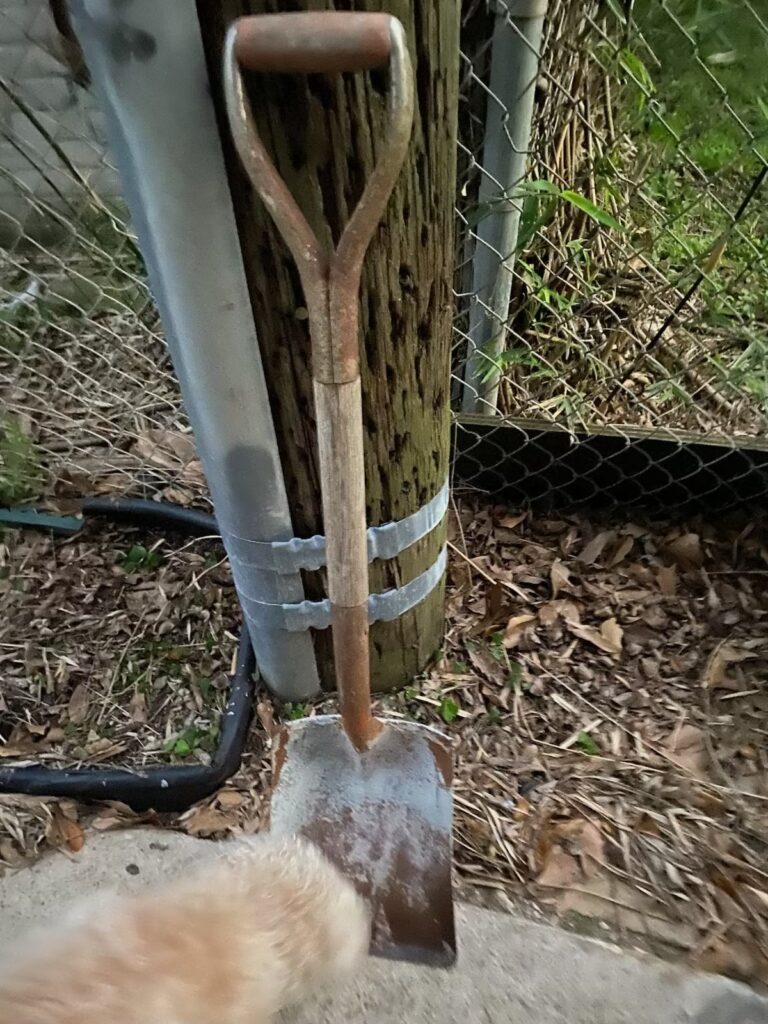
Becky’s mother, Linda Barnes, also found a shovel and shoe beneath the house. According to the family, investigators never entered either item into evidence.
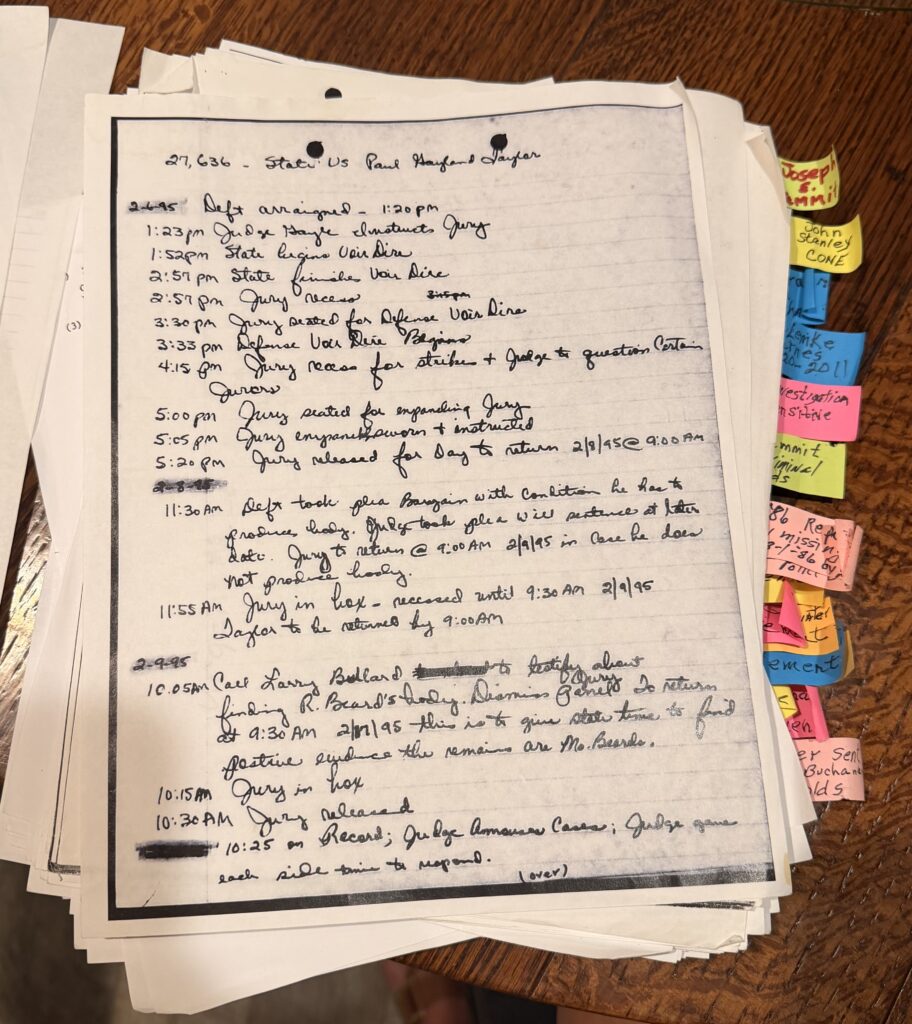
Newly uncovered court records raise even more questions. They reference Becky’s body and a Remington shotgun after Taylor’s guilty plea.
What really happened inside that house? And where are Becky’s remains?
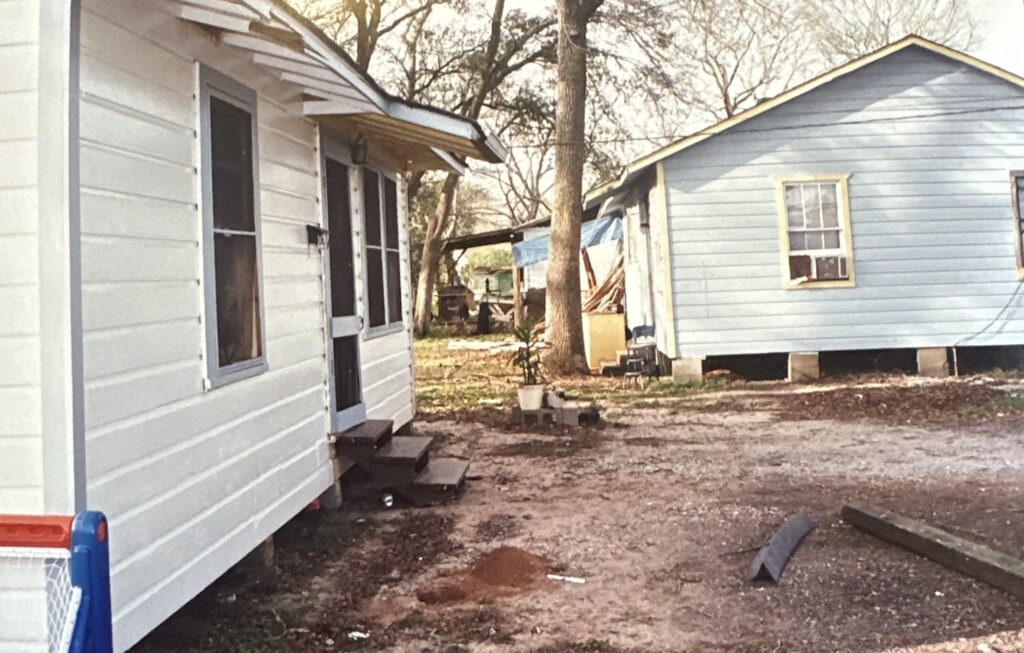
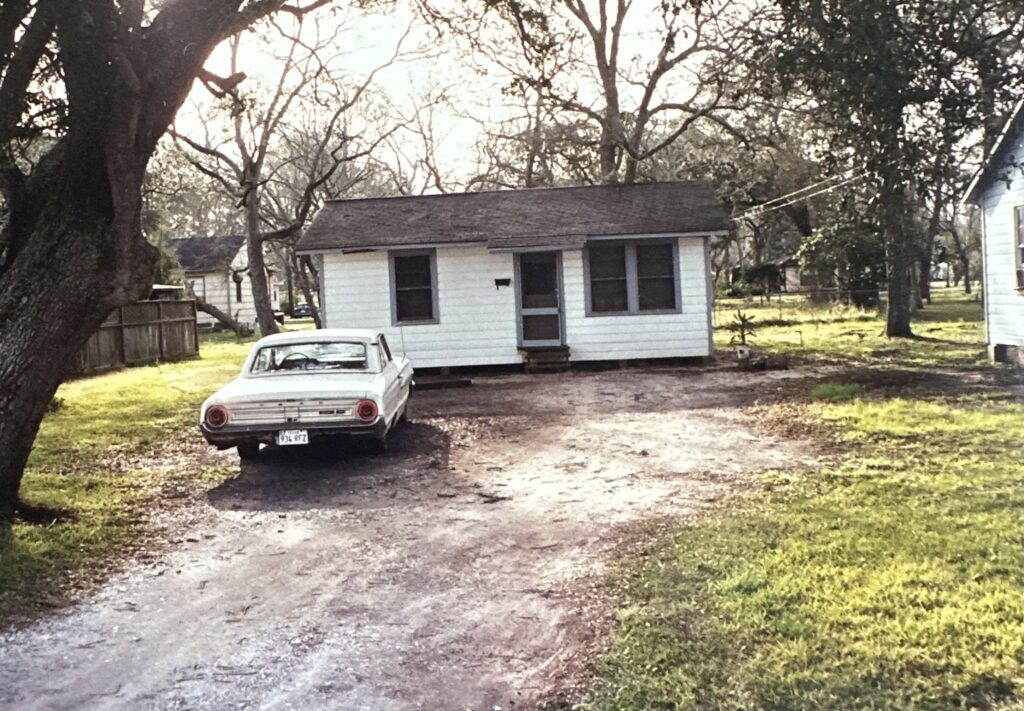
The home linked to Becky Beard’s murder. Retired Freeport police captain Richard Miller says investigators found apparent blood evidence and drag marks inside. Two cadaver dogs also alerted beneath the property.
What Paul Taylor said happened to Becky Beard
Becky disappeared after visiting the Excalibur Club in Freeport on March 1, 1986.
Taylor admitted that Becky left the club with him. He said they drove to his home, where an argument eventually turned violent.
During a recorded interview with Becky’s mother, Taylor claimed an argument over cocaine led to the shooting.
He said he had promised to obtain cocaine but could not reach his supplier.
According to Taylor, Becky became angry and threatened to call police.
Taylor admitted that he grabbed a gun and tried to frighten her.
He then told Linda that he shot Becky between the eyes.
Taylor claimed Becky died immediately.
He later pleaded guilty to her murder in 1995. However, investigators never recovered her body.
Forensic evidence reveals apparent drag marks inside the home
The home linked to Becky Beard’s murder. Retired Freeport police captain Richard Miller says investigators found apparent blood evidence and drag marks inside. Two cadaver dogs also alerted beneath the property.
Taylor described wrapping Becky’s body in bedsheets before placing her in his car.
However, Miller’s account raises questions about how someone moved her body.
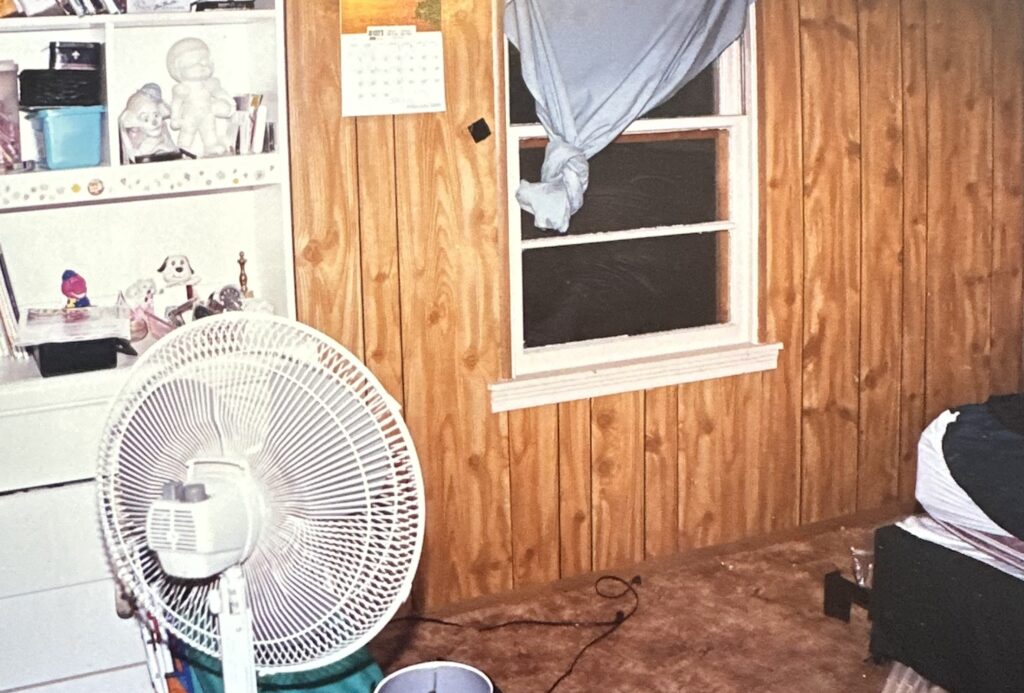
During his investigation around 1994, Miller returned to the home where investigators believed the murder occurred.
He removed wall paneling and conducted luminol testing.
Miller said the testing revealed apparent blood smears on the bedroom wall and floor.
He also observed what appeared to be drag marks.
Those marks extended from the bedroom, through a common area and toward the back door.
According to Miller, the marks ended at that door.
Could someone have dragged Becky through the house before placing her body in a vehicle?
Taylor’s account does not explain the apparent drag marks.
However, additional forensic testing would need to establish what caused them.
Two cadaver dogs alerted beneath the house
Another view of the home linked to Becky Beard’s murder, where retired police captain Richard Miller says investigators discovered apparent blood evidence and drag marks.
Miller’s investigation took another unexpected turn when a dog handler brought two cadaver dogs to the property.
The first dog searched the house and alerted beneath the kitchen area, near the back door.
The handler then brought in a second dog.
That dog searched from another direction and alerted at the exact same location.
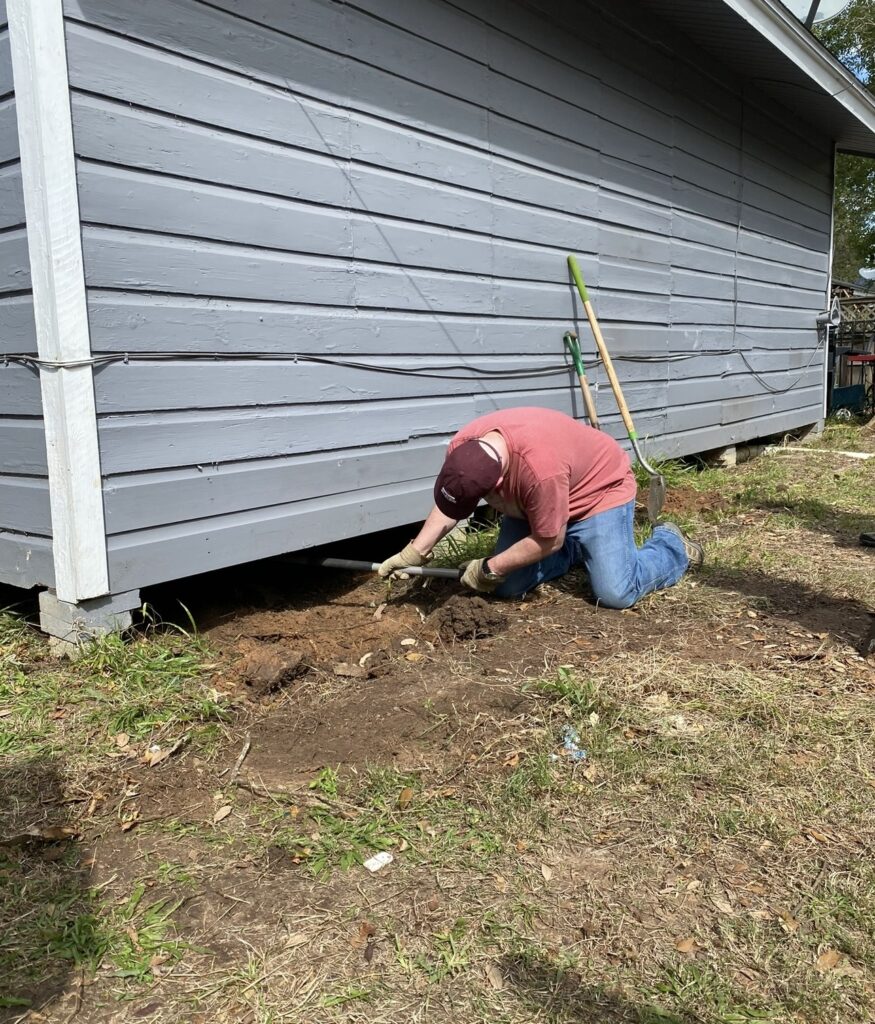
Miller crawled beneath the house and began digging by hand.
A few inches below the surface, he discovered soft white material.
He immediately thought about the clothing Becky reportedly wore when she disappeared.
However, Miller never determined what he had found.
He said a district attorney’s investigator and the Clute police chief arrived at the property.
They ordered him to stop digging because Taylor’s trial was approaching.
Miller complied and left the excavation unfinished.
Officials never secured the home as a crime scene during that investigation.
Linda Barnes found a shovel and shoe beneath the house
Linda Barnes discovered this shovel beneath the Clute home linked to Becky Beard’s murder. The family says investigators never entered it into evidence.
Becky’s mother conducted her own investigation into her daughter’s disappearance.
During her search beneath Taylor’s former home, Linda discovered a short-handled shovel and a shoe.
Linda described burn marks on the shovel. She also claimed it carried dirt similar to soil at the suspected burial site.
According to the family, investigators never entered either item into evidence.
During her recorded interview with Taylor, Linda confronted him about the shovel.
Taylor said he could not remember leaving it beneath the house.
He suggested he might have obtained it from his father or mother.
Years later, Miller discovered apparent blood evidence and drag marks inside the same home.
Two cadaver dogs also alerted beneath the property.
Miller began digging and uncovered unidentified white material.
However, officials ordered him to stop before he could identify it.
Did Linda and Miller discover evidence connected to Becky’s disappearance?
Investigators never established that connection through the forensic testing documented in the available interviews.
Did Paul Taylor place Becky beneath the house?
Thumbnail for an article examining conflicting accounts regarding whether Paul Taylor Jr. declined legal representation in the Rebecca Beard murder case.
Taylor claimed he wrapped Becky in bedsheets and roofing paper before placing her body in his car.
He said he later drove to a remote location and buried her.
However, Linda confronted him about the shovel she had discovered beneath his home.
Taylor said he could not remember placing it there.
Miller’s discovery raises another question.
Why did two cadaver dogs alert beneath the home if Taylor immediately transported Becky to another location?
The alerts alone cannot establish that Becky’s body was beneath the house.
They also cannot determine whether someone moved her remains.
Investigators would need additional physical evidence to establish either possibility.
Did investigators recover evidence of a handgun or shotgun?
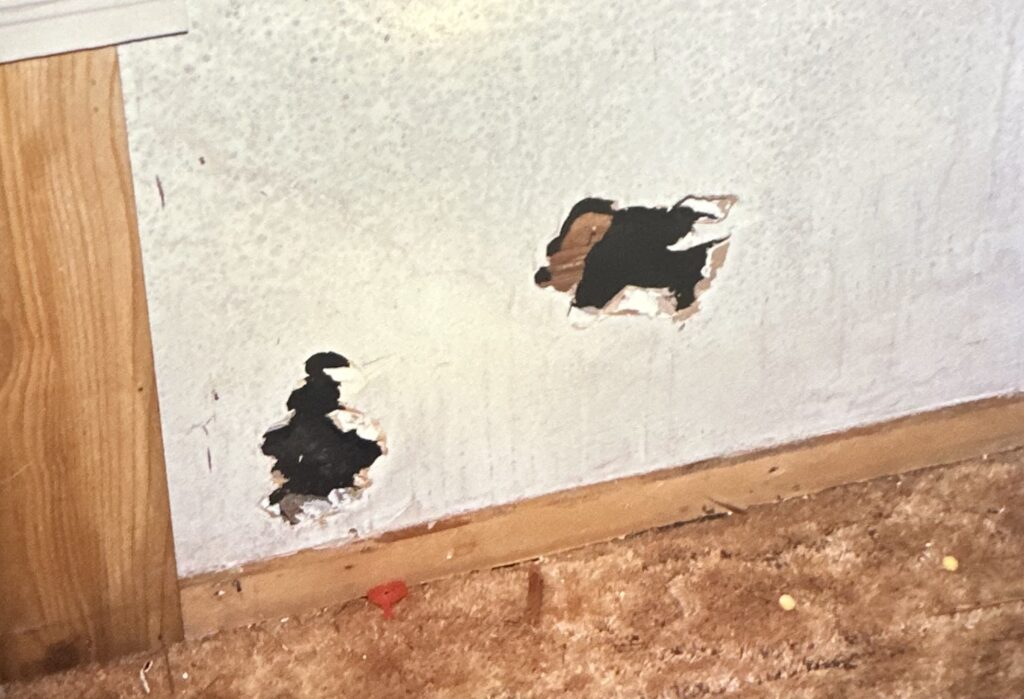
Two suspected bullet holes documented inside the Clute home. Retired Freeport police captain Richard Miller believes a large-caliber handgun, possibly a .357, could have caused them. He disputes the theory that they came from a shotgun.
Taylor admitted that he shot Becky but did not identify the firearm’s caliber during his interview with Linda.
He claimed he found a gun in his mother’s attic and brought it home.
Miller recalled discovering two holes through the bedroom floor, behind the baseboard.
He believed the holes appeared consistent with a large-caliber handgun.
During my interview, Miller examined photographs from the investigation.
He rejected the suggestion that the holes showed evidence of a shotgun blast.
Miller said he believed a handgun could have caused them. He mentioned a .357 as one possibility.
However, he did not identify a specific weapon.
Newly uncovered case records also reference a Remington shotgun.
Miller said he had never heard about that shotgun during his involvement in Becky’s case.
He also explained that investigators sometimes collect multiple firearms for elimination testing.
The available interviews do not establish whether investigators recovered bullets or conducted ballistics testing in Becky’s murder.
Did investigators ever identify the weapon that killed Becky?
Paul Taylor’s timeline raises additional questions
Linda Barnes confronts Paul Taylor about her daughter’s murder during a prison interview. Taylor claimed heavy drinking affected his memory of the night Becky disappeared.
Taylor repeatedly claimed that heavy drinking affected his memory.
He estimated that he and Becky left the Excalibur Club around 12:30 or 1 a.m.
He said he drank approximately 10 alcoholic drinks that night.
After the shooting, Taylor claimed he struggled to decide what to do with Becky’s body.
He described wrapping her in sheets and placing her in his car during daylight.
However, he also said he spent much of the following day recovering from the alcohol and cleaning the house.
Linda confronted him about another reported incident.
According to Linda, a tow-truck operator and a neighbor described Taylor backing his car into a ditch near his home.
Taylor claimed he could not remember the incident.
He also disputed whether it happened.
These details leave questions about when Taylor moved Becky’s body and what happened outside the home.
What happened to Becky’s missing remains?
A recreation of the outfit Becky Beard reportedly wore the night she disappeared from Freeport, Texas, on March 1, 1986. Her family continues searching for her remains nearly 40 years later.
Taylor maintained that he took investigators to the correct burial site.
He described parking near a tree to conceal his activities from a farmer working nearby.
He said he wrapped Becky in bedsheets and roofing paper before burying her.
However, investigators failed to recover her remains.
Taylor expressed surprise that they found neither her body nor the sheets.
He suggested wild animals, including feral hogs, might have disturbed the burial site.
That explanation remains unverified.
Meanwhile, Miller’s account introduces another location that investigators never fully examined.
The area beneath the house could hold answers about what happened to Becky after her death.
However, the available evidence does not establish that anyone buried her there.
Court records reference possible remains after Taylor’s guilty plea
Court records uncovered by Becky Beard’s family reference the discovery of her body and plans to establish positive identification after Paul Taylor’s guilty plea in 1995. Becky’s remains have never been recovered or positively identified.
Becky’s family has spent decades searching for answers.
Their investigation uncovered court records that reference her body and a Remington shotgun after Taylor’s guilty plea in February 1995.
The handwritten court notes also reference investigator Larry Bullard.
One entry describes plans for Bullard to testify about finding Becky’s body. It also references additional time to establish positive identification.
The family says it learned about these records decades later.
During my exclusive interview, Miller said he knew nothing about investigators recovering Becky’s remains.
He also said he had never heard about a Remington shotgun in connection with the case.
Miller questioned why the family would not have learned about such a discovery.
He explained that investigators would ordinarily seek identification through dental records, DNA testing or other forensic methods.
The court documents raise questions about what investigators recovered after Taylor’s guilty plea.
Did investigators discover possible human remains?
Where did those remains go?
Did anyone submit them for forensic identification?
Why did Becky’s family learn about these records decades later?
The documents do not establish that investigators positively identified Becky’s body.
Her family continues to search for her remains.
Why did officials stop the excavation?
The home linked to Becky Beard’s murder. Retired Freeport police captain Richard Miller says investigators found apparent blood evidence and drag marks inside. Two cadaver dogs also alerted beneath the property.
Miller’s account presents one of the most significant unanswered questions in this investigation.
Investigators had apparent blood evidence inside the home.
They observed possible drag marks leading toward the back door.
Two cadaver dogs independently alerted beneath the property.
Miller then discovered unidentified white material while digging at that location.
Yet officials ordered him to stop before he could identify it.
Miller said they cited concerns about the upcoming trial.
He never personally entered physical evidence from that excavation into the case.
Nearly four decades after Becky disappeared, her family continues to search for her remains.
Taylor’s confession established his involvement in her murder. However, it did not answer every question about what happened inside the home or where Becky’s body went.
The original forensic reports, evidence logs and sealed court records could help resolve those questions.
Did investigators overlook evidence that could finally lead Becky’s family to her remains?
For Becky’s mother, sister and daughter, the search for answers continues.
My new book, When Two Worlds Collide During WWII, follows two families on opposite sides of World War II and the remarkable events that eventually brought their lives together in Wisconsin.
The story is based on my own family history, with real people, family photographs and stories passed down through generations.
Disclosure: As an Amazon Associate, I earn from qualifying purchases.
Retired Freeport police captain Richard Miller reveals evidence discovered inside a home linked to the Becky Beard murder case, including apparent blood evidence, drag marks and cadaver dog alerts.
Nearly 40 years after Rebecca “Becky” Beard disappeared, a retired Freeport police captain is revealing evidence investigators discovered inside a home believed to be connected to her murder.
In my exclusive interview, Richard Miller describes apparent blood evidence, drag marks and two cadaver dogs that alerted beneath the home. He also recalls finding unusual material while digging before officials ordered him to stop.
Despite those discoveries, investigators never secured the home as a crime scene.
Watch my exclusive interview with Richard Miller
Richard Miller reveals evidence discovered inside the home
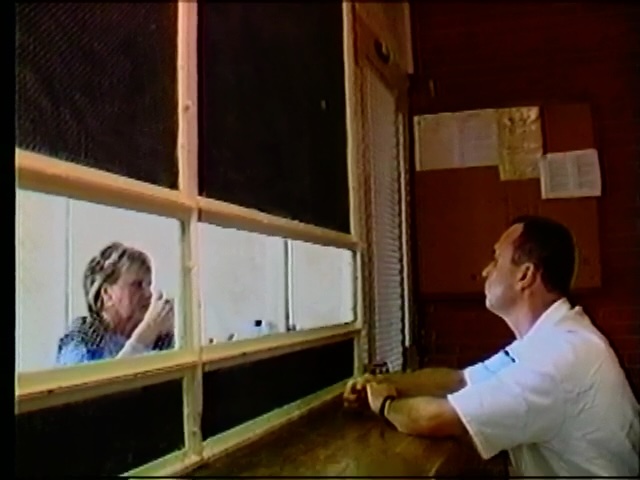
Retired Freeport police captain Richard Miller speaks exclusively with Investigative Reporter Tammy Rose about evidence discovered inside a home linked to Becky Beard’s murder.
Miller spent 22 years with the Freeport Police Department. He was a rookie when Becky disappeared in March 1986. Years later, he revisited the investigation as a police captain.
During a search of the home, investigators used luminol to look for possible blood evidence. Miller describes apparent blood smears on a wall and floor, along with marks leading toward the back door.
Two cadaver dogs also alerted beneath the house.
Officials ordered Miller to stop digging
Miller says he began digging beneath the home after the dogs alerted. During that search, he discovered unusual white material.
Before he could determine what he had found, officials ordered him to stop.
The material has not been confirmed as human remains. However, Miller’s account raises questions about evidence investigators may have left behind.
Why wasn’t the home secured as a crime scene?
Inside the home investigators searched in connection with Becky Beard’s murder. Retired Freeport police captain Richard Miller describes evidence discovered during the investigation.
John Cone previously told investigators that Paul Taylor Jr. allegedly confessed to him about Becky’s death.
Cone reported that Taylor had removed a mattress and carpet from the home. He also offered authorities a key to the property.
Yet investigators did not immediately secure and process the residence following Cone’s report.
Miller’s account now provides additional details about what investigators discovered during a later search.
Newly uncovered records raise more question
Newly uncovered investigative notes reference finding Becky Beard’s body. Her family says they were never informed of such a discovery, raising questions about what investigators knew in 1995.
Becky’s family has spent decades searching for her remains. They have also reviewed investigative reports and court records in their effort to uncover what happened.
Records involving possible human remains have raised additional questions for the family.
Miller’s interview offers a new perspective on the evidence discovered beneath the house. However, it does not establish that investigators recovered human remains.
Paul Taylor Jr. pleaded guilty in connection with Becky’s death in 1995. Her body has never been recovered.
My new book, When Two Worlds Collide During WWII, follows two families on opposite sides of World War II and the remarkable events that eventually brought their lives together in Wisconsin.
The story is based on my own family history, with real people, family photographs and stories passed down through generations.
Disclosure: As an Amazon Associate, I earn from qualifying purchases.
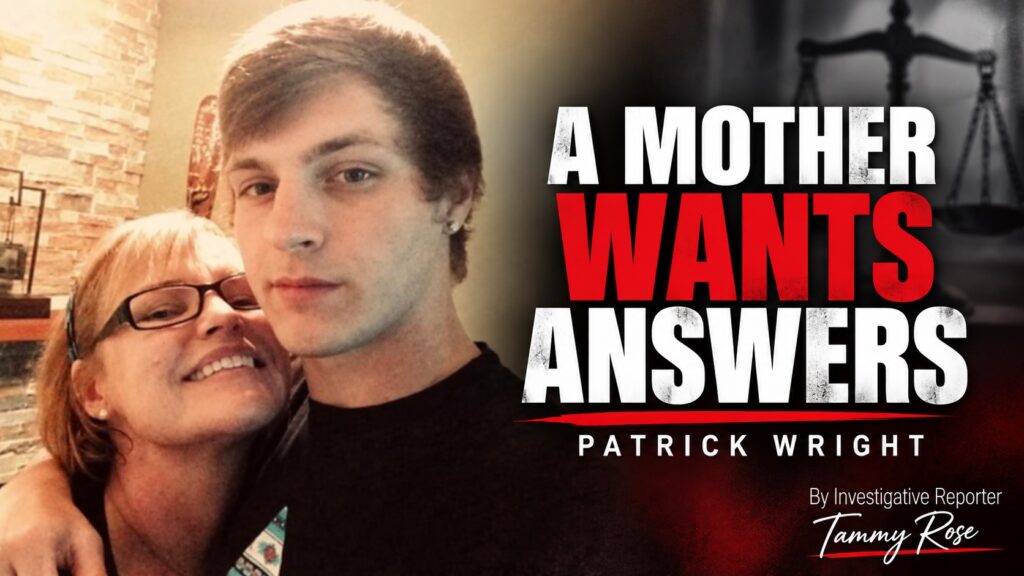
More than a year after the Patrick Wright killing in Galveston, his mother, Kim Lain, says she still has serious questions about the investigation.
Kim Lain was there when her son died. She says she saw the man involved in the confrontation. She spoke directly to him. Moments later, she watched her son collapse after he was shot.
The investigation took several unexpected turns. Police first arrested the wrong man on a murder charge. Investigators later acknowledged problems with gunshot residue testing.
Authorities eventually identified another man as the shooter. They said he admitted firing the shots but claimed self-defense.
Watch the full investigation
Investigative Reporter Tammy Rose sat down with Kim Lain to discuss her son’s death, the investigation and the questions she says remain unanswered. Watch the full report below.
A Galveston County grand jury later took no action in the case.
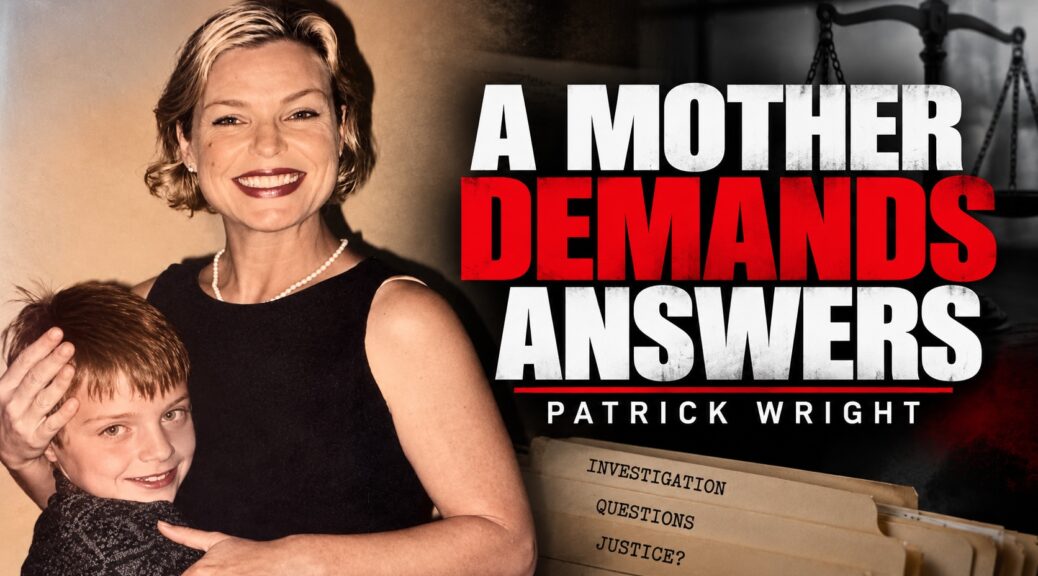
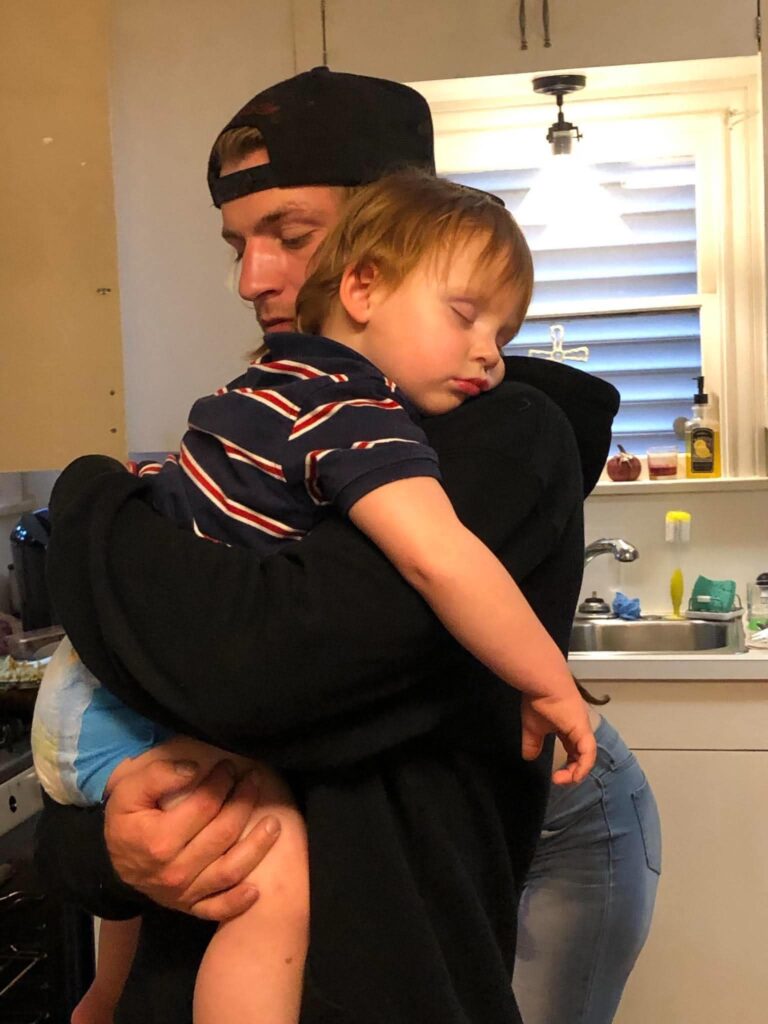
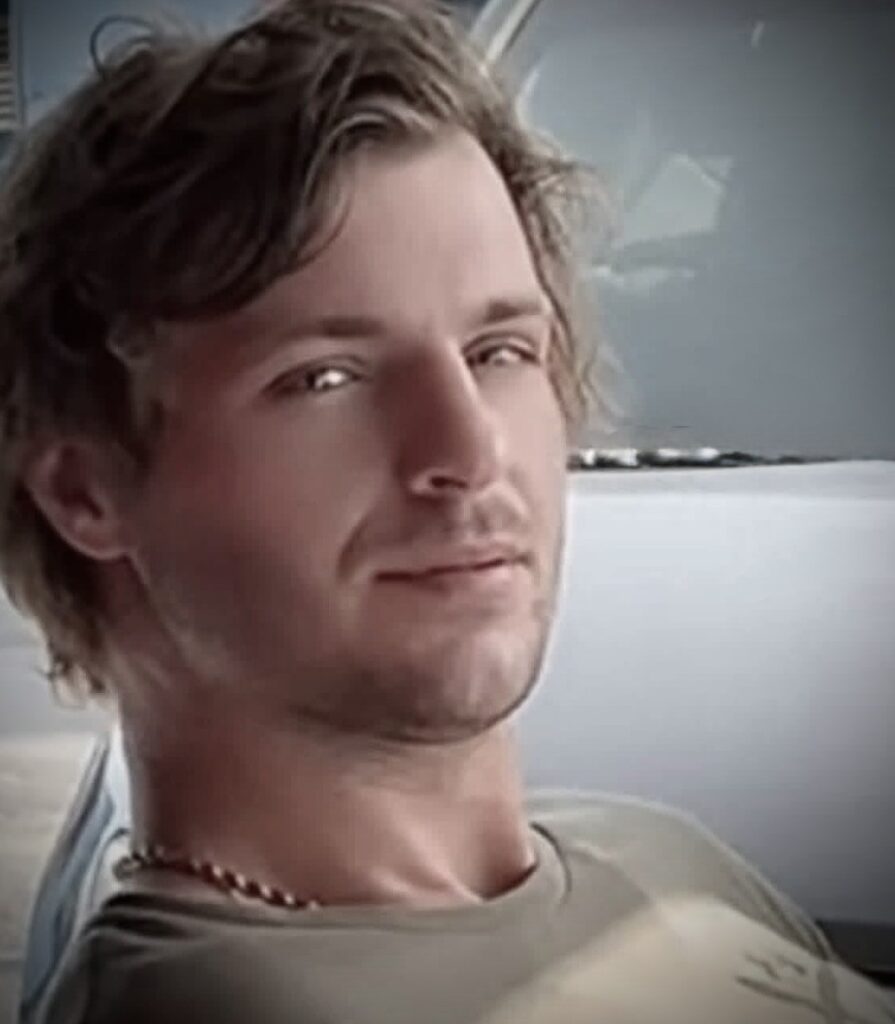
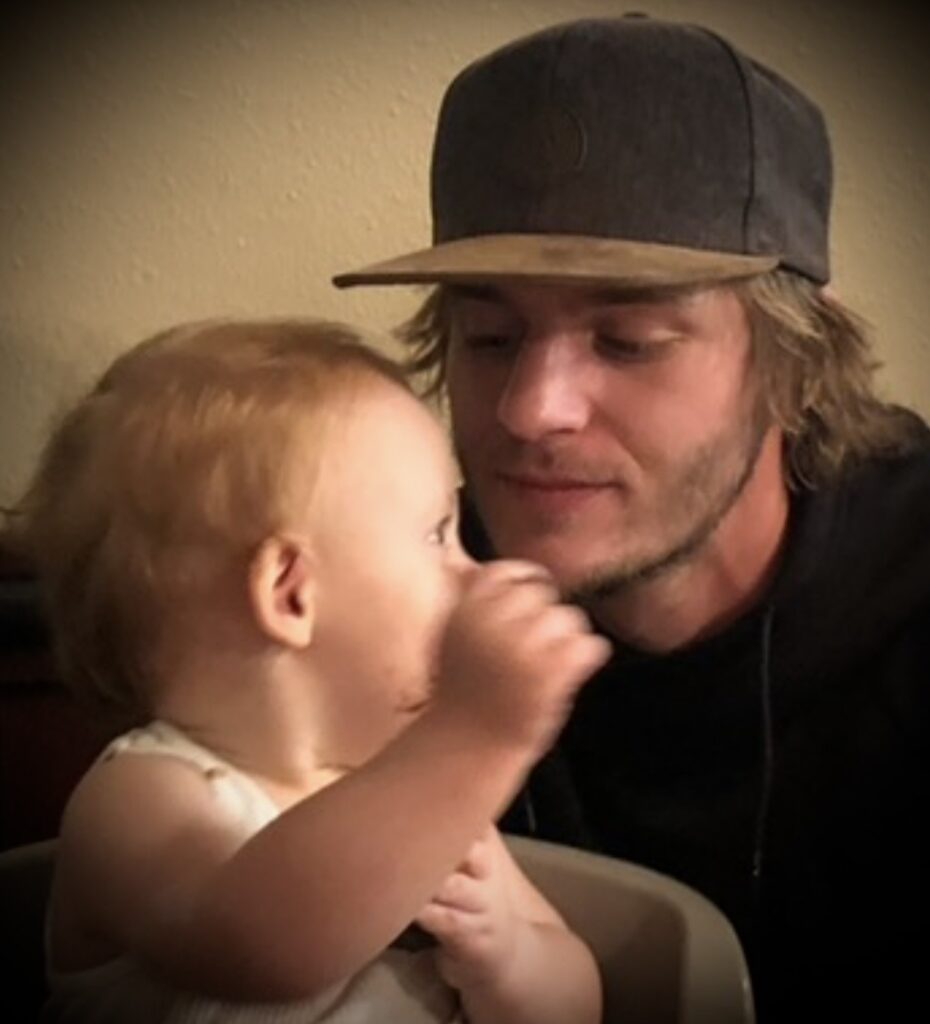
Patrick William Wright with one of his children. His mother, Kim Lain, remembers him as a devoted father who put family first.
Now Lain is questioning how investigators handled her son’s death and why no one faces charges.
Patrick Wright killed in Galveston
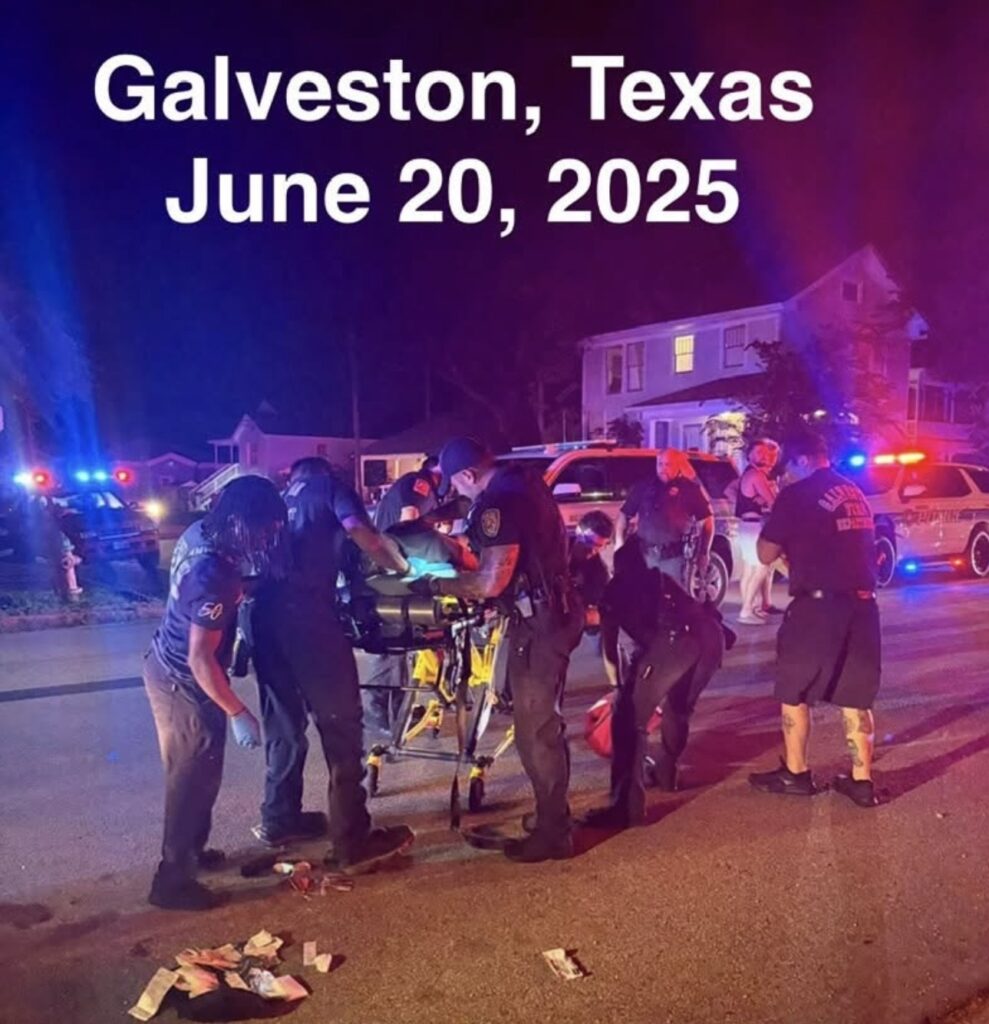
Patrick William Wright was 29 when he died on June 20, 2025.
Lain remembers her son for much more than the circumstances surrounding his death.
“He was a very pure soul, that is for sure,” Lain said. “Family was everything to him.”
She described Patrick as someone who held doors open for strangers and helped people who needed it.
“He’s the guy that would give the homeless a few bucks and something to eat, no questions asked,” she said. “I admired that about him.”
A confrontation on Avenue R
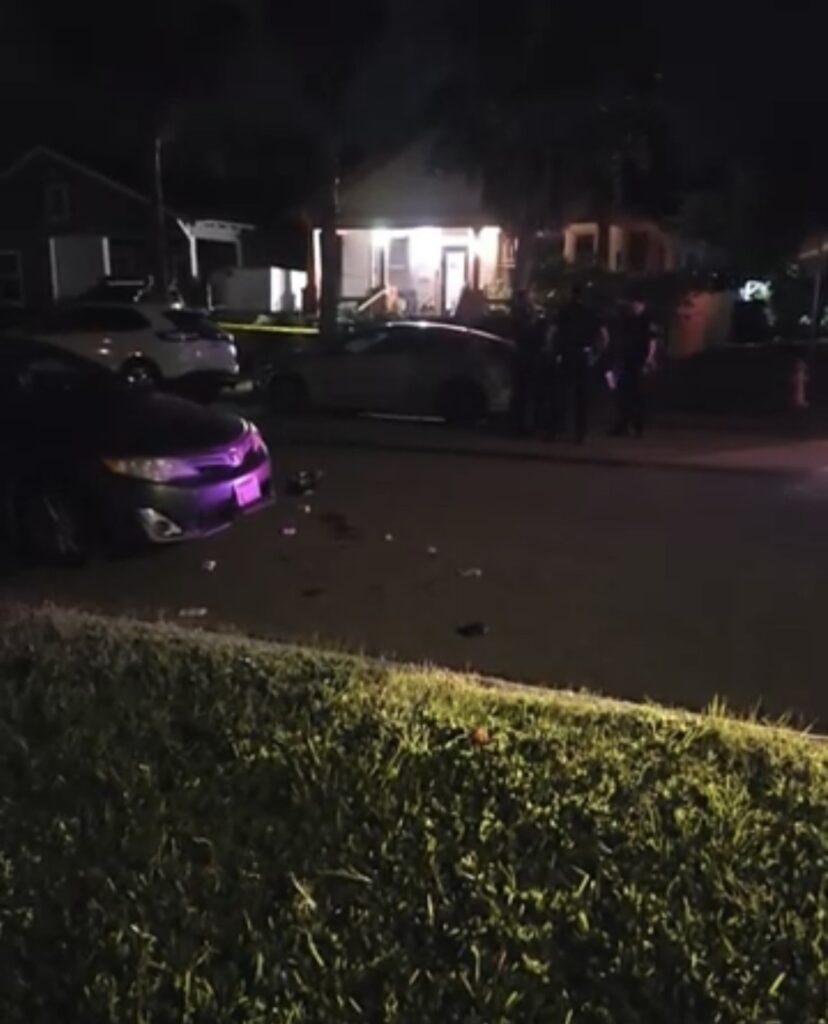
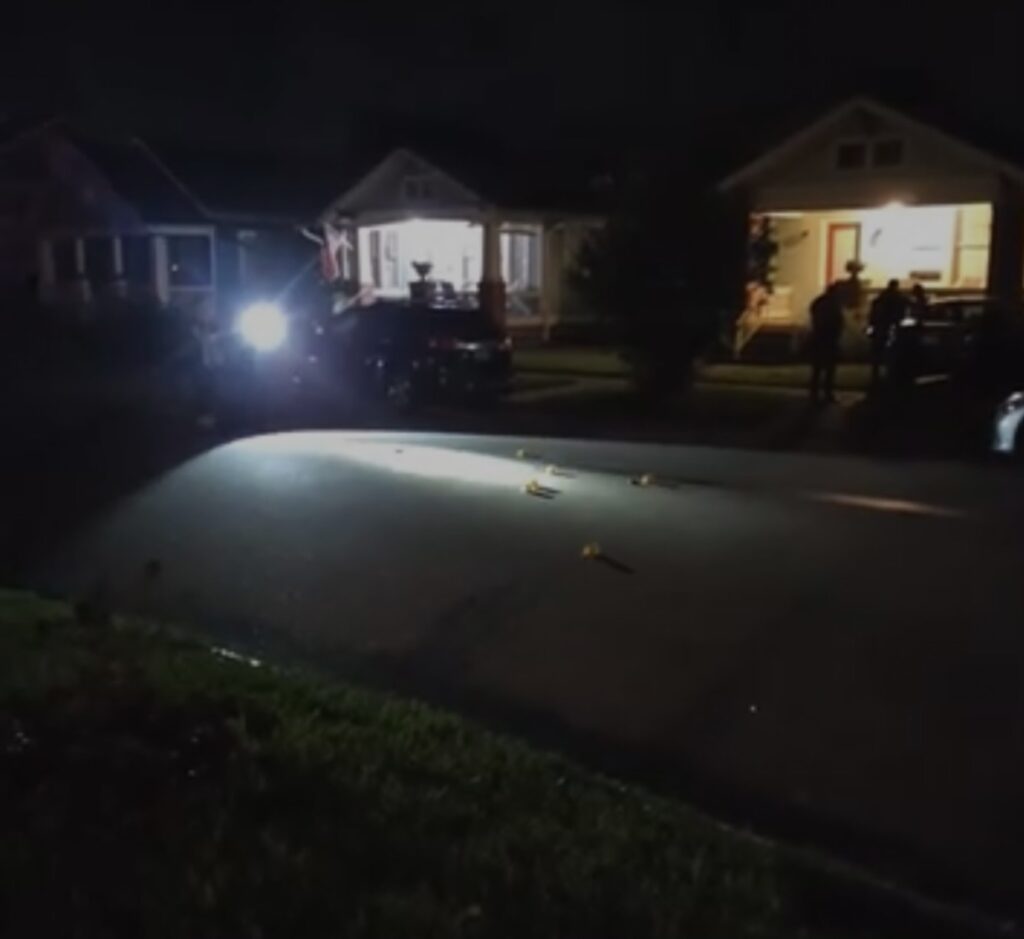
Police at the scene following the fatal shooting of 29-year-old Patrick William Wright in Galveston.The scene on Avenue R in Galveston following the fatal shooting of 29-year-old Patrick William Wright.
Lain says she and Patrick were traveling along Avenue R in Galveston when another vehicle made a wide U-turn and came close to them.
She says Patrick wanted the vehicle’s license plate number. He backed up until the two vehicles were next to each other.
“I heard my son say something to the effect of, ‘Hey, you know, what’s your problem? You almost hit me,’” Lain said.
Patrick eventually got out.
Lain says she repeatedly asked her son not to engage with the other driver. She also asked the other driver to leave.
Seconds later, she heard gunfire.
“It sounded like four shots to me,” Lain said. “It was more than two.”
Patrick then appeared at her window.
“He clenched his chest, and he said, ‘I’ve been shot,’” she recalled.
Lain called 911 at 10:14 p.m.
“He collapsed on the hood, and I lost him there,” she said.
Patrick had been shot twice in the chest.
Lain says less than three minutes passed between the U-turn and the shooting.
Police initially arrested the wrong man
The investigation soon took an unexpected turn.
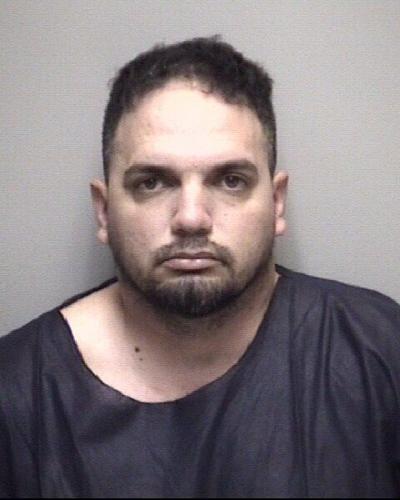
Galveston police initially arrested Uber driver Sanddy Diaz Pino on a murder charge. Police later determined he was not the shooter.
Galveston police initially arrested Uber driver Sanddy Diaz Pino and charged him with murder.
Days later, police determined he was not the shooter.
Investigators said video evidence raised questions about his involvement. Police also acknowledged problems with preliminary gunshot residue testing that produced false-positive results.
Authorities dismissed the murder charge against Diaz Pino.
Investigators later identified another ride-share driver.
Emergency responders tend to 29-year-old Patrick William Wright after he was shot in Galveston on June 20, 2025.
Authorities said that man admitted shooting Patrick but claimed he acted in self-defense.
Lain disputes part of the shooting account
Early reports cited a witness and a probable cause affidavit. They said Patrick lunged toward the driver’s open window before the shooting.
Lain says she did not see that happen.
“It hurts immensely,” she said. “It also hurts how things have been characterized … because that is not what I witnessed at that scene.”
Lain also disputes the identity of the driver.
She says she looked directly at the man behind the wheel and spoke to him during the confrontation.
Lain says she later made a sworn identification of the man she saw that night. She says the man she identified was not the same person authorities identified during their investigation.
She later took her eyewitness identification to authorities.
Lain says authorities told her it did not qualify as new evidence.
Grand jury takes no action
Patrick William Wright was 29 years old when he was shot and killed in Galveston in June 2025.
The case went before a Galveston County grand jury. The grand jury returned no indictment.
Grand jury proceedings remain secret under Texas law. That means the public cannot independently determine all the evidence prosecutors presented or why jurors reached their decision.
Lain has also discussed her own involvement in the grand jury process. Before publishing, I would confirm with Kim that she personally testified and then add that fact here. Your package does not establish that point clearly enough for me to put it in as fact yet.
Lain questions evidence in the case
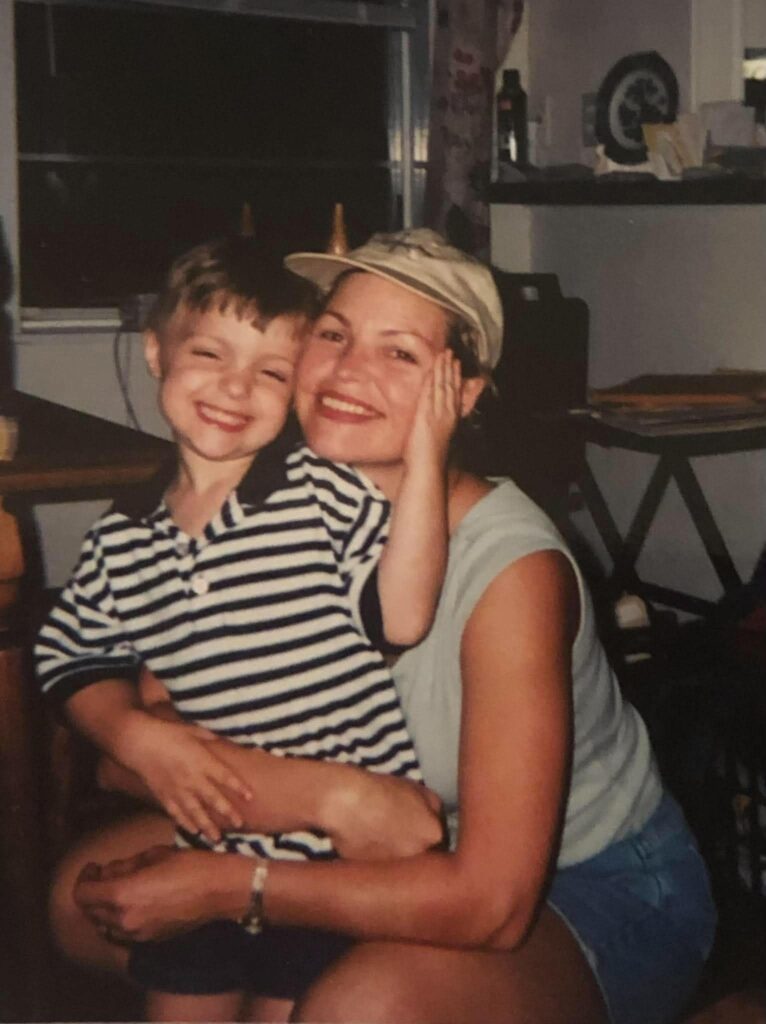
Kim Lain with her son, Patrick William Wright, years before his death in Galveston.
Lain says the prosecutor who presented the case later discussed the evidence with her.
According to Lain, the prosecutor said the case went before the grand jury without a firearm, ballistics evidence, eyewitness identification or physical evidence tying the person under investigation to the scene.
Lain says the prosecutor told her authorities did have a confession and information from Uber placing that person there.
Those statements reflect Lain’s account of what the prosecutor told her. Grand jury secrecy prevents the public from independently confirming everything jurors saw or heard.
Lain says authorities told her she would need new evidence before they could consider the case again. She says they gave a firearm as one example.
She also questions why authorities want her to produce new evidence while opposing the release of Patrick’s complete autopsy file.
Lain believes that file could contain forensic evidence relevant to the case.
A mother continues searching for answers
Patrick William Wright was a father of three. His mother, Kim Lain, says family meant everything to him.
Lain says she was also told that another grand jury would reach the same outcome even if she produced new evidence.
She questions how anyone could know what another grand jury would decide.
“I feel violated. I feel betrayed,” Lain said. “I feel pain for my son. I feel pain for myself. Every day is hell.”
More than a year after Patrick’s death, Lain wants authorities to take another look at the case.
She wants investigators to consider her eyewitness identification and her account of her son’s final minutes.
For Lain, Patrick is more than a name in an investigative file.
He was a 29-year-old father whom she remembers for his kindness and devotion to his family.
“Family was everything to him,” she said.
A grand jury’s decision not to indict does not determine guilt or innocence. Grand jury proceedings are secret, and the evidence presented to jurors generally remains outside public view.
My new book, When Two Worlds Collide During WWII, follows two families on opposite sides of World War II and the remarkable events that eventually brought their lives together in Wisconsin.
The story is based on my own family history, with real people, family photographs and stories passed down through generations.
Disclosure: As an Amazon Associate, I earn from qualifying purchases.
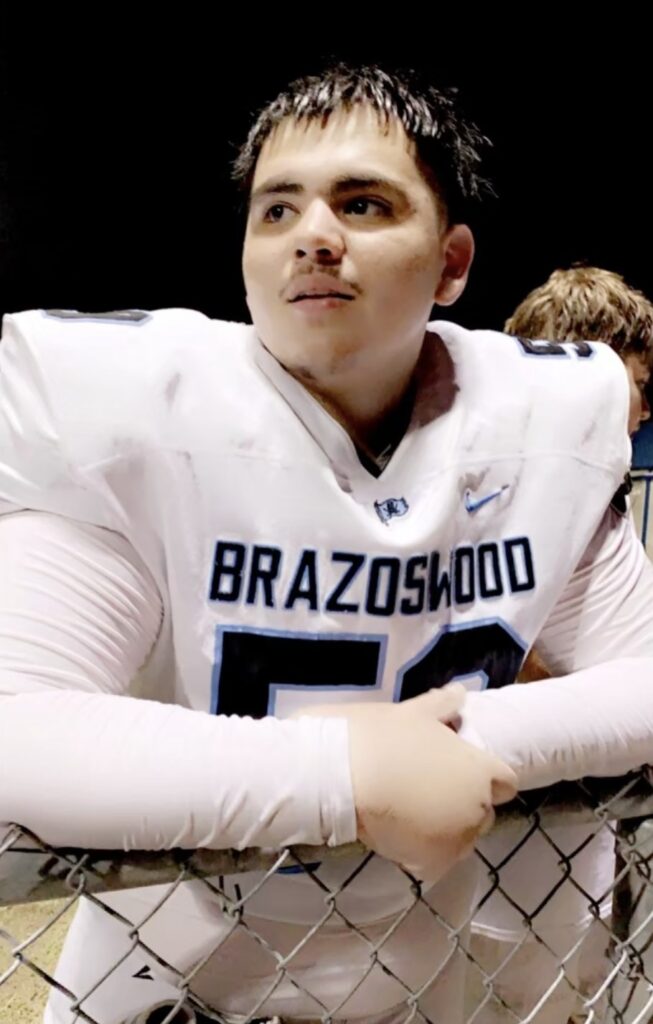
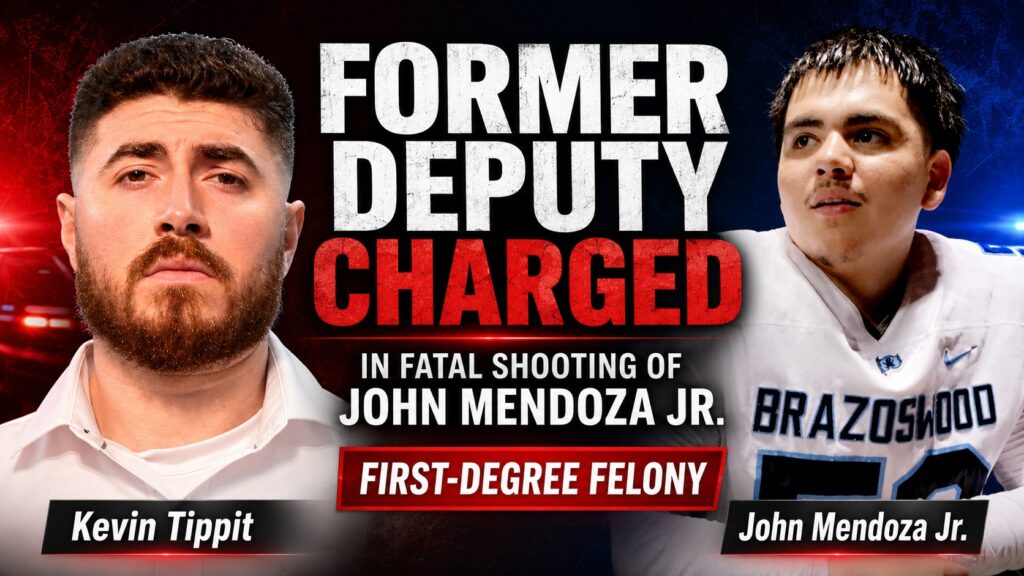
John Gabriel Mendoza Jr., 18, was a Texas State University student who died following the June 1, 2026 shooting involving former Brazoria County deputy Kevin Daniel Tippit.
Months after the fatal shooting of John Gabriel Mendoza Jr., Brazoria County released an incident report printed two days after the shooting.
The sheriff’s office printed the report on June 3, 2026, at 7:39 a.m. The report warns that it only reflects the investigation as it existed at that time.
The county released the early John Mendoza report on September 14. However, it withheld the bodycam, dashcam and nearly the entire detailed narrative.
What the John Mendoza report shows
The Brazoria County Sheriff’s Office lists the incident under case number 2606-0001.
The report identifies the original allegation as evading arrest or detention with a vehicle. It lists the location as the 1100 block of FM 2004 in Lake Jackson.
The report identifies the vehicle as a red 2021 Dodge Challenger.
A short summary states that deputies attempted a traffic stop before the vehicle fled.
The report lists the State of Texas as the victim. It identifies Mendoza as the suspect in the alleged evading offense.
That classification only concerns the original pursuit report. It does not establish that Mendoza committed a crime.
County redacts Tippit’s narrative
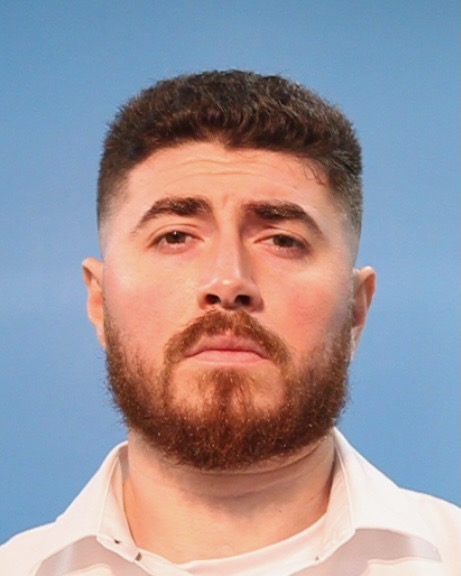
Former Brazoria County Sheriff’s Deputy Kevin Daniel Tippit faces a charge of aggravated assault by a public servant in connection with the June 1, 2026 shooting of John Gabriel Mendoza Jr. Photo credit: Brazoria County Sheriff’s Office.
The detailed narrative contains one visible line about former Brazoria County Deputy Kevin Daniel Tippit.
The report states that Tippit advised he was in pursuit at about 12:09 a.m.
The county covered nearly every word that follows with black boxes. It also redacted the names of the assisting officers.
The visible line does not establish when the pursuit began. It only records when the report says Tippit advised that he was in pursuit.
Records do not contradict Ranger affidavit
Former Brazoria County Sheriff’s Deputy Kevin Tippit has been charged with first-degree felony aggravated assault by a public servant in connection with the fatal shooting of 18-year-old John Gabriel Mendoza Jr.
The new report does not contradict the timeline in the Texas Ranger affidavit.
The Ranger affidavit says Tippit observed the Challenger around 12:06 a.m. It also says he activated his emergency lights and siren.
The available scanner recording begins carrying pursuit traffic around 12:08 a.m. The sheriff’s report then places Tippit’s pursuit notification at about 12:09 a.m.
Those times describe different points during the encounter. They do not prove that investigators provided an incorrect timeline.
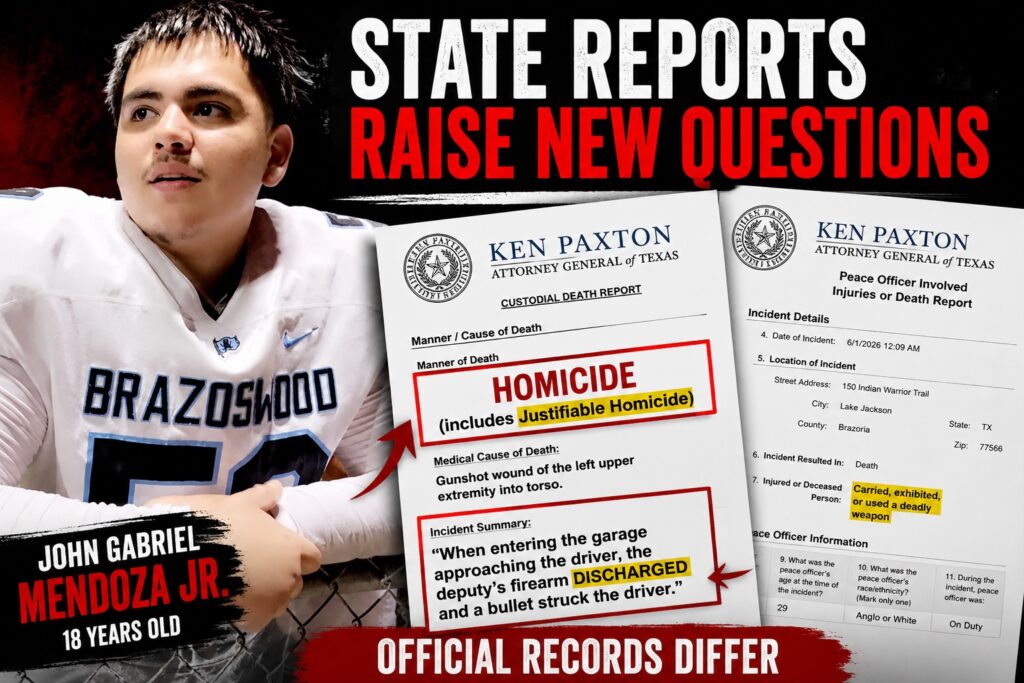
The newly released report also does not reveal the “accidental discharge” statement. The previously obtained scanner audio already captured Tippit making that report.
Rangers reviewed bodycam and dashcam
The Texas Ranger affidavit says investigators reviewed Tippit’s bodycam and dashcam.
According to the affidavit, the Challenger reached approximately 120 mph and ran six red lights. The pursuit ended inside the garage at Mendoza’s family home.
The affidavit says Tippit entered the garage and fired through the driver’s-side window.
Scanner traffic later captured Tippit reporting what he described as an “accidental discharge.”
The new John Mendoza report offers no additional account of the shooting. Brazoria County withheld the videos that could allow the public to examine the encounter independently.
Attorney General allows county to withhold records
The Texas Attorney General issued ruling OR2026-038106 on August 28, 2026.
The ruling covered eight public-information requests, including Brazoria County request number 26-1859.
Brazoria County argued that releasing the evidence could interfere with an active criminal case. The Attorney General allowed the county to withhold most of the investigative material.
However, the ruling required the county to release basic information.
Investigative Reporter Tammy Rose then requested the information covered by the ruling. Brazoria County assigned that follow-up request number 26-2947.
The county responded on September 14 with the early report and extensive redactions.
Report predates major developments
The sheriff’s office printed the released report on June 3.
That date matters because the report predates several major developments in the case.
Sheriff Bo Stallman fired Tippit on June 9. Stallman cited policy violations involving the handling and discharge of Tippit’s firearm.
A Brazoria County grand jury later indicted Tippit on aggravated assault by a public servant. Texas Rangers arrested him on August 11.
The court has scheduled Tippit’s trial for February 1, 2027. Court dates can change.
An indictment does not establish guilt. The law presumes Tippit innocent unless prosecutors prove the charge in court.
Release offers no updated shooting account
The records released in September provide an early account of the alleged evading offense. They do not provide a current summary of the shooting investigation.
The packet contains no updated narrative following Tippit’s firing, indictment or arrest. It also contains no bodycam, dashcam or complete radio record.
The release confirms that Tippit advised he was in pursuit at about 12:09 a.m. Beyond that entry, it adds little to the established public record.
The most important evidence remains outside public view.
Investigative Reporter Tammy Rose will continue seeking the bodycam, dashcam and other records as the criminal case moves forward.
Read the documents
The Attorney General ruling, Brazoria County’s response and the sanitized incident report appear below.
My new book, When Two Worlds Collide During WWII, follows two families on opposite sides of World War II and the remarkable events that eventually brought their lives together in Wisconsin.
The story is based on my own family history, with real people, family photographs and stories passed down through generations.
Disclosure: As an Amazon Associate, I earn from qualifying purchases.