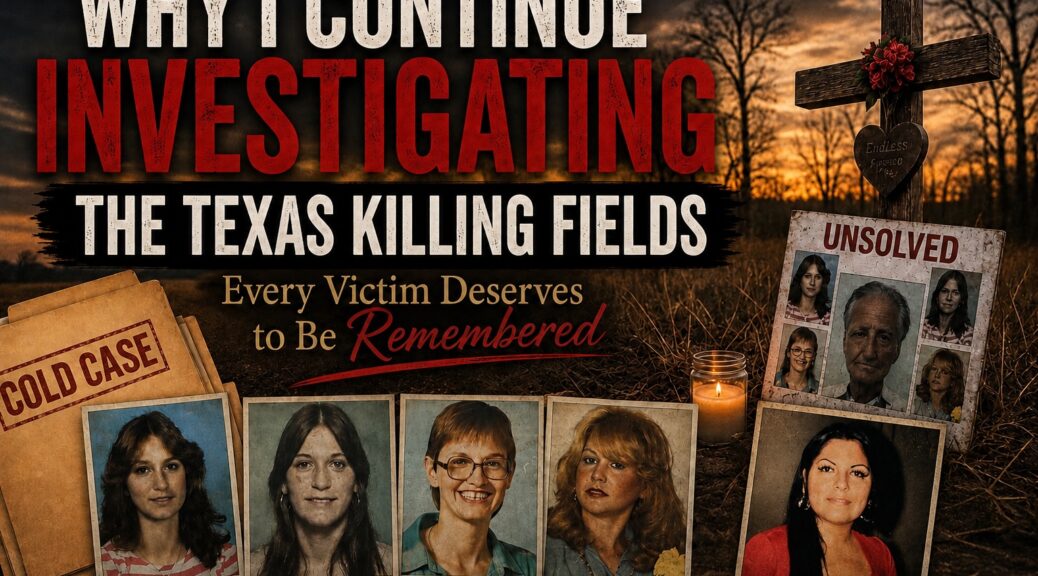
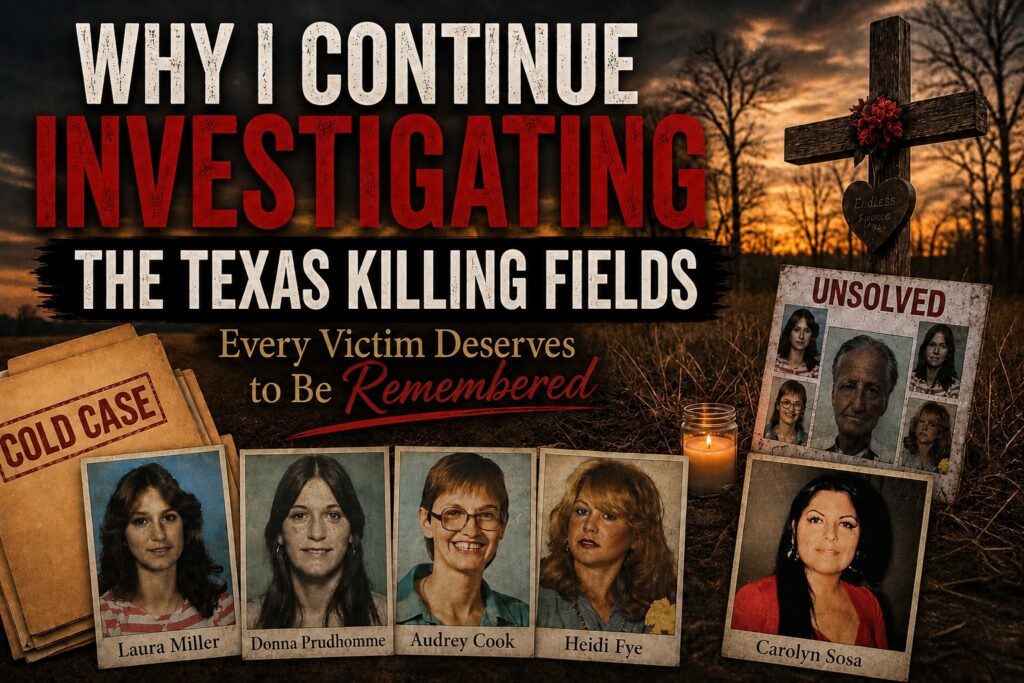
Why I Continue Investigating the Texas Killing Fields: Every Victim Deserves to Be Remembered
By Investigative Reporter Tammy Rose
People often ask why I continue investigating murders that happened more than 50 years ago.
They wonder why I file public records requests. They ask why I travel hundreds of miles to interview witnesses. They also question why I keep digging into cases that many people have forgotten.
When I began researching the Texas Killing Fields, one issue quickly bothered me.
Old news reports often focused on how the victims died. Police records also placed heavy attention on their circumstances. Those accounts did not always show who the women were or how they lived.
Authorities described some victims as runaways. Others struggled with addiction or lived through difficult times. Reports also linked some women to prostitution.
Those labels often overshadowed their identities.
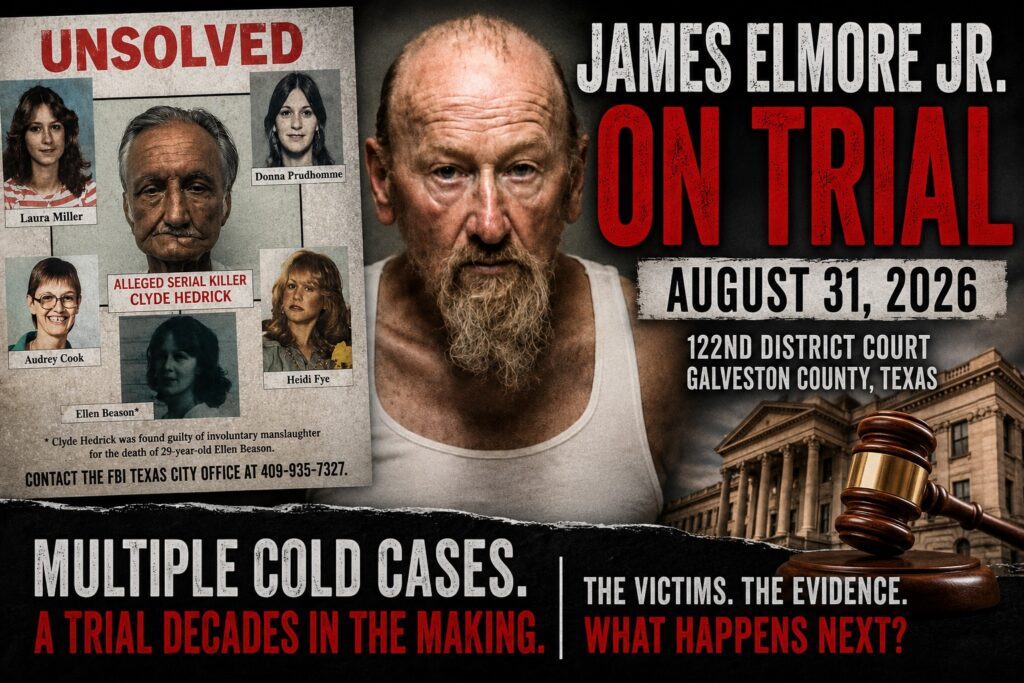
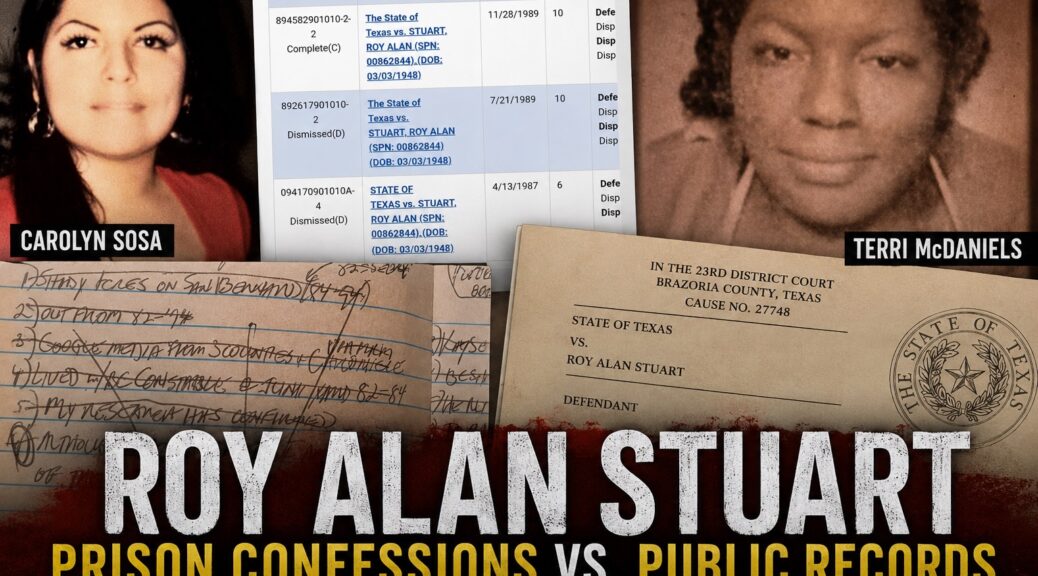
Investigators first viewed Laura Miller as a possible runaway. Reports also associated Carolyn Sosa and Teri McDaniel with prostitution.
Those descriptions may have been accurate, incomplete or unfair. Either way, they often became the focus of the story.
The victims deserved better.
No one should disappear from history because of a label.
My investigation has taken me across Texas and beyond.
I have tracked down key witnesses. I have interviewed retired investigators. I have reviewed thousands of pages of public records.
I have also examined evidence that many people have never seen.
Each interview raises another question. Every record leads to another document. One conversation can reveal a missing piece of history.
Some discoveries involve unidentified remains. Others involve witnesses who were overlooked years ago. Records may also expose decisions that still raise questions today.
I do not investigate these cases to sensationalize tragedy.
I investigate because every victim mattered.
A person’s past should never decide how much effort investigators make. It should not affect whether authorities search for them or work to solve their murder.
A straight-A student had value. A runaway had value. A woman struggling with addiction had value. A person living on the streets had value.
Their circumstances did not make their lives less important.
Justice should never depend on someone’s background.
My investigations sometimes require travel across Texas and beyond. When I need a place to stay near an interview, courthouse or records office, I compare available hotels through Hotels.com.
I also rely on practical tools while reviewing old case files. A portable document scannerhelps me preserve records, photographs and handwritten notes.
This post contains affiliate links. I may earn a small commission from qualifying bookings or purchases at no additional cost to you. As an Amazon Associate, I earn from qualifying purchases.
Historical records, court documents and Joseph Kent McGowen’s prison notebook are compared to examine which Roy Alan Stuart allegations were already publicly documented and which appear only in McGowen’s account.
What Did Roy Alan Stuart Tell Kent McGowen? Comparing Public Records to Alleged Prison Confessions
By Investigative Reporter Tammy Rose
For decades, investigators, journalists and law enforcement agencies have documented Roy Alan Stuart’s criminal history and alleged connections to unsolved murders across Texas.
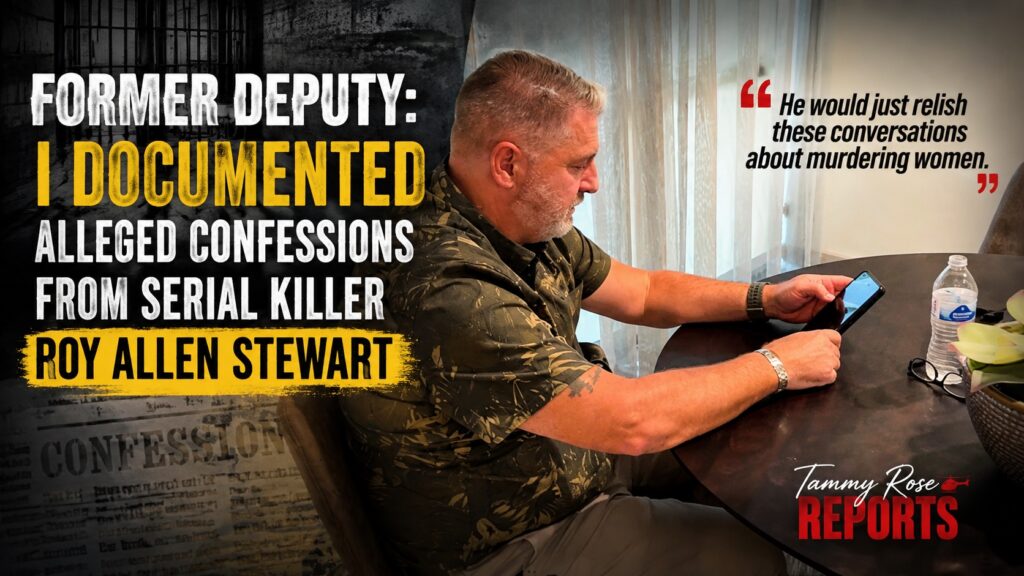
Years later, former Harris County deputy Joseph Kent McGowen says Stuart discussed many of those crimes while the two were incarcerated together at the Duncan Unit of the Texas Department of Criminal Justice.
This investigation compares McGowen’s interview with historical newspaper articles, court records and investigative records to separate information that was already part of the public record from allegations McGowen says Stuart shared privately in prison.
Former Harris County deputy Joseph Kent McGowen describes conversations he says he had with Roy Alan Stuart in prison. This article compares McGowen’s account with historical public records and court documents.
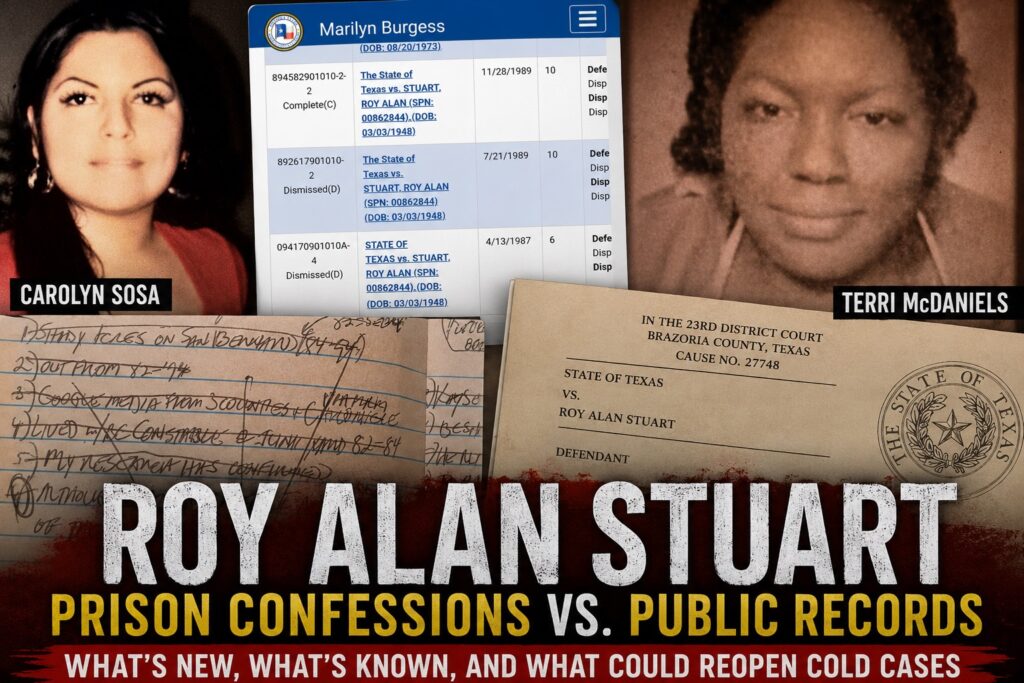
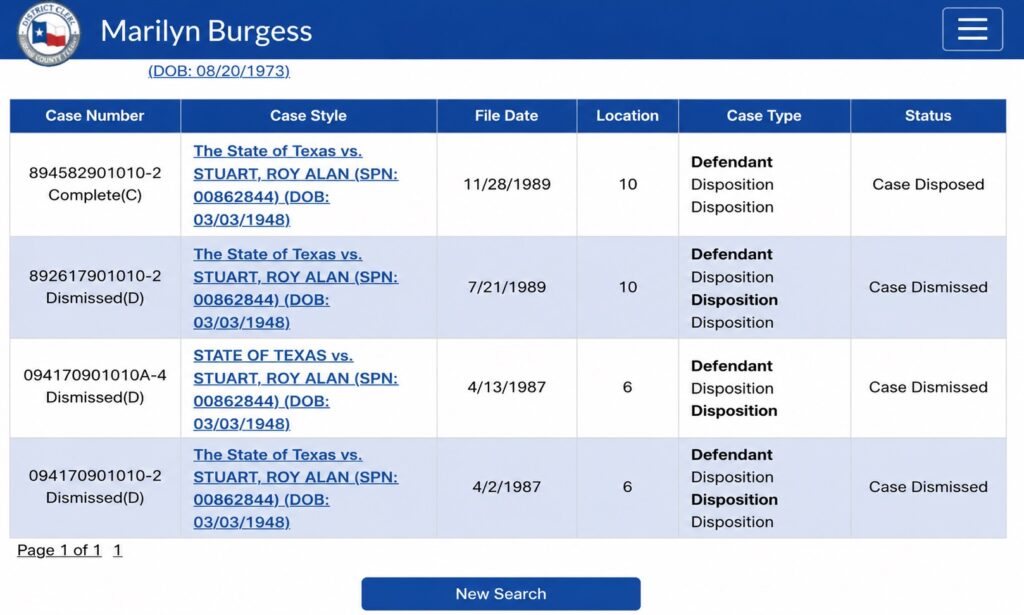
Historical court records reviewed by Investigative Reporter Tammy Rose show Roy Alan Stuart’s documented criminal cases and investigations before comparing them with allegations discussed by Joseph Kent McGowen during their time in prison.
Historical newspaper articles, court records and investigative files already linked Roy Alan Stuart to numerous investigations before McGowen’s interview.
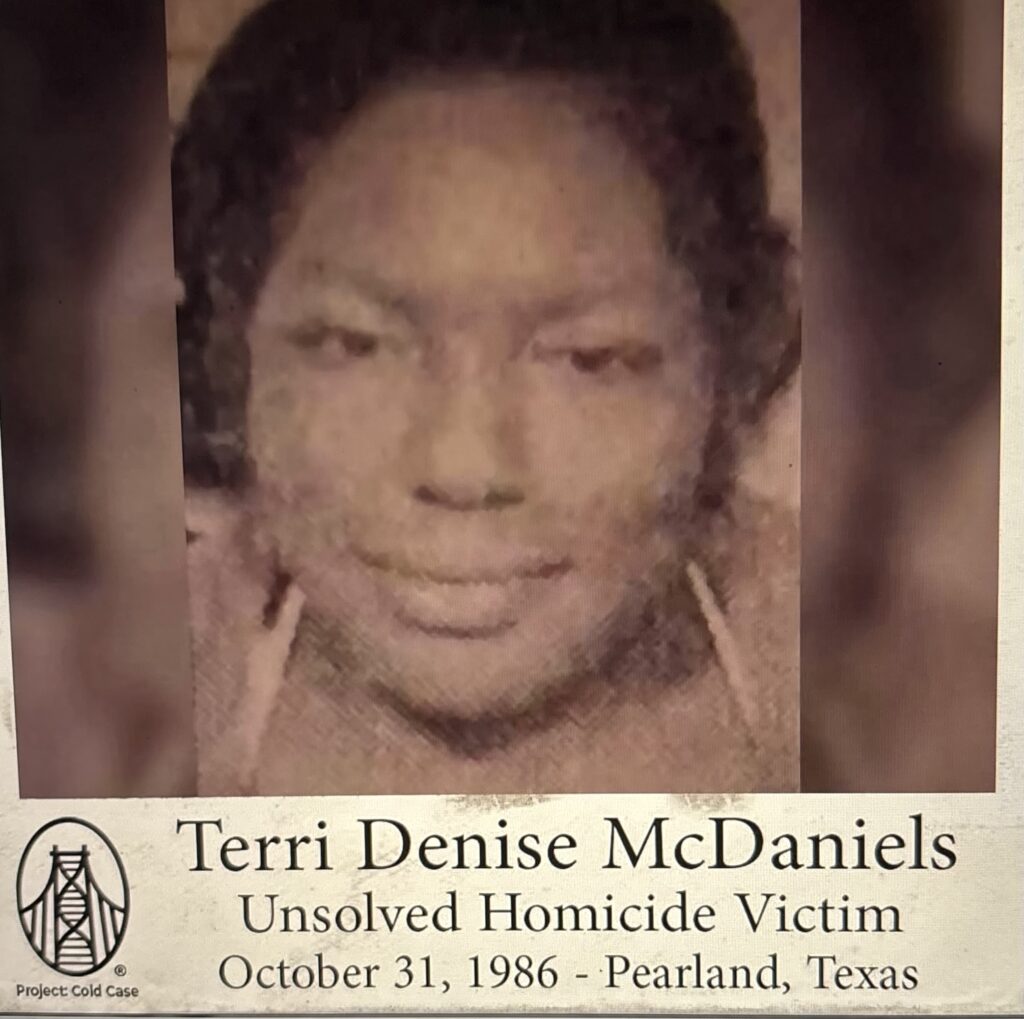
Memorial image of Terri Denise McDaniels, whose 1986 homicide is among the historical investigations discussed in comparison with Joseph Kent McGowen’s prison interview about Roy Alan Stuart.
Terri Denise McDaniels, 26, was found dead near Pearland on Nov. 5, 1986. She worked out of Houston’s LaMonte Hotel. Investigators determined she died from strangulation or suffocation, and her homicide remains unsolved.
Historical reports state friends last saw McDaniels leaving the LaMonte Hotel with a white man driving a small, light-blue station wagon.
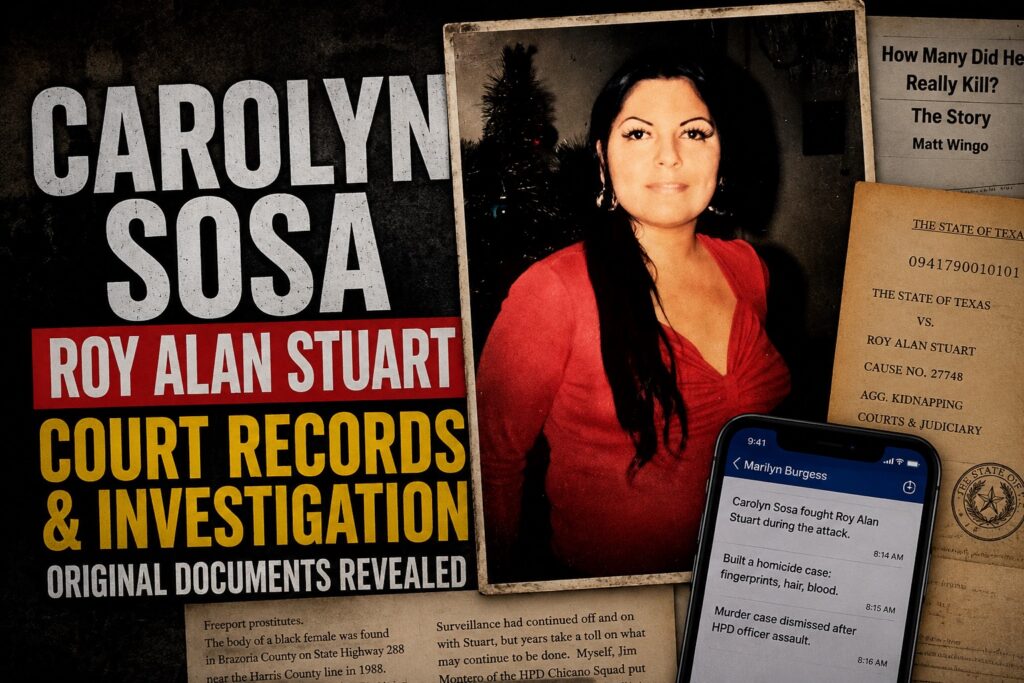
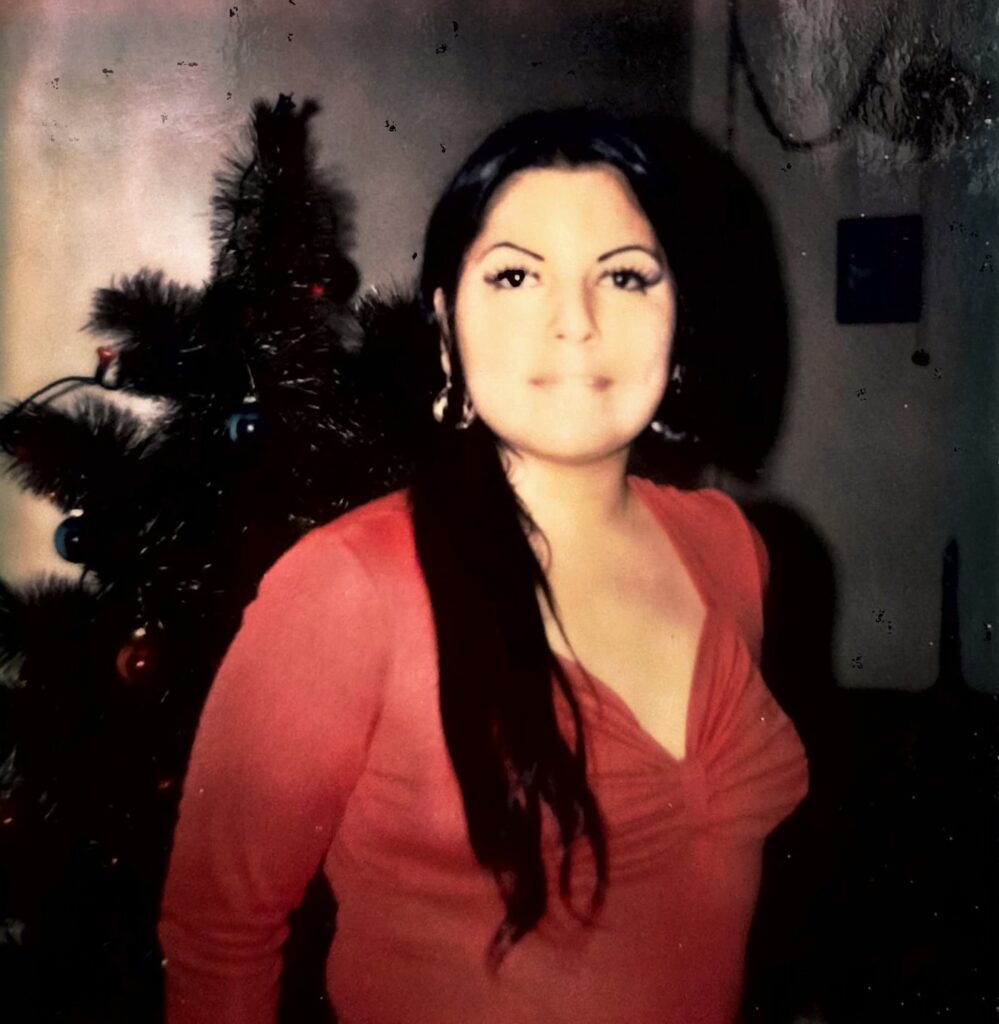
Less than five months later, investigators found Carolyn Sosa dead in Bastrop Bayou. Like McDaniels, Sosa frequented the LaMonte Hotel and died from strangulation. Historical records identify Sosa as one of the witnesses interviewed during the McDaniels investigation.
Investigators later focused on Roy Alan Stuart in both cases. Records show witnesses identified Stuart as the man who picked up both women, and investigators found Sosa’s fingerprints and hair inside his car. Prosecutors charged Stuart in both murders, but a judge later dismissed the charges. Both homicides remain unsolved.
McGowen also described several additional investigations during his prison interview. Some of those claims could not be independently matched to historical records.
⸻
Potter County Nun Investigation
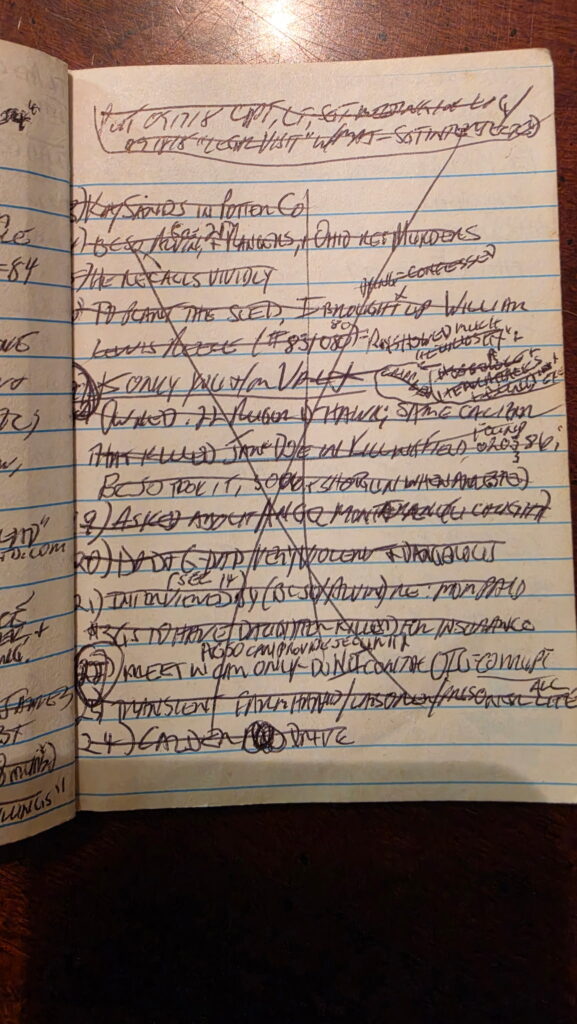
A page from Joseph Kent McGowen’s handwritten prison notebook references the Potter County nun investigation. Investigative Reporter Tammy Rose compared the notes with historical newspaper articles and court records as part of this investigation.
Historical records already identified Roy Alan Stuart as a suspect in the Potter County nun investigation.
McGowen says Stuart later described the case to him in prison and claimed he concealed the victim beneath an overturned cattle trough before investigators eventually returned him to the scene.
⸻
Telephone Road Account Compared to Public Records
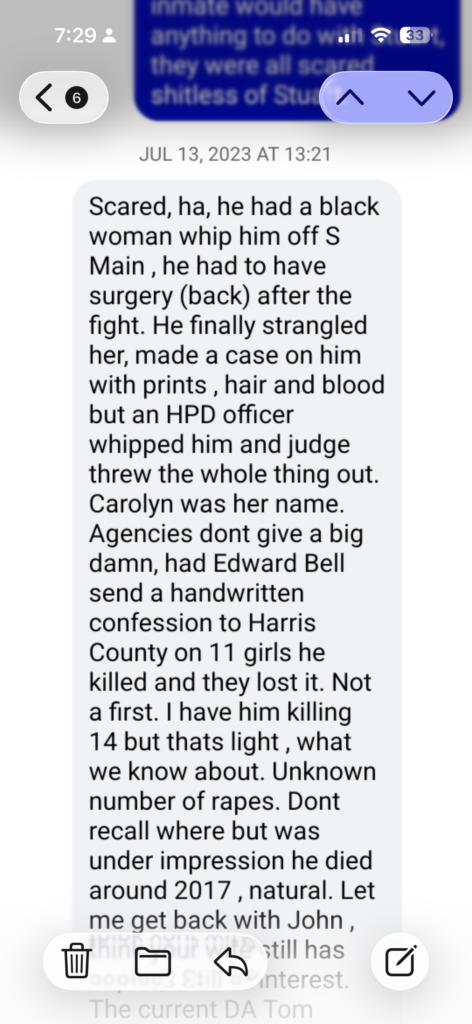
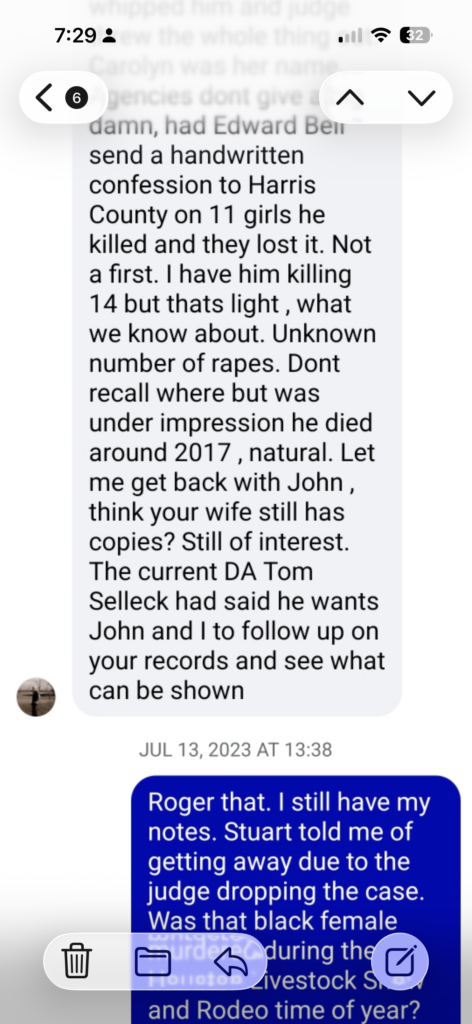
A July 2023 text message reviewed by Investigative Reporter Tammy Rose shows former Brazoria County investigator Matt Wingo believed the woman McGowen described during his Telephone Road account was Carolyn Sosa.
According to McGowen, Stuart claimed he picked up a Black woman dressed as a cowgirl during the Houston Livestock Show and Rodeo along Telephone Road before taking her to Brazoria County.
McGowen said Stuart described sexually assaulting the woman, attempting to strangle her with a seat belt before shooting her with a .22-caliber pistol. He also claimed Stuart said a fisherman witnessed the attack from a nearby boat.
Friends told investigators they last saw her leaving the LaMonte Hotel with a man driving a small, light-blue station wagon. Prosecutors later charged Roy Alan Stuart after witnesses identified him as the man who picked up Sosa and investigators found her fingerprints and hair inside his car.
Prosecutors later dismissed the murder charge.
McGowen also described additional details that do not appear in the historical records reviewed for this story.
⸻
Alleged Murder-for-Hire Involving a Deputy Constable
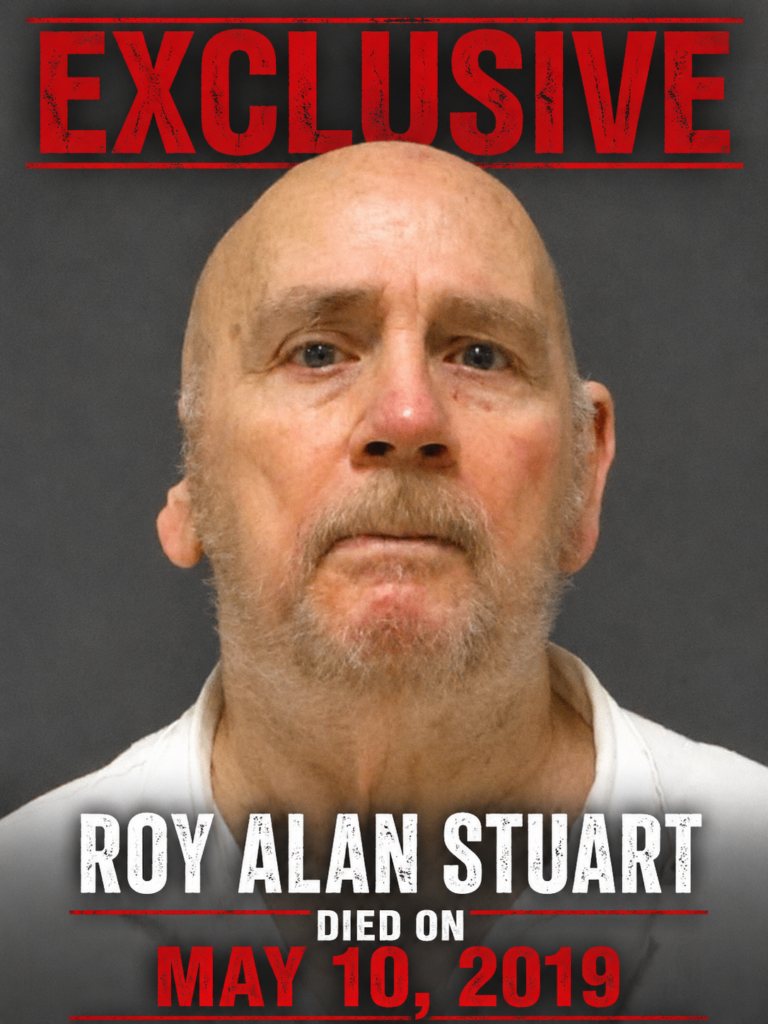
Roy Alan Stuart died May 10, 2019, while in the custody of the Texas Department of Criminal Justice.
McGowen claimed Stuart said someone paid him about $3,000 to kill a deputy constable.
McGowen says Stuart claimed the deputy used a wheelchair and lived on the same property as Stuart near a junkyard.
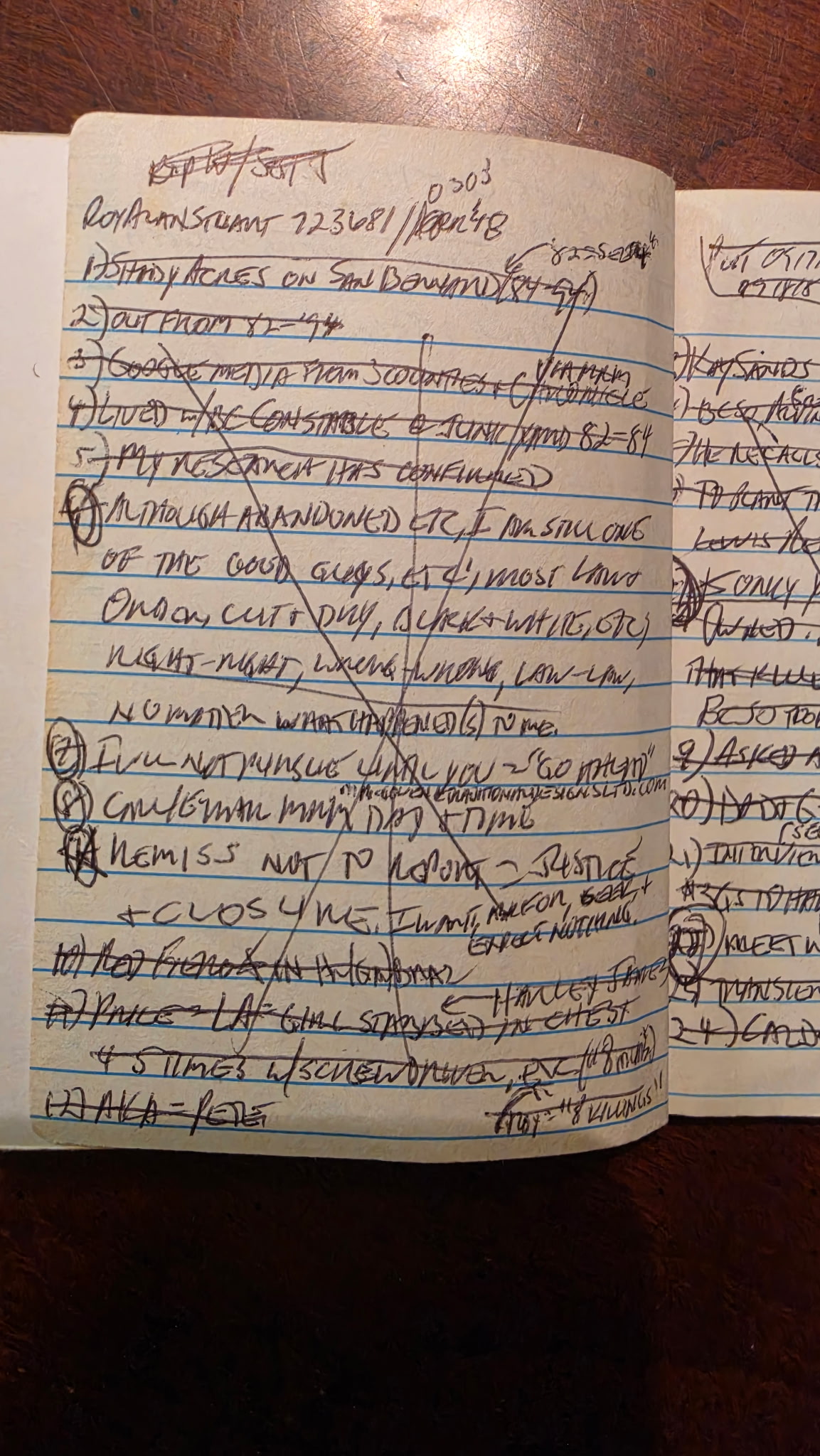
McGowen’s handwritten notes also contain the entry:
“Lived w/ BC Constable & family from ’82-’84 yrs.”
The notebook does not identify the deputy constable or explain whether that notation relates to the alleged murder-for-hire.
A page from Joseph Kent McGowen’s prison notebook referencing an alleged murder-for-hire involving a deputy constable and other notes McGowen says Roy Alan Stuart discussed while they were incarcerated together.
⸻
Tomball Kidnapping and Murder
McGowen says Stuart described abducting a woman from a Tomball bar before murdering her.
According to McGowen, Stuart claimed his mother and sister later helped hide clothing connected to the killing.
⸻
Bodies Allegedly Dumped Near the Brazos River
McGowen says Stuart described disposing of numerous bodies behind a trailer near the Brazos River.
According to McGowen, Stuart remarked, “You don’t know what crabs would do to a body.”
McGowen also says Stuart claimed a barge later struck and destroyed the dock near the property where the bodies had allegedly been dumped.
⸻
Alleged Murders With a .22-Caliber Pistol
McGowen says Stuart claimed several women were killed with the same .22-caliber handgun before the weapon was later burned inside a red Pontiac Fiero after multiple killings, with the vehicle’s location remaining unknown.
⸻
Women Near a Community College
McGowen says Stuart mentioned women disappearing around a local community college but did not identify any victims by name or provide dates.
⸻
Alleged First Homicide at Age 10
McGowen says Stuart claimed his first homicide occurred when he was 10 years old.
According to McGowen, Stuart said his father forced him to beat an uncle to death in Arkansas after accusing the man of sexually abusing chickens.
⸻
Other Allegations Discussed
McGowen’s interview also included allegations involving:
An aggravated kidnapping victim who allegedly escaped naked to the neighboring home of a deputy sheriff, leading to Stuart’s arrest.
Stuart allegedly attempting to drown his wife in Arkansas.
⸻
Comparing McGowen’s Account to Public Records
Comparing McGowen’s interview with historical records reveals two distinct categories of information.
Many of the investigations discussed—including Carolyn Sosa, Terri McDaniels, Linda Kay Simmons and the Potter County nun investigation—were already documented through historical reporting, court records and investigative files before McGowen’s interview.
Other allegations, including the deputy constable murder-for-hire, the Tomball account, the Brazos River disposal site, the alleged first homicide at age 10 and several other prison stories, were not located in the historical records reviewed for this comparison.
⸻
Editor’s Note
This article compares statements made by former Harris County deputy Joseph Kent McGowen during a prison interview with historical newspaper articles, court records and investigative records reviewed by Investigative Reporter Tammy Rose. The purpose of this comparison is to distinguish information that had already been documented in the public record from allegations McGowen says Roy Alan Stuart shared with him while the two were incarcerated. The comparison reflects the records reviewed for this investigation and is not intended to establish the truth of any allegation discussed in McGowen’s interview.
Related Reading
If you’re interested in unsolved crimes, investigative reporting, or the history of serial homicide investigations, you may also enjoy these books:
Disclosure: As an Amazon Associate, I earn from qualifying purchases. Purchasing through affiliate links helps support future investigations at no additional cost to you.