By Investigative Reporter Tammy Rose
I was 51 when I entered a relationship that moved very quickly.
What began as a whirlwind romance eventually became something I never imagined I would experience: emotional and physical abuse.
I’ve debated whether to write this.
I’m not writing it to identify or publicly shame the person I was with. I won’t name him.
I’m writing because somewhere another woman—or man—may be explaining away things happening behind closed doors just as I did.
For a long time, I did exactly that.
I minimized the bruises and changed my behavior. Walking away from arguments became routine. Sometimes I slept in another room. I even recorded what was happening, hoping he could see for himself what I was experiencing.
Nothing worked.
If sharing my experience helps one person recognize that they don’t have to wait for something worse to happen before leaving an abusive relationship, then telling it is worth it.
The first time he put his hands on me
Before this relationship, I had never had a man physically hurt me.
The first time it happened, I was stunned.
He kneed me and I fell to the ground.
But it wasn’t the last time.
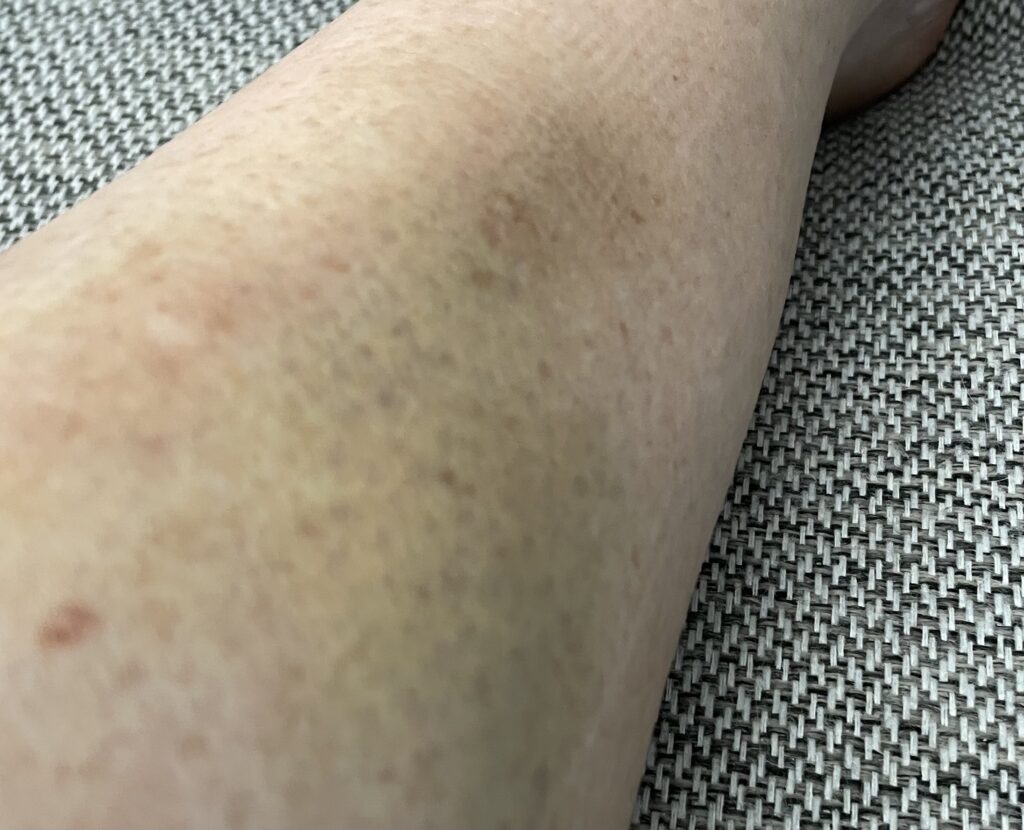
He would jab his finger hard into my chest. He grabbed my neck. There were bruises, abrasions and other marks on my body.
One night, he grabbed me by the leg while I was lying in bed and dragged me into the living room because he wanted me to sleep in the guest room.
So the next time there was an argument, I tried something different.
I went to the guest room.
That didn’t work either.
He broke through the door.
There were other times he damaged or broke down doors when I went into another room because I was trying to avoid a confrontation.
That became one of the most frightening parts of the relationship.
There was nowhere I could go inside my own home to make an argument stop.
If I stayed, things could escalate.
Walking away meant he could follow me.
Even going into another room didn’t necessarily keep him out.
I kept changing what I did because I thought maybe I could prevent the next incident.
Nothing worked.
The physical incidents happened when he was drinking
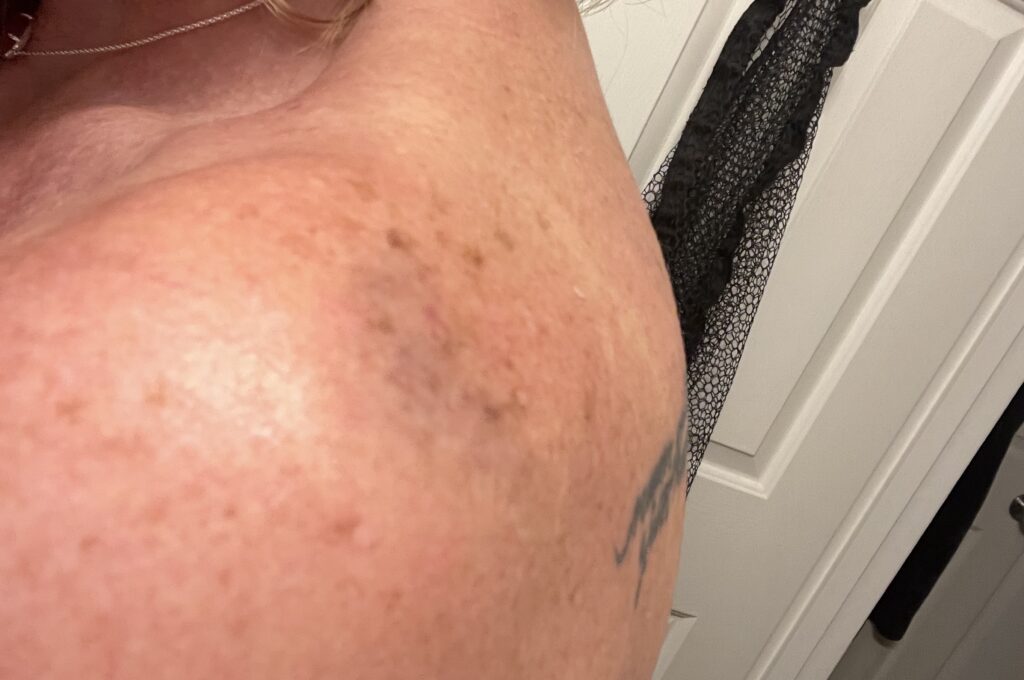
The physical abuse happened when he had been drinking.
The next day, there were times he couldn’t remember what he had done.
But I remembered.
I remembered everything.
He sometimes remembered nothing.
I was left with the bruises, damaged doors and memories of what had happened. Then I sometimes found myself trying to explain those events to someone who said he couldn’t remember them.
I even tried recording him.
It wasn’t to embarrass him. I hoped that if he could hear himself later, he might understand how bad things had become.
Maybe hearing his own behavior would change something.
It didn’t.
I kept moving the line for what counted as abuse
Then came the explanations.
I was told it was my fault.
One of the things I remember most was the justification that he had never punched me in the face.
For a while, I actually used that distinction myself.
He didn’t punch me.
Was this really abuse?
Was I making too much of it?
Had I done something to cause it?
Looking back, those questions show me how much my understanding of what was normal had changed.
Instead of asking why someone I loved was hurting me, I was asking whether I had been hurt badly enough for it to count.
Eventually, the line for what I considered abuse kept moving.
Why I documented the injuries but never called police

I photographed some of my injuries.
I took pictures of bruises, abrasions and marks on my body because somewhere inside me, I knew I needed to document what was happening.
But I never called police.
I worried about what an arrest could do to his career.
Even while I was documenting injuries I believed he had caused, part of me was worried about protecting him from the consequences.
That is difficult for me to admit now.
I don’t share it because I’m proud of that decision.
I share it because someone reading this may understand it.
Abusive relationships can make you question things that once would have seemed obvious.
I could look at bruises on my own body and still find reasons to minimize them.
There had been no punch to the face.
I never called police.
No trip to the hospital followed.
So maybe it wasn’t that bad.
At least, that is what I told myself.
Editor’s note: The photographs accompanying this story were taken by me at the time and document injuries I experienced during the relationship. I am sharing only a few of them.
It wasn’t only physical
There were accusations of cheating.
Arguments could somehow get turned around until I was defending myself against things I hadn’t done.
Over time, I felt smaller.
I felt ashamed.
I felt worthless.
The National Domestic Violence Hotline lists behaviors such as extreme jealousy, preventing someone from making their own decisions, intimidation, blaming a partner for abusive behavior and other controlling behaviors among warning signs of abuse.
At the time, I didn’t fully understand what was happening to me.
I was too busy trying to figure out how to stop the next argument.
I left once — and went back
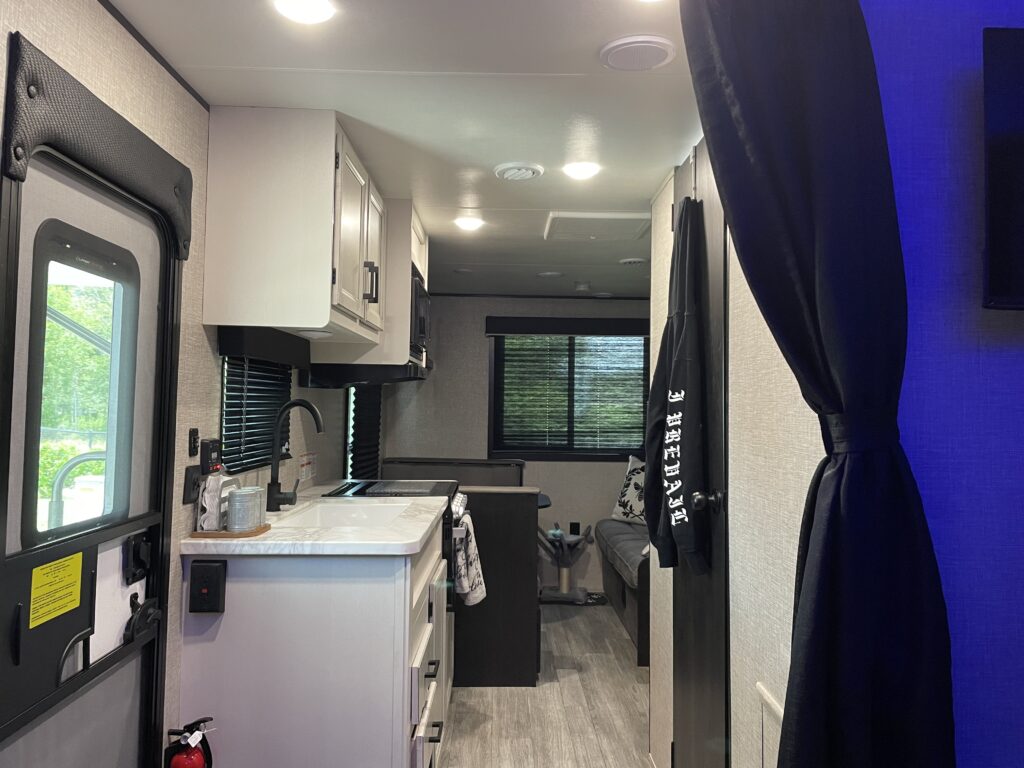
At one point, I bought an RV and left.
I went to a campground.
He found me there and convinced me to come back.
So I did.
For a long time, that embarrassed me.
Why would someone leave an abusive relationship and then return?
I understand that question differently now.
Leaving isn’t always a single moment.
Sometimes you leave and go back.
You may not be ready.
You may still love the person.
There can still be hope that things will change.
You may believe that changing your own behavior will change the relationship.
And sometimes you have to leave more than once before you stay gone.
The trip that changed everything
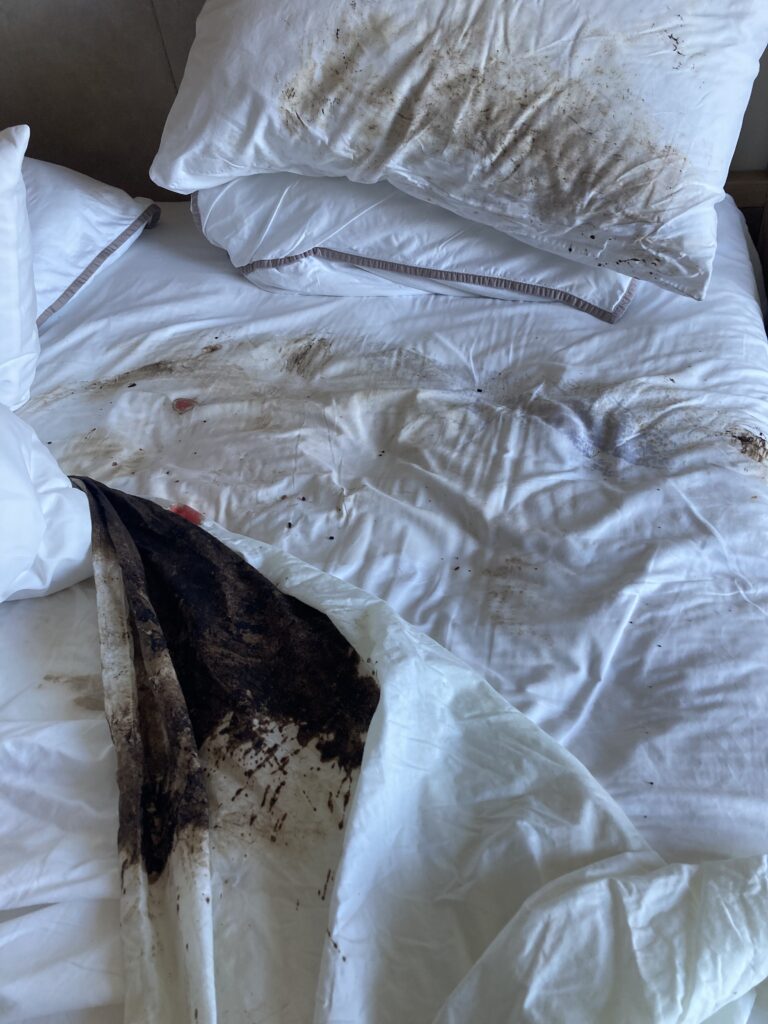
My trip to Cozumel happened in February.
I became extremely sick. At one point, I was passed out in our hotel room.
Someone apparently heard yelling and screaming coming from the room and became concerned enough to contact authorities.
People came to our room and insisted on checking on me to make sure I was breathing.
I learned about it the following morning.
That stayed with me.
Strangers had heard enough from outside our hotel room that they were worried about the person inside it.
But I still didn’t leave.
That’s important to me now because there wasn’t one dramatic moment when everything suddenly became clear.
The realization came slowly.
I had already tried changing my behavior. Walking away from confrontations didn’t work. Neither did going into another room or sleeping somewhere else. I even recorded what was happening, hoping he could hear and see his behavior afterward.
I had even left once before.
But I went back.
Months later, Lynette Hooker disappeared
Then, months after my Cozumel trip, Lynette Hooker disappeared on Easter Sunday.
As a reporter, I followed her story as it began receiving national attention.
But this time, I wasn’t experiencing a story only as a journalist.
After everything that had happened in my own relationship, her disappearance affected me personally.
Cozumel came back to me.
So did the bruises I had photographed.
I remembered the doors that had been broken when I tried to get away from confrontations.
Being dragged from my bed by my leg was impossible to forget.
Most of all, I remembered how many times I had convinced myself it wasn’t that bad because I had never been punched in the face.
And one thought kept coming back to me:
I don’t want to become another statistic.
I wasn’t comparing my circumstances to Lynette’s or claiming to know what had happened to her.
Her disappearance simply forced me to confront a question I had avoided for too long:
What was I waiting for?
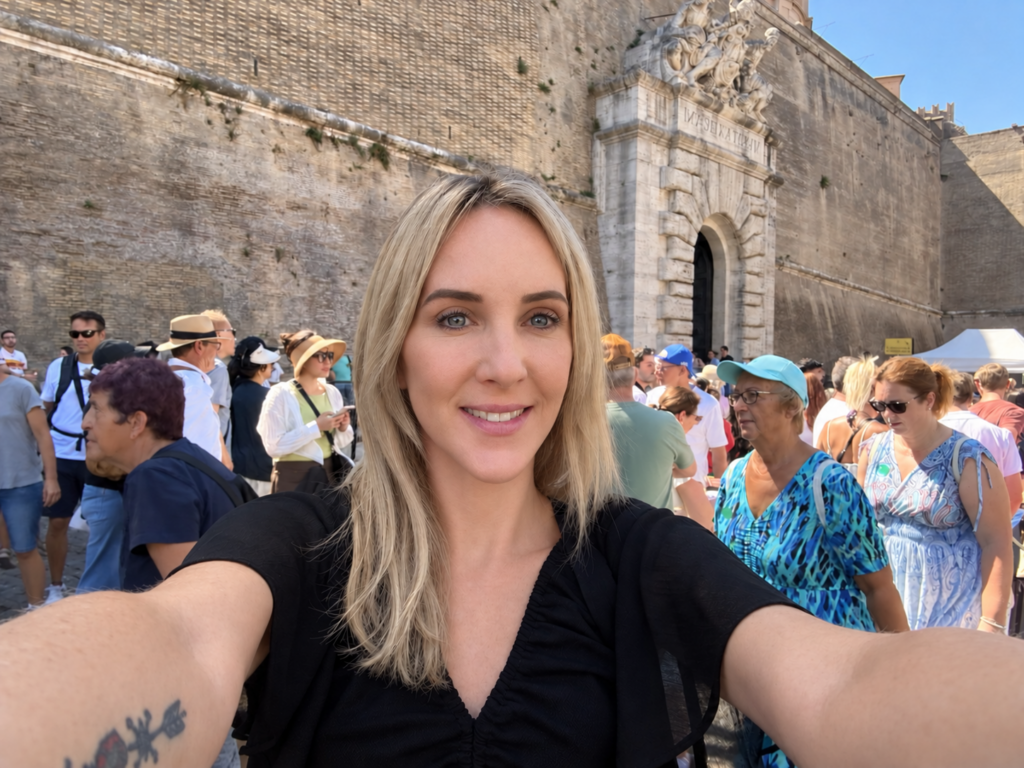
I didn’t know whether my relationship would ever become more dangerous.
I didn’t need to know.
For months, I had been waiting for some unmistakable event that would finally give me permission to leave.
I finally realized I didn’t need one.
I already knew I didn’t feel safe.
That was enough.
This time, I just left
Why I’m telling my story now
I’m an investigative reporter.
I’ve interviewed victims and covered crimes throughout my career.
Much of my work has involved asking difficult questions.
Yet I found myself in a situation I once believed could never happen to me.
That realization carried a lot of shame.
But intelligence, education, age and professional success don’t make someone immune from an abusive relationship.
That is one of the reasons I’m sharing photographs I once kept private.
Another person may be looking at bruises on their own body tonight and making the same calculations I made.
“He didn’t really hit me.”
“It wasn’t that bad.”
If this sounds familiar, help is available
If you’re experiencing relationship abuse—or questioning whether what’s happening to you is abuse—you can speak confidentially with an advocate at the National Domestic Violence Hotline.
Call 800-799-SAFE (tel:800-799-SAFE) (7233), text START to 88788, or use the Hotline’s online chat. The service is available 24/7.
If you are in immediate or life-threatening danger, call 911 (tel:911).
My new book is now available
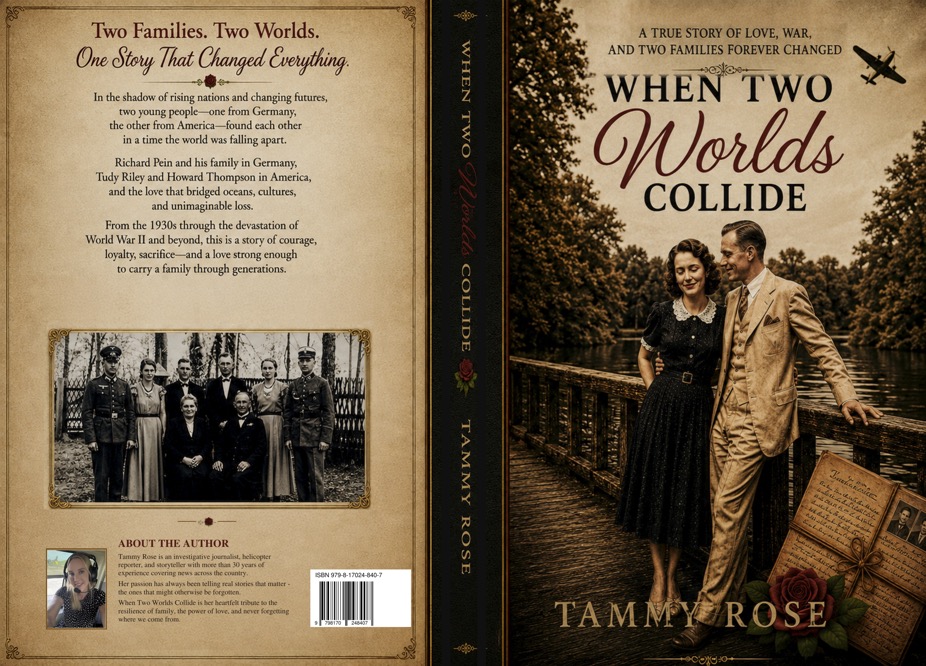
My new book, When Two Worlds Collide During WWII, follows two families on opposite sides of World War II and the remarkable events that eventually brought their lives together in Wisconsin.
The story is based on my own family history, with real people, family photographs and stories passed down through generations.
Disclosure: As an Amazon Associate, I earn from qualifying purchases.