Tag Archives: Investigative Reporter

Investigator Matt Wingo Responds to Roy Alan Stuart Story, Raises Questions About Prison Journals

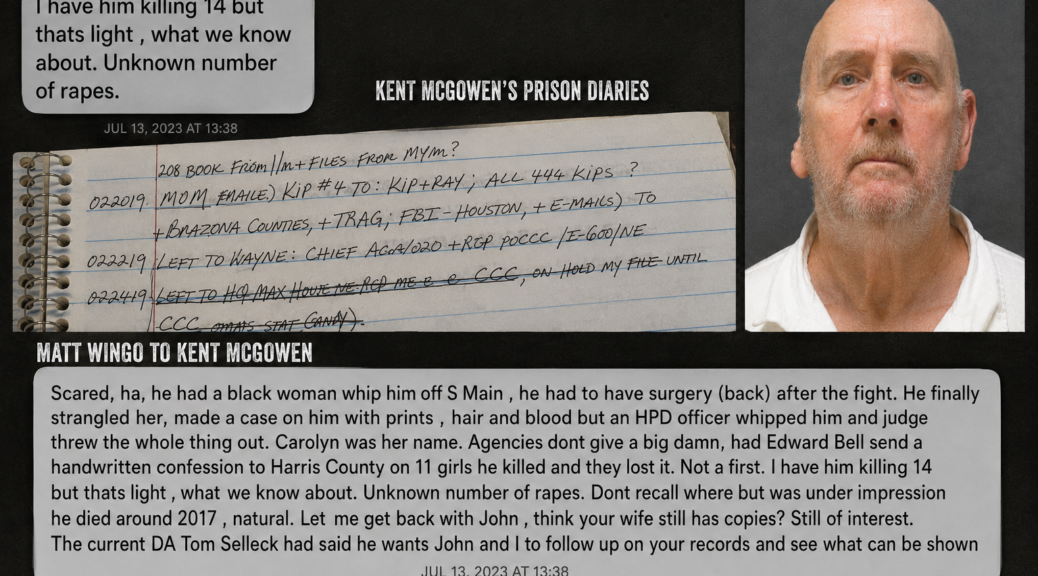
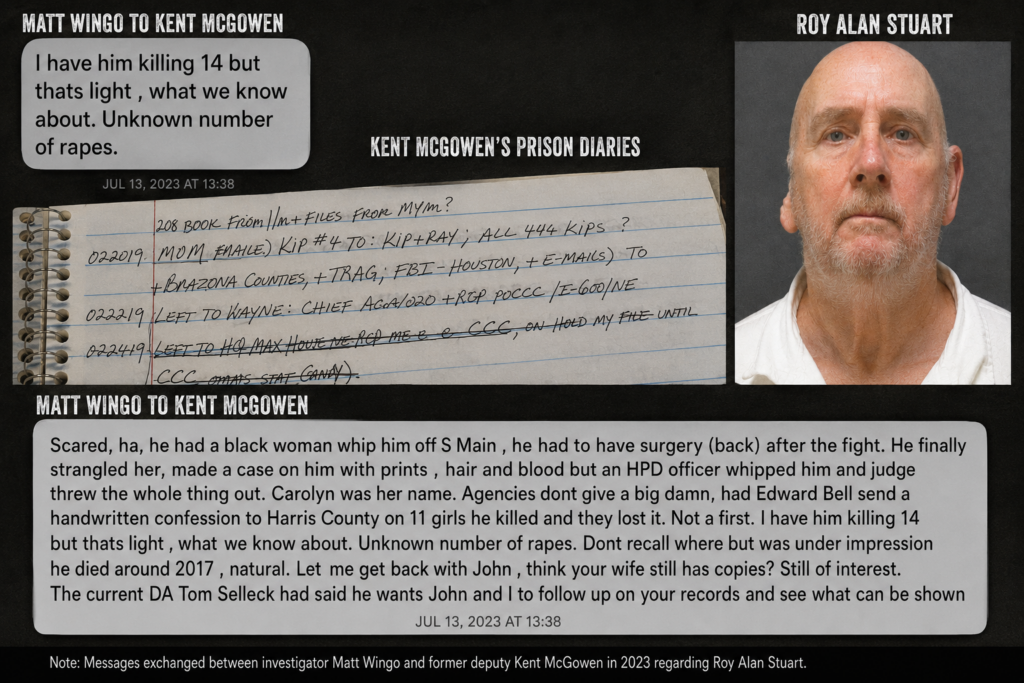
Matt Wingo response to Roy Alan Stuart investigation showing July 2023 text messages, Kent McGowen prison diaries and Roy Alan Stuart mugshot.

Investigator Matt Wingo Raises Questions About Roy Alan Stuart Prison Journal Story

Before publishing my interview with former Harris County deputy Kent McGowen and his handwritten prison journals about convicted serial killer Roy Alan Stuart, I contacted investigator Matt Wingo seeking an interview and comment.

I did not receive an interview before my publication deadline.

After the story was published, Wingo emailed me several times expressing concerns about the accuracy of information contained in McGowen’s journals. Although one of his emails stated he did not want further contact, he continued sending additional emails outlining what he believes are significant factual problems.

Why I Reported the Story the Way I Did

The messages document that Wingo and McGowen communicated. They do not independently establish that every claim discussed in those communications is accurate.
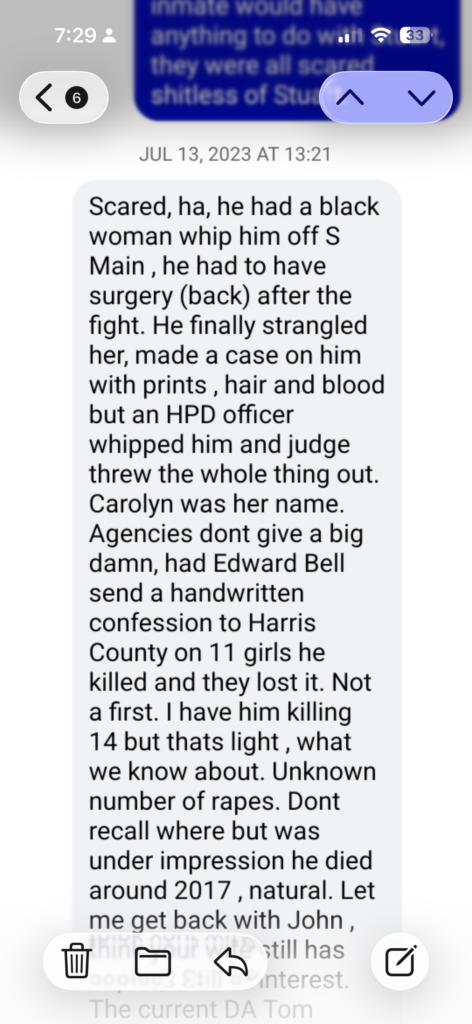
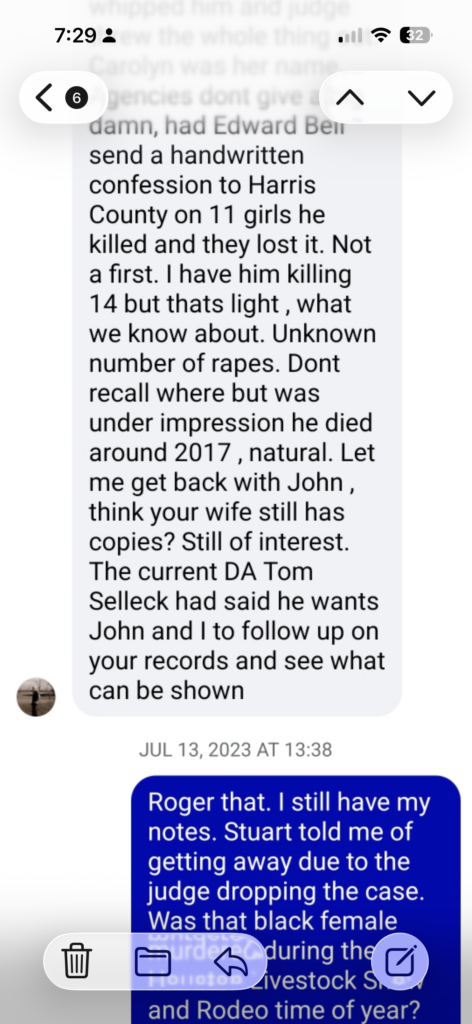
July 13, 2023 text message exchange between investigator Matt Wingo and former Harris County deputy Kent McGowen discussing Roy Alan Stuart. The messages include discussion of an estimated homicide count and references to reviewing additional investigative records.

One issue readers should understand is the homicide count.

Before publication, I had seen a July 2023 message between Wingo and McGowen in which Wingo wrote:

“I have him killing 14 but that’s light, what we know about.”

However, because I was unable to interview Wingo before publication, I did not feel it was appropriate to publish his estimate as fact without giving him the opportunity to explain how he reached that number.

Instead, I reported what Kent McGowen told me during my interview and clearly identified him as the source of those statements. Throughout my reporting, I repeatedly noted that many of the claims contained in McGowen’s journals remain unverified.

Matt Wingo Response

Screenshot of an email from investigator Matt Wingo responding to my Roy Alan Stuart investigation, stating he believes several claims in Kent McGowen’s prison journals are “blatantly falsified.”
In one email, investigator Matt Wingo wrote that he believed several claims contained in Kent McGowen’s prison journals were “blatantly falsified” and questioned the reliability of the remaining notes.

In multiple emails & text messages following publication, Wingo questioned several aspects of McGowen’s account.

Among the issues he identified were:

The identity of a Texas Ranger McGowen claimed to have met.
Whether investigators McGowen named actually met with him.
The number of homicides attributed to Roy Alan Stuart.
Other claims Wingo believes require additional verification.

In one email, Wingo wrote that several items were “blatantly falsified” and said those concerns caused him to question the reliability of the remaining notes.

My Response

I asked Wingo to identify each factual error he believes exists and, if possible, provide documentation or records supporting those claims.

If evidence shows factual errors in my reporting, I will correct them.

If evidence supports McGowen’s account, I will report that as well.

That is how investigative journalism should work.

Additional Documents Reviewed

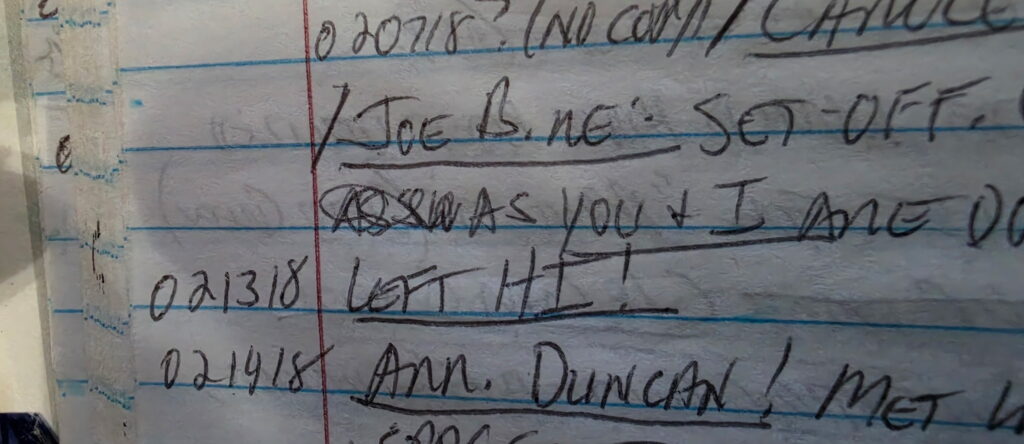
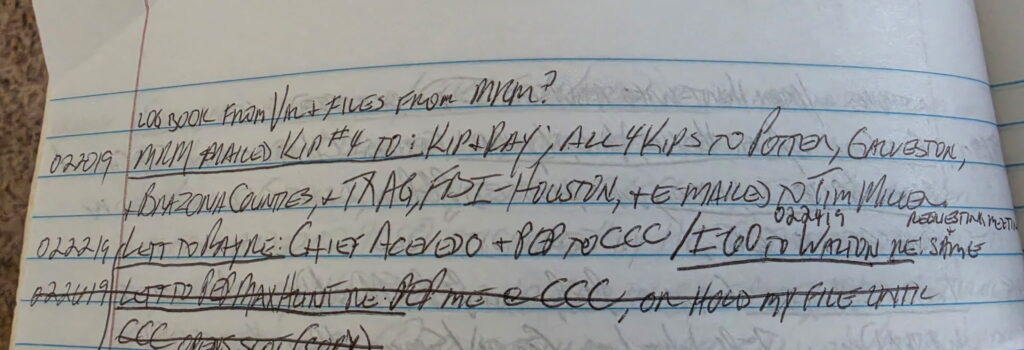
Excerpts from Kent McGowen’s handwritten prison journals referencing contacts with investigators and agencies about information he said Roy Alan Stuart shared while they were incarcerated together.

One reason I believe additional reporting is warranted is that I have also reviewed prior communications between Wingo and McGowen discussing Roy Alan Stuart.

Those messages show the two men communicated about Stuart years before I became involved in this story. They also show Wingo discussing an estimated homicide count and referencing continued interest in reviewing records.

Those communications do not independently verify McGowen’s claims, but they do demonstrate there was communication between the two men regarding Roy Alan Stuart and his alleged crimes.

The Questions That Remain

Several important questions remain unanswered.

Which Texas Ranger was referenced in McGowen’s journals?
Is the name written in the journals accurate, or could it have been misspelled or misremembered?
Which portions of the journals can be independently verified?
Which claims cannot be verified?
Are there additional public records that support or contradict McGowen’s account?

I intend to continue reporting on those questions as more information becomes available.

As with my original reporting, I will continue updating this story if additional records, witnesses, or documentation become available.

More Resources

If stories about cold cases, victims, and investigative journalism matter to you, these books and reports may also be helpful.

📚 The Body Keeps the Score by Bessel van der Kolk

📚 While the City Slept by Eli Sanders

📰 Read my original investigation:

Exclusive: Roy Alan Stuart Prison Confessions Revealed

Why I Fight So Hard for Victims: The Story I’ve Never Shared

Disclosure: As an Amazon Associate, I earn from qualifying purchases. If you purchase through my affiliate links, I may receive a small commission at no additional cost to you. Thank you for supporting my independent investigative journalism.
Why I Fight So Hard for Victims: The Story I’ve Never Shared

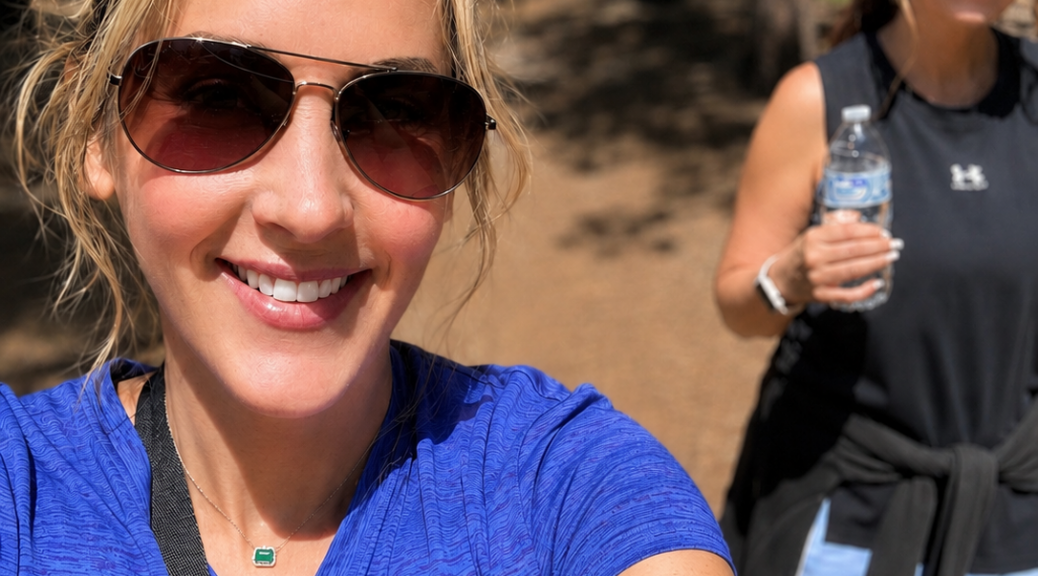
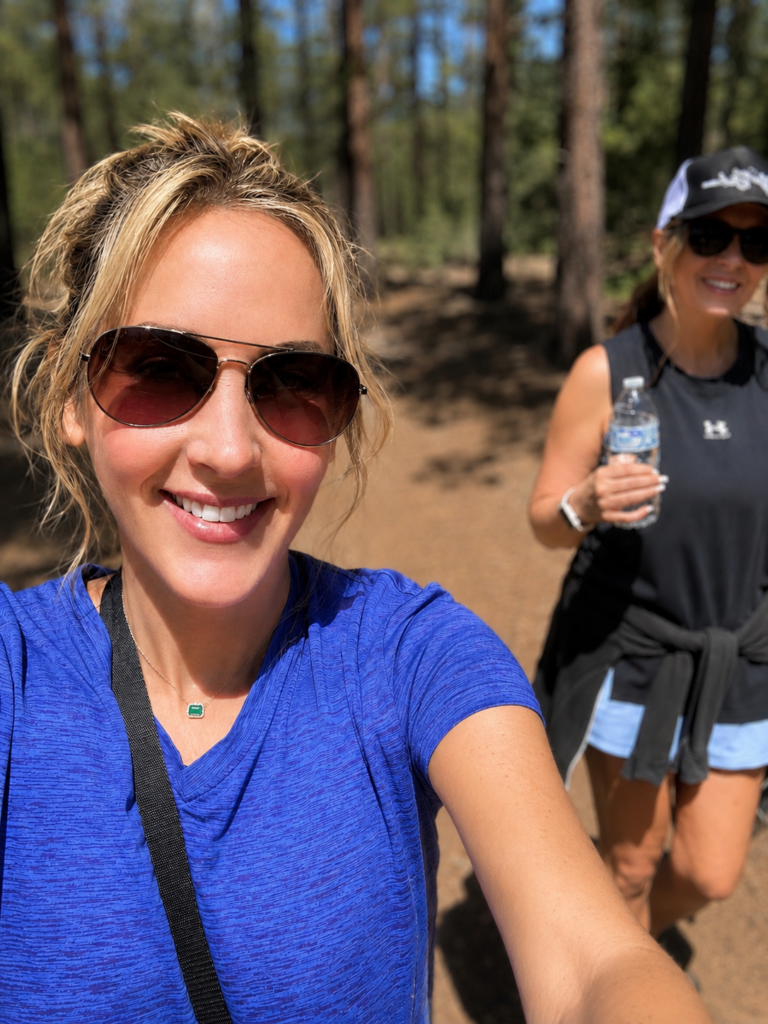
Tammy Rose hiking with a friend before sharing the personal story that inspired her investigative reporting and advocacy for crime victims.
Tammy Rose shares the personal journey that inspired her lifelong commitment to fighting for victims.

Why I Fight So Hard for Victims: The Story I’ve Never Shared

By Investigative Reporter Tammy Rose

Why I’m Sharing This Now

People often ask why I spend so much time filing public records requests, interviewing grieving families, and refusing to give up on cold cases.

The answer isn’t found in a newsroom.

It’s found in one of the most painful chapters of my own life.

Long before I became an investigative reporter, I became a victim.

For years, I kept this story private because of the shame, embarrassment, and fear that followed.

Today, I’m sharing it because I hope it helps others understand why I fight so hard for victims.

I Didn’t Want to Report the Crime

The person who sexually assaulted me wasn’t a stranger.

He was someone my family knew and trusted.

After it happened, I didn’t want to report the crime.

I was embarrassed.

I was ashamed.

Like many victims, I blamed myself.

I wanted to pretend it had never happened.

It was my former husband who convinced me to go to law enforcement. He told me that if I didn’t report the crime, he would.

Looking back, I’m grateful he encouraged me to speak up.

At the time, it felt impossible.

The Trial Changed My Family Forever

Going through the criminal justice system was one of the hardest experiences of my life.

During the trial, I learned the defendant had previously been convicted in another sexual assault case involving a child under the age of 14 and had served a much shorter sentence.

That realization was heartbreaking.

The case also divided my family.

One of the most painful moments was watching my own sister testify for the defense.

My father blamed me for what had happened.

Losing the support of people I loved was devastating.

The verdict ended the criminal case.

It did not end the pain.

The Papers I Never Threw Away

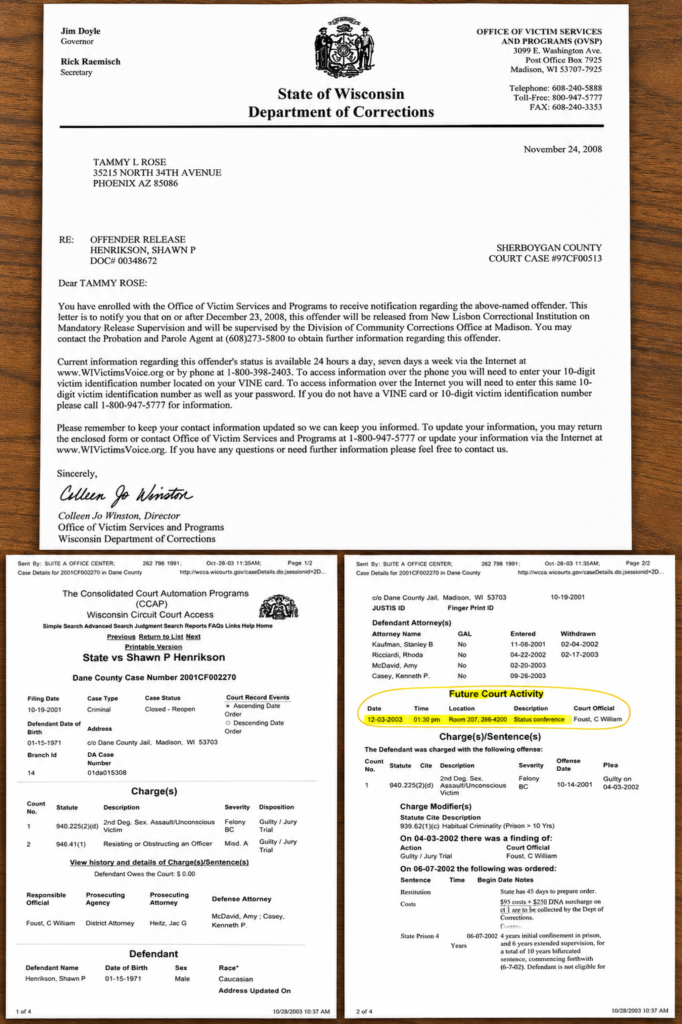
Wisconsin court records and victim notification documents preserved by Tammy Rose years after her criminal case, illustrating the lasting impact of surviving sexual assault.
Court records and victim notification letters I kept for years—documents that reminded me the criminal case ended, but the journey as a victim did not.

Recently, I opened a folder I hadn’t looked at in years.

Inside were Wisconsin court records, sentencing documents, and a Wisconsin Department of Corrections victim notification letter informing me the offender would one day be released from prison.

Holding those papers again reminded me that victims often carry a case long after the courtroom is empty.

The documents aren’t just legal records.

For me, they represent years of healing.

Years Later, I Had to Defend My Truth Again

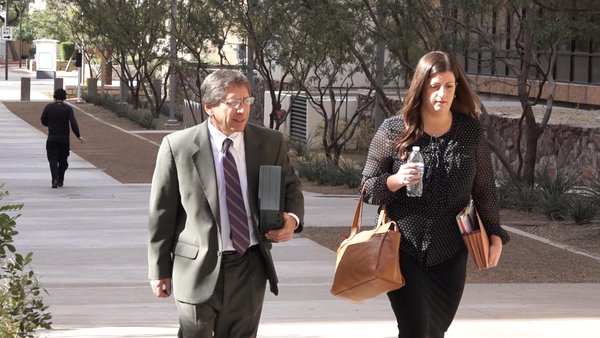
Courthouse walkway during the Jodi Arias sentencing retrial where testimony related to the State Bar proceedings was taking place.
Courthouse during the Jodi Arias sentencing retrial, where my reporting ultimately led to State Bar proceedings that resulted in my deposition years after my own criminal case had ended.

Years after my criminal case ended, I was covering the Jodi Arias sentencing retrial as a reporter.

During my reporting, I uncovered information that led me to file a complaint with the State Bar of Arizona regarding prosecutor Juan Martinez.

As part of that disciplinary process, I was deposed.

During that process, records from my own criminal case became part of the deposition and were made public. As a victim, it was devastating to see deeply personal parts of my past become public record years after I believed I had finally moved forward.

I never imagined my own past would become part of those proceedings.

During the deposition, my background was examined, including the sexual assault case from years earlier. My credibility was challenged, and I felt as though I was once again defending one of the most painful experiences of my life.

For years, I had been afraid to speak up.

Then something changed.

I remember saying, “The judge and jury believed me. If you disagree with that, take it up with them.”

It was the first time in a long time that I truly stood up for myself.

Why I Fight So Hard for Victims

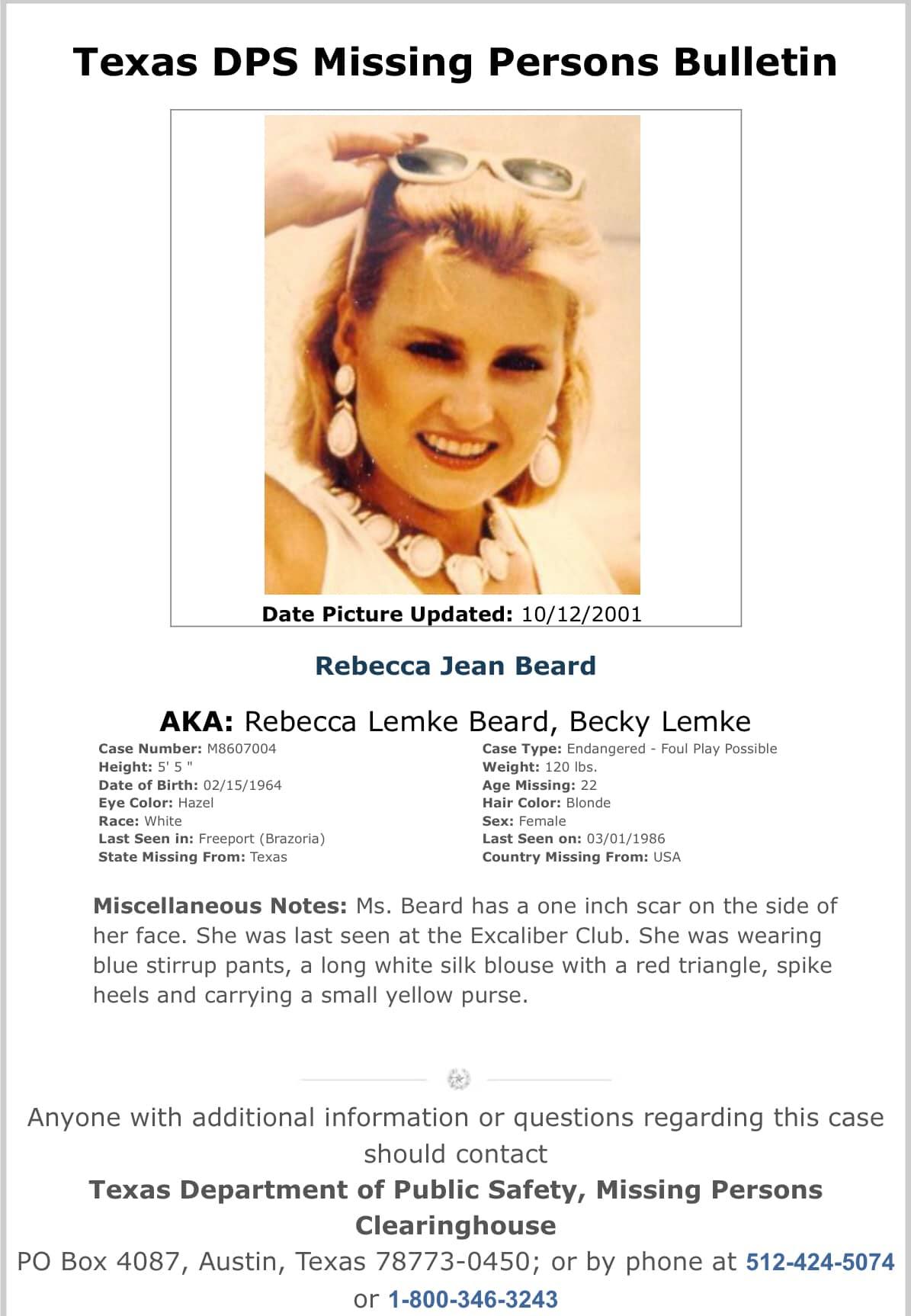
Texas Department of Public Safety Missing Persons Bulletin for Rebecca Jean Beard, issued during the investigation into her disappearance.
Official Texas DPS Missing Persons Bulletin for Rebecca Jean Beard, documenting her disappearance before Paul Taylor Jr. later pleaded guilty in the case despite her remains never being recovered.

Every records request I file…

Each family I interview…

No cold case is just another story.

Every difficult question I ask…

Is driven by one purpose: finding the truth.

I know what it feels like to wonder if anyone will believe you.

I’ve experienced losing relationships because I told the truth.

Years later, my credibility was questioned over events from my past.

Those experiences shaped the reporter I am today.

Victims deserve compassion.

Families deserve answers.

The truth deserves to be pursued—even when it’s uncomfortable.

To Every Victim Reading This

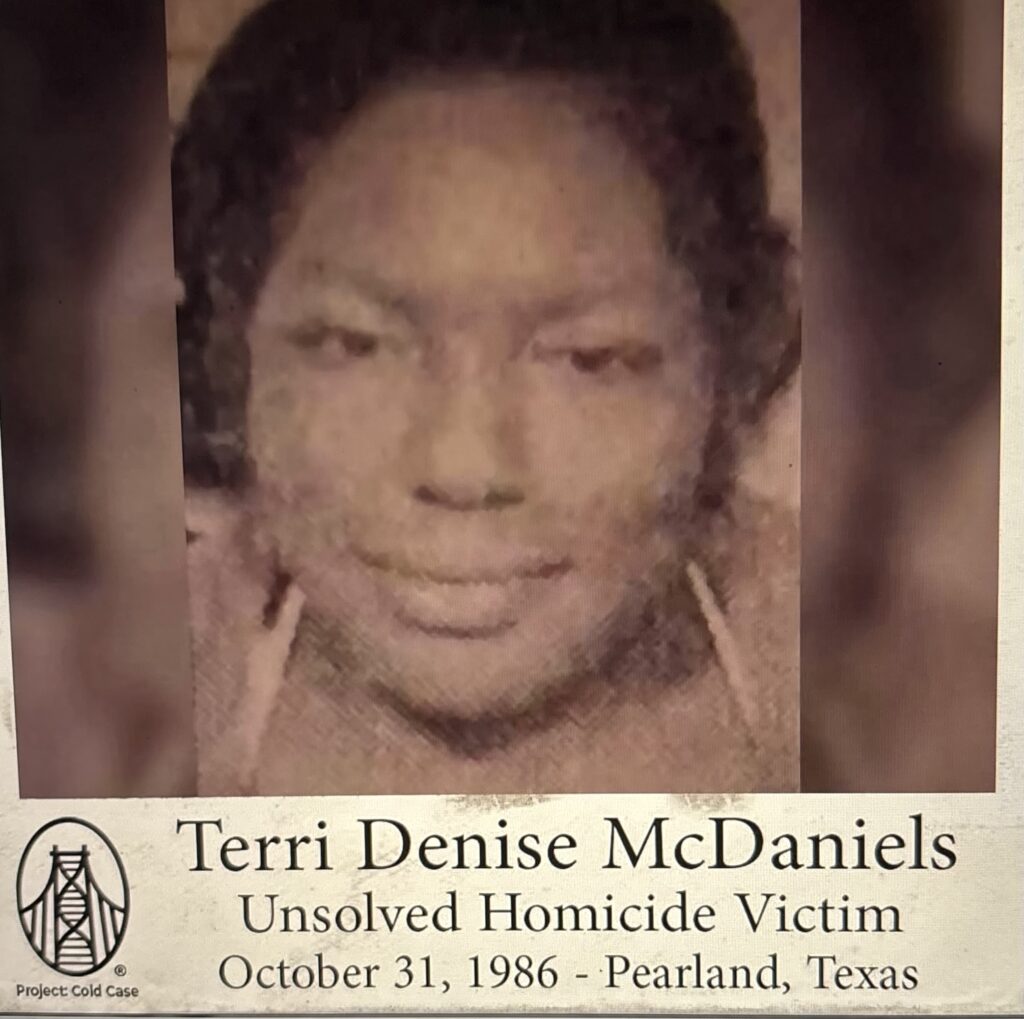
Memorial image of Terri Denise McDaniels, an unsolved homicide victim from Pearland, Texas, whose case remains unsolved.
Terri Denise McDaniels was murdered in Pearland, Texas, on October 31, 1986. Her homicide remains unsolved. Every unsolved case represents a family still waiting for answers and justice.

Maybe you’ve been afraid to report a crime.

Perhaps someone blamed you for something that wasn’t your fault.

Or maybe you’ve wondered whether anyone would believe you.

You are not alone.

Sharing this story isn’t about reliving the past.

It’s about explaining why I continue fighting for victims every single day.

I can’t change what happened to me.

But I can make sure my experiences help someone else find the courage to speak.

As long as I have a voice, I’ll keep fighting for those still searching for justice.

That’s why I fight so hard for victims.

Continue Reading

If you’d like to learn more about trauma, healing, and the importance of seeking justice for victims, you may also find these resources helpful.

Disclosure: As an Amazon Associate, I earn from qualifying purchases at no additional cost to you.

Recommended Reading

The Body Keeps the Score by Bessel van der Kolk

The Gift of Fear by Gavin de Becker

More Investigations by Tammy Rose

Rebecca Beard: No Body. No Weapon. My investigation into the 1986 disappearance and the unanswered questions that remain.

Roy Alan Stuart Prison Journals: Former Harris County Deputy Kent McGowen shares chilling prison confessions that could help solve cold cases.