
By Investigative Reporter Tammy Rose
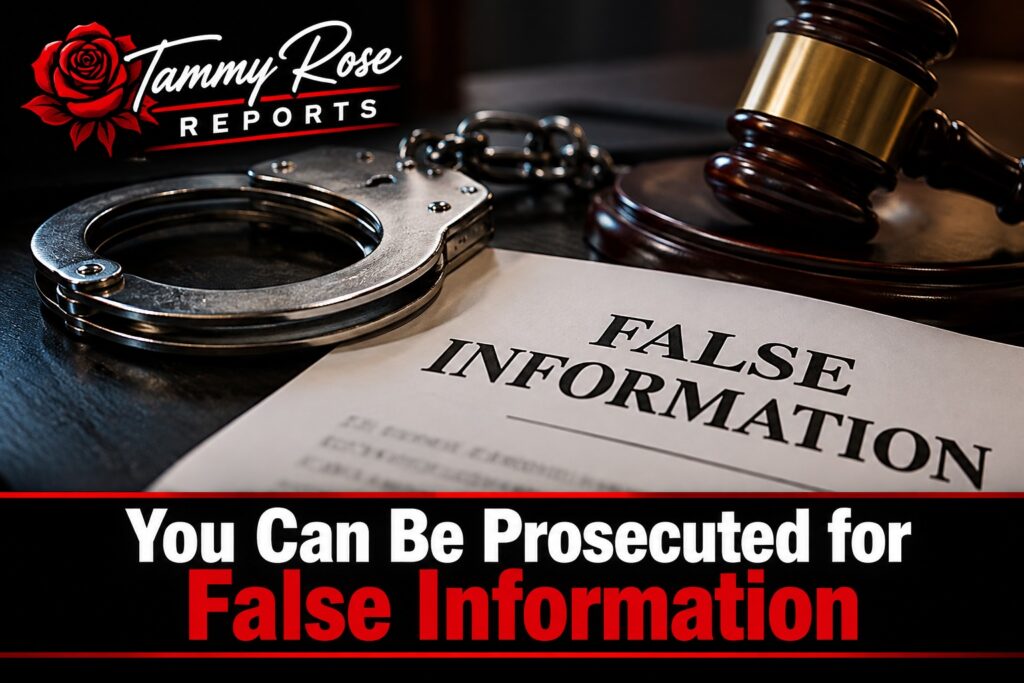
A single tip can reopen a cold case, lead investigators to missing evidence, or help a grieving family finally find answers. But what happens when someone knowingly gives police false information?
In Texas, providing false information to police during a criminal investigation can result in criminal charges, fines, and jail time.
Law enforcement agencies rely on witnesses to help solve crimes. Even information that surfaces decades later can be valuable. However, there is a legal difference between an honest mistake and a deliberate attempt to mislead investigators.
What Texas law says about false information to police
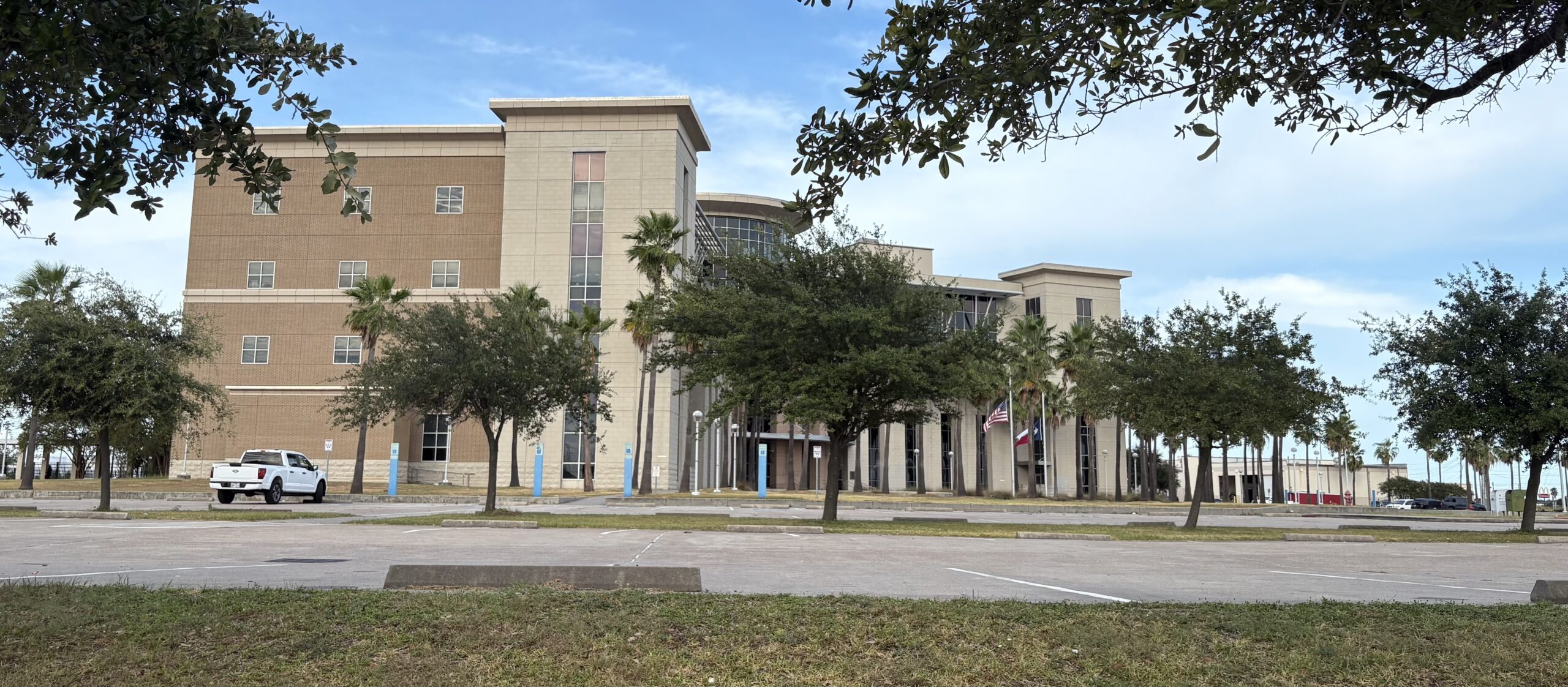
Under Texas Penal Code Section 37.08, a person commits an offense when they knowingly make a materially false statement to an authorized investigator with the intent to deceive.
The offense is classified as a Class B misdemeanor.
A conviction can carry:
Up to 180 days in county jail.
A fine of up to $2,000.
Both jail time and a fine.
The law does not require someone to invent an entire crime. A knowingly false statement about an important detail in an investigation may be enough to violate the statute.
What happens when someone makes a false crime report?
Texas Penal Code Section 42.06 addresses certain false reports involving crimes or emergencies.
A person who knowingly communicates a false or baseless report that meets the statute’s requirements may face a Class A misdemeanor. Certain reports involving schools, public transportation, or essential public services can result in felony charges.
Other laws may apply when false reports trigger dangerous emergency responses.
Why false information can hurt cold case investigations
Cold cases often depend on information that surfaces years or even decades after the original investigation.
Witnesses may remember a conversation, recognize a location, or decide to share information they previously withheld.
These tips deserve careful consideration.
But knowingly fabricated information can send investigators in the wrong direction.
It can also consume investigative resources, lead to unnecessary searches, and create false hope for families who have spent years waiting for answers.
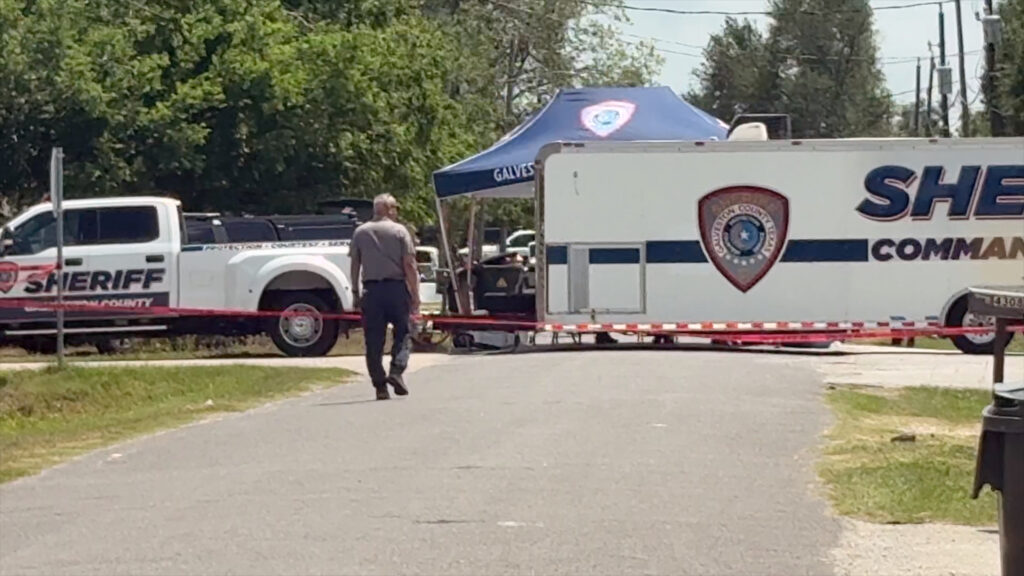
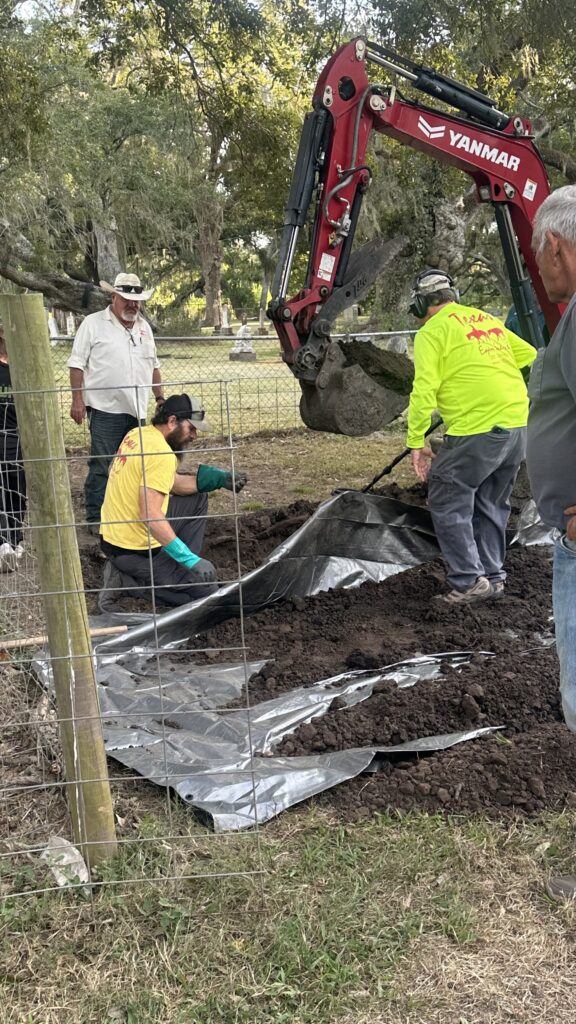
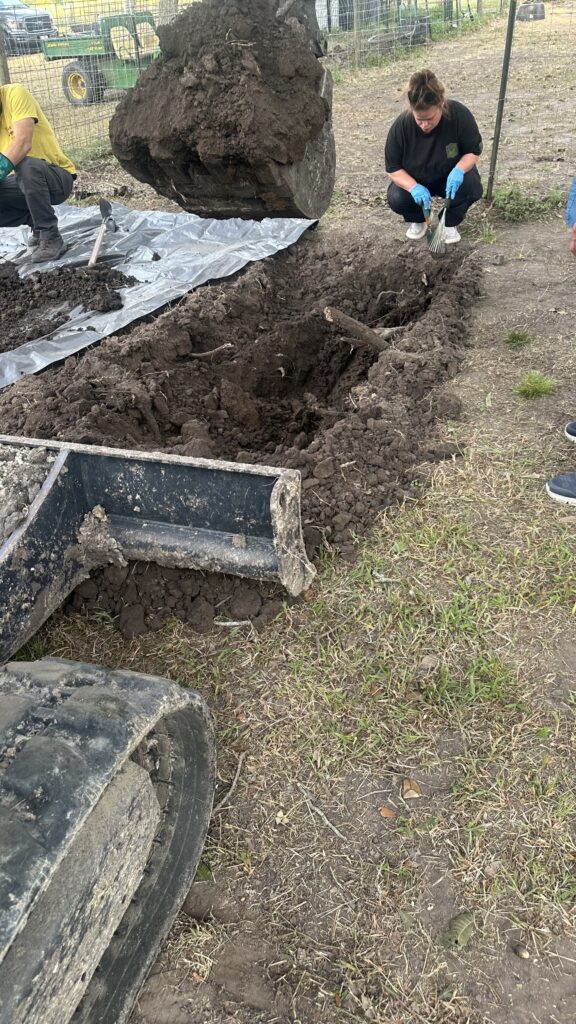
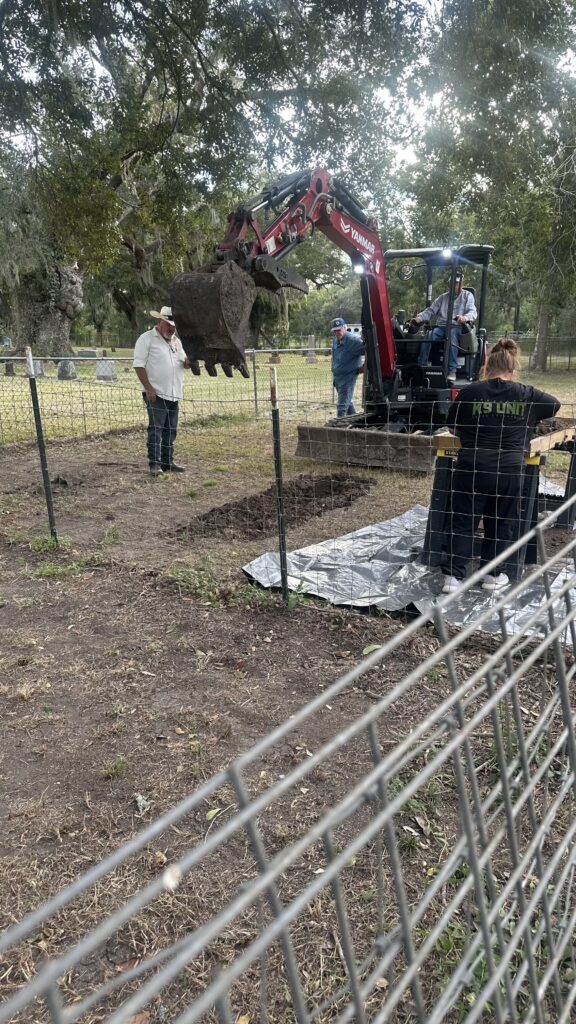
When investigators search a property or examine a possible burial site, the information that prompted the search must be evaluated alongside physical evidence and independent corroboration.
A witness statement alone does not establish that a crime occurred at a particular location.
Being mistaken is not the same as lying
This distinction is especially important.
Human memory is imperfect. Details can become unclear over time. Witnesses may confuse dates, locations, or conversations.
An honest mistake does not automatically constitute a criminal offense.
Texas Penal Code Section 37.08 requires proof that a person knowingly made a materially false statement with the intent to deceive.
Investigators must distinguish between inaccurate recollections, misunderstandings, secondhand information, and deliberate deception.
Why witnesses should still come forward

The possibility of criminal penalties should never discourage someone from reporting information they genuinely believe could help solve a crime.
A witness does not need to have every answer.
Someone may remember a suspicious vehicle, an unusual conversation, or activity near a location connected to an investigation.
Even decades later, that information may be important.
The best approach is to explain exactly what was personally observed, identify information learned from others, and acknowledge uncertainty.
Investigators can then determine whether the information can be independently verified.
The responsibility that comes with reporting a crime
Families of missing persons and homicide victims deserve answers based on credible evidence.
Investigators deserve truthful information. Witnesses deserve to be heard and treated fairly.
And the public deserves to understand that deliberately misleading law enforcement can carry legal consequences.
Coming forward with information can be an act of courage.
Knowingly inventing information is something entirely different.
The message is simple: If you know something about a crime, speak up. But tell the truth. Someone’s family may be depending on it.
⸻
My new book is now available

My new book, When Two Worlds Collide During WWII, follows two families on opposite sides of World War II and the remarkable events that eventually brought their lives together in Wisconsin.
Amazon Affiliate Disclosure: As an Amazon Associate, I earn from qualifying purchases. This comes at no additional cost to you.