Tag Archives: Cold Case Investigations

False information to police in Texas: When a crime tip becomes a crime

By Investigative Reporter Tammy Rose

A single tip can reopen a cold case, lead investigators to missing evidence, or help a grieving family finally find answers. But what happens when someone knowingly gives police false information?

In Texas, providing false information to police during a criminal investigation can result in criminal charges, fines, and jail time.

Law enforcement agencies rely on witnesses to help solve crimes. Even information that surfaces decades later can be valuable. However, there is a legal difference between an honest mistake and a deliberate attempt to mislead investigators.

What Texas law says about false information to police
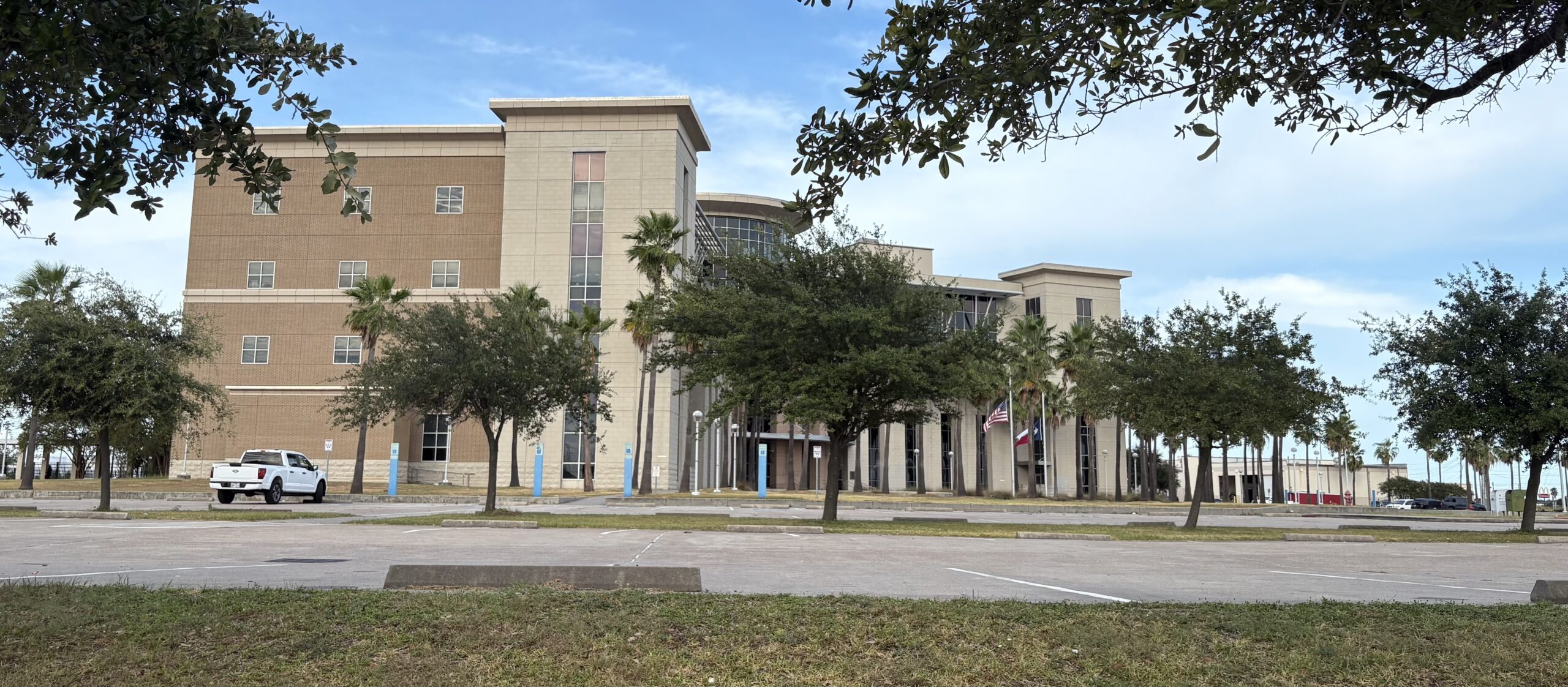
Galveston County courthouse building in Texas, illustrating state laws concerning false information provided to police.
Texas Penal Code Section 37.08 addresses false reports made to law enforcement officers and certain investigators.

Under Texas Penal Code Section 37.08, a person commits an offense when they knowingly make a materially false statement to an authorized investigator with the intent to deceive.

The offense is classified as a Class B misdemeanor.

A conviction can carry:

Up to 180 days in county jail.
A fine of up to $2,000.
Both jail time and a fine.

The law does not require someone to invent an entire crime. A knowingly false statement about an important detail in an investigation may be enough to violate the statute.

What happens when someone makes a false crime report?
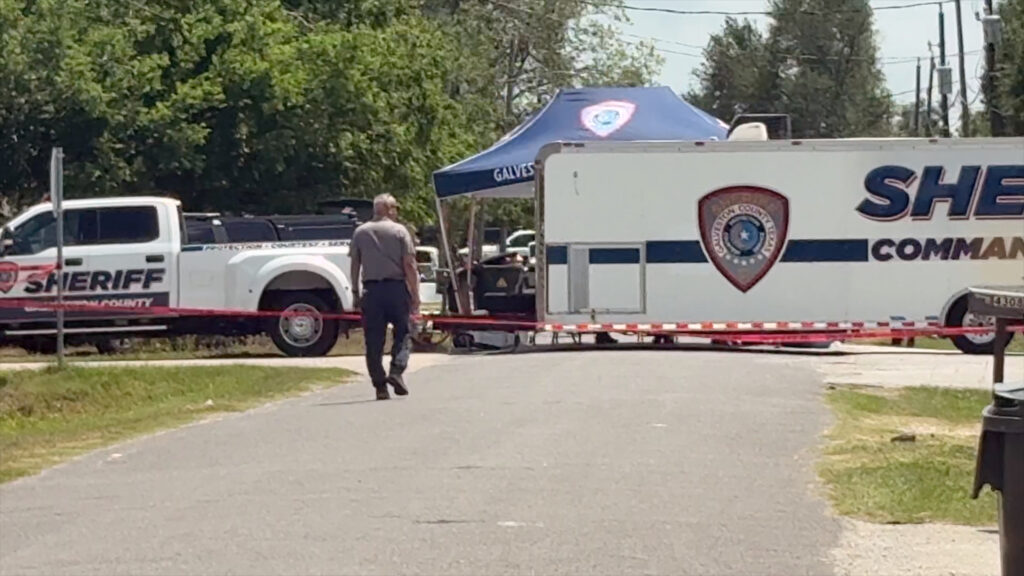
Sheriff's command vehicle with law enforcement officers walking toward it during an active investigation scene.
Law enforcement investigations require personnel, equipment, and resources. Knowingly false crime reports can divert those resources.

Texas Penal Code Section 42.06 addresses certain false reports involving crimes or emergencies.

A person who knowingly communicates a false or baseless report that meets the statute’s requirements may face a Class A misdemeanor. Certain reports involving schools, public transportation, or essential public services can result in felony charges.

Other laws may apply when false reports trigger dangerous emergency responses.

Why false information can hurt cold case investigations
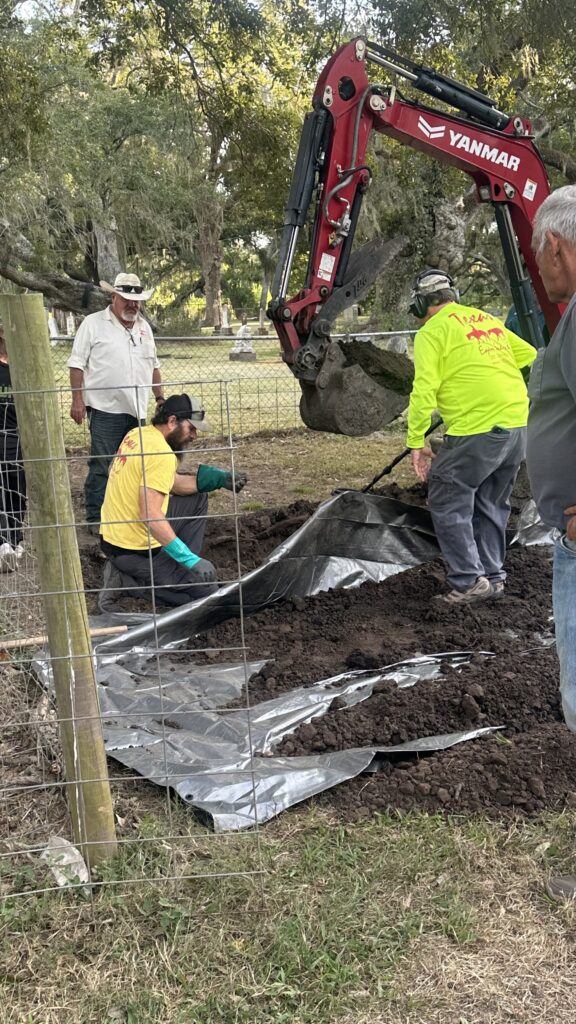
Excavation crew using heavy equipment to search for possible evidence near a Brazoria County cemetery in the 1986 Rebecca Beard cold case.
Search crews excavate an area near a Brazoria County cemetery after new witness information raised questions about the possible location of Rebecca Beard’s remains.

Cold cases often depend on information that surfaces years or even decades after the original investigation.

Witnesses may remember a conversation, recognize a location, or decide to share information they previously withheld.

These tips deserve careful consideration.

But knowingly fabricated information can send investigators in the wrong direction.

It can also consume investigative resources, lead to unnecessary searches, and create false hope for families who have spent years waiting for answers.

When investigators search a property or examine a possible burial site, the information that prompted the search must be evaluated alongside physical evidence and independent corroboration.

A witness statement alone does not establish that a crime occurred at a particular location.

Being mistaken is not the same as lying
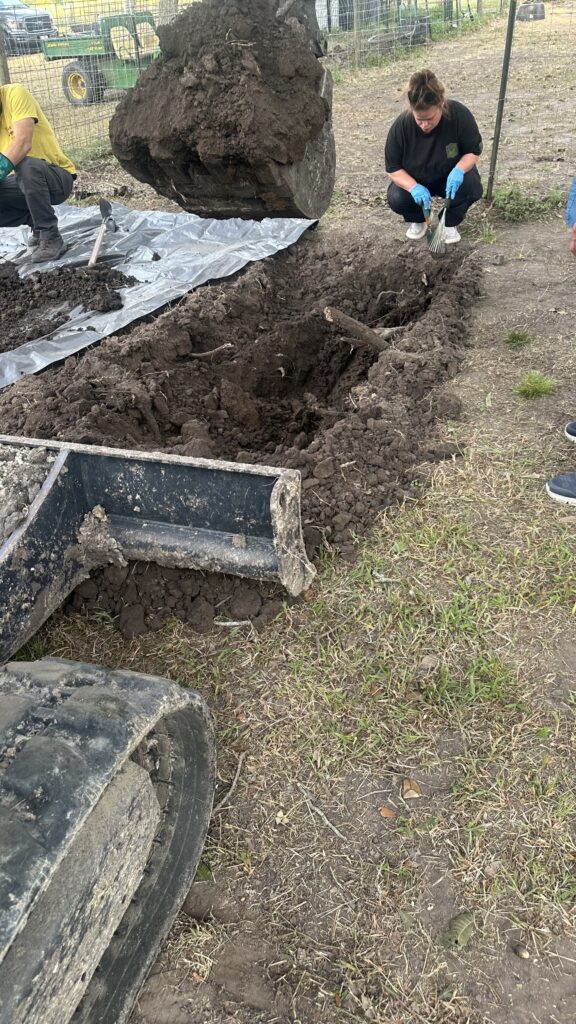
Excavation of soil near a Brazoria County cemetery during the 2026 search for possible evidence in the 1986 Rebecca Beard cold case.
An excavation near a Brazoria County cemetery during the renewed search for Rebecca Beard, who disappeared in 1986. Investigators examined the area following new witness information.

This distinction is especially important.

Human memory is imperfect. Details can become unclear over time. Witnesses may confuse dates, locations, or conversations.

An honest mistake does not automatically constitute a criminal offense.

Texas Penal Code Section 37.08 requires proof that a person knowingly made a materially false statement with the intent to deceive.

Investigators must distinguish between inaccurate recollections, misunderstandings, secondhand information, and deliberate deception.

Why witnesses should still come forward

Recreation of the clothing Rebecca “Becky” Beard was reportedly wearing when she disappeared in Freeport, Texas, in March 1986.
A recreation of the outfit Rebecca “Becky” Beard was reportedly wearing when she vanished in March 1986. Her family continues searching for answers 40 years later.

The possibility of criminal penalties should never discourage someone from reporting information they genuinely believe could help solve a crime.

A witness does not need to have every answer.

Someone may remember a suspicious vehicle, an unusual conversation, or activity near a location connected to an investigation.

Even decades later, that information may be important.

The best approach is to explain exactly what was personally observed, identify information learned from others, and acknowledge uncertainty.

Investigators can then determine whether the information can be independently verified.

The responsibility that comes with reporting a crime
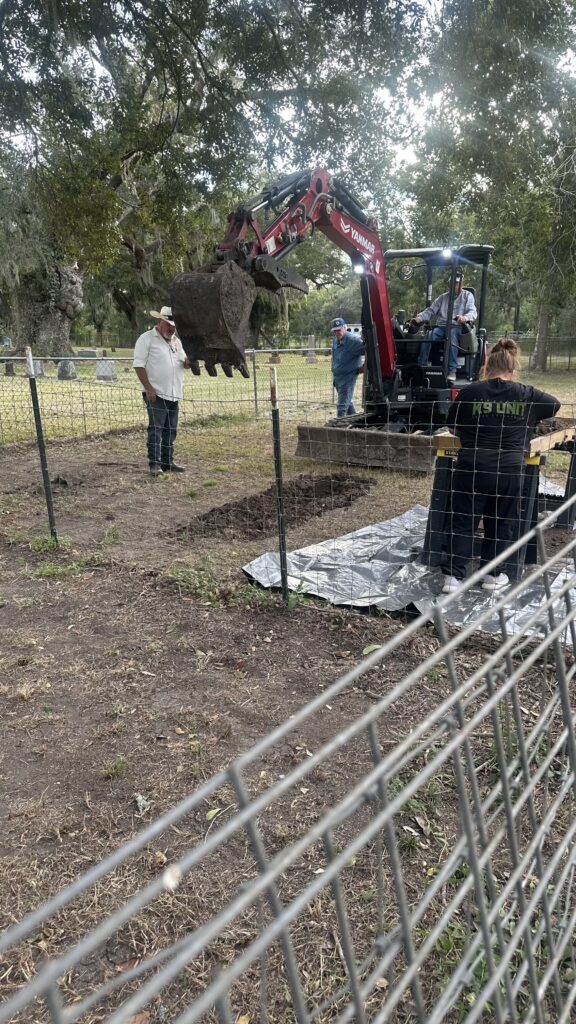
Excavator digging near a Brazoria County cemetery during the 2026 search for evidence in the Rebecca Beard cold case.
Search crews excavate an area near a Brazoria County cemetery following new witness information in the 1986 disappearance of Rebecca “Becky” Beard.

Families of missing persons and homicide victims deserve answers based on credible evidence.

Investigators deserve truthful information. Witnesses deserve to be heard and treated fairly.

And the public deserves to understand that deliberately misleading law enforcement can carry legal consequences.

Coming forward with information can be an act of courage.

Knowingly inventing information is something entirely different.

The message is simple: If you know something about a crime, speak up. But tell the truth. Someone’s family may be depending on it.

⸻

My new book is now available

My new book, When Two Worlds Collide During WWII, follows two families on opposite sides of World War II and the remarkable events that eventually brought their lives together in Wisconsin.

Amazon Affiliate Disclosure: As an Amazon Associate, I earn from qualifying purchases. This comes at no additional cost to you.

Nancy Guthrie Case vs. Nancy Woodrum Case: Two Crimes That Captivated the Nation

True crime stories often reveal disturbing patterns — and sometimes eerie similarities. In both the Nancy Guthrie disappearance and the Nancy Woodrum murder, both were taken from their beds in the dead of the night, highlighting the vulnerability of victims in their own homes.

Both women were elderly and lived alone. Investigators found blood inside and outside of their homes. Authorities interviewed family members first and cleared them as suspects. Police noticed both women were missing after they skipped scheduled church events.

The case involving Nancy Guthrie, an 84-year-old woman from the Tucson, Arizona area, quickly made national headlines in early 2026. She disappeared from her home in the Catalina Foothills, and investigators suspect someone abducted her.

Authorities say Guthrie was last seen after returning home from dinner with family. When she failed to show up for a scheduled church event, relatives reported her missing. Investigators found that her pacemaker stopped syncing with her Apple device during the early morning hours. Police believe the case involves a targeted kidnapping. 

Authorities interviewed Nancy Guthrie’s daughter, Annie, and her son-in-law, Tommaso Cioni. They also towed Annie’s car and photographed the interior of her home to collect evidence. After reviewing all the information, investigators cleared all family members as suspects, allowing them to focus on other leads.

Despite weeks of investigation, the case remains unresolved.

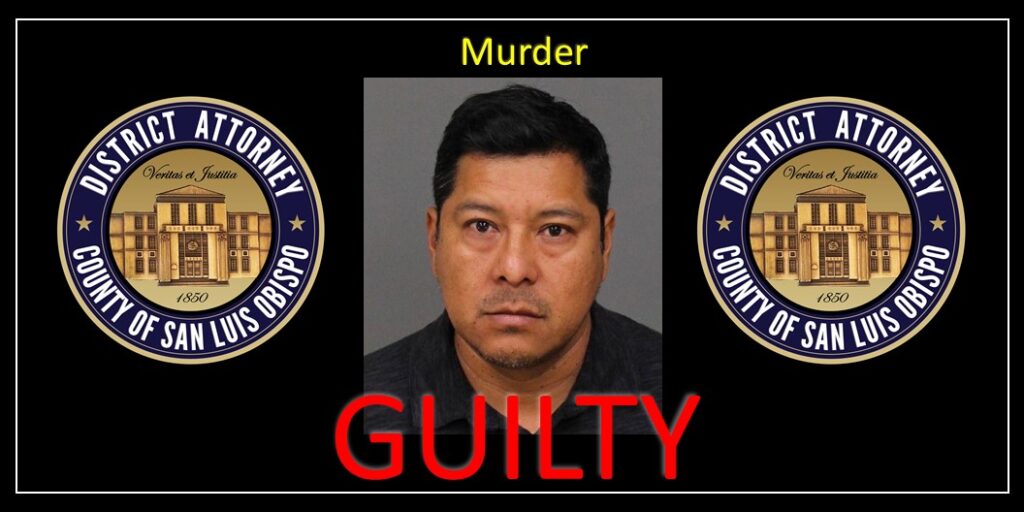
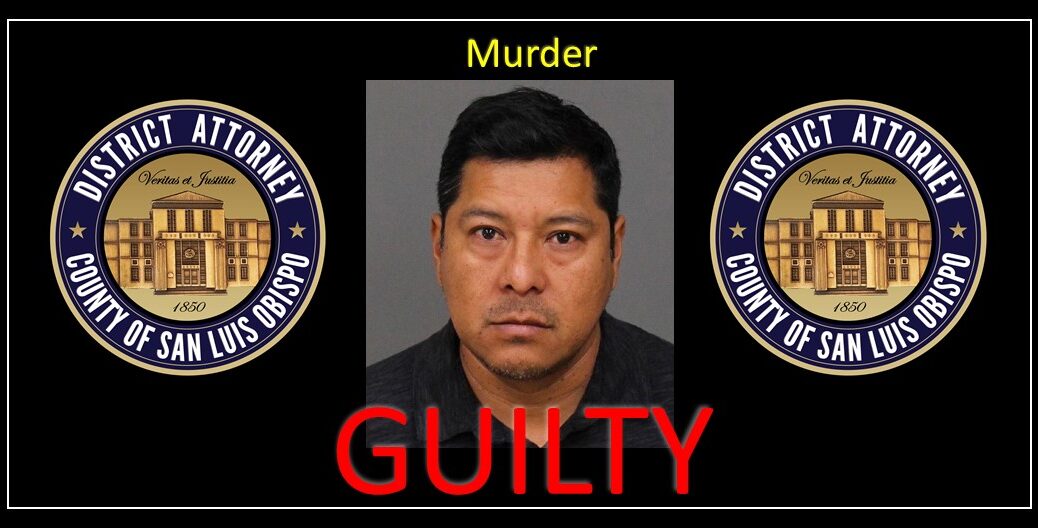
Carlo Alberto Fuentes Flores convicted of Nancy Woodrum murder Paso Robles California
Carlo Alberto Fuentes Flores, years younger than Nancy Woodrum, rapes and murders her. He worked as a painter in her home, hiding in plain sight before authorities caught him.

The murder of Nancy Woodrum occurred in 2018 in Paso Robles, California. The 62-year-old woman disappeared from her home before investigators discovered evidence of foul play.

Police questioned Nancy Woodrum’s son, who had sent her a text message the day before. He and Nancy reportedly had an estranged relationship, which made him a person of interest. After review, investigators cleared him as a suspect.

After months of investigation, authorities name Carlo Alberto Fuentes Flores as the suspect. He confesses to raping and murdering Nancy Woodrum and leads investigators to her remains in a rural area of San Luis Obispo County. Fuentes Flores is years younger than Nancy, adding another shocking layer to the case.

Flores worked as a painter on Woodrum’s home. He believed Nancy was flirting with him after she gave him a tamale. This personal resentment became a key motive in the murder.

Latest Updates in the Nancy Guthrie Case

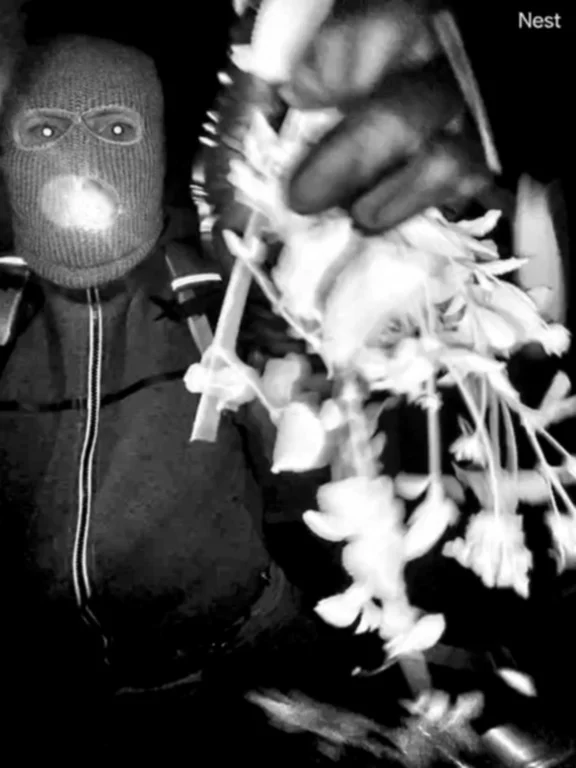
Investigators review new surveillance images from cameras around Nancy Guthrie’s home. The footage shows people near the property in the days before she disappeared, and authorities are looking into anyone captured on camera as potential leads. So far, the images do not show masks or overt suspicious behavior, but they highlight individuals who may have been familiar with the area or with Nancy herself.

This situation echoes the Nancy Woodrum case, where the killer worked inside Woodrum’s home as a painter and was close to the victim, giving him access that investigators initially overlooked. In Guthrie’s case, the focus remains on outsiders captured near her home, while Woodrum’s murder shows how danger can come from someone the victim knows.

In the Guthrie case, investigators have reportedly been analyzing potential DNA evidence that could take months to process. 

Meanwhile, the Woodrum case shows how persistent investigative work can eventually lead to a confession and closure for families.


Recommended True Crime Books (Amazon)

If you’re interested in learning more about criminal investigations and real cases, these books provide deep insight into how detectives solve crimes.

Mindhunter

  • Inside the FBI’s elite serial crime unit
  • Explains criminal profiling techniques used in major investigations

Amazon Link:https://amzn.to/4rz1bWO

The Anatomy of Motive

  • How investigators understand criminal behavior and patterns

Amazon Link:https://amzn.to/4rz1bWO

I’ll Be Gone in the Dark

  • One of the most famous modern true-crime investigations

Amazon Link:https://amzn.to/3Pd2NZ5

Final Thoughts

The comparison between the Nancy Guthrie disappearance and the Nancy Woodrum murder case highlights the uncertainty that often surrounds missing-person investigations.

Some cases remain mysteries for years — while others eventually reveal the truth through evidence, persistence, and sometimes confession.

For families and communities, the hope remains the same: answers, accountability, and justice.

For more in-depth true crime stories and investigations, click here to read another story that’s long overdue.

As an Amazon Associate I earn from qualifying purchases