Real people, real moments, and meaningful events captured on video. This category features weddings, personal stories, celebrations, and custom films created for those who want their story told beautifully.
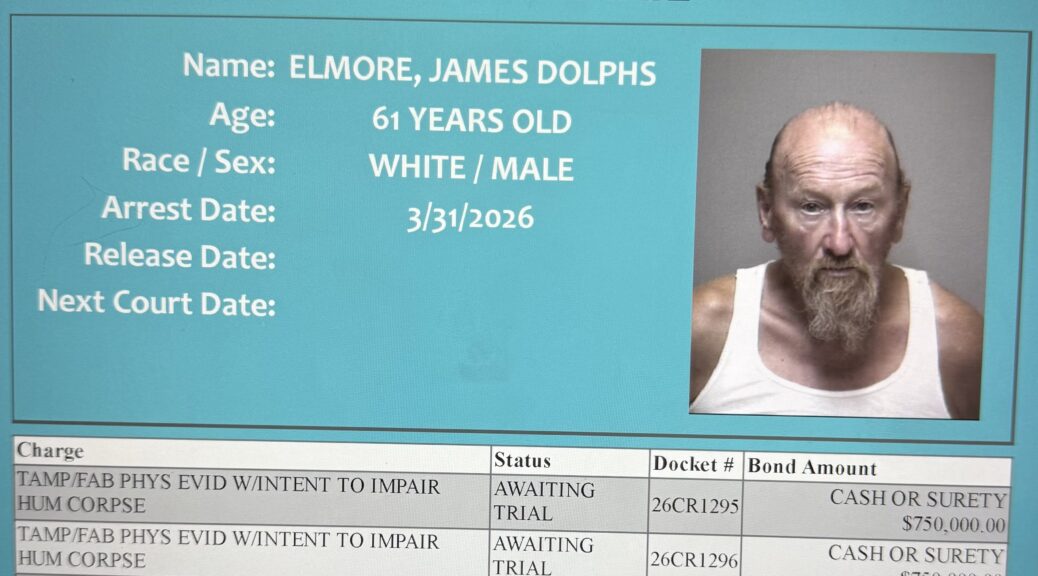
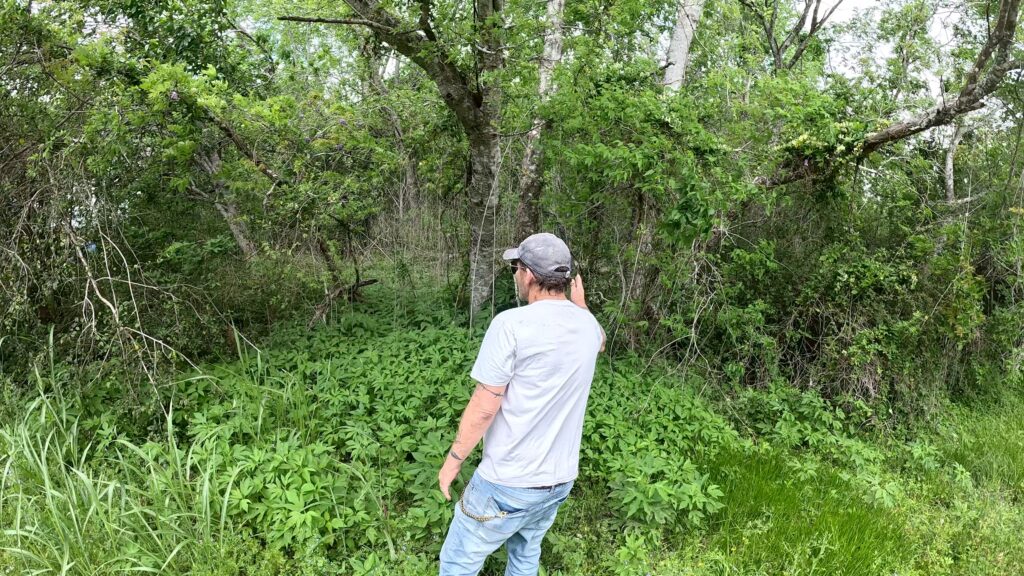
For decades, the Texas Killing Fields have stood as one of the country’s most haunting crime scenes. Along Calder Road, multiple young women were murdered—leaving families still searching for answers.
Now, the case is taking a new turn.
Investigators say more arrests could be coming. They also warn additional victims may be connected.
For the first time, a man is speaking out. He says he survived a disturbing encounter as a child—one that closely mirrors what investigators believe happened to a known victim.
Years ago, I had the chance to sit down with legendary helicopter reporter Jerry Foster.
Over the years, Foster became known for his fearless reporting style and his love of aviation.
In fact, long before drones and modern traffic systems, helicopter reporters like Foster were pioneers in the sky.
This rare interview captures his personality, humor, and reflections on a career that helped define an era of broadcast aviation journalism.
This interview is especially meaningful today because Jerry Foster has since passed away, making these recorded conversations even more valuable. They preserve the voice and perspective of someone who truly lived life on his own terms.
In addition to his broadcasting career, Foster also wrote about his life in the book Earthbound Misfit.
In the memoir, he shares stories from his aviation adventures and his unconventional career path.
As a result, readers get a rare look into the world of early helicopter journalism.
Life as a Helicopter Reporter
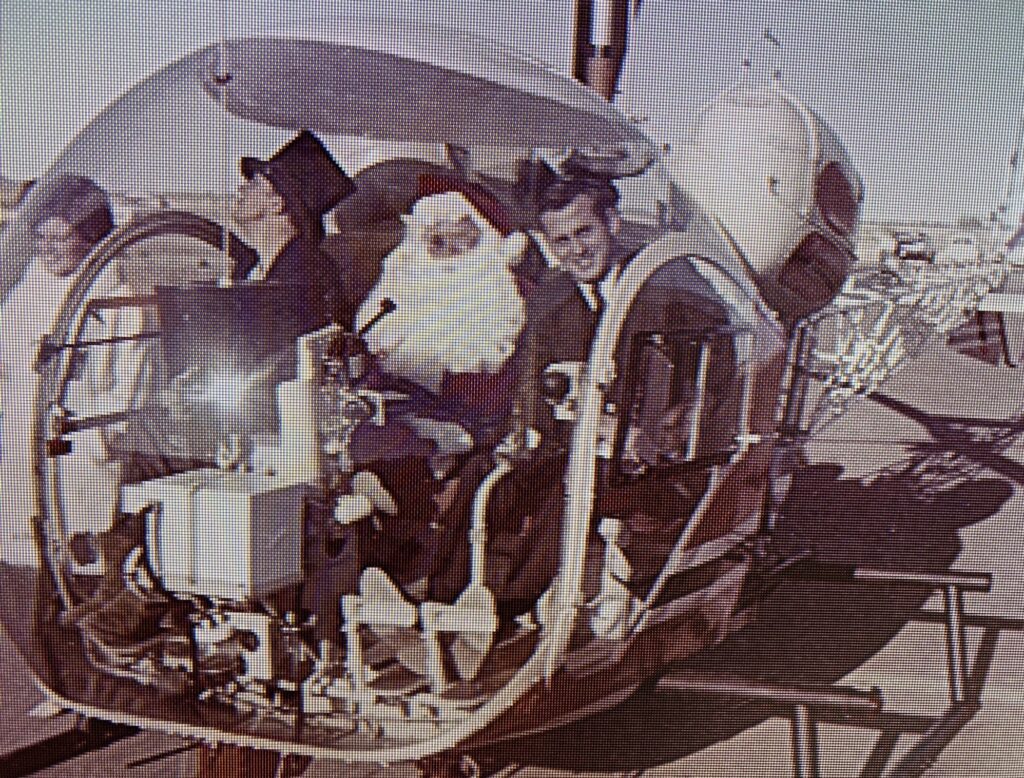
Helicopter reporter Jerry Foster shares a cockpit moment with Santa during a memorable holiday flight.
Being a helicopter reporter is not just about talking on camera. Instead, it requires strong situational awareness, and aviation discipline.
For example, pilots must constantly monitor weather, airspace, and traffic conditions while reporting live.
Jerry Foster was part of a generation that helped pioneer the role.
Today’s helicopter reporters still rely on many of the same fundamentals Foster practiced — professionalism, aviation discipline, and respect for safety.
Essential Pilot Safety Gear
Anyone involved in aviation understands the importance of proper gear and safety equipment. Whether you’re a professional pilot, helicopter reporter, or aviation enthusiast, the right equipment matters.
Meanwhile, aviation reporting continues to evolve with new technology and aerial tools.
Remembering an Aviation Original
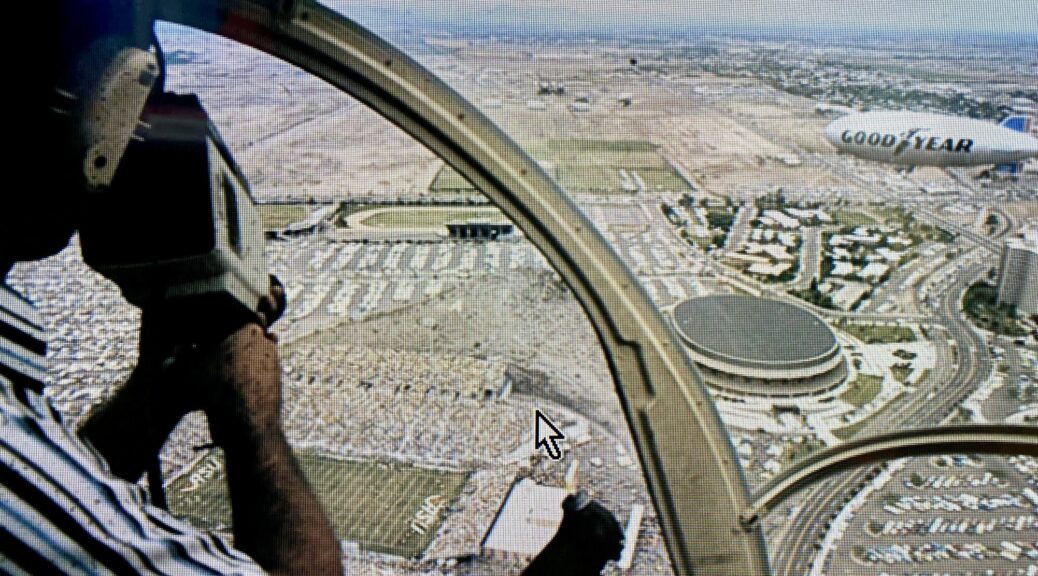
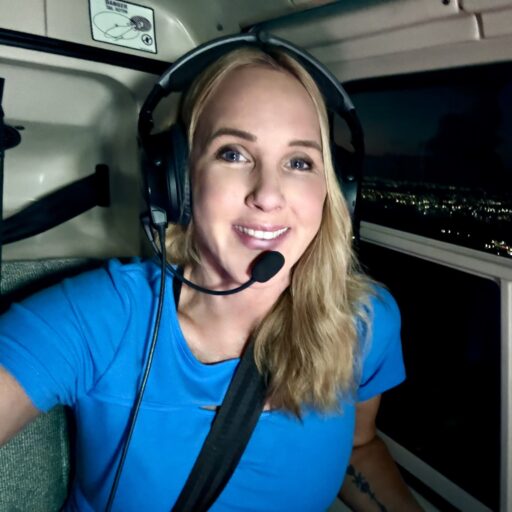
Capturing the world from above-a pilot’s eye view through the lens of a handheld camera in the cockpit.
Jerry Foster’s career represents a time when aviation reporting required equal parts courage, skill, and personality.
Helicopter reporters like Foster didn’t just deliver traffic updates — they became trusted voices for the cities they served. They helped viewers understand what was happening from a perspective only the sky could provide.
This rare interview offers a glimpse into that world and preserves the voice of someone who truly lived an unconventional life.
If you enjoy aviation stories, behind-the-scenes broadcast history, and real pilot experiences, Jerry Foster’s story — and his book Earthbound Misfit — are well worth exploring.
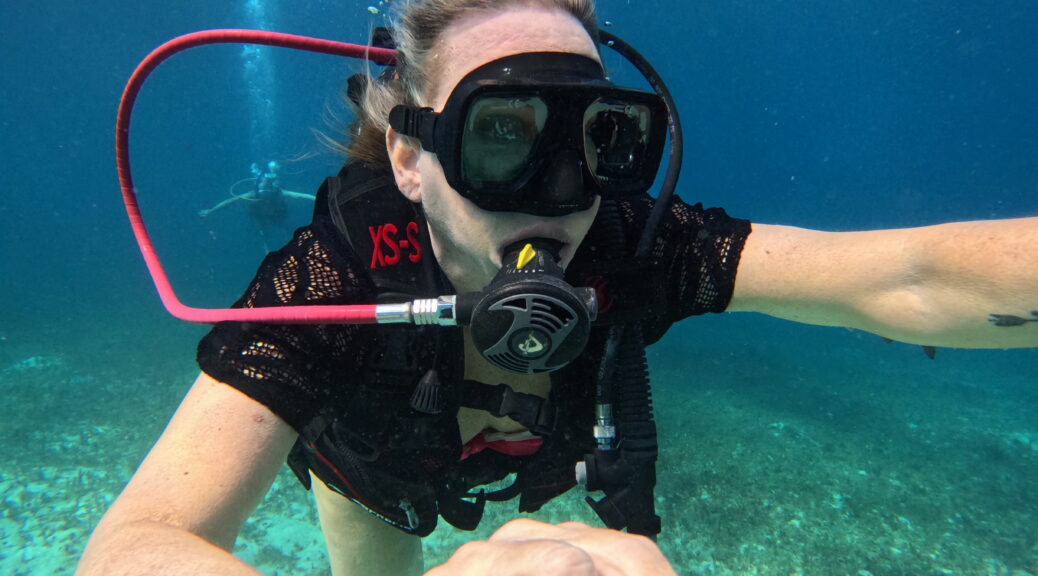
Exploring the colorful underwater world of Cozumel on my first scuba dive at Chankanaab Beach.
If you’ve ever dreamed of diving into crystal-clear waters surrounded by vibrant marine life, Cozumel is the place to make it happen. Thanks to our travel agent, Kathy Chrappa Dream Vacations, we discovered an excursion that truly knocked it out of the park: scuba diving at Chankanaab Beach Adventure Park for under $80! Whether it’s your very first dive or you’ve been exploring the depths for years, this experience is absolutely not to be missed.
I captured this entire dive using my GoPro underwater camera, and it was worth every penny for the footage.
First-Time Divers Welcome
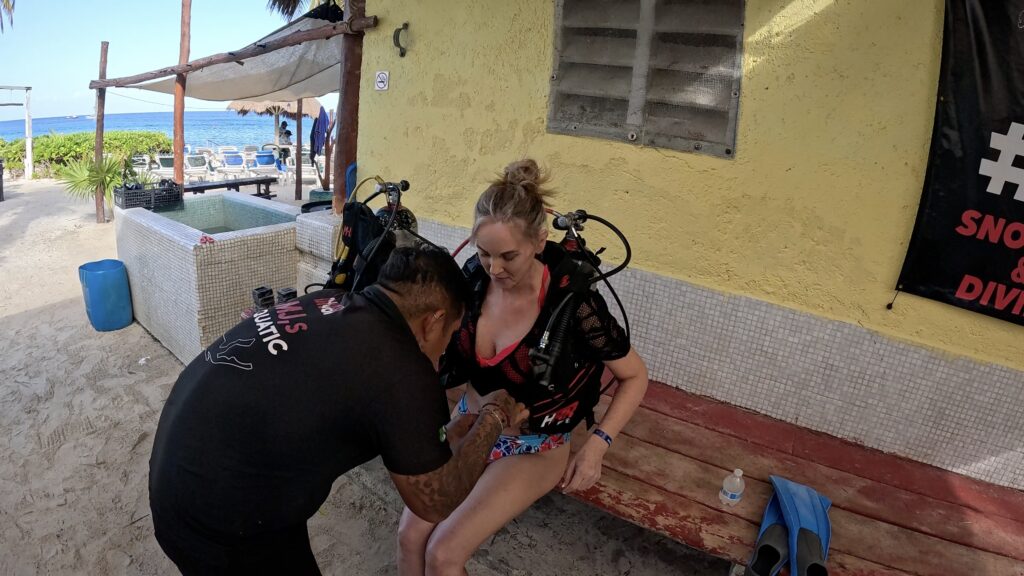
Getting ready for the dive! Our instructor made sure everything fit perfectly before heading into the water.
I had never dived before, but our instructor was amazing—patient, supportive, and right there with me the whole time. From the moment we got our gear on to our descent into the turquoise waters, I felt safe and encouraged. My pictures and video show the excitement leading up to the dive and the calm, careful instruction that made everything seamless.
Underwater Wonders
We always bring our own snorkeling masksand goggleswhen we travel. Having gear we trust makes a huge difference in comfort and visibility.
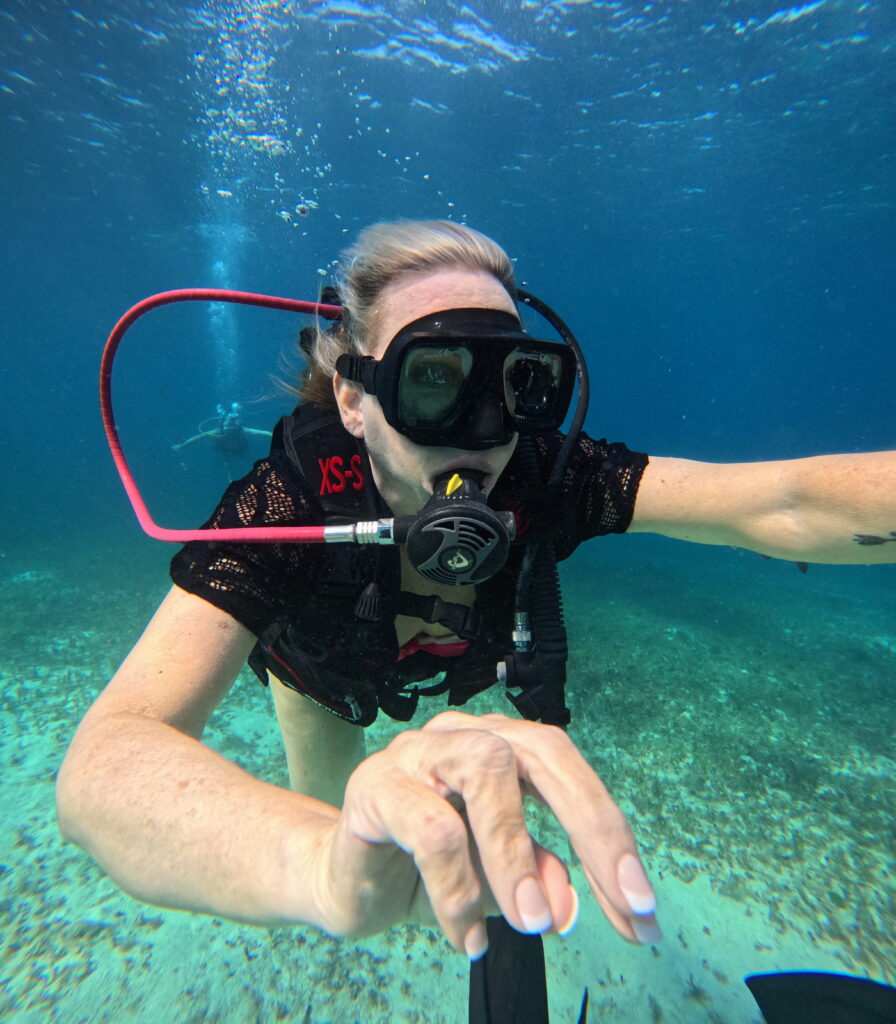
Once underwater, it was like entering another world. We swam alongside schools of colorful fish, curious barracudas, starfish clinging to coral, and even spotted a few stingrays gliding gracefully across the sandy bottom. Every photo and video I captured showcases the incredible variety and beauty of Cozumel’s underwater life—it was like snorkeling through a living aquarium!
More Than Just Diving
As an Amazon Associate I earn from qualifying purchases
After the dive, we had the chance to relax and explore Chankanaab’s beach area. There was plenty to do: enjoy the sun, grab a bite, or watch the entertaining sea lion show.
Pro Tips for First-Time Divers
• Book Through a Trusted Travel Agent: Kathy Chrappa Dream Vacations made the whole process easy. Call (832) 703-2432 to learn more.
Crystal-clear blue water. Limestone walls. Sunlight pouring through the opening above. The kind of place that makes you forget everything else and just jump.
So I did.
And five days later, I was in the emergency room.
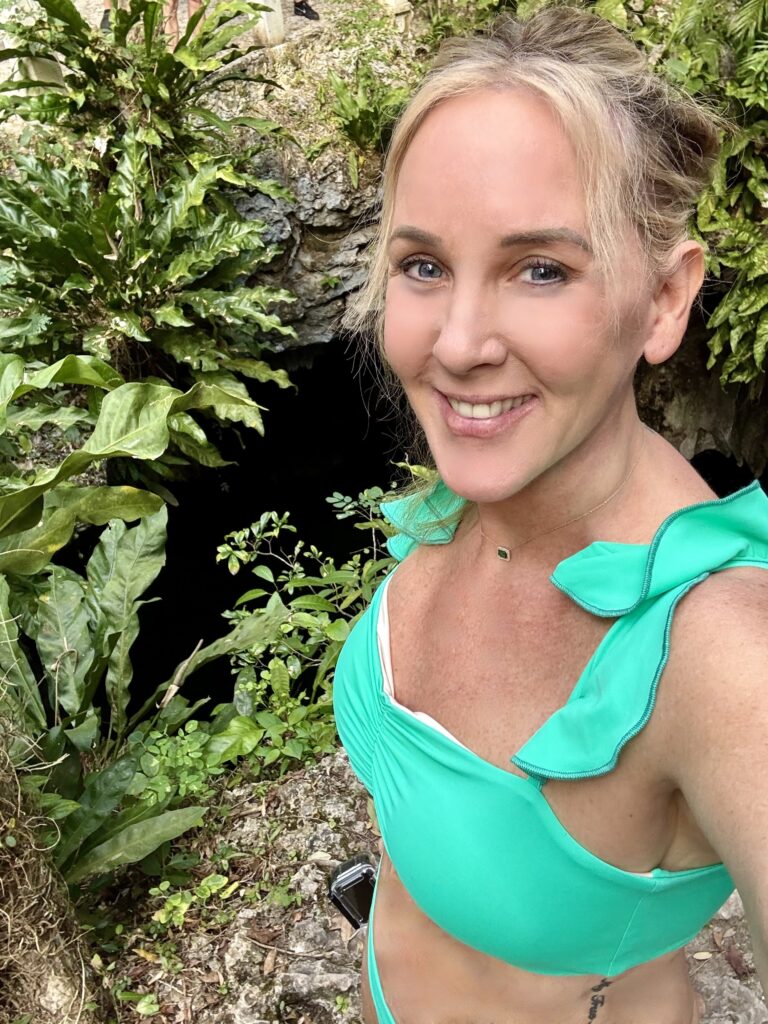
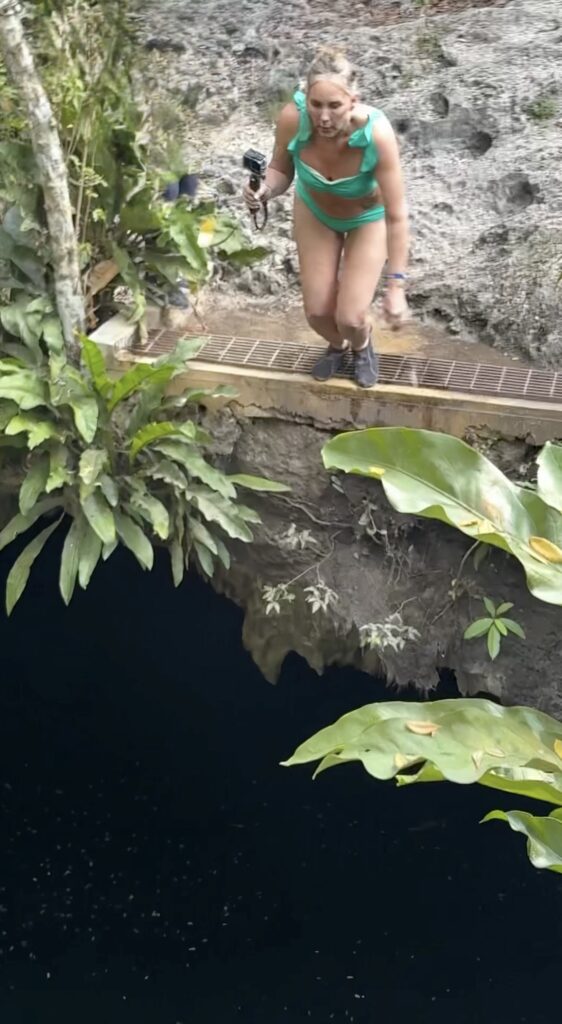
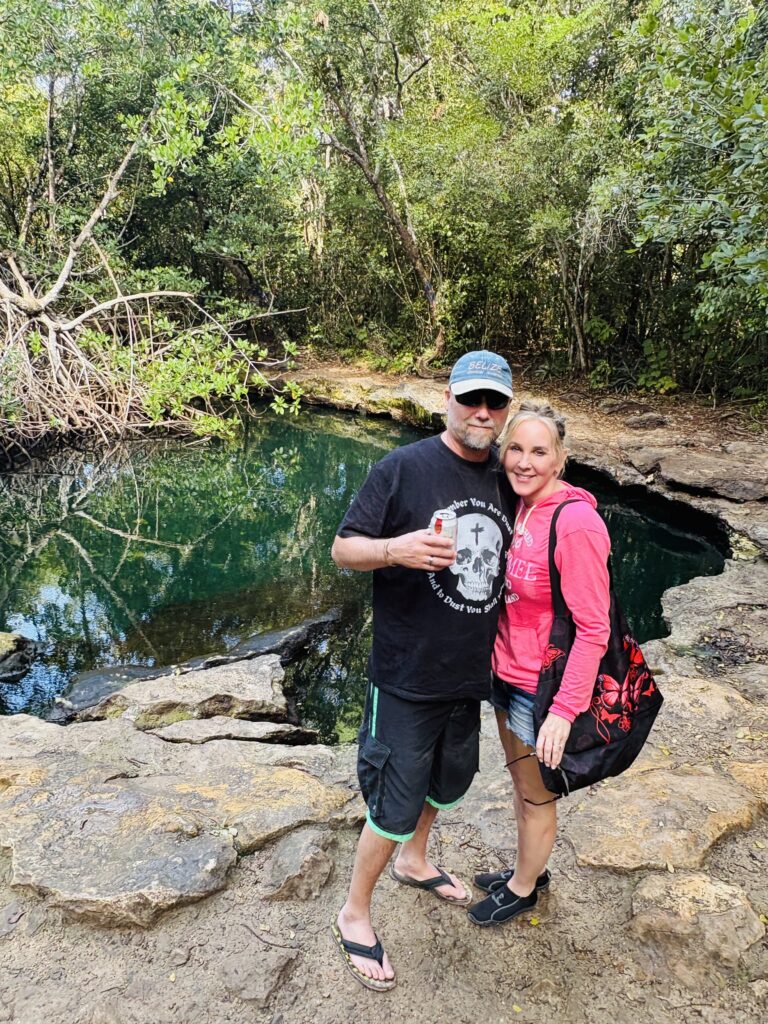
Moments before jumping 20 feet into a cenote in Cozumel, Mexico.
The Excursion That Looked Too Good to Pass Up
Before traveling to Cozumel, I booked an excursion that included a 20-foot jump into a cenote. The photos looked incredible — travelers suspended mid-air over glowing blue water, smiling like they were in a travel magazine.
I had never done a jump like that before, but it felt like a once-in-a-lifetime experience.
There was no real warning. No talk about risks. Just climb up, step forward, and jump.
So I went for it.
I’m so glad I was wearing my GoPro during the cenote jump because it captured the entire moment-even though I had no idea at the time it would later send me to the ER. Watching it back now is unbelievable.
Before you jump, watch this: my real cenote experience and why I got sick.
The Jump
The second I hit the water, everything changed.
Instead of a smooth landing, I swallowed a large amount of water.
It went down my throat, into my nose — everywhere.
I came up coughing, but everyone around me was laughing, smiling, and swimming like nothing happened.
I brushed it off.
I wish I hadn’t. Click video below to see the jump.
As an Amazon Associate I earn from qualifying purchases
The Symptoms Didn’t Hit Right Away
At first, I felt mostly fine.
But over the next few days, things started to change.
It started with nausea.
Then fatigue.
Then I just felt… off.
Each day, it got worse.
I couldn’t understand how jumping into beautiful, clear water could make me feel this sick.
I‘m so glad I was wearing my GoPro during the cenote jump because it captured the entire moment-even though I had no idea at the time it would later send me to the ER. Watching it back now is unbelievable.
Five Days Later, I Ended Up in the ER
By day five, I was throwing up blood.
My husband rushed me to the hospital.
Tests showed I had picked up bacteria.
I was given medication and treatment, and thankfully, I’m now recovering.
But it was scary.
Because it all started with something that looked completely harmless.
This is when I knew something was seriously wrong-five days after swallowing cenote water, I ended up in the ER.
What Many Tourists Don’t Realize About Cenotes
Cenotes are natural sinkholes.
They are not chlorinated pools.
They contain natural water — and sometimes bacteria and parasites.
Even when they look clean, they can still make you sick if you inhale or swallow the water.
Most people are fine.
But not everyone.
And I wasn’t.
According to travel health experts, natural bodies of water can contain bacteria that may cause illness if swallowed. Click here to learn more from the CDC.
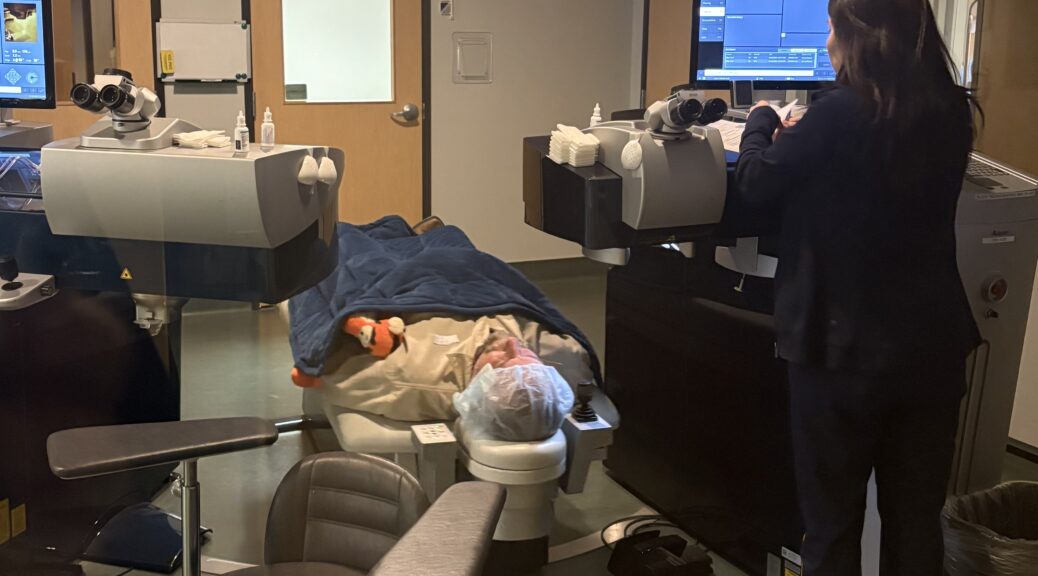
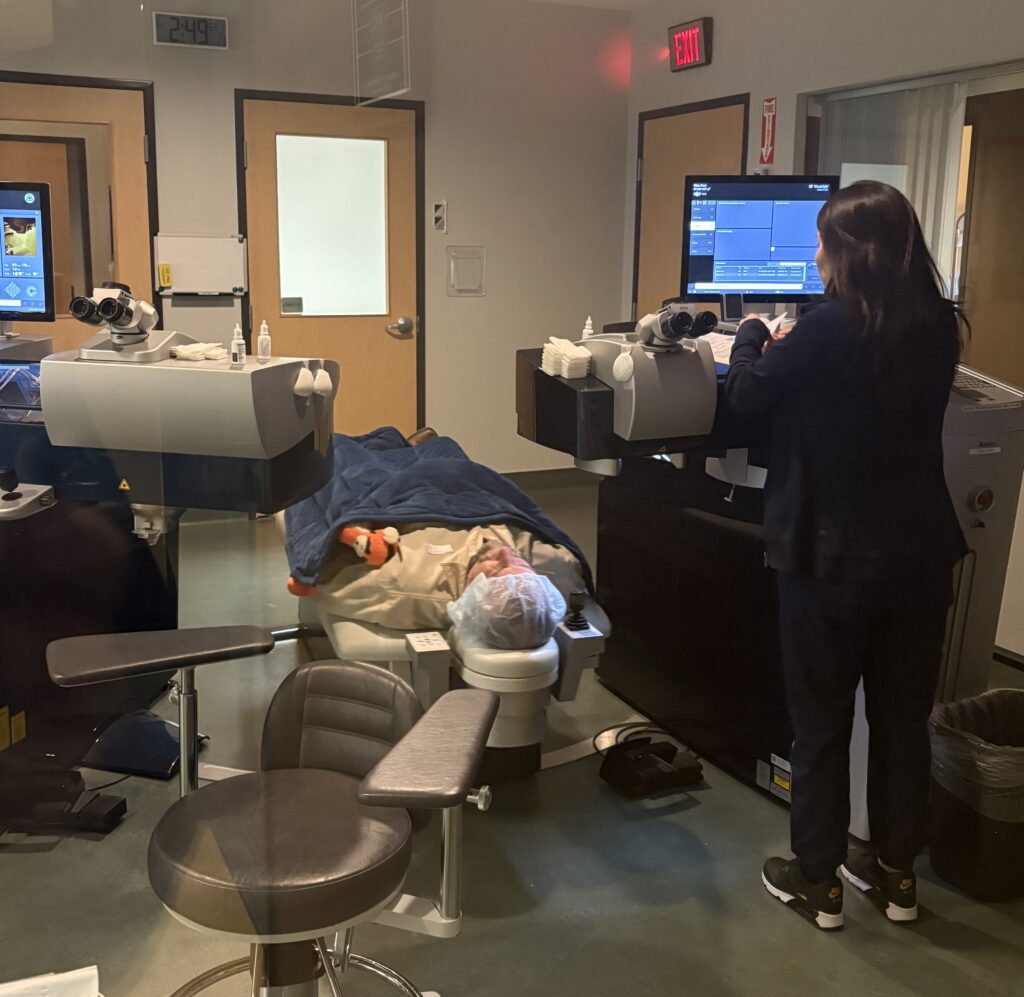
Watching someone you love have eye surgery is not for the faint of heart — but today, my husband officially took the leap and had LASIK. After years of glasses and contacts, he decided it was time to wake up and see clearly without reaching for lenses first thing in the morning. From the nerves before the procedure to what the surgery actually looked like and how he felt afterward, here’s what the LASIK experience was really like from our side.
Watching part of the procedure up close was surreal. I decided to share a portion of the LASIK surgery so you can see what the process actually looks like in real time — something most people are curious about but rarely get to witness. The video below shows a brief moment during the procedure as the laser works to reshape the cornea, which is how vision is corrected. It’s quick, highly precise, and over before you know it, but seeing it happen brings a whole new appreciation for the technology behind modern vision correction.
Viewer note: This is a real medical procedure, so if you’re sensitive to eye-related content, you may want to skip the video.
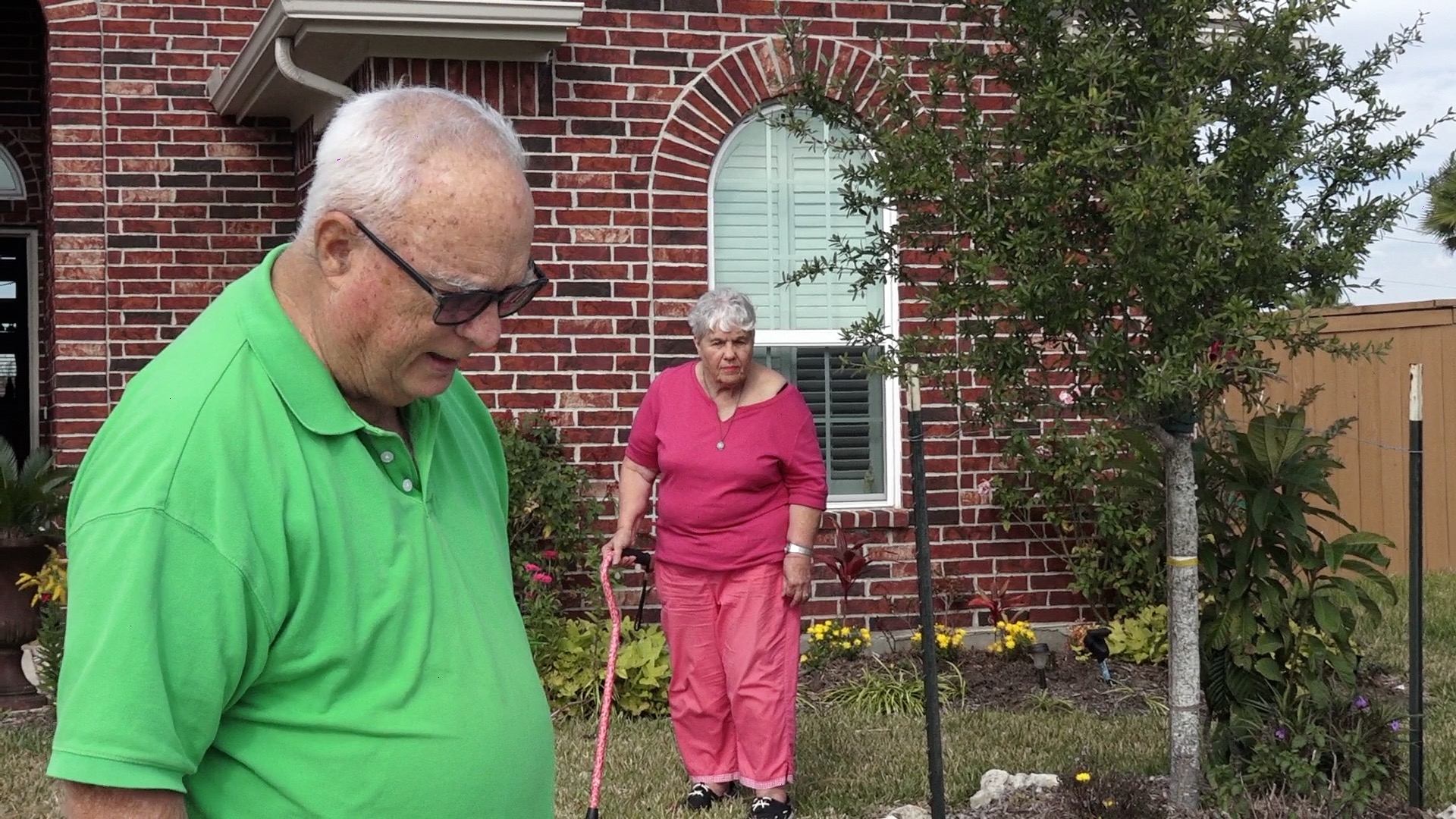
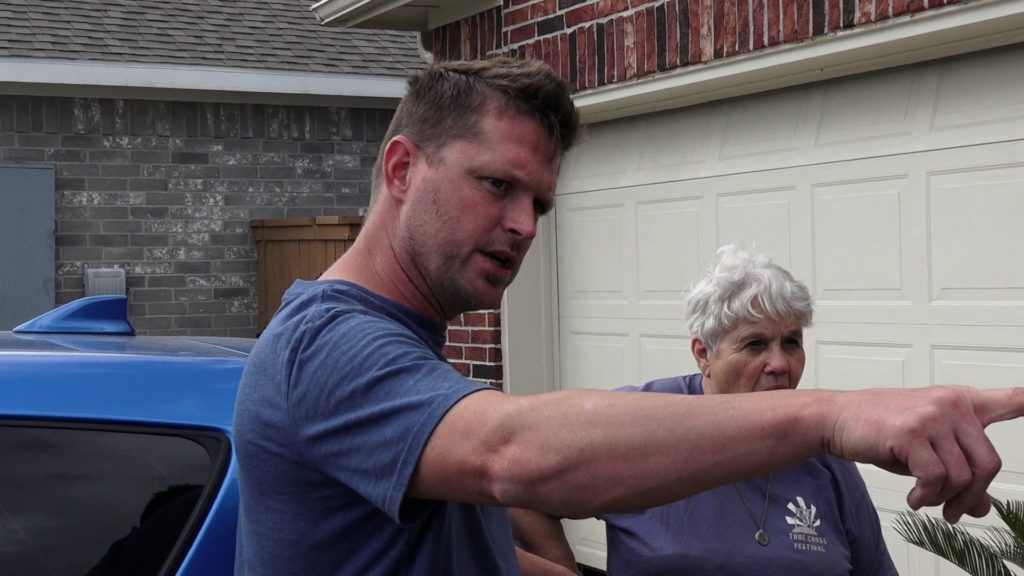
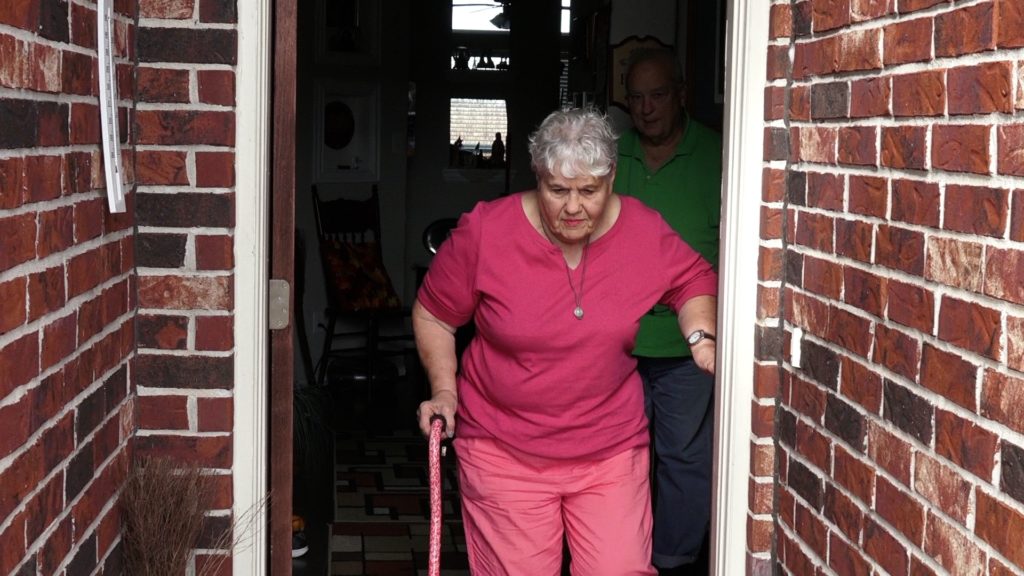
In 2019, Klaas and Dorothy Tadema, a retired math teacher and former nurse in Dickinson, Texas, faced a $100,000 HOA lien over their flower beds. I reported on their case, which quickly gained national attention and ultimately forced the HOA to drop the lien.
Since then, we learned that Dorothy “Dotty” Tadema, the homeowner at the heart of this story, passed away on June 13, 2021, at age 77. She is remembered by her family and community for her faith, kindness, and service. Her obituary can be viewed here: Crowder Funeral Home obituary.
This update honors her memory and adds new context to a story that resonated with readers nationwide.
Elderly Couple HOA Lien Over Flower Beds Sparks National Outrage
Following widespread media coverage and public pressure, the HOA released the lien, allowing the couple to sell their home and move forward with their lives. But months later, tragedy struck when Dorothy passed away after ongoing health complications.
This is the full story — and the update few people know.
National Attention Forces the HOA to Back Down
Update: Despite dozens of landscapers offering to help elderly couple following a $100,000 lawsuit filed by Land Tejas over flower beds, the property developer refuses to back down.
After weathering many storms over their 52 years of marriage including losing a home during Hurricane Harvey, Klaas & Dorothy Tadema never imagined flower beds could force them to potentially lose everything again including their health. Click on link below to view full story.
This story is long overdue. I am speaking publicly because I was a key witness in the Juan Martinez disciplinary hearing. My decision to come forward helped expose misconduct that ultimately ended his career as a prosecutor.
How I Discovered the Misconduct
Journalist Tammy Rose
Covering the Jodi Arias Sentencing Retrial
I was covering the Jodi Arias case when I noticed troubling behavior by then‑prosecutor Juan Martinez. It crossed ethical lines.
One of the most disturbing revelations was the leak of Juror 17’s identity to the public. The information did not come from the court; it came from within the prosecution itself, passed via a media intermediary.
When a juror’s identity becomes public, it puts them at serious risk. In this case, that juror later received threats to their safety.
That moment marked a turning point for me. What began as reporting became a matter of public responsibility. I realized I needed to document and report what I had uncovered.
I provided investigators with records and testimony about how the leak happened, knowing it could affect my career and reputation. Still, I chose to act ethically and tell the truth.
The investigation confirmed that protected information had been improperly shared and that this conduct was part of a broader pattern of ethical violations.
My Role in the Disciplinary Hearing
I gave testimony and submitted evidence detailing the leaks and unethical conduct. My goal was never to attack individuals unnecessarily, but to ensure accountability and integrity in the justice system.
I acted independently and ethically, aware that speaking out could impact my professional life. But truth and public safety were my priority.
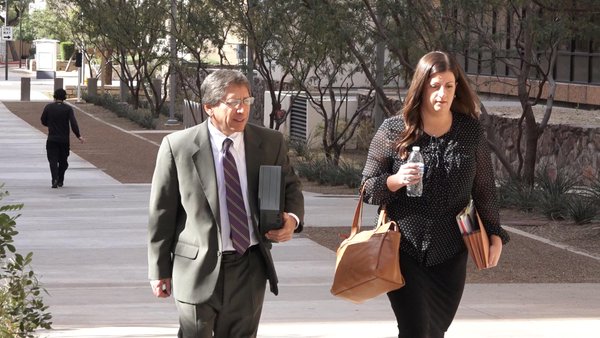
Journalist Tammy Rose traveling to court for the Jodi Arias resentencing trial, connected to the Juan Martinez disciplinary hearing
What Happened After the Investigation
After reviewing the evidence, the investigation confirmed a pattern of ethical violations, including:
• Improper communications with media members
• Leaks of protected juror information
• Conduct prejudicial to justice
As a result, Juan Martinez was terminated and later disbarred. His ability to practice law was permanently revoked.
Why This Story Still Matters
Prosecutors hold immense power. When that power is abused, the entire justice system is at risk. I came forward because journalists are not above the law — and neither are prosecutors.
This story reminds us that accountability matters.
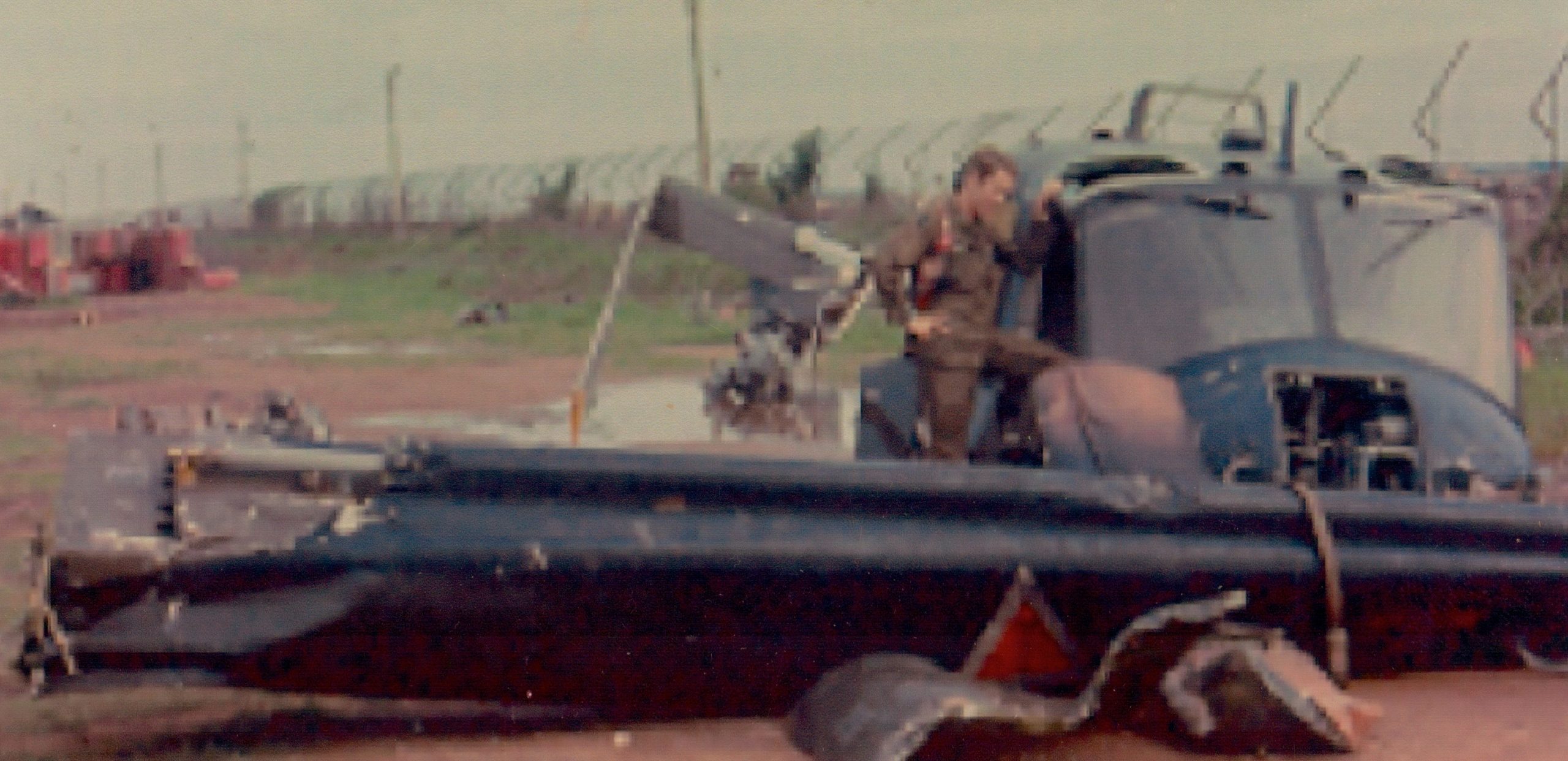
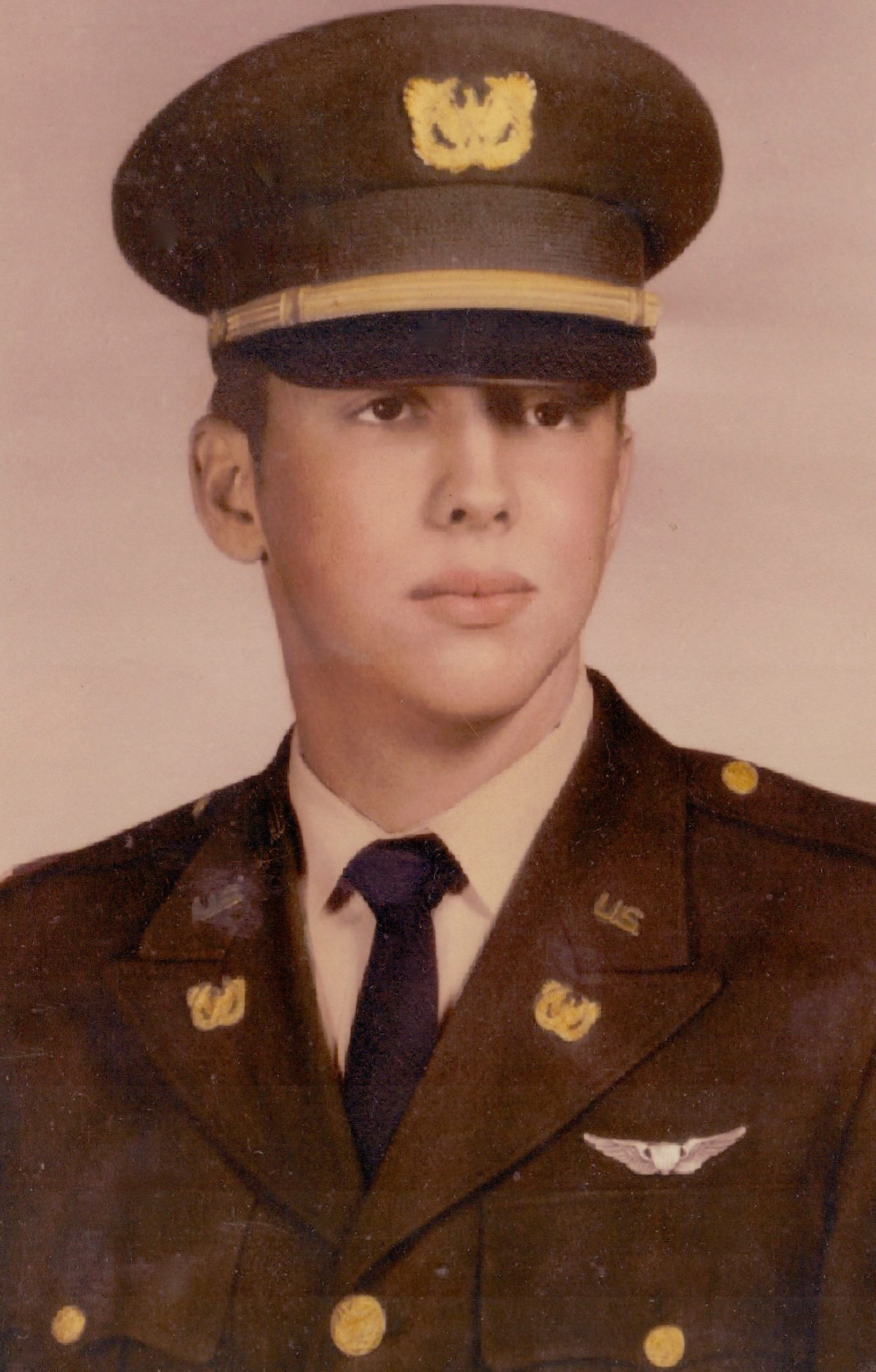
Vietnam War helicopter pilot Kim Page flew some of the most dangerous combat missions of the war. He survived multiple helicopter crashes while saving countless lives. As a senior warrant officer, Kim Page faced enemy fire, mechanical failures, and impossible odds in active war zones across Southeast Asia. His story is one of courage, resilience, and service under fire.
🎥 Watch: The Extraordinary Life of Vietnam War Helicopter Pilot Kim Page
This documentary was written, filmed, produced, and edited by me, Tammy Rose. As a longtime helicopter reporter, I have covered countless aviation stories — but Kim Page’s journey stands among the most extraordinary I have ever documented. Watch below to experience his remarkable true story of courage, survival, and service.
Watch More Stories from Life on Film
If Kim Page’s story inspired you, explore more incredible journeys captured on film. From extraordinary aviation adventures to life-changing personal stories, check out other Life on Film stories here.
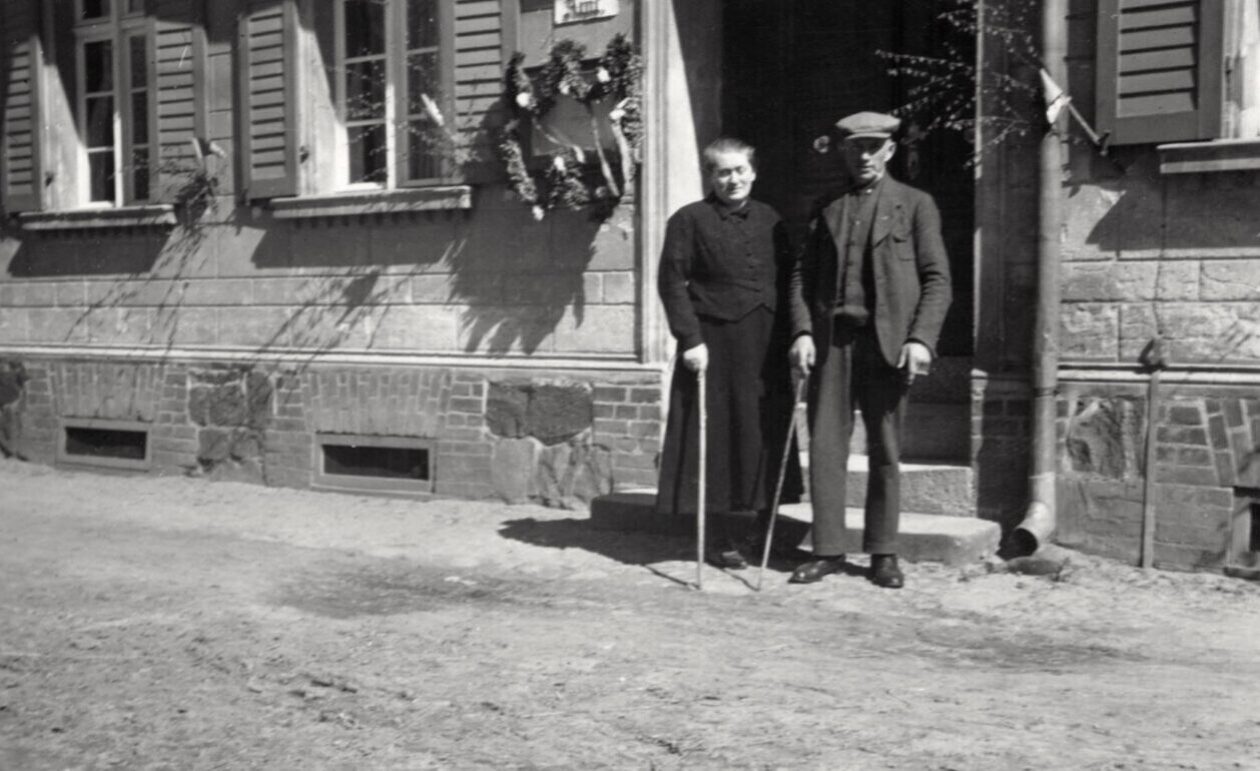
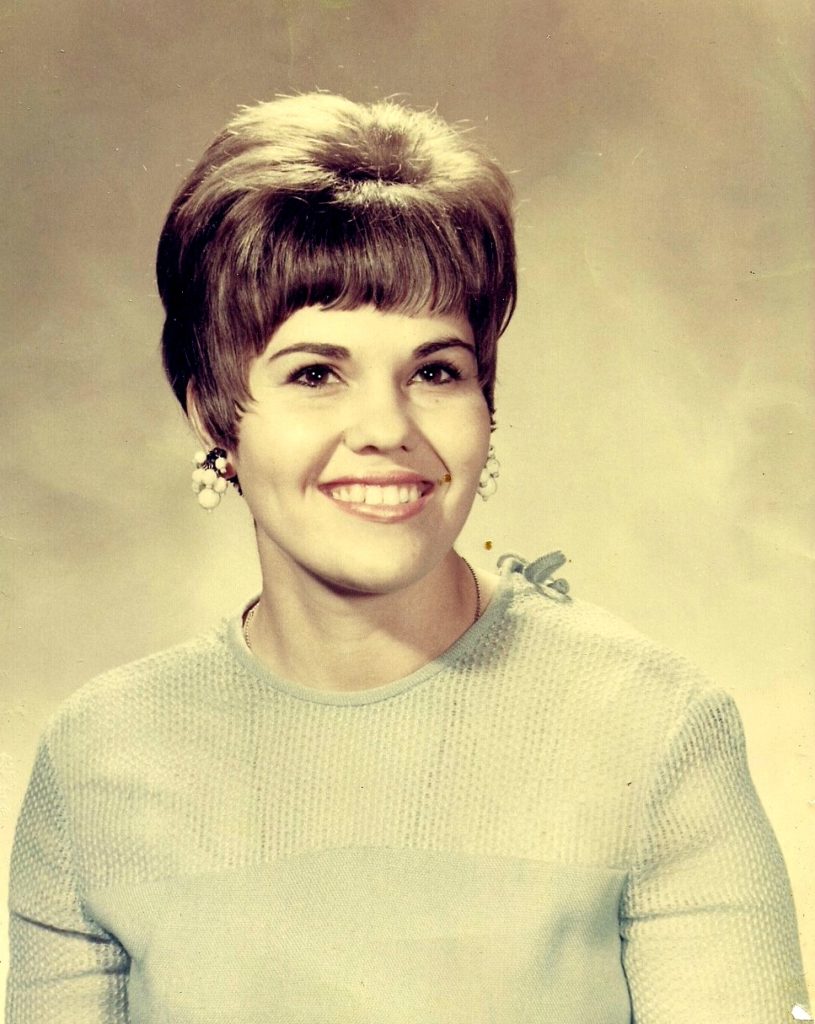
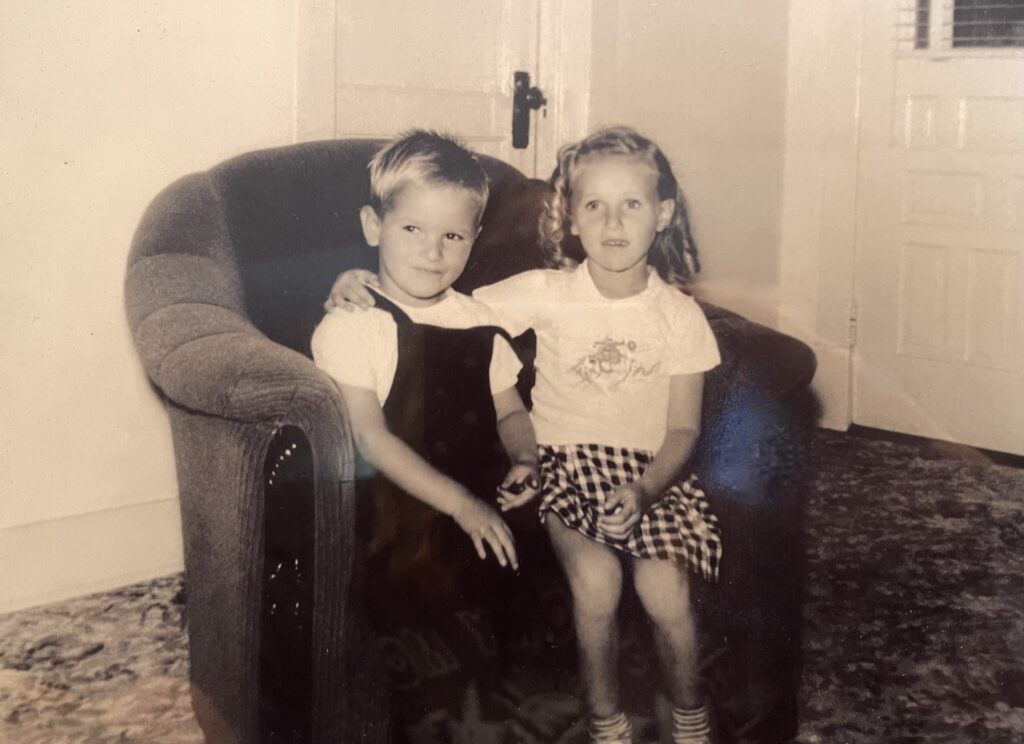
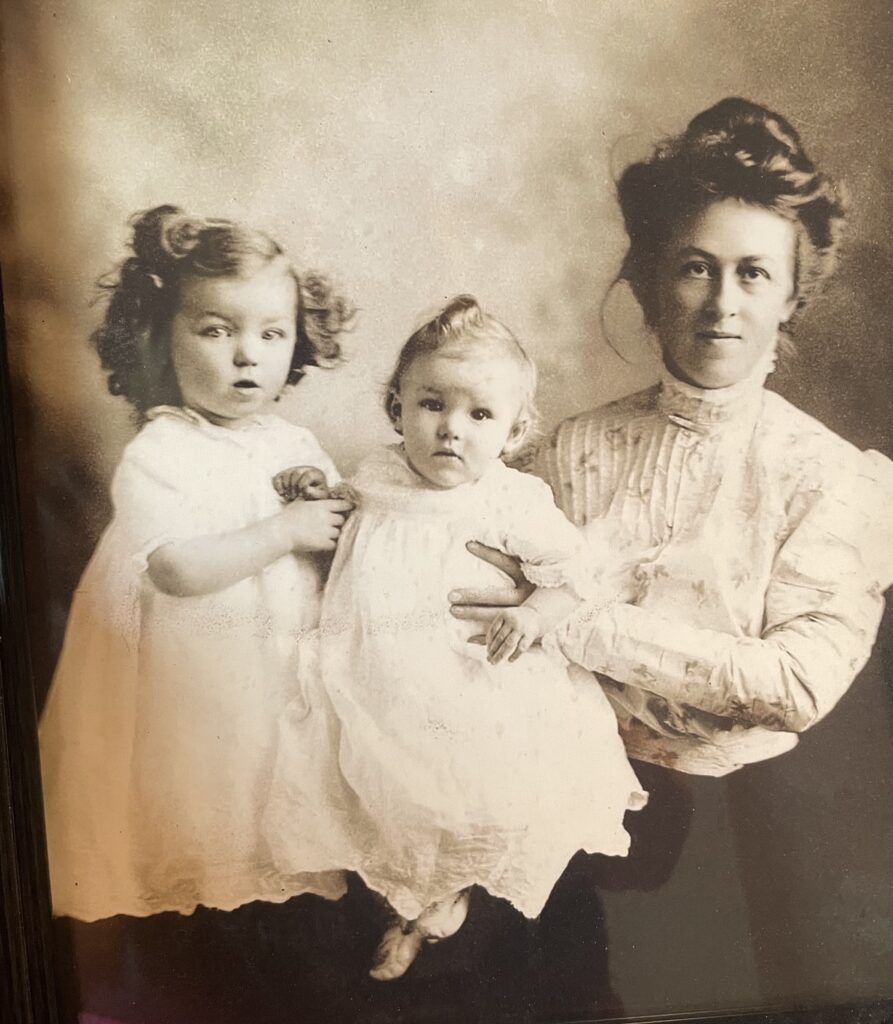
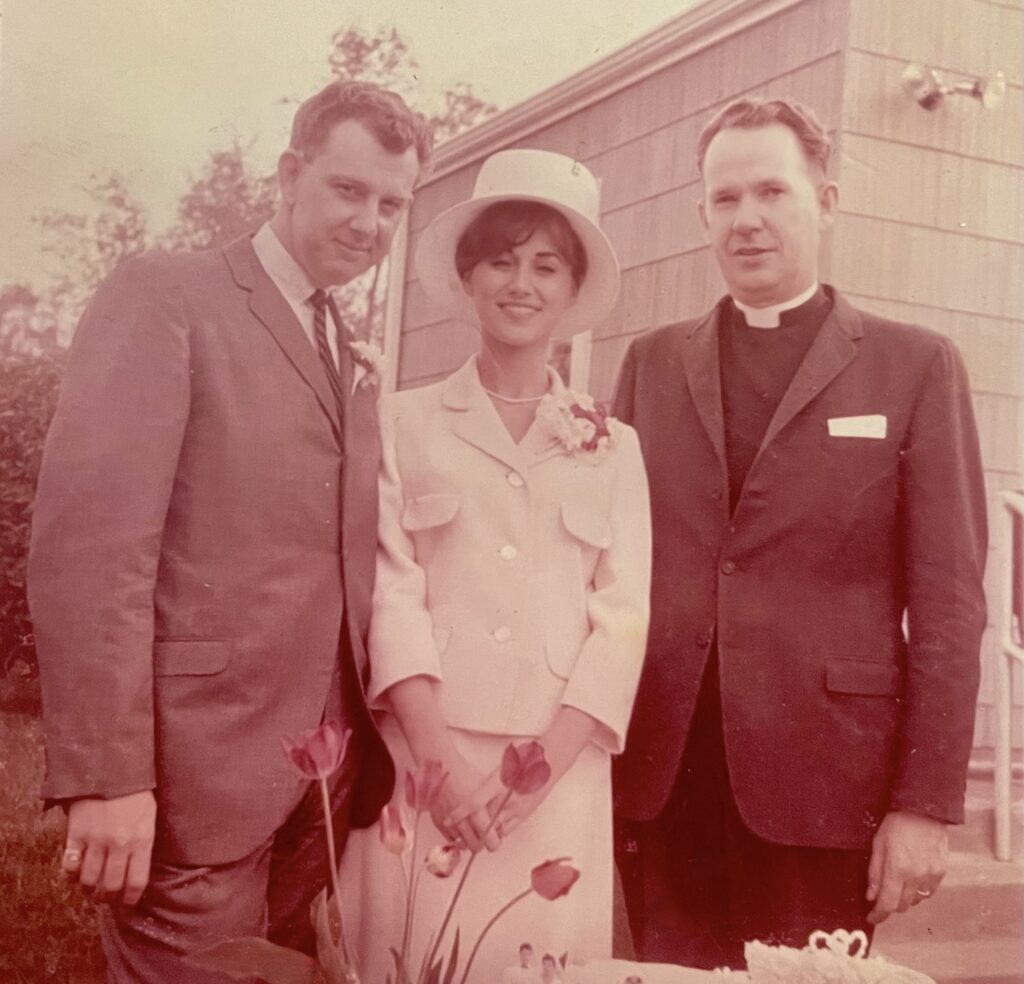
Jordis Edith Abfalter Wren’s began her working life as a telephone operator before becoming a high-fashion model and later a Houston banker. This film tells the story of Jordis Edith Abfalter Wren through personal history and visual storytelling.
🎬 Watch the video below as this story comes to life through photographs and memories.
Jordis Edith Abfalter Wren’s life reflects a time when opportunity often required adaptability and persistence. Beginning her career as a telephone operator, she later entered the world of high-fashion modeling, an uncommon path that highlighted her poise and confidence. Eventually, she transitioned into banking, building a professional life in Houston during a period of growth and change.
Those who knew Jordis Edith Abfalter Wren remember her for more than her varied career. She was known for her strength, elegance, and the lasting impression she left on those around her. This film preserves her story, offering a visual record that connects past experiences with present reflection. Her journey stands as a reminder that a life can hold many chapters, each shaping a meaningful legacy.
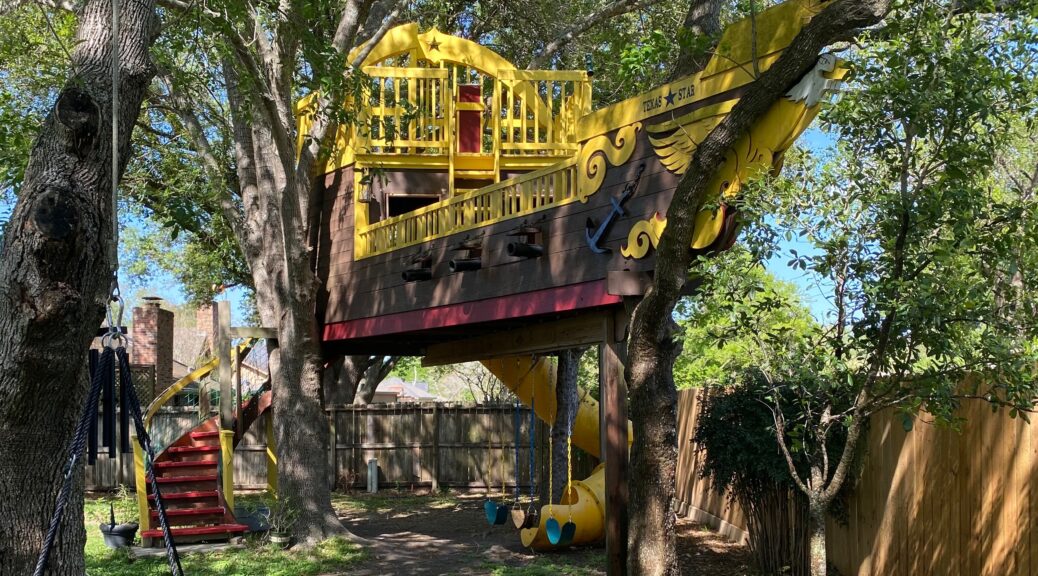
Rocky Waters for the Texas Star Tree Ship follows a Vietnam veteran who spent seven years building a treehouse for his grandchildren. When the county claimed the trees were in an easement, he had to tear it down. The film captures his heartbreak and shows how he faced the challenge with quiet resilience. Click link below to see how this story unfolds.
For seven years, the veteran built the treehouse with care and patience. He crafted each beam and platform himself, ensuring his grandchildren would have a safe and magical place to play. As the project grew, neighbors and friends admired his dedication.
Then the county intervened. They said the trees supporting the treehouse were in an easement for an improvement project. Forced to dismantle it, he faced a deep personal loss. Yet, the film shows his perseverance and love for family. Every detail in the treehouse tells a story, and the veteran’s efforts leave a lasting impression.