Real people, real moments, and meaningful events captured on video. This category features weddings, personal stories, celebrations, and custom films created for those who want their story told beautifully.
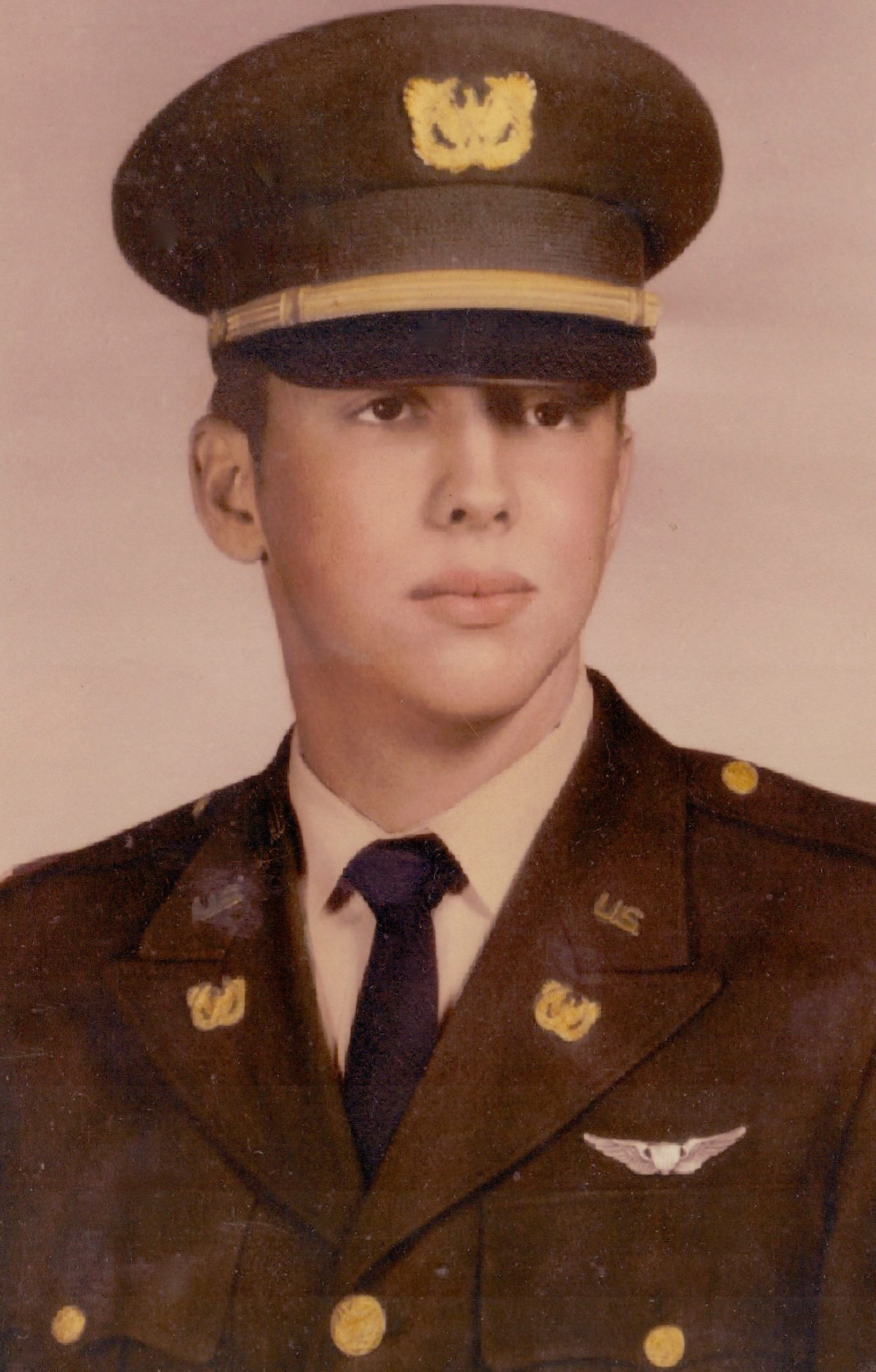
Vietnam War helicopter pilot Kim Page flew some of the most dangerous combat missions of the war. He survived multiple helicopter crashes while saving countless lives. As a senior warrant officer, Kim Page faced enemy fire, mechanical failures, and impossible odds in active war zones across Southeast Asia. His story is one of courage, resilience, and service under fire.
🎥 Watch: The Extraordinary Life of Vietnam War Helicopter Pilot Kim Page
This documentary was written, filmed, produced, and edited by me, Tammy Rose. As a longtime helicopter reporter, I have covered countless aviation stories — but Kim Page’s journey stands among the most extraordinary I have ever documented. Watch below to experience his remarkable true story of courage, survival, and service.
Watch More Stories from Life on Film
If Kim Page’s story inspired you, explore more incredible journeys captured on film. From extraordinary aviation adventures to life-changing personal stories, check out other Life on Film stories here.
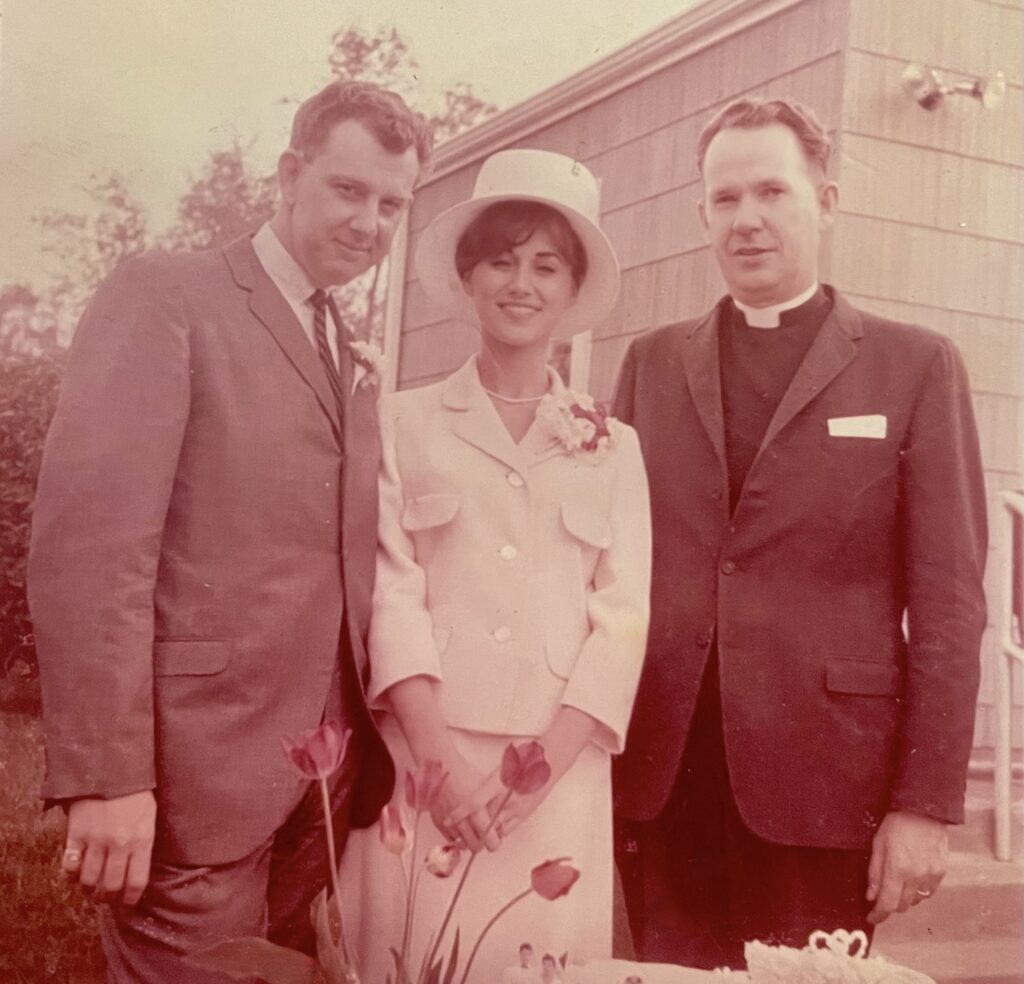
Jordis Edith Abfalter Wren’s began her working life as a telephone operator before becoming a high-fashion model and later a Houston banker. This film tells the story of Jordis Edith Abfalter Wren through personal history and visual storytelling.
🎬 Watch the video below as this story comes to life through photographs and memories.
Jordis Edith Abfalter Wren’s life reflects a time when opportunity often required adaptability and persistence. Beginning her career as a telephone operator, she later entered the world of high-fashion modeling, an uncommon path that highlighted her poise and confidence. Eventually, she transitioned into banking, building a professional life in Houston during a period of growth and change.
Those who knew Jordis Edith Abfalter Wren remember her for more than her varied career. She was known for her strength, elegance, and the lasting impression she left on those around her. This film preserves her story, offering a visual record that connects past experiences with present reflection. Her journey stands as a reminder that a life can hold many chapters, each shaping a meaningful legacy.
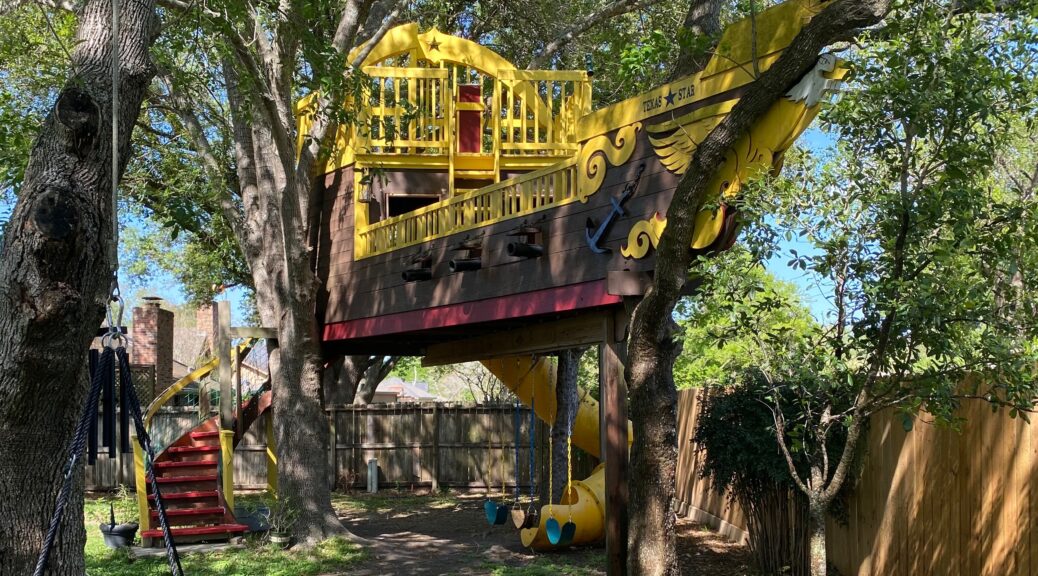
Rocky Waters for the Texas Star Tree Ship follows a Vietnam veteran who spent seven years building a treehouse for his grandchildren. When the county claimed the trees were in an easement, he had to tear it down. The film captures his heartbreak and shows how he faced the challenge with quiet resilience. Click link below to see how this story unfolds.
For seven years, the veteran built the treehouse with care and patience. He crafted each beam and platform himself, ensuring his grandchildren would have a safe and magical place to play. As the project grew, neighbors and friends admired his dedication.
Then the county intervened. They said the trees supporting the treehouse were in an easement for an improvement project. Forced to dismantle it, he faced a deep personal loss. Yet, the film shows his perseverance and love for family. Every detail in the treehouse tells a story, and the veteran’s efforts leave a lasting impression.
For as long as I can remember, I was told there was gold hidden beneath my great-grandparents’ home in the small town of Berlitt. The story was always the same — that during World War II, my family hid something valuable before the Russian army arrived.
No one knew exactly what was buried -but everyone knew it mattered.
As I grew older, I realized the whispers were not just about treasure. They were about fear, secrecy, and survival. Why would a simple farming family need to hide gold? And what were they afraid of being found?
Years later, those unanswered questions became impossible to ignore.
That is what led me back to Germany — to the house, to the people who lived there after my family, and to a past no one wanted to fully explain.
After writing several books, I decided to travel to Germany to make a documentary about my family in 2017.
What I discovered was disturbing.
My great-grandparents and my great-uncle were allegedly heavily involved in the Nazi Party and the SS, according to one of their elderly neighbors.
My research eventually led me to Günter Waschke, whose family received Richard and Helene Pein’s home after World War II.
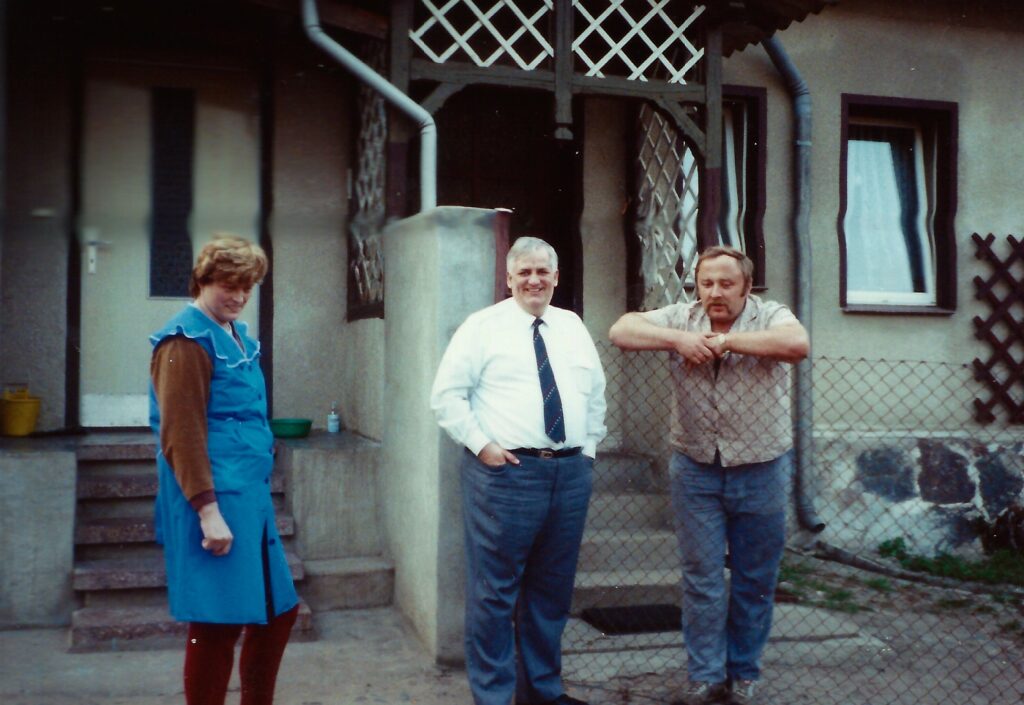
Hans Rose with neighbors near our Berlitt, Germany home in 1991. Click on the link above to follow my ‘Buried Treasure’ journey.
Part Two —Shadows of the Past
While digging into the origins of a buried treasure legend, we uncover a family’s dark secret – a great-uncle once convicted of Nazi war crimes. History isn’t always comfortable — but it matters.
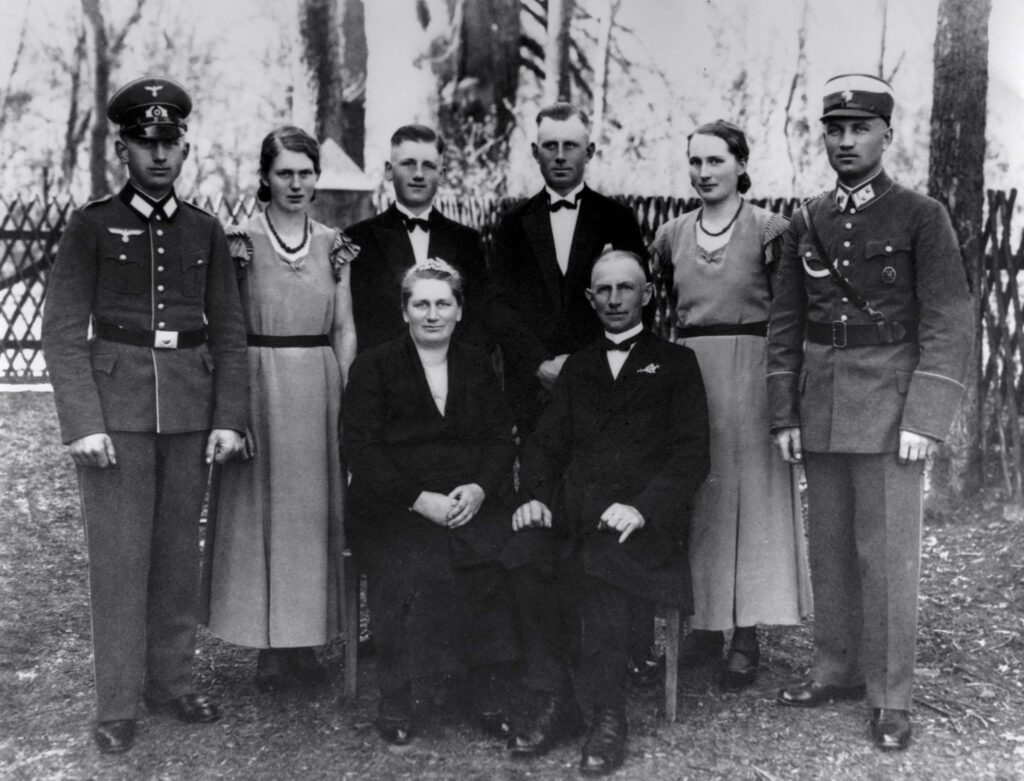
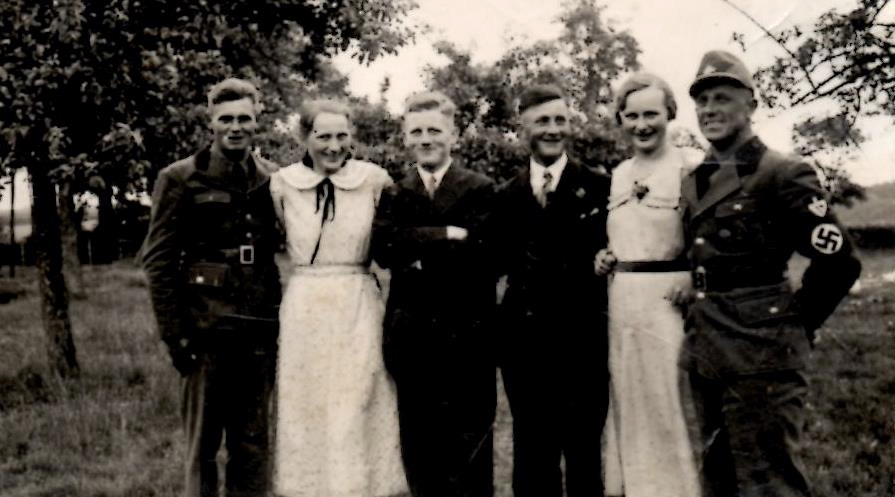
Richard & Helene Pein’s 25th Wedding Anniversary in 1935. (On the far right, Werner Pein’s photo is doctored. A swastika armband was removed from his left arm.) He would later be convicted of Nazi War crimes following WW II.
I sat down with a former owner of our Berlitt home, Günter Waschke in 2019.
My interview with Günter Waschke in 2019..
(Tammy Rose) “What can you tell me about my great-grandparents Richard & Helene Pein?
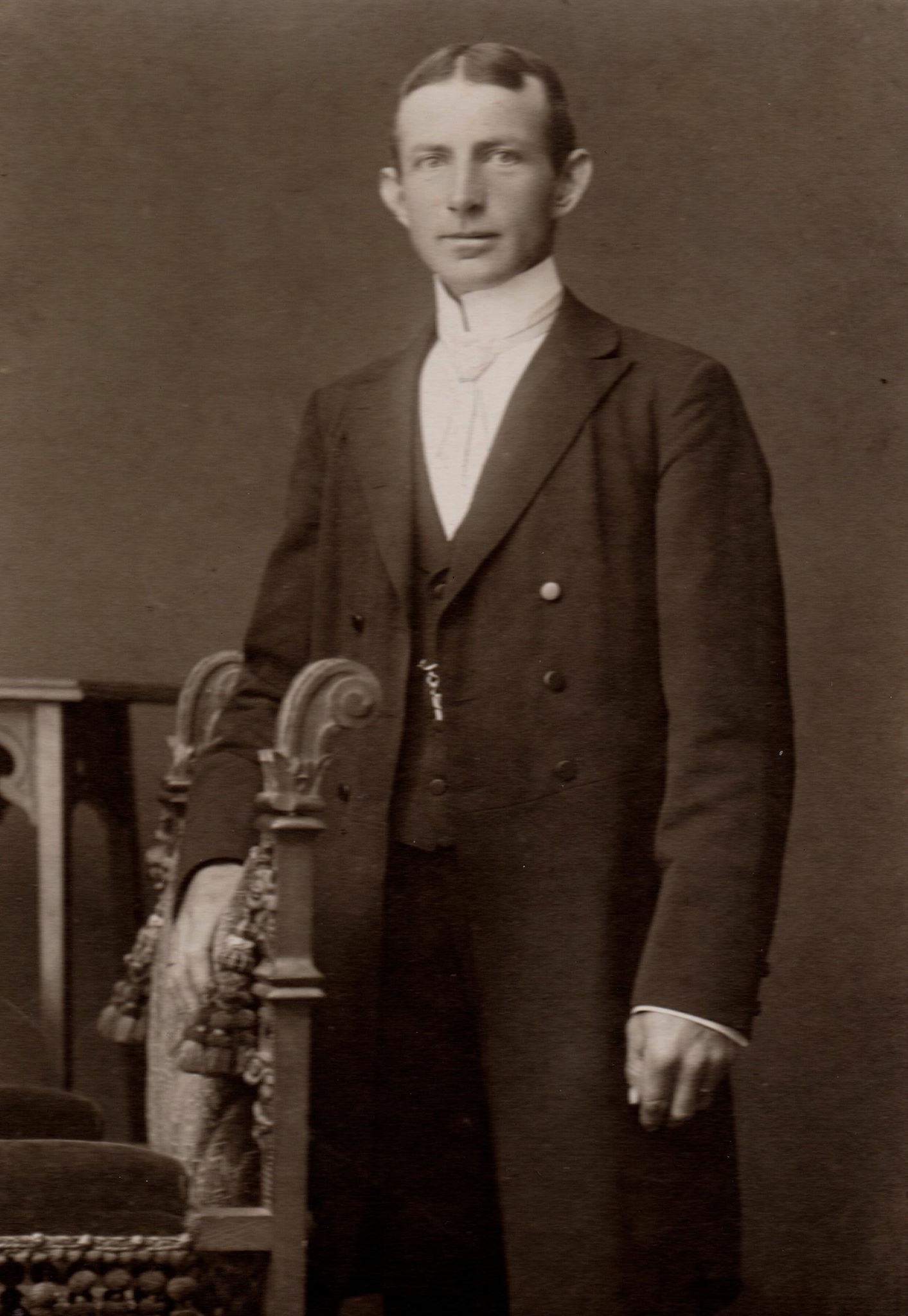
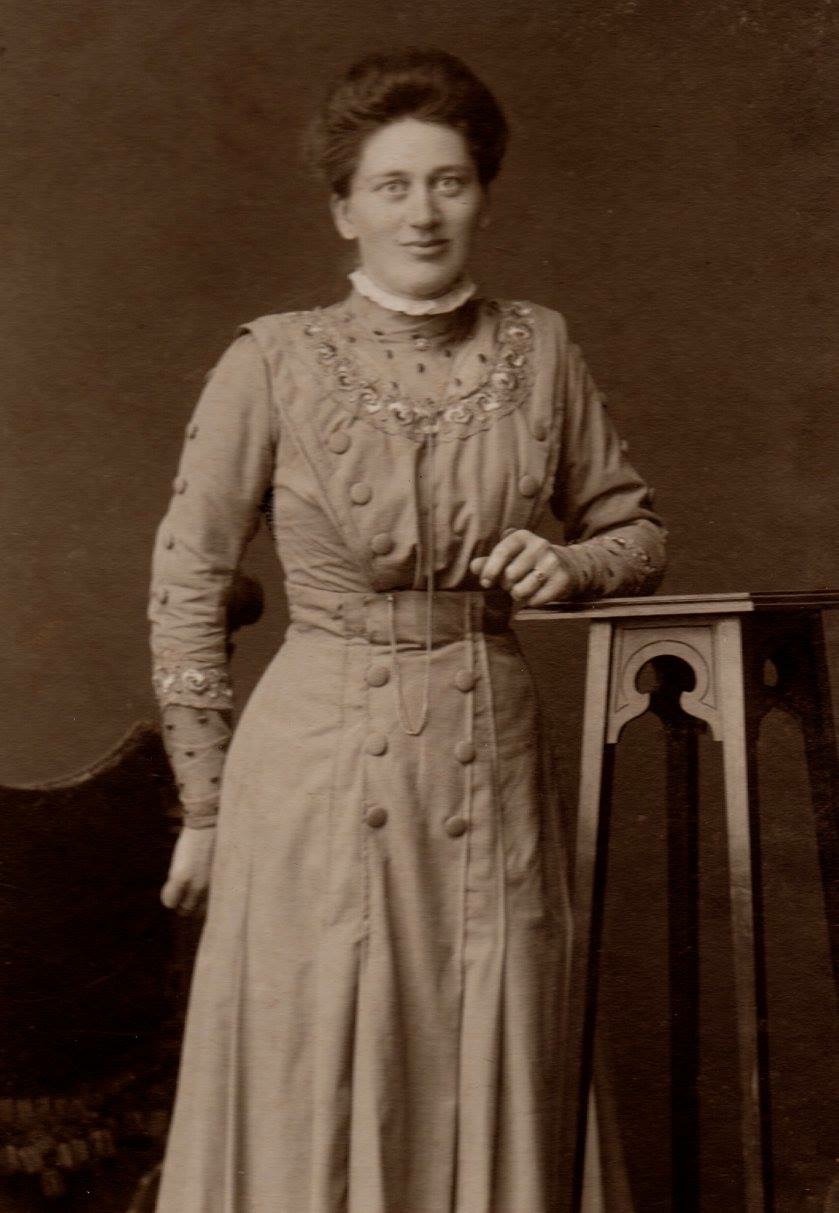
Richard PeinHelene Pein
(Günter Waschke) “I was 4 years old, so I do not remember much. Helene loved me as ‘little Günter’ because her son Günther was killed in the war.”
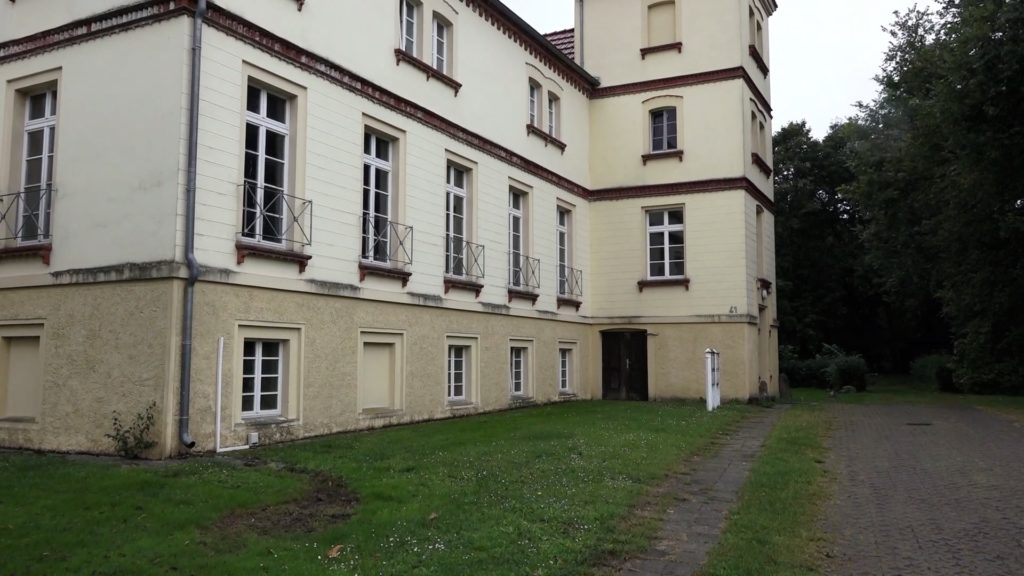
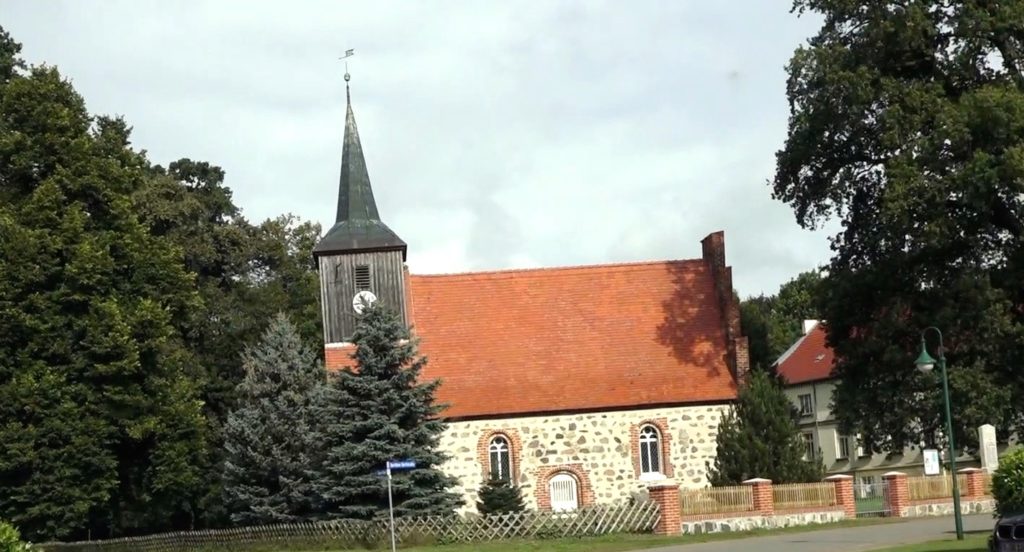
“From Richard, I have no remembering other than he was the Mayor of Berlitt and was regarded as a bad Nazi by the upcoming Communists. They forced him to move to Granzow on his second farm. Pein’s farm in Berlitt was expropriated and divided into small farms distributed to refugees from East Germany like my mother and me. The same process was conducted with the big farm of Earl/Graf Königsmark who had committed suicide before the Russians invaded. His castle was used as a school following the war and is located across the street from the Pein home near the Church of Berlitt.”
Earl/Graf Königsmark
Church of Berlitt
(Tammy Rose) “What else can you tell me about that time period and our old house?”
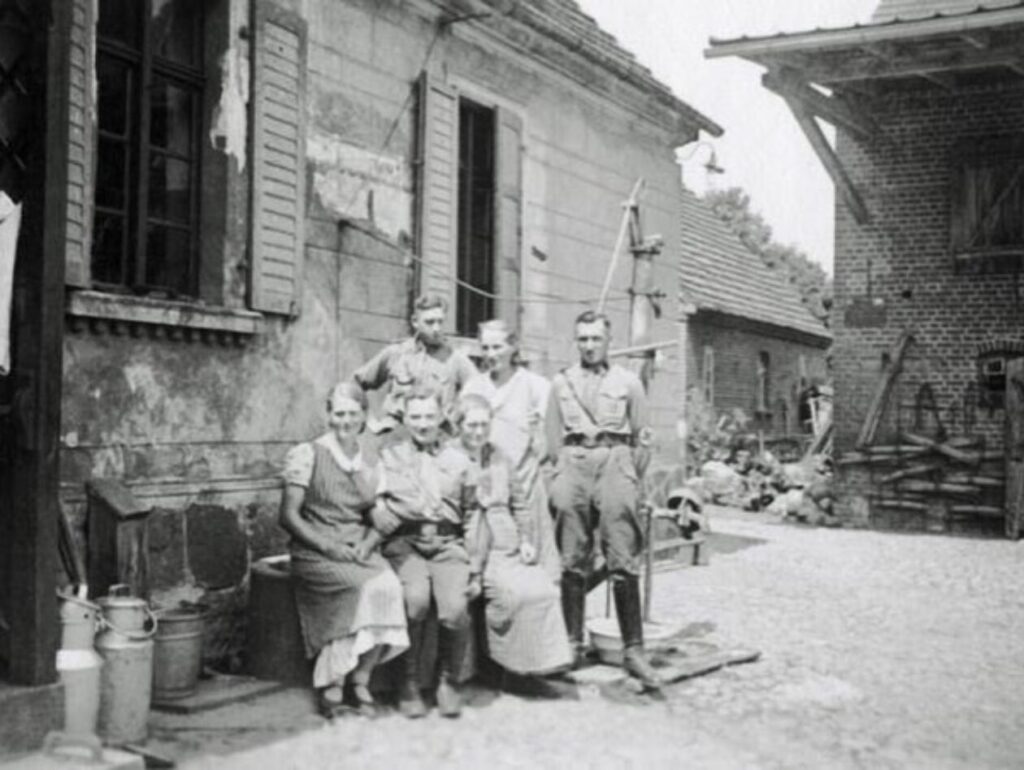
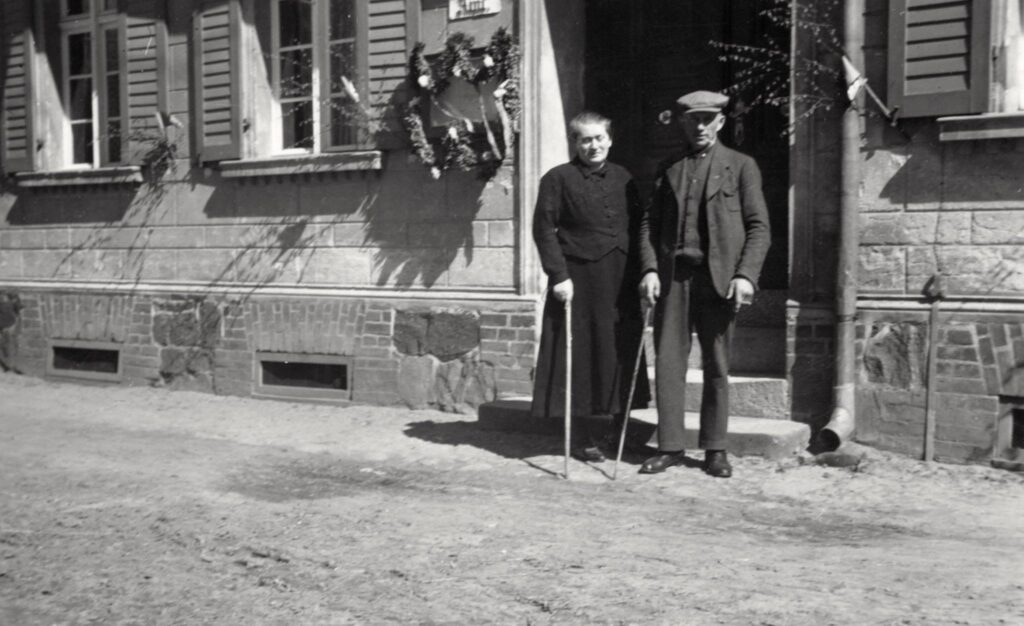
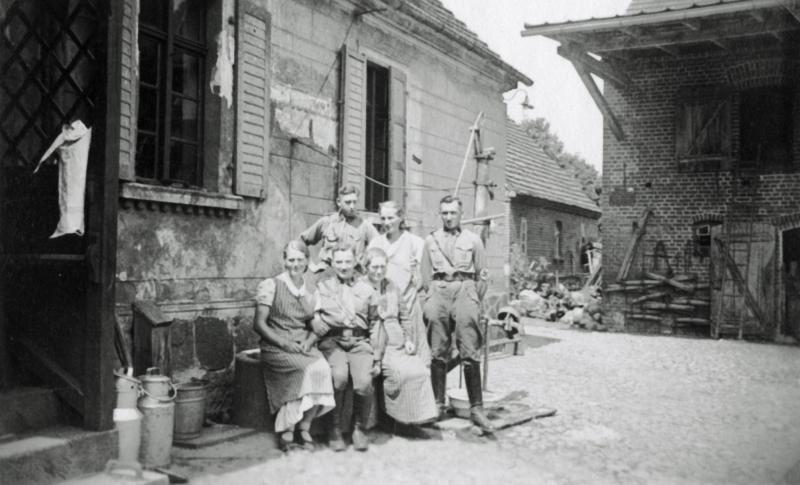
Helene & Richard Pein in front of their Berlitt Home just before the invasion.
(Günter Waschke) “My mother and I fled from our original home near Poznan, Poland in January 1945 by foot and took only what we could carry. I cried because I forgot my doll called Ria. We lived after the war in the right part of Pein’s house, seen from the street side, until 1950. Then my mother and I left Berlitt because my father who was a prisoner of war was set free and we moved to West Germany. Additionally, it was better to go to the West because Berlitt had become part of the communist German Democratic Republic under the goodwill of Stalin.”
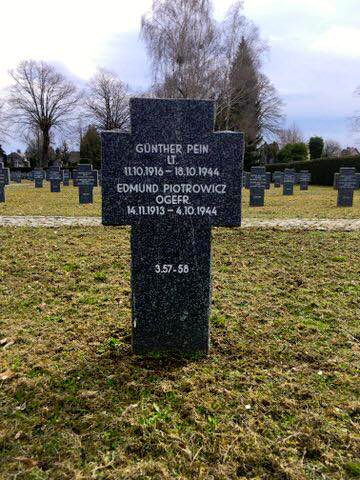
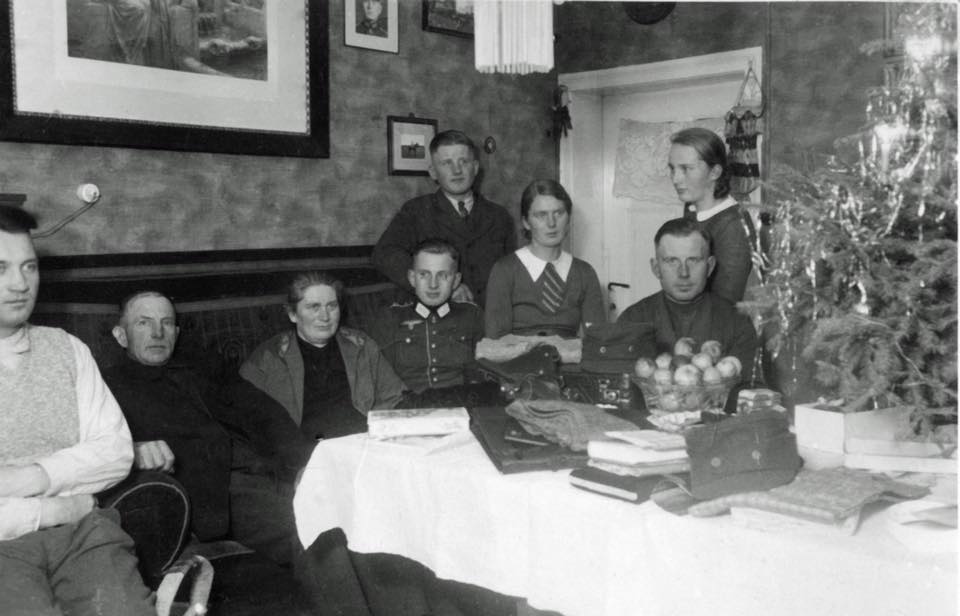
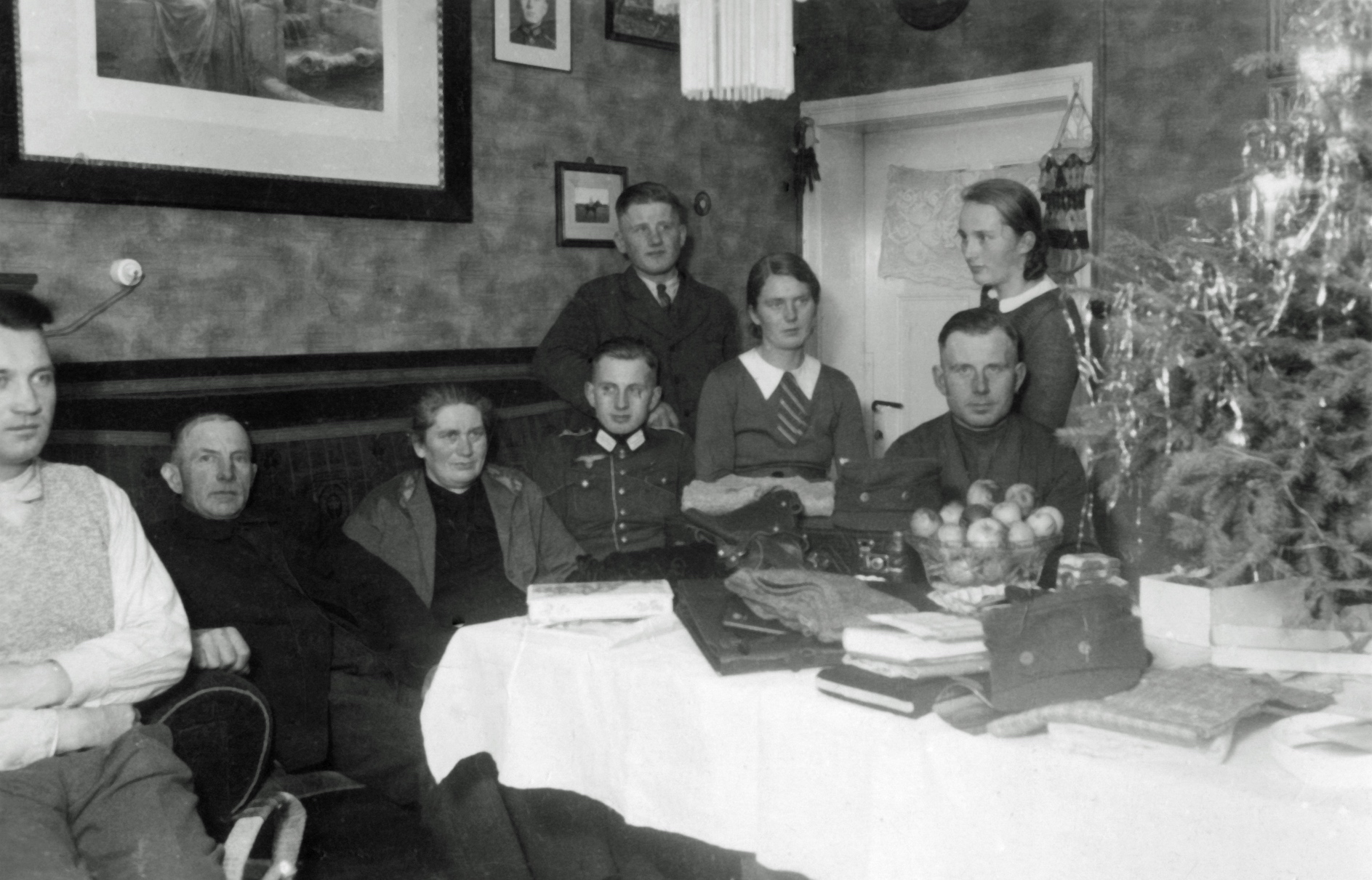
This was the last family picture of the Peins taken at Christmas before their youngest son, Lt. Günther Pein was killed on October 18, 1944.
Part Three —Return to Berlitt and the Secrets Buried Below.
After years of unanswered questions, I travel to Berlitt, Germany, back to the small house where my family once lived-and where the gold was secretly buried long ago. Now under new ownership, the home stands as both a relic of my past and the key to everything I still don’t know. As I meet with the current homeowners, I hope to unearth more than just treasure; I’m searching for clarity, truth, and the missing pieces of a story that has followed me across decade and continents. What lies beneath the floorboards may be valuable, but the answers I’m after could change everything.
Liese-Lotte Pein & Hans RoseWilly & Hans Rose
Part Four —Shadows in the House.
I finally step inside the house where our gold may still be buried, and the walls seem to whisper secrets of the past. As I explore, shocking truths emerge: my great-grandparents were deeply involved in the Nazi regime, and the treasure I’ve been chasing may not be just family gold-it could be part of a darker, more sinister history. Every coin, every hidden corner now carries the weight of betrayal, war, and a legacy I never imagined. The hunt for answers has become a confrontation with history itself.
During my research, I located official French military court documents showing that my great-uncle, Werner Pein, was tried after World War II in connection with his service in the German occupation forces.
📜 Wartime Court Records
According to the archived judgement, the court record states:
French Military Tribunal — Paris (1950)
Case:Judgment against Walter Holz and others
Charges included:
– Murders and complicity in murders
– Assaults and injuries
– Illegal confinement
– Torture
Location of crimes: Pontivy, Morbihan, France
Date of crimes: July 1944
Defendant: Werner Pein (born Nov. 14, 1912, Berlin)
Sentence: 20 years hard labor (commuted to 7 years imprisonment)
Source: French Ministry of Defense — Military Justice Archives, Le Blanc, France
Part Five: Echoes of Innocence. As the story of my great-grandparents unfolds, I turn to my German relatives for answers. They dispute the claims of SS involvement, insisting that my ancestors were poor farmers, good neighbors, and hardworking members of their community. The treasure and its history remain tangled in uncertainty, and I must now navigate between family memories, historical records, and the uneasy truths buried in both.
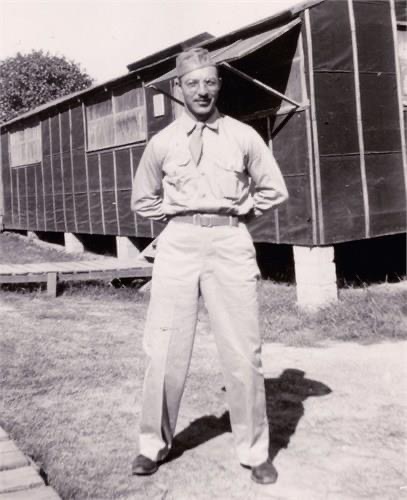
Another one of my great-uncles, Günther Pein was killed on a bridge in Saint Pölten, Austria at the end of World War II. I often wonder how much he might of known about the Holocaust and to what extent he may have participated. My other grandfather, Howard Leo Thompson from Milton, WI also fought in WW II which makes things even more complicated. Did he encounter any of my German relatives?
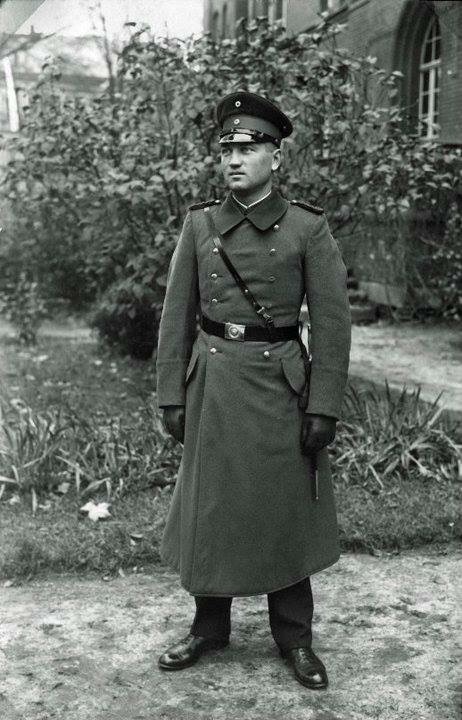
The last picture taken of Günther Pein before he was killed on a bridge in Saint Pölten, Austria at the end of World War II.Howard Leo Thompson
Part Six: Meeting in Berlitt. I finally connect with the current homeowners of the house where the gold may be buried. After reading my books, ‘Lost Dreams’ & ‘Lost Treasures’, they reached out online, curious-and maybe cautious-about the story I’ve been chasing for years. Now, face-to-face, I try to learn whether they believe the treasure exists, and if they’ve ever attempted to dig it up. Every answer, every hesitation, adds a new layer to the mystery, and I realize that the truth about the buried coins may be closer-or more elusive-than I ever imagined.
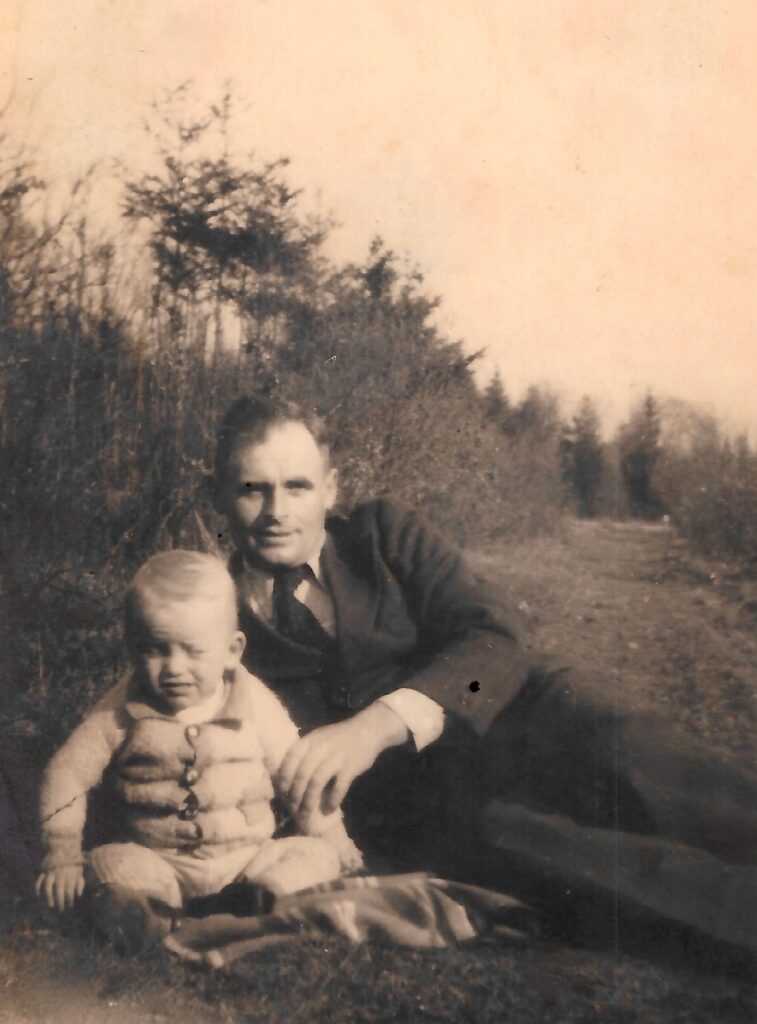
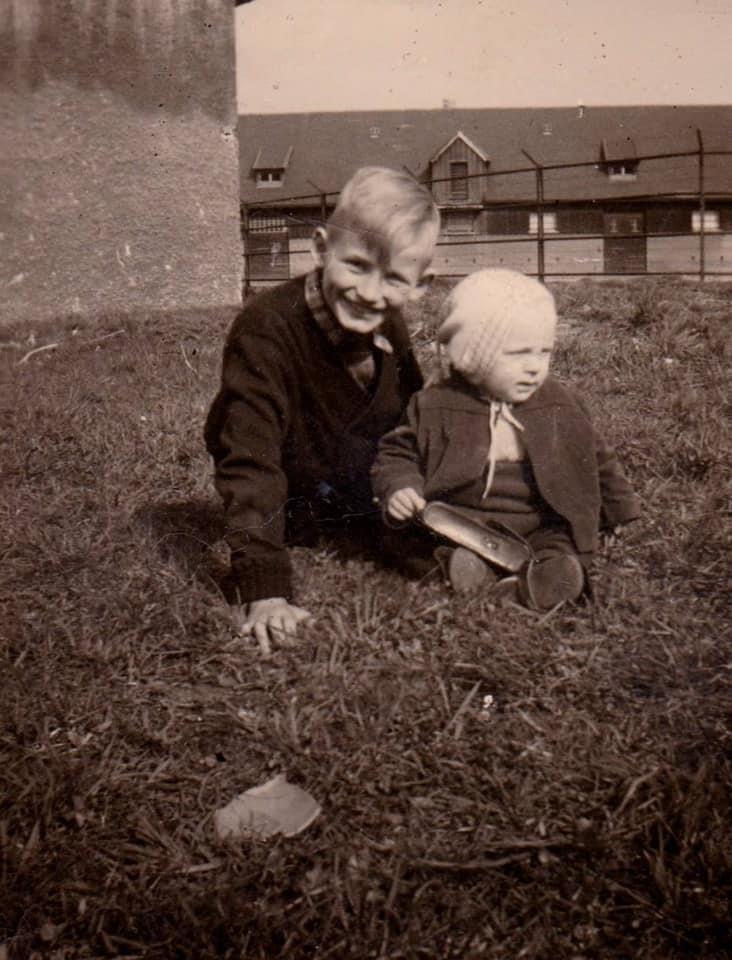
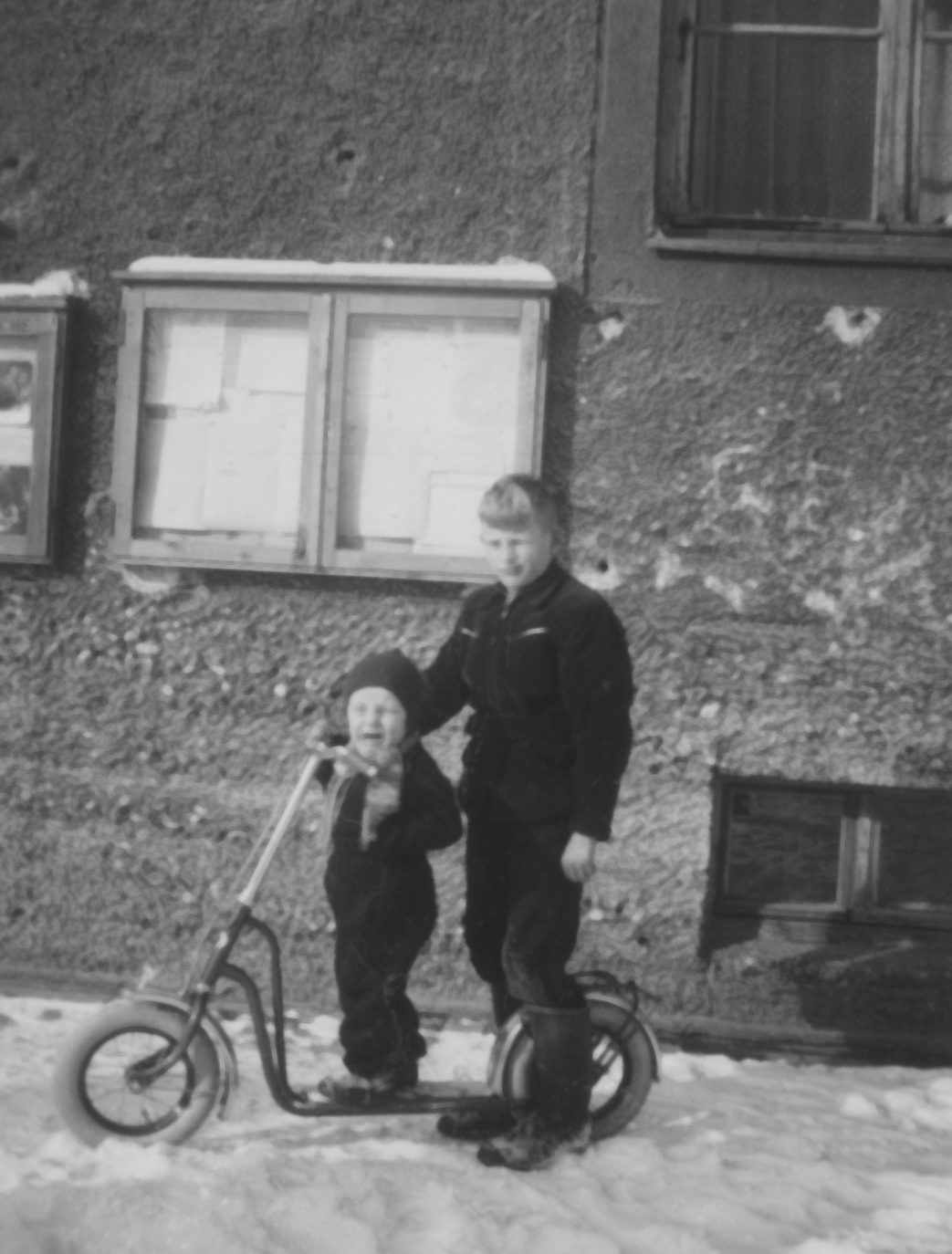
Hans & Reinhard Rose on their Granzow farm.
Part Seven: Secrets Left Buried. After walking through the backyard where my great uncle described the treasure to my dad, I can feel it in my bones-the legend is real. Every detail he shared aligns perfectly with the property, even the parts I never included in my book. Yet, the current homeowners have no interest in digging, and I understand why. Some stories, some treasures, are meant to stay hidden. We part with a mutual respect for the past and the unspoken truth: certain secrets are better left buried.
War is more than borders and battles — It is the quiet endurance of ordinary people navigating impossible circumstances — families and strangers, victims and survivors, bound together by fate. Time moves forward, but the lessons of courage, sacrifice, and unexpected connection endure.
May we remember not only the events of history, but the people who lived them — their hopes, their heartbreaks, and their capacity to find shared humanity even in the darkest of days.
On October 17, 2018, my father, Hans Rose, passed away peacefully at 9:30 a.m., leaving behind a powerful and inspiring Hans Rose legacy that continues to shape my life. In his final moments, he found the strength to say, “I love you, Tammy. They’re all waiting for me.” I knew exactly who he meant — his closest friends and his grandfather, Hermann Rose, waiting for him on the other side.
Early life and Family Roots
Hans Rose grew up in Granzow, Germany, enduring near-starvation after World War II. After spending two years in the Traunstein Refugee Camp, his family immigrated to America in 1957, seeking new opportunities and safety. These experiences shaped the Hans Rose legacy, instilling resilience and compassion that guided every aspect of his life.
The Buried Treasure Story That Lives On in the Hans Rose Legacy
One of my father’s favorite stories was about buried treasure — a tale he shared often and one that perfectly captures the spirit of the Hans Rose legacy. His storytelling, imagination, and love of history live on through moments like this.
Adventures and Memories That Shaped His Life
Travel was central to Hans Rose’s story. From magical trips to Disneyland in California to sharing stories about the Bahamas, he created lasting memories with family. His love of adventure is an integral part of the Hans Rose legacy.
Acts of Generosity and Service
Even before the Berlin Wall fell, Hans Rose returned to East Germany, bringing necessities to family and neighbors in need. His selfless actions and generosity are key pillars of the Hans Rose legacy.
Lessons Passed to Family
As his daughter, I carry forward the Hans Rose legacy in my own life and career. His stories of survival, hope, and love inspired me to pursue journalism and continue sharing stories that matter.
For decades, our family whispered about a buried treasure family story hidden in a small German town during WWII. I finally returned to Berlitt to explore the legend firsthand — and the story is even stranger than we imagined. Watch the video to see the full legend come alive.
Watch the full legend of our buried treasure below 👇
Video: Tammy Rose explains the full buried treasure family story and legend from WWII Germany
73 years later, I’m finishing a buried treasure family journey.
Growing up, my dad told me about an incredible buried treasure family journey — how my great-grandfather, Richard Pein, hid gold coins beneath his pig barn in Germany as WWII drew to a close. Now, 73 years later, I finally traveled to the house to see the legendary treasure site for myself.
Video of Tammy Rose traveling to Germany and her dad discussing the buried treasure family journey
Returning to My Ancestors’ Home in Germany
This trip wasn’t just about a legend — it was about connecting with my family’s history. Standing in the home where my ancestors once lived, and walking the ground they once walked, made the story feel real in a way I never imagined.
Discovering the Story Behind the Treasure
Visiting the house and speaking with the current homeowners gave me insight into my great-grandfather’s life and the community that witnessed the legend unfold. Each room, each piece of furniture, carried decades of memory and history — it was like stepping back in time.
Curious about more family legends and treasure stories?
Scandal in a Small Town is a gripping crime fiction novel that pulls readers into a chilling mystery rooted in the heart of small‑town America.
What begins as a brutal tragedy soon becomes a haunting puzzle that FBI agent Katie Walker thought she had solved — until a new series of murders raises questions no one expected.
About the Author
Tammy Rose is a journalist and author who brings her experience covering real courtroom drama and crime to her fiction writing. Scandal in a Small Town is her third novel, blending procedural elements with deep human insight.
Ready to dive into suspense and mystery?
👉 Get your copy of Scandal in a Small Town today and follow Katie Walker’s search for truth in a town full of secrets.
PREVIEW
I had just finished my intense 16-week training at Quantico, Virginia and was given my first assignment as an official FBI agent. Oddly it would be the very town I grew up in, an assignment rarely given to a new agent. In fact, your hometown was the one place you could guarantee not going to, for fear of not blending in if needed to be on an undercover assignment. It was shortly after graduating from Plymouth High School when I realized what I wanted to do with my life, protect people. I had lost the one thing dear to me, my best friend Michele Saunders to a serial killer our senior year. I had thought the murders were all behind me, neatly tucked away in the past. However, a recent “accident” at Plymouth High School seemed all too real and the feds thought we may have another killer on our hands. What didn’t make sense to me was the fact that the feds thought it might be related to earlier killings in the late 1980’s. The murders were of young high school kids, made to look like accidents. But that killer was dead, I thought. I killed him. Or Didn’t I?