Category Archives: Aviation News

Breaking aviation news, helicopter operations, flight safety, airspace activity, and real-world aviation incidents covered by Helicopter Reporter. Includes Houston air traffic, pursuits, emergency landings, and major aviation stories.

NTSB Mid Air Collision Hearing: What Flyers Need to Know

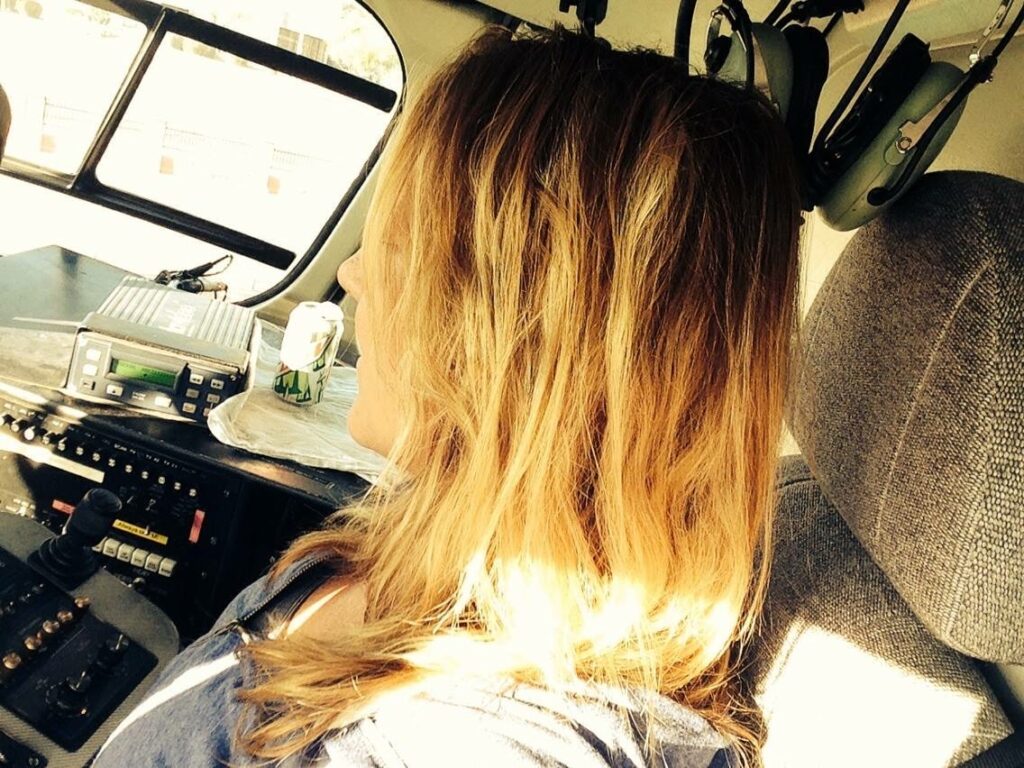
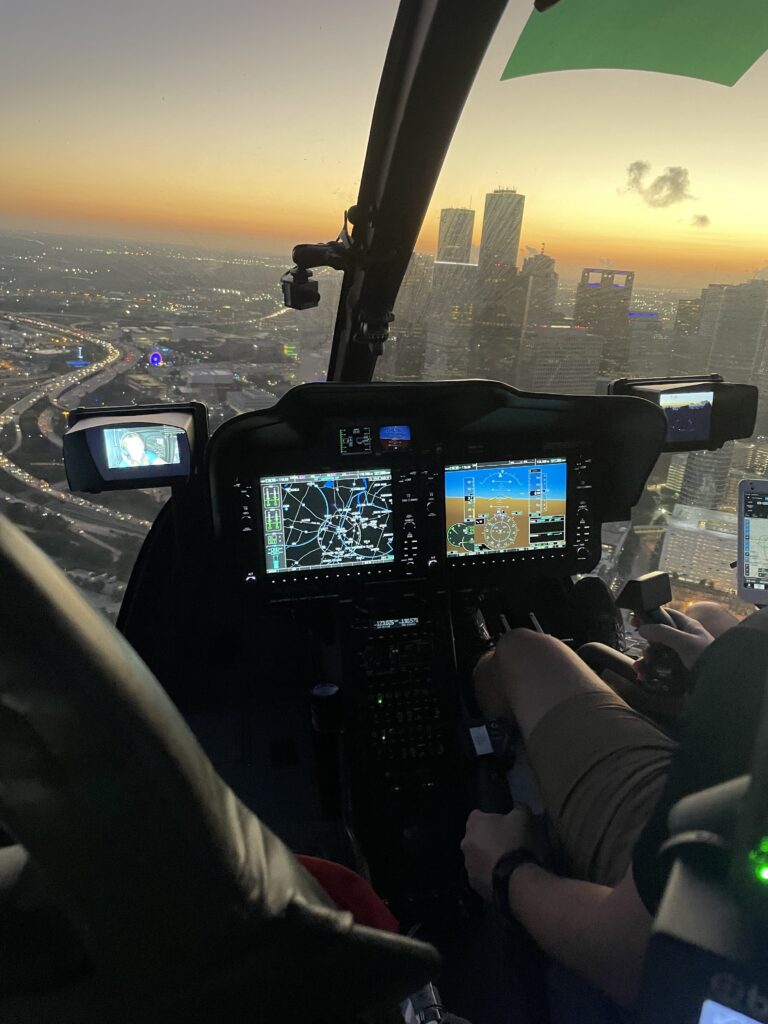
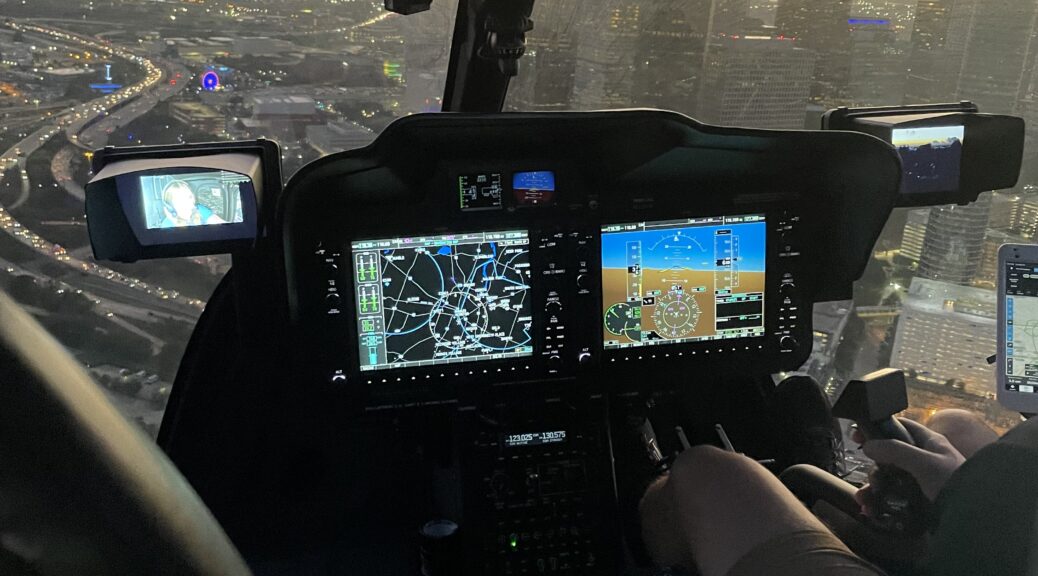
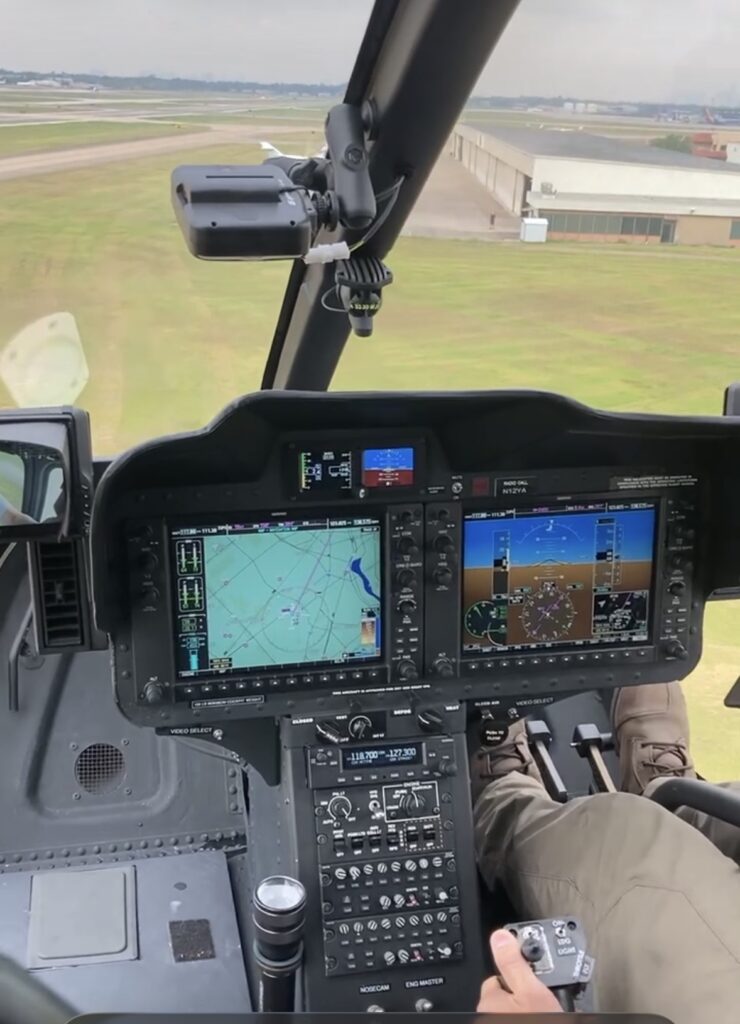
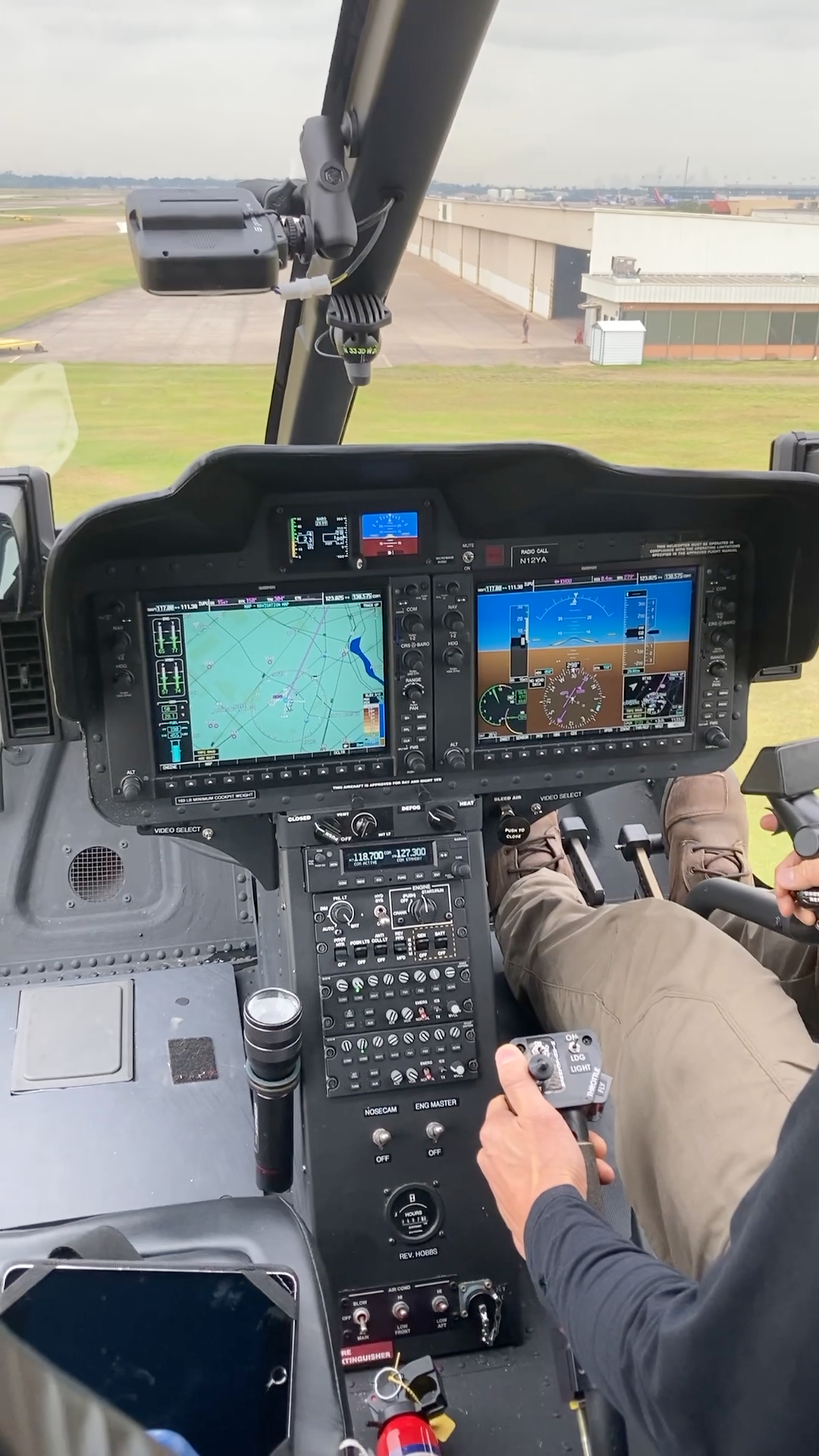
Houston helicopter cockpit during NTSB mid air collision hearing
Many helicopter pilots use iPads mounted in the cockpit to monitor nearby aircraft and terrain in real time.

What the NTSB Hearing on the Mid-Air Collision Is About

The NTSB mid air collision hearing will examine the deadly January 2025 crash between a U.S. Army Black Hawk helicopter and an American Airlines regional jet near Washington, D.C.

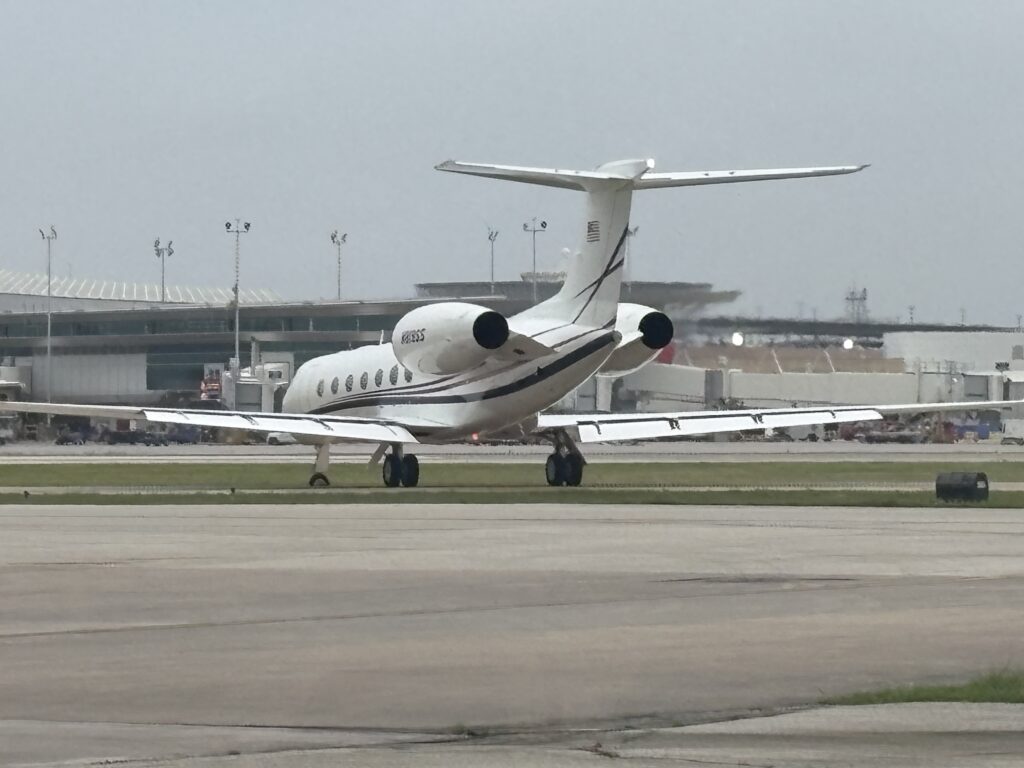
Pilots often rely on portable ADS-B receivers like the Garmin GDL 50 to monitor nearby traffic

On January 27, 2026, the National Transportation Safety Board (NTSB) is scheduled to hold a major investigative hearing. The goal is to determine what caused the crash and what changes may be needed to prevent another tragedy.

Why This Hearing Matters for Houston Flyers

For anyone who flies regularly, this hearing matters. That includes people using Houston’s Hobby and Bush Intercontinental airports.

The outcome could shape how U.S. airspace is managed for years. Even though the crash happened near Washington, the safety changes that follow will affect flights nationwide.

Houston is one of the busiest aviation regions in the country. Passenger jets, helicopters, military aircraft, and offshore energy flights all share the same crowded skies. That makes safety rules especially important here.

For pilots who want to improve their situational awareness in busy airspace, portable ADS-B receivers like the Garmin GDL 50 or Sentry Mini allow you to see nearby aircraft in real time on an iPad.

What Investigators Will Examine

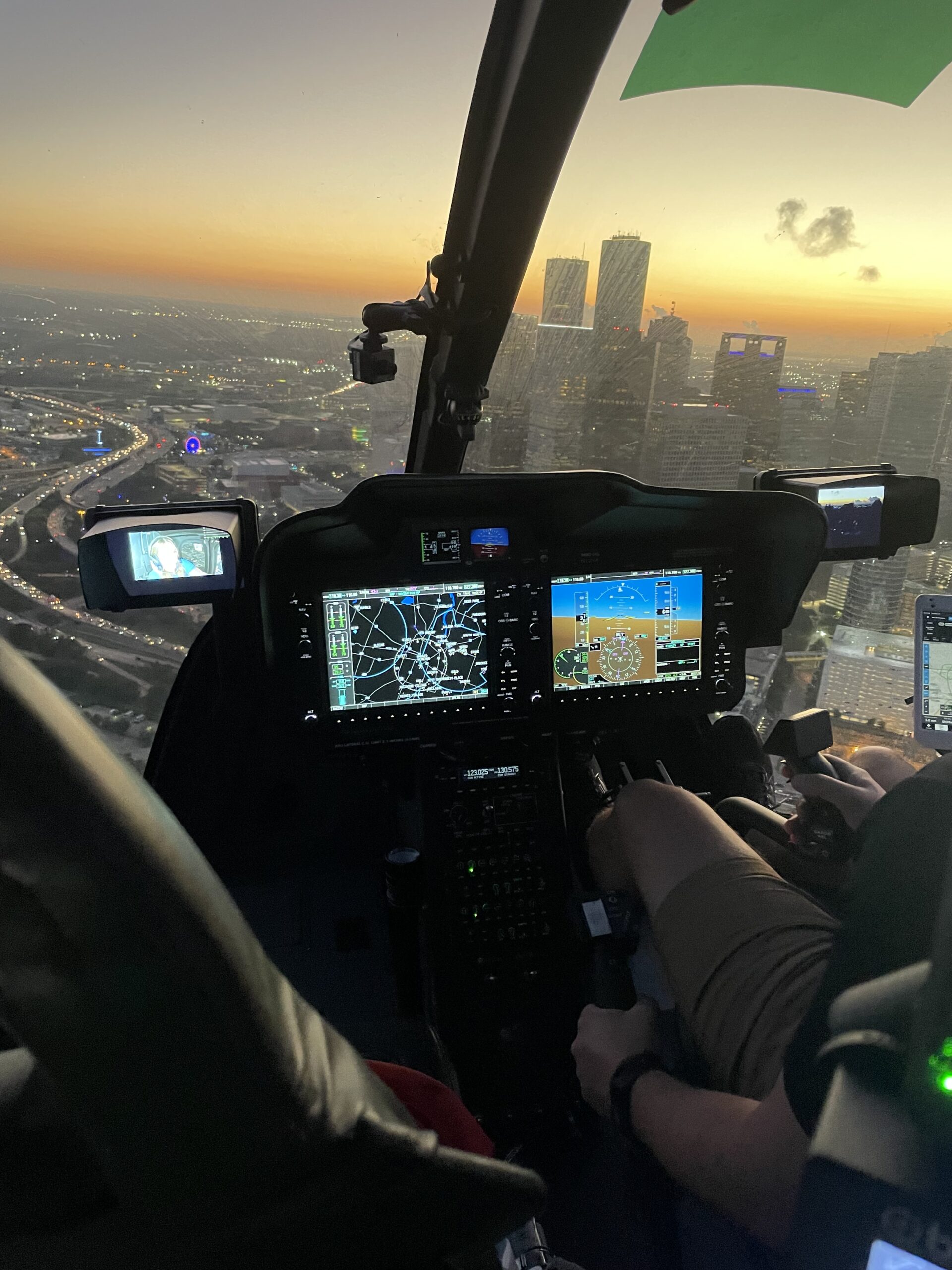
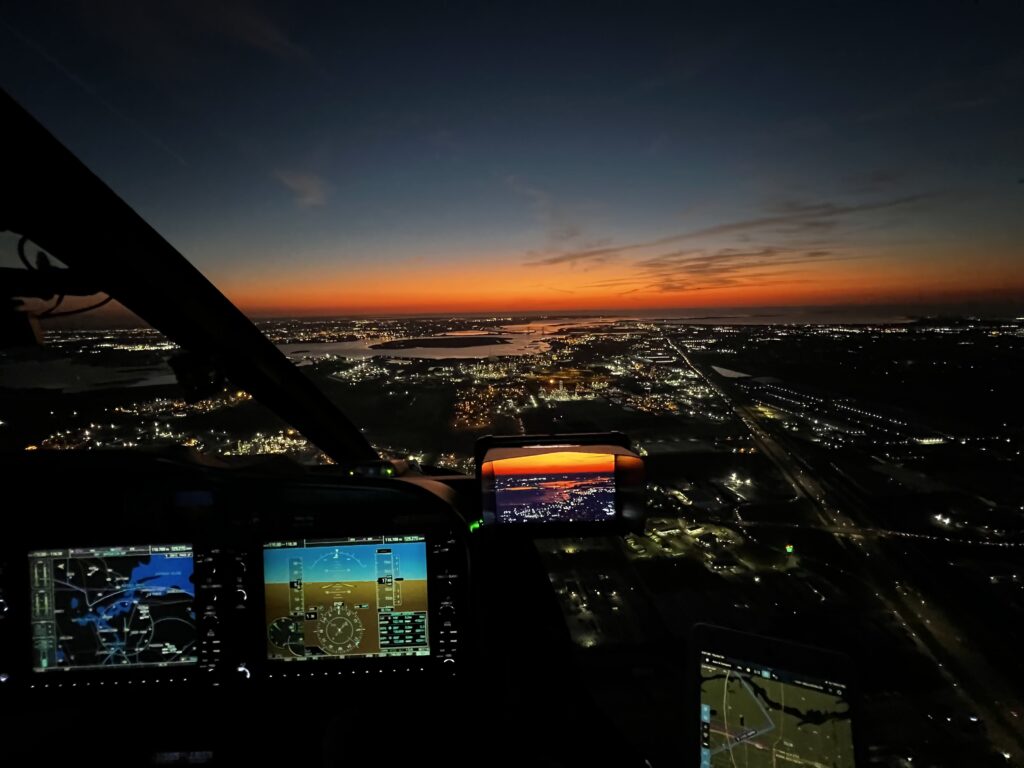
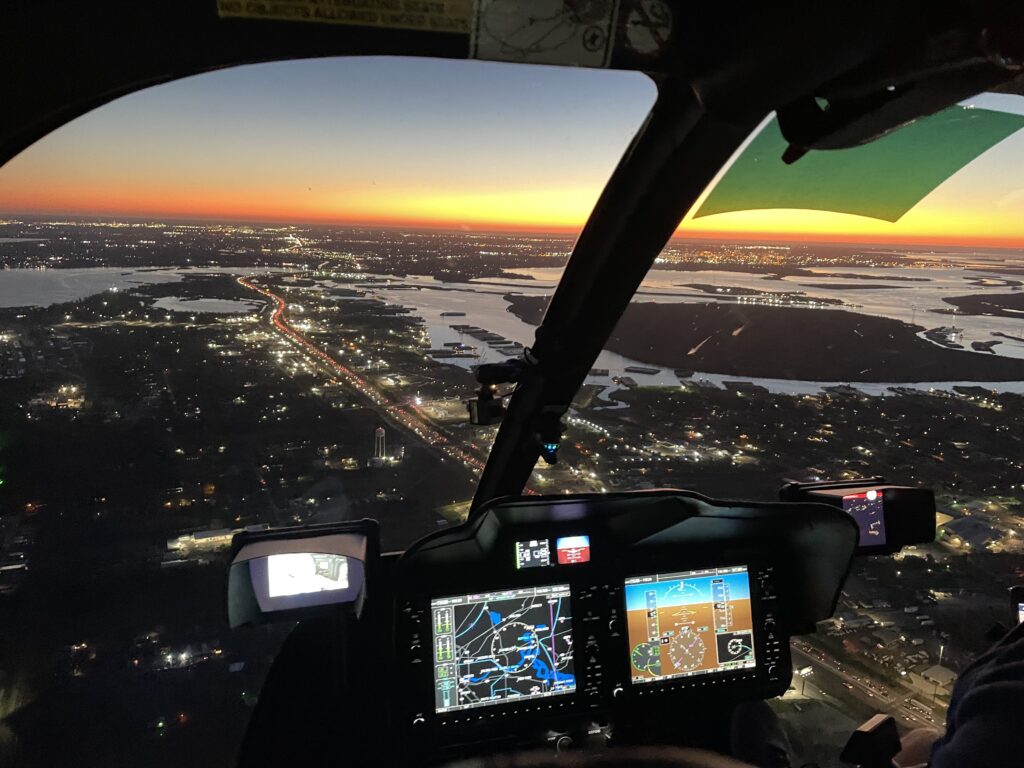
Helicopter navigation display showing crowded airspace during NTSB mid air collision hearing
Helicopter navigation display showing crowded airspace as the NTSB reviews a mid-air collision

The NTSB hearing is not about assigning criminal blame. It is about understanding how a highly controlled aviation system still allowed two aircraft to collide.

Investigators will review air traffic control procedures, cockpit communications, radar and tracking data, aircraft equipment, and decision-making by both flight crews and controllers. Officials from the FAA and the U.S. Army are expected to testify about training, policies, and safety systems.

After the hearing, the NTSB will issue a probable cause determination along with safety recommendations. These could lead to new rules, new technology, or new procedures across the U.S. aviation system.

Key Safety Issues Under Review

Helicopter cockpit avionics showing aircraft tracking related to NTSB mid air collision hearing
A Houston helicopter cockpit – the kind of airspace that could be affected by changes from the NTSB mid-air collision hearing

One issue involves altitude differences. Early findings suggest the helicopter may have been flying higher than its assigned altitude, placing it directly in the jet’s path.

Another issue is communication. Reports indicate that air traffic control instructions may not have been clearly received by the helicopter crew due to overlapping radio traffic.

In high-traffic airspace, clear audio matters. Noise-canceling aviation headsets help pilots hear ATC instructions when frequencies get busy.

Airspace congestion is also being examined. The area around Reagan National Airport is one of the busiest in the country. Commercial jets, military aircraft, and helicopters all operate in tight corridors. Investigators are questioning whether the system relies too heavily on controllers to manage unsafe levels of traffic.

There is also a focus on safety technology. Early reports suggest the helicopter may not have been broadcasting its exact position through ADS-B at the time. ADS-B is a modern tracking system that allows aircraft and controllers to see each other more accurately. Investigators will be examining whether this played any role in the collision.

Why This Matters to Everyday Flyers in Houston

Houston has the same congestion problem
Houston faces similar airspace congestion

Even though the crash happened in Washington, the changes that follow could affect how airspace is managed nationwide, including in Texas.

If ADS-B and similar safety systems become mandatory for more aircraft, that could mean safer skies but also new equipment requirements for helicopters and government aircraft.

If changes are made to air traffic control staffing, training, or workload limits, that could directly affect how efficiently and safely flights move in and out of Houston’s airports.

This is not just a Washington story. It is a nationwide aviation safety issue.

What Flyers Should Know Right Now

Flying remains one of the safest ways to travel. Accidents like this are extremely rare. When they do happen, they often expose weaknesses that can be fixed.

The NTSB process takes time. Major rule changes can take months or even years. But history shows that these investigations often lead to real improvements in safety.

If you fly out of Houston regularly, you may not notice immediate changes. Over time, however, new procedures, better technology, and stronger safety rules could quietly make your flights even safer.

Final Thought

The January 27 NTSB hearing is about more than one tragic night in Washington. It is about making sure a disaster like this does not happen again anywhere in the country.

From crowded East Coast airspace to busy hubs like Houston, what the NTSB decides could shape how we all fly for the next generation.

Disclosure: As an Amazon Associate, I earn from qualifying purchases.
When the sky turns hostile

I started flying in news helicopters in 1994, at a time when airborne reporting was still raw and analog. No moving maps. No satellite tracking. No instant weather overlays. You trusted your pilot’s instincts, the aircraft, and whatever the sky decided to give you.

Over the years I have experienced multiple in-flight emergencies. Every one of them ended with us on the ground, alive. Each one also left a mark that never fully goes away.

With aviation accidents once again dominating headlines, I want people to understand what it actually feels like when things go wrong in the air.

These aren’t headlines. These are memories.


1995 — Flying blind into Wisconsin clouds

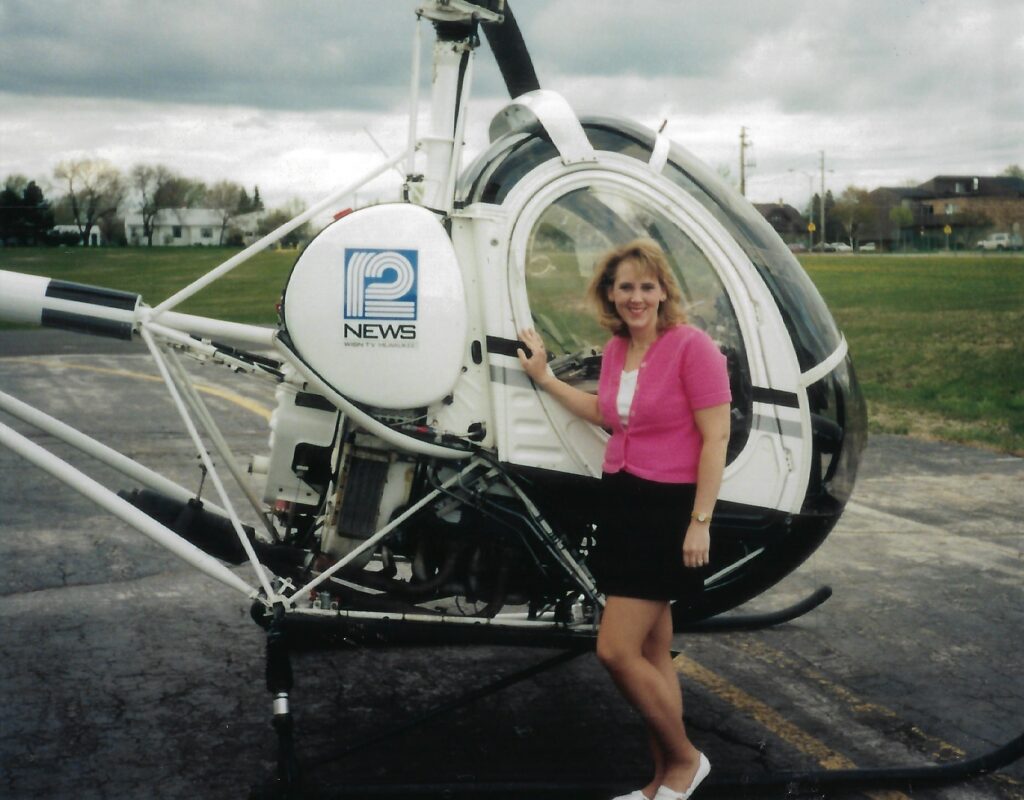
Chopper 12 Reporter Tammy Rose

We were flying to breaking news in Wisconsin in a Schweizer 300, a small, two-seat helicopter. It’s light, nimble, and unforgiving of bad weather. The sky that morning was layered — gray over gray — but flyable when we launched.

Then the ceiling began to drop.

At first, the ground blurred. Then it disappeared.

Inside a cloud, there is no horizon. There is no “down.” Everything outside the windshield turns into white and gray motion. Your body feels level, but your eyes are lying to you. That’s spatial disorientation, one of the deadliest conditions in aviation.

My pilot didn’t hesitate. He turned away from the weather and found a place to get us down before we lost all visual reference. We made an emergency landing at a rest stop in Fond du Lac, Wisconsin, just as the cloud deck closed in behind us.

The rotors wound down. The world went quiet.

My pilot stayed overnight with the helicopter. My parents drove to pick me up at that same rest stop. I remember how strange it felt to be sitting in a car after minutes earlier being suspended inside a cloud with no idea where the ground was.

That was the first time I truly understood how quickly flying can turn dangerous.


July 1997 — Losing power while live on the air

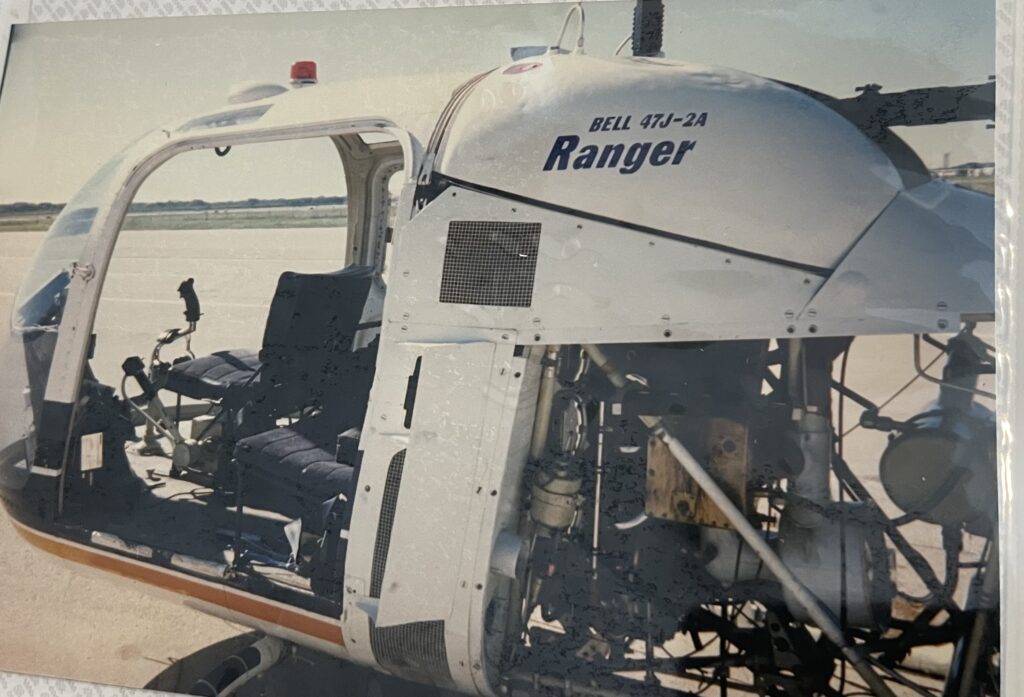
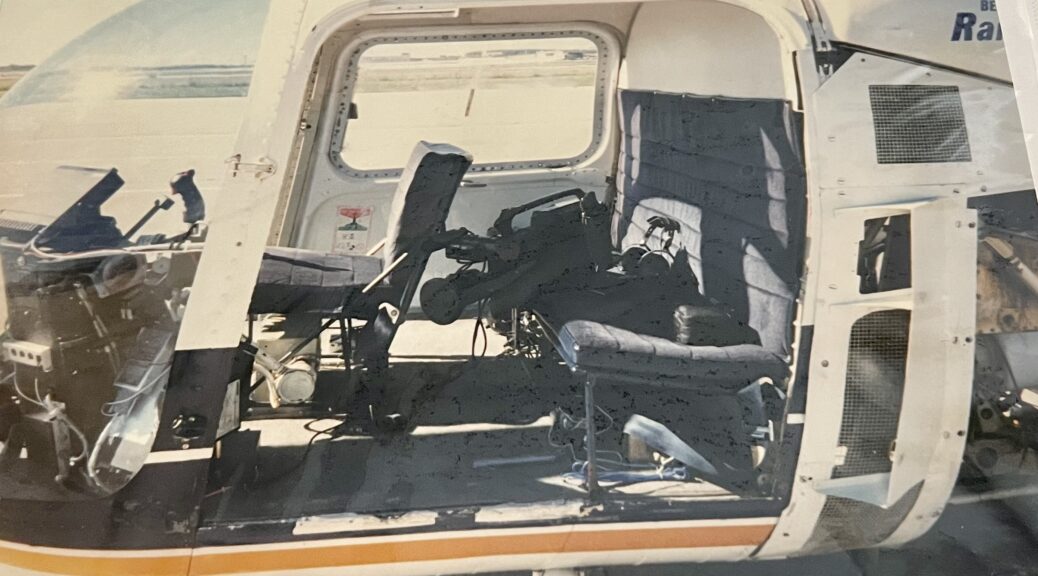
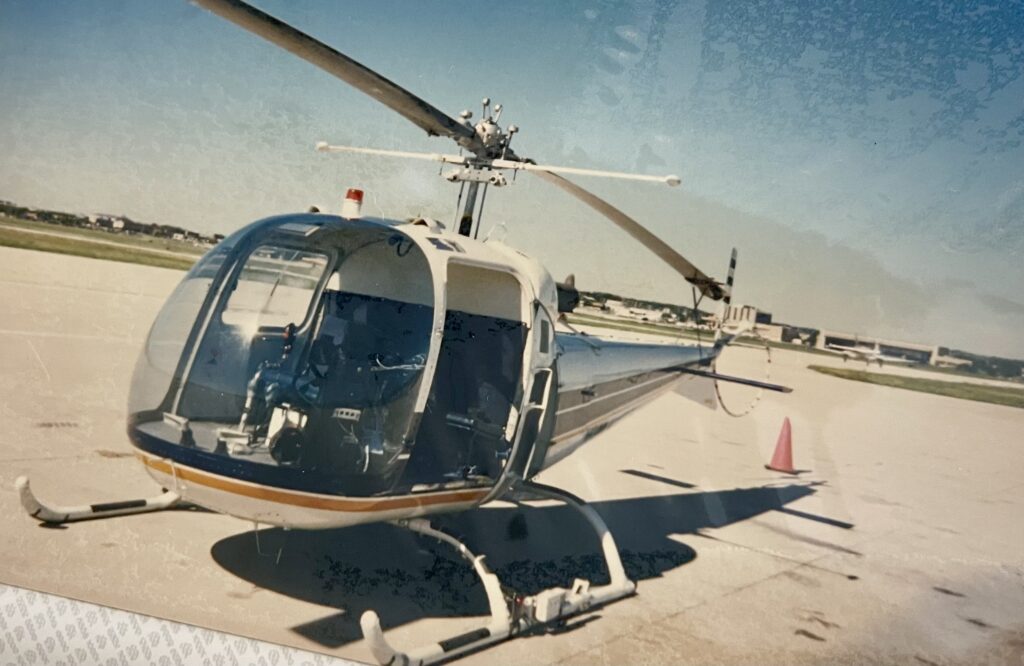
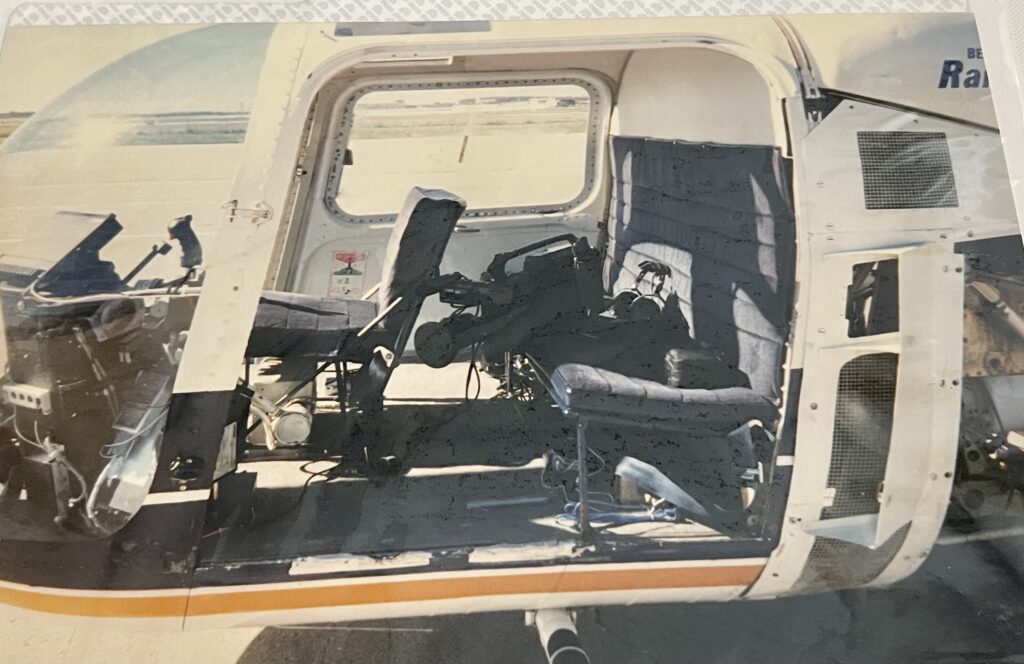
Bell 47

Two years later, on a hot July day in 1997, I was flying over Milwaukee, Wisconsin with a pilot and a photographer. I was in the middle of a live broadcast when the helicopter suddenly didn’t sound right.

Then it didn’t feel right.

We had lost engine power.

Later we learned that both magnetos had failed, which meant the engine could no longer fire. In a helicopter, that’s one of the most serious failures you can have. Without engine power, the only thing keeping you in the air is the pilot’s ability to transition instantly into autorotation — a maneuver that uses airflow through the rotor blades to slow and control the descent.

My pilot did exactly that.

As we descended, I stayed on the air. I finished my report while we were gliding toward a Milwaukee police department parking lot, the only open space he could safely reach.

The landing was hard. The photographer had forgotten to raise the omni antenna, and when we touched down it bent — a small piece of metal that showed just how narrow the margin had been. Some would call it a hard landing. Others might call it a crash.

We opened the doors and stepped out.

No fire.
No injuries.
Just adrenaline, silence, and the realization of how close we had come.


Texas — When the cockpit went dark

Years later, in Texas, the helicopter suffered a total avionics failure.

The screens went blank.

No navigation.
No altitude.
No attitude indicator.

My pilot was suddenly flying with nothing but what he could see outside the windshield. He diverted and found a place to land before the situation could get worse.

We made an emergency landing — and once again, walked away.


Texas — Hydraulic failure during a chase

Hydraulic failure on October 8, 2020

Another time, we were launching for a chase when the helicopter lost all hydraulic power.

Without hydraulics, the controls become brutally heavy and unpredictable. Every movement requires raw physical strength and perfect timing.

My pilot fought the aircraft back to the ground and landed safely.

That wasn’t luck.
That was training.


Why these stories matter

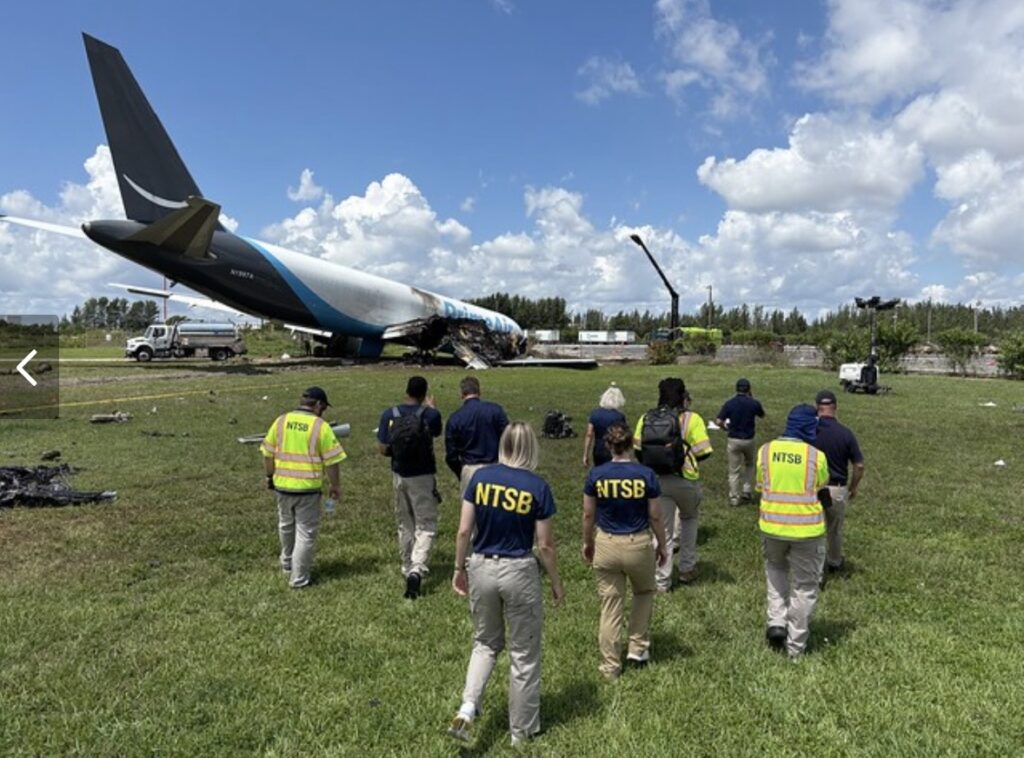
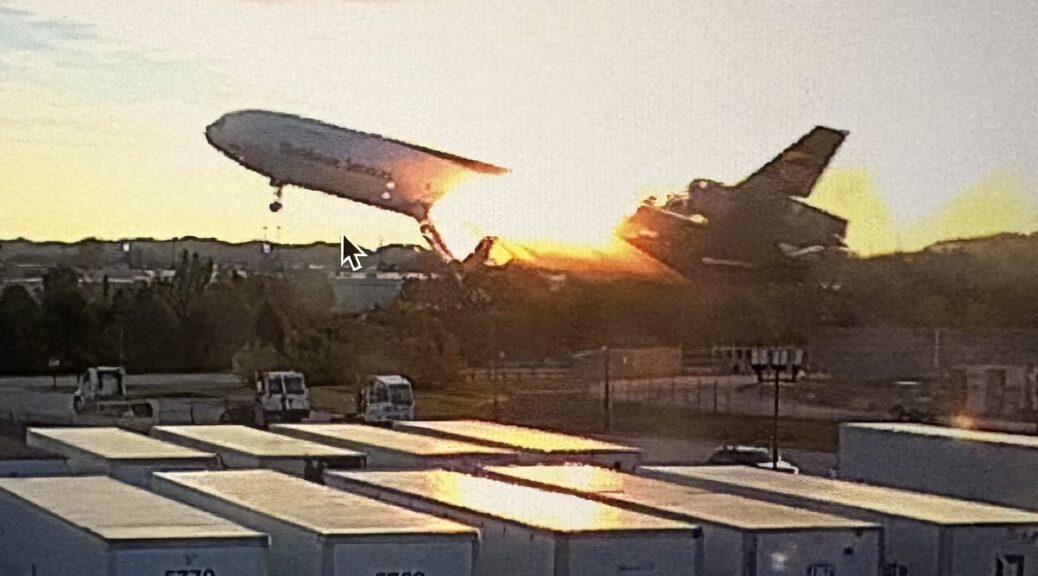
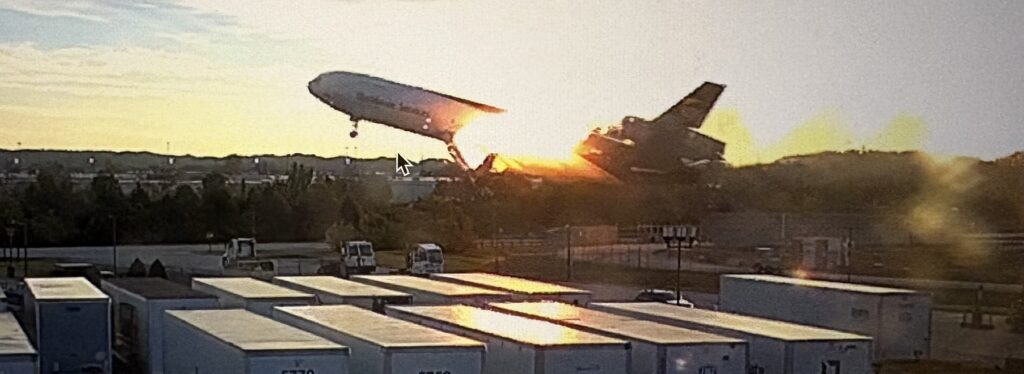
UPS cargo plane moments before crashing during a high-profile aviation accident
Source: National Transportation Safety Board accident investigation, public domain

When people say they’re afraid to fly, I understand why. In the past year, we’ve all watched heartbreaking, high-profile crashes — including a UPS cargo jet and the tragedy near Reagan National Airport — dominate the news. Those stories make flying feel suddenly fragile.

But here’s what I know from three decades in the air:

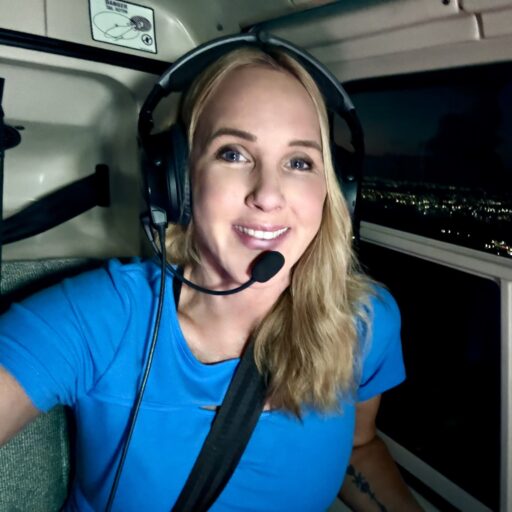
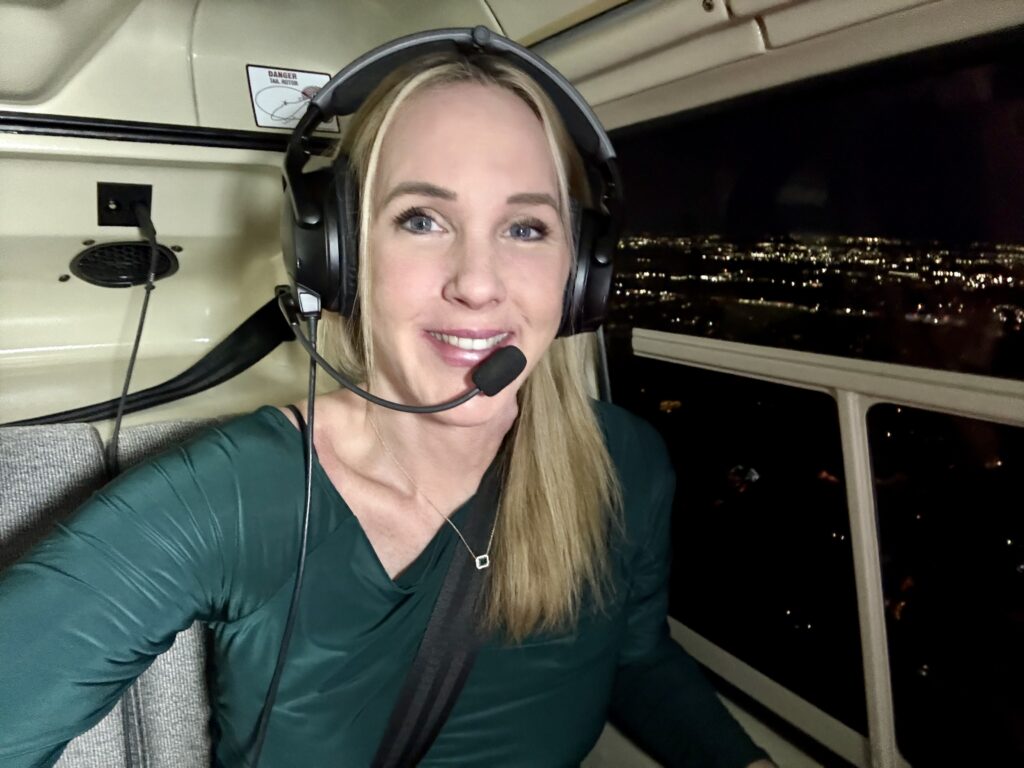
Flying in SkyEye 13!
Helicopter Reporter Tammy Rose

Most flights don’t end in headlines.
They end in landings.

I’ve been inside clouds with no horizon.
I’ve descended with no engine.
I’ve flown with no instruments.
I’ve felt a helicopter lose its hydraulics.

And every time, well-trained pilots brought us home.

Flying will never be risk-free — nothing worth doing ever is — but statistically it remains far safer than getting behind the wheel of a car. The difference is that when something goes wrong in the sky, the whole world hears about it.

That’s why I tell these stories. Not to scare people — but to show how much skill, discipline, and professionalism stand between an ordinary flight and disaster.

The sky demands respect.
And the people who fly us through it earn it. ✈️

Want to know what I actually use when I’m flying? I’ve put together my Amazon collection with headsets, travel gear, and in-flight must-haves I rely on in the cockpit and on the road. ⬇️ Click below to explore my Flying Essentials.

Disclosure: As an Amazon Associate, I earn from qualifying purchases.
My Flying Essentials: Comfort Meets Style

My First Helicopter “Crash” (A Hard Landing That Changed Everything)

It was a hot summer day in July of 1997 when a routine traffic report turned into breaking news for me. The Bell 47 I was flying in over the streets of Milwaukee, Wisconsin experienced a loss of engine power, forcing the pilot to make a hard, emergency landing near a local police station.

Our main helicopter was down for maintenance, and it was the first time I had flown in this particular aircraft — and it would be the last. The helicopter was heavily damaged, but everyone walked away safely.

Even so, the experience stayed with me. What could have ended my flying career instead became the moment that defined it. I wasn’t afraid to get back in the air, and I would go on to fly for another 30 years.

After that hard landing, I never flew without a reliable aviation headset again. This is the model I use today.

Photographer Matt England documented what happened that day in the footage below.

As an Amazon Associate I earn from qualifying purchases.
‘Back in Service’ with our ‘Top Gun’ crew, Episode 14!

From a swat standoff to cleaning house, our Television News Flight Crew had another busy week. And the clock is ticking for our Bell 505 before it heads out to the manufacturer for a 3,000 hour maintenance inspection. But no need to worry cuz’ our ‘Top Gun Crew’ is working around the clock to keep us in service, by bringing in another cool chopper.

‘Back in Service’ with a Supermoon, Episode 13!

While it was a quiet week in the maintenance department, it was a busy week for SkyEye 13. From a supermoon to multiple crashes, go behind the scenes with this Television News Flight Crew to see what it takes to bring breaking news to viewers.

Chasing the story

From a museum heist to a dramatic high speed chase, there was no shortage of drama this week for a television news flight crew in Houston, Texas. Join Helicopter Reporter, Tammy Rose, Pilot Samantha Fisher and mechanics Todd Pierpoint & Sergio Martinez as they navigate issues that arise from up in the air and on the ground. Click on link below to see Episode 3.

Don’t forget to subscribe to my YouTube Channel! https://www.youtube.com/user/TheChopperrose

An all female flight News crew is taking aviation to new heights.

From a hydraulics failure to routine maintenance, there is a lot that goes on behind the scenes of a television news flight crew. Helicopter Reporter Tammy Rose & Pilot Samantha Fisher are the only female flight crew in their company across the country, taking aviation to new heights.

Subscribe to my YouTube Channel here! https://www.youtube.com/user/TheChopperrose

Taking care of your clients

Helicopters Incorporated has always set the bar high leading the industry with safety and service. From pilots and photojournalists to mechanics, it takes a team effort to stay above the competition. This month we fly to Houston, Texas to meet part of the crew who helps make that happen. Click on link below to view full story.

(Tammy Rose) As Pilot James Thomas preflights News 3, a shared helicopter between multiple television stations in Houston, Texas, he says he’s always on the move.

Bell 407

(Pilot James Thomas) “I’ll go from one station to another station in a matter of minutes and they want a different perspective, they want a different take on the scene or a different angle and so I’m constantly on my toes.”

Pilot James Thomas/Houston Police Department’s Air Unit

(Tammy Rose) Thomas spent 29 years with the Houston Police Department, 17 of which he was a pilot. His time on the force no doubt helping him cover whatever breaking news may come his way.

William P. Hobby Airport

(Pilot James Thomas) “Really, the advantages are tremendous, I’ve been very familiar with the city of Houston and the surrounding areas.”

(Tammy Rose) Helicopters Incorporated dominates the market with two contracts in Houston, Texas, News 3 and SkyEye 13.

—nats—

(Tammy Rose) With a backup helicopter and two full time mechanics, both contracts are rarely ever out of service despite required routine inspections.

Mechanics Todd Pierpoint & Kevin Darnell work on SkyEye 13

(Todd Pierpoint) “Our helicopters require maintenance that is done on a routine basis and we have to have a backup in order to assure our clientele that neither one of their ships will be out of service without adequate coverage.  Safety is always our highest priority so we work diligently towards that end to make sure our clients have a safe ship to operate in.”

Todd Pierpoint/Lead Mechanic
Photojournalist Matt England

( Matt England) Photojournalist Matt England who started his career flying in Chicago has covered just about everything from protests to high speed chases and even had a scare himself along with me when we both worked for another company in 1997.

Tammy Rose/WISN-TV 12 Helicopter Reporter

(Matt England) “We did auto rotate down. We had the one last bump where the piston went out on the end of the report, that actually did make it on air.”

Photojournalist Matt England

(Tammy Rose) It was the first time Matt England and myself flew together but it wouldn’t be the last. Both of us now working for Helicopters Incorporated, we couldn’t imagine doing anything else.

Helicopter Reporter Tammy Rose

(Matt England) “I couldn’t sit in an office all day doing something else. I love doing this and it’s a creative outlet for myself. I enjoy shooting, I love telling the story from the picture.”

Keeping pilots in check

As Helicopters Incorporated continues to grow, so does its staff adding a new Flight Instructor Check Airman. This month we feature Pilot Dale Pike who comes with an abundance of experience that once again puts the company above the competiton. Click on link below to view the full story.

(Pilot Dale Pike) “I am checking the tail rotor blades.”

(Tammy Rose) Pilot Dale Pike preflights one of the latest aircraft added to the Helicopters Incorporated fleet, a Bell 505, the first and only ENG aircraft in the country. 

Bell 505 leased by KTRK in Houston, Texas

(Pilot Dale Pike) “Because it’s new, there is a great deal of training that is involved with new pilot staff.”

(Tammy Rose) The Bell 505, leased by KTRK in Houston, Texas is one of the most advanced ENG helicopters with Churchill Navigation.

(Pilot Dale Pike) “The Churchill system really gives the pilot an immediate visual referance to be able to identify streets without having to take hands off controls and utilize a hard map.”

(Tammy Rose) Pike who is Heli Inc’s new Flight Instructor Check Airman will fly to different bases across the country. Even though pilots are required to train every two years, the company’s goal is to offer instruction annually.

(Pilot Dale Pike) “And really we are looking at qualification, currency, proficiency and review of regulations and operational aspects of all the aircraft.”

(Tammy Rose) Pike started flying at the age of 14, his professional career taking off after joining the U.S. Army.

Chief Pilot for REACH Air Medical Services

(Pilot Dale Pike) “I’m currently qualified in 54 makes, models, different types of aircraft with over 17,000 hours of total flight time.”

(Tammy Rose) Pike has had a lot of adventures over his career flying air attack in California, then working for U.S. Customs.

(Pilot Dale Pike) “We would take off in the middle of the night, chase a direct smuggler if he didn’t comply we vectored the host nation aircraft into that. They would do international interception procedures and if the pilot didn’t comply, they would shoot them down.”

Pilot Dale Pike with U.S. Customs in Puerto Rico

(Tammy Rose) When Pike isn’t flying he enjoys playing the guitar and of course catching his favorite fish.

(Pilot Dale Pike) “I play a little bit of everything from classic rock, blues, country, pop. None of it very well. And my business card says, music you know by heart and in parenthesis underneath it says, the more you drink, the better I sound, so that’s my philosophy about music.”