Tag Archives: police investigation

Exclusive: Toxic workplace allegations emerge in Manvel police chief retirement records

By Investigative Reporter Tammy Rose
Exclusive: Toxic workplace allegations emerge in Manvel police chief retirement records

By Investigative Reporter Tammy Rose

Newly obtained records raise questions about the Manvel police chief retirement and the events that led to it.

The documents reveal allegations of retaliation, abuse of authority and a toxic work environment. They also include a proposed termination notice and a negotiated retirement agreement.

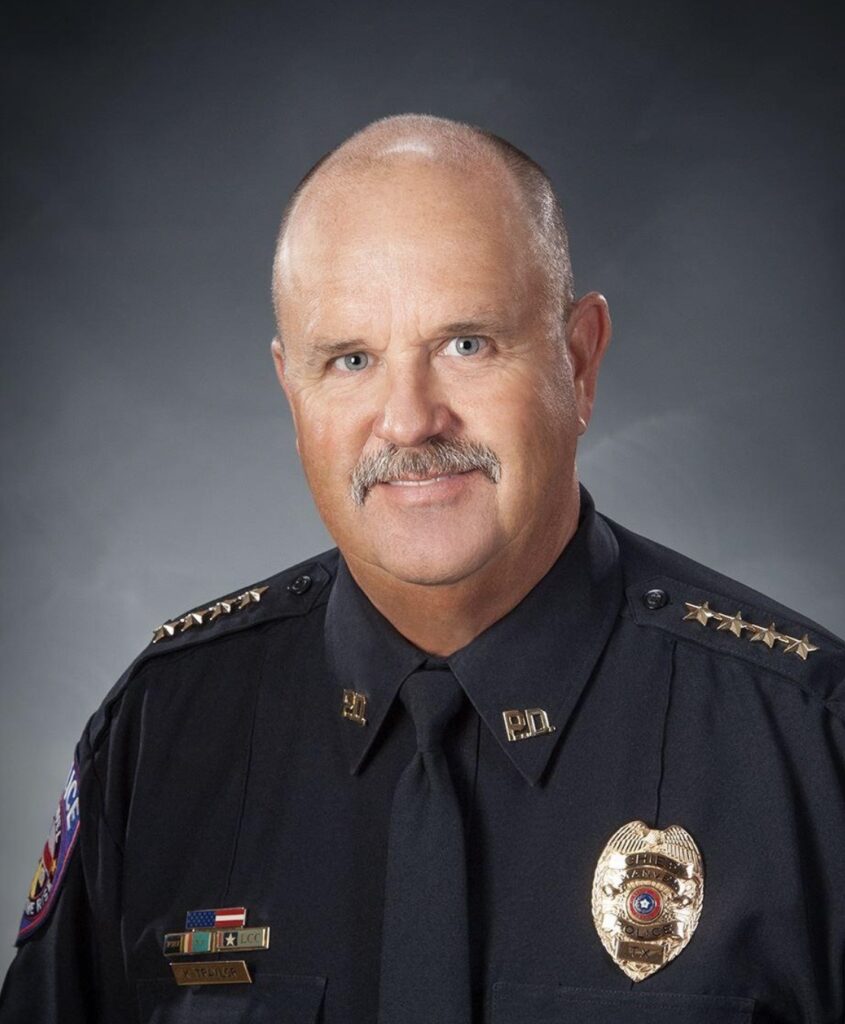
Former Police Chief Keith Traylor left the department on September 30, 2026.

However, the records suggest city officials considered another outcome before his departure.

Manvel police chief faced proposed termination
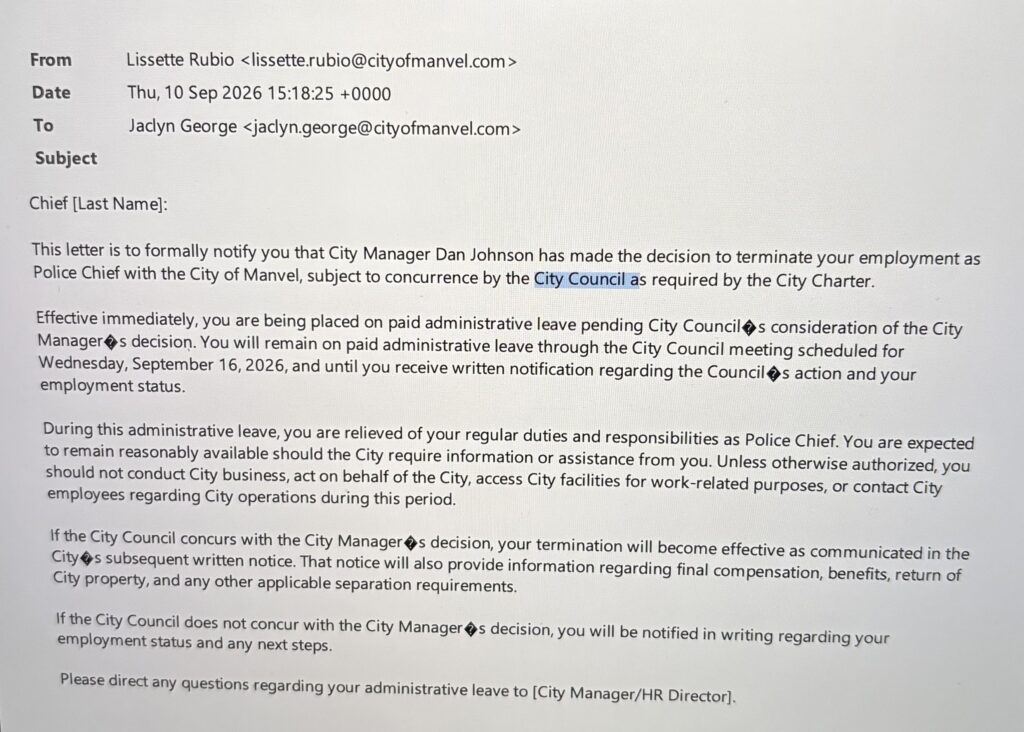
A proposed termination notice included in September 10, 2026, records outlined plans to remove Manvel Police Chief Keith Traylor, subject to City Council concurrence.

A September 10, 2026, email included a proposed termination notice for Traylor.

The notice stated that City Manager Dan Johnson had decided to terminate the chief, pending City Council approval.

The document also addressed administrative leave and the next steps if the council rejected the decision.

However, the records reviewed do not establish that the council approved his termination.

Instead, the city and Traylor reached a separation agreement.

The proposed termination notice followed a September 3, 2026, formal complaint filed by Chris Day, a former Manvel police employee and president of the Manvel Police Association.

Day alleged retaliation, abuse of authority and violations of department disciplinary procedures. He also questioned whether his own termination had been predetermined, pointing to a termination letter dated August 12, one day before his August 13 disciplinary meeting.

Day requested an independent investigation into Chief Keith Traylor’s conduct, including allegations of intimidation and a toxic workplace.

The complaint also raised concerns about a possible vote of no confidence in Traylor’s leadership.

These allegations have not been independently substantiated, and the complaint does not establish that Traylor violated department policy or state law.

Records reveal toxic workplace allegations
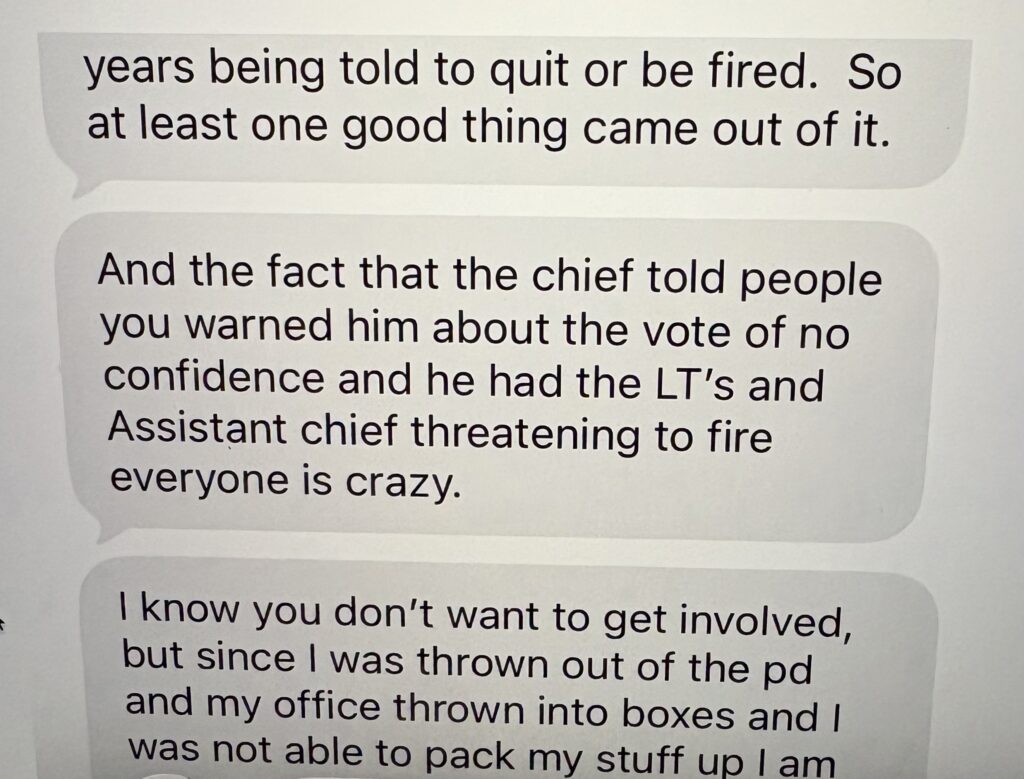
Text messages obtained through public records describe allegations of retaliation, threats of termination and a vote of no confidence involving Manvel Police Department leadership.

Additional documents describe serious disputes inside the Manvel Police Department.

A formal complaint alleges retaliation, abuse of authority and a toxic work environment.

Other records include messages from a former employee who claimed department leaders treated him unfairly.

He alleged that the chief retaliated against him after he filed a complaint. He also described threats of termination and ongoing workplace conflict.

The messages reference a vote of no confidence involving department leadership.

These claims remain allegations.

Source document: September 30, 2026, response from Mayor Dan Davis

The documents reviewed do not independently establish their accuracy.

Former officer questioned whether termination was predetermined

A September 3, 2026, formal complaint submitted by former Manvel police employee Chris Day raises additional questions about the disciplinary process under former Police Chief Keith Traylor.

Day alleged that his termination may have been predetermined, pointing to a termination letter dated August 12, one day before his August 13 disciplinary meeting.

He also alleged that he was not provided all investigative materials before his termination, received insufficient time to respond to disciplinary findings and was given approximately 45 minutes’ notice before an administrative interview.

Day, who identified himself as president of the Manvel Police Association, also raised concerns about possible retaliation. According to his complaint, association members had discussed a possible vote of no confidence in Traylor.

The complaint requested an independent investigation, preservation of relevant records and consideration of placing Traylor on paid administrative leave while the allegations were examined.

Day acknowledged that his termination appeal had been denied. His complaint sought a separate investigation into whether the disciplinary process had been handled properly.

These allegations have not been independently established by the complaint itself, and the records reviewed here do not establish that Traylor violated department policy or Texas law.

Retirement agreement included special protections

The separation agreement describes Traylor’s departure as a voluntary retirement in good standing.

The timing of the agreement raises additional questions. A proposed termination notice dated September 10, 2026, indicates City Manager Dan Johnson was considering terminating Traylor’s employment, pending City Council approval. Yet the signed separation agreement states that Traylor submitted his voluntary retirement notice that same day. The agreement ultimately characterized his departure as a voluntary retirement in good standing.

The records raise an important question: What happened between the proposed termination and the negotiated retirement agreement?

Section 3 addresses his personnel file, disciplinary records and employment references.

The agreement restricts the city from adding certain materials about inquiries to his personnel file or Texas Commission on Law Enforcement records.

It also requires the city to report his departure as a voluntary retirement.

Additionally, the agreement provides salary and accrued leave payments.

It includes continued health coverage under specified terms.

The city and Traylor agreed that the settlement did not constitute an admission of wrongdoing.

Mayor publicly praised Traylor
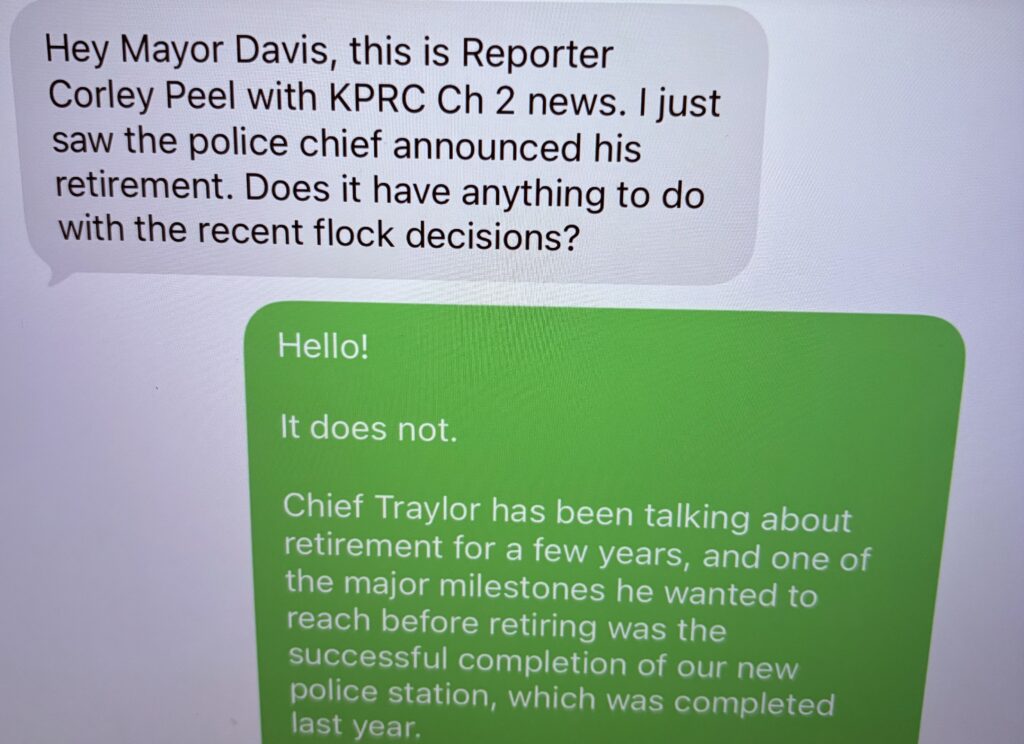
Text messages obtained through public records show KPRC 2 reporter Corley Peel questioning Manvel Mayor Dan Davis about Police Chief Keith Traylor’s retirement. Davis denied a connection to recent Flock camera decisions and said Traylor had discussed retirement for years.
Photo credit: City of Manvel public records, September 2026.

On September 16, a KPRC reporter asked Manvel Mayor Dan Davis about the retirement.

Davis said Traylor had discussed retirement for several years.

He also praised the chief’s leadership and service to the city.

However, the proposed termination notice raises questions about what city officials discussed before the retirement agreement.

Questions remain about Manvel police leadership

The records reveal a department facing workplace allegations and internal disputes.

They also document a proposed termination and a later agreement that characterized Traylor’s departure as voluntary.

Several questions remain.

What prompted the proposed termination? How did city officials investigate the workplace complaints? What led to the final retirement agreement?

The documents reviewed do not fully answer those questions.

Investigative Reporter Tammy Rose continues to examine the records surrounding Traylor’s departure.

My new book is now available

My new book, When Two Worlds Collide During WWII, follows two families on opposite sides of World War II and the remarkable events that eventually brought their lives together in Wisconsin.
Rebecca Beard Case: Why Wasn’t Paul Taylor’s Home Investigated After John Cone’s Report?

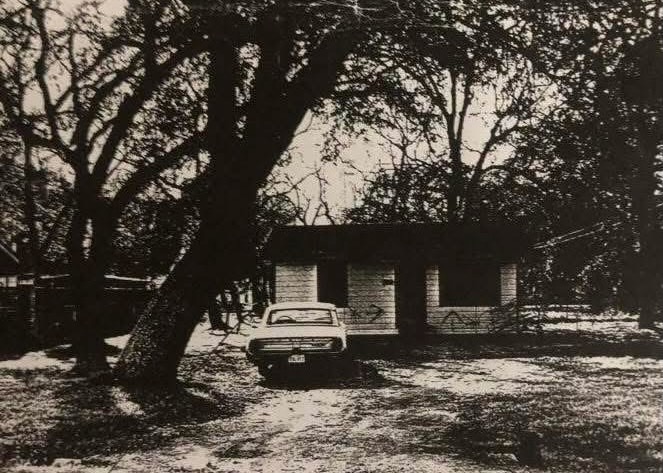
Historic black-and-white photograph of Paul Taylor’s former Clute home, featured in an article examining why investigators did not immediately secure or process the property after John Cone reported an alleged confession in the Rebecca Beard case.
The former Clute home where Paul Taylor lived became a focus of later investigative records after John Cone reported that Taylor allegedly confessed to killing Rebecca Beard. The article examines why available records do not document an immediate crime scene search or forensic processing of the property following that report.

Rebecca Beard Case: Why Wasn’t Paul Taylor’s Home Investigated After John Cone’s Report?

Reviewed by Investigative Reporter Tammy Rose

Police records raise new questions

Nearly 40 years after Rebecca “Becky” Beard disappeared, police records raise a question that remains unanswered.

If Sheriff Joe King received details of an alleged confession from John Cone shortly after Becky vanished, why don’t the records reviewed by Investigative Reporter Tammy Rose document an immediate search or forensic examination of Paul Taylor’s home?

The question stands out because later investigative summaries describe a series of events that, if accurate, pointed investigators toward Taylor’s residence within days of Becky’s disappearance.

John Cone said Taylor admitted killing Becky

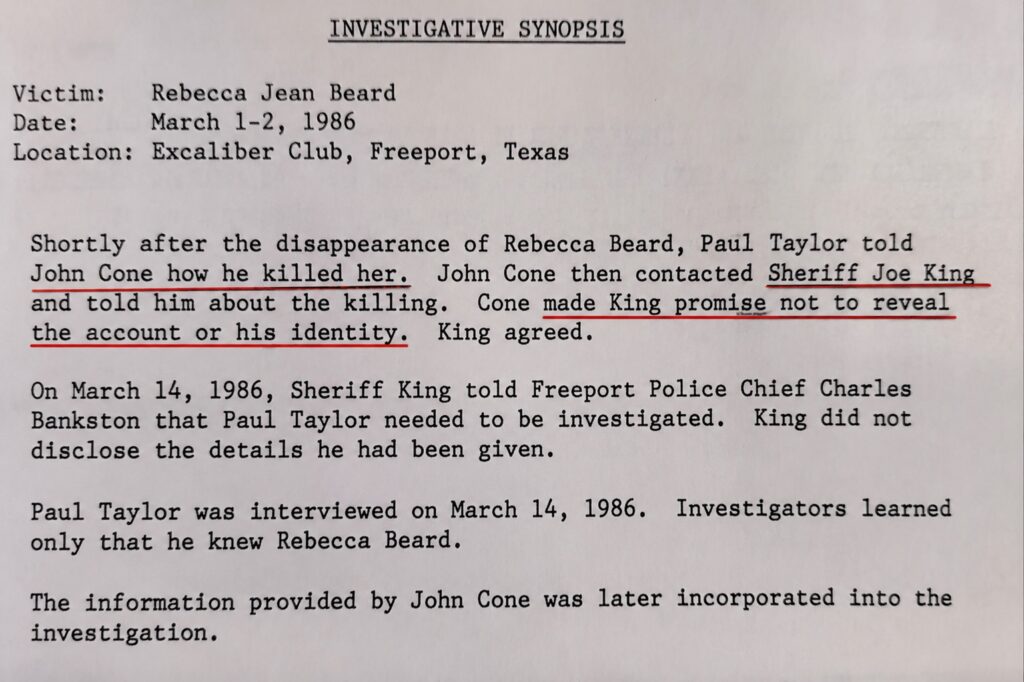
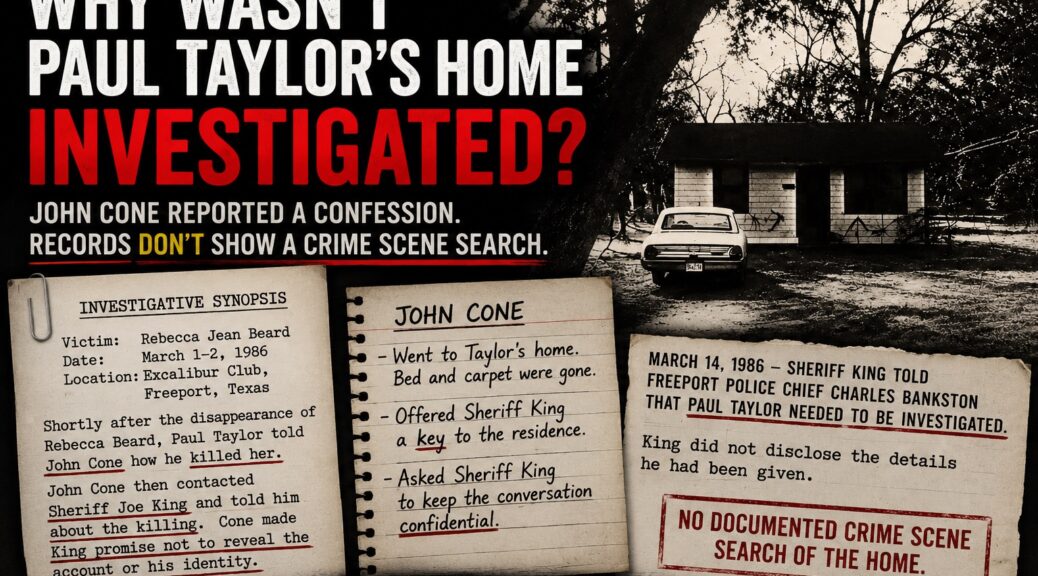
Investigative synopsis from the Rebecca Beard case stating that John Cone told investigators Paul Taylor admitted killing Rebecca Beard, contacted Brazoria County Sheriff Joe King, and asked that both his identity and the account remain confidential.
This investigative synopsis states that John Cone reported an alleged confession by Paul Taylor to Sheriff Joe King shortly after Rebecca Beard disappeared. According to the document, Cone asked King to keep both the information and his identity confidential. The synopsis also states King later advised Freeport Police that Taylor should be investigated, raising questions about what investigative steps followed.

According to a later investigative synopsis, John Cone told investigators that Paul Taylor admitted Becky died inside his Clute home.

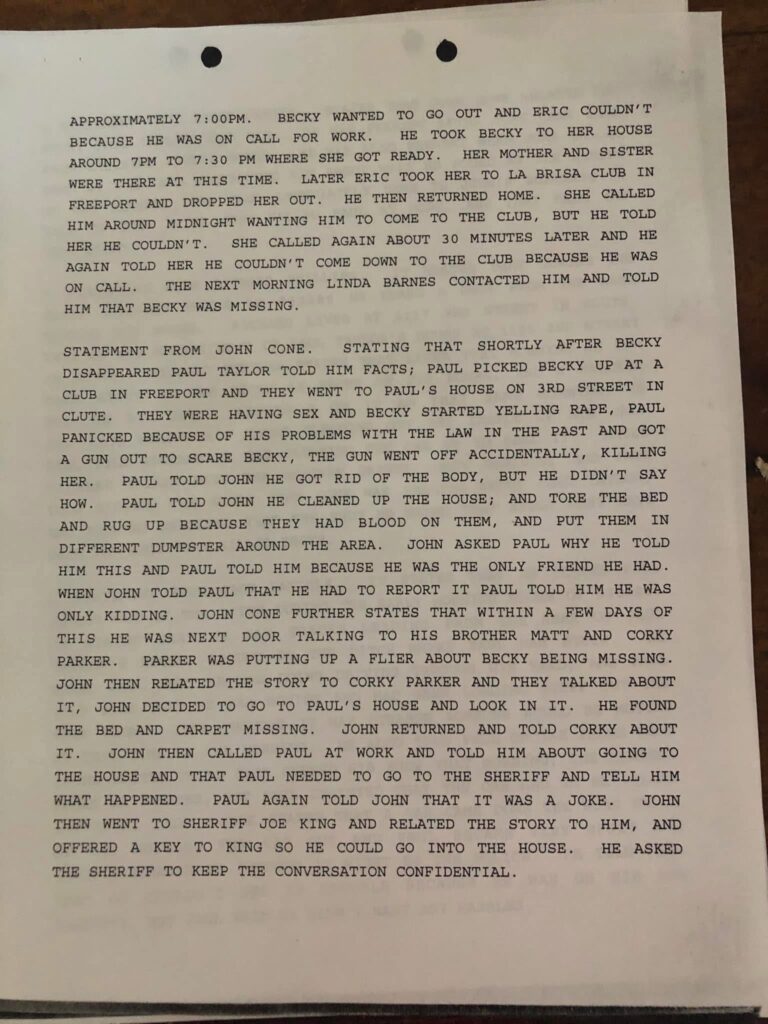
Cone’s statement says Taylor claimed he picked Becky up after she left a club, took her to his residence, and that she died after a gun discharged during a struggle.

Taylor allegedly told Cone he cleaned the residence, removed the bed and carpet because they contained blood, and discarded them in dumpsters.

Cone also said he entered Taylor’s home himself and noticed the bed and carpet were gone.

According to the records, Cone then contacted Brazoria County Sheriff Joe King and reported what Taylor allegedly told him.

Cone reportedly offered Sheriff Joe King a key

Investigative document summarizing John Cone’s statement in the Rebecca Beard case. The document states that Paul Taylor allegedly confessed to Cone, that Cone reported the information to Sheriff Joe King, and that Cone offered the sheriff a key to Taylor’s home after noticing the bed and carpet were missing.
This investigative document summarizes John Cone’s account, including his claim that Paul Taylor allegedly confessed to killing Rebecca Beard. According to the document, Cone said he entered Taylor’s home, noticed the bed and carpet were missing, and later offered Sheriff Joe King a key to the residence. The document raises questions about what investigative steps followed after that information reached law enforcement.

One detail stands out in Cone’s statement.

Cone said he offered Sheriff Joe King a key to Taylor’s residence.

He also asked the sheriff to keep both the conversation and his identity confidential.

The investigative synopsis later states that King agreed to keep the information confidential.

According to that same synopsis, Sheriff King informed Freeport Police Chief Charles Bankston on March 14, 1986, that Paul Taylor needed to be investigated but did not relate the details Cone had provided.

Taylor was interviewed that day. The synopsis states investigators learned only that Taylor knew Becky.

Where is the documented crime scene investigation?

The records reviewed by Investigative Reporter Tammy Rose do not document that investigators immediately searched Paul Taylor’s residence or processed it as a possible crime scene.

The records also do not document officers collecting physical evidence, photographing the interior, looking for blood evidence, seizing the reportedly missing bed or carpet, or tracing the dumpsters where Taylor allegedly said he discarded evidence.

Those questions remain central to understanding the early investigation. The records reviewed for this report do not document that investigators immediately completed those investigative steps after John Cone reported what Taylor allegedly told him.

Those questions remain central to understanding the early investigation. The records reviewed for this report do not document that investigators immediately completed those investigative steps after John Cone reported what Taylor allegedly told him.

Another report raised similar concerns

The records contain another development one month later.

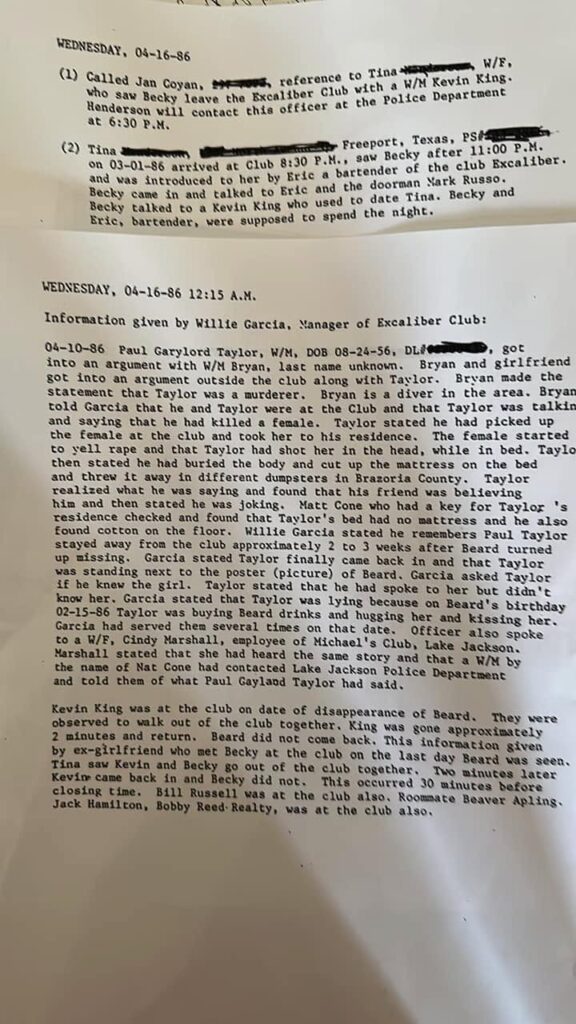
An April 16, 1986 report states the manager of Excaliber Club told investigators about another conversation involving Taylor.

According to the report, another witness claimed Taylor said he picked up a woman from the club, took her home, shot her, buried her body, cut up the mattress and discarded it in dumpsters.

The same report states Matt Cone checked Taylor’s residence and found the bed no longer had a mattress. Cotton stuffing reportedly remained on the floor.

Even then, the records reviewed by Investigative Reporter Tammy Rose do not document that officers immediately processed the residence as a homicide scene.

Another inconsistency emerges

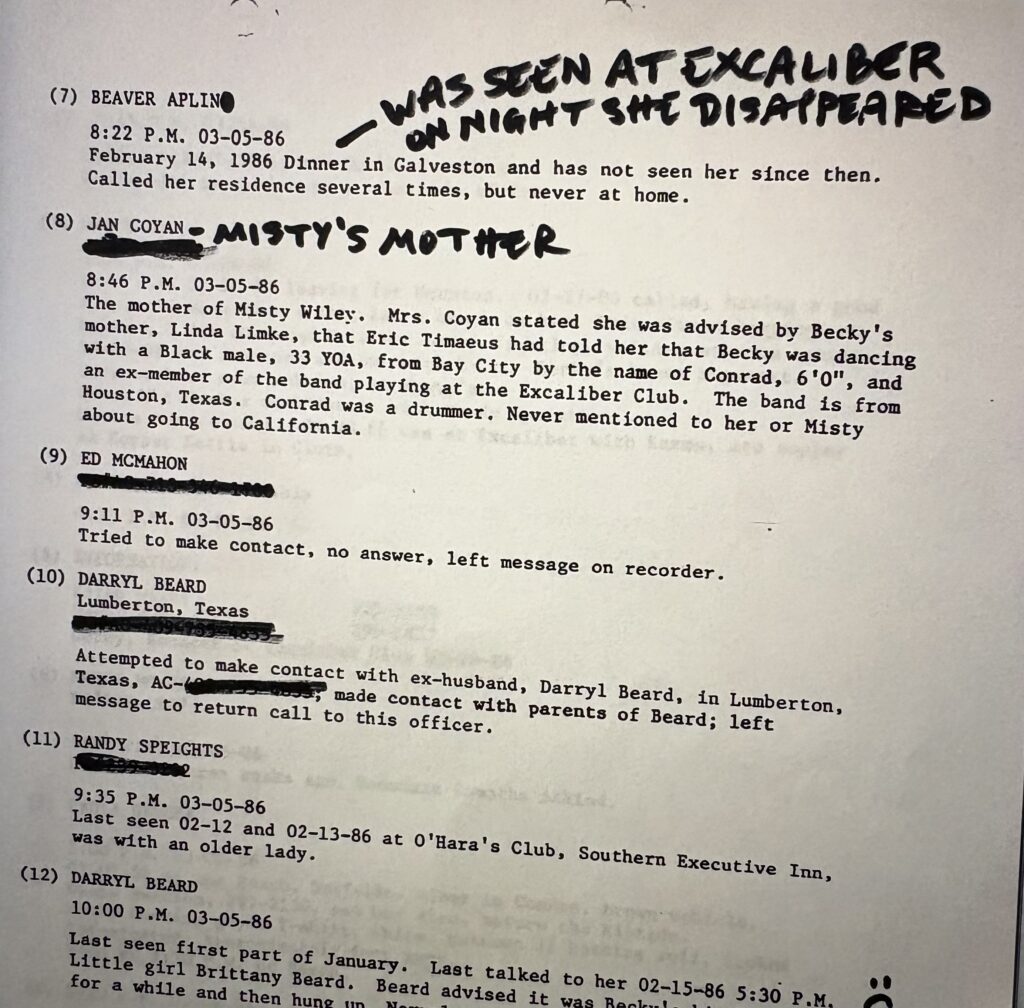
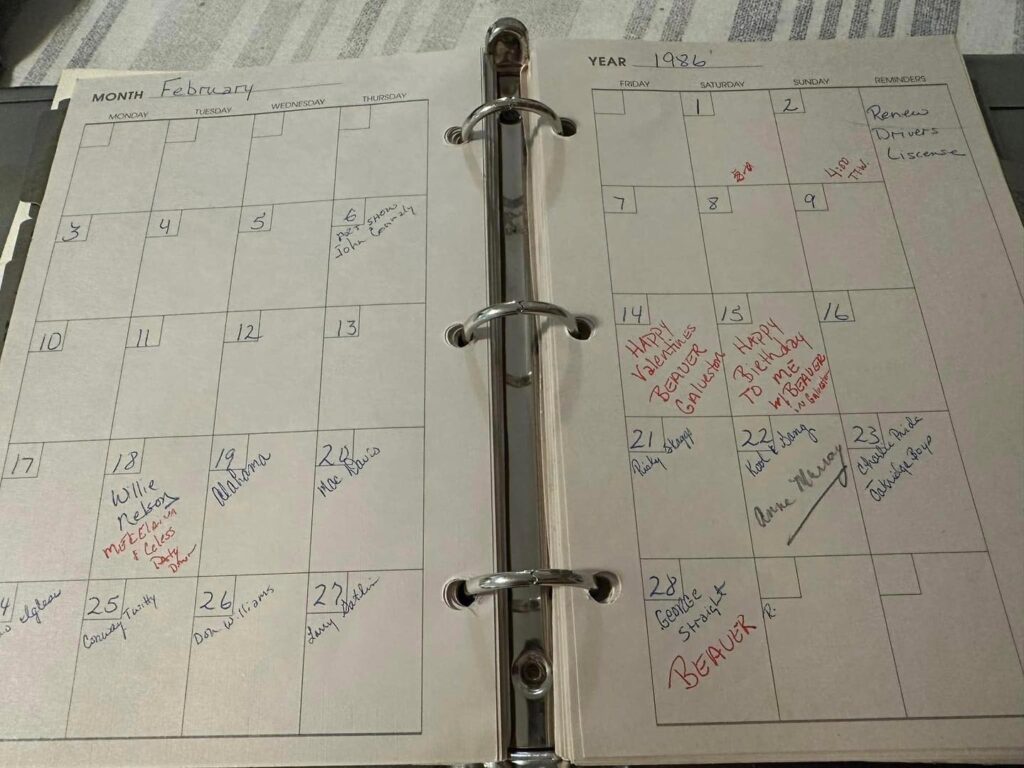
These records compare early police reports, a later investigative summary, and Rebecca Beard’s personal planner. One report states Beaver (Arch) Aplin last saw Rebecca on February 14, while a later investigative summary lists him among witnesses who reportedly saw her at Excalibur on the night she disappeared. The differing timelines raise questions about how investigators reconciled those statements during the investigation.

While reviewing the early investigation, another issue surfaced.

Police reports appear to contain conflicting information about Beaver (Arch) Aplin’s timeline.

One report says Aplin told investigators he had not seen Becky since February 14, 1986.

A later investigative report identifies Aplin as one of several people reportedly present at Excaliber on the night Becky disappeared.

That apparent inconsistency raises another question.

Did investigators ever reconcile those differing accounts?

That question will be examined in Part 2 of this series.

Questions that remain

The records reviewed for this article leave several unanswered questions:

Why wasn’t Taylor’s residence immediately documented as a potential crime scene after John Cone reported an alleged confession?
Did Sheriff Joe King ever use the key Cone reportedly offered?
Were investigators ever able to locate the missing bed, carpet or mattress?
If those items were never recovered, how much potential evidence may have been lost?

Nearly four decades later, those questions remain central to understanding the early investigation into Rebecca Beard’s disappearance.

⸻

Internal links

Why I Traveled to Arizona to Interview Arch Aplin
Rebecca Beard family meeting with investigators

Amazon recommendations

True Crime Investigation Notebook

Keep detailed notes while following complex investigations. A structured notebook makes it easier to compare timelines, witness statements and evidence.

⸻

Disclosure: As an Amazon Associate, I earn from qualifying purchases at no additional cost to you. Your support helps fund my investigative reporting and allows me to continue researching and publishing stories like this one.