Real-time breaking news from the sky and the ground. This category features urgent events, aviation incidents, police activity, weather, and developing stories captured and reported as they happen.
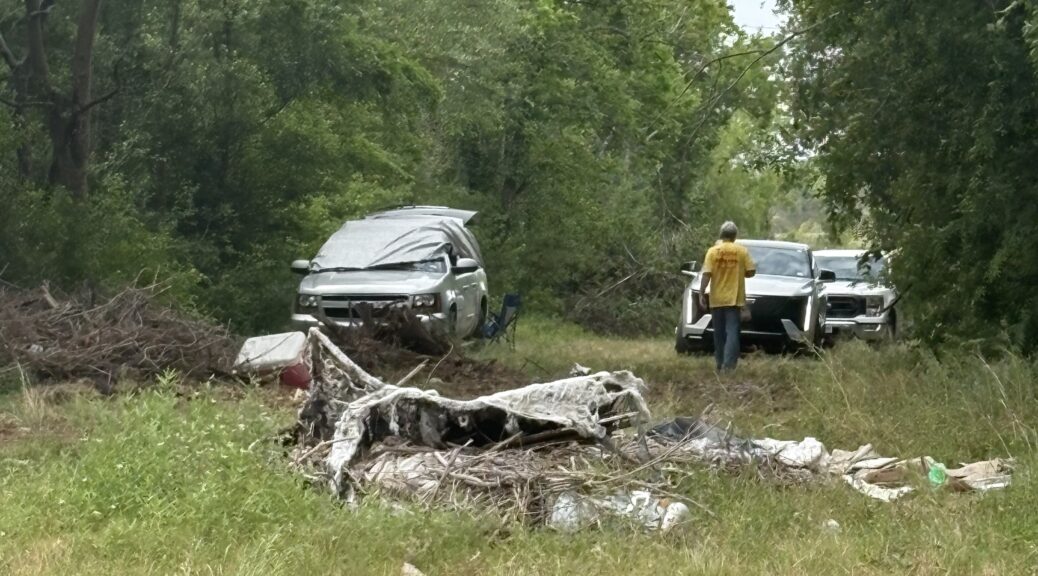
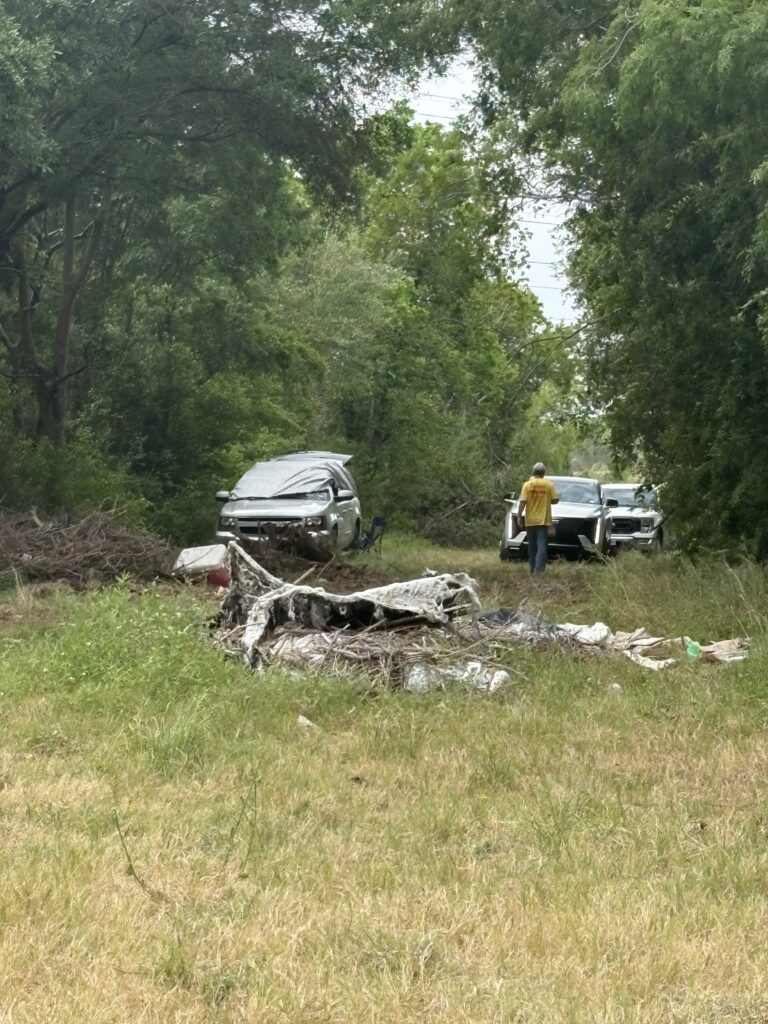
Human remains discovered near Highway 3 and FM 519 have sparked an active Texas EquuSearch search, as crews continue grid searches through wooded terrain. Search dogs were heard barking deep inside the woods, adding urgency to the ongoing investigation.
As an Amazon Associate, I earn from qualifying purchases. This helps support ongoing field reporting and independent journalism at no additional cost to you.
For decades, the Texas Killing Fields have stood as one of the country’s most haunting crime scenes. Along Calder Road, multiple young women were murdered—leaving families still searching for answers.
Now, the case is taking a new turn.
Investigators say more arrests could be coming. They also warn additional victims may be connected.
For the first time, a man is speaking out. He says he survived a disturbing encounter as a child—one that closely mirrors what investigators believe happened to a known victim.
Exclusive Interviews Reveal New Details About the Texas Killing Fields
What if there are more victims in the Texas Killing Fields?
Chilling new interviews could lead investigators to more victims buried near the criminals’ old house. In these Texas Killing Fields exclusive interviews, neighbors and family of Clyde Hedrick and James Elmore Jr. share details that raise new questions about the case.
Take a listen to the full interviews in the video below.
If you want to dive deeper into cases like this, I’ve linked some true crime books below that break down investigations just like the Texas Killing Fields.
For the latest updates on the Texas Killing Fields investigation — including coverage of the press conference where officials said there are ongoing active leads and families continue to push for answers — see this report from ABC13:
As an Amazon Associate I earn from qualifying purchases
These Texas Killing Fields exclusive interviews reveal details never shared publicly before, including accounts from family members and neighbors who lived just steps away from the suspects. Their testimonies shed new light on the investigation and the evidence authorities have collected over the years.
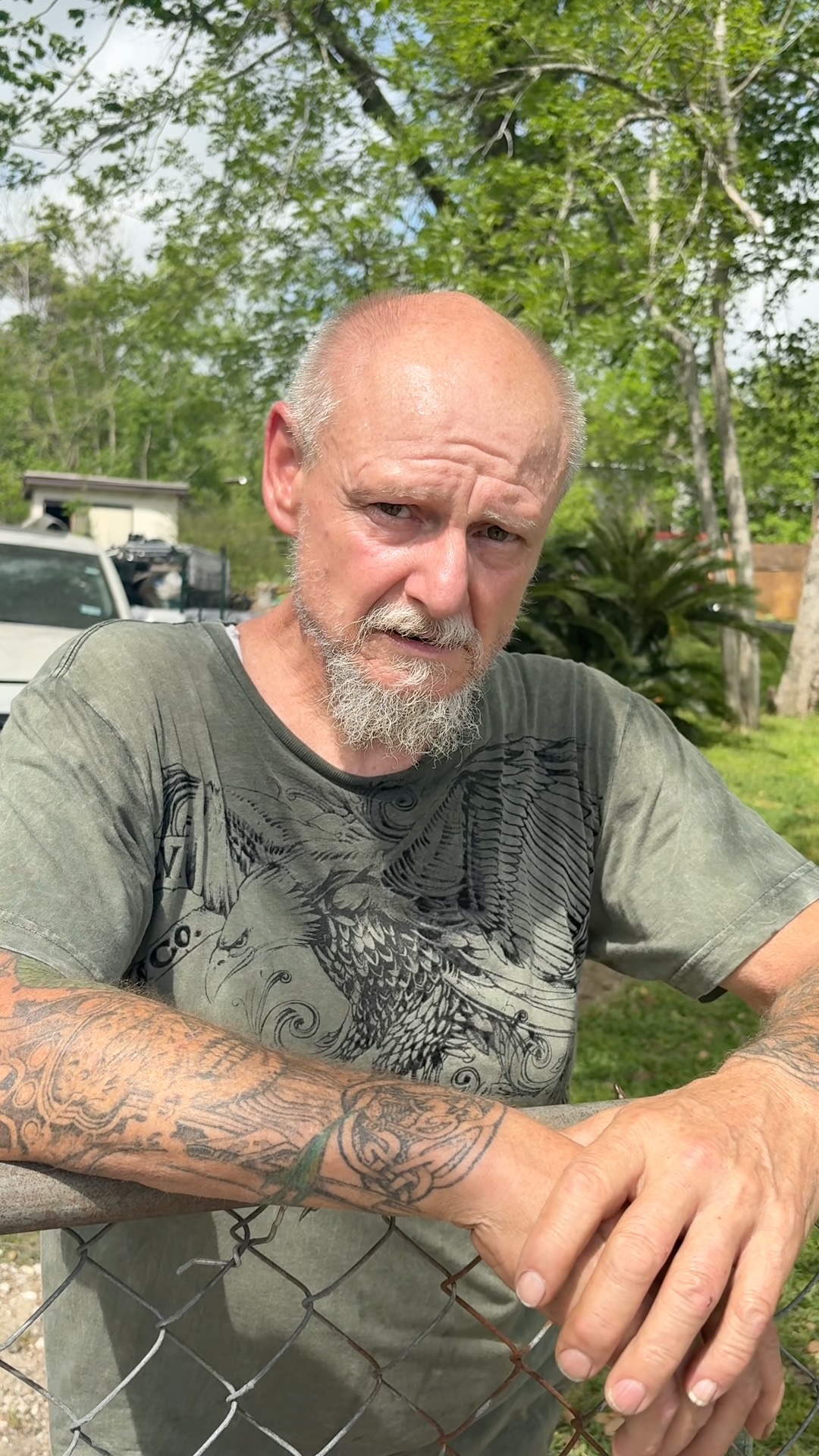
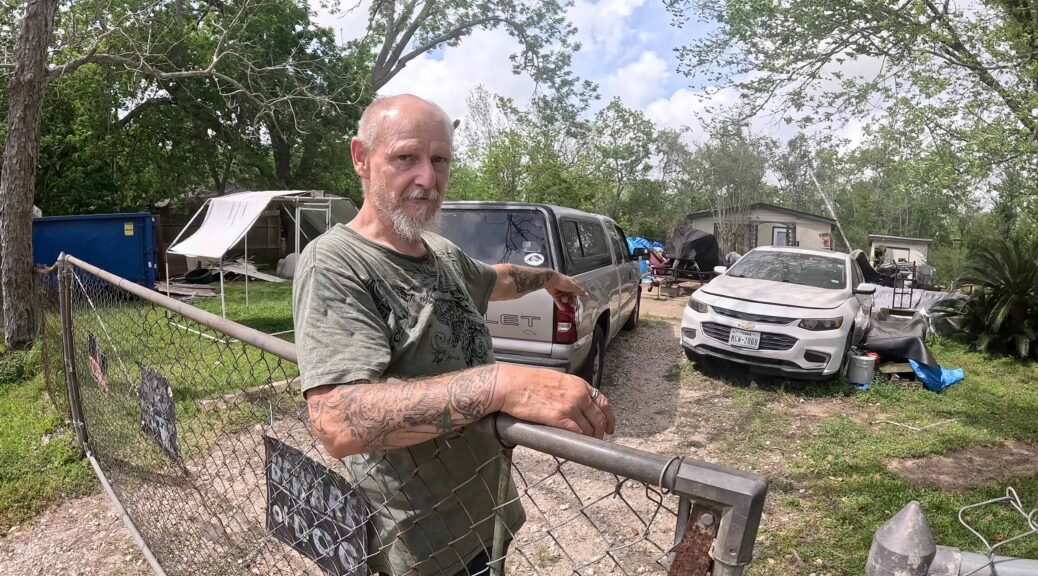
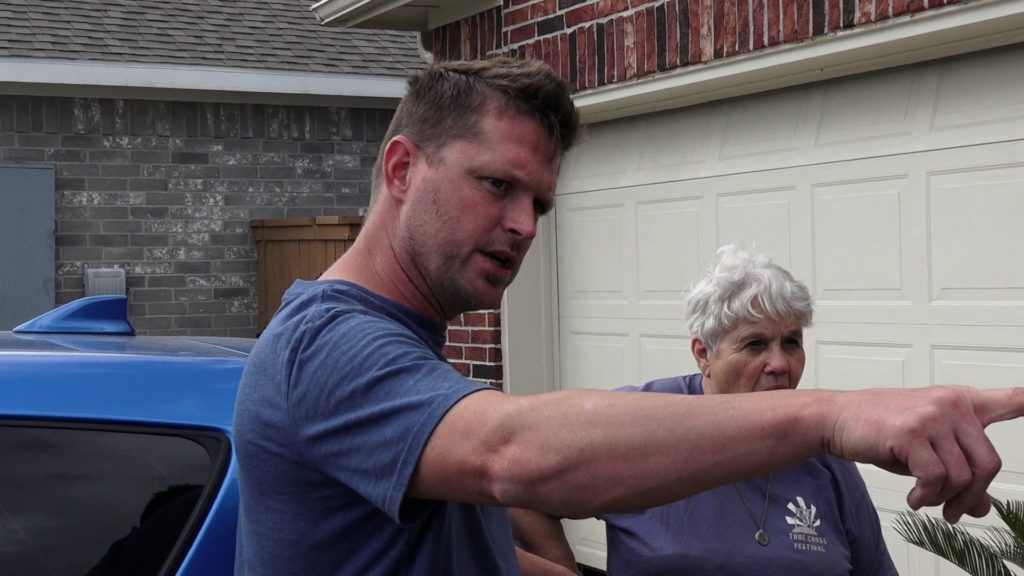
Raymond Elmore, cousin of James Elmore Jr., speaks exclusively about his family’s involvement in the Texas Killing Fields investigation while standing behind a chain-link fence.
EXCLUSIVE TONIGHT —
New insight into the Texas Killing Fields investigation… as people who lived just steps away from Clyde Hedrick and James Elmore Jr. are now speaking out.
One of them — Elmore’s own cousin — defending him… while former neighbors describe what they saw and what still haunts them.
I’m reporter Tammy Rose, and I’m breaking down the latest developments in the Texas Killing Fields investigation.
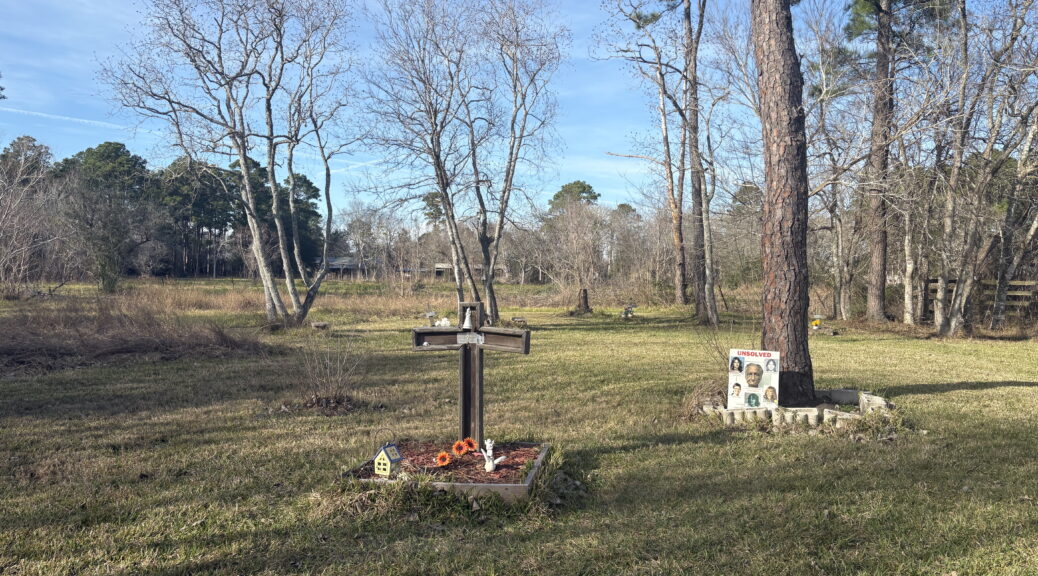
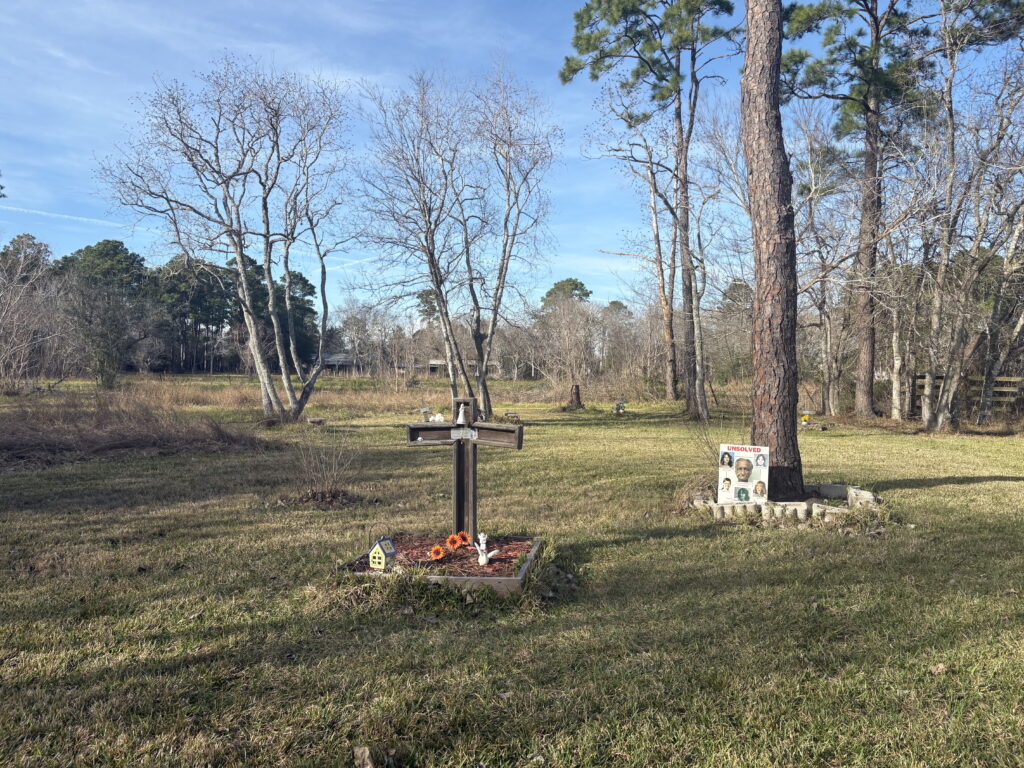
Memorial site near Calder Road in League City, Texas-one of the Texas Killing Fields discovery locations
Police confirm new developments in the decades-old investigation into multiple deaths near Calder Road.
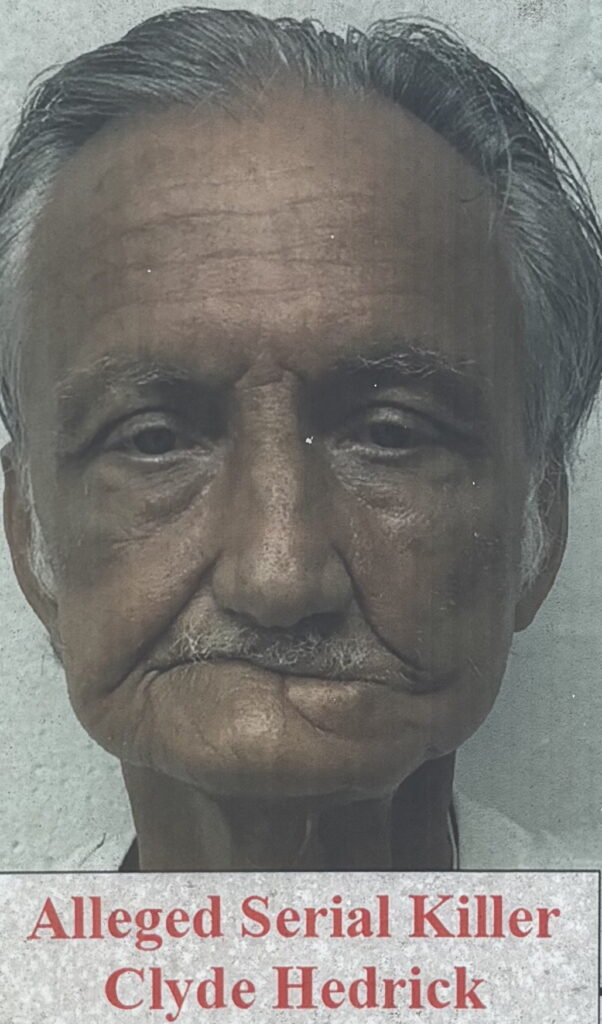
Police confirmed that longtime Texas Killing Fields suspect Clyde Edwin Hedrick died at 72 after removing his breathing tube while hospitalized following an interview with investigators. Prosecutors had been preparing murder charges against him before his death.
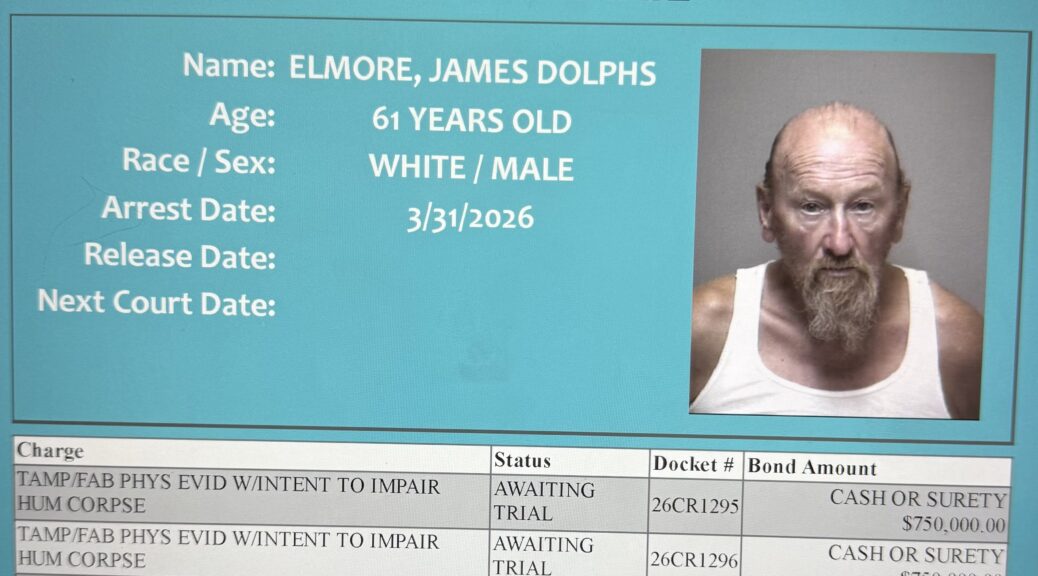
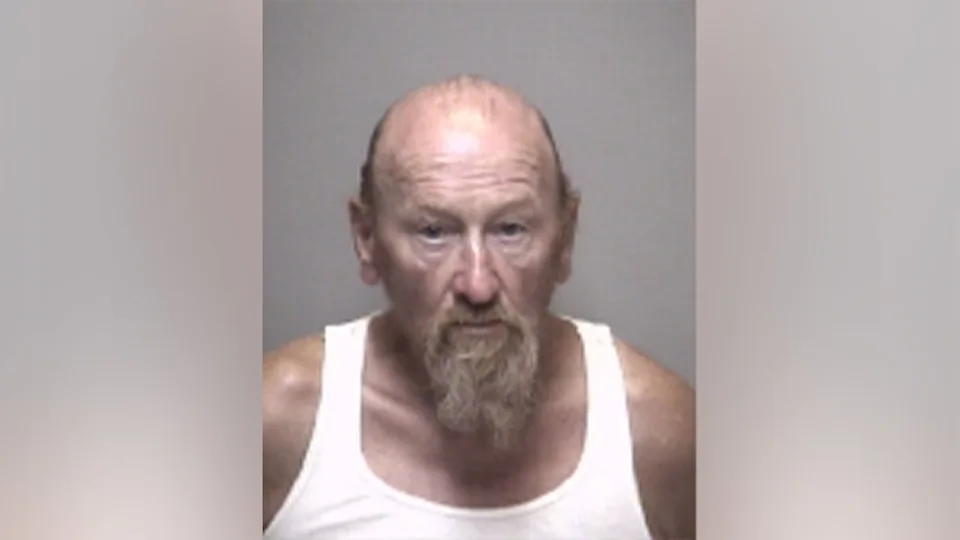
A Galveston County grand jury indicted James Dolphs Elmore Jr., 61, of Bacliff, on manslaughter and evidence‑tampering charges related to the deaths of Laura Lynn Miller and Audrey Lee Cook. Authorities say Elmore helped conceal the victims’ remains and provided a vial of cocaine linked to Miller’s death.
James Dolphs Elmore Jr. has been arrested and charged with manslaughter in connection to the death of Laura Miller, a victim linked to the Calder Road “Killing Fields.”
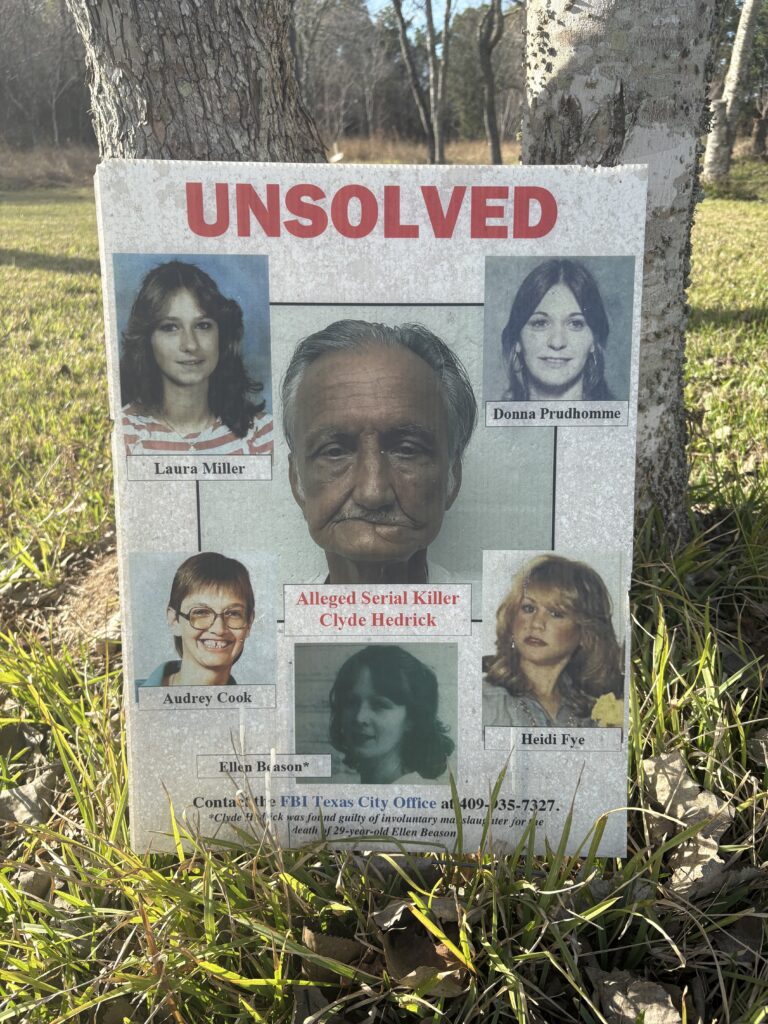
Investigators identified four women connected to the Calder Road “Killing Fields”: Heidi Fye, Laura Miller, Audrey Cook, and Donna Prudhomme. They located Fye and Miller in the 1980s. DNA testing later confirmed the identities of Cook and Prudhomme in 2019.
The Calder Road case remains active. Officials continue reviewing other cold cases and leads connected to the site.
A memorial near Calder Road honors the victims. Families, law enforcement, and community members visit regularly to pay their respects and remember the lives lost.
Four victims, one recovery site
Laura Miller and a Father’s Search for Justice
Laura Miller disappeared on September 10, 1984, after calling her boyfriend from a payphone in League City, Texas. Police initially treated her disappearance as a runaway case, but her father, Tim Miller, refused to accept that explanation.
Seventeen months later, investigators located Laura’s remains along Calder Road. The loss of his daughter changed Tim Miller’s life. Rather than give up, he turned his grief into action and founded Texas EquuSearch, a volunteer organization that helps locate missing people across the country.
Hedrick lived in the area when Laura disappeared, and investigators and families have long considered him a person of interest in the Calder Road murders.
He was later convicted of a separate killing — the 1984 murder of Ellen Beason — a brutal crime in which the victim was bludgeoned and hidden.
Hedrick served years in prison for that murder and was released under Texas parole laws.
Clyde Edwin Hedrick, long considered a suspect in multiple killings tied to the Texas Killing Fields, died in March 2026 while on parole, before authorities could file additional charges against him.
Remembering the Victims: Calder Road Killing Fields Memorial
Site were 4 victims were found
Disclosure: As an Amazon Associate, I earn from qualifying purchases.
Flames burn through rugged terrain during the Yarnell Hill Fire near Yarnell, Arizona in 2013.
I flew in Arizona for more than 12 years and attended Northern Arizona University, so news of the Arizona Department of Public Safety (DPS) helicopter crash in Flagstaff hits especially close to home.
Northern Arizona airspace is familiar, challenging, and unforgiving at night — a place many of us in aviation know well.
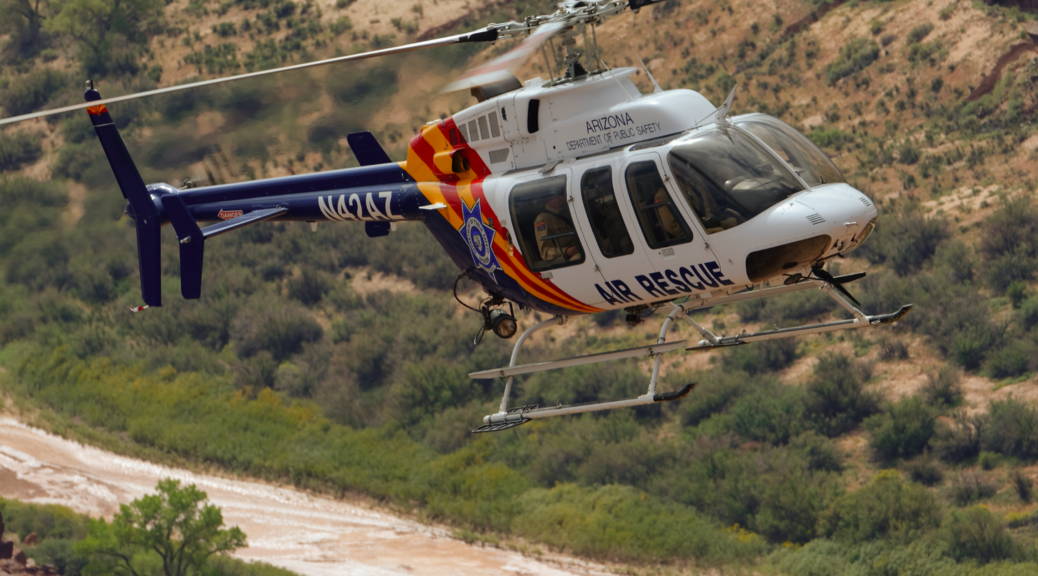
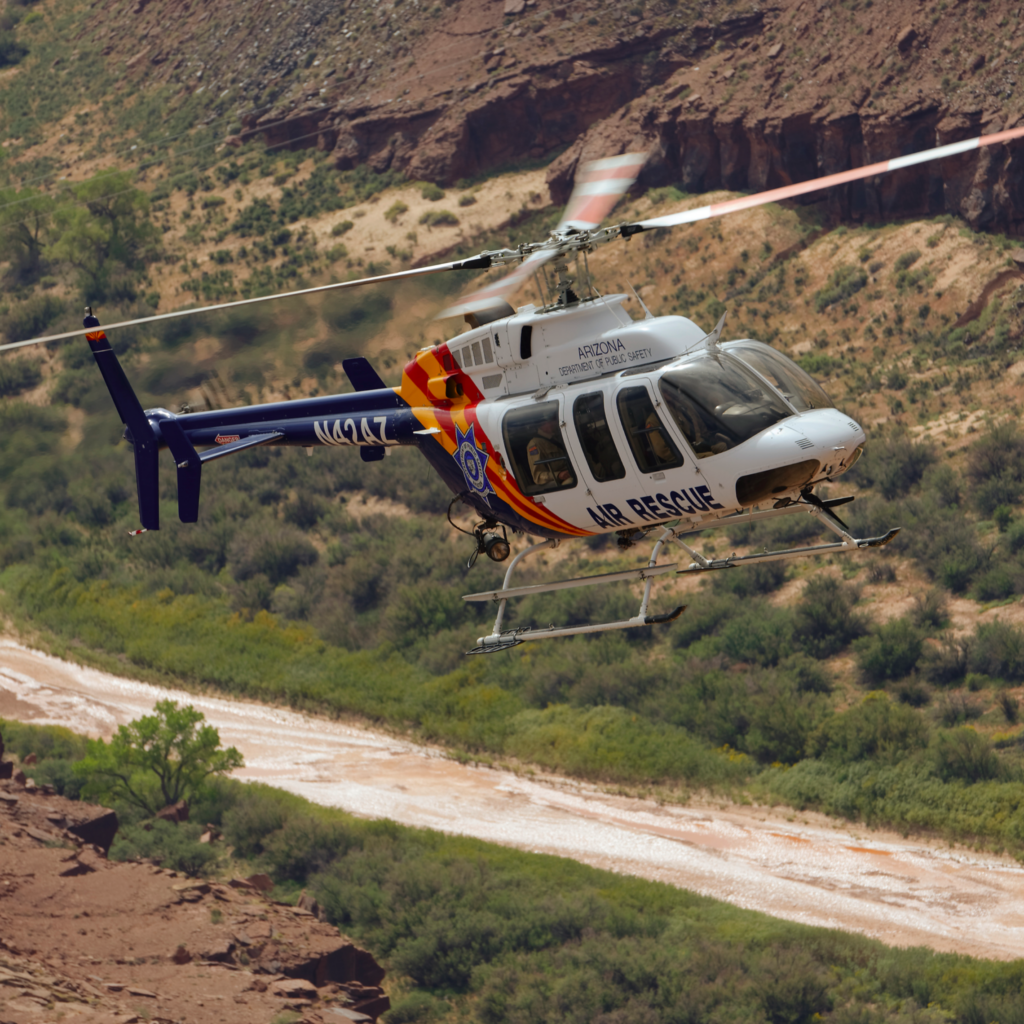
According to DPS, the helicopter was assisting law enforcement during an active incident in Flagstaff when it went down late on February 4th, 2026.
Both crew members on board were killed. DPS confirmed the loss during a press conference and stated the helicopter was providing aerial support at the time.
The Bell 407, N56AZ, crashed west of the active shooter scene after entering a rapid climb with groundspeeds dropping to 4 knots.
Witnesses captured video of the helicopter in an apparent out-of-control spin. Weather at Flagstaff was clear with light winds, indicating conditions were likely not a factor.
Video shows aerial views of the crash aftermath and is from ABC15 Arizona — gives a sense of what happened on scene.
This remains an active investigation, and authorities have not released details on what caused the helicopter to go down. As someone who has flown these skies, I know how much experience, training, and professionalism these crews bring to every mission.
Flagstaff isn’t just a dot on a map — it’s a tight-knit aviation and mountain community. My thoughts are with the families, coworkers, and first responders affected by this tragic loss.
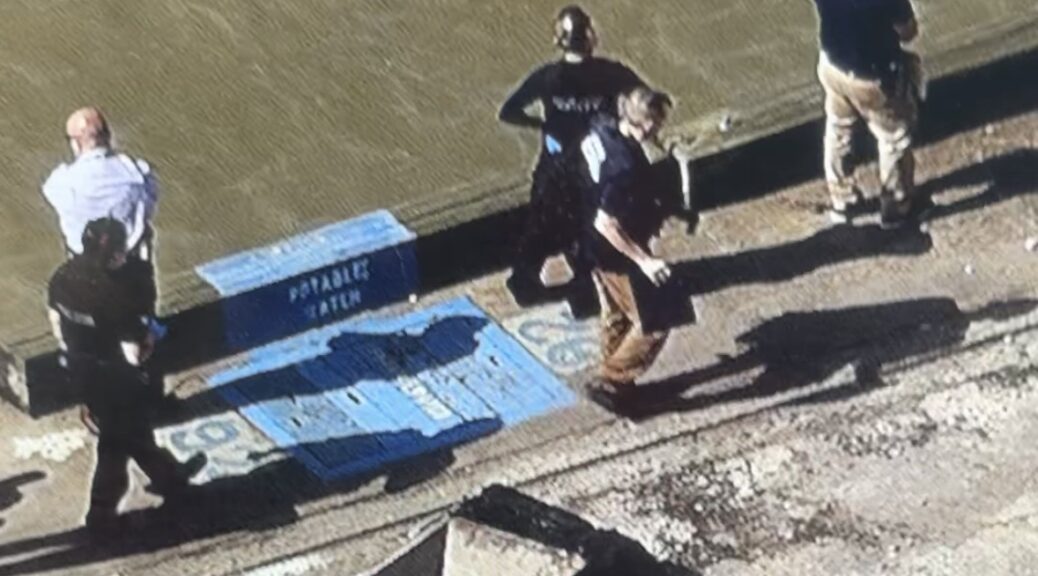
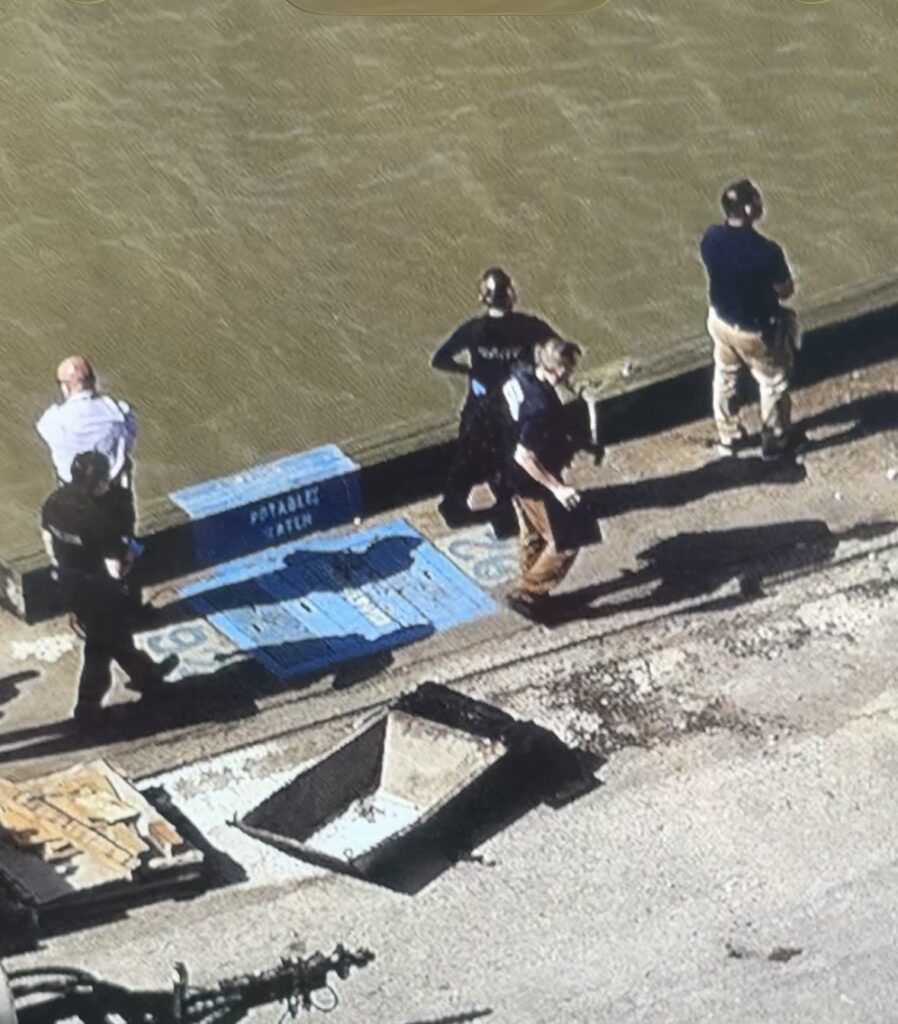
CSI and police investigate along a Houston bayou after a body discovered near the 610 bridge
Rising Number of Bodies Found in Houston Bayous. Are the Cases Connected?
Homicide investigators respond after a body was found in a Houston bayou, adding to rising public concern. HPD and CSI are on scene investigating , but authorities have not released the victim’s identity.
Where the Body Was Found
This is the latest in a series of Houston bayou body recoveries over the last several years according to HPD. The man was pulled from the Buffalo Bayou near 8300 High Level Rd, Monday morning near the Port of Houston.
The case adds to growing concern over the number of bodies recovered from Houston-area waterways in recent years. According to Harris County forensic records, nearly 200 bodies have been found in local bayous since 2017. In the past two years alone, recoveries reached some of the highest totals on record, with 35 bodies found in 2024 and 34 in 2025.
Officials say cases vary widely — including drownings, accidents, suicides, homicides, and undetermined deaths — and investigations are handled individually. Authorities have not said whether this latest homicide is connected to any other cases.
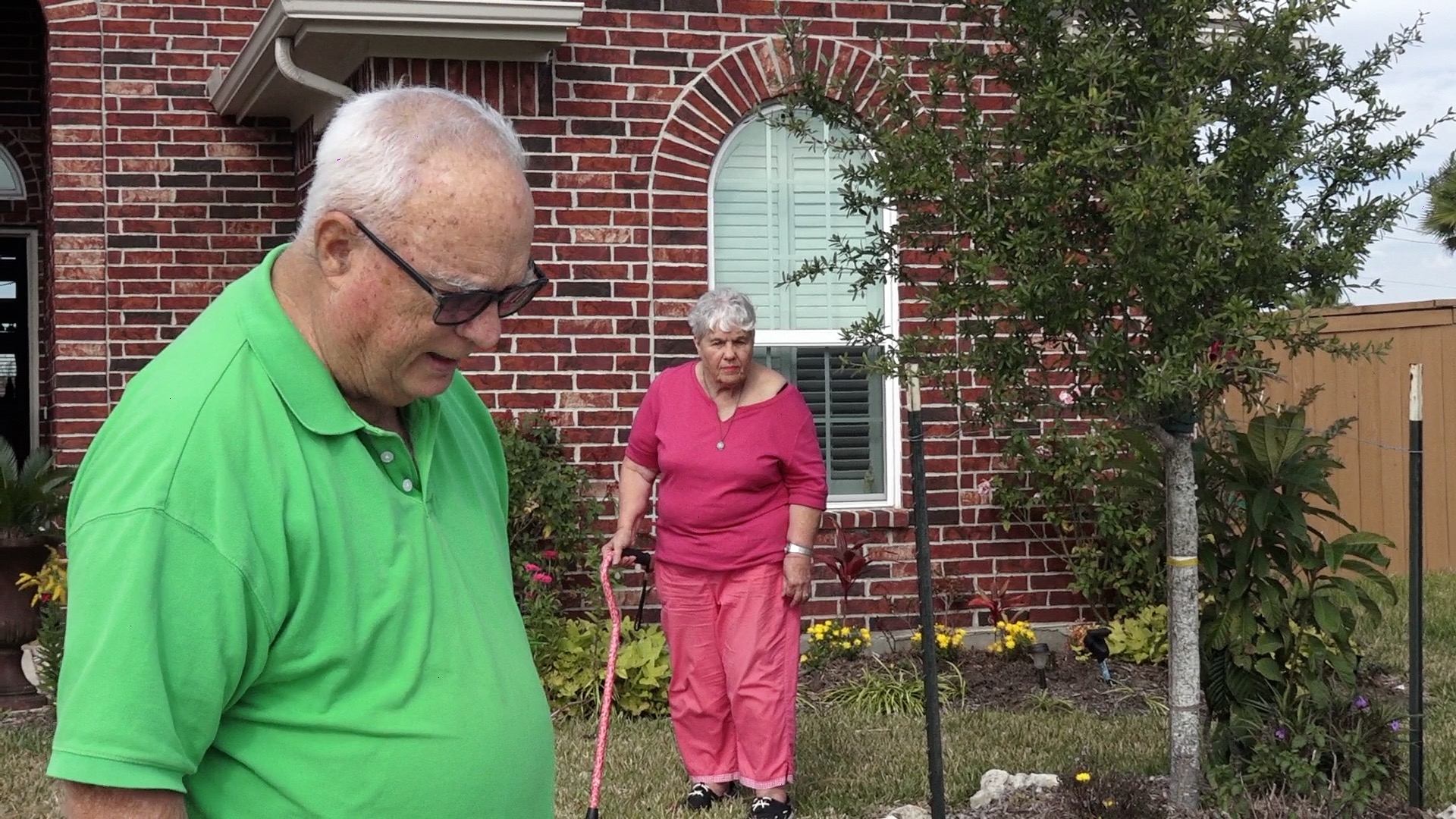
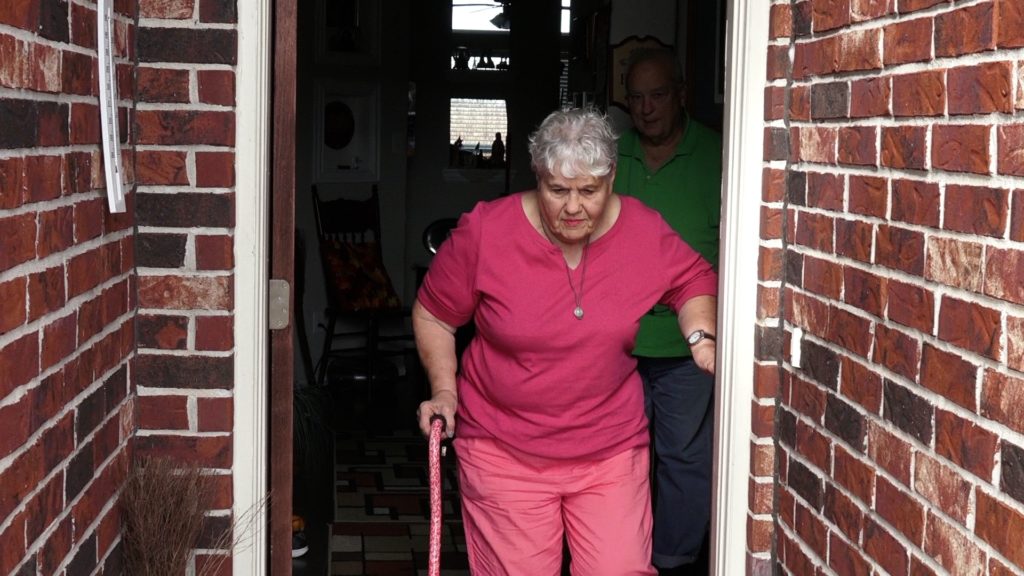
In 2019, Klaas and Dorothy Tadema, a retired math teacher and former nurse in Dickinson, Texas, faced a $100,000 HOA lien over their flower beds. I reported on their case, which quickly gained national attention and ultimately forced the HOA to drop the lien.
Since then, we learned that Dorothy “Dotty” Tadema, the homeowner at the heart of this story, passed away on June 13, 2021, at age 77. She is remembered by her family and community for her faith, kindness, and service. Her obituary can be viewed here: Crowder Funeral Home obituary.
This update honors her memory and adds new context to a story that resonated with readers nationwide.
Elderly Couple HOA Lien Over Flower Beds Sparks National Outrage
Following widespread media coverage and public pressure, the HOA released the lien, allowing the couple to sell their home and move forward with their lives. But months later, tragedy struck when Dorothy passed away after ongoing health complications.
This is the full story — and the update few people know.
National Attention Forces the HOA to Back Down
Update: Despite dozens of landscapers offering to help elderly couple following a $100,000 lawsuit filed by Land Tejas over flower beds, the property developer refuses to back down.
After weathering many storms over their 52 years of marriage including losing a home during Hurricane Harvey, Klaas & Dorothy Tadema never imagined flower beds could force them to potentially lose everything again including their health. Click on link below to view full story.
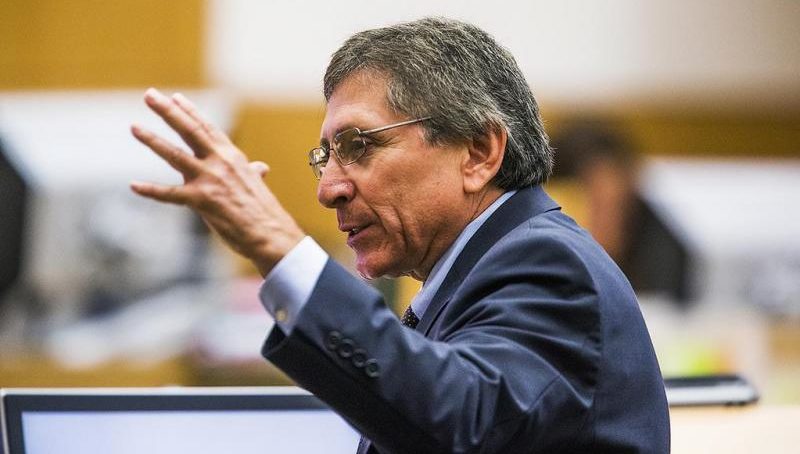
This story is long overdue. I am speaking publicly because I was a key witness in the Juan Martinez disciplinary hearing. My decision to come forward helped expose misconduct that ultimately ended his career as a prosecutor.
How I Discovered the Misconduct
Journalist Tammy Rose
Covering the Jodi Arias Sentencing Retrial
I was covering the Jodi Arias case when I noticed troubling behavior by then‑prosecutor Juan Martinez. It crossed ethical lines.
One of the most disturbing revelations was the leak of Juror 17’s identity to the public. The information did not come from the court; it came from within the prosecution itself, passed via a media intermediary.
When a juror’s identity becomes public, it puts them at serious risk. In this case, that juror later received threats to their safety.
That moment marked a turning point for me. What began as reporting became a matter of public responsibility. I realized I needed to document and report what I had uncovered.
I provided investigators with records and testimony about how the leak happened, knowing it could affect my career and reputation. Still, I chose to act ethically and tell the truth.
The investigation confirmed that protected information had been improperly shared and that this conduct was part of a broader pattern of ethical violations.
My Role in the Disciplinary Hearing
I gave testimony and submitted evidence detailing the leaks and unethical conduct. My goal was never to attack individuals unnecessarily, but to ensure accountability and integrity in the justice system.
I acted independently and ethically, aware that speaking out could impact my professional life. But truth and public safety were my priority.
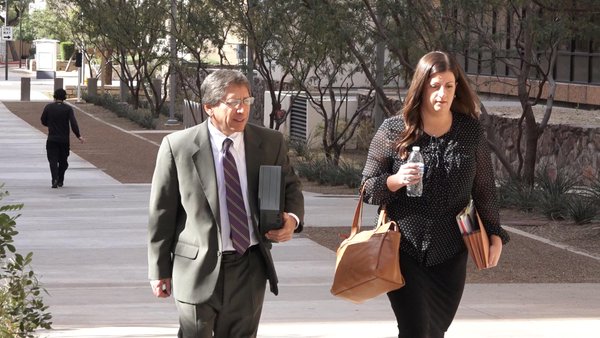
Journalist Tammy Rose traveling to court for the Jodi Arias resentencing trial, connected to the Juan Martinez disciplinary hearing
What Happened After the Investigation
After reviewing the evidence, the investigation confirmed a pattern of ethical violations, including:
• Improper communications with media members
• Leaks of protected juror information
• Conduct prejudicial to justice
As a result, Juan Martinez was terminated and later disbarred. His ability to practice law was permanently revoked.
Why This Story Still Matters
Prosecutors hold immense power. When that power is abused, the entire justice system is at risk. I came forward because journalists are not above the law — and neither are prosecutors.
This story reminds us that accountability matters.
A prescribed burn following a grass fire at Addicks Reservoir sent heavy smoke across west Houston Sunday, prompting air quality concerns.
Meanwhile, Houston firefighters are asking the public to not call 911. Crews are already on scene and actively managing the situation.
Aerial and ground coverage of the controlled burn near the reservoir
What began as a fast-moving grass fire near Addicks Reservoir is now a controlled prescribed burn to reduce future fire risk in the area.
This type of prescribed burn helps eliminate years of built-up vegetation and dry brush that can fuel dangerous wildfires in the future.
According to the Houston Fire Department, the burn was conducted under controlled conditions to reduce future wildfire risk.
Aerial and ground coverage of the controlled burn near the reservoir
From the air, the scale of the operation becomes clear. Fire lines, engines, and burn patterns are visible across a wide area surrounding Addicks Reservoir. Meanwhile on the ground, heavy smoke drifts across nearby roadways.
Authorities say there is no immediate threat to nearby homes or businesses, and no evacuations have been ordered.