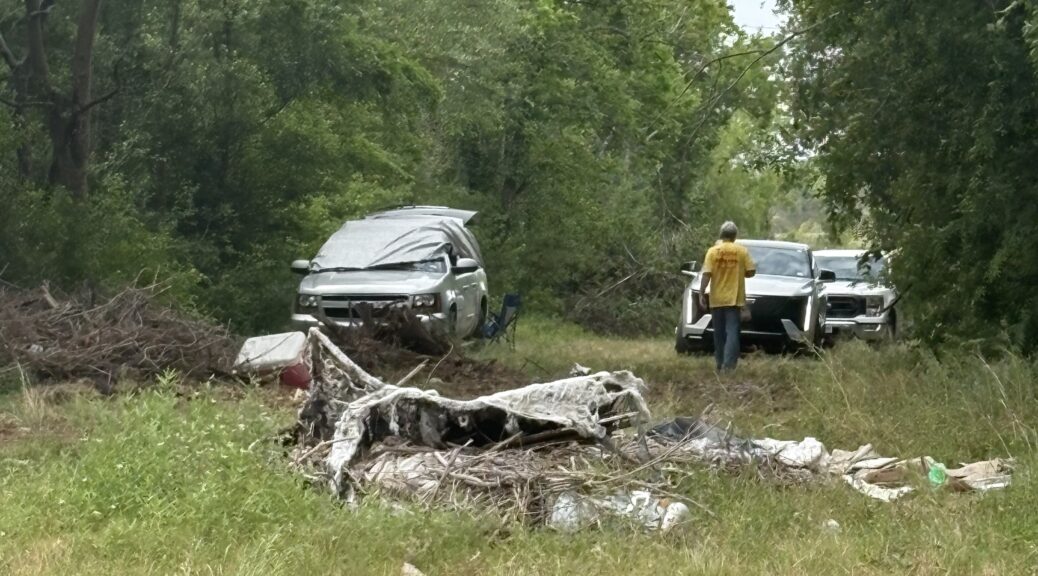
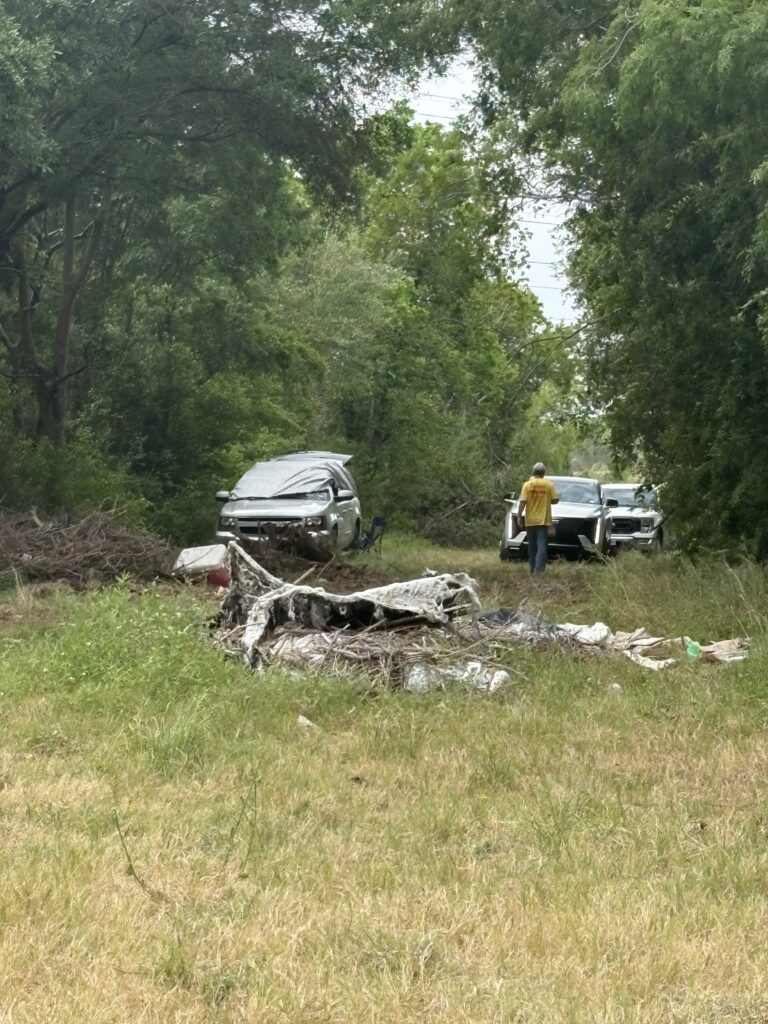
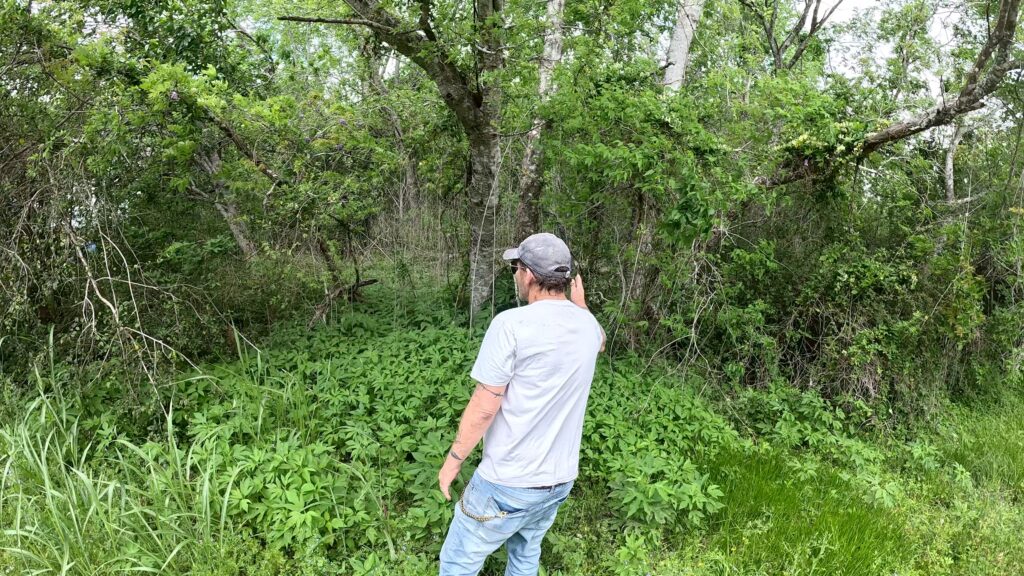
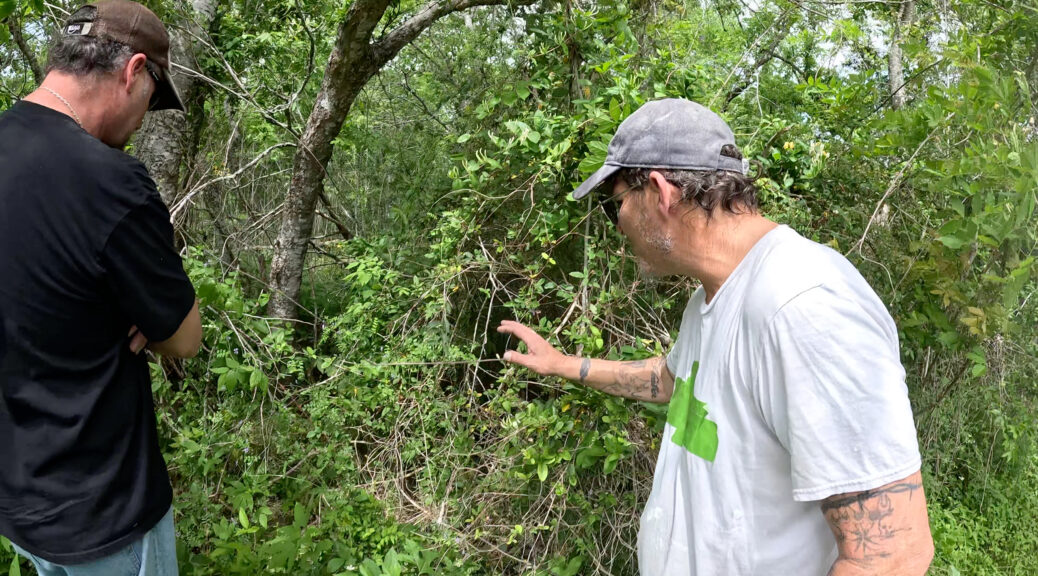
Human remains discovered near Highway 3 and FM 519 have sparked an active Texas EquuSearch search, as crews continue grid searches through wooded terrain. Search dogs were heard barking deep inside the woods, adding urgency to the ongoing investigation.
As an Amazon Associate, I earn from qualifying purchases. This helps support ongoing field reporting and independent journalism at no additional cost to you.
For decades, the Texas Killing Fields have stood as one of the country’s most haunting crime scenes. Along Calder Road, multiple young women were murdered—leaving families still searching for answers.
Now, the case is taking a new turn.
Investigators say more arrests could be coming. They also warn additional victims may be connected.
For the first time, a man is speaking out. He says he survived a disturbing encounter as a child—one that closely mirrors what investigators believe happened to a known victim.
Exclusive Interviews Reveal New Details About the Texas Killing Fields
What if there are more victims in the Texas Killing Fields?
Chilling new interviews could lead investigators to more victims buried near the criminals’ old house. In these Texas Killing Fields exclusive interviews, neighbors and family of Clyde Hedrick and James Elmore Jr. share details that raise new questions about the case.
Take a listen to the full interviews in the video below.
If you want to dive deeper into cases like this, I’ve linked some true crime books below that break down investigations just like the Texas Killing Fields.
For the latest updates on the Texas Killing Fields investigation — including coverage of the press conference where officials said there are ongoing active leads and families continue to push for answers — see this report from ABC13:
As an Amazon Associate I earn from qualifying purchases
These Texas Killing Fields exclusive interviews reveal details never shared publicly before, including accounts from family members and neighbors who lived just steps away from the suspects. Their testimonies shed new light on the investigation and the evidence authorities have collected over the years.
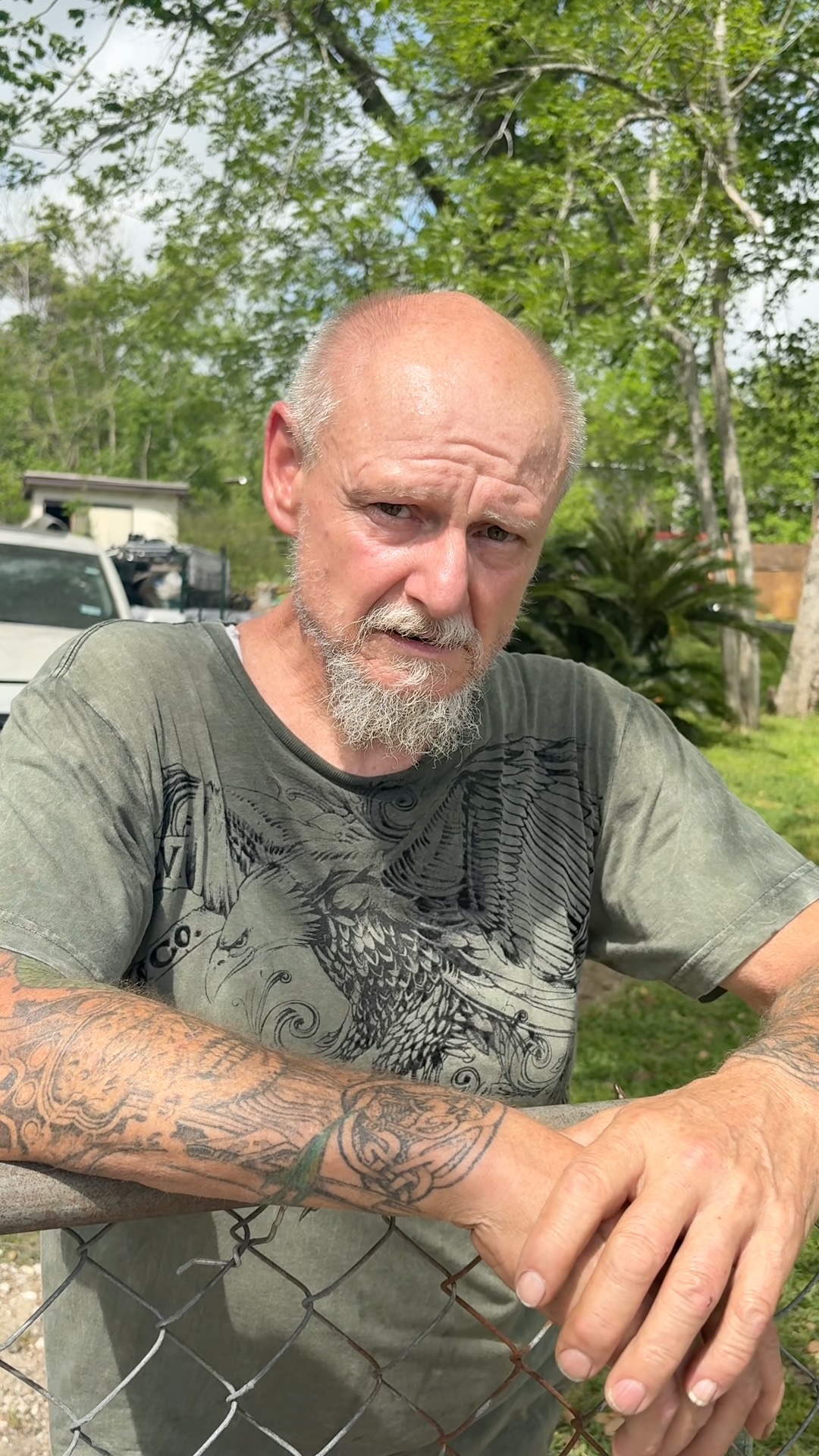
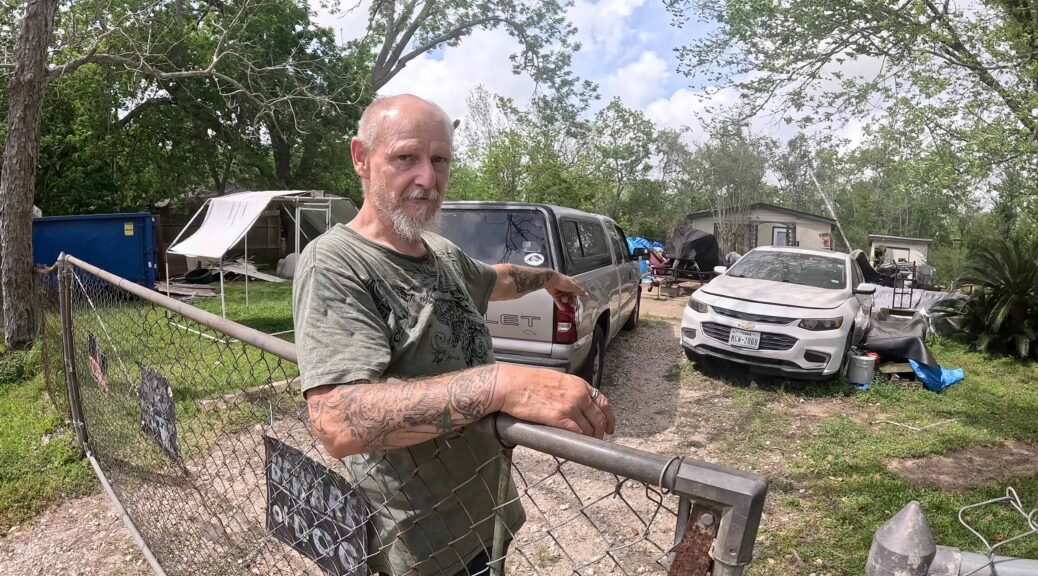
Raymond Elmore, cousin of James Elmore Jr., speaks exclusively about his family’s involvement in the Texas Killing Fields investigation while standing behind a chain-link fence.
EXCLUSIVE TONIGHT —
New insight into the Texas Killing Fields investigation… as people who lived just steps away from Clyde Hedrick and James Elmore Jr. are now speaking out.
One of them — Elmore’s own cousin — defending him… while former neighbors describe what they saw and what still haunts them.
I’m reporter Tammy Rose, and I’m breaking down the latest developments in the Texas Killing Fields investigation.
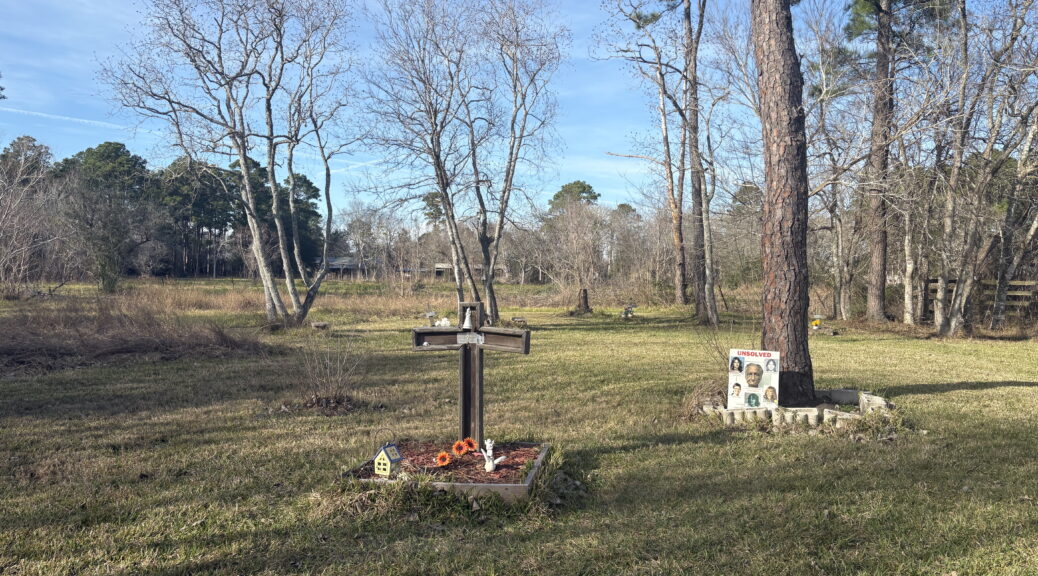
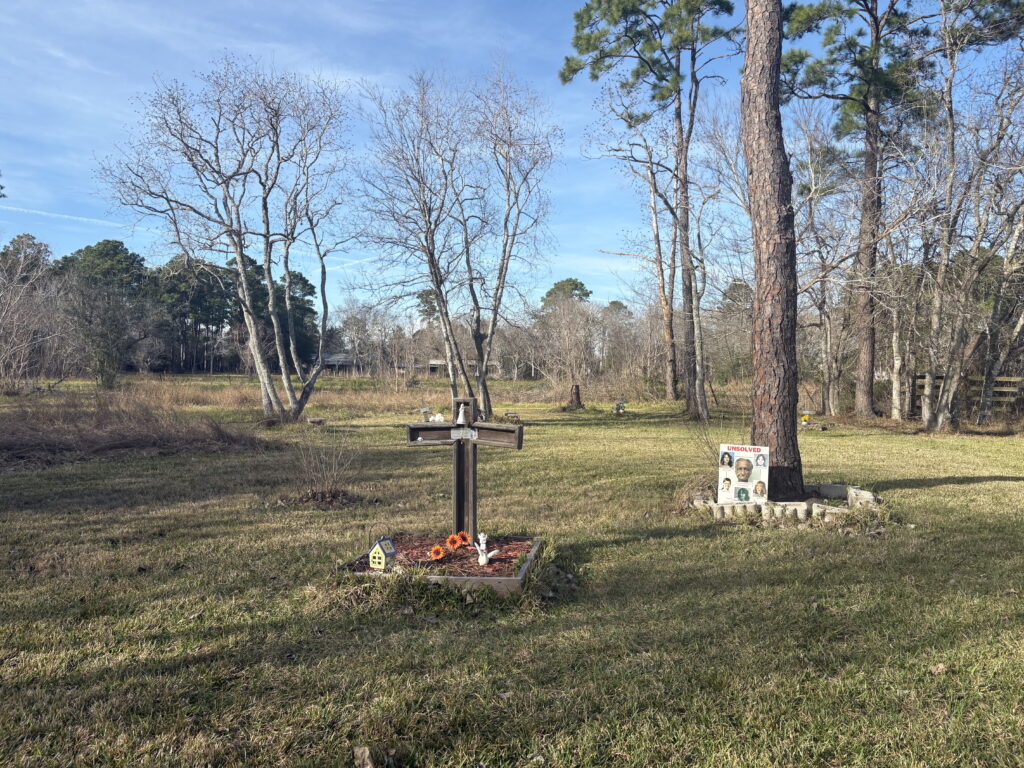
Memorial site near Calder Road in League City, Texas-one of the Texas Killing Fields discovery locations
Police confirm new developments in the decades-old investigation into multiple deaths near Calder Road.
Police confirmed that longtime Texas Killing Fields suspect Clyde Edwin Hedrick died at 72 after removing his breathing tube while hospitalized following an interview with investigators. Prosecutors had been preparing murder charges against him before his death.
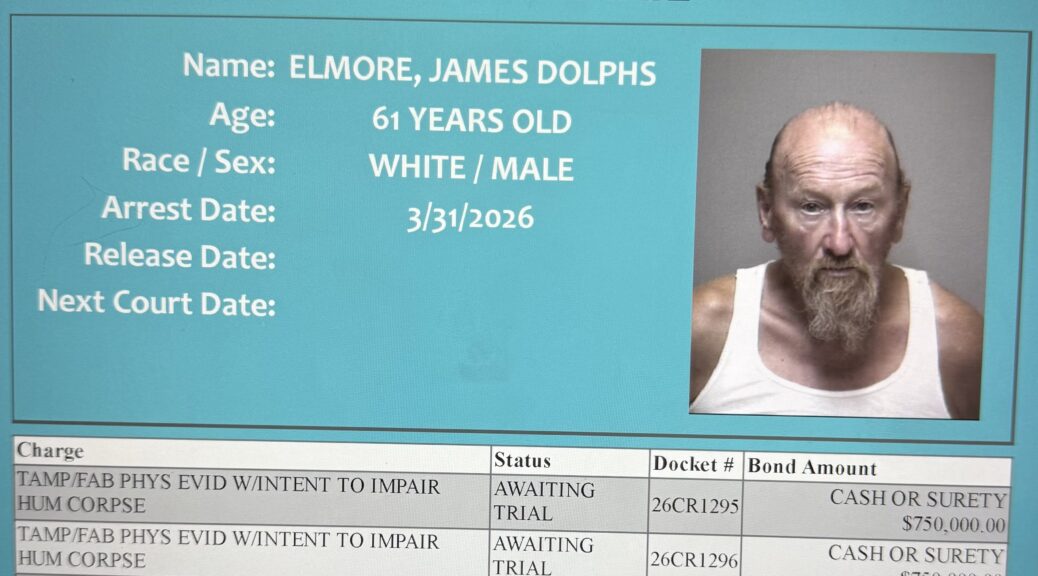
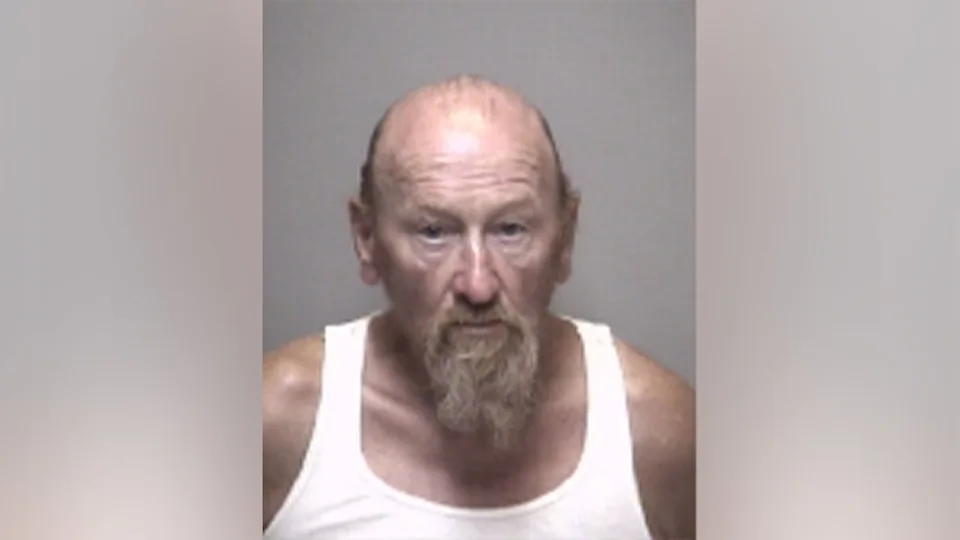
A Galveston County grand jury indicted James Dolphs Elmore Jr., 61, of Bacliff, on manslaughter and evidence‑tampering charges related to the deaths of Laura Lynn Miller and Audrey Lee Cook. Authorities say Elmore helped conceal the victims’ remains and provided a vial of cocaine linked to Miller’s death.
James Dolphs Elmore Jr. has been arrested and charged with manslaughter in connection to the death of Laura Miller, a victim linked to the Calder Road “Killing Fields.”
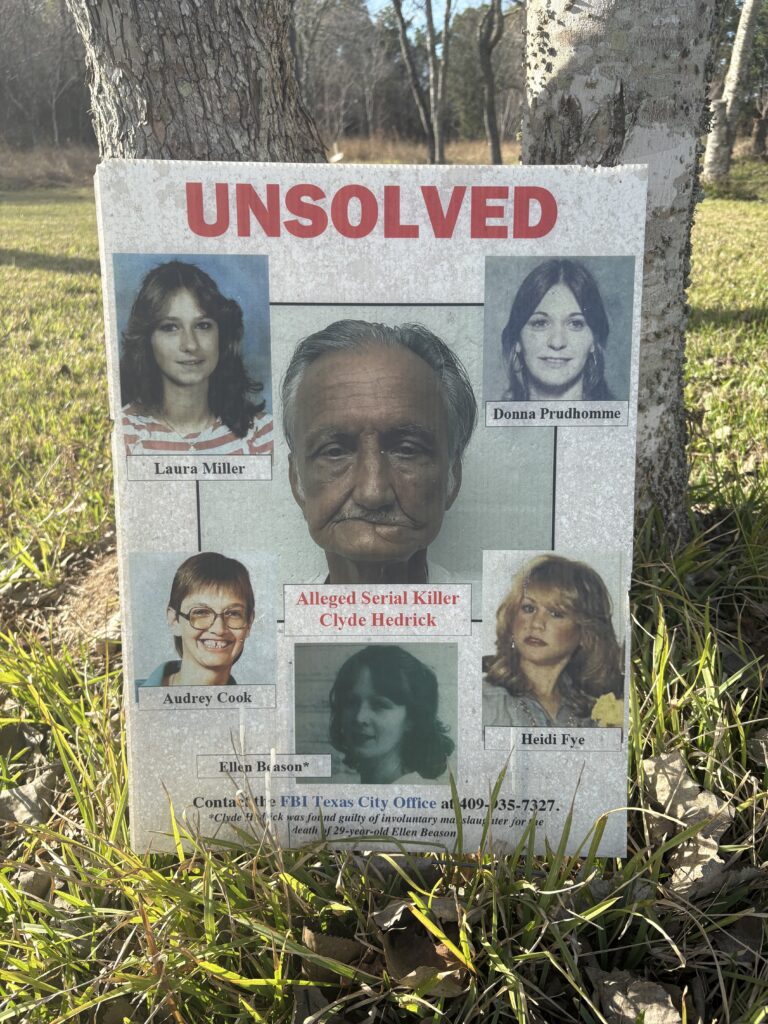
Investigators identified four women connected to the Calder Road “Killing Fields”: Heidi Fye, Laura Miller, Audrey Cook, and Donna Prudhomme. They located Fye and Miller in the 1980s. DNA testing later confirmed the identities of Cook and Prudhomme in 2019.
The Calder Road case remains active. Officials continue reviewing other cold cases and leads connected to the site.
A memorial near Calder Road honors the victims. Families, law enforcement, and community members visit regularly to pay their respects and remember the lives lost.
Four victims, one recovery site
Laura Miller and a Father’s Search for Justice
Laura Miller disappeared on September 10, 1984, after calling her boyfriend from a payphone in League City, Texas. Police initially treated her disappearance as a runaway case, but her father, Tim Miller, refused to accept that explanation.
Seventeen months later, investigators located Laura’s remains along Calder Road. The loss of his daughter changed Tim Miller’s life. Rather than give up, he turned his grief into action and founded Texas EquuSearch, a volunteer organization that helps locate missing people across the country.
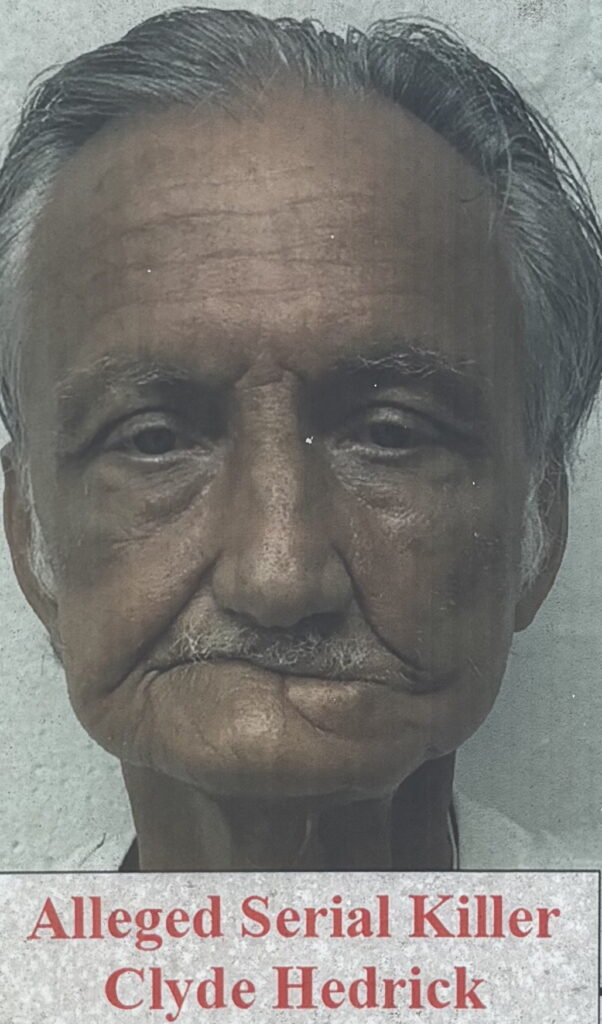
Hedrick lived in the area when Laura disappeared, and investigators and families have long considered him a person of interest in the Calder Road murders.
He was later convicted of a separate killing — the 1984 murder of Ellen Beason — a brutal crime in which the victim was bludgeoned and hidden.
Hedrick served years in prison for that murder and was released under Texas parole laws.
Clyde Edwin Hedrick, long considered a suspect in multiple killings tied to the Texas Killing Fields, died in March 2026 while on parole, before authorities could file additional charges against him.
Remembering the Victims: Calder Road Killing Fields Memorial
Site were 4 victims were found
Disclosure: As an Amazon Associate, I earn from qualifying purchases.
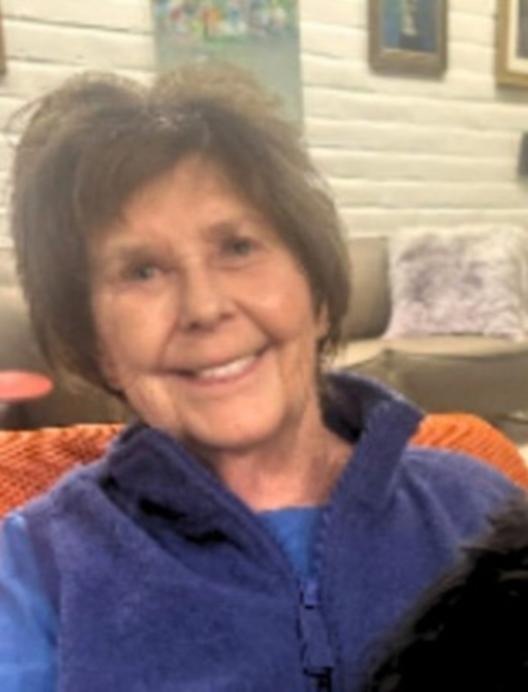
Nancy Woodrum, murdered in Paso Robles. Her killer worked as a painter in her home and remained close to her, hiding in plain sight.Nancy Guthrie, missing from her Tucson home, adducted in the dead of night. Investigators review nearby surveillance for potential leads.
True crime stories often reveal disturbing patterns — and sometimes eerie similarities. In both the Nancy Guthrie disappearance and the Nancy Woodrum murder, both were taken from their beds in the dead of the night, highlighting the vulnerability of victims in their own homes.
Both women were elderly and lived alone. Investigators found blood inside and outside of their homes. Authorities interviewed family members first and cleared them as suspects. Police noticed both women were missing after they skipped scheduled church events.
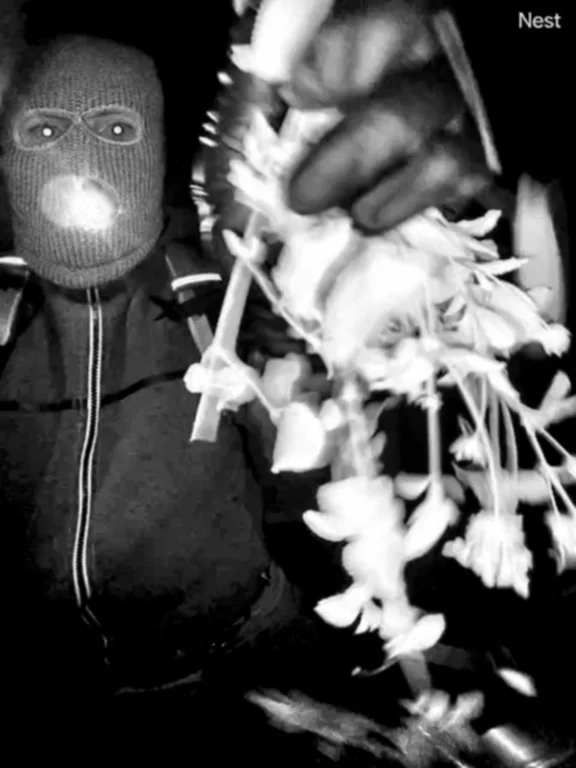
Person captured lingering on Nancy Guthrie’s porch before her disappearance.A suspect covers a security camera with foliage near Nancy Guthrie’s home.A masked suspect reaches toward a security camera wearing gloves near Nancy Guthrie’s home.
The case involving Nancy Guthrie, an 84-year-old woman from the Tucson, Arizona area, quickly made national headlines in early 2026. She disappeared from her home in the Catalina Foothills, and investigators suspect someone abducted her.
Authorities say Guthrie was last seen after returning home from dinner with family. When she failed to show up for a scheduled church event, relatives reported her missing. Investigators found that her pacemaker stopped syncing with her Apple device during the early morning hours. Police believe the case involves a targeted kidnapping.
Authorities interviewed Nancy Guthrie’s daughter, Annie, and her son-in-law, Tommaso Cioni. They also towed Annie’s car and photographed the interior of her home to collect evidence. After reviewing all the information, investigators cleared all family members as suspects, allowing them to focus on other leads.
Despite weeks of investigation, the case remains unresolved.
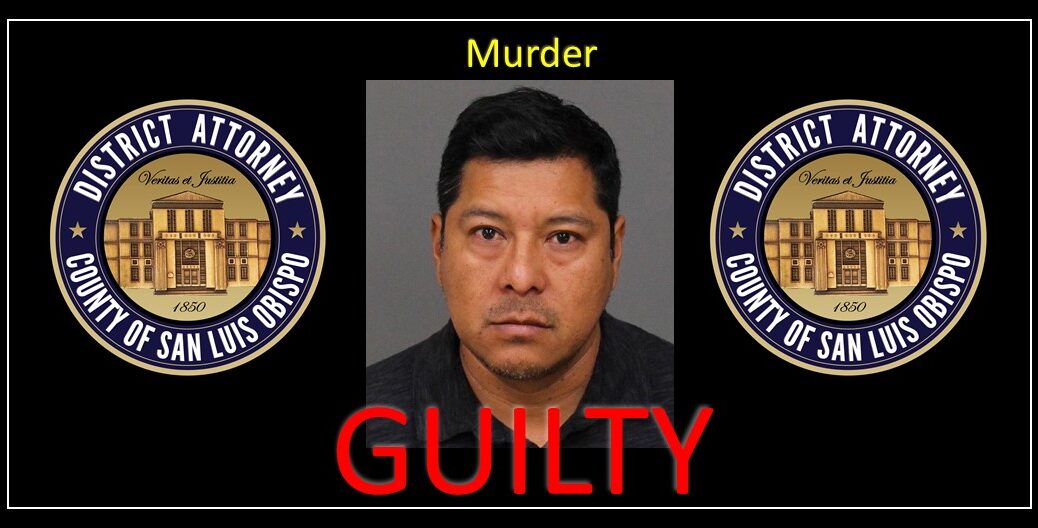
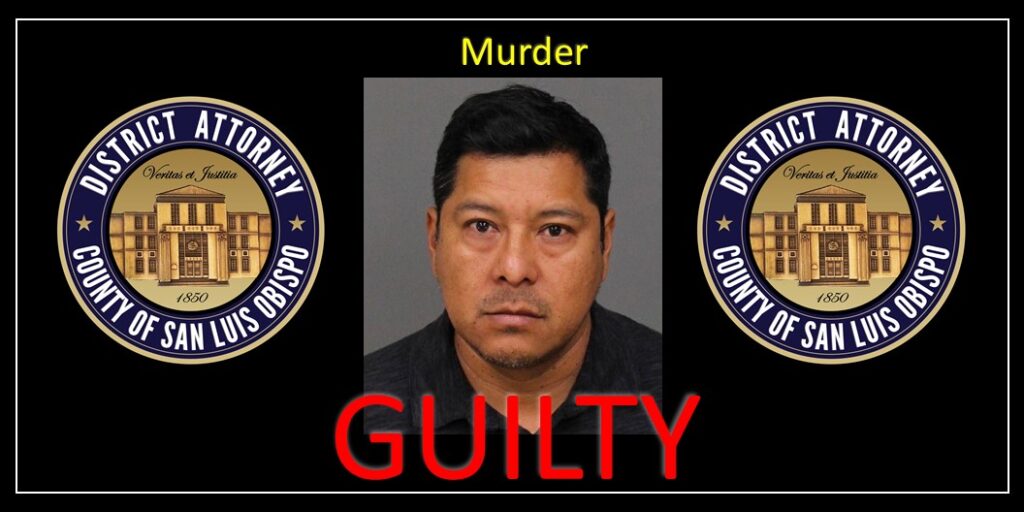
Carlo Alberto Fuentes Flores, years younger than Nancy Woodrum, rapes and murders her. He worked as a painter in her home, hiding in plain sight before authorities caught him.
The murder of Nancy Woodrum occurred in 2018 in Paso Robles, California. The 62-year-old woman disappeared from her home before investigators discovered evidence of foul play.
Police questioned Nancy Woodrum’s son, who had sent her a text message the day before. He and Nancy reportedly had an estranged relationship, which made him a person of interest. After review, investigators cleared him as a suspect.
After months of investigation, authorities name Carlo Alberto Fuentes Flores as the suspect. He confesses to raping and murdering Nancy Woodrum and leads investigators to her remains in a rural area of San Luis Obispo County. Fuentes Flores is years younger than Nancy, adding another shocking layer to the case.
Flores worked as a painter on Woodrum’s home. He believed Nancy was flirting with him after she gave him a tamale. This personal resentment became a key motive in the murder.
Latest Updates in the Nancy Guthrie Case
Investigators review new surveillance images from cameras around Nancy Guthrie’s home. The footage shows people near the property in the days before she disappeared, and authorities are looking into anyone captured on camera as potential leads. So far, the images do not show masks or overt suspicious behavior, but they highlight individuals who may have been familiar with the area or with Nancy herself.
This situation echoes the Nancy Woodrum case, where the killer worked inside Woodrum’s home as a painter and was close to the victim, giving him access that investigators initially overlooked. In Guthrie’s case, the focus remains on outsiders captured near her home, while Woodrum’s murder shows how danger can come from someone the victim knows.
In the Guthrie case, investigators have reportedly been analyzing potential DNA evidence that could take months to process.
Meanwhile, the Woodrum case shows how persistent investigative work can eventually lead to a confession and closure for families.
Recommended True Crime Books (Amazon)
If you’re interested in learning more about criminal investigations and real cases, these books provide deep insight into how detectives solve crimes.
Mindhunter
Inside the FBI’s elite serial crime unit
Explains criminal profiling techniques used in major investigations
The comparison between the Nancy Guthrie disappearance and the Nancy Woodrum murder case highlights the uncertainty that often surrounds missing-person investigations.
Some cases remain mysteries for years — while others eventually reveal the truth through evidence, persistence, and sometimes confession.
For families and communities, the hope remains the same: answers, accountability, and justice.
This story is long overdue. I am speaking publicly because I was a key witness in the Juan Martinez disciplinary hearing. My decision to come forward helped expose misconduct that ultimately ended his career as a prosecutor.
How I Discovered the Misconduct
Journalist Tammy Rose
Covering the Jodi Arias Sentencing Retrial
I was covering the Jodi Arias case when I noticed troubling behavior by then‑prosecutor Juan Martinez. It crossed ethical lines.
One of the most disturbing revelations was the leak of Juror 17’s identity to the public. The information did not come from the court; it came from within the prosecution itself, passed via a media intermediary.
When a juror’s identity becomes public, it puts them at serious risk. In this case, that juror later received threats to their safety.
That moment marked a turning point for me. What began as reporting became a matter of public responsibility. I realized I needed to document and report what I had uncovered.
I provided investigators with records and testimony about how the leak happened, knowing it could affect my career and reputation. Still, I chose to act ethically and tell the truth.
The investigation confirmed that protected information had been improperly shared and that this conduct was part of a broader pattern of ethical violations.
My Role in the Disciplinary Hearing
I gave testimony and submitted evidence detailing the leaks and unethical conduct. My goal was never to attack individuals unnecessarily, but to ensure accountability and integrity in the justice system.
I acted independently and ethically, aware that speaking out could impact my professional life. But truth and public safety were my priority.
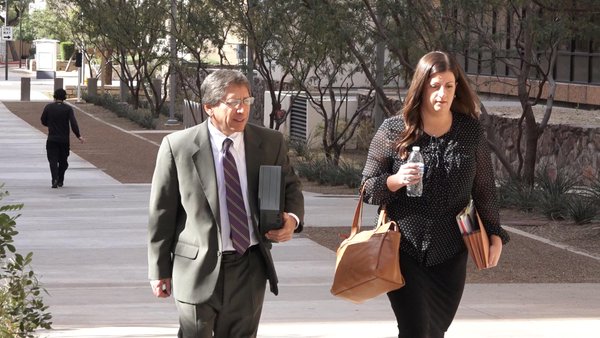
Journalist Tammy Rose traveling to court for the Jodi Arias resentencing trial, connected to the Juan Martinez disciplinary hearing
What Happened After the Investigation
After reviewing the evidence, the investigation confirmed a pattern of ethical violations, including:
• Improper communications with media members
• Leaks of protected juror information
• Conduct prejudicial to justice
As a result, Juan Martinez was terminated and later disbarred. His ability to practice law was permanently revoked.
Why This Story Still Matters
Prosecutors hold immense power. When that power is abused, the entire justice system is at risk. I came forward because journalists are not above the law — and neither are prosecutors.
This story reminds us that accountability matters.
Is there a real possibility the infamous Jodi Arias case could be retried due to missing evidence and alleged misconduct?
For the first time in years, Jodi Arias is publicly addressing that question herself.
Arias was convicted of murdering her ex-boyfriend, Travis Alexander, in 2008 after stabbing and shooting him in the shower. She is currently serving a life sentence. Now, more than a decade later, Arias has begun writing about her case again — and this time, her focus is not prison life, but the integrity of the investigation and prosecution that put her behind bars.
Why a Retrial in 2026 Is Unlikely But Possible
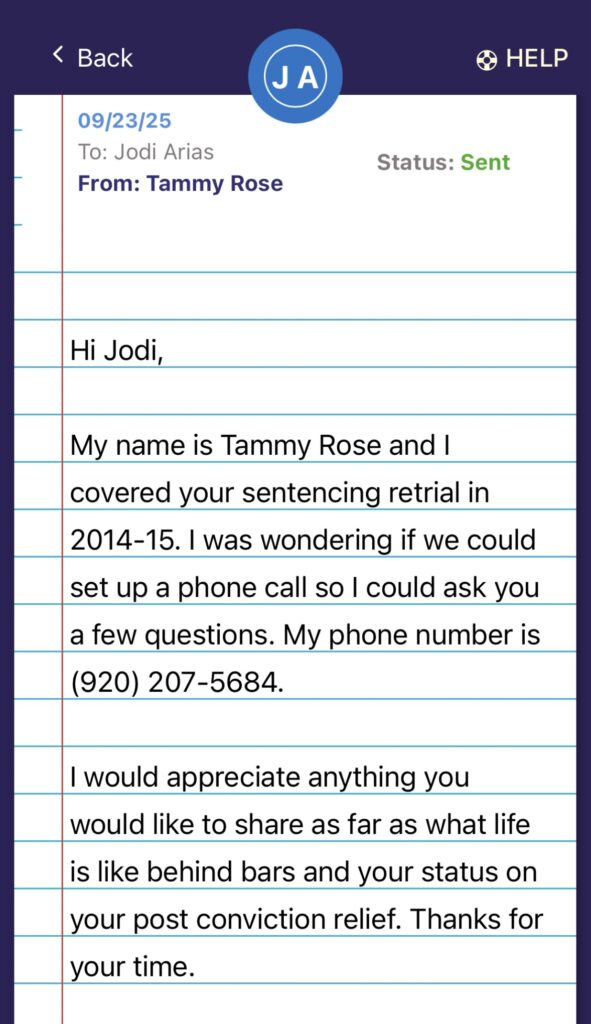
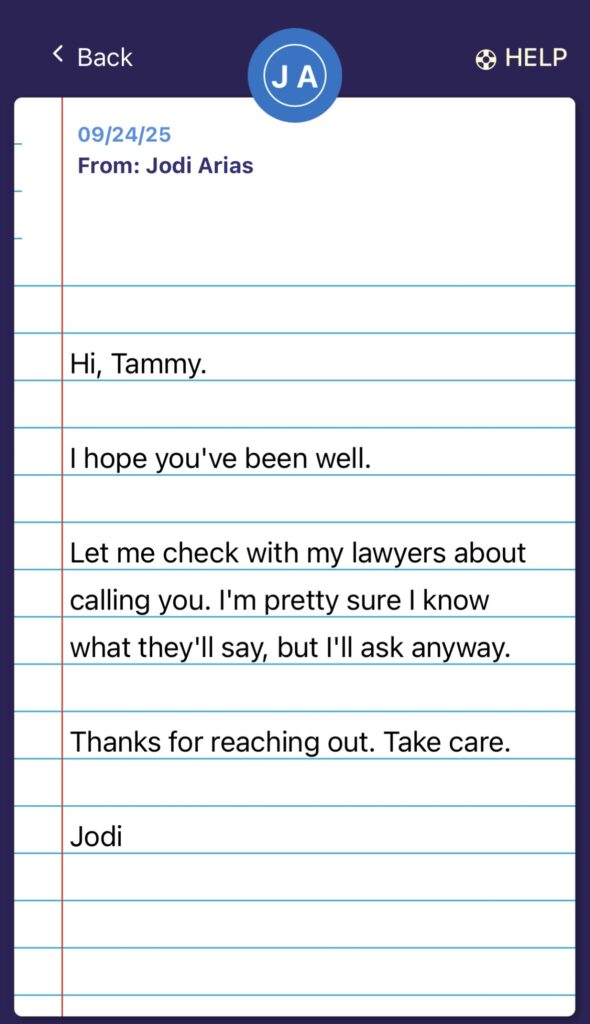
Through her attorneys, Arias has filed a post-conviction relief request. From inside Perryville Prison, she responded to investigative reporter Tammy Rose regarding the possibility of an interview related to that filing.
What New Evidence Could Change
Until now, Arias’ “Just Jodi” prison blog has largely avoided the details of her criminal case, focusing instead on daily life behind bars.
But a new post titled “Hello, 2026” marks a significant shift. In it, Arias makes serious allegations, claims misconduct, and states she is seeking new legal counsel to pursue them.
In the post, Arias accuses investigators and prosecutors of withholding, losing, or destroying exculpatory evidence. She specifically names former lead detective Steve Flores, now retired, and former prosecutor Juan Martinez.
“Important, exculpatory evidence in my case has been lost or destroyed,” Arias writes. “Where is my proof? I’m working on that.”
She also alleges her current legal representation has dismissed her concerns, claiming her attorneys minimize her claims while continuing to bill the county.
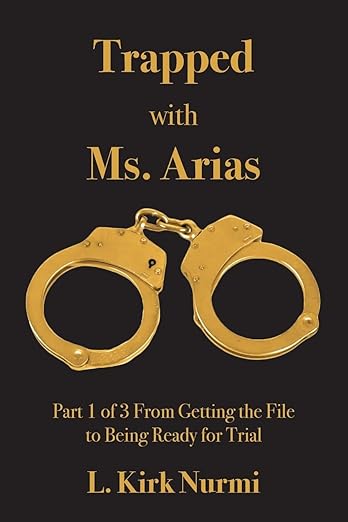
Adding to the controversy, both attorneys from Arias’ original trial were later disbarred. Former prosecutor Juan Martinez was disbarred for misconduct following the trial , and Arias’ defense attorney, Kirk Nurmi, was also disbarred after writing a book about his client while her case was still active — a move widely criticized as unethical.
“As an Amazon Associate I earn from qualifying purchases”
Defense attorney Kirk Nurmi wrote a book about his client. #ad
Court documents also reference requests for information regarding a book Martinez allegedly began writing during Arias’ first trial, raising additional concerns about potential conflicts of interest.
Prosecutor Juan Martinez also allegedly worked on a book related to the case during the first trial. #ad
What This Means for True Crime Watchers where should that go
So the question remains: do these claims — combined with documented misconduct surrounding key figures in the case— give Jodi Arias a legitimate path toward a new trial?
For now, the courts will decide whether her allegations warrant further review. But for the first time in years, Jodi Arias is no longer avoiding the case – she’s confronting it head-on.
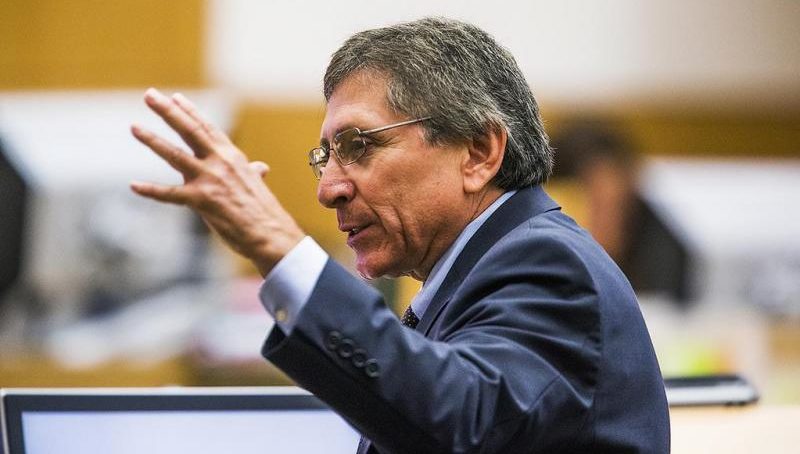
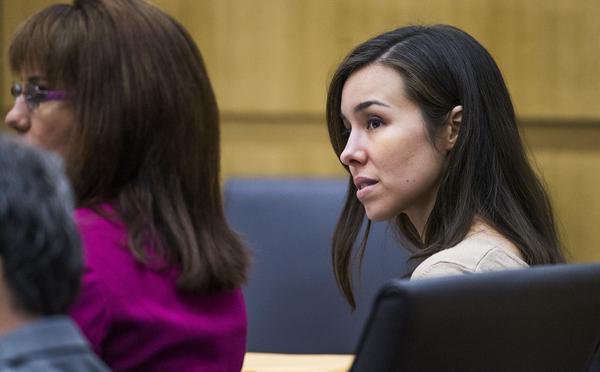
Prosecutor Juan Martinez enters the courtroom with a key witness during the Jodi Arias trial. Photo by Tammy Rose.
Convicted murderer Jodi Arias may be closer than ever to a second shot at freedom — and her legal team believes former prosecutor Juan Martinez’s book could be the key.
Martinez allegedly began writing Conviction: The Untold Story of Putting Jodi Arias Behind Bars while Arias was still on trial — long before it was published. Now, Arias’ attorneys are demanding business records from the literary agent Martinez originally hired, hoping those files will reveal whether he planned to profit from her case while prosecuting it.
If the records show ethical violations or conflicts of interest, her lawyers argue the trial itself may have been tainted — opening the door to post-conviction relief and a possible new path to freedom.Convicted murderer Jodi Arias may be closer than ever to a second shot at freedom — and her legal team believes former prosecutor Juan Martinez’s book could be the key. This isn’t the first controversy surrounding the Jodi Arias prosecution.
A judge has given Arias until September 2, 2026 to file her post-conviction petition. That deadline matters, because courts rarely reopen cases unless new evidence proves serious misconduct.
But Arias’ legal team believes these publishing records could do exactly that. If Martinez was negotiating a book deal while prosecuting Arias, it could violate ethical rules meant to prevent prosecutors from financially benefiting from active cases.
If proven, that conflict could be powerful enough to force the court to re-examine her conviction.
When Prosector Misconduct Changes Everything
History shows that misconduct can — and does — overturn even the most settled cases.
Curtis Flowers was tried six times for the same murders. Four convictions were thrown out after appeals courts found repeated prosecutorial misconduct and racial bias in jury selection. Eventually, all charges were dropped, and Flowers walked free.
James Alan Gell spent years on death row for a crime he didn’t commit. Prosecutors withheld evidence that could have cleared him. His conviction was overturned, he was acquitted in a new trial, and he was released.
These cases prove that when misconduct is exposed, even long-standing verdicts can collapse.
What This Means for True Crime Watchers
The Arias case has captivated millions for over a decade — but this development changes the story. This isn’t about whether people believe she is guilty. It’s about whether the person who prosecuted her played by the rules.
If Martinez was building a book deal while arguing for her conviction, it raises serious questions about fairness, motive, and integrity in one of the most watched trials in modern true-crime history.
Bottom Line
With the 2026 PCR deadline approaching, Arias’ attorneys are betting that what’s buried inside those publishing records could rewrite her fate — and possibly expose one of the most controversial prosecutorial conflicts the true-crime world has ever seen.
Court filings and evidence may soon tell the story that never made it into the courtroom. Click below to read the court documents.
Jodi Arias PCR filings remain delayed, and newly filed court records explain why the post-conviction relief process has stalled.
According to the court record, Arias’ attorneys requested that the court cancel scheduled oral arguments while they review business records connected to Folio Literary Management and author Steve Troha. Those records may relate to a 2016 book written by former prosecutor Juan Martinez and could impact arguments raised in Arias’ PCR case.
Until the review is complete, the court cannot move forward with the PCR process. Court documents also indicate the filing deadline has been pushed back, signaling that the case remains paused pending further review.
Want more true crime? Here’s a list of must-read books you won’t put down.