Tag Archives: Investigative Journalism

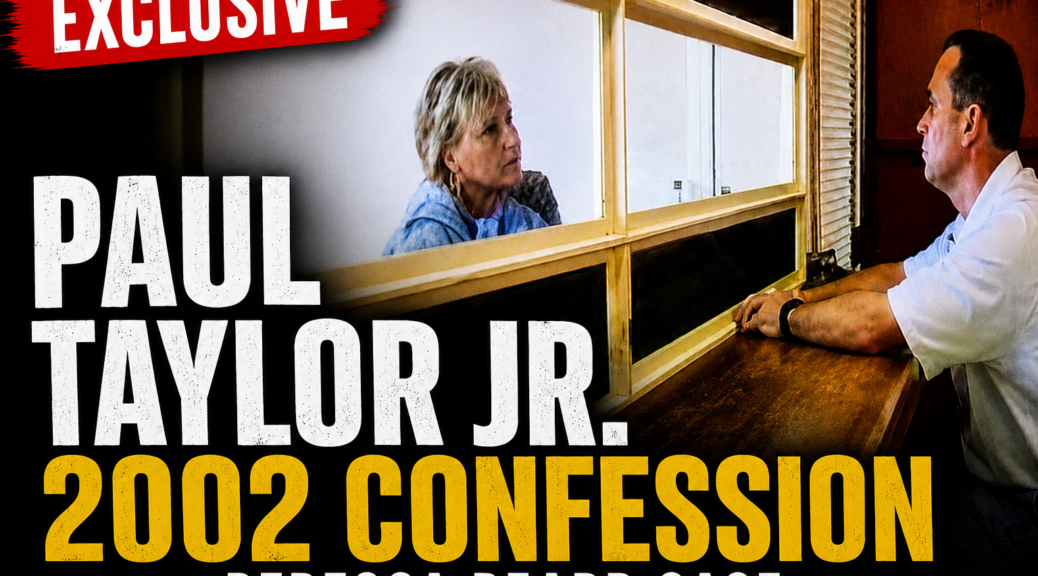
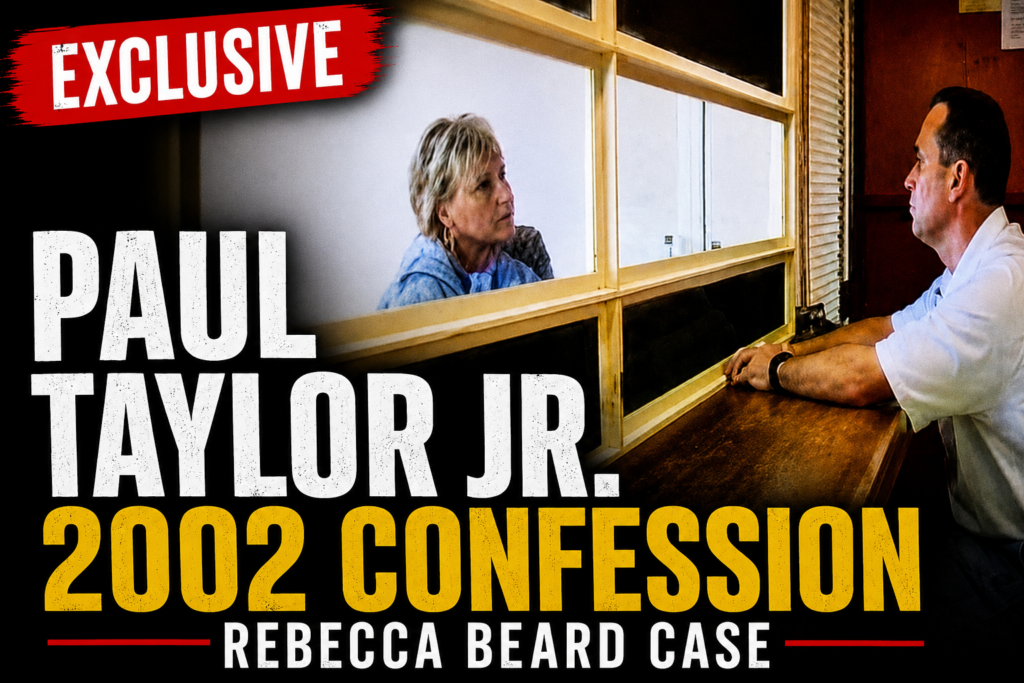
Why I Released the Exclusive 2002 Paul Taylor Jr. Confession

Why I Released the 2002 Paul Taylor Jr. Confession

As an investigative reporter, I often have to make difficult decisions.

One of the hardest was deciding whether to release the 2002 family mediation recording involving Paul Taylor Jr. and Rebecca Beard’s family.

When I first obtained an exclusive copy of the recording from Rebecca Beard’s family, I wasn’t sure if I would ever make it public.

For months, I listened to the recording while reviewing court records, investigative documents, and interviewing Rebecca’s family. The more I reported on the case, the more I believed the recording added important context to an investigation that still raises questions nearly four decades later.

Rather than relying on summaries or secondhand accounts, I wanted people to hear Paul Taylor Jr.’s own words for themselves.

This article isn’t about telling anyone what to believe.

It’s about explaining why I decided to release the recording and why I believe it is an important part of my ongoing investigation.

“Rather than relying on summaries or secondhand accounts, I wanted people to hear Paul Taylor Jr.’s own words and decide for themselves.”

Watch the Exclusive 2002 Paul Taylor Jr. Confession

The full 30-minute recording is embedded below. I encourage you to listen to it in its entirety before drawing your own conclusions.

Why the recording stood out

As I compared the mediation recording with other records I reviewed during my investigation, several things caught my attention.

One involves the events after Rebecca Beard disappeared.

During the mediation, Paul Taylor Jr. appears unable to remember getting his vehicle stuck in a ditch near his home or the tow truck driver who reportedly helped pull him out. Yet in other parts of the recording, he recalls details surrounding the case.

That difference raised questions for me.

Another involves the weapon.

While reviewing investigative records, I came across a sealed document containing entries that reference a Remington shotgun and what appears to be human remains.

Those entries stood out because they raise questions when compared with portions of the mediation recording.

I encourage viewers to listen to the recording, review the available information, and draw their own conclusions.

Why I chose to publish it

Investigative reporting isn’t about deciding a case.

It’s about asking questions, reviewing records, interviewing the people closest to the investigation, and presenting information as fairly and accurately as possible.

Over the past several months, I’ve interviewed Rebecca Beard’s family, reviewed numerous court records and investigative documents, and continued asking questions about a case that still has many unanswered ones.

After months of reporting, I believed it was time to let the public hear this recording in its entirety.

This article serves as an introduction to that recording.

I encourage you to listen to the complete mediation audio in context and compare what is said with the records discussed throughout my investigation.

Sometimes the biggest questions aren’t about what someone remembers.

They’re about what they don’t.

Thank you for taking the time to follow my reporting.

Related Rebecca Beard Coverage

Continue following my investigation with these related reports:

Exclusive: Rebecca Beard’s Daughter Speaks Out Nearly 40 Years After Her Mother’s Disappearance

Questions for Arch Aplin and John Cohn in the Rebecca Beard Case

What the Sealed Documents Reveal in the Rebecca Beard Investigation

How I Reported This Investigation

This investigation took months of research, interviews, reviewing court records, and comparing documents with the 2002 mediation recording. These are some of the tools I use while reporting stories like this.

Shure MV88+ Microphone – Used for interviews and recording clear audio in the field.

GoPro Camera – Captures behind-the-scenes footage and field reporting.

iPhone 16 Accessories – Tripods, mounts, and mobile reporting gear.

Disclosure: As an Amazon Associate, I earn from qualifying purchases. If you purchase through the links on this page, I may earn a small commission at no additional cost to you. Thank you for supporting my independent investigative journalism.
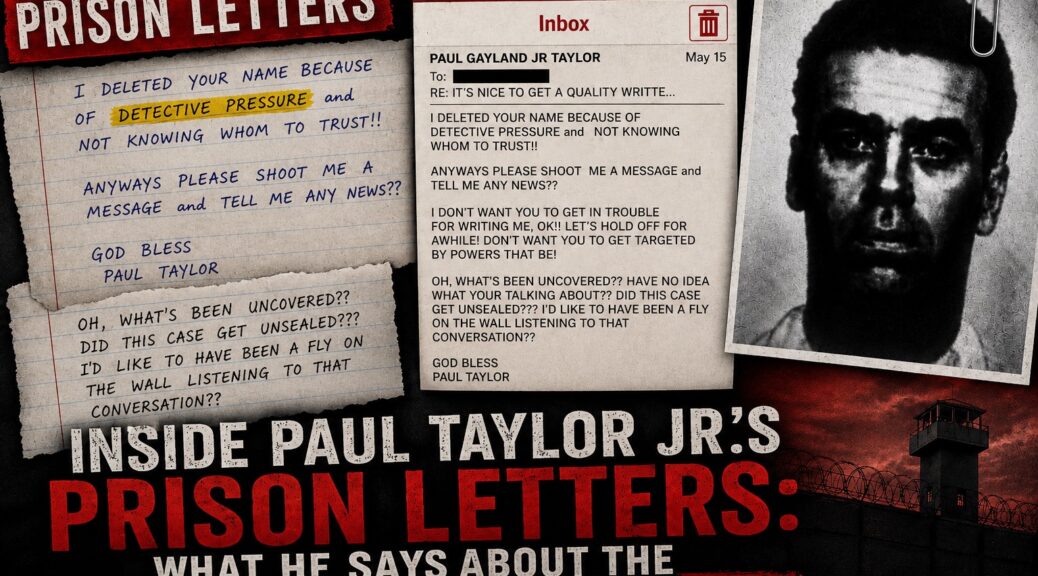
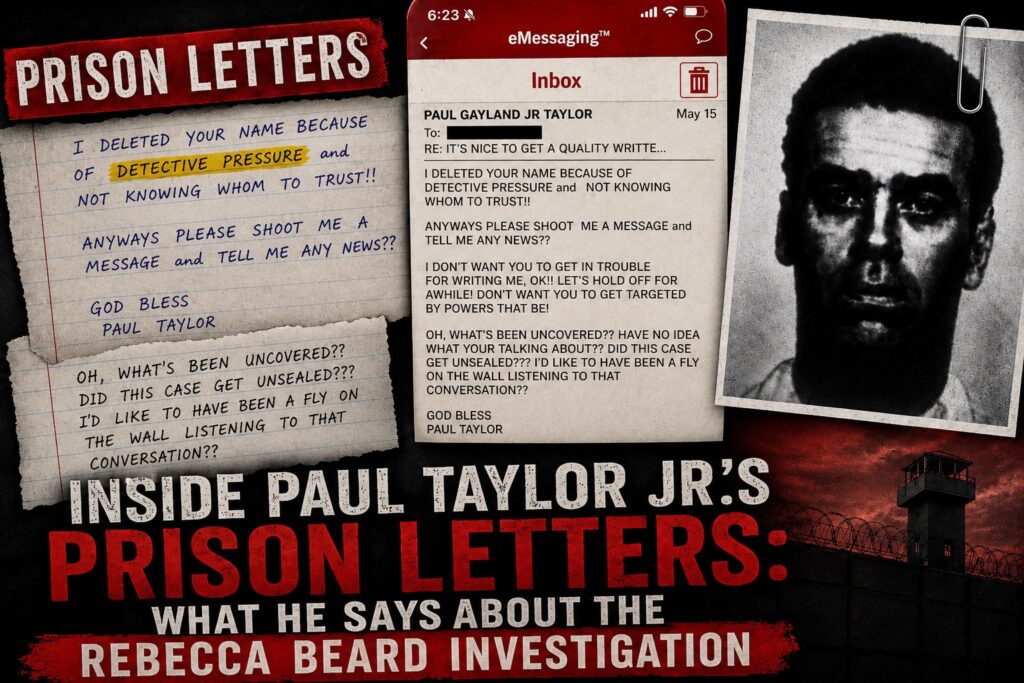
Inside Paul Taylor Jr.’s Prison Letters About the Rebecca Beard Investigation

Newly obtained prison messages from Paul Taylor Jr. discuss the Rebecca Beard investigation, prison life and his perspective decades after the case.

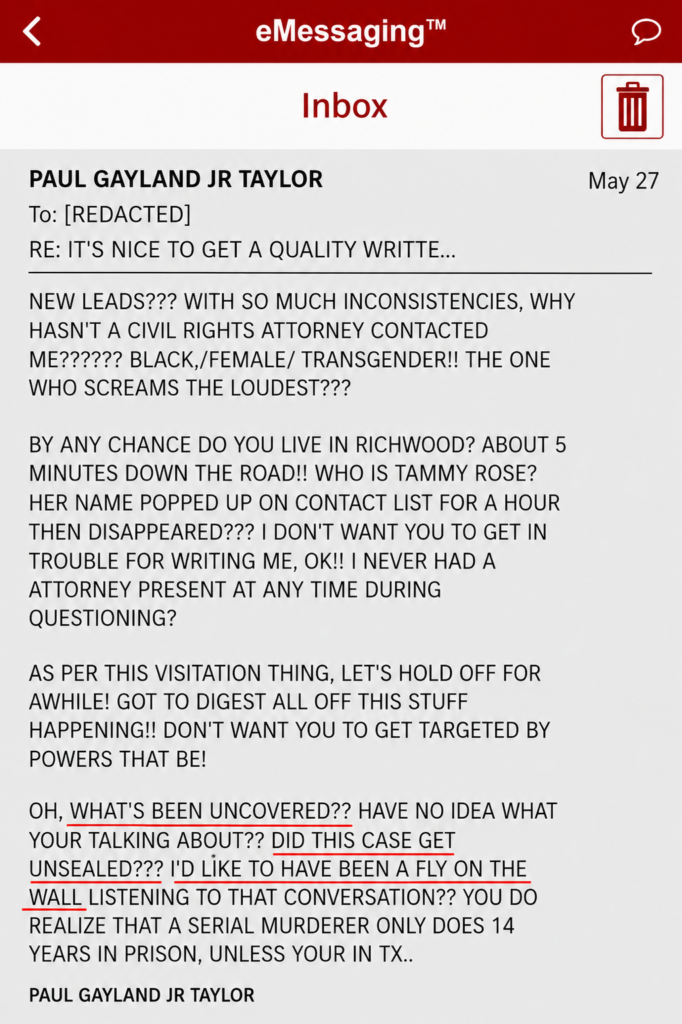
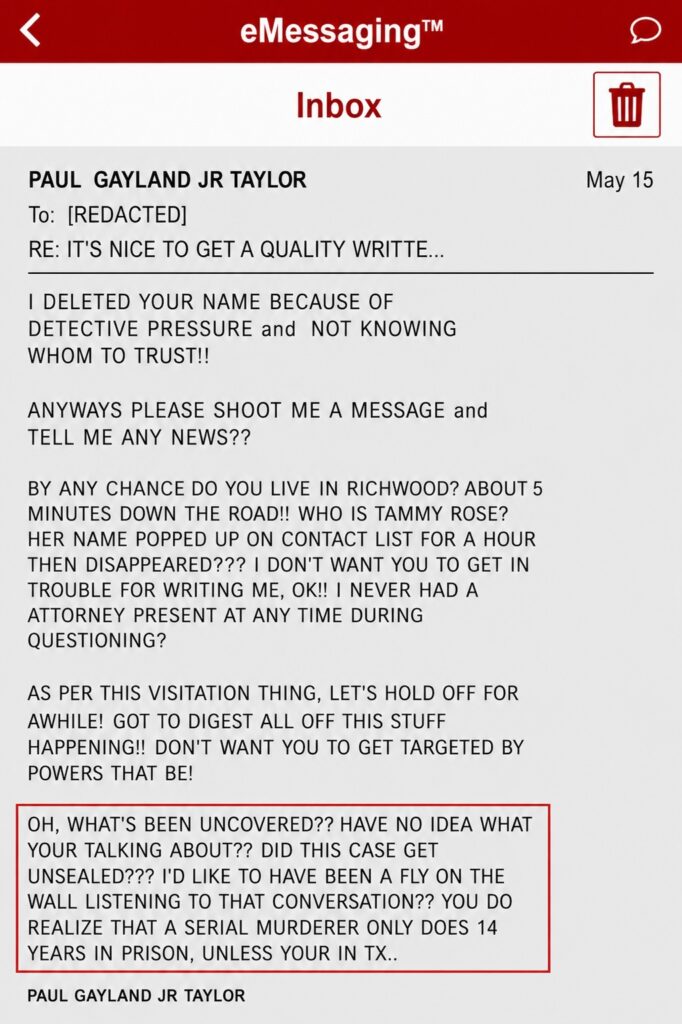
Nearly four decades after Rebecca Beard disappeared, new prison messages from convicted killer Paul Taylor Jr. are offering another glimpse into how he views the investigation today.

The messages, shared with Investigative Reporter Tammy Rose by a longtime correspondent who asked to remain anonymous, cover much more than the Rebecca Beard case. Taylor discusses prison life, his health, his faith, investigators, and why he believes renewed attention is being focused on his case.

While many of his statements reflect his personal opinions and allegations, they provide insight into his current mindset as interest in the Rebecca Beard investigation continues.

Taylor questions renewed interest in the Rebecca Beard case

In several messages, Taylor repeatedly asks why people are suddenly interested in his case after so many years.

He questions why the victim’s family has continued speaking publicly and wonders what new information investigators may have uncovered.

Taylor also asks whether new evidence has surfaced and repeatedly requests updates from outside prison.

His questions come as the Rebecca Beard investigation has received renewed attention following exclusive interviews, court records, and additional reporting into the 1986 disappearance.

Paul Taylor Jr. comments on investigators

Throughout the messages, Taylor criticizes investigators and the criminal justice system.

He claims authorities mishandled evidence and writes that people should question official accounts of the investigation.

These statements represent Taylor’s personal opinions and have not been independently verified.

Despite his criticism, Taylor continues asking for information about developments in the case.

Faith remains a central theme

Religion appears throughout nearly every message.

Taylor writes about reading the Bible each morning, praying daily, and believing God has guided him throughout his years in prison.

He frequently ends his messages with blessings and encourages others to pray.

The repeated references suggest his Christian faith continues to play a significant role in his daily life behind bars.

Life inside a Texas prison

The letters also describe Taylor’s daily routine inside prison.

He discusses prison conditions, medical treatment following the removal of basal cell carcinoma, communication through the Securus messaging system, and the challenges of staying connected with the outside world.

Taylor says receiving letters helps him remain informed about events beyond prison walls.

Taylor notices new reporting

One of the more interesting portions of the correspondence comes when Taylor references recent reporting.

He asks whether Tammy Rose is writing articles and later questions why her name briefly appeared in his contact list before disappearing.

The messages suggest Taylor is aware that new reporting and renewed public interest continue surrounding the Rebecca Beard investigation.

Investigation continues

Rebecca Beard disappeared in 1986 and her body has never been found.

Although Paul Taylor Jr. pleaded guilty in connection with her death, questions remain about where Rebecca’s remains may be located.

Investigators have conducted multiple searches over the years, while Rebecca’s family continues asking authorities to pursue additional leads.

The newly shared prison messages do not establish new evidence in the case. Instead, they provide additional insight into Taylor’s thoughts as the investigation continues decades later.

Editor’s Note: The prison messages contain Taylor’s personal opinions and allegations regarding investigators and the criminal justice system. Those statements have not been independently verified and are presented to accurately reflect the contents of the correspondence.

Recommended Reading

If you’re interested in the Rebecca Beard investigation and other Texas cold cases, these books provide additional background and context. Purchasing through the links below helps support my independent reporting at no additional cost to you.

Recommended Reading: Rebecca Beard & Texas True Crime

The Killing Fields

Deliver Us by Kathryn Casey

Let’s Kill Mom: Four Texas Teens and a Horrifying Murder

Disclosure: As an Amazon Associate, I earn from qualifying purchases at no additional cost to you. Thank you for supporting my independent journalism and investigative reporting.

Juan Martinez Disciplinary Hearing: My Story as a Key Witness

This story is long overdue. I am speaking publicly because I was a key witness in the Juan Martinez disciplinary hearing. My decision to come forward helped expose misconduct that ultimately ended his career as a prosecutor.

How I Discovered the Misconduct

Flying in SkyEye 13!
Journalist Tammy Rose

Covering the Jodi Arias Sentencing Retrial

 I was covering the Jodi Arias case when I noticed troubling behavior by then‑prosecutor Juan Martinez. It crossed ethical lines.

One of the most disturbing revelations was the leak of Juror 17’s identity to the public. The information did not come from the court; it came from within the prosecution itself, passed via a media intermediary.

When a juror’s identity becomes public, it puts them at serious risk. In this case, that juror later received threats to their safety.

That moment marked a turning point for me. What began as reporting became a matter of public responsibility. I realized I needed to document and report what I had uncovered.

I provided investigators with records and testimony about how the leak happened, knowing it could affect my career and reputation. Still, I chose to act ethically and tell the truth.

The investigation confirmed that protected information had been improperly shared and that this conduct was part of a broader pattern of ethical violations.

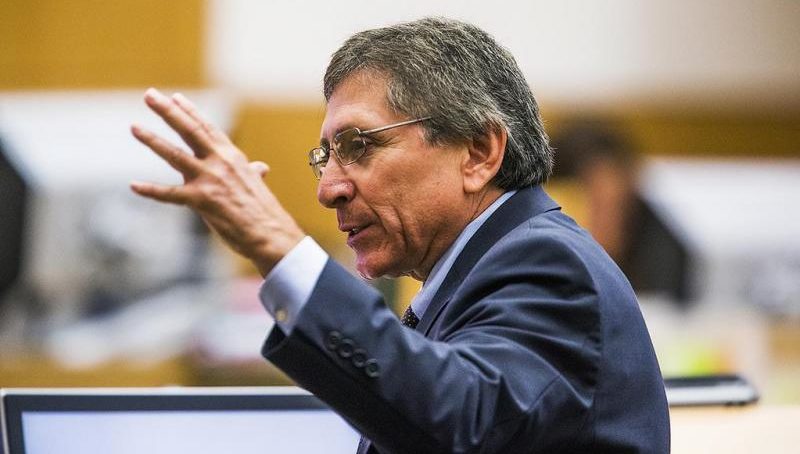
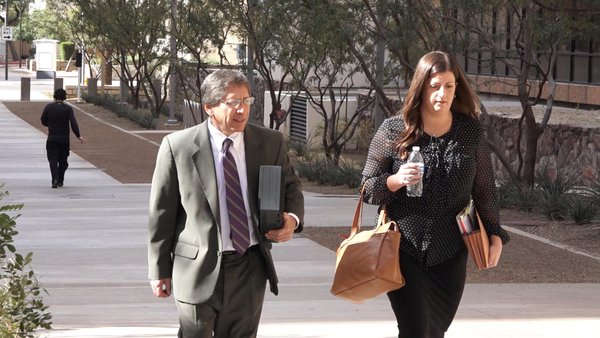
Prosecutor Juan Martinez walking into court with a key witness during Jodi Arias' sentencing retrial

My Role in the Disciplinary Hearing

I gave testimony and submitted evidence detailing the leaks and unethical conduct. My goal was never to attack individuals unnecessarily, but to ensure accountability and integrity in the justice system.

I acted independently and ethically, aware that speaking out could impact my professional life. But truth and public safety were my priority.

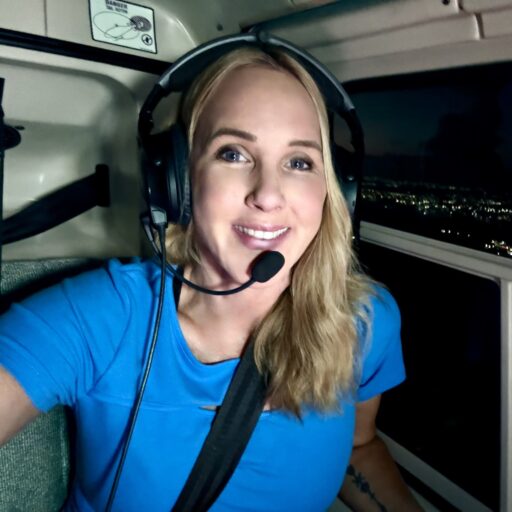
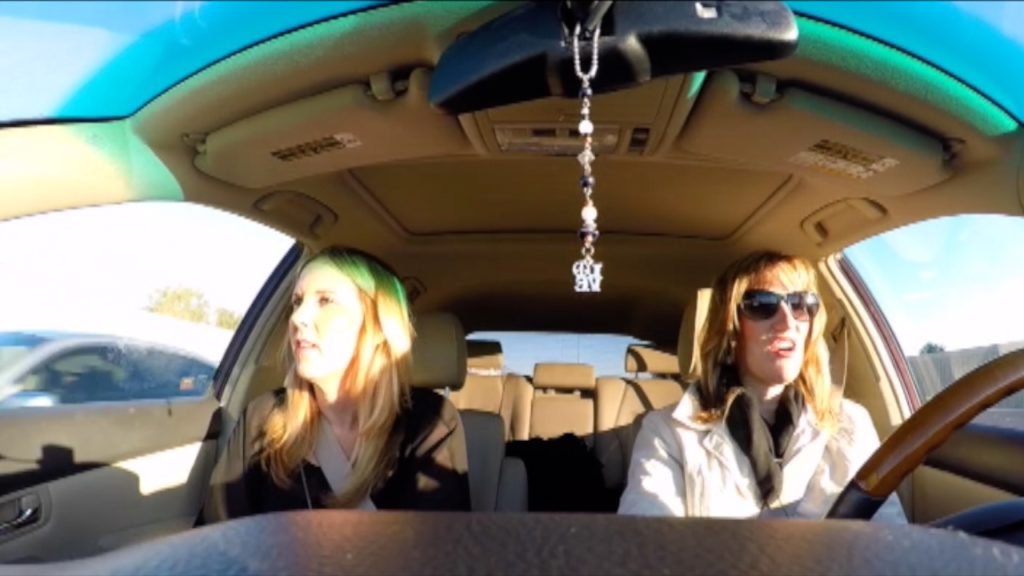
Journalist Tammy Rose traveling to court for the Jodi Arias resentencing, connected to the Juan Martinez disciplinary hearing
Journalist Tammy Rose traveling to court for the Jodi Arias resentencing trial, connected to the Juan Martinez disciplinary hearing

What Happened After the Investigation

After reviewing the evidence, the investigation confirmed a pattern of ethical violations, including:

• Improper communications with media members

• Leaks of protected juror information

• Conduct prejudicial to justice

As a result, Juan Martinez was terminated and later disbarred. His ability to practice law was permanently revoked.

Proseuctor Juan Martinez during the Jodi Arias resentencing trial, observed by journalist Tammy Rose

Why This Story Still Matters

Prosecutors hold immense power. When that power is abused, the entire justice system is at risk. I came forward because journalists are not above the law — and neither are prosecutors.

This story reminds us that accountability matters.

More Investigative Journalism by Tammy Rose

This story is part of my work covering the justice system and holding powerful figures accountable. You can read more of my investigative reporting here.

Could the Jodi Arias case be blown wide open in 2026?

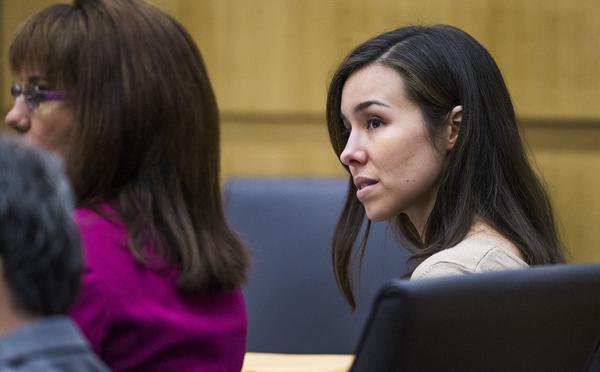
Jodi Arias sitting in court during her murder trial in Phoenix, Arizona

Why the Jodi Arias Case Is Back in the Spotlight

Is there a real possibility the infamous Jodi Arias case could be retried due to missing evidence and alleged misconduct?

For the first time in years, Jodi Arias is publicly addressing that question herself.

Arias was convicted of murdering her ex-boyfriend, Travis Alexander, in 2008 after stabbing and shooting him in the shower. She is currently serving a life sentence. Now, more than a decade later, Arias has begun writing about her case again — and this time, her focus is not prison life, but the integrity of the investigation and prosecution that put her behind bars.

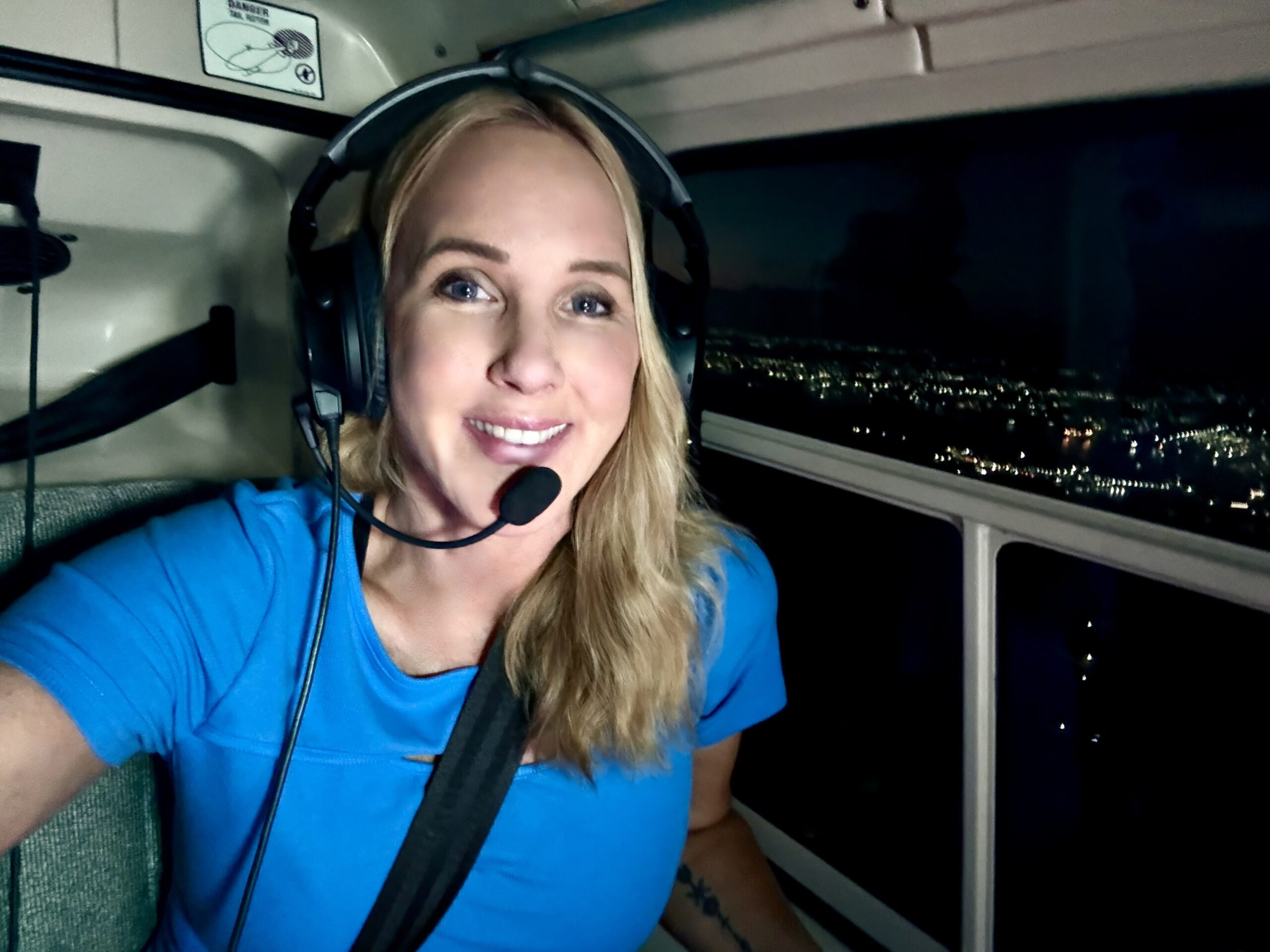
Investigative reporter Tammy Rose inside a news helicopter during coverage of the Jodi Arias case, which she reported on both from the air and on the ground.

Why a Retrial in 2026 Is Unlikely But Possible

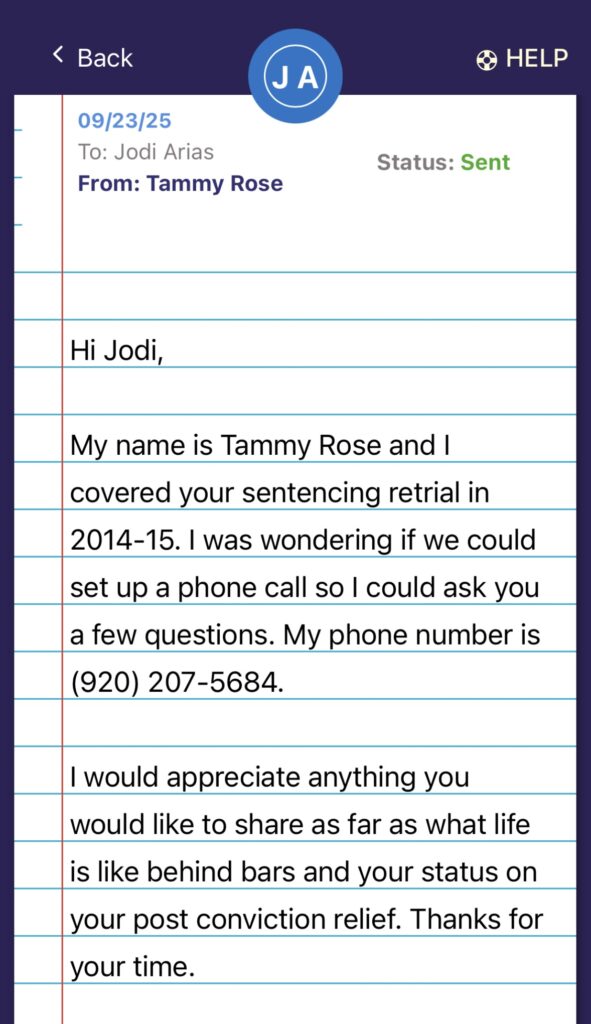
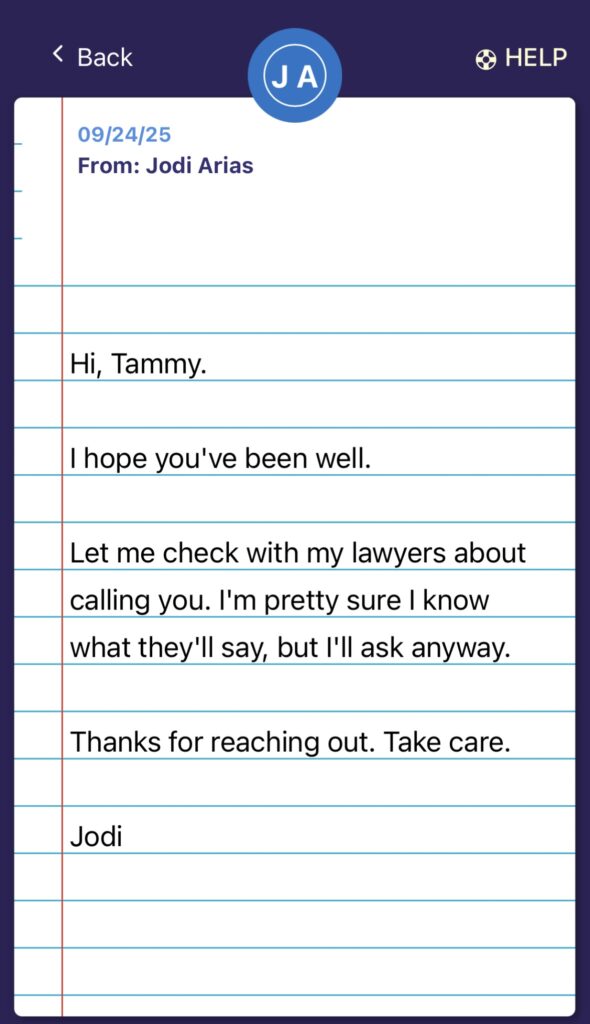
Through her attorneys, Arias has filed a post-conviction relief request. From inside Perryville Prison, she responded to investigative reporter Tammy Rose regarding the possibility of an interview related to that filing.

What New Evidence Could Change

Until now, Arias’ “Just Jodi” prison blog has largely avoided the details of her criminal case, focusing instead on daily life behind bars.

But a new post titled “Hello, 2026” marks a significant shift. In it, Arias makes serious allegations, claims misconduct, and states she is seeking new legal counsel to pursue them.

In the post, Arias accuses investigators and prosecutors of withholding, losing, or destroying exculpatory evidence. She specifically names former lead detective Esteban Flores, now retired, and former prosecutor Juan Martinez.

“Important, exculpatory evidence in my case has been lost or destroyed,” Arias writes. “Where is my proof? I’m working on that.”

She also alleges her current legal representation has dismissed her concerns, claiming her attorneys minimize her claims while continuing to bill the county.

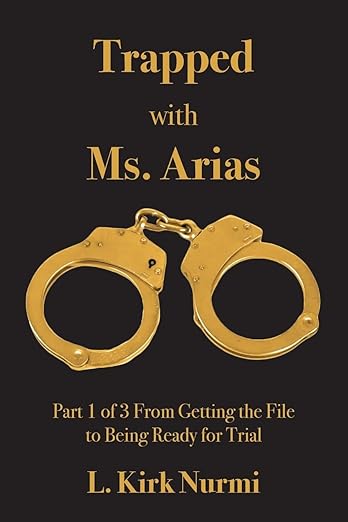
Adding to the controversy, both attorneys from Arias’ original trial were later disbarred. Former prosecutor Juan Martinez was disbarred for misconduct following the trial , and Arias’ defense attorney, Kirk Nurmi, was also disbarred after writing a book about his client while her case was still active — a move widely criticized as unethical.

“As an Amazon Associate I earn from qualifying purchases”

Book cover of "Trapped with Ms. Arias" by L. Kirk Nurmi, featuring gold handcuffs on a black background.
Defense attorney Kirk Nurmi wrote a book about his client. #ad

Court documents also reference requests for information regarding a book Martinez allegedly began writing during Arias’ first trial, raising additional concerns about potential conflicts of interest.

Book cover of "Conviction: The Untold Story of Putting Jodi Arias Behind Bars" by Juan Martinez.
Prosecutor Juan Martinez also allegedly worked on a book related to the case during the first trial. #ad

What This Means for True Crime Watchers where should that go

So the question remains: do these claims — combined with documented misconduct surrounding key figures in the case— give Jodi Arias a legitimate path toward a new trial?

For now, the courts will decide whether her allegations warrant further review. But for the first time in years, Jodi Arias is no longer avoiding the case – she’s confronting it head-on.

For more true crime stories, click here.