Tag Archives: Aviation Safety

Seven fatal aviation crashes in 11 days leave at least 21 dead

By Investigative Reporter Tammy Rose
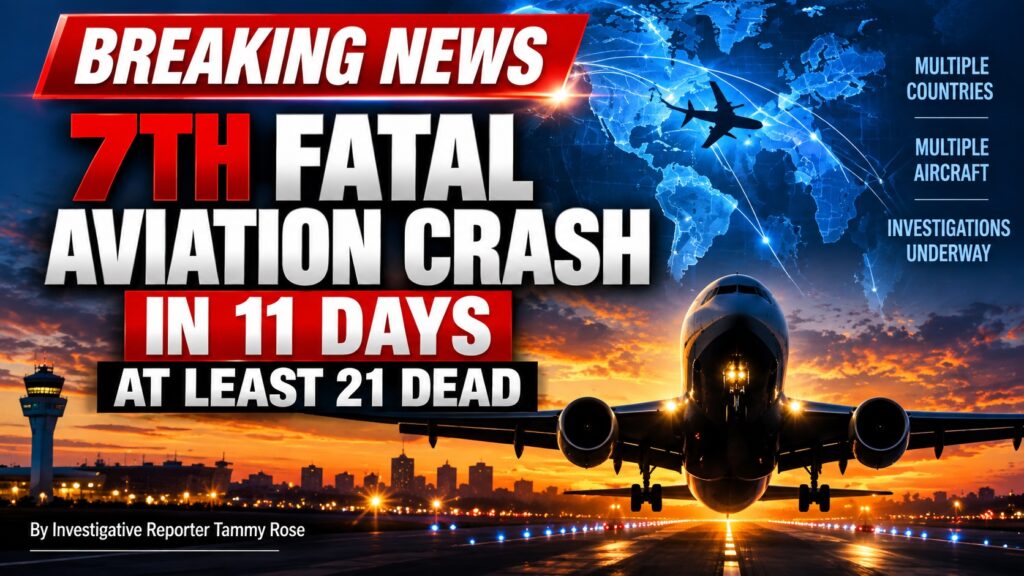
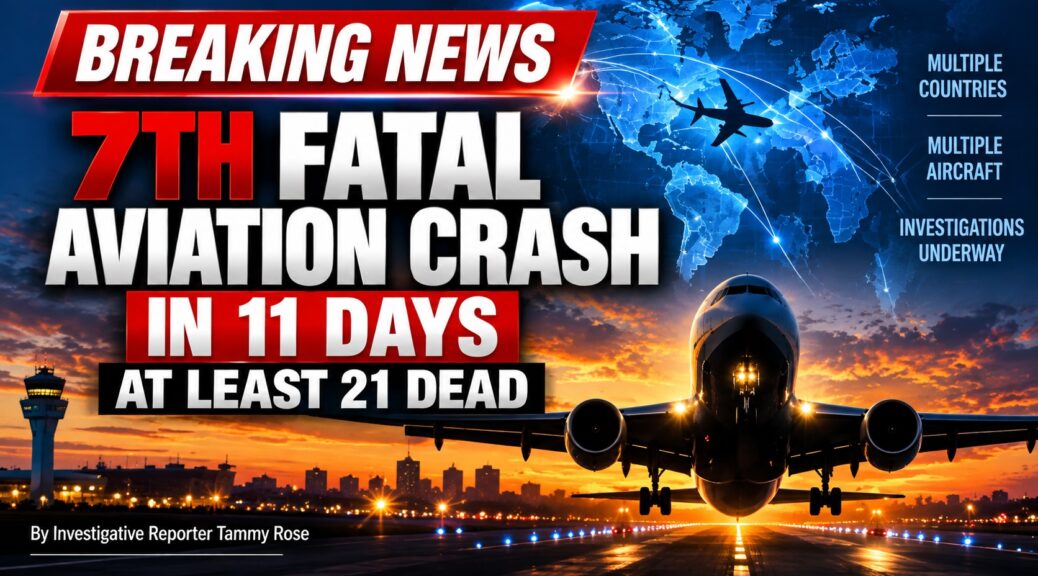
Breaking news graphic showing the seventh fatal aviation crash in 11 days, with at least 21 people dead.
Seven fatal aviation crashes across three countries have left at least 21 people dead in 11 days. Graphic created for Investigative Reporter Tammy Rose.

Update: September 16, 2026

Another fatal aviation crash occurred on September 15. It marked the seventh deadly crash in 11 days.

The seven crashes occurred across three countries. At least 21 people died.

The latest crash involved a news helicopter in Los Angeles. The crew was covering another deadly crash when the helicopter went down.

News helicopter crash kills three in Los Angeles
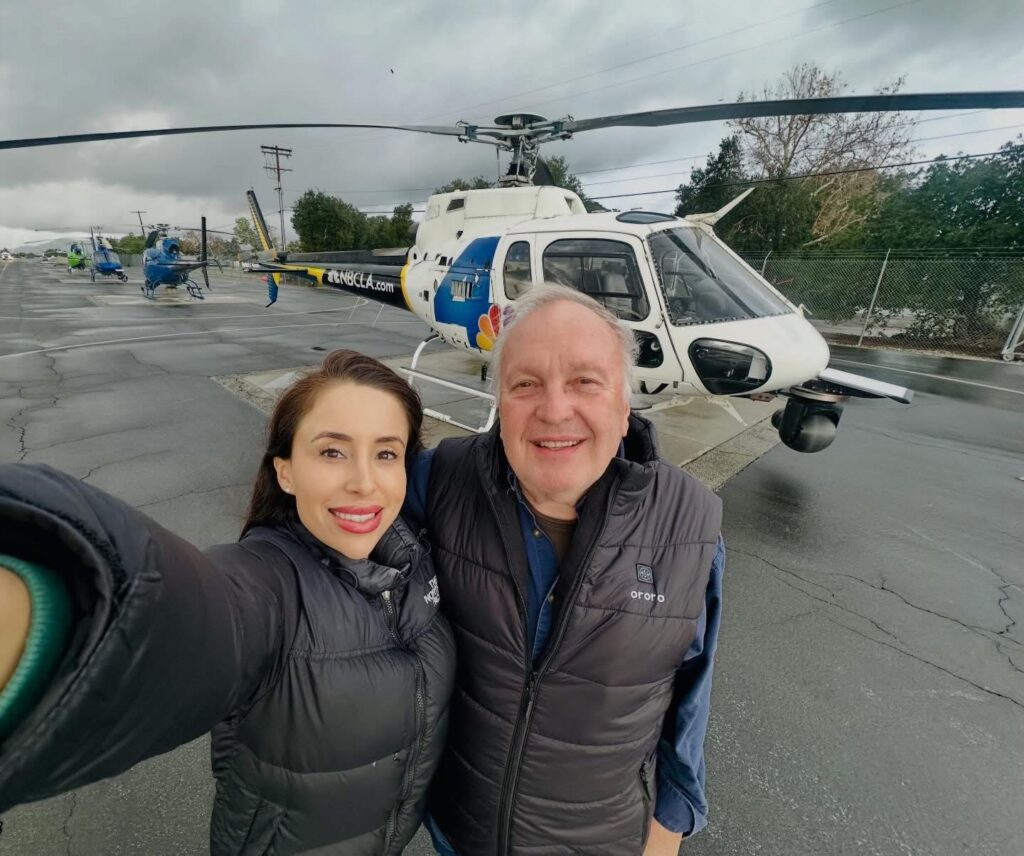
Eliana Moreno and George Marciniw pictured with an NBC Los Angeles news helicopter at Whiteman Airport.
Eliana Moreno and George Marciniw pictured at Whiteman Airport in December 2025. Both were killed in the September 15, 2026, news helicopter crash in Los Angeles. Photo courtesy of George Marciniw/Facebook.

A news helicopter crashed Tuesday evening in the Chatsworth neighborhood of Los Angeles. Three people died.

The helicopter was covering a deadly collision involving an SUV and a Metro bus. NBC4 and Telemundo 52 said the aircraft crashed shortly before 7 p.m.

NBC identified two of those killed as aerial journalist and photojournalist Eliana Moreno and pilot George Marciniw. Both worked for Angel City Air, which operated the helicopter.

A third person was killed on the ground. Two other people were taken to a hospital.

The helicopter crashed between commercial buildings and burst into flames, damaging vehicles and storage containers.

The cause of the crash has not been determined. The National Transportation Safety Board and Federal Aviation Administration are investigating.

Investigative Reporter Tammy Rose aboard a news helicopter while working for KPNX in Phoenix.
Tammy Rose aboard the KPNX news helicopter in Phoenix. Rose worked at KPNX when Chopper 3 and Chopper 15 collided while covering a police pursuit in 2007.

This tragedy hits close to home for me. I spent years aboard television news helicopters. I was working at KPNX in Phoenix when Chopper 3 and Chopper 15 collided. Our helicopter was also covering the police pursuit. I then had to report on the crash that killed four people.

Pilot killed in Alabama plane crash

Red-and-white Van’s RV-4 experimental airplane parked on grass at an airfield.
File photo of a Van’s RV-4, the same aircraft model involved in the fatal Alabama crash. This is not the aircraft involved. Public-domain photo by Adrian Pingstone via Wikimedia Commons.

A Van’s RV-4 crashed near Albertville, Alabama, Tuesday morning. The crash killed the pilot.

The FAA said the aircraft crashed around 6:50 a.m. on September 15. The pilot was the only person aboard.

Local authorities identified the pilot as 62-year-old Douglas Emge of Whiton. The FAA and NTSB continue to investigate the crash.

Seven fatal aviation crashes occurred across three countries in 11 days. At least 21 people died.

The crashes occurred from September 5 through September 15, 2026. They involved several types of aircraft. Those included private planes, a cargo jet, a training aircraft and three helicopters.

Investigators have not linked the crashes. They have not identified a common cause.

FAA accident statement

Four family members killed near Fresno
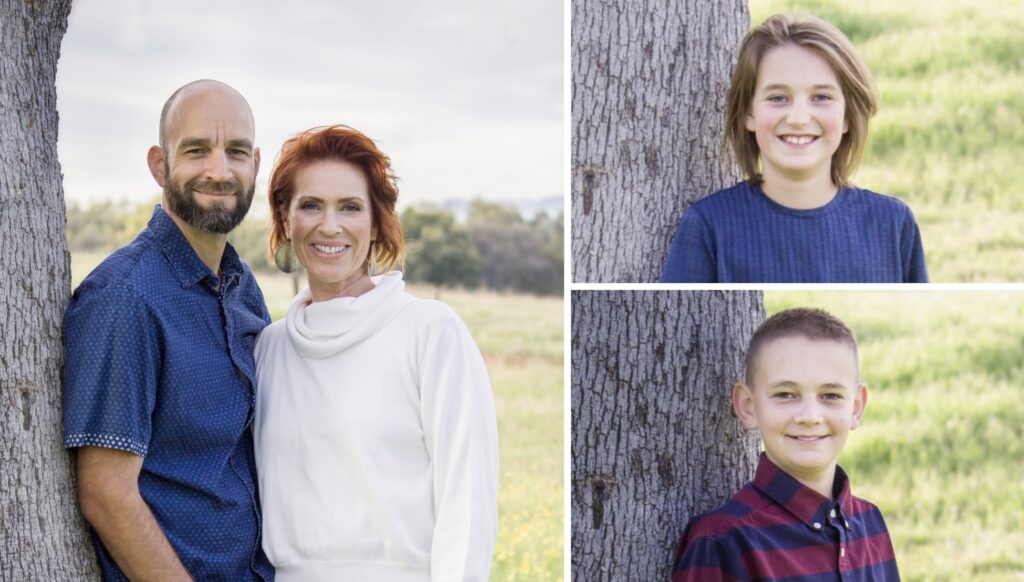
Family portrait collage of Craig and Danna Eady with their two children.
Craig and Danna Eady and their two children were killed after their private airplane crashed near Sierra Sky Park Airport in Fresno, California, on September 5, 2026.

The deadly stretch began September 5 near Sierra Sky Park Airport in Fresno, California.

A single-engine Grumman American AA-5 crashed shortly after takeoff and caught fire near the San Joaquin River.

Two children died at the scene. Danna Eady, 41, and her husband, Craig Eady, 44, later died from their injuries.

Danna Eady was a certified flight instructor. The National Transportation Safety Board is investigating the crash.

Amazon cargo jet overruns Miami runway
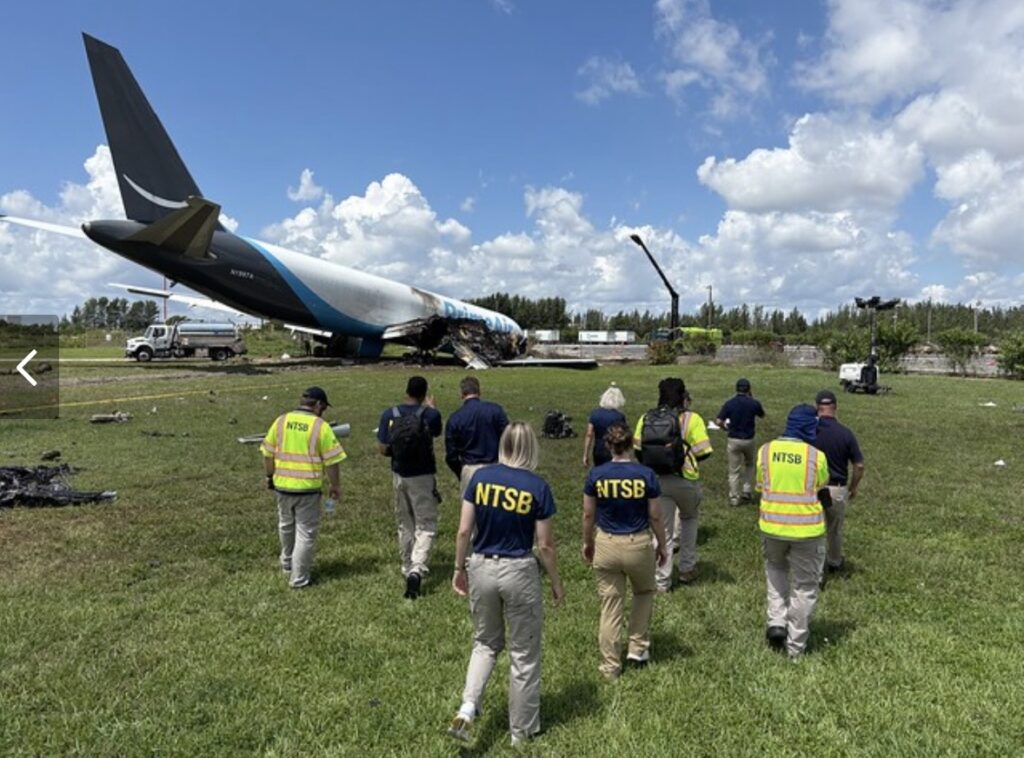
NTSB investigators walk toward the wreckage of a Boeing 767 cargo jet at Miami International Airport.
NTSB investigators examine the wreckage of 21 Air Flight 7598 after the Amazon Air cargo jet overran a runway at Miami International Airport on September 6, 2026. Photo courtesy: NTSB.

One day later, a Boeing 767-300 freighter overran a runway while landing at Miami International Airport.

The September 6 crash involved 21 Air Flight 7598, which was operating for Amazon Air after arriving from San Juan, Puerto Rico.

The jet crossed an airport road, struck vehicles and caught fire. Five people on the ground were killed. Five others were hospitalized, including the two pilots.

NTSB investigators said flight information indicates the jet landed at high speed. The pilots briefly appeared to consider taking off again after touchdown.

The investigation remains underway. Authorities have not announced a final cause.

Read the NTSB investigative update

Two killed in San Diego Cessna crash

A Cessna 172 crashed and caught fire September 7 at Montgomery-Gibbs Executive Airport in San Diego.

The two people aboard were killed.

The privately operated aircraft crashed on airport property. No one on the ground was reported injured.

Federal investigators are working to determine what caused the airplane to go down.

Flying Doctor helicopter crashes in Malaysia

Five people died September 8 when a BO-105 helicopter crashed near Long Lellang STOLport in Sarawak, Malaysia.

The helicopter was conducting a Flying Doctor Service mission. Those aboard included the pilot and four medical workers traveling to serve remote communities.

Malaysia’s Civil Aviation Authority identified the helicopter as registration 9M-LLF. The country’s Air Accident Investigation Bureau is investigating.

Officials have not determined what caused the crash.

Pilot killed in remote Australian helicopter crash

A helicopter crashed September 12 on a remote pastoral property in South Australia.

Police said the helicopter crashed at Devonborough Downs, approximately 200 kilometers west of Broken Hill.

The 51-year-old pilot was the only person aboard. He died at the scene.

Authorities have not released the helicopter’s type or operator. South Australia Police notified aviation authorities, and investigators are preparing a report for the coroner.

Read the South Australia Police report

What the cluster does—and does not—mean

The seven crashes involved different aircraft, missions, operators and locations.

One involved a large cargo jet. Three involved small airplanes. Three involved helicopters.

Investigators are examining the crashes independently. There is currently no evidence that the accidents are connected or share a common cause.

Investigators will examine factors including weather, maintenance, pilot actions, aircraft performance and operating procedures. Final findings in some of these investigations could take months or longer.

Tammy Rose Reports will continue following each investigation as authorities release confirmed information.

My new book is now available

My new book, When Two Worlds Collide During WWII, follows two families on opposite sides of World War II and the remarkable events that eventually brought their lives together in Wisconsin.

The story is based on my own family history, with real people, family photographs and stories passed down through generations.

Disclosure: As an Amazon Associate, I earn from qualifying purchases.
NTSB Mid Air Collision Hearing: What Flyers Need to Know

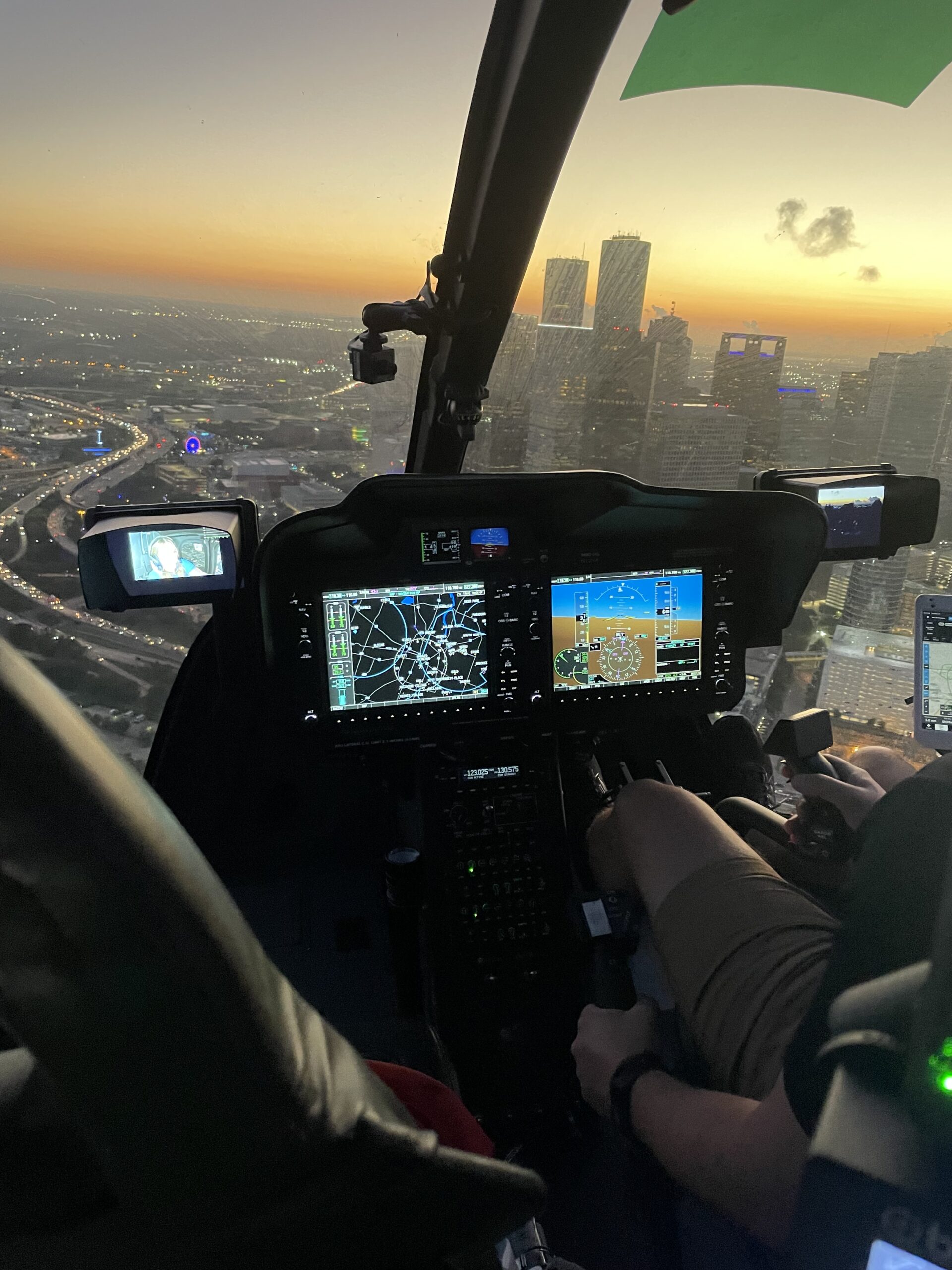
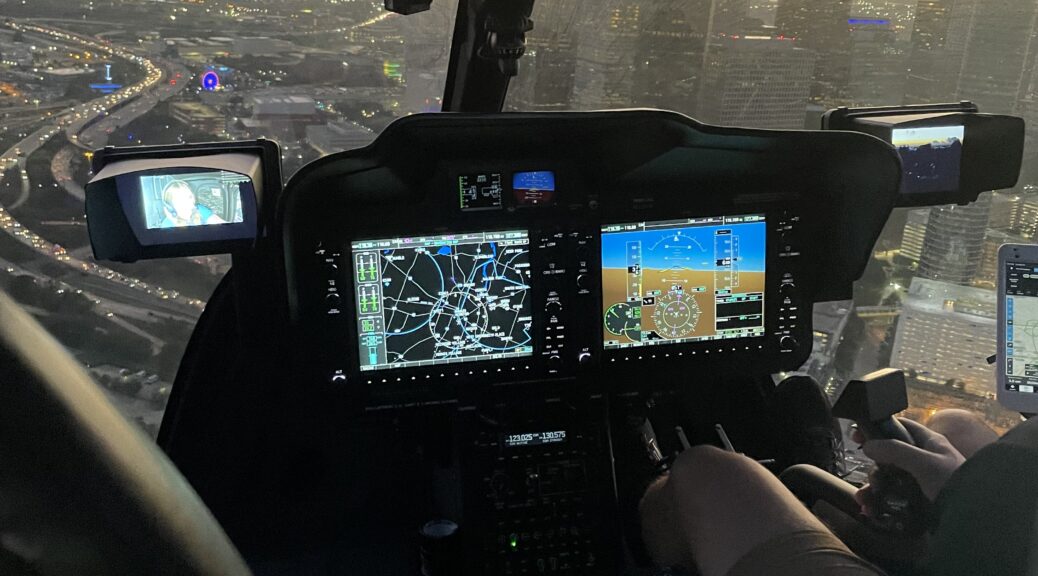
Houston helicopter cockpit during NTSB mid air collision hearing
Many helicopter pilots use iPads mounted in the cockpit to monitor nearby aircraft and terrain in real time.

What the NTSB Hearing on the Mid-Air Collision Is About

The NTSB mid air collision hearing will examine the deadly January 2025 crash between a U.S. Army Black Hawk helicopter and an American Airlines regional jet near Washington, D.C.

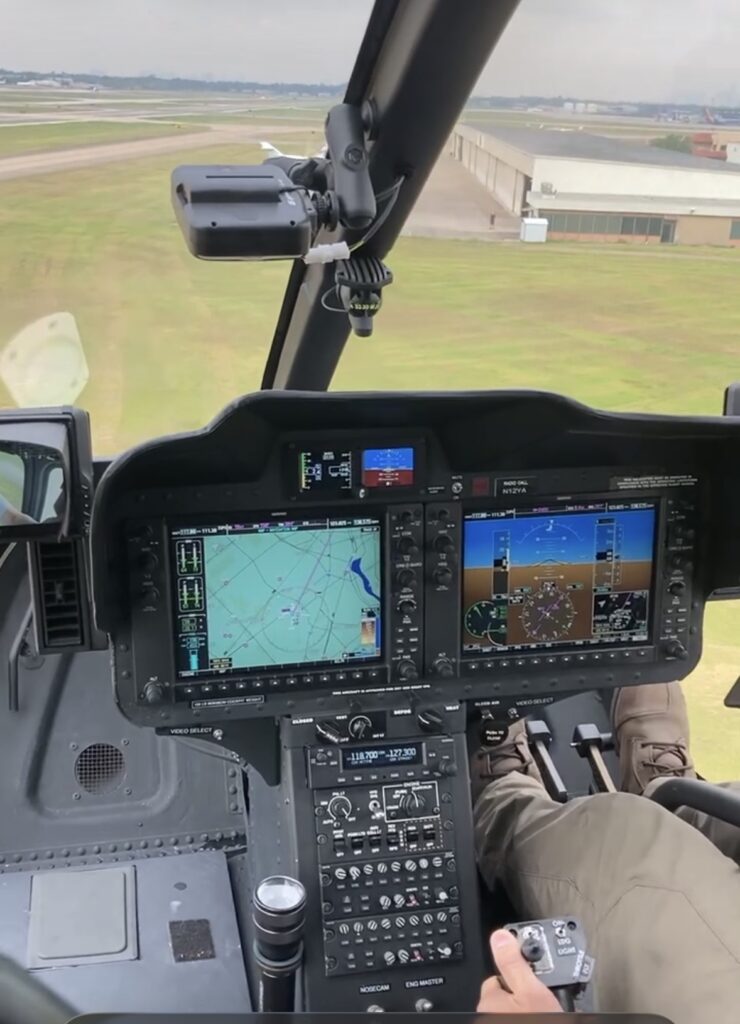
Pilots often rely on portable ADS-B receivers like the Garmin GDL 50 to monitor nearby traffic.

On January 27, 2026, the National Transportation Safety Board (NTSB) is scheduled to hold a major investigative hearing. The goal is to determine what caused the crash and what changes may be needed to prevent another tragedy.

Why This Hearing Matters for Houston Flyers

For anyone who flies regularly, this hearing matters. That includes people using Houston’s Hobby and Bush Intercontinental airports.

The outcome could shape how U.S. airspace is managed for years. Even though the crash happened near Washington, the safety changes that follow will affect flights nationwide.

Houston is one of the busiest aviation regions in the country. Passenger jets, helicopters, military aircraft, and offshore energy flights all share the same crowded skies. That makes safety rules especially important here.

For pilots who want to improve their situational awareness in busy airspace, portable ADS-B receivers like the Garmin GDL 50 or Sentry Mini allow you to see nearby aircraft in real time on an iPad.

What Investigators Will Examine

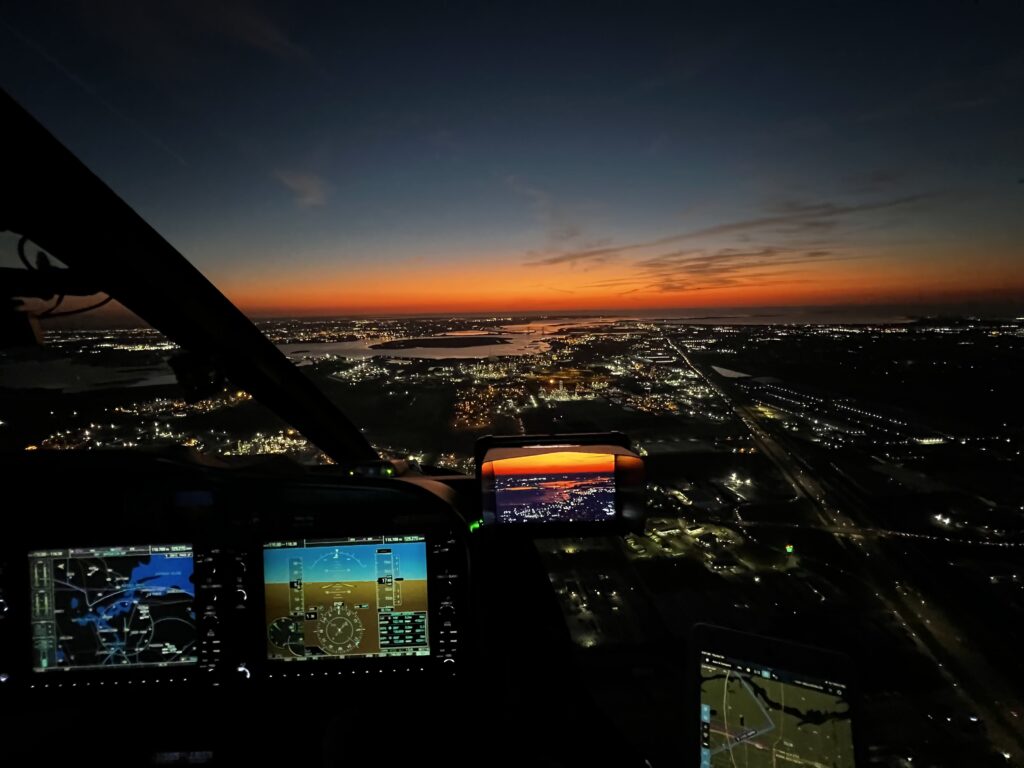
Helicopter navigation display showing crowded airspace during NTSB mid air collision hearing
Helicopter navigation display showing crowded airspace as the NTSB reviews a mid-air collision

The NTSB hearing is not about assigning criminal blame. It is about understanding how a highly controlled aviation system still allowed two aircraft to collide.

Investigators will review air traffic control procedures, cockpit communications, radar and tracking data, aircraft equipment, and decision-making by both flight crews and controllers. Officials from the FAA and the U.S. Army are expected to testify about training, policies, and safety systems.

After the hearing, the NTSB will issue a probable cause determination along with safety recommendations. These could lead to new rules, new technology, or new procedures across the U.S. aviation system.

Key Safety Issues Under Review

Helicopter cockpit avionics showing aircraft tracking related to NTSB mid air collision hearing
A Houston helicopter cockpit – the kind of airspace that could be affected by changes from the NTSB mid-air collision hearing

One issue involves altitude differences. Early findings suggest the helicopter may have been flying higher than its assigned altitude, placing it directly in the jet’s path.

Another issue is communication. Reports indicate that air traffic control instructions may not have been clearly received by the helicopter crew due to overlapping radio traffic.

In high-traffic airspace, clear audio matters. Noise-canceling aviation headsets help pilots hear ATC instructions when frequencies get busy.

Airspace congestion is also being examined. The area around Reagan National Airport is one of the busiest in the country. Commercial jets, military aircraft, and helicopters all operate in tight corridors. Investigators are questioning whether the system relies too heavily on controllers to manage unsafe levels of traffic.

There is also a focus on safety technology. Early reports suggest the helicopter may not have been broadcasting its exact position through ADS-B at the time. ADS-B is a modern tracking system that allows aircraft and controllers to see each other more accurately. Investigators will be examining whether this played any role in the collision.

Why This Matters to Everyday Flyers in Houston

Houston has the same congestion problem
Houston faces similar airspace congestion

Even though the crash happened in Washington, the changes that follow could affect how airspace is managed nationwide, including in Texas.

If ADS-B and similar safety systems become mandatory for more aircraft, that could mean safer skies but also new equipment requirements for helicopters and government aircraft.

If changes are made to air traffic control staffing, training, or workload limits, that could directly affect how efficiently and safely flights move in and out of Houston’s airports.

This is not just a Washington story. It is a nationwide aviation safety issue.

What Flyers Should Know Right Now

Flying remains one of the safest ways to travel. Accidents like this are extremely rare. When they do happen, they often expose weaknesses that can be fixed.

The NTSB process takes time. Major rule changes can take months or even years. But history shows that these investigations often lead to real improvements in safety.

If you fly out of Houston regularly, you may not notice immediate changes. Over time, however, new procedures, better technology, and stronger safety rules could quietly make your flights even safer.

Final Thought

The January 27 NTSB hearing is about more than one tragic night in Washington. It is about making sure a disaster like this does not happen again anywhere in the country.

From crowded East Coast airspace to busy hubs like Houston, what the NTSB decides could shape how we all fly for the next generation.

Disclosure: As an Amazon Associate, I earn from qualifying purchases.