Vietnam War helicopter pilot Kim Page flew some of the most dangerous combat missions of the war. He survived multiple helicopter crashes while saving countless lives. As a senior warrant officer, Kim Page faced enemy fire, mechanical failures, and impossible odds in active war zones across Southeast Asia. His story is one of courage, resilience, and service under fire.
🎥 Watch: The Extraordinary Life of Vietnam War Helicopter Pilot Kim Page
This documentary was written, filmed, produced, and edited by me, Tammy Rose. As a longtime helicopter reporter, I have covered countless aviation stories — but Kim Page’s journey stands among the most extraordinary I have ever documented. Watch below to experience his remarkable true story of courage, survival, and service.
Watch More Stories from Life on Film
If Kim Page’s story inspired you, explore more incredible journeys captured on film. From extraordinary aviation adventures to life-changing personal stories, check out other Life on Film stories here.
Many helicopter pilots use iPads mounted in the cockpit to monitor nearby aircraft and terrain in real time.
What the NTSB Hearing on the Mid-Air Collision Is About
The NTSB mid air collision hearing will examine the deadly January 2025 crash between a U.S. Army Black Hawk helicopter and an American Airlines regional jet near Washington, D.C.
Pilots often rely on portable ADS-B receivers like the Garmin GDL 50 to monitor nearby traffic.
On January 27, 2026, the National Transportation Safety Board (NTSB) is scheduled to hold a major investigative hearing. The goal is to determine what caused the crash and what changes may be needed to prevent another tragedy.
Why This Hearing Matters for Houston Flyers
For anyone who flies regularly, this hearing matters. That includes people using Houston’s Hobby and Bush Intercontinental airports.
The outcome could shape how U.S. airspace is managed for years. Even though the crash happened near Washington, the safety changes that follow will affect flights nationwide.
Houston is one of the busiest aviation regions in the country. Passenger jets, helicopters, military aircraft, and offshore energy flights all share the same crowded skies. That makes safety rules especially important here.
For pilots who want to improve their situational awareness in busy airspace, portable ADS-B receivers like the Garmin GDL 50 or Sentry Mini allow you to see nearby aircraft in real time on an iPad.
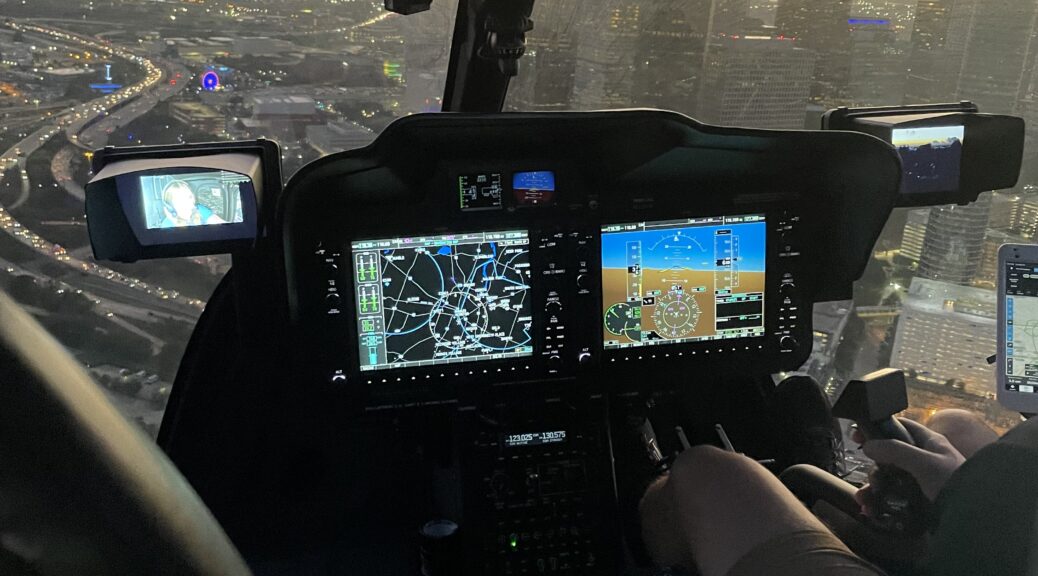
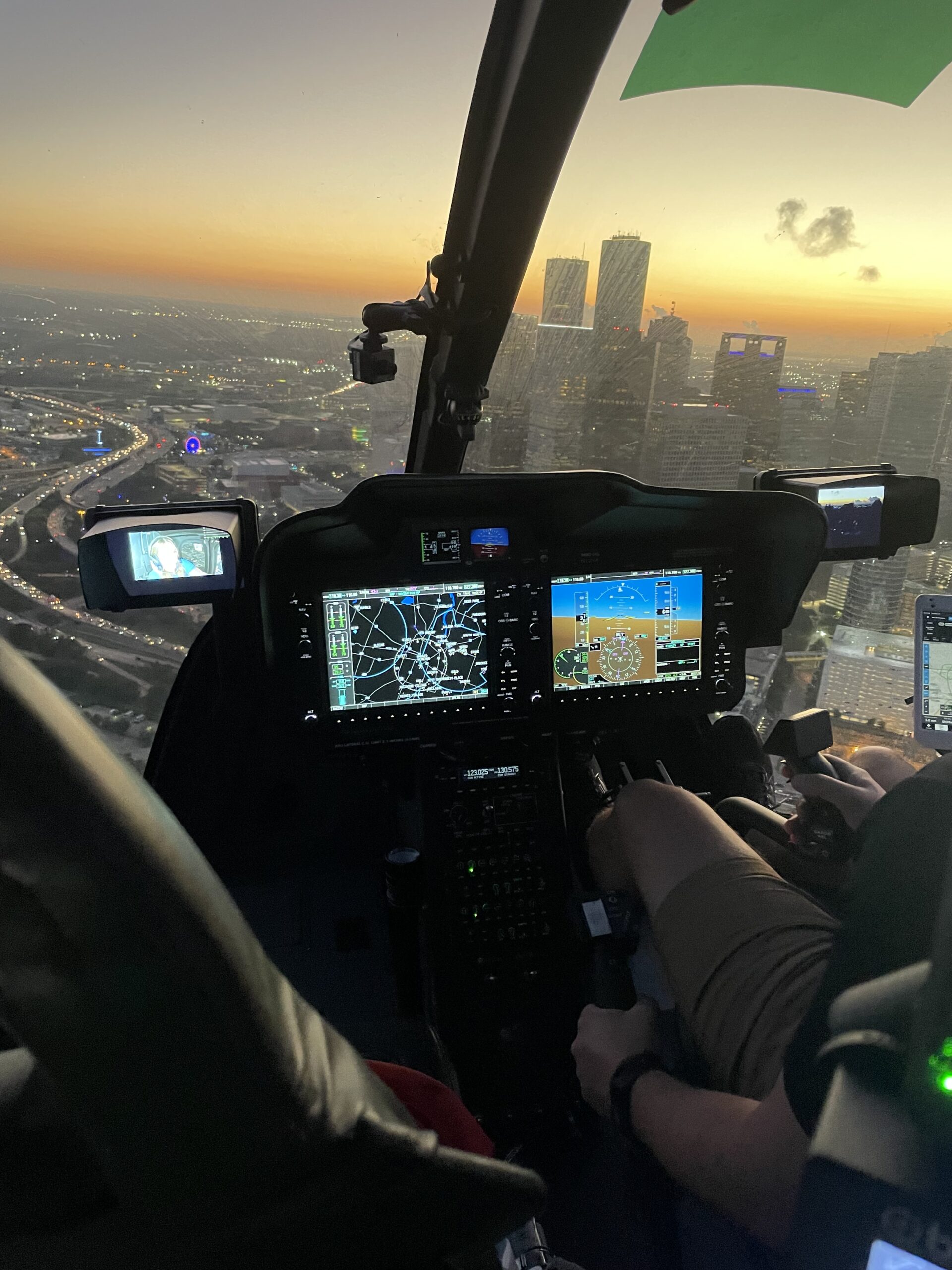
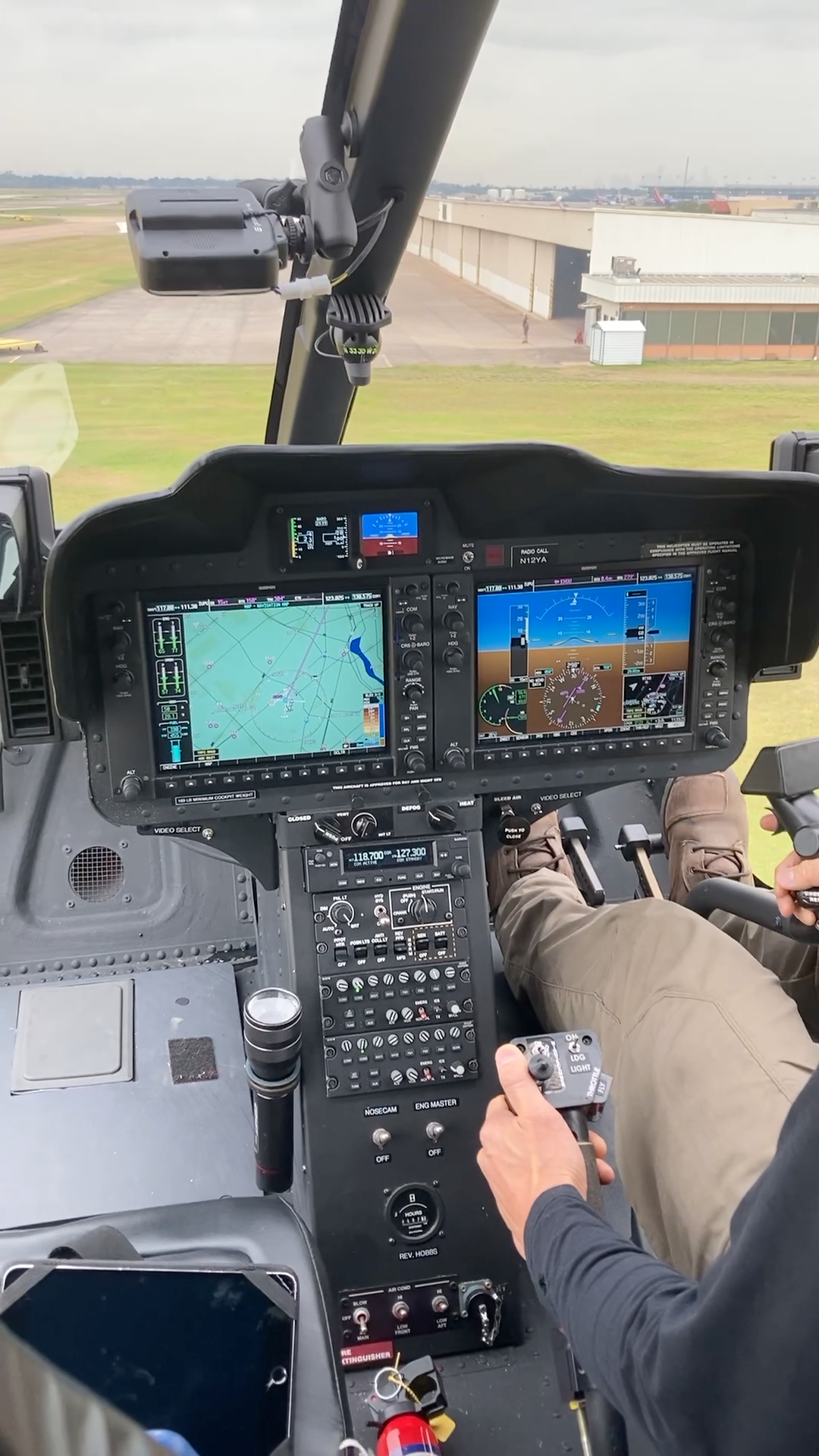
Helicopter navigation display showing crowded airspace as the NTSB reviews a mid-air collision
The NTSB hearing is not about assigning criminal blame. It is about understanding how a highly controlled aviation system still allowed two aircraft to collide.
Investigators will review air traffic control procedures, cockpit communications, radar and tracking data, aircraft equipment, and decision-making by both flight crews and controllers. Officials from the FAA and the U.S. Army are expected to testify about training, policies, and safety systems.
After the hearing, the NTSB will issue a probable cause determination along with safety recommendations. These could lead to new rules, new technology, or new procedures across the U.S. aviation system.
Key Safety Issues Under Review
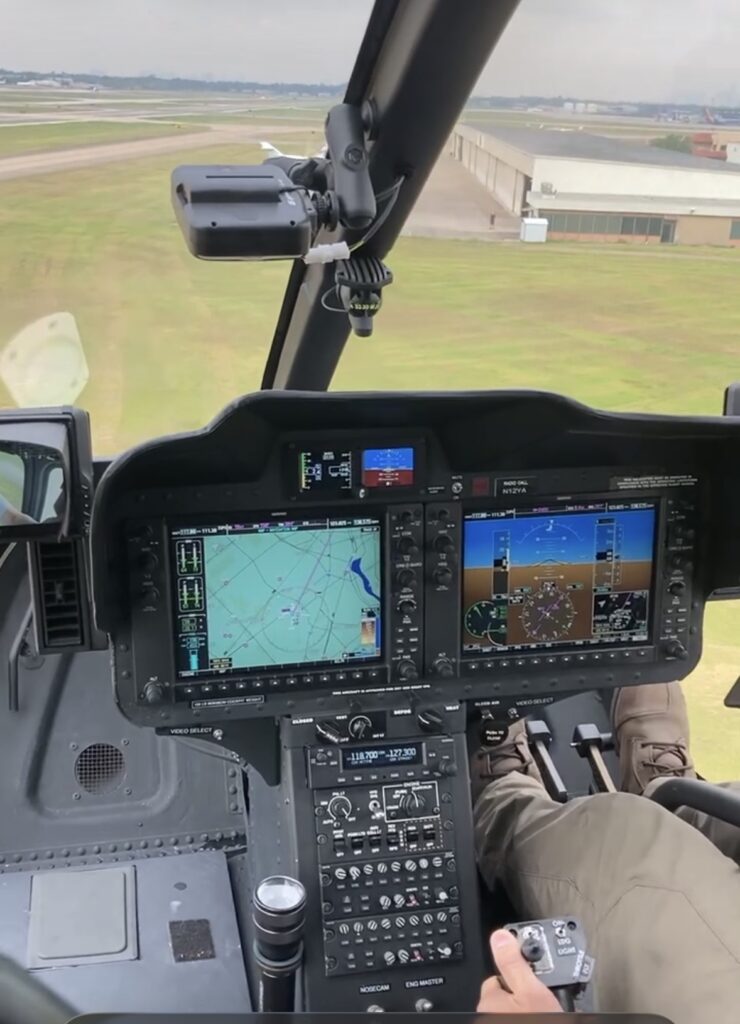
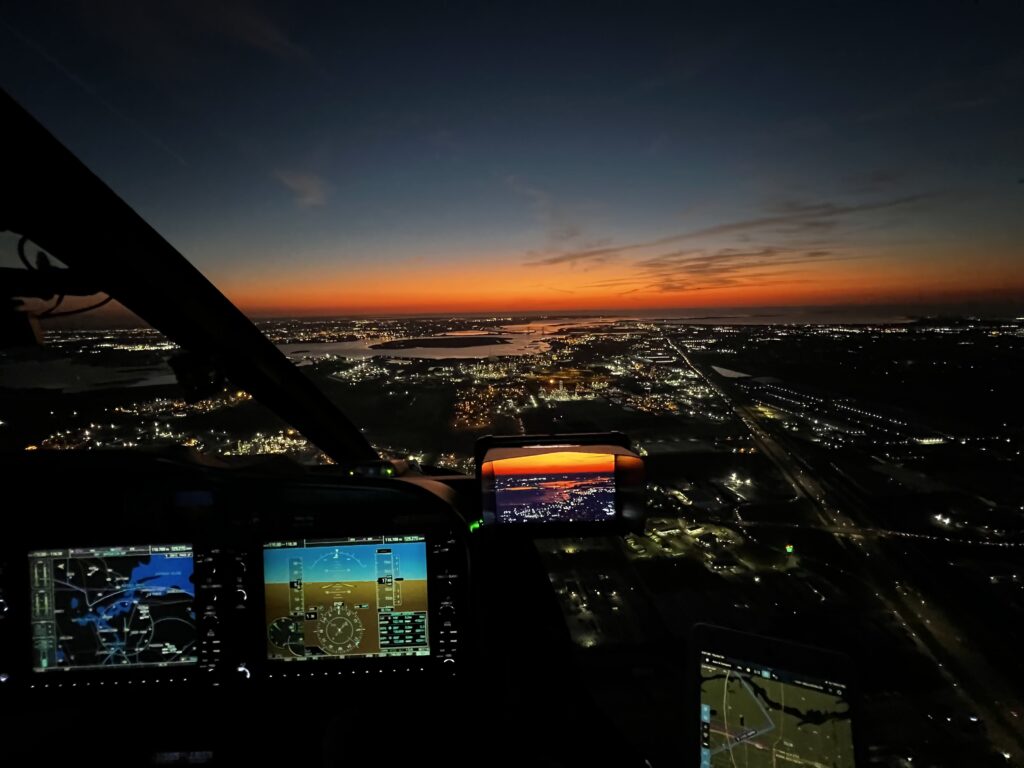
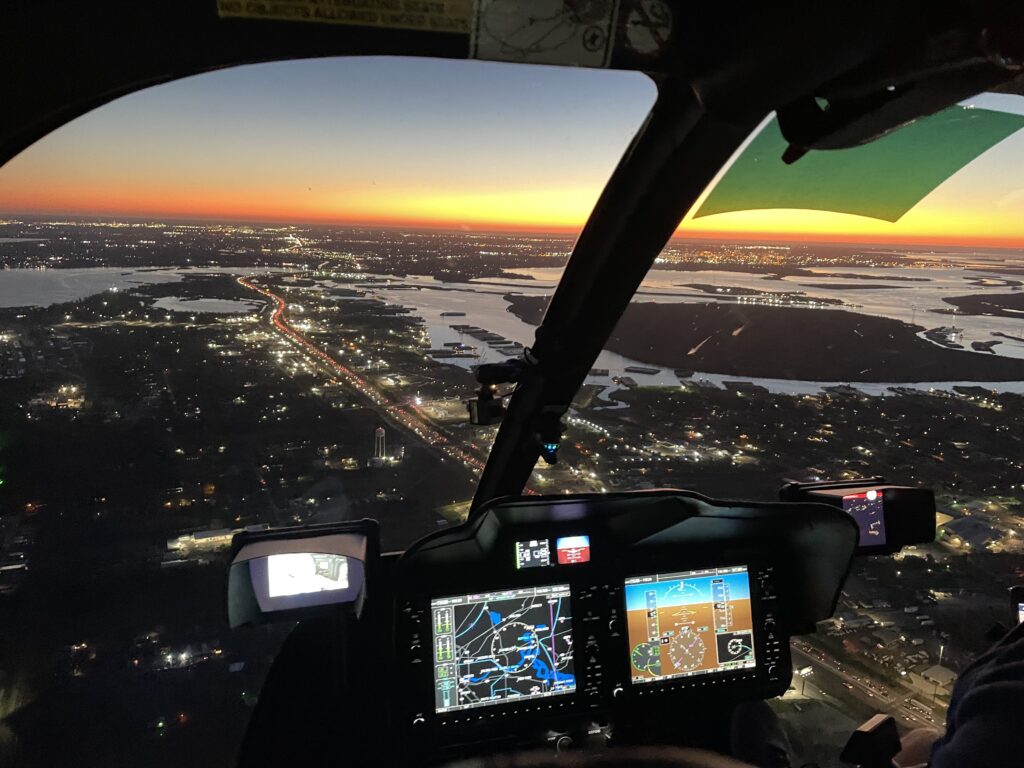
A Houston helicopter cockpit – the kind of airspace that could be affected by changes from the NTSB mid-air collision hearing
One issue involves altitude differences. Early findings suggest the helicopter may have been flying higher than its assigned altitude, placing it directly in the jet’s path.
Another issue is communication. Reports indicate that air traffic control instructions may not have been clearly received by the helicopter crew due to overlapping radio traffic.
In high-traffic airspace, clear audio matters. Noise-canceling aviation headsets help pilots hear ATC instructions when frequencies get busy.
Airspace congestion is also being examined. The area around Reagan National Airport is one of the busiest in the country. Commercial jets, military aircraft, and helicopters all operate in tight corridors. Investigators are questioning whether the system relies too heavily on controllers to manage unsafe levels of traffic.
There is also a focus on safety technology. Early reports suggest the helicopter may not have been broadcasting its exact position through ADS-B at the time. ADS-B is a modern tracking system that allows aircraft and controllers to see each other more accurately. Investigators will be examining whether this played any role in the collision.
Why This Matters to Everyday Flyers in Houston
Houston faces similar airspace congestion
Even though the crash happened in Washington, the changes that follow could affect how airspace is managed nationwide, including in Texas.
If ADS-B and similar safety systems become mandatory for more aircraft, that could mean safer skies but also new equipment requirements for helicopters and government aircraft.
If changes are made to air traffic control staffing, training, or workload limits, that could directly affect how efficiently and safely flights move in and out of Houston’s airports.
This is not just a Washington story. It is a nationwide aviation safety issue.
What Flyers Should Know Right Now
Flying remains one of the safest ways to travel. Accidents like this are extremely rare. When they do happen, they often expose weaknesses that can be fixed.
The NTSB process takes time. Major rule changes can take months or even years. But history shows that these investigations often lead to real improvements in safety.
If you fly out of Houston regularly, you may not notice immediate changes. Over time, however, new procedures, better technology, and stronger safety rules could quietly make your flights even safer.
Final Thought
The January 27 NTSB hearing is about more than one tragic night in Washington. It is about making sure a disaster like this does not happen again anywhere in the country.
From crowded East Coast airspace to busy hubs like Houston, what the NTSB decides could shape how we all fly for the next generation.
Disclosure: As an Amazon Associate, I earn from qualifying purchases.
I started flying in news helicopters in 1994, at a time when airborne reporting was still raw and analog. No moving maps. No satellite tracking. No instant weather overlays. You trusted your pilot’s instincts, the aircraft, and whatever the sky decided to give you.
Over the years I have experienced multiple in-flight emergencies. Every one of them ended with us on the ground, alive. Each one also left a mark that never fully goes away.
With aviation accidents once again dominating headlines, I want people to understand what it actually feels like when things go wrong in the air.
These aren’t headlines. These are memories.
1995 — Flying blind into Wisconsin clouds
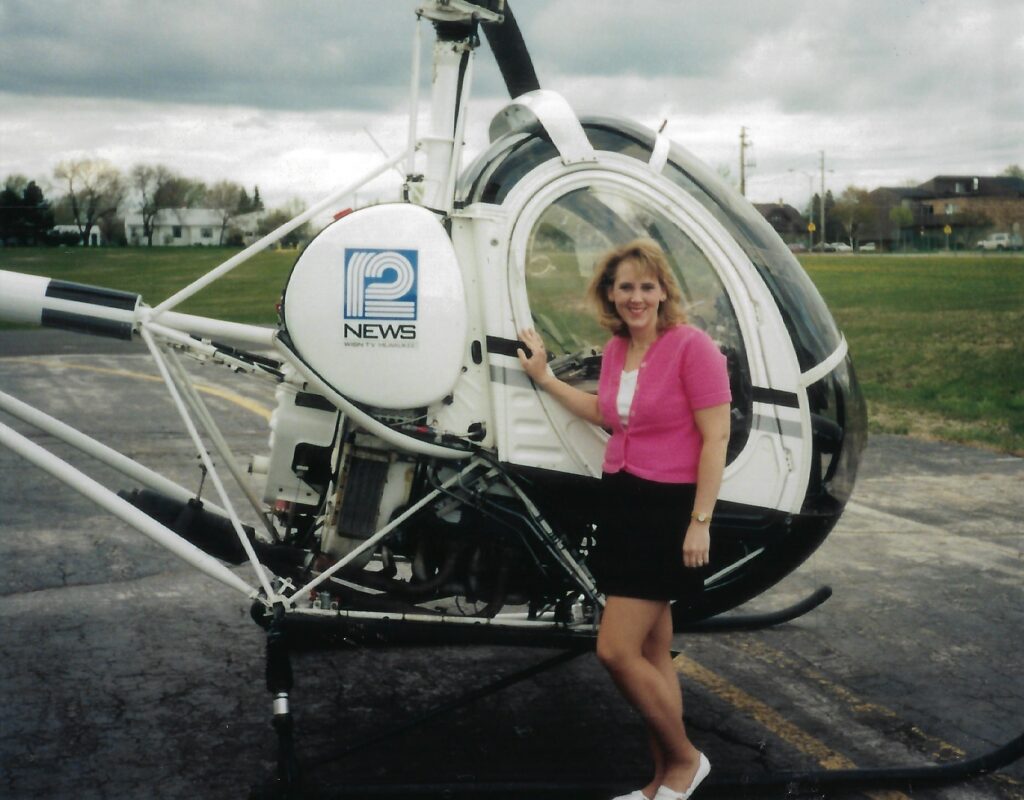
Chopper 12 Reporter Tammy Rose
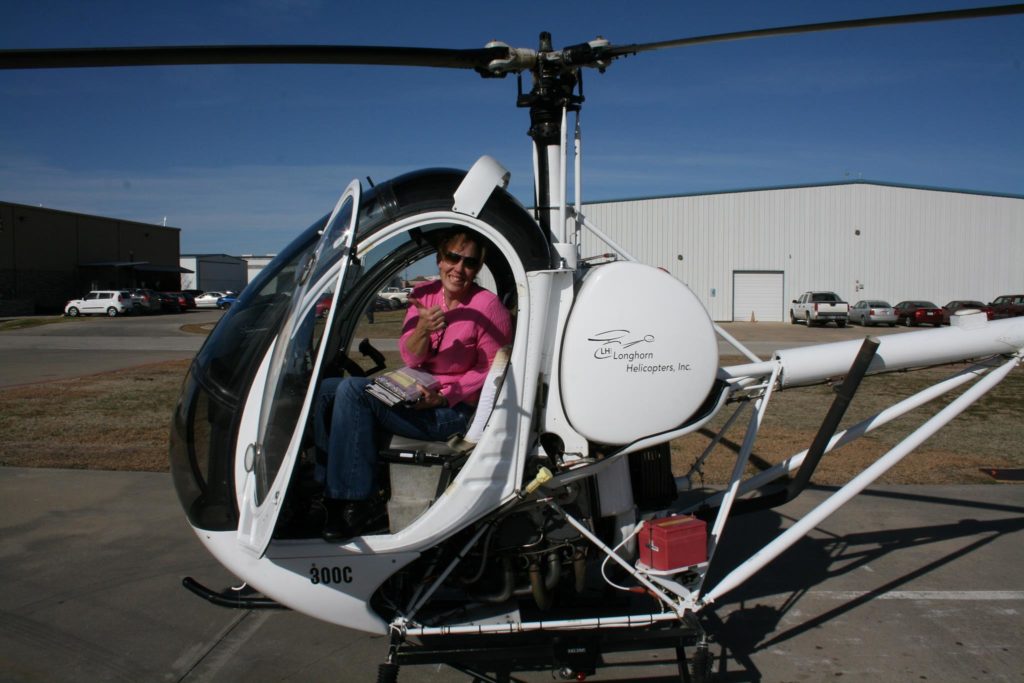
We were flying to breaking news in Wisconsin in aSchweizer 300, a small, two-seat helicopter. It’s light, nimble, and unforgiving of bad weather. The sky that morning was layered — gray over gray — but flyable when we launched.
Then the ceiling began to drop.
At first, the ground blurred. Then it disappeared.
Inside a cloud, there is no horizon. There is no “down.” Everything outside the windshield turns into white and gray motion. Your body feels level, but your eyes are lying to you. That’s spatial disorientation, one of the deadliest conditions in aviation.
My pilot didn’t hesitate. He turned away from the weather and found a place to get us down before we lost all visual reference. We made an emergency landing at a rest stop in Fond du Lac, Wisconsin, just as the cloud deck closed in behind us.
The rotors wound down. The world went quiet.
My pilot stayed overnight with the helicopter. My parents drove to pick me up at that same rest stop. I remember how strange it felt to be sitting in a car after minutes earlier being suspended inside a cloud with no idea where the ground was.
That was the first time I truly understood how quickly flying can turn dangerous.
July 1997 — Losing power while live on the air
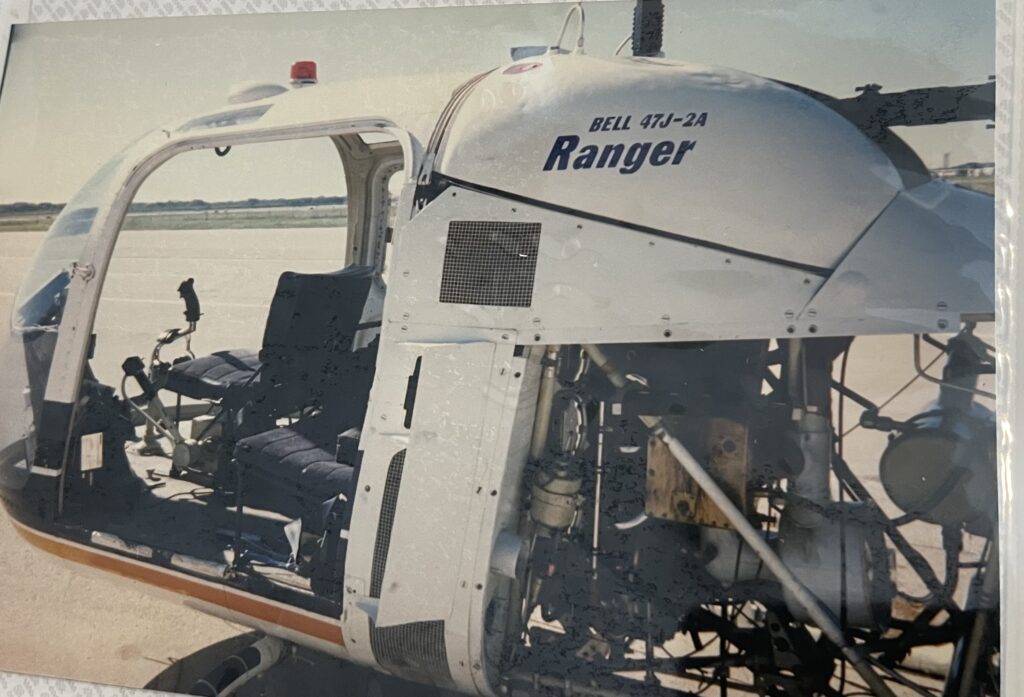
Bell 47
Two years later, on a hot July day in 1997, I was flying over Milwaukee, Wisconsin with a pilot and a photographer. I was in the middle of a live broadcast when the helicopter suddenly didn’t sound right.
Then it didn’t feel right.
We had lost engine power.
Later we learned that both magnetos had failed, which meant the engine could no longer fire. In a helicopter, that’s one of the most serious failures you can have. Without engine power, the only thing keeping you in the air is the pilot’s ability to transition instantly into autorotation — a maneuver that uses airflow through the rotor blades to slow and control the descent.
My pilot did exactly that.
As we descended, I stayed on the air. I finished my report while we were gliding toward a Milwaukee police department parking lot, the only open space he could safely reach.
The landing was hard. The photographer had forgotten to raise the omni antenna, and when we touched down it bent — a small piece of metal that showed just how narrow the margin had been. Some would call it a hard landing. Others might call it a crash.
We opened the doors and stepped out.
No fire. No injuries. Just adrenaline, silence, and the realization of how close we had come.
Texas — When the cockpit went dark
Years later, in Texas, the helicopter suffered a total avionics failure.
The screens went blank.
No navigation. No altitude. No attitude indicator.
My pilot was suddenly flying with nothing but what he could see outside the windshield. He diverted and found a place to land before the situation could get worse.
We made an emergency landing — and once again, walked away.
Texas — Hydraulic failure during a chase
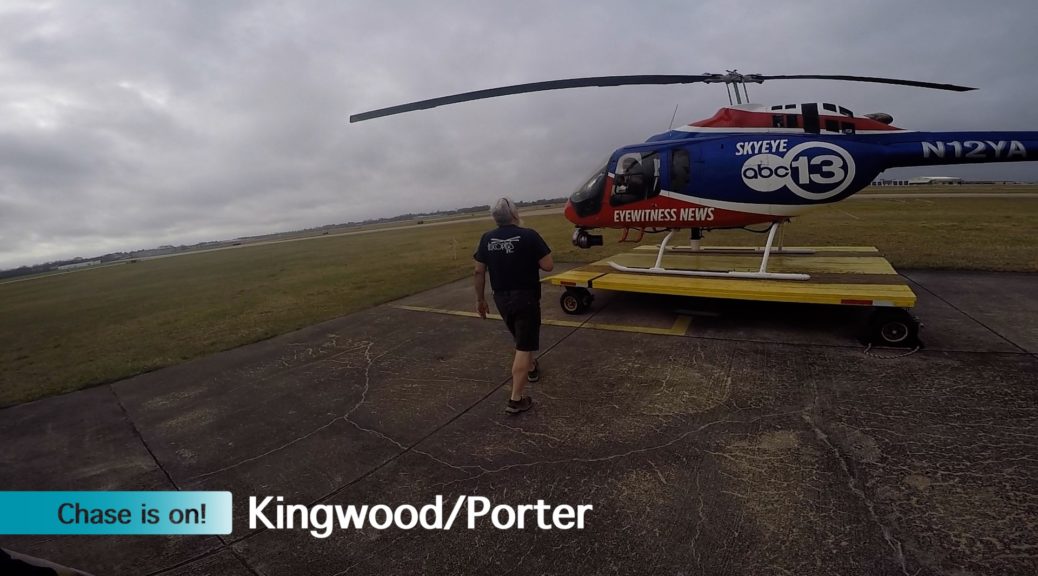
Hydraulic failure on October 8, 2020
Another time, we were launching for a chase when the helicopter lost all hydraulic power.
Without hydraulics, the controls become brutally heavy and unpredictable. Every movement requires raw physical strength and perfect timing.
My pilot fought the aircraft back to the ground and landed safely.
That wasn’t luck. That was training.
Why these stories matter
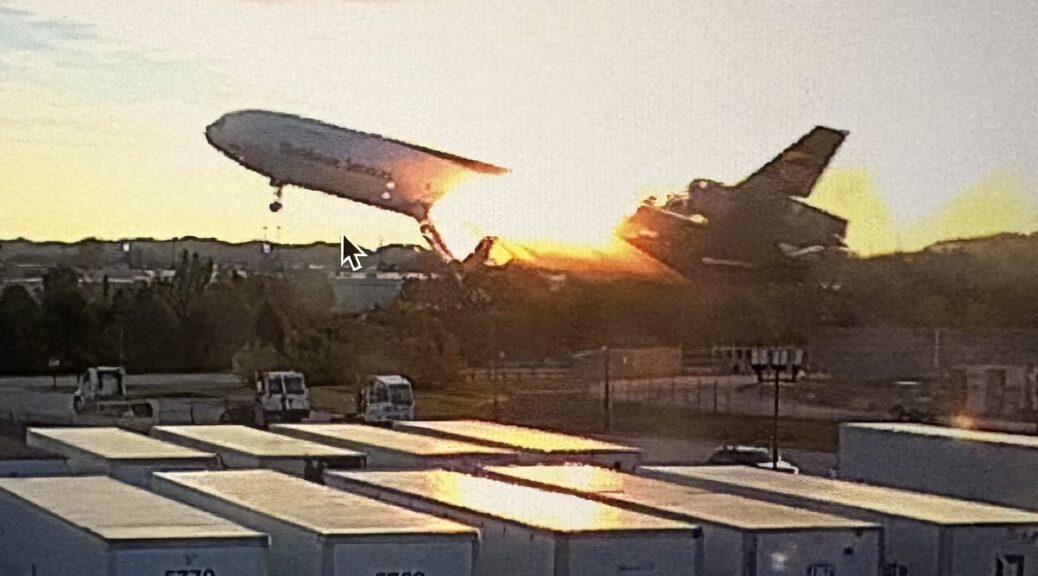
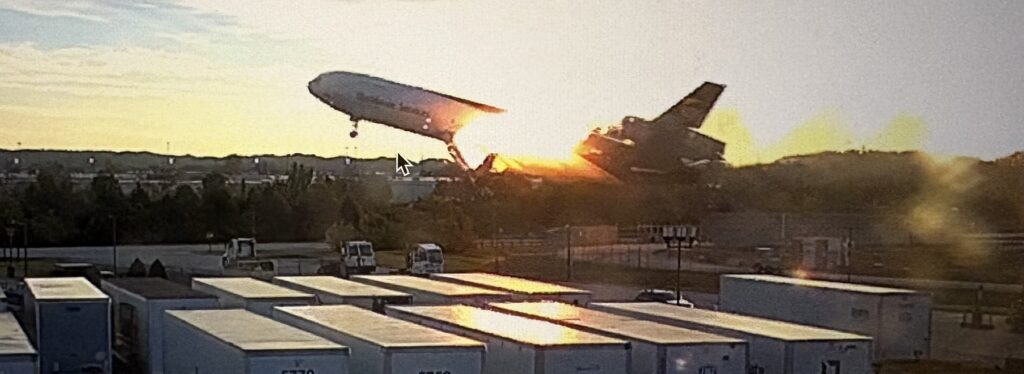
Source: National Transportation Safety Board accident investigation, public domain
When people say they’re afraid to fly, I understand why. In the past year, we’ve all watched heartbreaking, high-profile crashes — including a UPS cargo jet and the tragedy near Reagan National Airport — dominate the news. Those stories make flying feel suddenly fragile.
But here’s what I know from three decades in the air:
Helicopter Reporter Tammy Rose
Most flights don’t end in headlines. They end in landings.
I’ve been inside clouds with no horizon. I’ve descended with no engine. I’ve flown with no instruments. I’ve felt a helicopter lose its hydraulics.
And every time, well-trained pilots brought us home.
Flying will never be risk-free — nothing worth doing ever is — but statistically it remains far safer than getting behind the wheel of a car. The difference is that when something goes wrong in the sky, the whole world hears about it.
That’s why I tell these stories. Not to scare people — but to show how much skill, discipline, and professionalism stand between an ordinary flight and disaster.
The sky demands respect. And the people who fly us through it earn it. ✈️
Want to know what I actually use when I’m flying? I’ve put together my Amazon collection with headsets, travel gear, and in-flight must-haves I rely on in the cockpit and on the road. ⬇️ Click below to explore my Flying Essentials.
Disclosure: As an Amazon Associate, I earn from qualifying purchases.
▶ Watch Episode 14 above and go behind the scenes with our Top Gun crew as they keep our helicopter in service.
“Back in Service’ with our ‘Top Gun’ crew, revolves around a SWAT standoff and routine maintenance. Our television news flight does everything they can to stay to stay in service.
With the clock ticking on a required 3,000-hour inspection for our Bell 505, the pressure was on to stay mission-ready. That’s where our “Top Gun” crew stepped in—working around the clock to keep us flying by bringing another helicopter online.
Reported, produced, and edited by journalist Tammy Rose, Episode 14 of Back in Service takes you behind the scenes of the teamwork it takes to keep a news helicopter in the air.
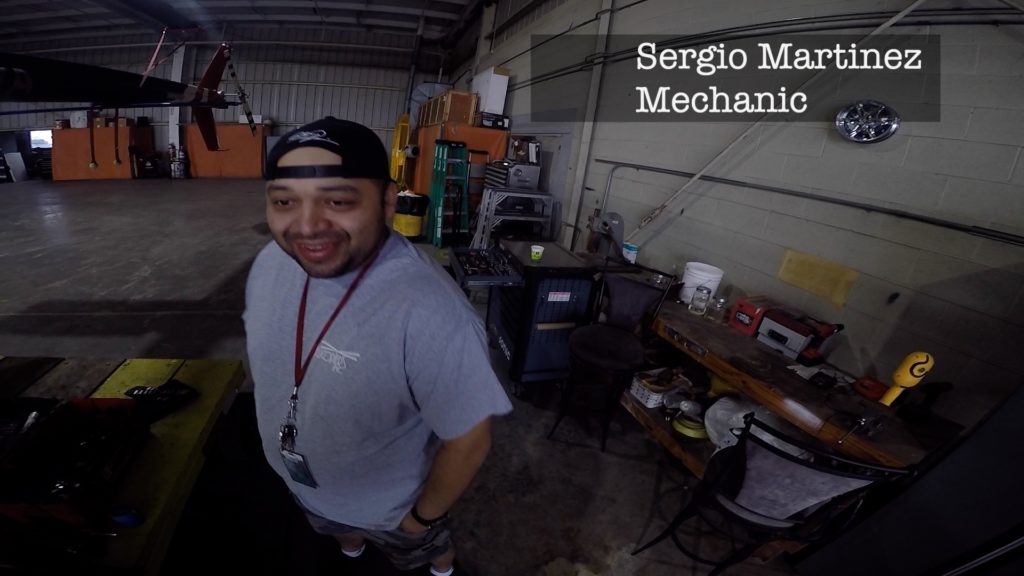
As a helicopter reporter in Houston, no two days are ever the same. From covering dramatic police chases to breaking news unfolding high above the city, flying over Houston offers a front-row seat to stories that matter. Join me, Tammy Rose, along with pilot Samantha Fisher and mechanics Todd Pierpont and Sergio Martinez, as we navigate life in the air and on the ground in this behind-the-scenes look at chasing the story.
Life as a Helicopter Reporter in Houston
Working as a helicopter reporter in Houston means being ready for anything. From sudden breaking news to long days tracking developing stories, every flight brings new challenges and unforgettable views of the city.
Enjoying behind-the-scenes life as a helicopter reporter in Houston?
Get my latest stories, travel adventures, and breaking news delivered straight to your inbox — exclusively on ChopperRose.com
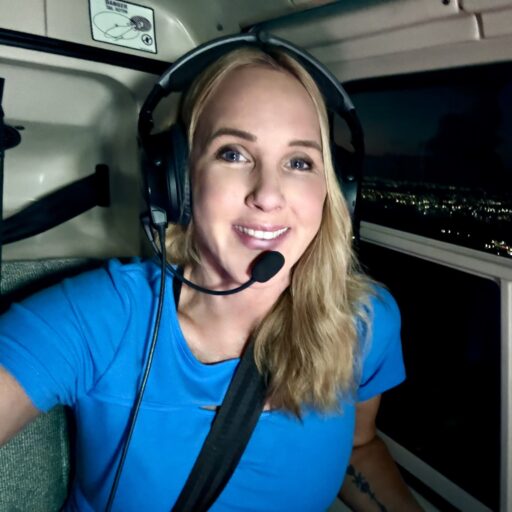
Pilot Samantha FisherHelicopter Reporter Tammy Rose
Flying Over Houston: Behind the Scenes of Aerial News Coverage
Flying over Houston allows us to see the city from a perspective few experience. Whether covering traffic incidents, police activity, or major events, aerial reporting plays a critical role in keeping the public informed in real time.
⸻
Meet the Team Behind the Helicopter
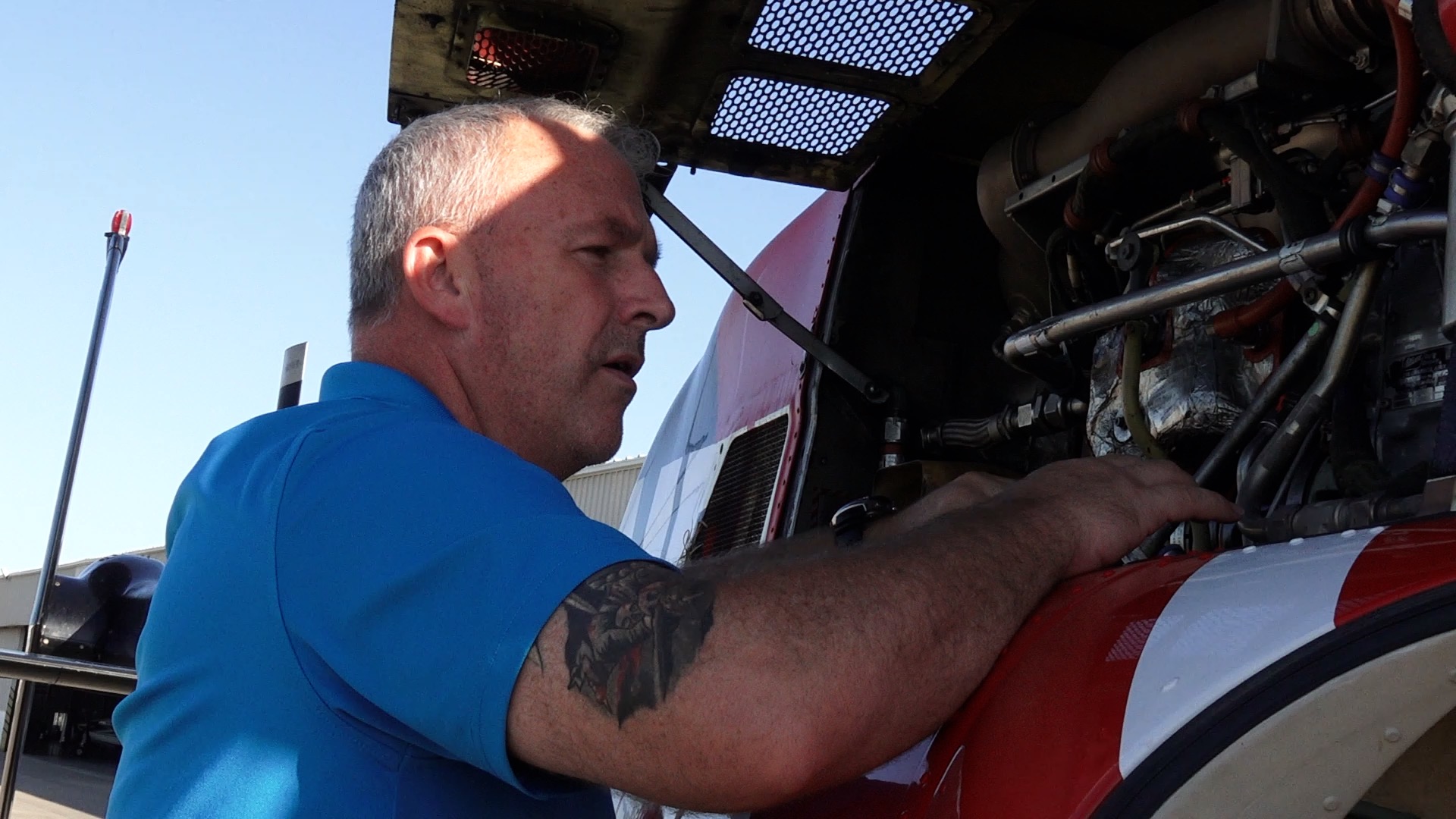
Great aerial coverage depends on teamwork. Pilot Samantha Fisher and mechanics Todd Pierpont and Sergio Martinez ensure every flight is safe and successful, allowing me to focus on delivering accurate and timely reports from above Houston.
As a helicopter reporter, I’ve covered breaking news from the sky for years — but this story was different because it was personal. I had the rare opportunity to be part of an all-female flight news crew, something almost unheard of in television aviation at the time.
From pre-flight planning to live coverage in the air, this experience showed what’s possible when women take the controls in a field long dominated by men.
Behind the Scenes of an All-Female Flight Crew
Watch the full behind-the-scenes video below — filmed, written, edited, and produced by me — for an inside look at what it really takes to report the news from the sky.
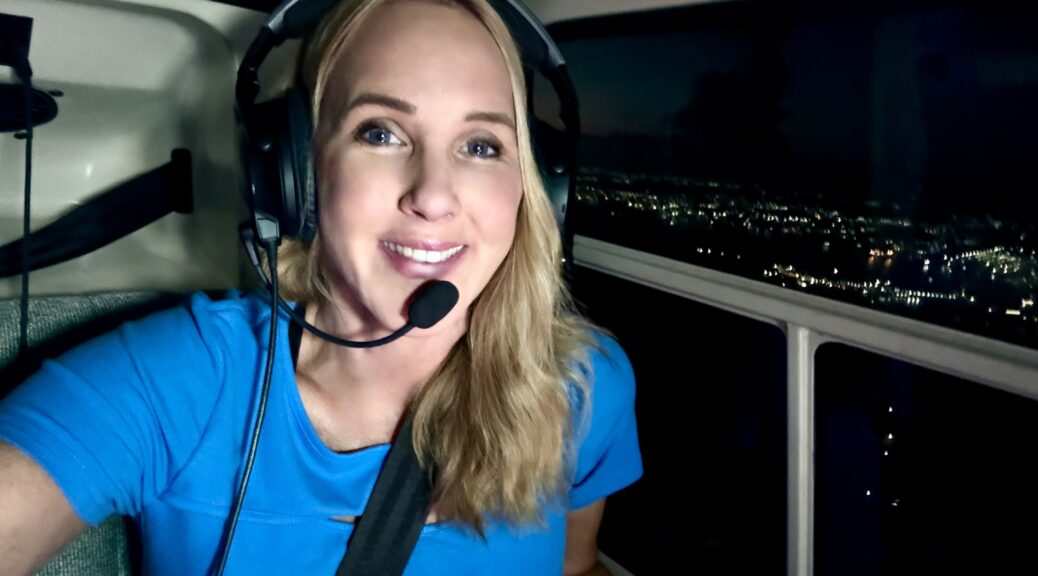
From mechanical checks and routine maintenance to live breaking-news coverage, viewers rarely see what happens behind the scenes of a television flight crew. As Helicopter Reporter Tammy Rose, flying alongside Pilot Samantha Fisher, I experienced firsthand what it takes to safely gather news from the sky. Together, we became the only all-female flight news crew in our company nationwide — proving that women belong in every level of aviation.
Pilot Samantha FisherHelicopter Reporter Tammy Rose
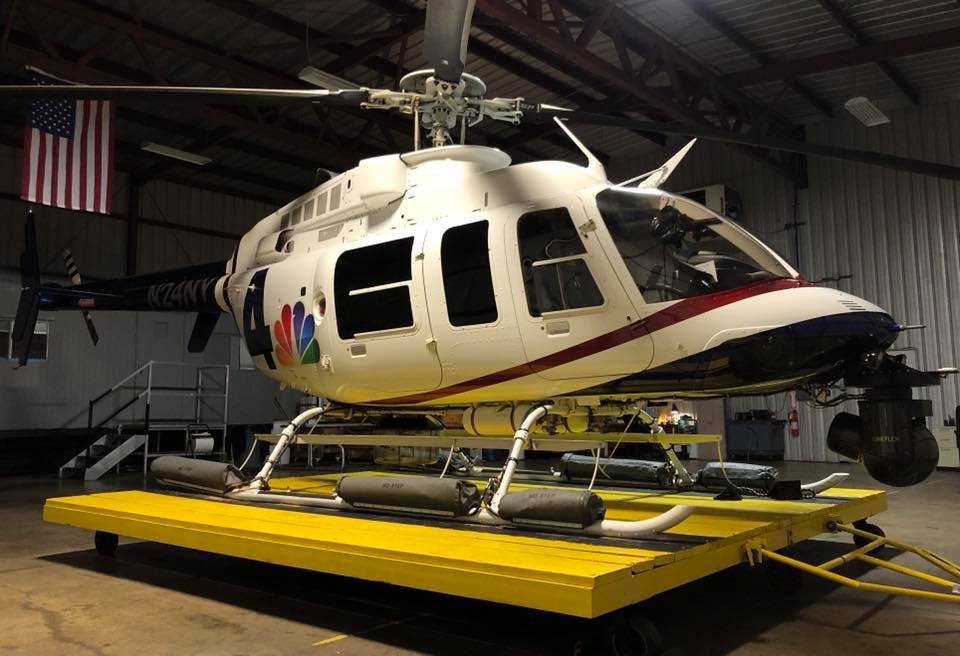
Helicopters Incorporated has always set the bar high leading the industry with safety and service. From pilots and photojournalists to mechanics, it takes a team effort to stay above the competition. This month we fly to Houston, Texas to meet part of the crew who helps make that happen.
Journalist Tammy Rose goes inside Helicopters Inc to show how aviation safety and client service set them apart in Houston’s helicopter industry.
Behind the Scenes: How Houston Helicopter Crews Prepare for Every Mission
Helicopter pilot training is far more intense than most people realize. From emergency procedures to precision flight maneuvers, professional pilots must constantly prove they can operate safely in high-pressure, real-world environments.
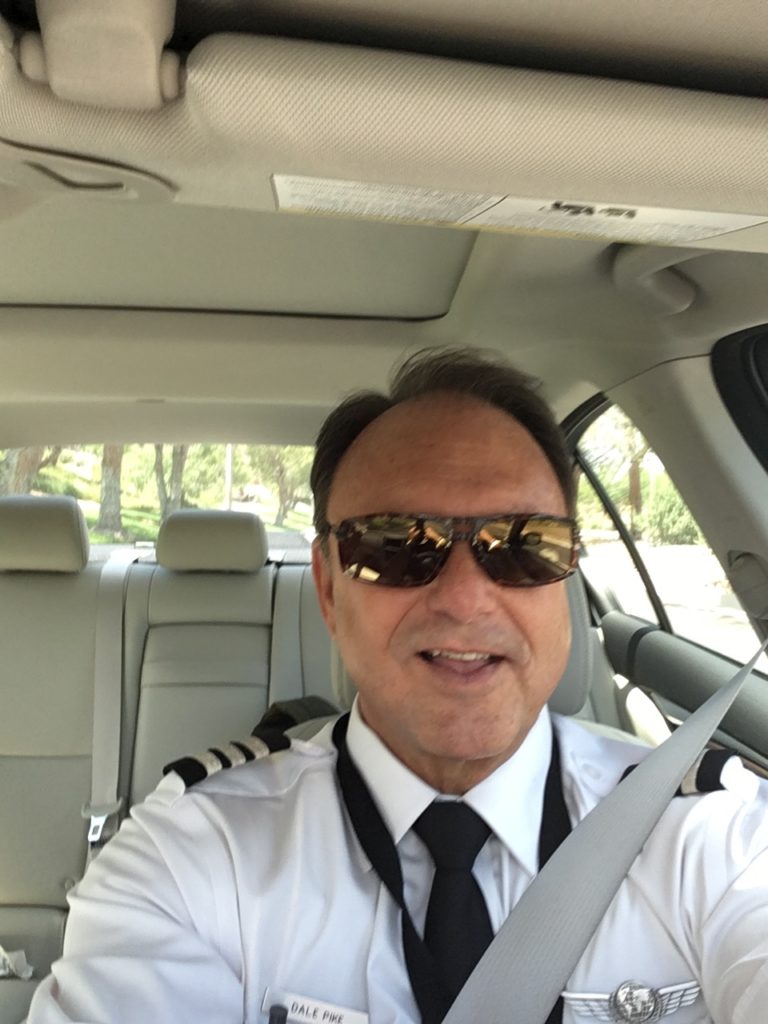
In my video below, you’ll see real-world helicopter pilot training in action — from check rides to continuous skill development — led by veteran check airman Dale Pike.
Helicopter Pilot Training Led by Veteran Check Airman Dale Pike
What Helicopter Pilot Training Looks Like in Real-World Operations
This report was written, filmed, edited, and narrated by me as part of my ongoing aviation journalism series at Chopper Rose Productions.
Airspace security mission for the first Obama InauguralJet Charter flight
🧠 Why Helicopter Pilot Training Evaluations Matter
Ongoing pilot assessment ensures:
• Compliance with industry standards
• Safe handling of advanced equipment
• Consistent performance across different operational environments
Whether in calm weather or demanding airspace, regular professional check-ins help pilots stay sharp and ready — for every flight.
Pilot Dale Pike with U.S. Customs in Puerto Rico
Why Ongoing Helicopter Pilot Training Matters for Safety
What it takes to stay above your competition in a fast, paced media environment. Click on link below to see story.
Helicopters Incorporated employees across the country continue to knock it out of the park by winning numerous Emmy Awards. This month we feature Helicopter Reporter and Camera Operator Dennis Protsko out of New York who helped develop state of the art equipment including Churchill Navagation used on many ENG aircraft across the world.