Part One — The Legend of the Buried Treasure
Every family has a story that refuses to die.
Ours was buried under a house in Germany.
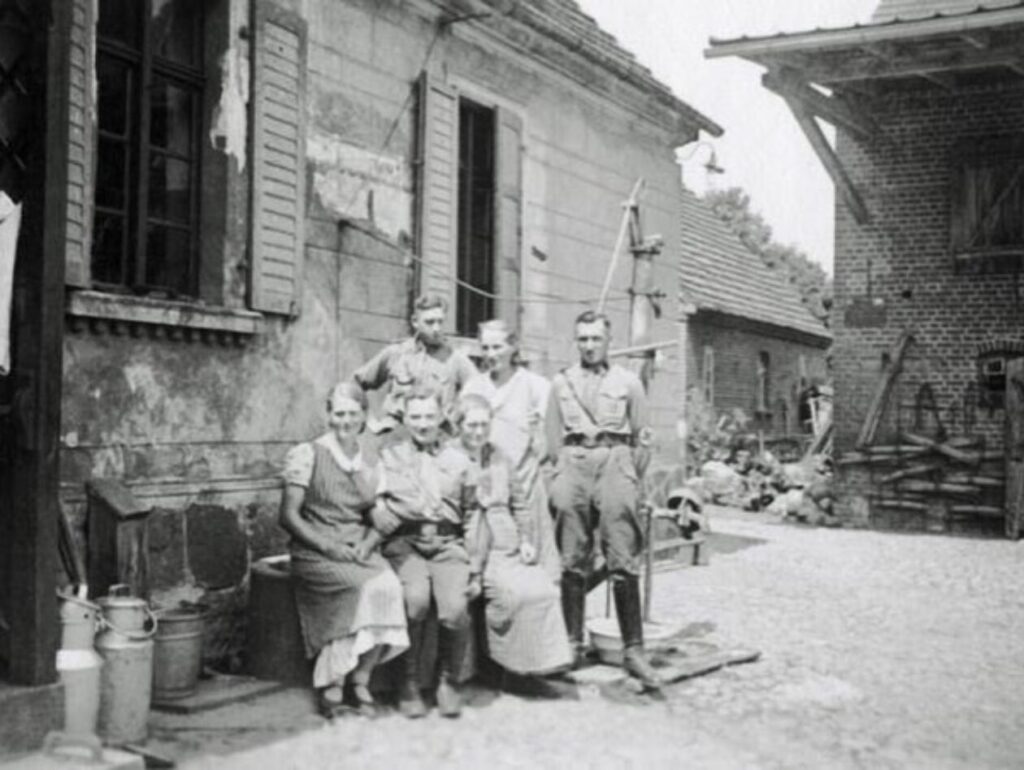
For as long as I can remember, I was told there was gold hidden beneath my great-grandparents’ home in the small town of Berlitt. The story was always the same — that during World War II, my family hid something valuable before the Russian army arrived.
No one knew exactly what was buried -but everyone knew it mattered.
As I grew older, I realized the whispers were not just about treasure. They were about fear, secrecy, and survival. Why would a simple farming family need to hide gold? And what were they afraid of being found?
Years later, those unanswered questions became impossible to ignore.
That is what led me back to Germany — to the house, to the people who lived there after my family, and to a past no one wanted to fully explain.
Part Two — Shadows of the Past
After writing several books, I decided to travel to Germany to make a documentary about my family in 2017.
What I discovered was disturbing.
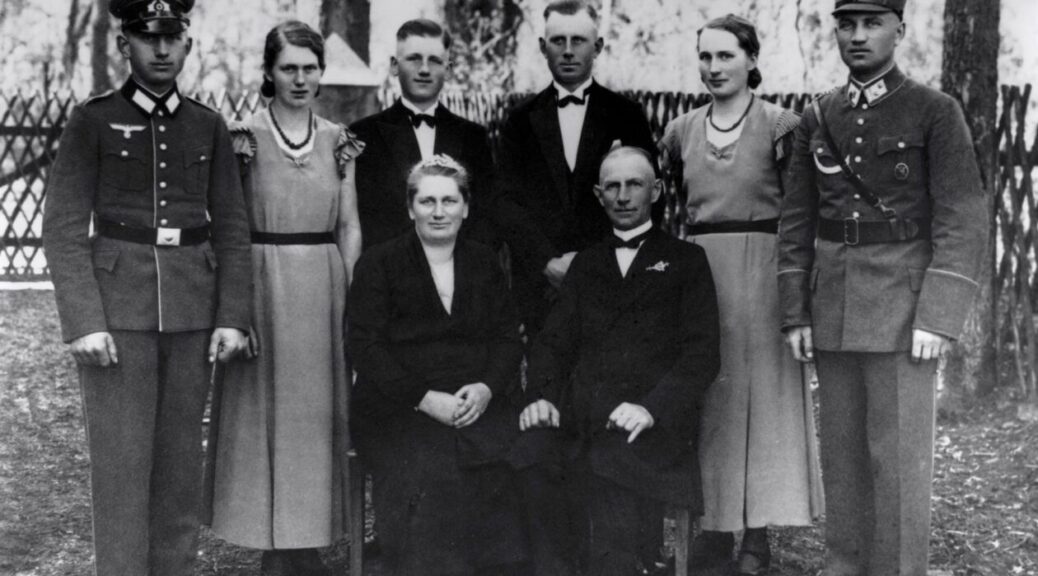
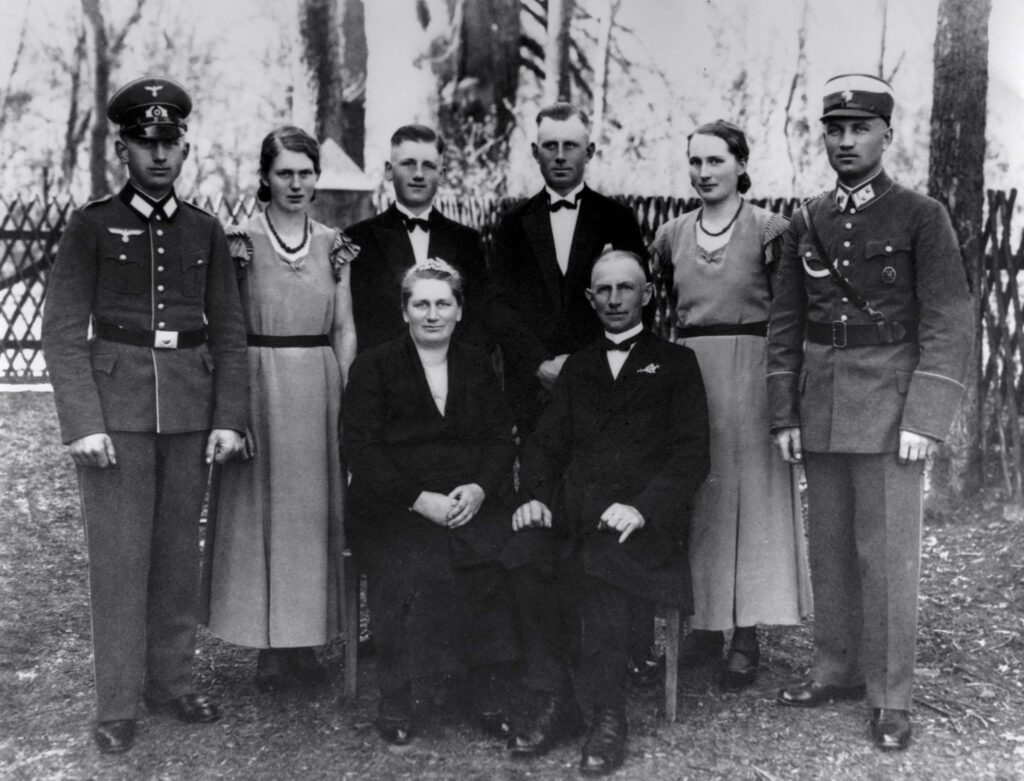
My great-grandparents and my great-uncle were allegedly heavily involved in the Nazi Party and the SS, according to one of their elderly neighbors.
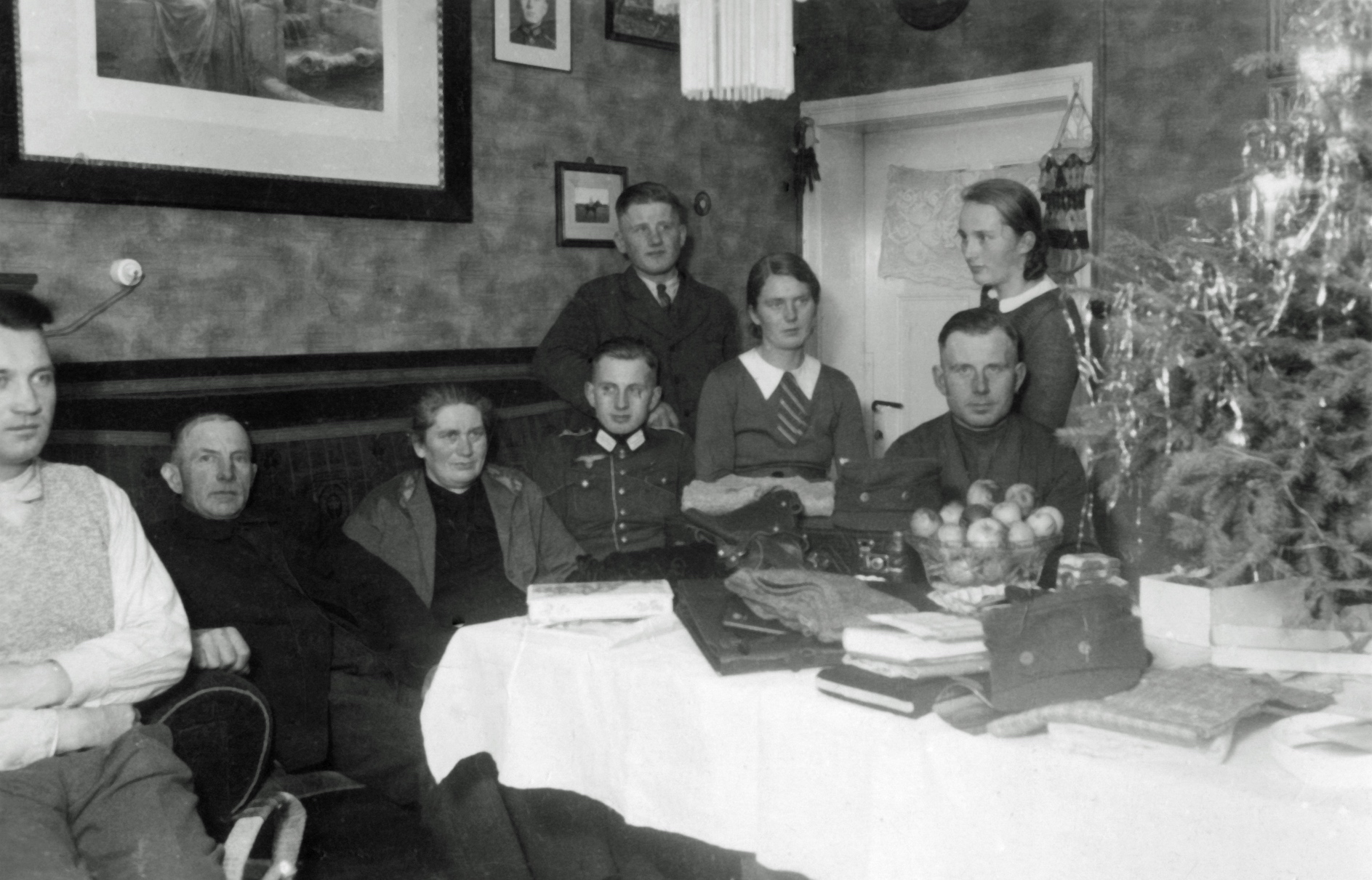
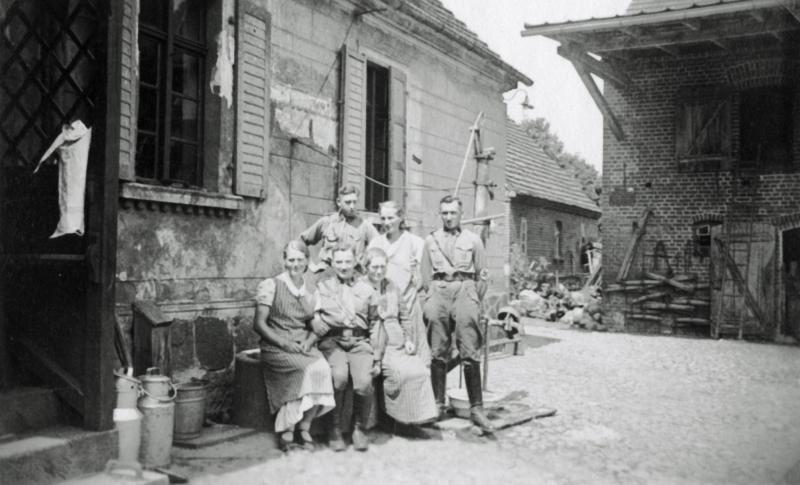
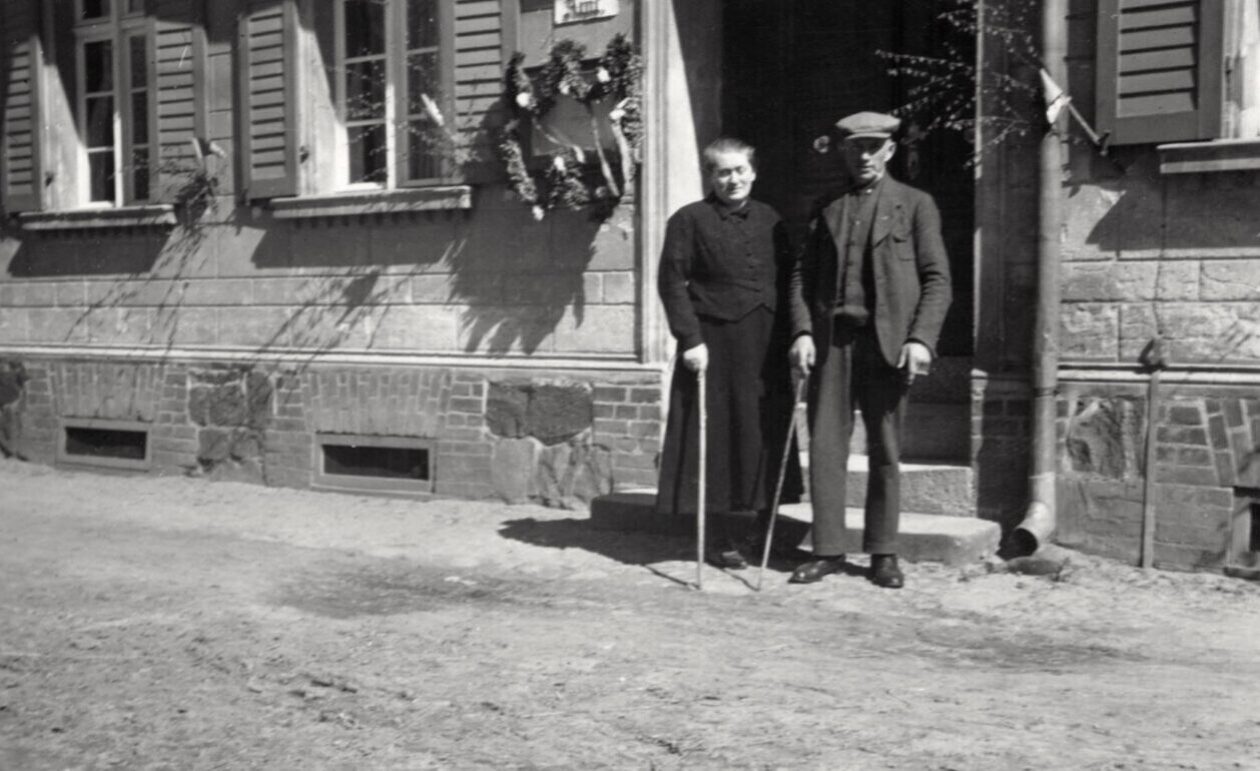
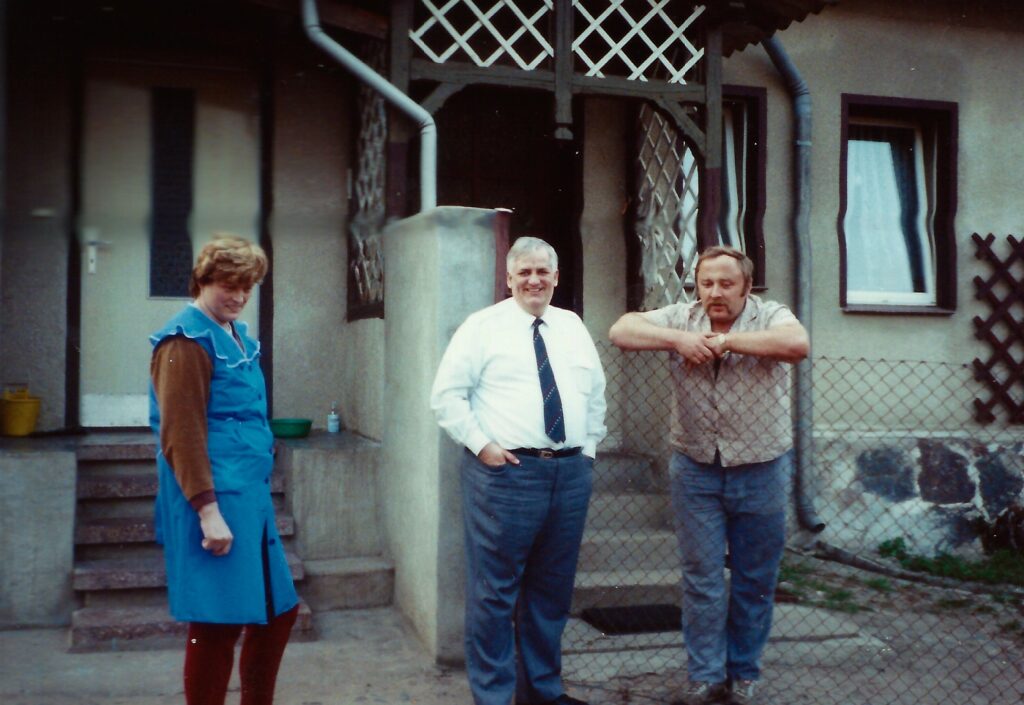
My research eventually led me to Günter Waschke, whose family received Richard and Helene Pein’s home after World War II.
Part Two — Shadows of the Past
While digging into the origins of a buried treasure legend, we uncover a family’s dark secret – a great-uncle once convicted of Nazi war crimes. History isn’t always comfortable — but it matters.
I sat down with a former owner of our Berlitt home, Günter Waschke in 2019.
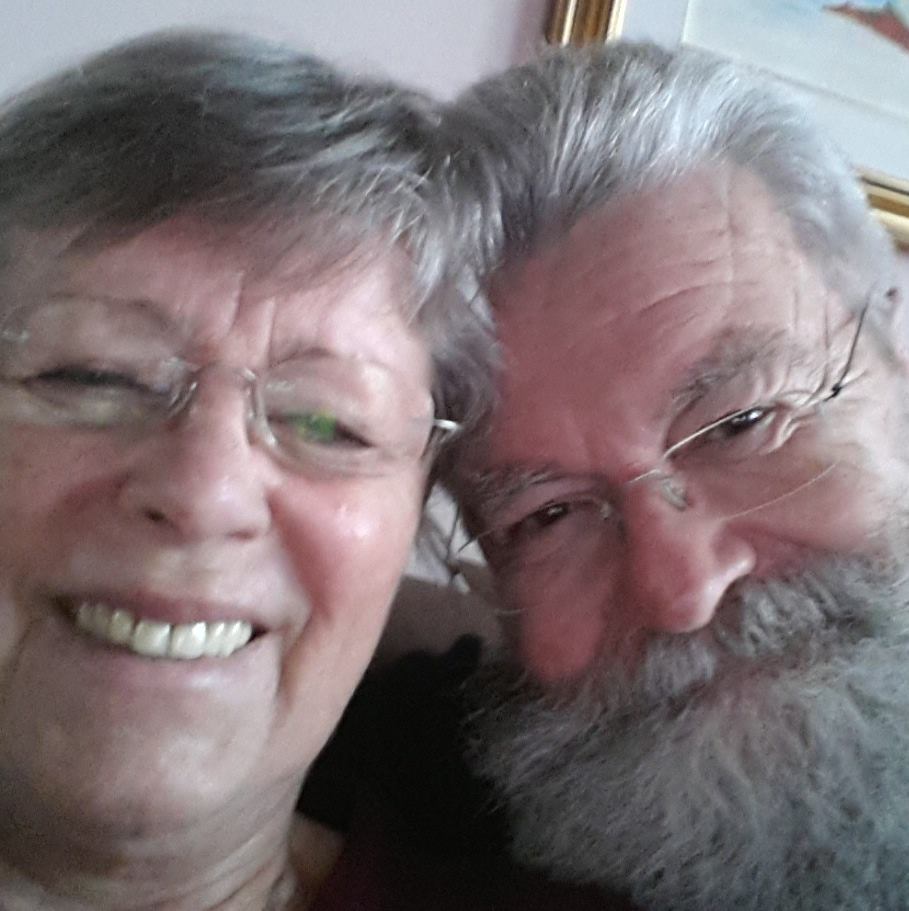
(Tammy Rose) “What can you tell me about my great-grandparents Richard & Helene Pein?
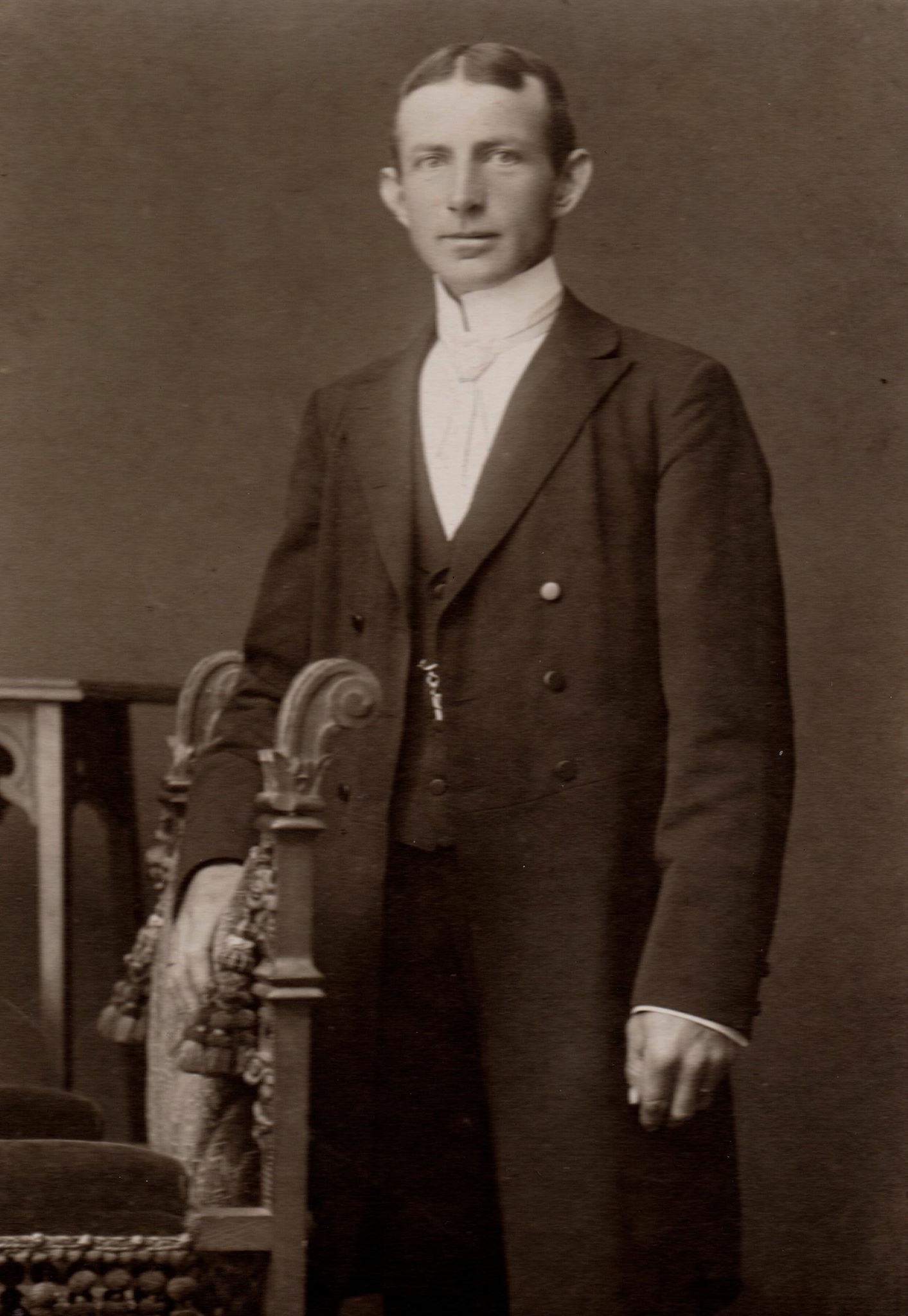
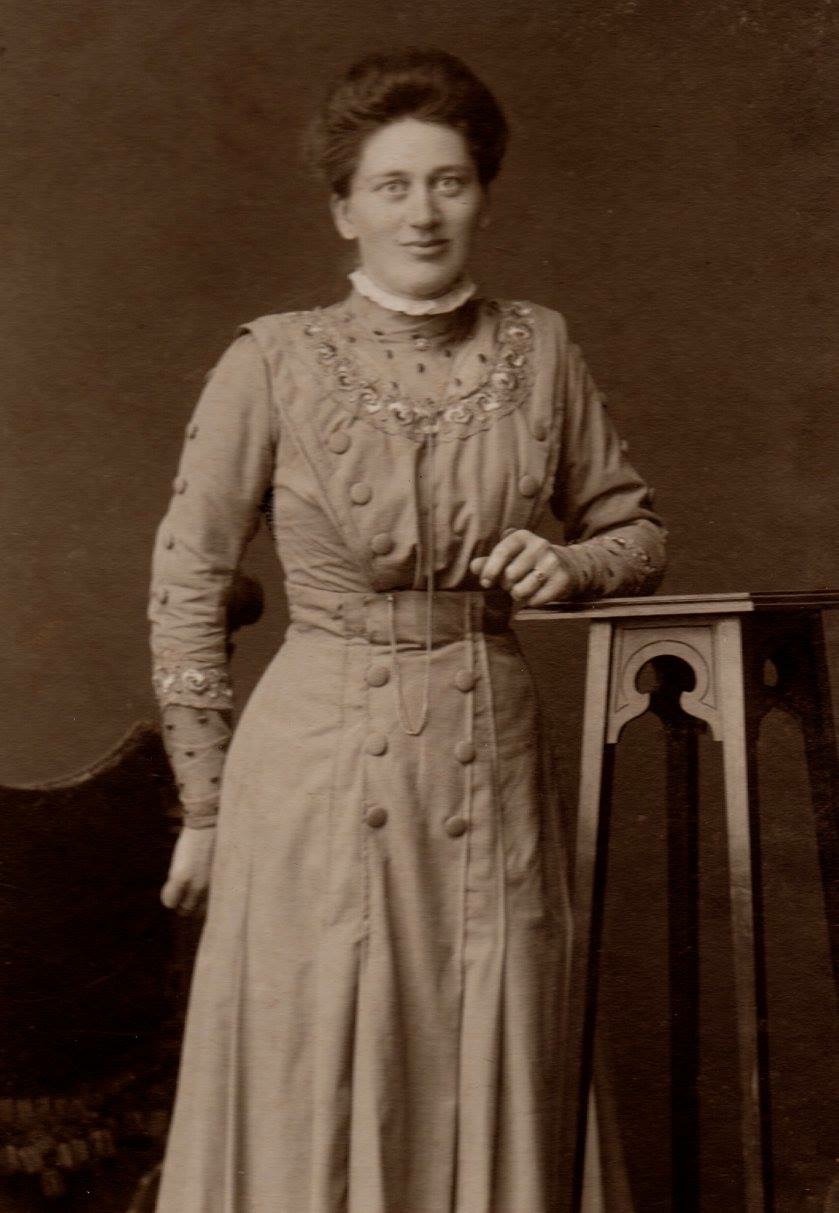
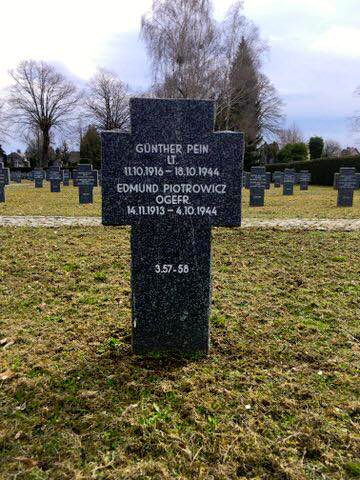
(Günter Waschke) “I was 4 years old, so I do not remember much. Helene loved me as ‘little Günter’ because her son Günther was killed in the war.”
“From Richard, I have no remembering other than he was the Mayor of Berlitt and was regarded as a bad Nazi by the upcoming Communists. They forced him to move to Granzow on his second farm. Pein’s farm in Berlitt was expropriated and divided into small farms distributed to refugees from East Germany like my mother and me. The same process was conducted with the big farm of Earl/Graf Königsmark who had committed suicide before the Russians invaded. His castle was used as a school following the war and is located across the street from the Pein home near the Church of Berlitt.”
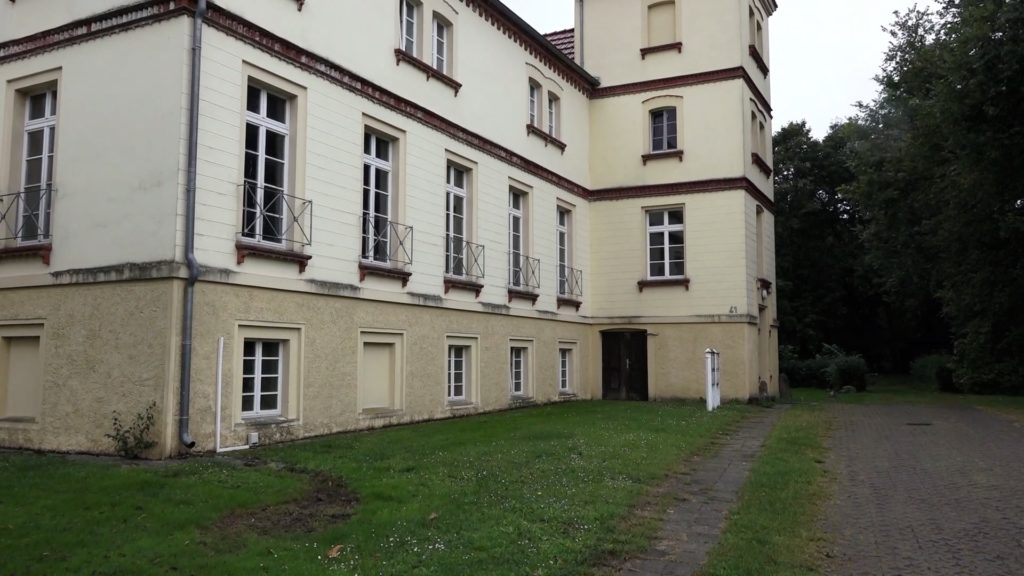
Earl/Graf Königsmark
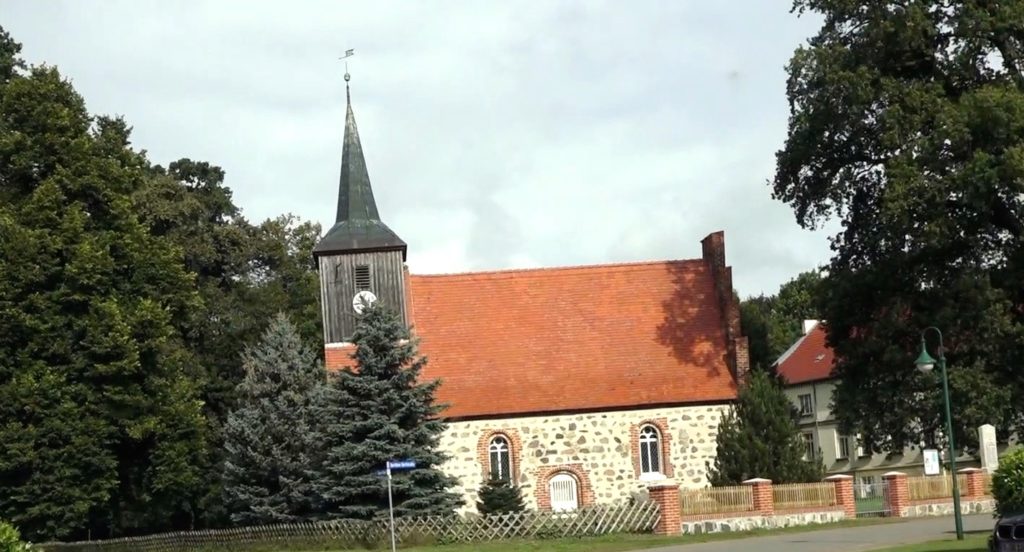
Church of Berlitt
(Tammy Rose) “What else can you tell me about that time period and our old house?”
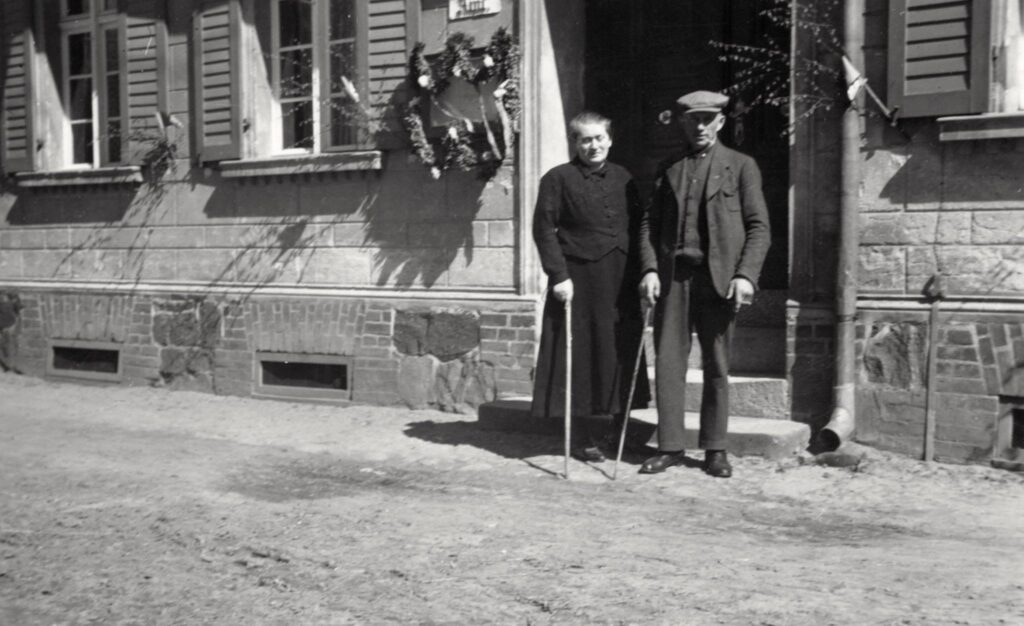
(Günter Waschke) “My mother and I fled from our original home near Poznan, Poland in January 1945 by foot and took only what we could carry. I cried because I forgot my doll called Ria. We lived after the war in the right part of Pein’s house, seen from the street side, until 1950. Then my mother and I left Berlitt because my father who was a prisoner of war was set free and we moved to West Germany. Additionally, it was better to go to the West because Berlitt had become part of the communist German Democratic Republic under the goodwill of Stalin.”
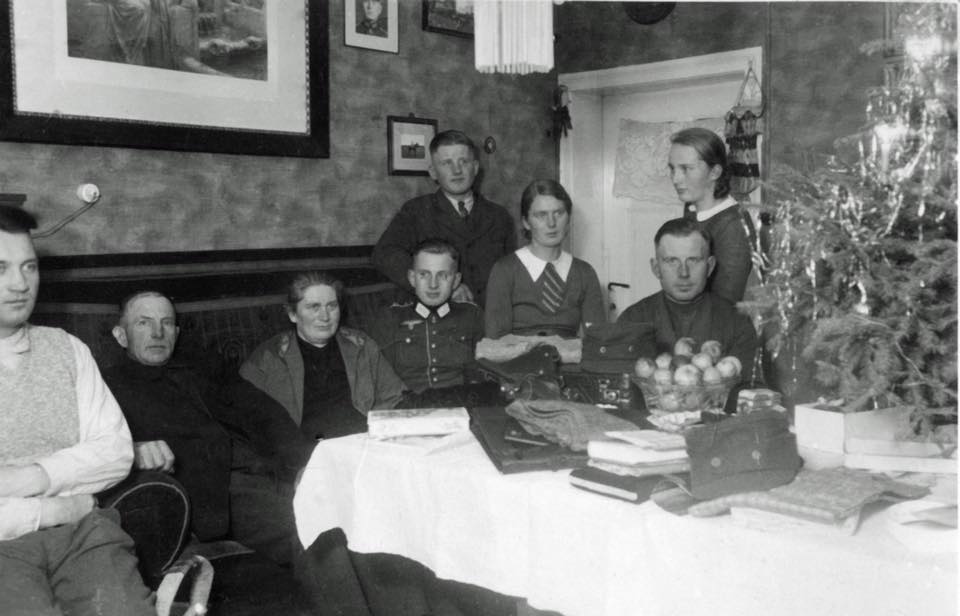
Part Three — Return to Berlitt and the Secrets Buried Below.
After years of unanswered questions, I travel to Berlitt, Germany, back to the small house where my family once lived-and where the gold was secretly buried long ago. Now under new ownership, the home stands as both a relic of my past and the key to everything I still don’t know. As I meet with the current homeowners, I hope to unearth more than just treasure; I’m searching for clarity, truth, and the missing pieces of a story that has followed me across decade and continents. What lies beneath the floorboards may be valuable, but the answers I’m after could change everything.
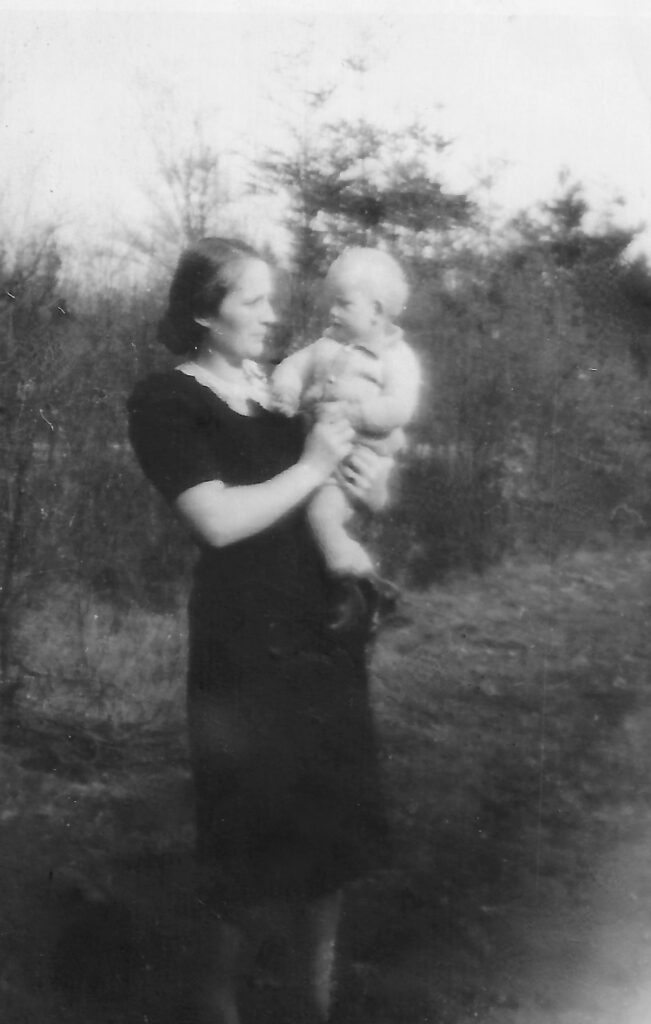
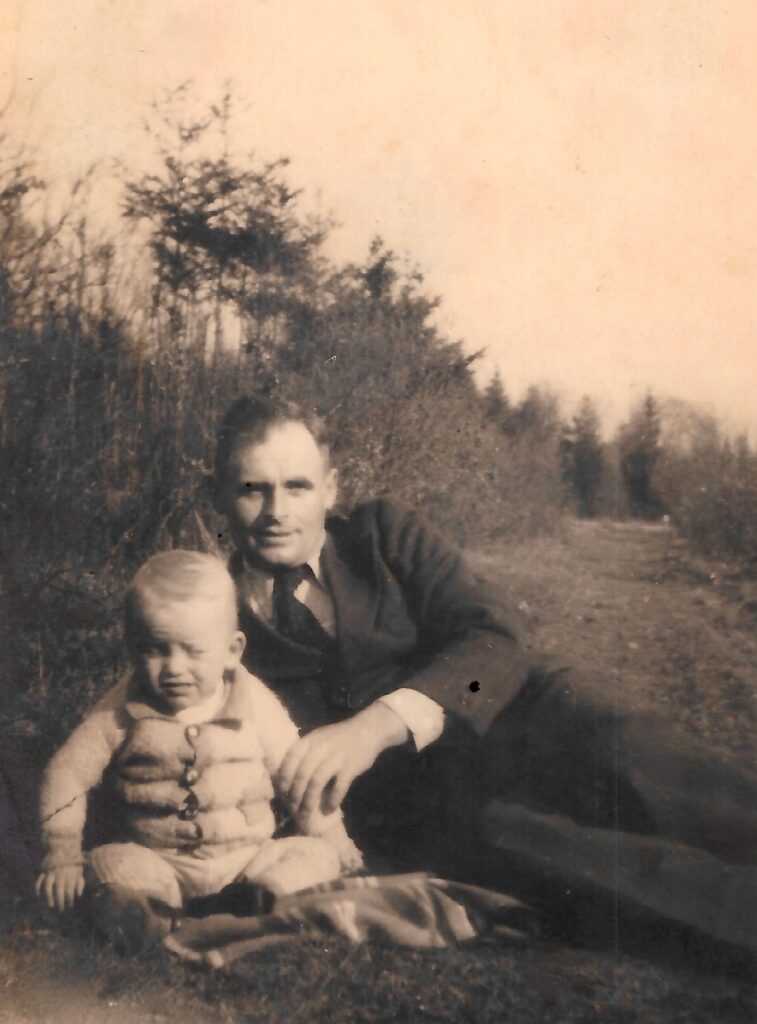
Part Four — Shadows in the House.
I finally step inside the house where our gold may still be buried, and the walls seem to whisper secrets of the past. As I explore, shocking truths emerge: my great-grandparents were deeply involved in the Nazi regime, and the treasure I’ve been chasing may not be just family gold-it could be part of a darker, more sinister history. Every coin, every hidden corner now carries the weight of betrayal, war, and a legacy I never imagined. The hunt for answers has become a confrontation with history itself.
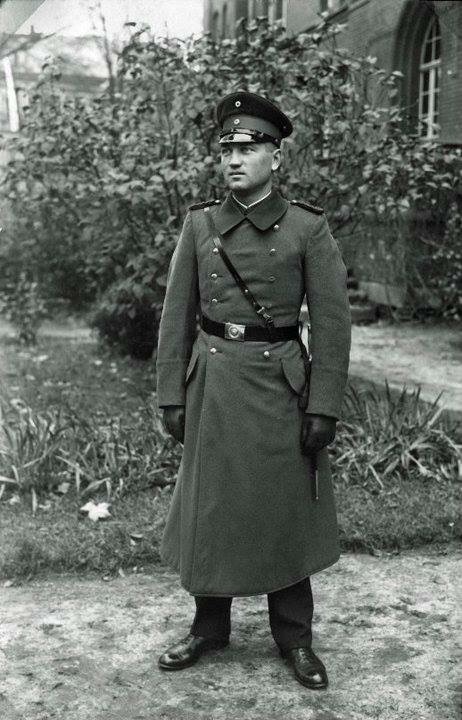
During my research, I located official French military court documents showing that my great-uncle, Werner Pein, was tried after World War II in connection with his service in the German occupation forces.
📜 Wartime Court Records
According to the archived judgement, the court record states:
French Military Tribunal — Paris (1950)
Case: Judgment against Walter Holz and others
Charges included:
– Murders and complicity in murders
– Assaults and injuries
– Illegal confinement
– Torture
Location of crimes: Pontivy, Morbihan, France
Date of crimes: July 1944
Defendant: Werner Pein (born Nov. 14, 1912, Berlin)
Sentence: 20 years hard labor (commuted to 7 years imprisonment)
Source: French Ministry of Defense — Military Justice Archives, Le Blanc, France

🎥 Watch the full interview on YouTube https://youtu.be/v0VLAFANM_8?si=3kvpD2kTtJMApPYk
Part Five: Echoes of Innocence. As the story of my great-grandparents unfolds, I turn to my German relatives for answers. They dispute the claims of SS involvement, insisting that my ancestors were poor farmers, good neighbors, and hardworking members of their community. The treasure and its history remain tangled in uncertainty, and I must now navigate between family memories, historical records, and the uneasy truths buried in both.
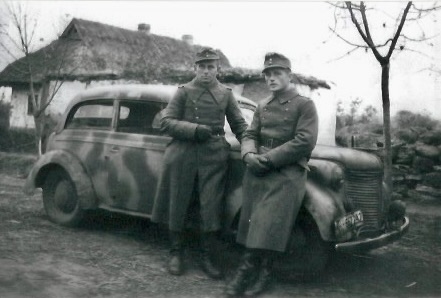
Another one of my great-uncles, Günther Pein was killed on a bridge in Saint Pölten, Austria at the end of World War II. I often wonder how much he might of known about the Holocaust and to what extent he may have participated. My other grandfather, Howard Leo Thompson from Milton, WI also fought in WW II which makes things even more complicated. Did he encounter any of my German relatives?
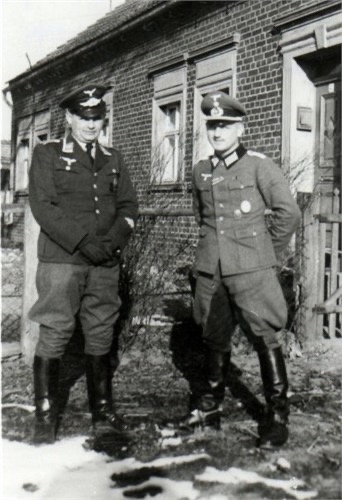
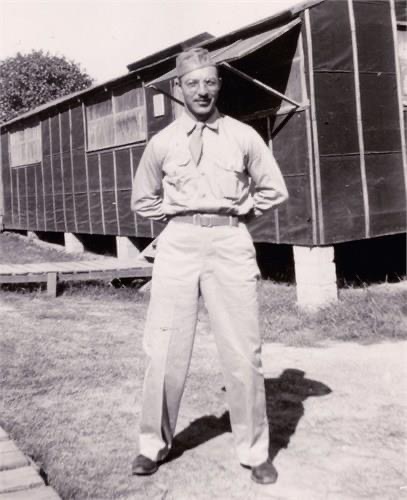
Part Six: Meeting in Berlitt. I finally connect with the current homeowners of the house where the gold may be buried. After reading my books, ‘Lost Dreams’ & ‘Lost Treasures’, they reached out online, curious-and maybe cautious-about the story I’ve been chasing for years. Now, face-to-face, I try to learn whether they believe the treasure exists, and if they’ve ever attempted to dig it up. Every answer, every hesitation, adds a new layer to the mystery, and I realize that the truth about the buried coins may be closer-or more elusive-than I ever imagined.
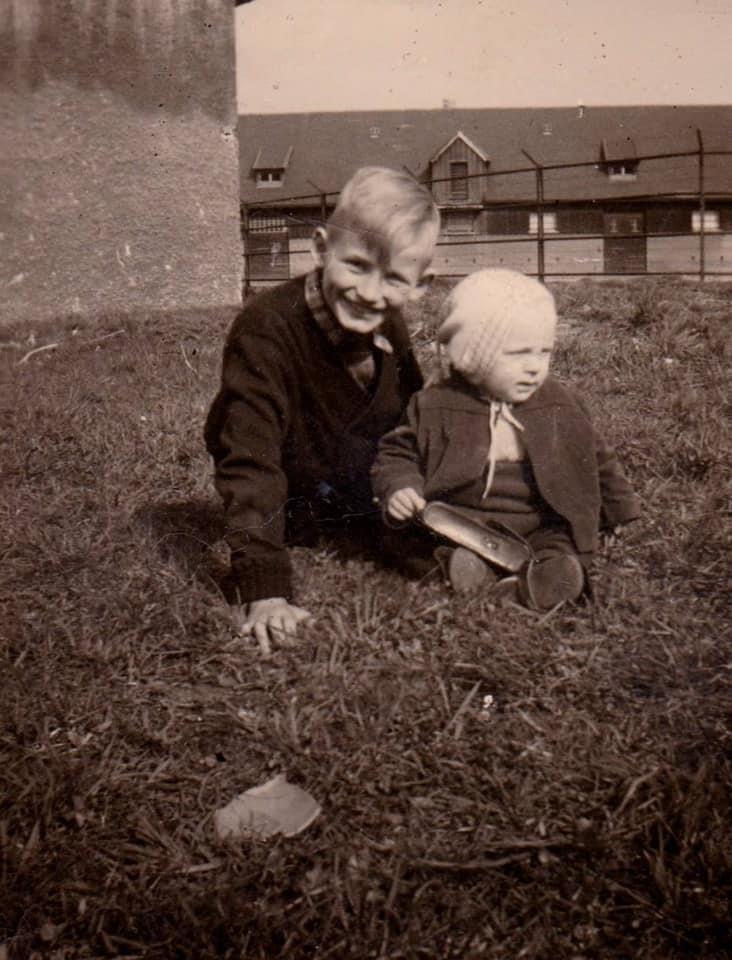
Part Seven: Secrets Left Buried. After walking through the backyard where my great uncle described the treasure to my dad, I can feel it in my bones-the legend is real. Every detail he shared aligns perfectly with the property, even the parts I never included in my book. Yet, the current homeowners have no interest in digging, and I understand why. Some stories, some treasures, are meant to stay hidden. We part with a mutual respect for the past and the unspoken truth: certain secrets are better left buried.
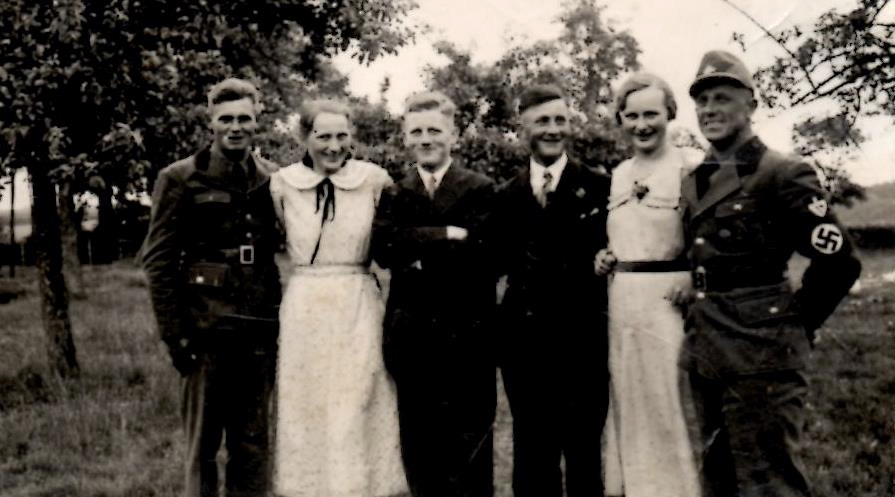
Epilogue
War is more than borders and battles — It is the quiet endurance of ordinary people navigating impossible circumstances — families and strangers, victims and survivors, bound together by fate. Time moves forward, but the lessons of courage, sacrifice, and unexpected connection endure.
May we remember not only the events of history, but the people who lived them — their hopes, their heartbreaks, and their capacity to find shared humanity even in the darkest of days.