
By Investigative Reporter Tammy Rose
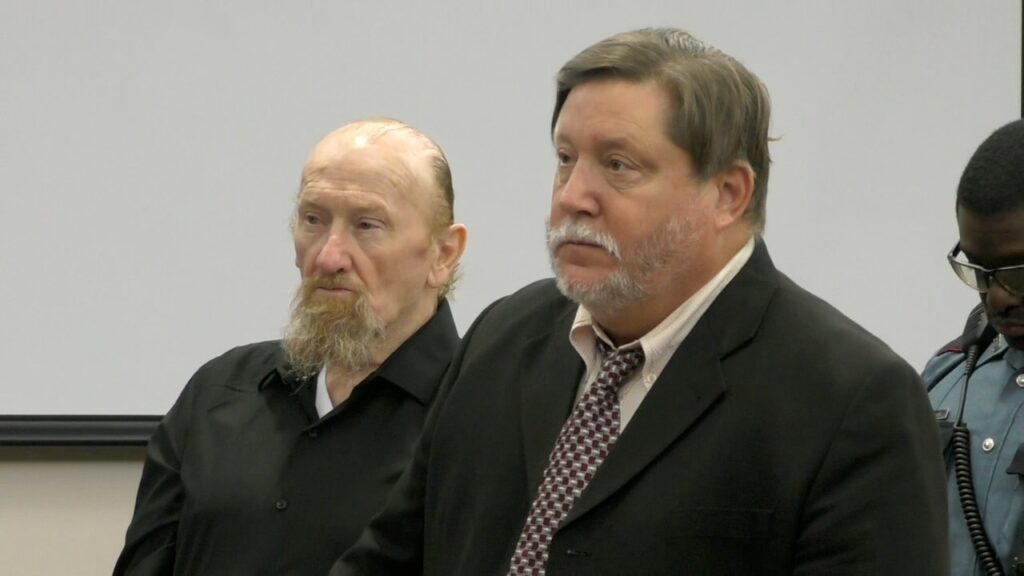
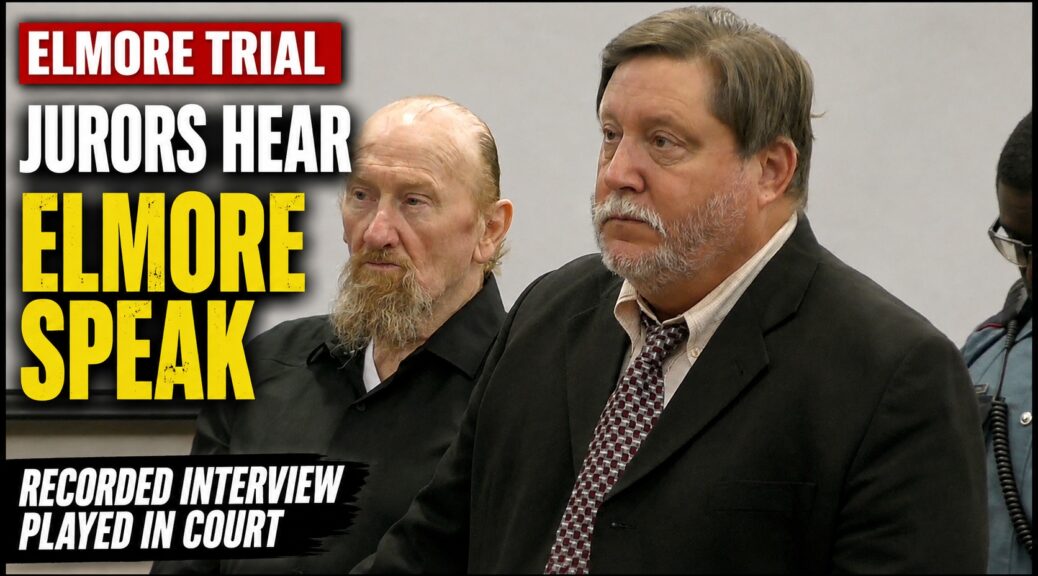
Opening statements began Tuesday in the James Elmore Jr. trial in Galveston County. By midday, jurors were hearing Elmore speak in a recorded interview with the detective who helped revive the decades-old investigation into Laura Miller’s death.
Prosecutors told jurors that Elmore knew details about Laura that had never been made public. They argue those details connect him to what happened to the 16-year-old more than 40 years ago.
Elmore has pleaded not guilty to manslaughter in Laura’s death.
Prosecutors say Elmore knew details about Laura Miller
During opening statements, prosecutors focused on what Elmore allegedly told Laura’s father, Tim Miller.
The state said Elmore contacted Miller and told him he needed to get something off his chest. Miller later met with Elmore and drove around with him.
Prosecutors said Elmore directed Miller to Calder Road. He allegedly pointed out an area where he remembered dumping trash and seeing what he thought was a mannequin.
Laura’s remains were found near Calder Road in 1986.
Prosecutors also highlighted another detail they say Elmore could not have learned from news reports.
The state said Elmore knew Laura would skip school and spend time at a cemetery. He allegedly knew where she would sit among the trees.
Prosecutors said Tim Miller knew that detail because he had caught his daughter there before.
The state argues Elmore knew things that only someone with firsthand knowledge would know.
Watch: Detective Cory Williams questions James Elmore Jr.
Jurors heard portions of a recorded interview between Detective Cory Williams and James Elmore Jr. during Tuesday’s testimony. In the video below, viewers can hear Williams question Elmore directly about information surrounding Laura Miller and the investigation.
The court video is included as part of my podcast coverage so you can hear the exchange presented to the jury for yourself.
State describes alleged party before Laura Miller’s death
Prosecutors also gave jurors their account of a party they say took place before Laura died.
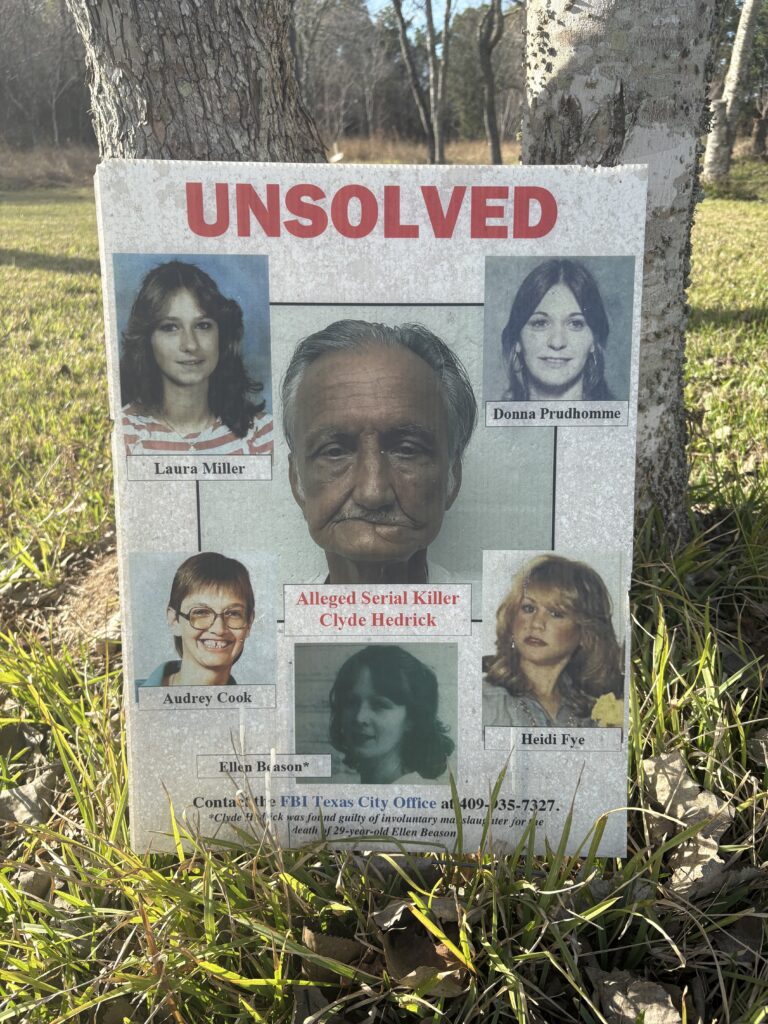
According to the state, Elmore said Laura was in a room with him, Clyde Hedrick and John Gorham.
Prosecutors said Elmore described Hedrick giving Laura cocaine. Elmore allegedly believed the amount was too much for the 16-year-old.
The state said Laura soon began flailing and removing her clothes.
Prosecutors told jurors Elmore said he and others eventually left the room. The state alleges Laura died sometime afterward.
The prosecution also told jurors that Elmore later helped move items from the house. Prosecutors say he described an arm falling out while something was being carried.
The defense reserved its opening statement.
Jurors hear about remains found near Calder Road
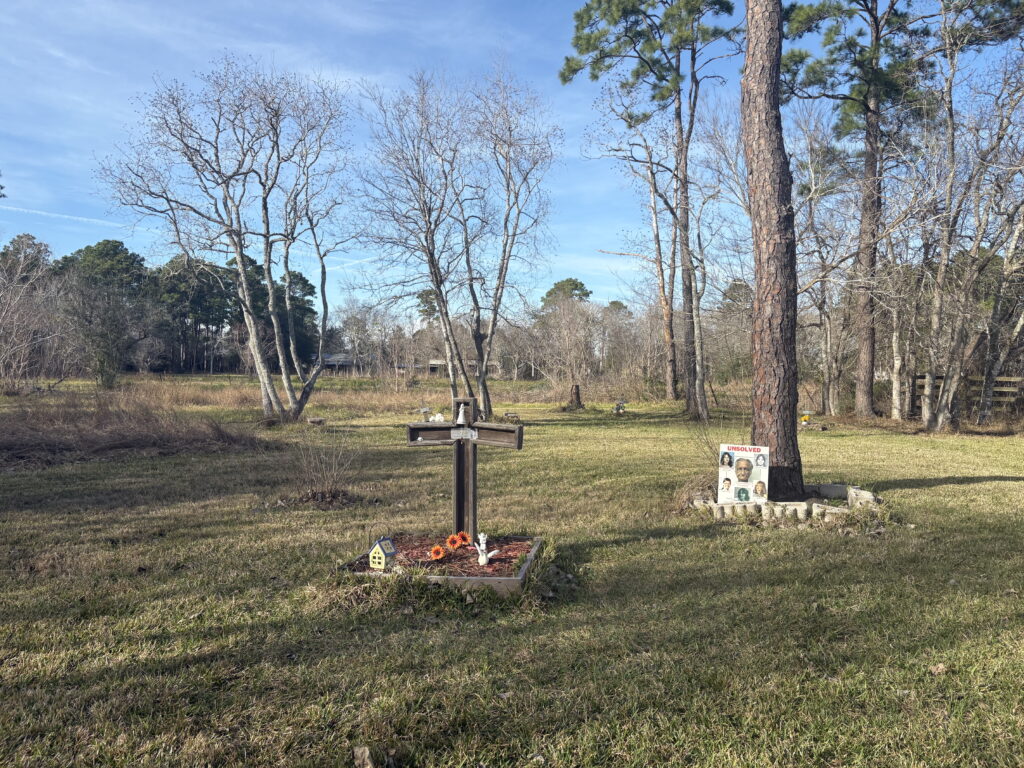
The first witnesses took jurors back to the area where Laura Miller and Audrey Cook were found in February 1986.
Testimony described the largely undeveloped Calder Road area as it appeared at the time.
Jurors also heard testimony about the condition of the remains and the autopsies.
Laura’s cause of death could not be determined from her skeletal remains. Testimony also addressed the limitations investigators faced because toxicology testing could no longer determine whether drugs played a role in her death.
Detective Corey Williams takes the stand
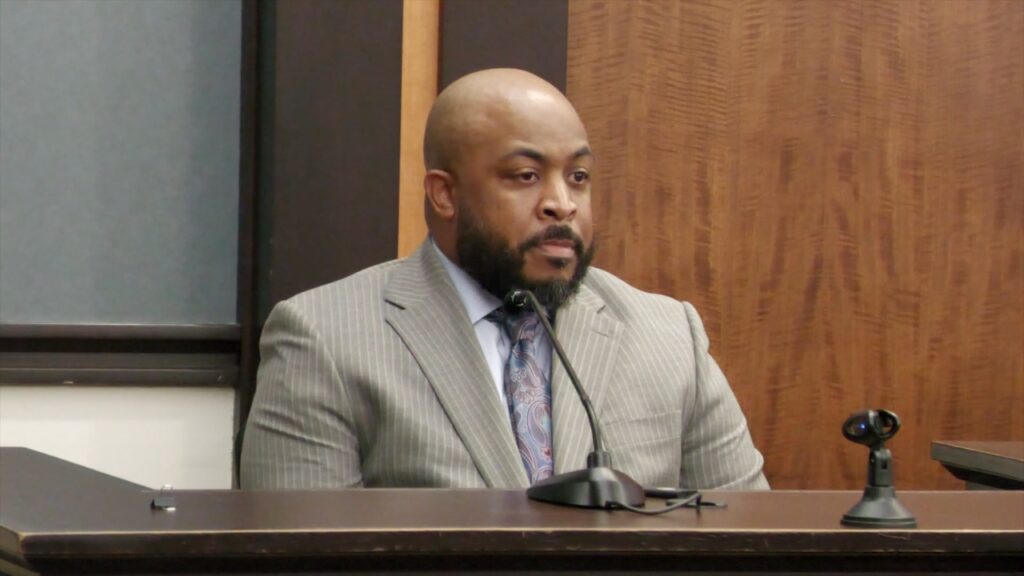
The case then moved to Hitchcock Police Detective Corey Williams.
Williams testified that he has worked in law enforcement for about 17 years. He said investigating cold cases involving missing women became a passion alongside his regular work as a detective.
Williams eventually met Tim Miller while working on other missing-person investigations.
That connection led him to James Elmore.
Williams told jurors that he did not initially consider Elmore a suspect.
Instead, investigators believed Elmore might have information about another case.
That changed during their interview.
Elmore’s interview changes direction of investigation
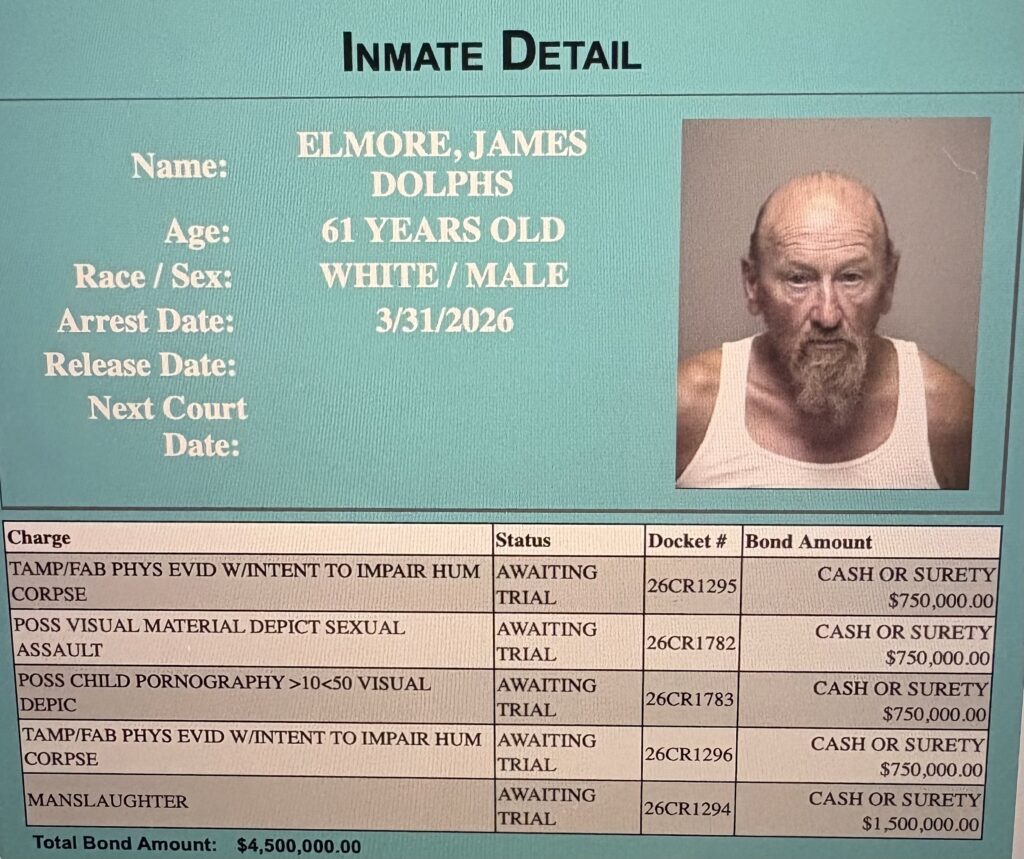
Williams testified that Elmore began talking about other cases during the interview.
Then the conversation turned to a party and Laura Miller.
Williams said Elmore’s statements caused him to start looking at Elmore differently. He testified that he began considering Elmore a possible suspect in Laura’s death.
Williams then gathered records from several law enforcement agencies and investigated information Elmore provided.
He also traveled to Louisiana, Oklahoma and other parts of Texas while investigating information connected to the cases.
Jurors hear James Elmore in his own words
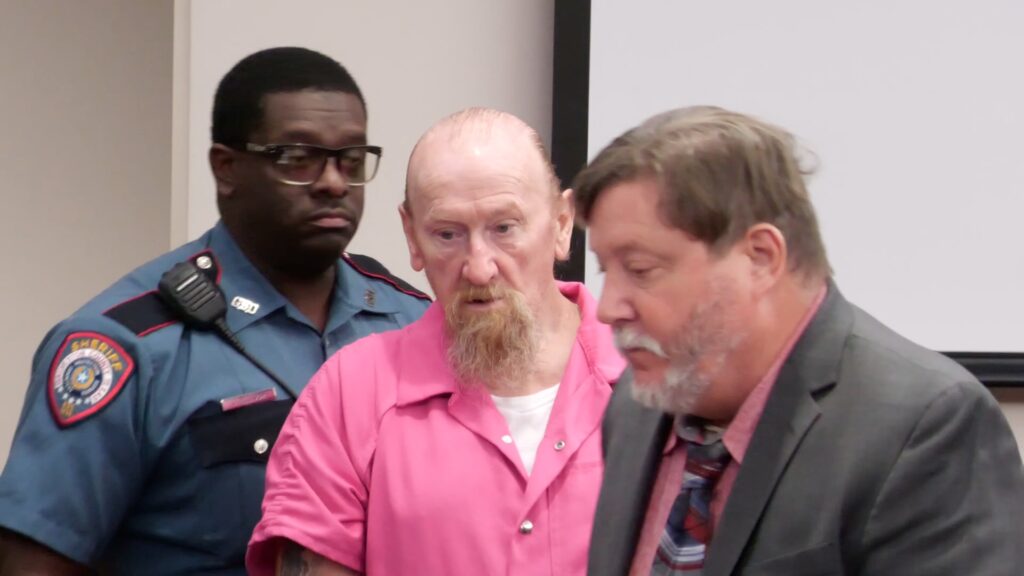
Prosecutors then played Williams’ recorded interview with Elmore for the jury.
It marked a significant moment in the trial. Jurors could now hear Elmore describe events in his own voice.
During the recording, Elmore talks about the party where Laura was present.
He discusses drugs and describes Laura removing her clothes.
Investigators repeatedly question him about who remained in the room and what happened next.
Elmore says there were parts of the night he did not witness. He also says he did not see Laura being killed.
The interview then moves to what allegedly happened afterward.
Elmore talks about helping move items from a house. During one exchange, he describes an arm falling out of something being moved.
Investigators press him for more details about what he saw, who was there and where items were taken.
Elmore also discusses the Calder Road area and tells investigators he could show them the general location.
Recorded statements become key evidence
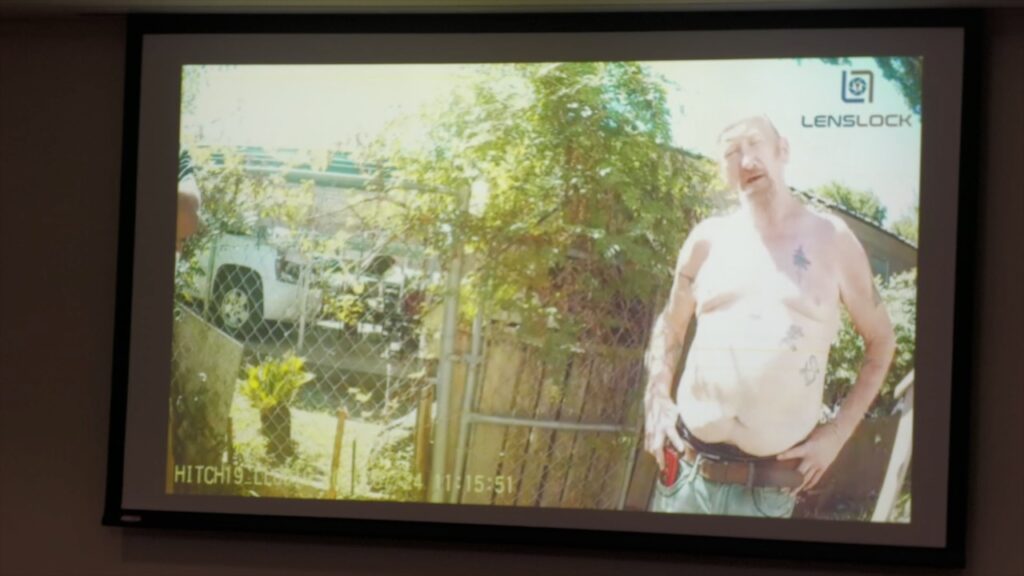
Williams testified that Elmore’s statements changed the course of his investigation.
Prosecutors are using Elmore’s own words to support their argument that he had knowledge about Laura, the party and events surrounding her death that he should not otherwise have known.
Elmore also denies witnessing Laura’s death during the recording and repeatedly tells investigators that he does not know exactly what happened during portions of the night.
Jurors will have to weigh those statements along with the physical evidence and testimony from other witnesses.
The James Elmore Jr. trial continues in Galveston County.