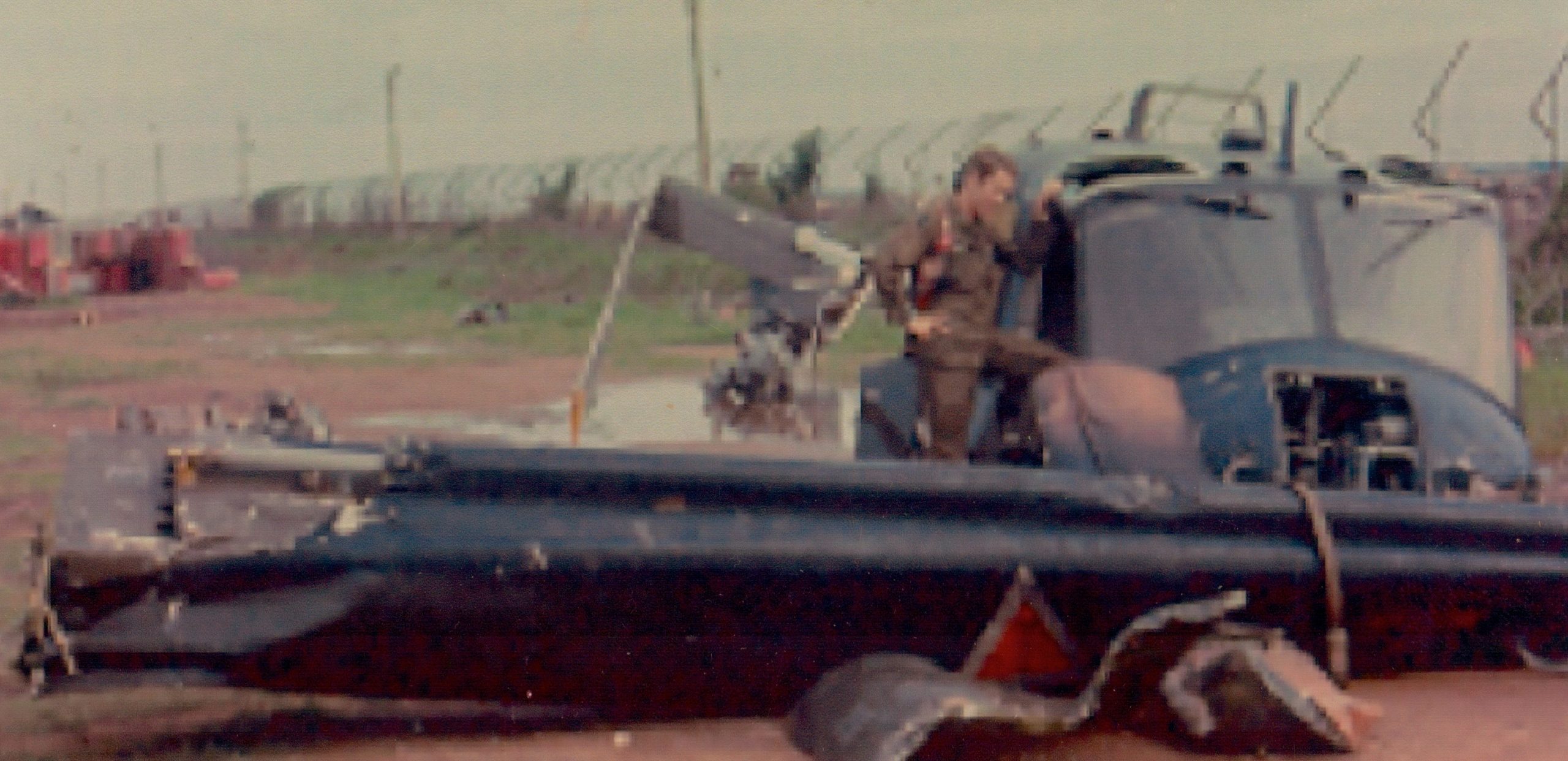
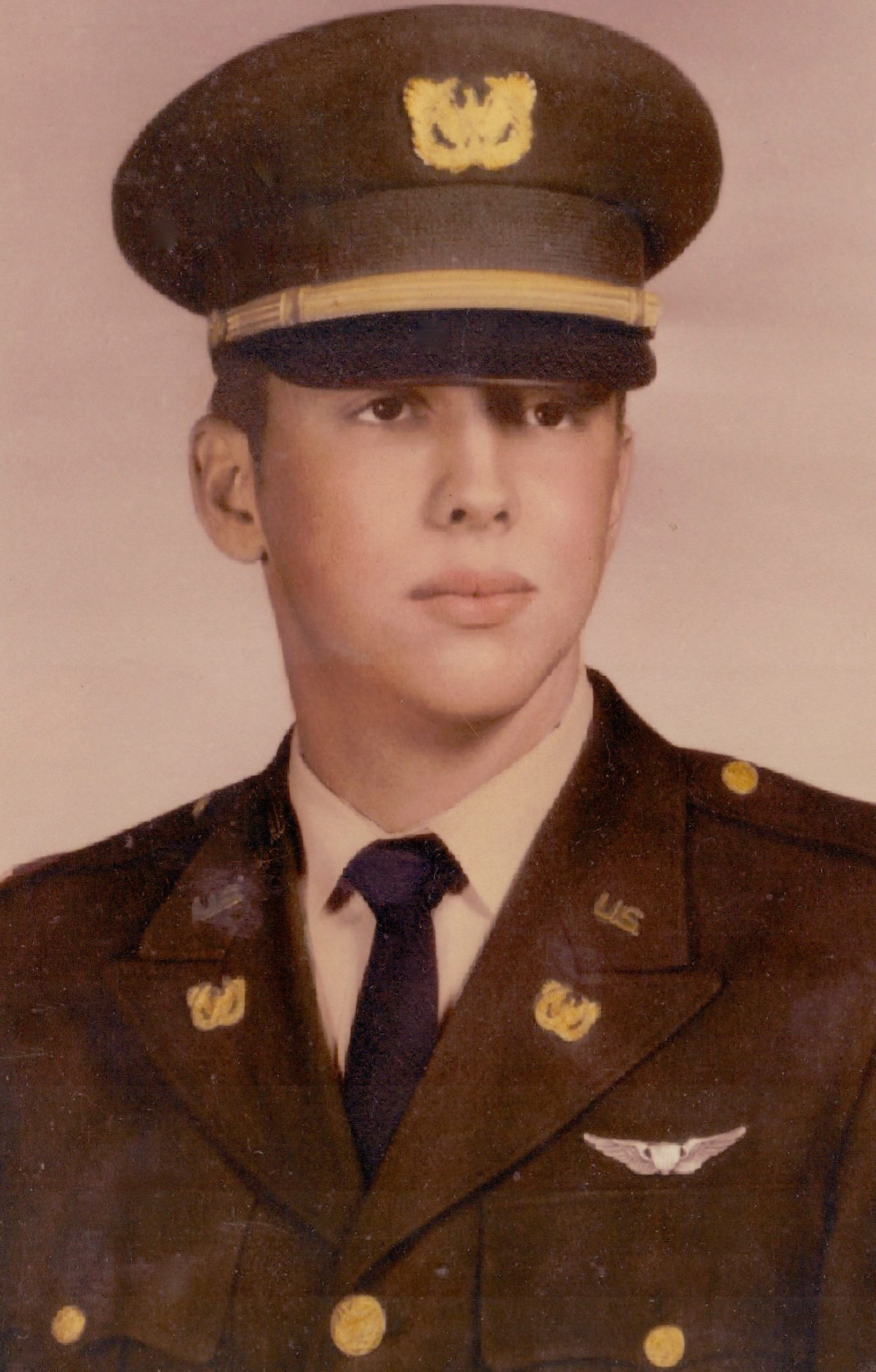
Vietnam War helicopter pilot Kim Page flew some of the most dangerous combat missions of the war. He survived multiple helicopter crashes while saving countless lives. As a senior warrant officer, Kim Page faced enemy fire, mechanical failures, and impossible odds in active war zones across Southeast Asia. His story is one of courage, resilience, and service under fire.
🎥 Watch: The Extraordinary Life of Vietnam War Helicopter Pilot Kim Page
This documentary was written, filmed, produced, and edited by me, Tammy Rose. As a longtime helicopter reporter, I have covered countless aviation stories — but Kim Page’s journey stands among the most extraordinary I have ever documented. Watch below to experience his remarkable true story of courage, survival, and service.
Watch More Stories from Life on Film
If Kim Page’s story inspired you, explore more incredible journeys captured on film. From extraordinary aviation adventures to life-changing personal stories, check out other Life on Film stories here.
Many helicopter pilots use iPads mounted in the cockpit to monitor nearby aircraft and terrain in real time.
What the NTSB Hearing on the Mid-Air Collision Is About
The NTSB mid air collision hearing will examine the deadly January 2025 crash between a U.S. Army Black Hawk helicopter and an American Airlines regional jet near Washington, D.C.
Pilots often rely on portable ADS-B receivers like the Garmin GDL 50 to monitor nearby traffic.
On January 27, 2026, the National Transportation Safety Board (NTSB) is scheduled to hold a major investigative hearing. The goal is to determine what caused the crash and what changes may be needed to prevent another tragedy.
Why This Hearing Matters for Houston Flyers
For anyone who flies regularly, this hearing matters. That includes people using Houston’s Hobby and Bush Intercontinental airports.
The outcome could shape how U.S. airspace is managed for years. Even though the crash happened near Washington, the safety changes that follow will affect flights nationwide.
Houston is one of the busiest aviation regions in the country. Passenger jets, helicopters, military aircraft, and offshore energy flights all share the same crowded skies. That makes safety rules especially important here.
For pilots who want to improve their situational awareness in busy airspace, portable ADS-B receivers like the Garmin GDL 50 or Sentry Mini allow you to see nearby aircraft in real time on an iPad.
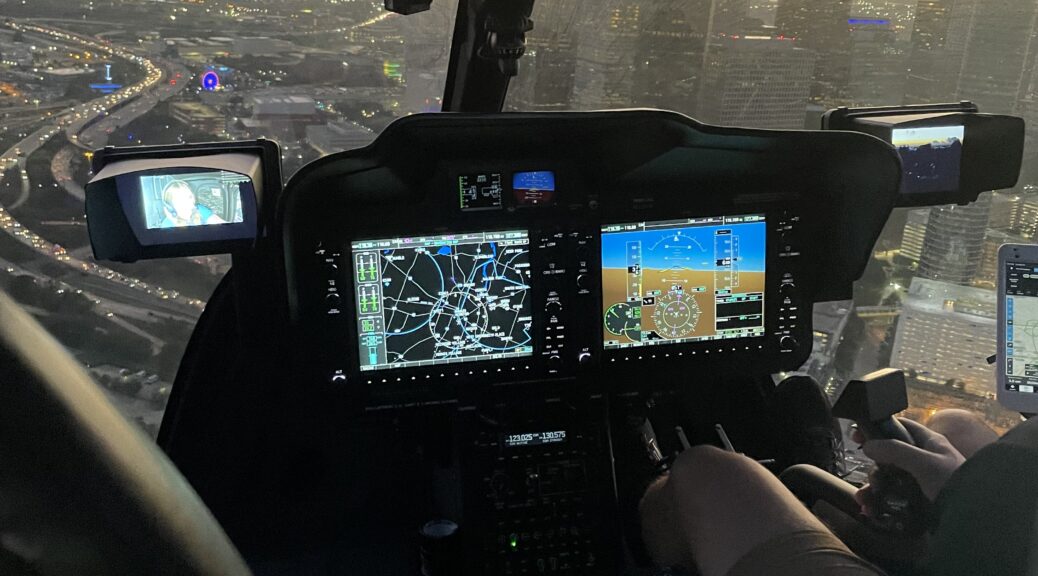
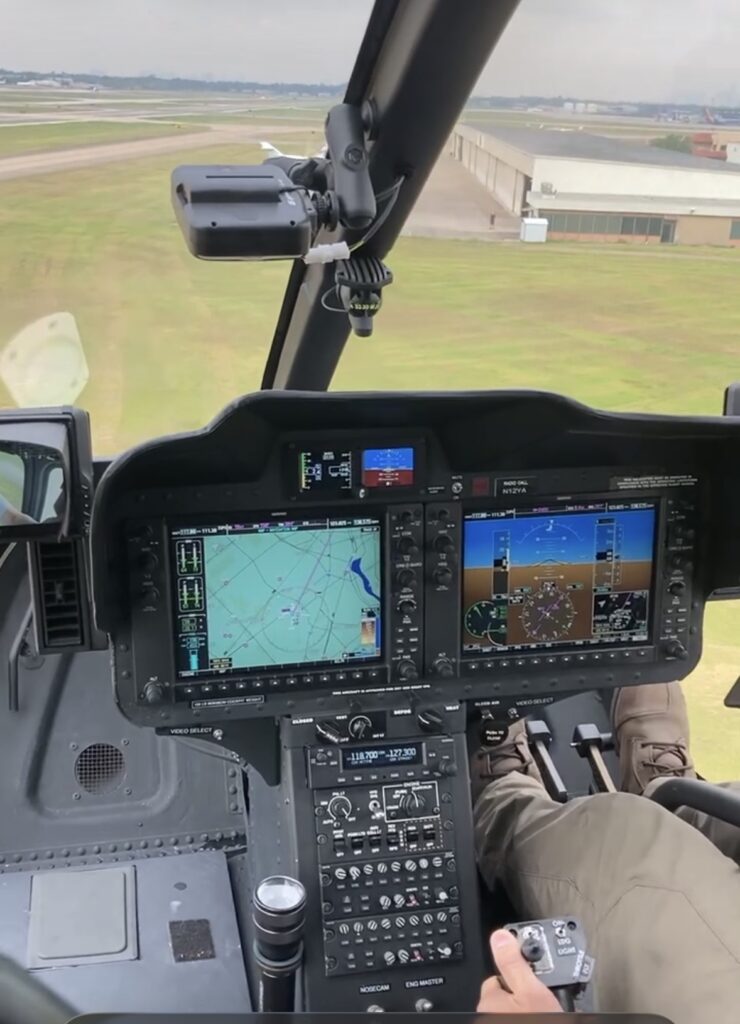
Helicopter navigation display showing crowded airspace as the NTSB reviews a mid-air collision
The NTSB hearing is not about assigning criminal blame. It is about understanding how a highly controlled aviation system still allowed two aircraft to collide.
Investigators will review air traffic control procedures, cockpit communications, radar and tracking data, aircraft equipment, and decision-making by both flight crews and controllers. Officials from the FAA and the U.S. Army are expected to testify about training, policies, and safety systems.
After the hearing, the NTSB will issue a probable cause determination along with safety recommendations. These could lead to new rules, new technology, or new procedures across the U.S. aviation system.
Key Safety Issues Under Review
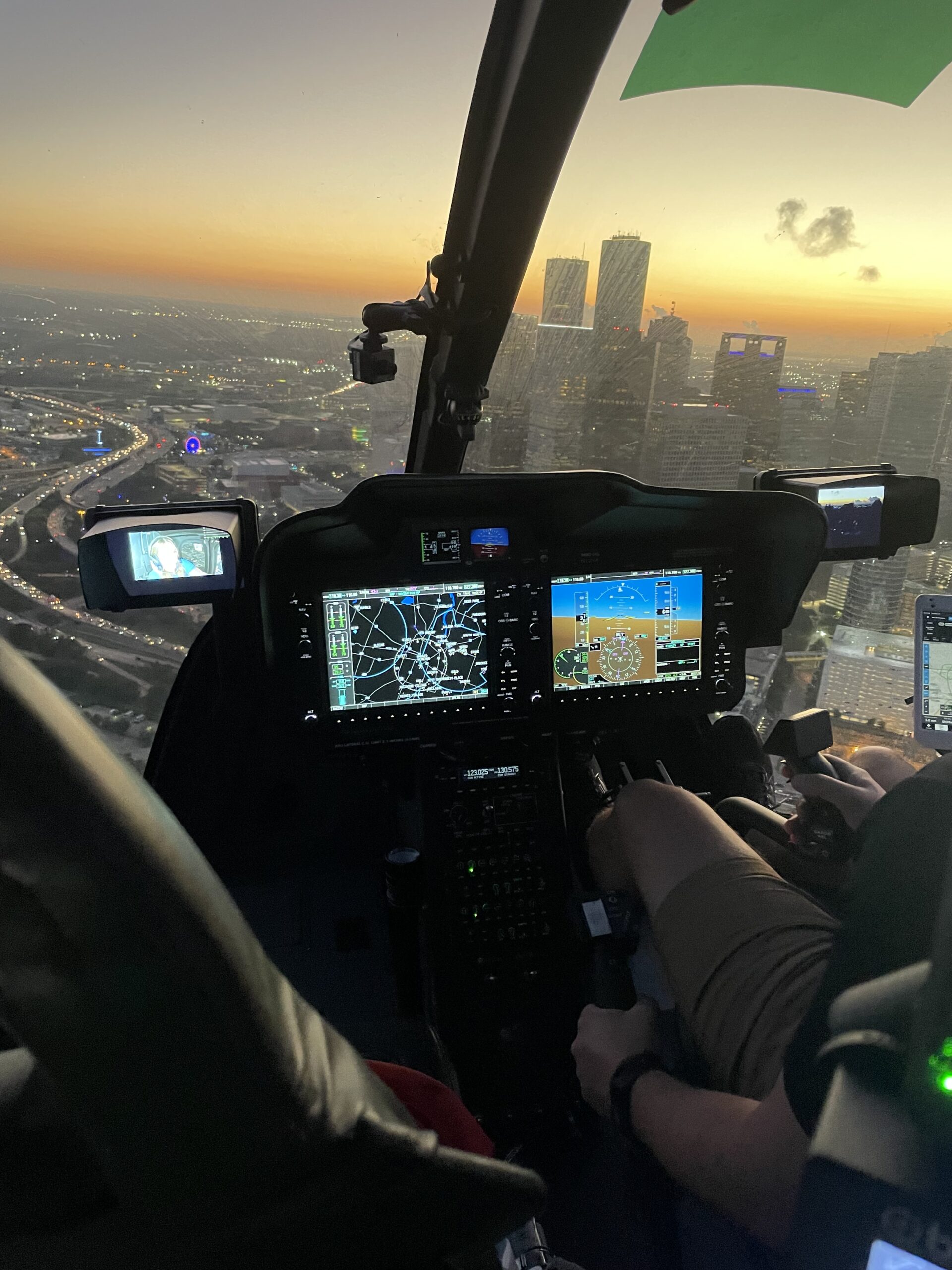
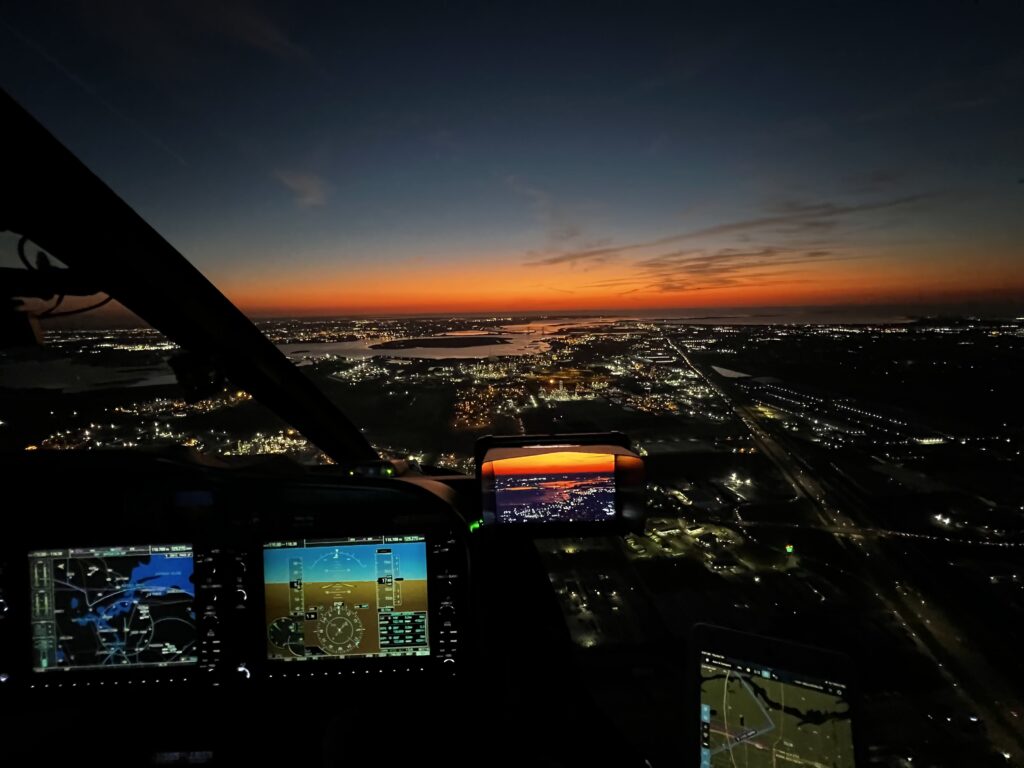
A Houston helicopter cockpit – the kind of airspace that could be affected by changes from the NTSB mid-air collision hearing
One issue involves altitude differences. Early findings suggest the helicopter may have been flying higher than its assigned altitude, placing it directly in the jet’s path.
Another issue is communication. Reports indicate that air traffic control instructions may not have been clearly received by the helicopter crew due to overlapping radio traffic.
In high-traffic airspace, clear audio matters. Noise-canceling aviation headsets help pilots hear ATC instructions when frequencies get busy.
Airspace congestion is also being examined. The area around Reagan National Airport is one of the busiest in the country. Commercial jets, military aircraft, and helicopters all operate in tight corridors. Investigators are questioning whether the system relies too heavily on controllers to manage unsafe levels of traffic.
There is also a focus on safety technology. Early reports suggest the helicopter may not have been broadcasting its exact position through ADS-B at the time. ADS-B is a modern tracking system that allows aircraft and controllers to see each other more accurately. Investigators will be examining whether this played any role in the collision.
Why This Matters to Everyday Flyers in Houston
Houston faces similar airspace congestion
Even though the crash happened in Washington, the changes that follow could affect how airspace is managed nationwide, including in Texas.
If ADS-B and similar safety systems become mandatory for more aircraft, that could mean safer skies but also new equipment requirements for helicopters and government aircraft.
If changes are made to air traffic control staffing, training, or workload limits, that could directly affect how efficiently and safely flights move in and out of Houston’s airports.
This is not just a Washington story. It is a nationwide aviation safety issue.
What Flyers Should Know Right Now
Flying remains one of the safest ways to travel. Accidents like this are extremely rare. When they do happen, they often expose weaknesses that can be fixed.
The NTSB process takes time. Major rule changes can take months or even years. But history shows that these investigations often lead to real improvements in safety.
If you fly out of Houston regularly, you may not notice immediate changes. Over time, however, new procedures, better technology, and stronger safety rules could quietly make your flights even safer.
Final Thought
The January 27 NTSB hearing is about more than one tragic night in Washington. It is about making sure a disaster like this does not happen again anywhere in the country.
From crowded East Coast airspace to busy hubs like Houston, what the NTSB decides could shape how we all fly for the next generation.
Disclosure: As an Amazon Associate, I earn from qualifying purchases.
It may be hot and humid in Miami but breaking news is even hotter. Helicopter views often lead the newscast with above the scene storytelling. This month we feature Robin Russell with Helicopters Incorporated who is in charge of over 75 reporters and photojournalists across the country. Click on link below to view the full story.
Watch my exclusive take on Miami’s hot market – full coverage below!
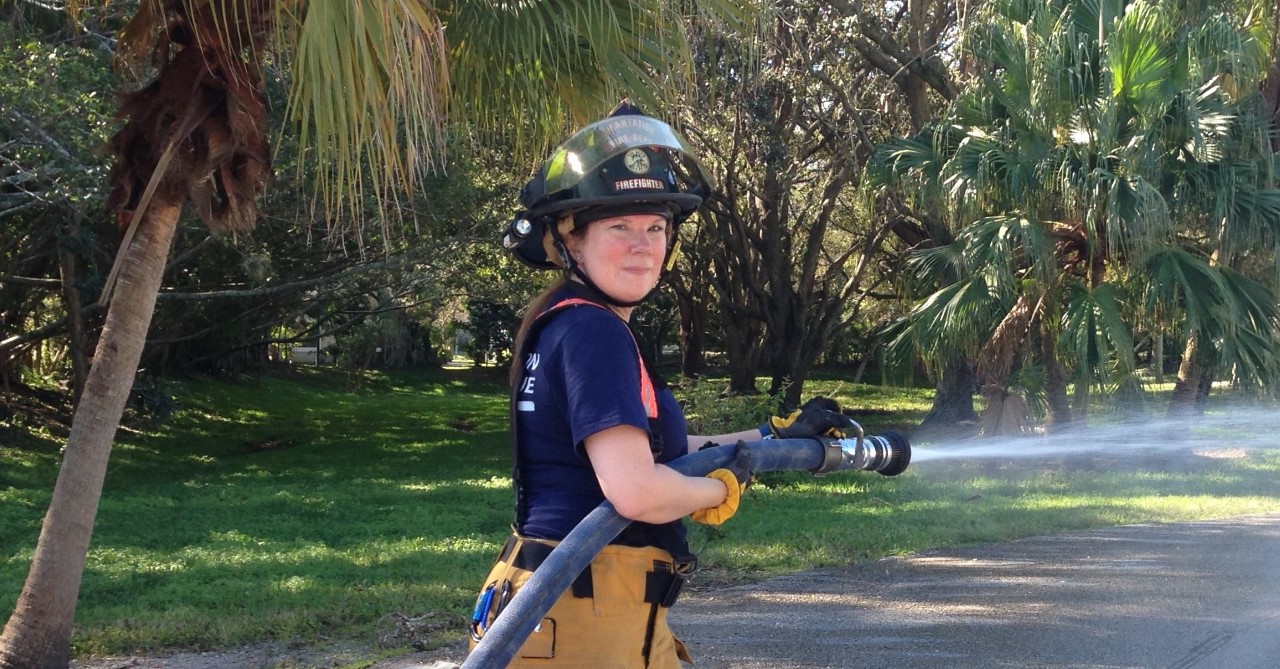
Lead Photojournalist Robin Russell is always on the move, in the air flying for Helicopters Incorporated and on the ground volunteering her time with the Plantation Fire and Rescue Department.