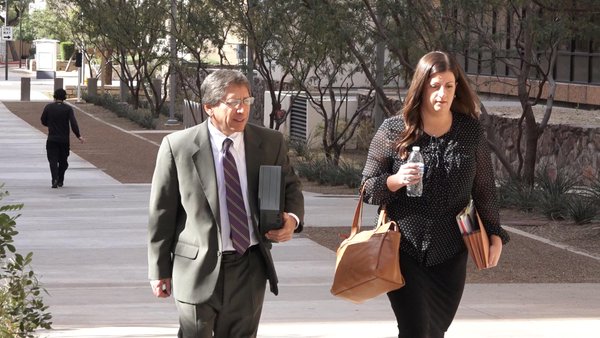
Convicted murderer Jodi Arias may be closer than ever to a second shot at freedom — and her legal team believes former prosecutor Juan Martinez’s book could be the key.
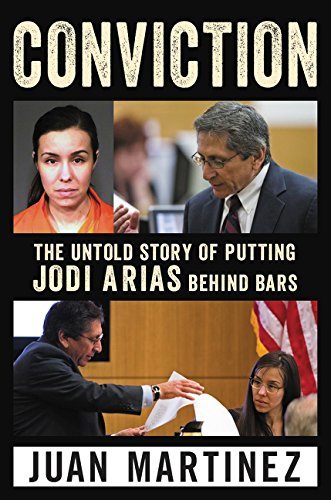
Martinez allegedly began writing Conviction: The Untold Story of Putting Jodi Arias Behind Bars while Arias was still on trial — long before it was published. Now, Arias’ attorneys are demanding business records from the literary agent Martinez originally hired, hoping those files will reveal whether he planned to profit from her case while prosecuting it.
If the records show ethical violations or conflicts of interest, her lawyers argue the trial itself may have been tainted — opening the door to post-conviction relief and a possible new path to freedom.Convicted murderer Jodi Arias may be closer than ever to a second shot at freedom — and her legal team believes former prosecutor Juan Martinez’s book could be the key. This isn’t the first controversy surrounding the Jodi Arias prosecution.
As an Amazon Associate, I earn from qualifying purchases
Obsessed with true crime? Here’s a list of must-read book you won’t put down.
Why a Retrial in 2026 is Unlikely But Possible
A judge has given Arias until September 2, 2026 to file her post-conviction petition. That deadline matters, because courts rarely reopen cases unless new evidence proves serious misconduct.
But Arias’ legal team believes these publishing records could do exactly that. If Martinez was negotiating a book deal while prosecuting Arias, it could violate ethical rules meant to prevent prosecutors from financially benefiting from active cases.
If proven, that conflict could be powerful enough to force the court to re-examine her conviction.
When Prosector Misconduct Changes Everything
History shows that misconduct can — and does — overturn even the most settled cases.
Curtis Flowers was tried six times for the same murders. Four convictions were thrown out after appeals courts found repeated prosecutorial misconduct and racial bias in jury selection. Eventually, all charges were dropped, and Flowers walked free.
James Alan Gell spent years on death row for a crime he didn’t commit. Prosecutors withheld evidence that could have cleared him. His conviction was overturned, he was acquitted in a new trial, and he was released.
These cases prove that when misconduct is exposed, even long-standing verdicts can collapse.
What This Means for True Crime Watchers
The Arias case has captivated millions for over a decade — but this development changes the story. This isn’t about whether people believe she is guilty. It’s about whether the person who prosecuted her played by the rules.
If Martinez was building a book deal while arguing for her conviction, it raises serious questions about fairness, motive, and integrity in one of the most watched trials in modern true-crime history.
Bottom Line
With the 2026 PCR deadline approaching, Arias’ attorneys are betting that what’s buried inside those publishing records could rewrite her fate — and possibly expose one of the most controversial prosecutorial conflicts the true-crime world has ever seen.
Court filings and evidence may soon tell the story that never made it into the courtroom. Click below to read the court documents.