
By Investigative Reporter Tammy Rose
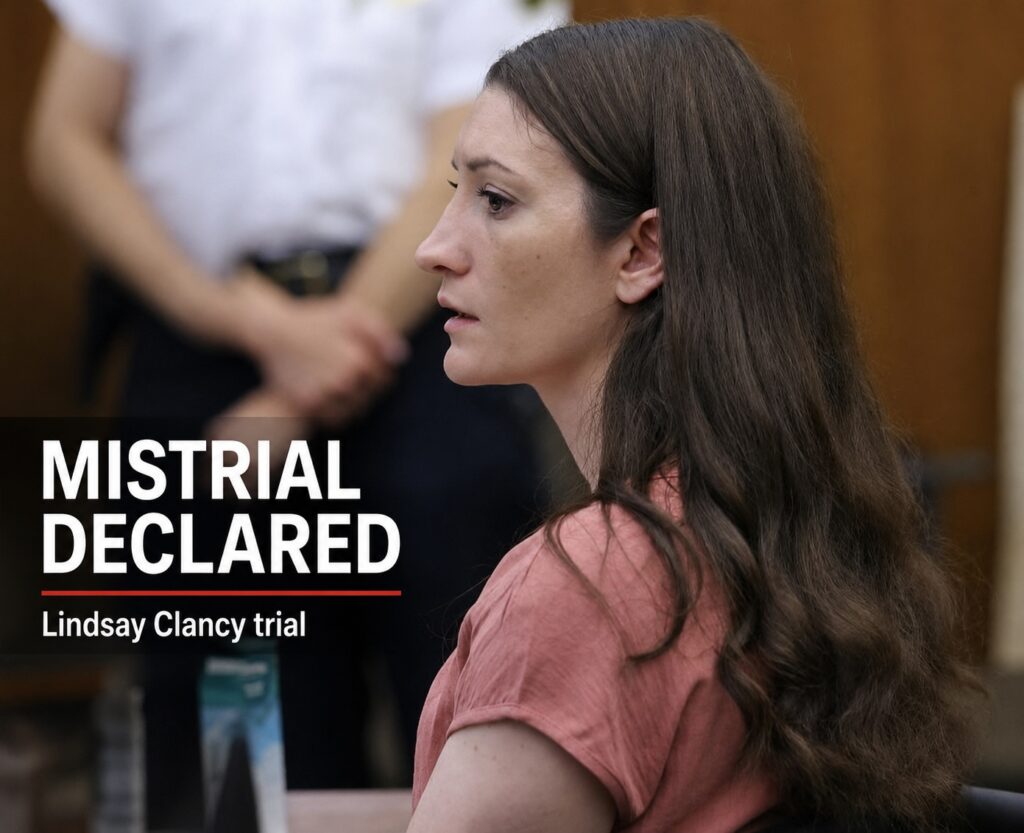
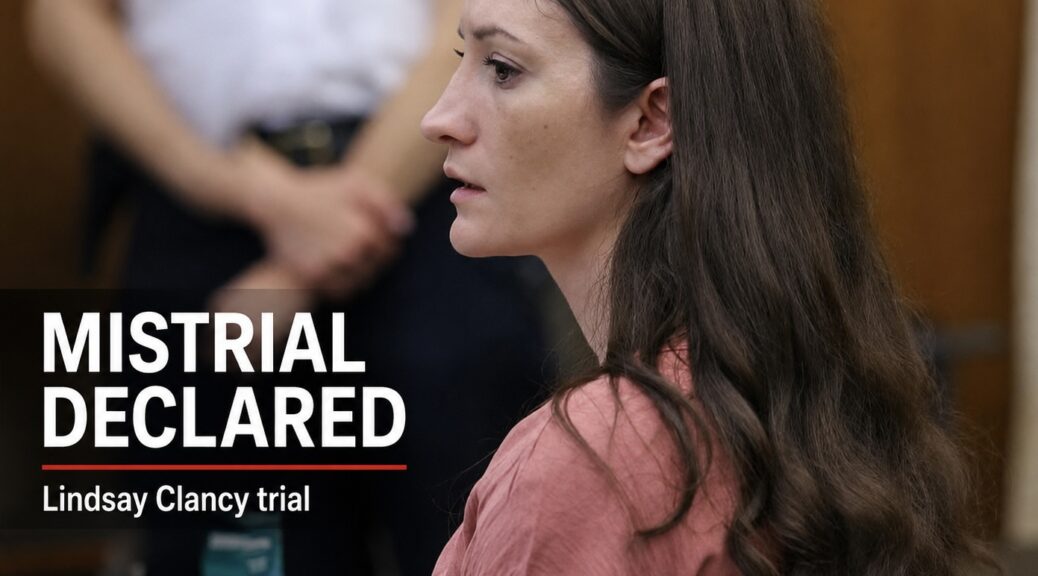
Judge William Sullivan declared a mistrial Friday in the Lindsay Clancy murder case after jurors failed to reach a unanimous verdict following seven days of deliberations.
The mistrial leaves the high-profile Massachusetts case without a verdict. Because the jury deadlocked, the charges were not resolved. Prosecutors must now decide whether to seek a retrial or pursue another lawful resolution.
Jury reports another deadlock
The jury deliberated for more than 38 hours. Jurors told the court three times that they could not agree on a verdict.
A note from the jury foreperson raised concerns about one juror. The foreperson claimed that the juror would not follow the judge’s instructions on reasonable doubt.
Defense attorney Kevin Reddington asked Sullivan to remove the juror. Sullivan denied that request. The judge said he could not resolve the jury’s internal disagreement by replacing a juror based on the foreperson’s account.
Defense sought emergency intervention
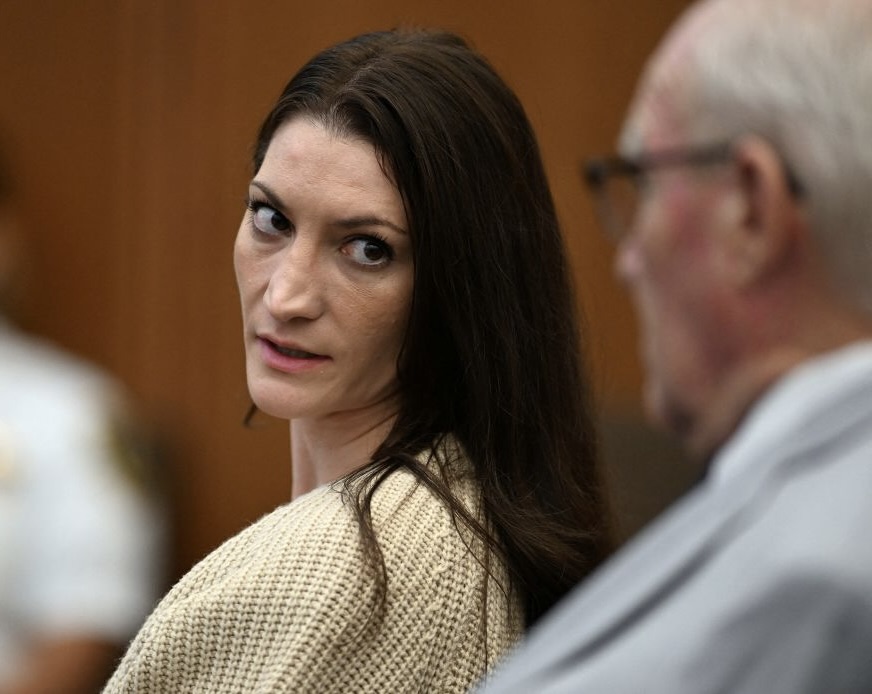
Sullivan announced his plan to declare a mistrial after the jury reported its final deadlock.
Reddington asked for time to seek emergency appellate intervention. Sullivan delayed the mistrial order for one hour.
No appellate ruling stopped the court from declaring a mistrial before the deadline. Sullivan then ended the trial without a verdict.
A mistrial based on jury deadlock generally does not decide the defendant’s guilt or innocence. It also does not ordinarily bar the government from retrying the case under the constitutional protection against double jeopardy, because the jury could not reach a verdict.
Case focused on criminal responsibility
Clancy faced three murder charges in the deaths of her children. Cora was 5, Dawson was 3 and Callan was 8 months old.
The defense did not dispute that Clancy caused the children’s deaths in January 2023. Instead, Reddington argued that postpartum psychosis left her unable to appreciate the wrongfulness of her conduct or to conform her conduct to the law.
Prosecutors argued that Clancy planned the killings and understood that her actions were wrong. Jurors had to decide whether the prosecution proved the elements of the charged offenses and whether Clancy was criminally responsible under Massachusetts law.
In Massachusetts, a defendant may be found not guilty by reason of lack of criminal responsibility if a qualifying mental disease or defect substantially affected the defendant’s ability to appreciate the wrongfulness of the conduct or to conform conduct to the law. The defense bears the burden of proving that defense by a preponderance of the evidence.
The jury could have convicted Clancy of murder or a lesser offense, including manslaughter, if the evidence and instructions supported that verdict. Jurors could also have found her not guilty by reason of lack of criminal responsibility. That finding is not the same as an ordinary acquittal and can lead to court-ordered psychiatric commitment and continuing judicial review.
What happens after the Lindsay Clancy mistrial?
The mistrial did not result in a conviction or an acquittal. The charges remain unresolved, and the court must address the case’s next procedural steps.
Prosecutors may seek a retrial with a new jury, subject to applicable court rules and constitutional requirements. They may also negotiate a plea agreement or decide not to pursue the charges. Any dismissal could be with or without prejudice, depending on the circumstances and the court’s order.
A retrial would not necessarily repeat every procedural step in exactly the same way, but the parties would select a new jury and present the case again. Evidence and rulings from the first trial could affect the proceedings, and the court would decide which issues remain open.
Clancy remains at a psychiatric hospital while the case continues. Officials have not announced a new court date or a decision about a second trial.
My new book is now available
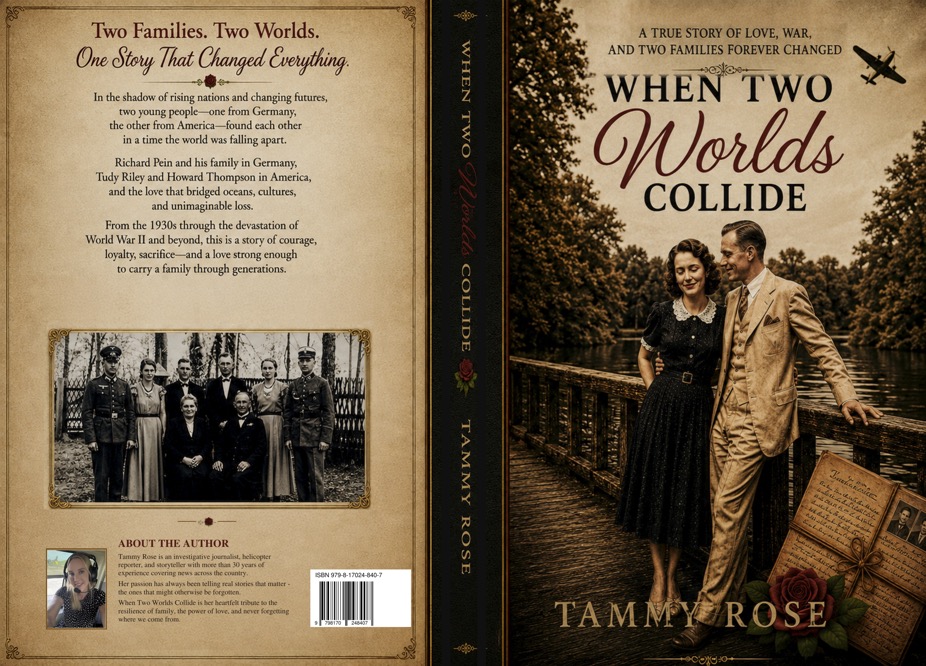
Outside the courtroom, I have also been working on a deeply personal project.
My new book, When Two Worlds Collide During WWII, follows two families on opposite sides of World War II and the remarkable events that eventually brought their lives together in Wisconsin.
The story is based on my own family history, with real people, family photographs and stories passed down through generations.
Disclosure: As an Amazon Associate, I earn from qualifying purchases.